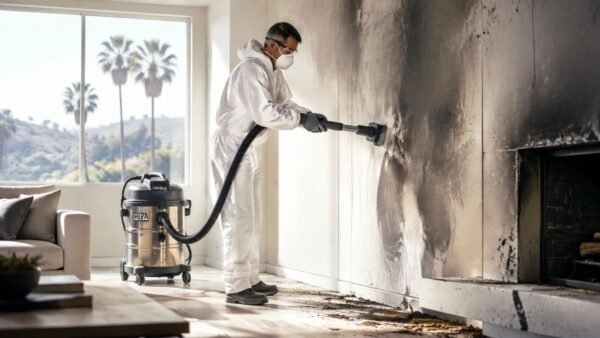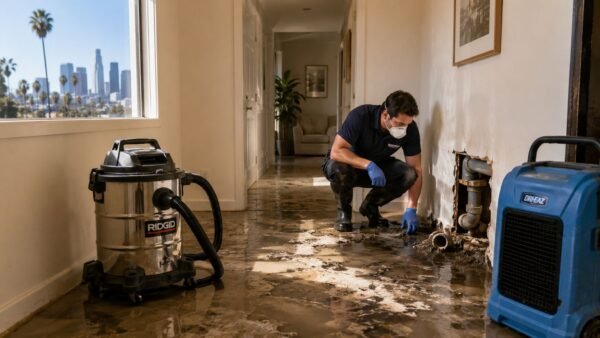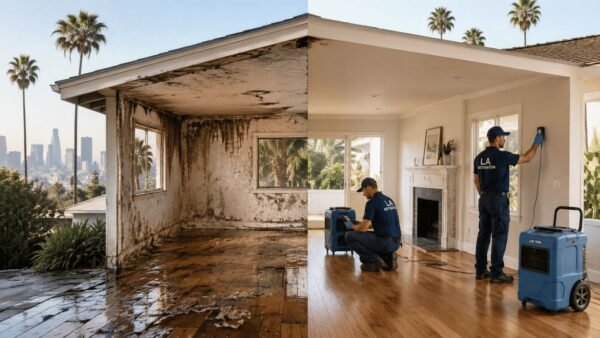

Fire damage restoration cost usually falls between $3,098 and $52,031, with an average project cost of about $27,564 and a common full-restoration baseline of roughly $5.50 per square foot. If the damage is limited to smoke cleanup, costs can start around $800, while severe structural-loss cases can reach $180,000.
That range feels overwhelming when you're standing in a damaged home trying to figure out what happens next. The number on an estimate isn't just about burned materials. It usually reflects a sequence of different scopes: emergency stabilization, smoke and soot cleanup, odor treatment, water removal from firefighting efforts, contents handling, and then rebuilding.
Most homeowners in Los Angeles don't need one big average. They need to know which phase costs what, what insurance usually looks at first, and where the big financial decisions happen. That's how projects are managed in Sherman Oaks, Glendale, Burbank, and across older LA housing stock where smoke can travel farther than the fire itself.
What to Expect for Fire Damage Restoration Cost
National cost ranges for fire restoration are wide, and that is exactly why a single average rarely helps a homeowner in the first 24 hours. The more useful question is which phase of the project is driving the price right now.
Fire losses are usually billed in the same order the job unfolds. First comes emergency mitigation. Then contents handling and cleaning. Last comes repair and reconstruction. That sequence is also how many insurance claims are reviewed, so reading the estimate by phase gives you a clearer picture of what is urgent, what can wait, and what may need adjuster approval before the work expands.
A contained kitchen fire and a whole-home structural loss can both fall under "fire damage restoration," but the cost pressure shows up in different places. On a smaller loss, the early charges often come from labor-intensive smoke cleanup, odor treatment, and selective demolition. On a larger loss, the first invoices usually come from securing the site, drying out water used during suppression, debris removal, and temporary protection. If the structure was opened during firefighting, understanding what a board-up service includes helps explain why the first bill may arrive before deep cleaning begins.
What homeowners usually misunderstand first
The initial estimate often includes work you cannot fully see yet. Smoke residue spreads beyond the burn area. Water from firefighting can affect flooring, cabinets, insulation, and lower wall cavities. Openings in the roofline, windows, or doors can also create immediate security and weather exposure.
The practical question to ask is simple. Does this number cover mitigation only, or mitigation plus rebuild?
That distinction changes everything. A mitigation estimate may cover emergency labor, debris removal, drying equipment, soot cleaning, odor treatment, and pack-out of damaged belongings, but not the full cost to rebuild cabinets, drywall, flooring, trim, or paint. On reconstruction, contractors often prepare a separate scope using room-by-room measurements and estimating tools, including platforms such as Exayard painting estimating software for finish-related pricing.
This is especially true in Los Angeles homes with older finishes, layered renovations, garage conversions, and attic pathways that let odor and residue spread into areas that looked untouched on day one.
The calmer way to read the cost
Read the total as three buckets, not one lump sum:
- Emergency mitigation for site security, water removal, temporary protection, hazard reduction, and immediate cleanup
- Contents and environmental cleaning for soot removal, smoke odor treatment, pack-out, cleaning, and evaluating what can be restored versus replaced
- Rebuild for demolition, framing, insulation, drywall, cabinetry, flooring, trim, paint, and final repairs needed to return the home to pre-loss condition
That format reflects how restoration managers build scopes in the field and how adjusters often review them. It also gives you a better way to track where the money is going, where approvals may slow down, and what to expect next.
A Detailed Breakdown of Restoration Service Costs
Many fire loss estimates start to make sense once you read them in phases instead of as one intimidating total. That is how restoration crews perform the work, how estimators build the scope, and how insurance reviewers usually approve charges.
A typical project breaks into three cost groups: emergency mitigation, contents and specialty cleaning, and rebuild. Each group has different labor, equipment, approval timing, and documentation requirements. That is why two estimates with similar totals can still be very different in structure and in what they include.
Typical Fire Damage Restoration Line-Item Costs
| Service Phase | Specific Task | Typical Cost Range |
|---|---|---|
| Emergency mitigation | Board-up and securing openings | $250 to $2,500 |
| Emergency mitigation | Water damage cleanup | $1,000 to $6,000 |
| Cleaning and remediation | Soot removal | $2,000 to $6,000 |
| Cleaning and remediation | Smoke deodorization | $200 to $1,000 |
| Rebuild and repair | Structural repairs and reconstruction | $10,000 to $100,000+ |
How these phases show up on a real estimate
Emergency mitigation is usually the first authorization. It covers the work needed to stabilize the property and prevent the loss from getting worse. That can include board-up, roof tarping, water extraction from firefighting, temporary power shutoff coordination, debris removal, and drying equipment.
Contents and cleaning often create the most confusion for homeowners because the charges are labor-heavy and highly detailed. A proper scope may include pack-out, inventory, testing residue type, HEPA vacuuming, dry-cleaning sponges, wet cleaning for salvageable surfaces, odor treatment, and separate decisions on what can be restored versus what needs replacement.
Rebuild is priced differently because it shifts into construction. Measurements become tighter, material allowances matter more, and finish selections start affecting cost quickly. Drywall, insulation, cabinets, trim, flooring, paint, and code-related corrections are often written as a separate estimate or supplement.
One practical point matters here. A small mitigation invoice does not mean the overall claim will stay small. It may only reflect that the contractor has billed the emergency phase first and has not written the reconstruction scope yet.
Why line items matter more than a single total
Homeowners under stress often compare the bottom line first. I understand that. But line items usually tell the full story.
One estimate may include pack-out, odor treatment, and detailed cleaning for cabinets and framing. Another may leave out contents handling or limit demolition to visibly charred materials only. The cheaper number can become the more expensive job once supplements start coming in and missed work has to be added later.
For this reason, estimating systems matter. Even outside restoration, tools such as Exayard painting estimating software show how itemized pricing helps homeowners compare scope, allowances, and finish-level assumptions instead of reacting only to one total.
If you want a clearer sense of how labor-based cleanup charges are separated from standard housekeeping, this guide to cleaning services cost gives useful context. Smoke cleanup is specialty remediation work, not routine house cleaning.
The cost areas that often trigger questions
- Emergency mitigation: Usually billed first because the work is immediate and time-sensitive.
- Contents processing: Often separated from structural cleaning because inventory, pack-out, cleaning methods, and storage all affect price.
- Reconstruction: Usually changes the most during the job because hidden damage, material availability, code requirements, and finish choices can all shift the final number.
That phase-by-phase view gives homeowners a more usable way to read an estimate, track approvals, and understand what is happening with the claim.
Key Factors That Influence Your Final Price
The same service categories can produce very different totals depending on what the fire touched, what burned, and how far smoke and water traveled.

Size of the affected area
Square footage matters, but not in a simple way. A fire in one room can still affect an entire home if smoke moved through the HVAC system or open-plan living space. In many Los Angeles homes, especially older properties in Sherman Oaks and Glendale, smoke can get into closets, attic edges, wood trim, and insulation pockets that aren't obvious at first walk-through.
What raises cost isn't just burn area. It's affected area.
Fire source and residue type
A fast-burning appliance fire leaves a different cleanup problem than a slow, smoky kitchen fire. Residue can be oily, dry, sticky, or firmly embedded depending on the source materials involved. The wrong cleaning method can spread residue, etch finishes, or permanently set staining.
That is why cheap, generic cleaning after a fire often backfires. A contractor who treats every residue the same can create more replacement cost than careful testing and phased cleaning would have caused.
The visible damage tells only part of the story. Odor and residue migration often decide whether a project stays in the cleaning phase or crosses into tear-out and rebuild.
Water from suppression
Homeowners often focus on the flames and overlook what the firefighting response did to floors, cabinets, drywall, and framing. Water can turn a mostly smoke-driven loss into a combined fire and water project very quickly.
When drying starts late, materials become harder to save. That's one of the clearest financial turning points in any fire job. Fast documentation and containment usually protect both the property and the claim.
Contents and accessibility
Belongings add complexity. Upholstery, rugs, electronics, paperwork, and clothing may need separate evaluation. Some items can be cleaned off-site. Others need documentation before disposal.
Accessibility also changes labor. A single-story Burbank ranch and a multi-level hillside property above West Hollywood don't present the same setup, handling, or debris path issues. Tight attics, crawl spaces, detached garages, and older ductwork all add scope.
Local Los Angeles conditions
In LA, you also have to account for neighborhood-specific realities:
- Older construction: Plaster, lath, legacy finishes, and prior remodel layers can complicate demolition and repair.
- Wildfire-adjacent smoke exposure: Even when flames don't directly consume large parts of a home, broad smoke intrusion can expand cleaning scope.
- Dense urban layout: Shared walls, neighboring structures, and limited staging space can slow the work.
A homeowner in Beverly Hills may see more finish-related reconstruction decisions. A homeowner in Glendale may see more smoke spread across multiple rooms. The final number depends on the actual condition of the property, not the headline description of the fire.
Sample Estimates For Minor Moderate and Major Fire Damage
The easiest way to place your own project is to compare it to common field scenarios. These aren't promises or fixed-price examples. They're practical ways to think about severity using the cost ranges already covered above.
Minor smoke-focused loss
A small kitchen fire in a Burbank condo is extinguished quickly. Cabinets near the cooktop are affected, nearby walls hold soot residue, and the unit has a persistent smoke odor. The structure remains sound, and reconstruction is limited.
In this kind of job, the cost usually sits closer to the lower end of the overall range. You may see a scope built around deodorization, localized soot removal, a small amount of demolition, and cleanup of nearby surfaces.
This is the kind of situation where homeowners often assume they can clean it themselves. They usually regret that decision once odor settles into paint, textiles, and duct pathways.
Moderate room-level fire with whole-home smoke spread
A bedroom fire in Glendale damages one room directly, but smoke travels through the hall and living areas. Firefighters soak flooring and drywall around the source room. The home needs mitigation, residue cleanup, drying, odor treatment, and selective rebuild work.
Estimates start to feel complex because the job has both remediation and construction elements. A contractor may separate emergency work, cleaning, and reconstruction into different approvals or billing phases.
If your loss looks like this, reviewing how smoke damage repair services are typically scoped helps explain why a moderate fire can produce more paperwork than a visually dramatic but contained burn.
Major structural fire
A larger fire affects multiple rooms in a Sherman Oaks home, opens the roofline, and leaves major smoke contamination throughout the house. Water from suppression reaches several parts of the structure. Portions of framing, ceilings, insulation, and finishes require removal and rebuild.
At this level, the budget usually shifts away from cleaning as the main driver and toward reconstruction. Structural repairs and reconstruction can become the largest line item in the project, which is why severe losses can push far beyond the typical midrange totals discussed earlier.
When homeowners describe a loss as "mostly smoke," I look first at whether the fire, smoke, and water stayed in one zone or crossed into multiple assemblies. That answer usually tells you more than the original cause of the fire.
The practical takeaway is simple. Minor jobs are often odor-and-cleaning heavy. Moderate jobs blend mitigation with rebuild. Major jobs become construction projects with restoration components.
Insurance and Proper Claim Documentation
Insurance approval often turns on paperwork more than appearance. Two homes can have similar visible damage and very different claim outcomes if one file clearly separates emergency mitigation, contents handling, and reconstruction costs.
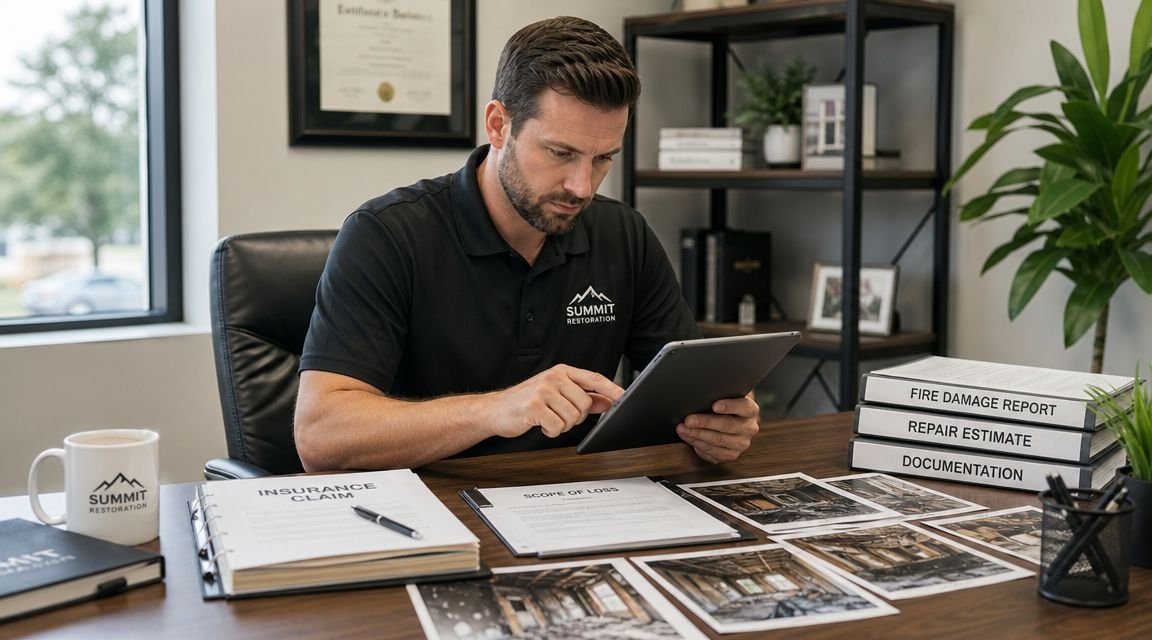
In Los Angeles fire losses, the strongest claim files follow the same sequence as the job itself. They show initial site conditions, emergency stabilization, contents decisions, cleaning records, and rebuild scope in order. That phase-by-phase structure gives an adjuster a cleaner path to review than one large estimate with broad descriptions.
What should be documented immediately
Start before debris is moved or damaged items are thrown out. Early records are often the difference between a scope that gets reviewed quickly and one that comes back with questions.
- Photo record: Take wide shots first, then close-ups of affected finishes, soot patterns, openings, appliances, and contents.
- Video walkthrough: Record a slow pass through each room so smoke spread and water impact are visible in context.
- Emergency actions log: Track board-up, shutoff, extraction, debris removal, temporary power, and other protective steps.
- Contents list: Separate items that are clearly unsalvageable from items that may be cleaned, packed out, or evaluated later.
- Receipts and temporary costs: Keep every invoice for hotel stays, meals, pet boarding, medications, clothing, and emergency supplies if the policy may cover them.
If the carrier asks for records in several formats, tools for master document extraction can help organize scanned invoices, reports, and claim paperwork into a file that is easier to review.
Why itemization affects approval
A fire claim usually gets reviewed by phase, even if the homeowner sees it as one event. The adjuster is often looking for support at each step. What was needed to secure the property right away. What contents were cleaned, discarded, or packed out. What building materials require removal, cleaning, or replacement.
Line items matter because they are easier for an adjuster to evaluate against visible damage and policy categories. “Smoke cleanup” is too broad. Room-specific HEPA vacuuming, seal-and-isolate containment, odor treatment, cabinet interior cleaning, insulation removal, and structural drying each describe a defined task with a reason behind it.
For homeowners who want a clearer picture of the claim process, this guide on fire damage insurance claims explains how documentation, approvals, and supplements usually work.
Save every receipt tied to the loss, even small ones. Gaps in temporary housing, emergency purchases, or protection work often create avoidable disputes later.
For general consumer guidance on preparing and managing property claims, the Insurance Information Institute's insurance claim resources are worth reviewing.
A short walkthrough of the process can also help if this is your first major claim:
What slows claims down
Three problems come up repeatedly on fire jobs:
- Items are discarded before documentation. Once contents are gone, it is harder to support cleaning versus replacement decisions.
- Estimates combine unlike work into one number. Emergency mitigation, contents processing, and rebuild costs should be separated so each phase can be reviewed on its own merits.
- Daily records are missing during stabilization. Drying logs, moisture readings, photos, and work notes help support the early portion of the bill.
Onsite Pro Restoration handles emergency mitigation, fire and smoke cleanup, deodorization, and insurance-facing documentation as part of its service process in Los Angeles. That capability helps when a homeowner needs one file that tracks the loss from first response through scope review, instead of rebuilding the record afterward.
Choosing Your Restoration Contractor in Los Angeles
Once the property is safe, the contractor you choose will shape both the cost experience and the claim experience. A cheap estimate can become an expensive project if the scope is incomplete, the documentation is weak, or the cleanup methods are wrong for the residue.
What to verify before signing
Look for a contractor who can show:
- IICRC training and restoration-specific experience: Fire and smoke cleanup isn't general remodeling.
- Licensing and insurance: You need a company that can handle emergency work and reconstruction responsibly.
- Clear written scope: The estimate should separate emergency mitigation, cleaning, contents handling, and repair work where applicable.
- Local familiarity: Los Angeles homes vary widely by neighborhood, age, access, and finish level.
A company that works regularly in North Hollywood, Glendale, Burbank, West Hollywood, and Beverly Hills will usually be more comfortable with the practical issues that come up in those areas.
Questions worth asking on day one
Don't ask only "How much?" Ask these instead:
- What is included in this phase right now?
- What work might require a supplement later?
- How are contents handled and documented?
- Who communicates with the adjuster?
- What shouldn't I do before approval or inspection?
Those questions tell you whether you're dealing with a restoration team that understands process, not just demolition.
The right fit is usually boring in a good way
The best restoration projects aren't dramatic. They are organized. The contractor shows up, secures the property, documents thoroughly, explains what can be saved, and keeps the estimate readable.
If you need a starting point for vetting local help, review restoration services from Onsite Pro's fire and property damage team and compare their process against any other company you're considering. The important thing is to choose a contractor who can stabilize the loss, document it properly, and communicate clearly from the first visit.
If you need help with fire or smoke damage in Los Angeles, CA, call Onsite Pro Restoration at 818-336-1800 for a free inspection. We serve homeowners across North Hollywood, Sherman Oaks, Glendale, Burbank, West Hollywood, Beverly Hills, and nearby communities with 24/7 emergency response, clear documentation, and practical guidance through cleanup, rebuild, and insurance coordination.
SEO title tag: Fire Damage Restoration Cost Guide for Los Angeles
Meta description: Fire damage restoration cost in Los Angeles ranges widely. Learn typical pricing by phase, what affects cost, and how to document your claim.
Schema opportunities: FAQ, LocalBusiness
Suggested image placement 1: In the cost breakdown section, add a table graphic summarizing mitigation, cleanup, and rebuild line items.
Suggested alt text: fire damage restoration cost breakdown by service phase
Suggested image placement 2: Near the contractor selection section, add a project manager reviewing a scope sheet with a homeowner.
Suggested alt text: fire damage restoration cost estimate review in Los Angeles
FAQ
How much does fire damage restoration cost?
A commonly cited national range is $3,098 to $52,031, with an average project cost of about $27,564 and a full-restoration baseline of roughly $4 to $7 per square foot, averaging about $5.50 per square foot (Angi fire damage restoration cost guide).
What are the main phases that make up fire damage restoration cost?
Most projects break into emergency mitigation, cleaning and deodorization, and rebuild or reconstruction. That phased view is usually more useful than a single lump-sum number because different parts of the job are often approved and billed separately.
What does emergency fire mitigation usually include?
Emergency mitigation often includes board-up, securing the structure, water removal from firefighting efforts, and early stabilization work. Industry pricing guides place board-up at about $250 to $2,500 and water damage cleanup at $1,000 to $6,000 (National First Response fire damage cost guide).
Why can a small fire still produce a large estimate?
Because the fire itself may be small, but the smoke spread, soot residue, odor penetration, and water damage may affect a much larger area. In many homes, those secondary effects drive a large share of the work.
Is smoke odor removal a separate cost?
Often, yes. Industry pricing guides list smoke deodorization at about $200 to $1,000 and soot removal at $2,000 to $6,000 as separate line items from reconstruction (National First Response fire damage cost guide).
What part of the project usually costs the most?
When structural components need replacement, reconstruction usually becomes the largest budget driver. Industry pricing guides place structural repairs and reconstruction at $10,000 to $100,000+ depending on the severity of loss (National First Response fire damage cost guide).
What should I document for an insurance claim after a fire?
Document the property with photos, video, room-by-room notes, emergency mitigation records, and a contents list before items are discarded unnecessarily. Good documentation makes it easier to connect each charge to a visible condition and a justified scope of work.