
24/7 Damage Restoration in Studio City — Water, Mold, Fire & Sewer Cleanup
Studio City homes, apartments, and entertainment studios face unique risks from water, fire, mold, and sewer damage. Plumbing failures, appliance leaks, and electrical fires can quickly disrupt property and production. Onsite Pro Restoration provides 24/7 certified restoration services in Studio City. Our technicians use industry-standard methods to restore safe conditions while minimizing downtime for homeowners and businesses alike.
Get Started
Service Form
Local Restoration Specialists
From hillside residences to production spaces along Ventura Boulevard, Studio City properties need fast and reliable restoration. Onsite Pro Restoration responds immediately with expert service designed to protect your property and peace of mind.
Explore Studio City Services
Water Damage Restoration
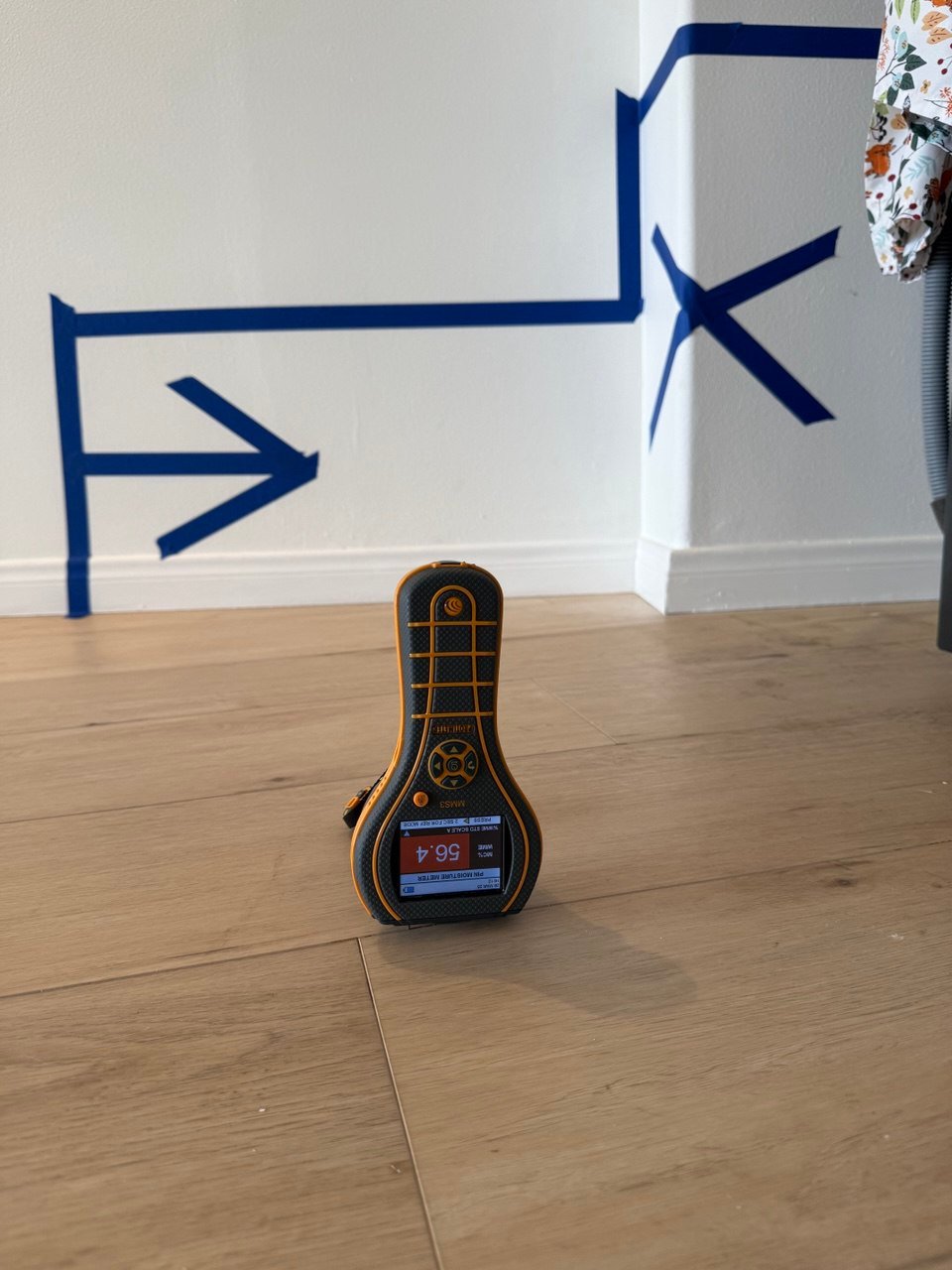
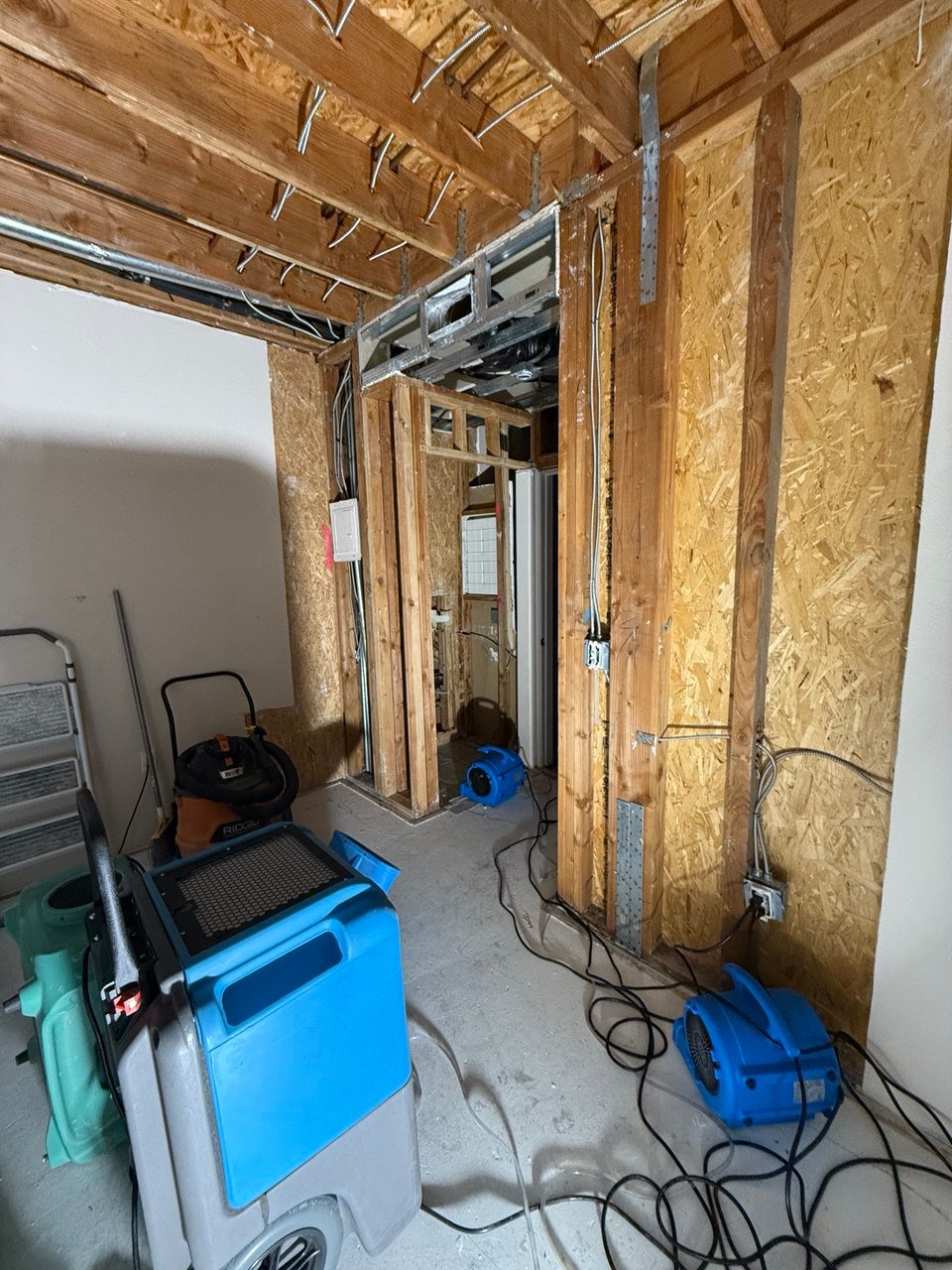
Appliance leaks and floods can spread water through multiple rooms. Our team provides fast extraction, structural drying, and sanitization.
Mold Remediation
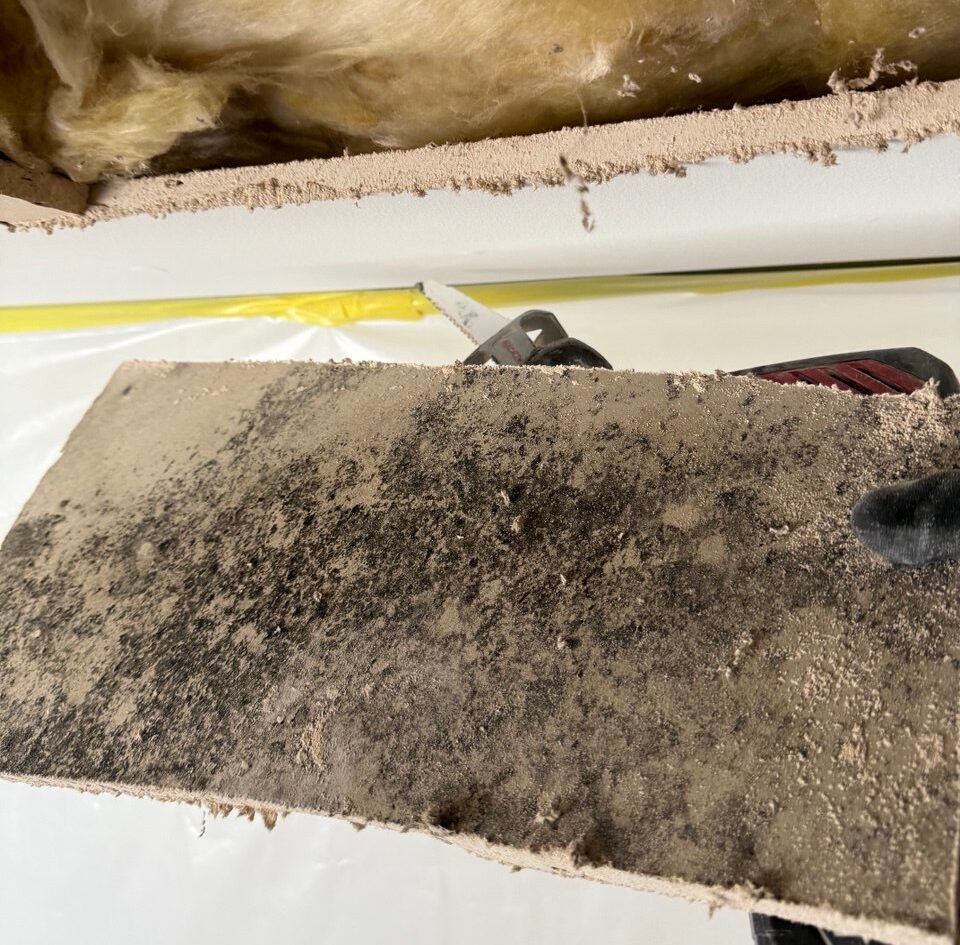
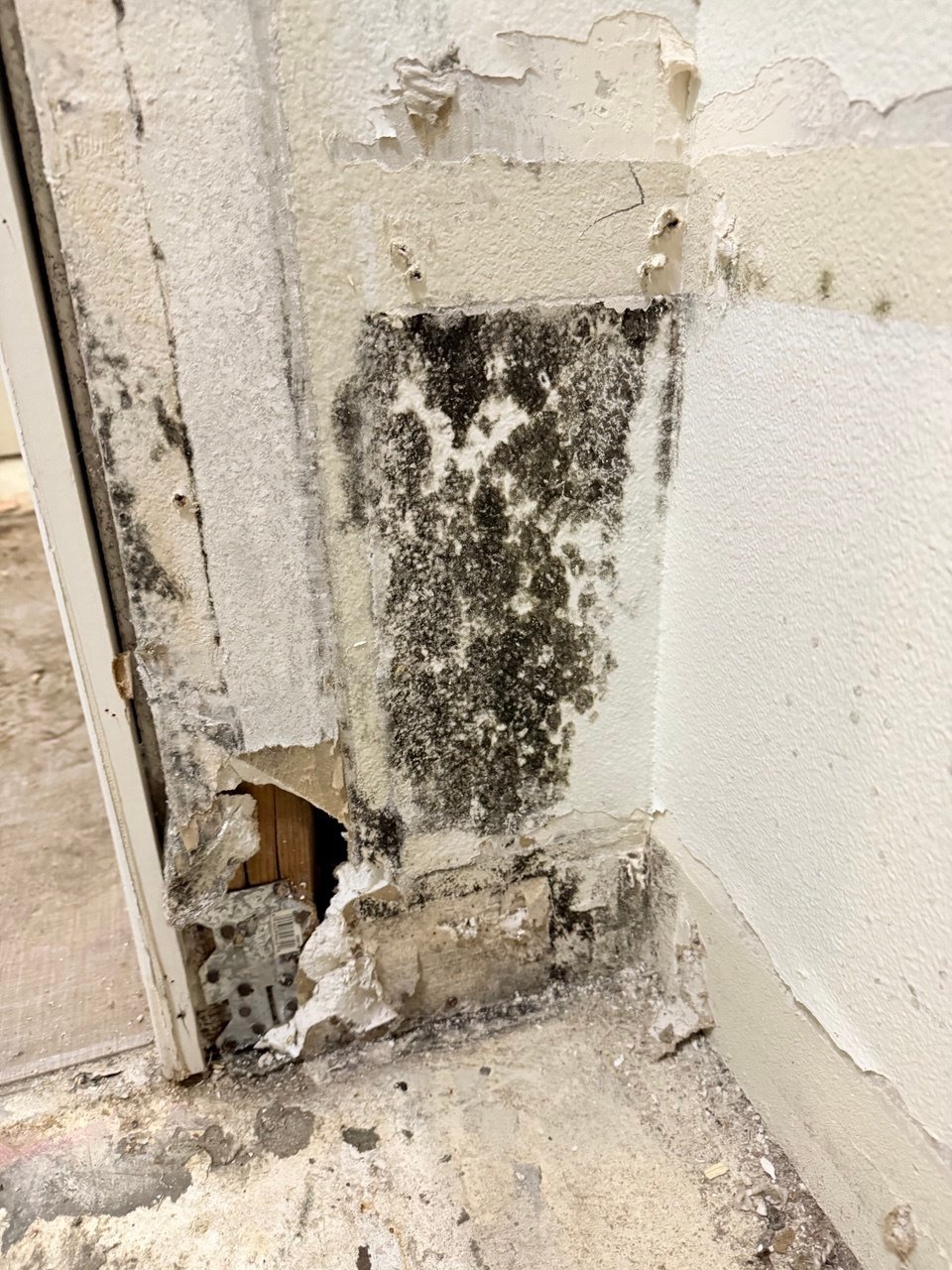
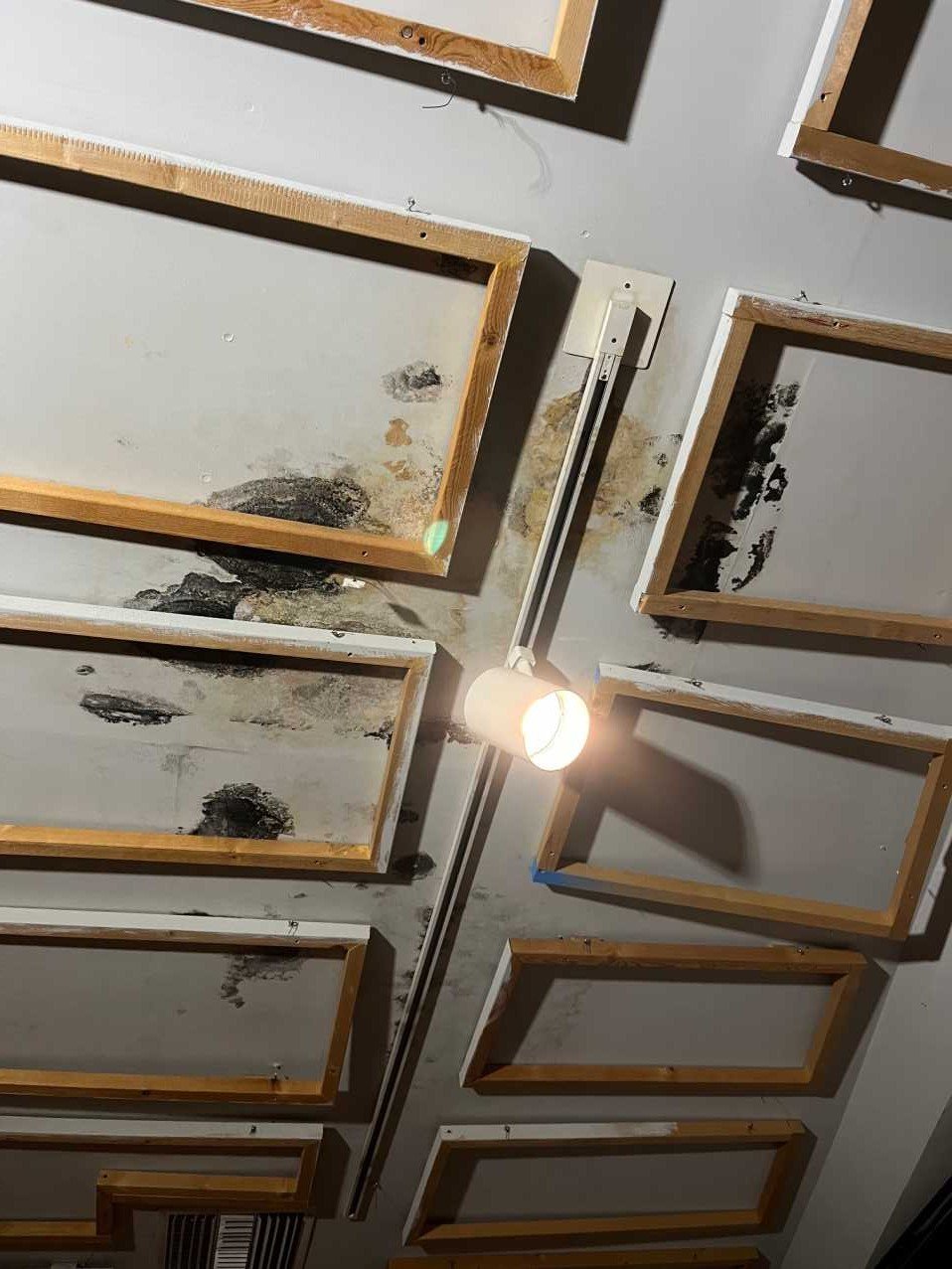
Mold spreads quickly behind walls and in crawlspaces. We offer free inspections, transparent cost estimates, and certified remediation.
Fire Damage Restoration
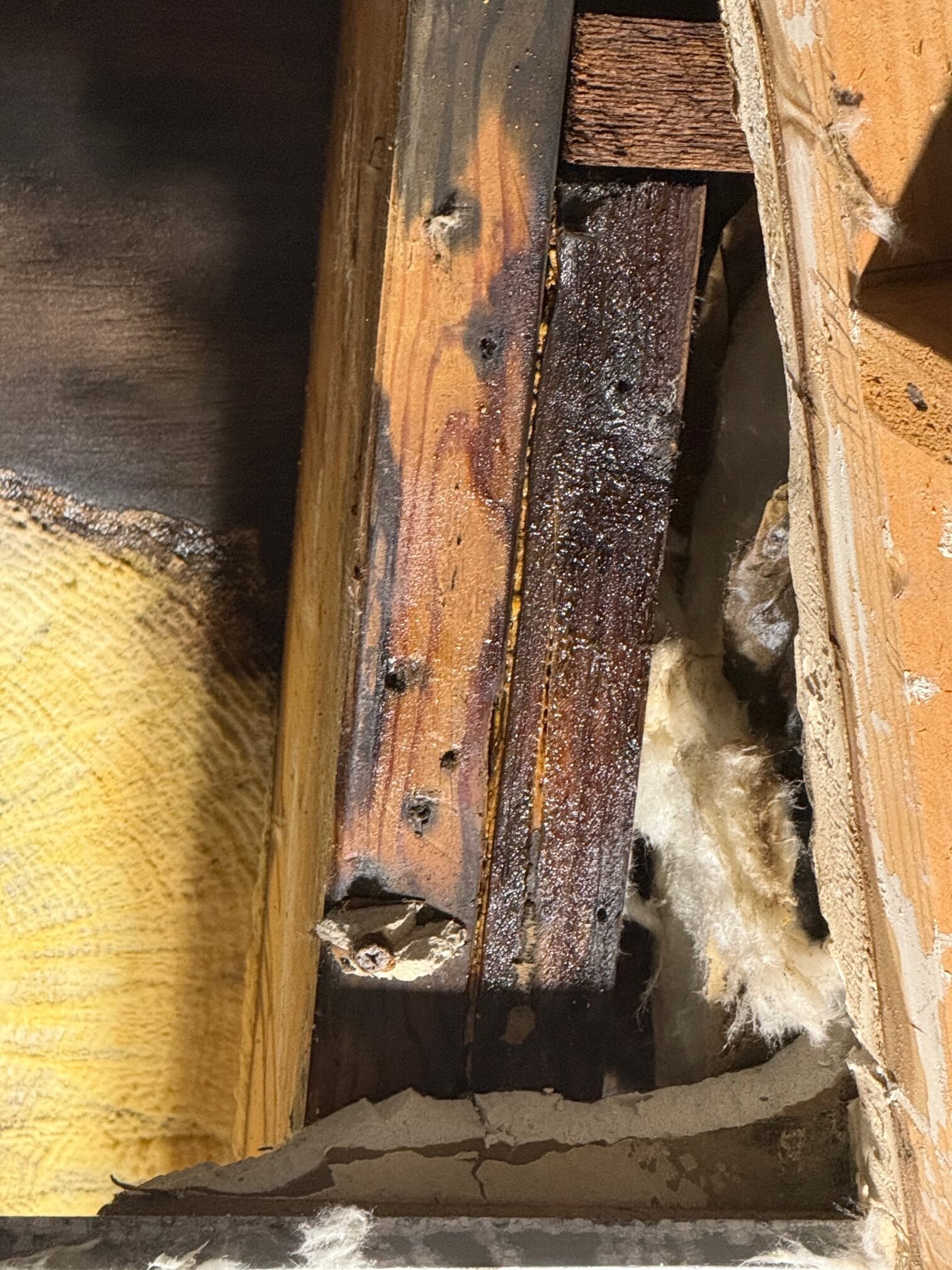
Fire leaves smoke, soot, and odor behind. We provide full cleanup, deodorization, and property restoration for homes and businesses.
Sewer Damage Cleanup
Sewer backups are hazardous and require immediate action. Our certified team disinfects, cleans, and restores contaminated areas safely.
Have questions or need immediate assistance? Speak directly with our Studio City restoration experts by calling (818) 336-1800. We’re here to provide guidance, address your concerns, and help you get started with your restoration needs.
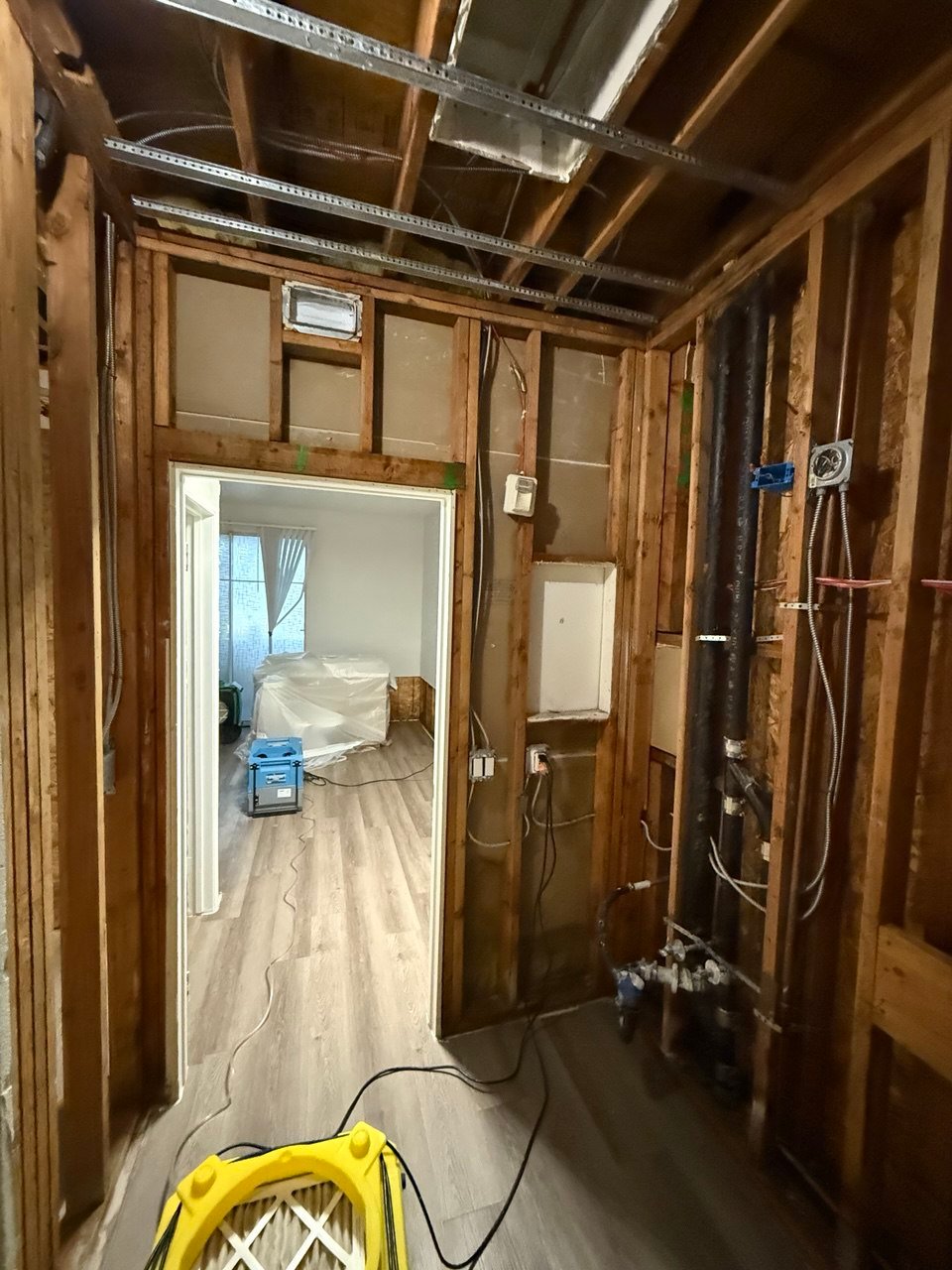
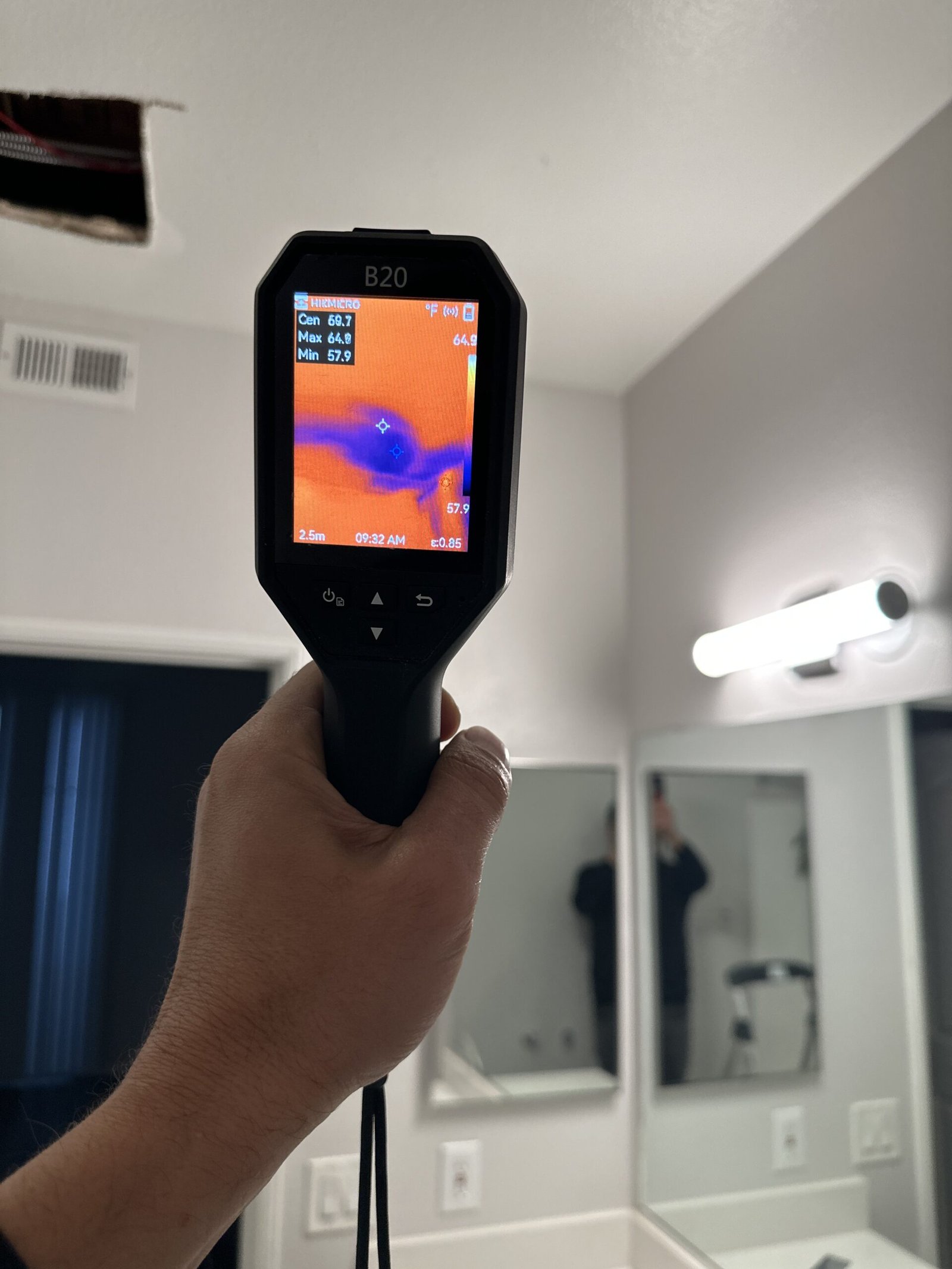
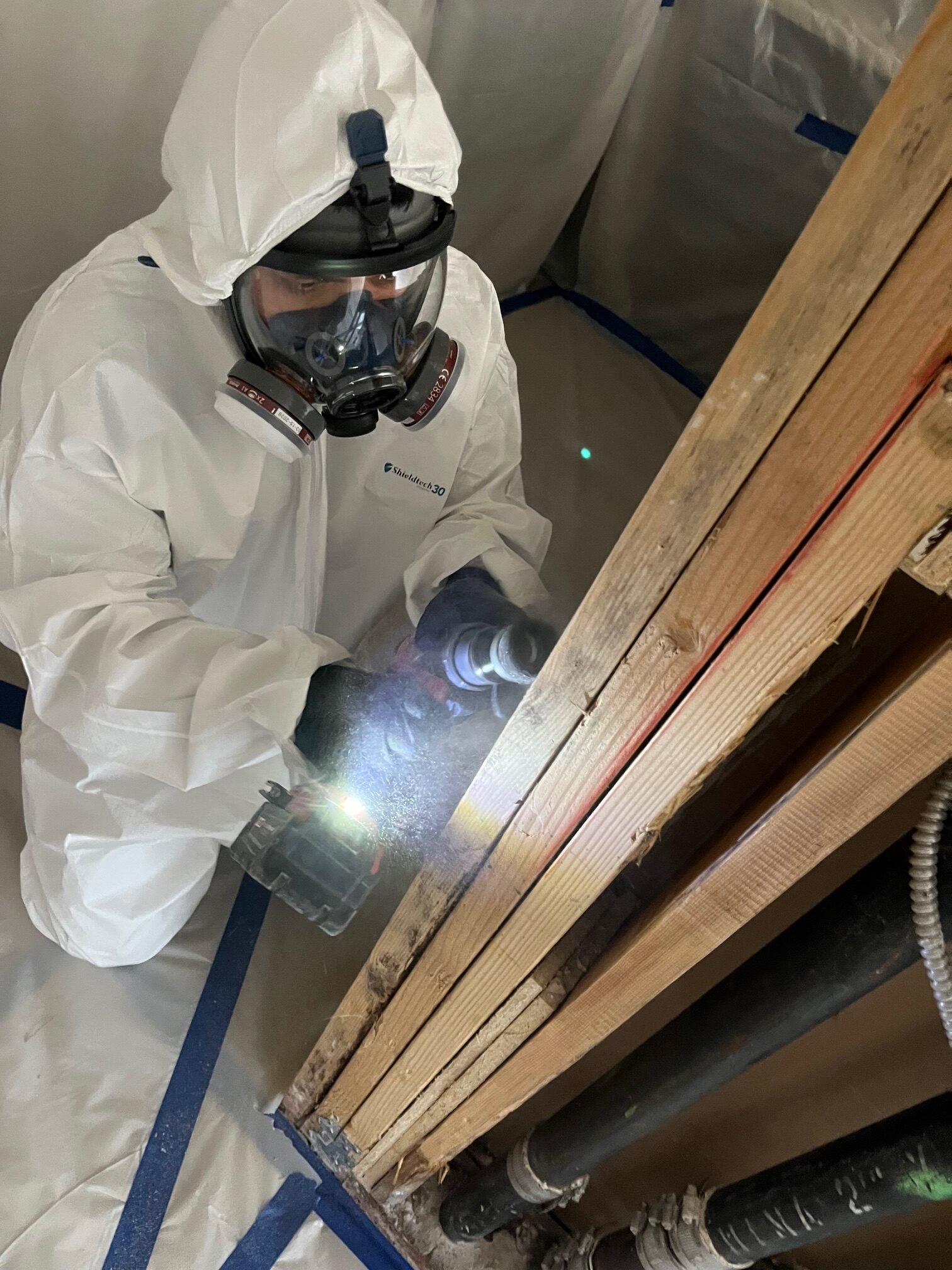
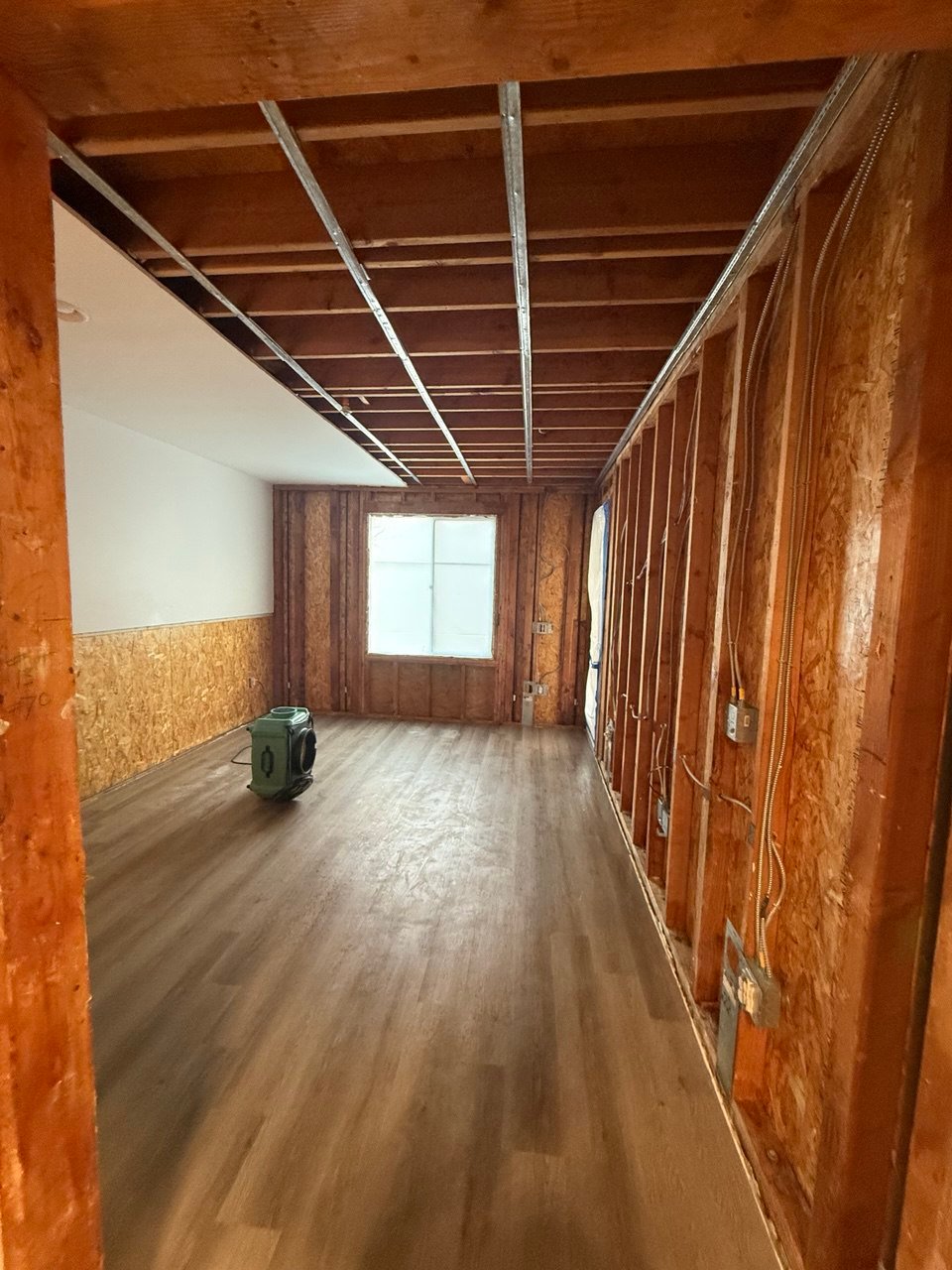
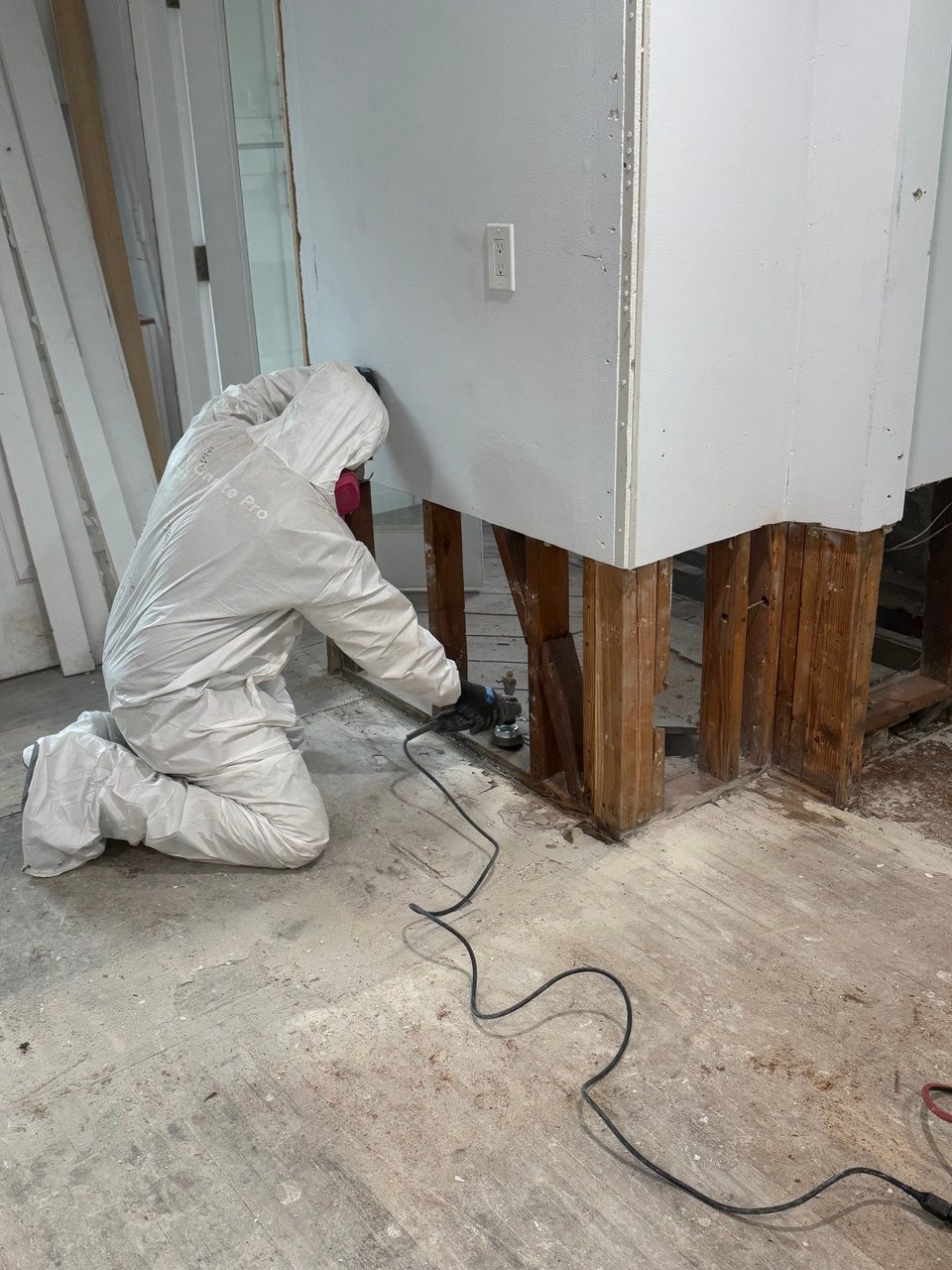
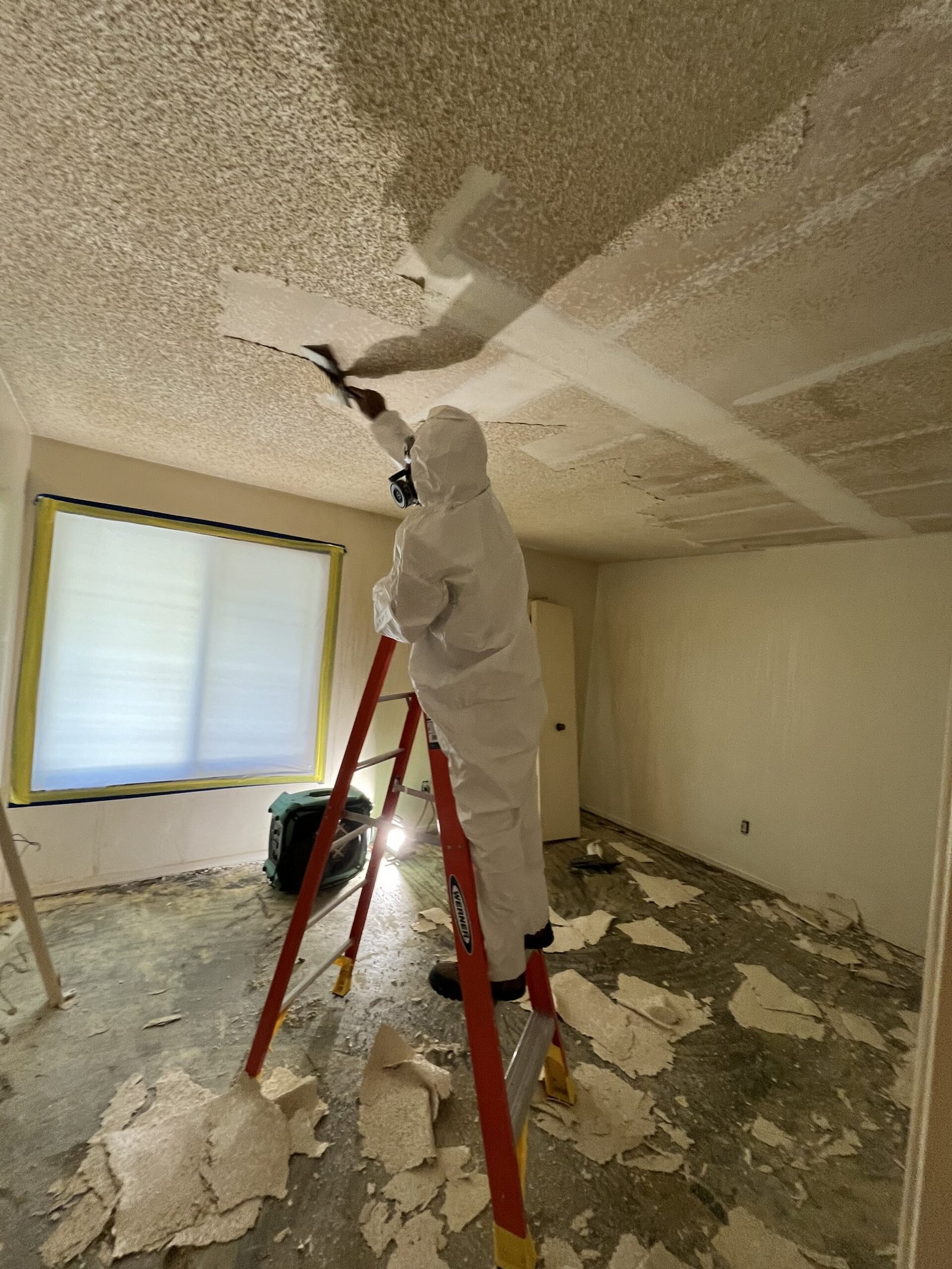
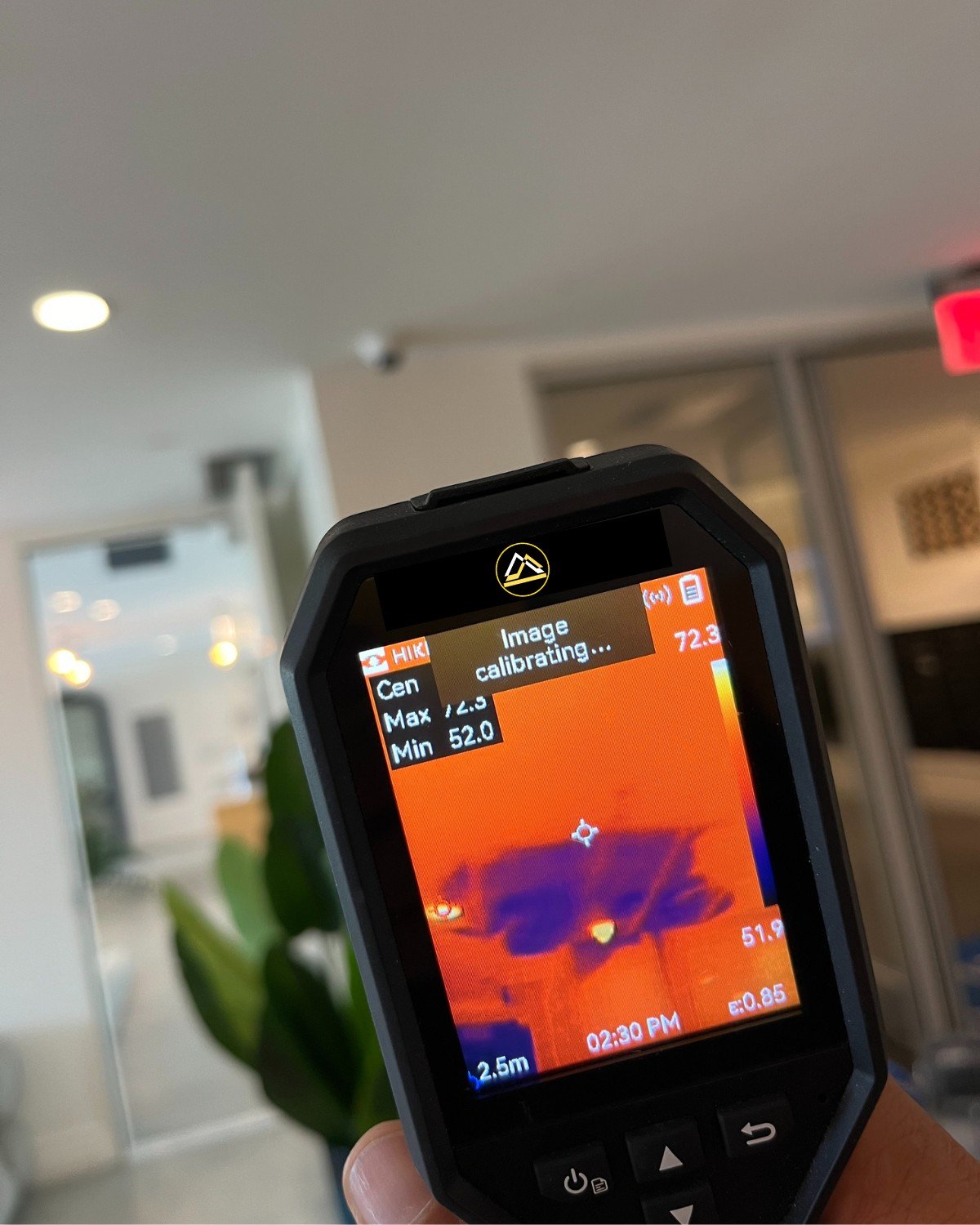
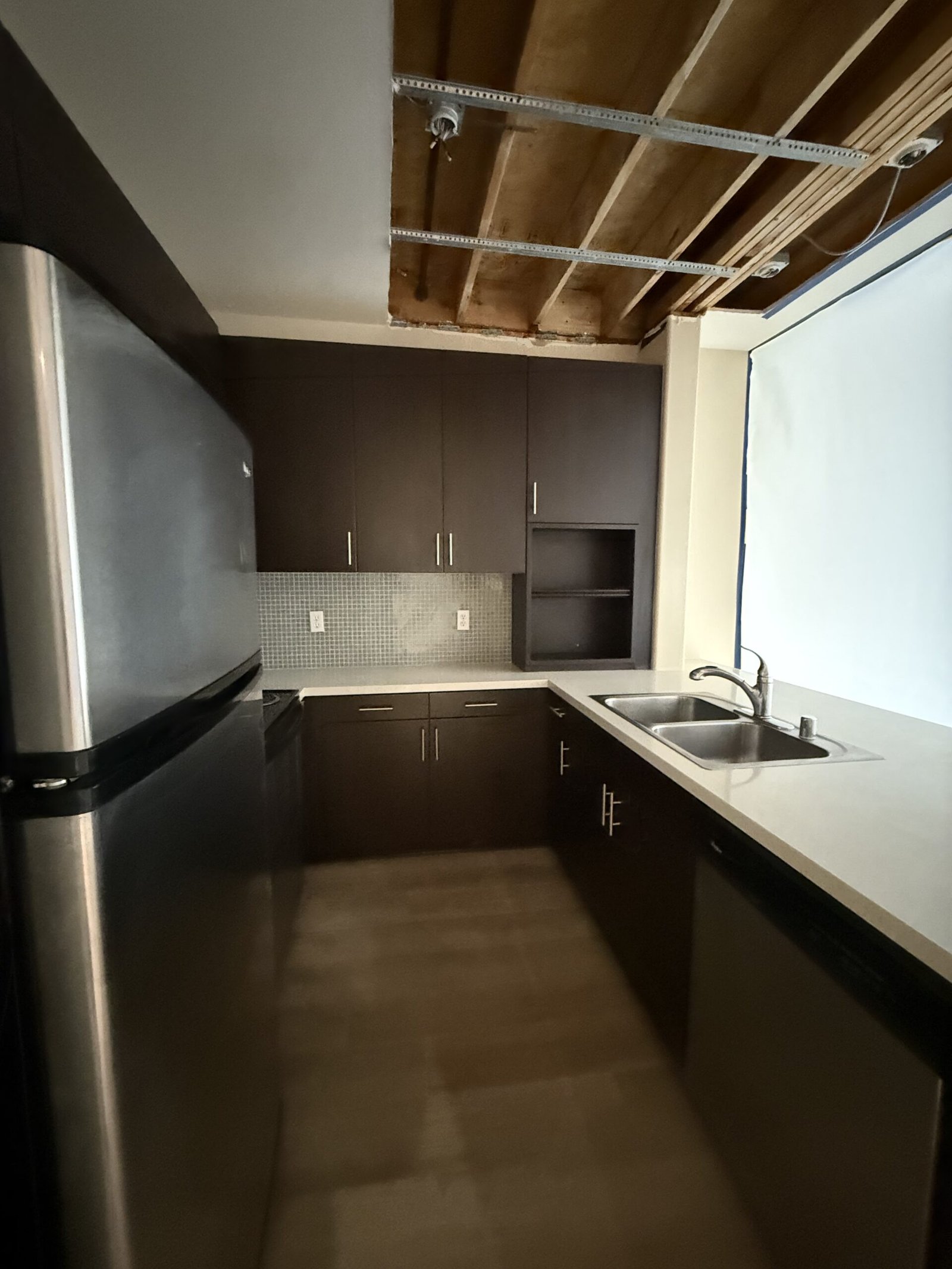
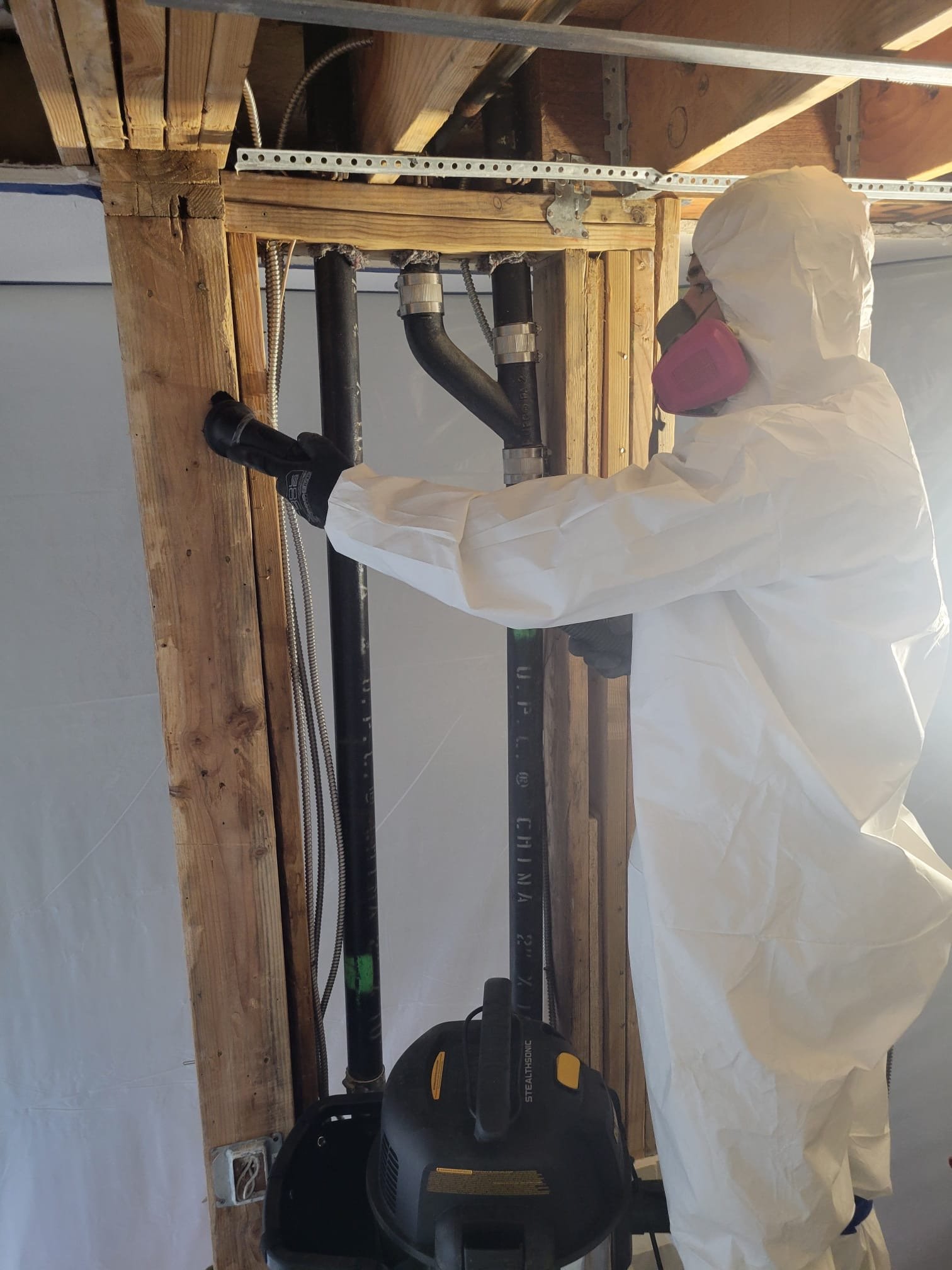
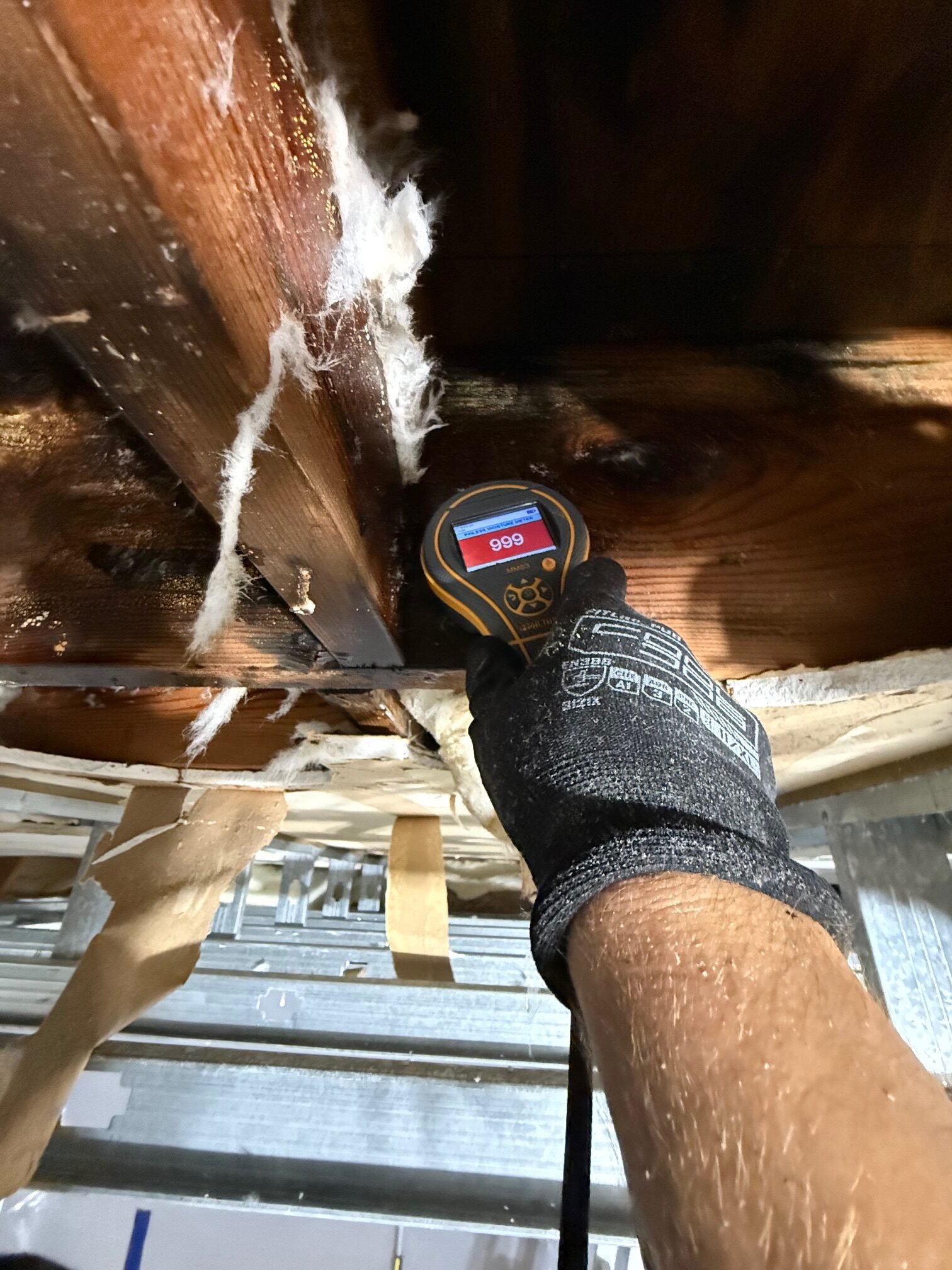
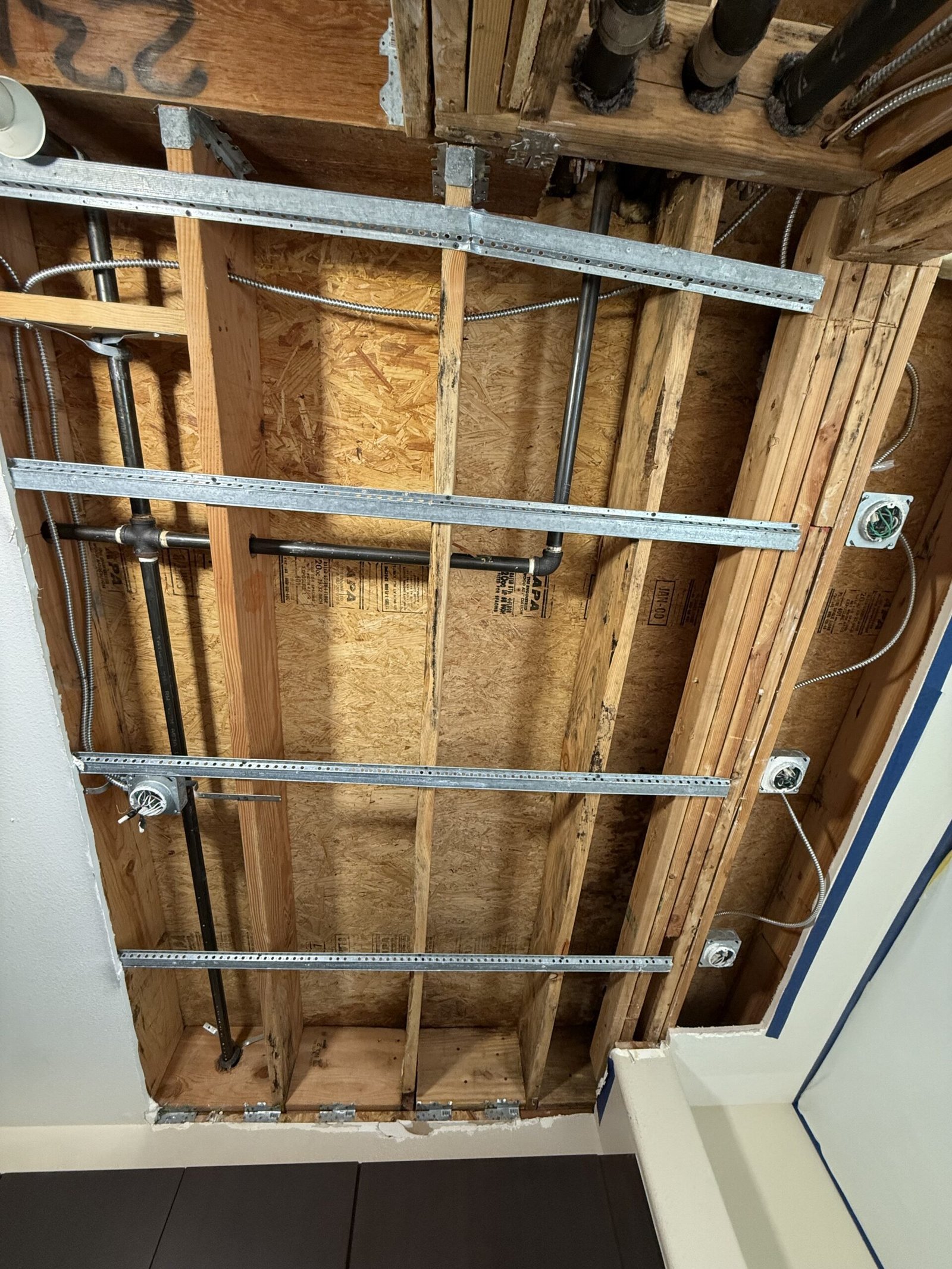
Water Damage Restoration in Studio City — Canyon Runoff, Wash Flooding, and Aging Infrastructure
Studio City’s geography puts properties at the intersection of two distinct water risks. To the north, the Tujunga Wash runs along the base of the hills before connecting to the LA River system — and during atmospheric river events, properties near Whitsett Avenue, Radford Avenue, and the streets adjacent to the wash can experience rapid stormwater intrusion when the channel’s capacity is exceeded. Basement-level spaces and properties with below-grade mechanical rooms are especially vulnerable, and older homes built before modern floodplain awareness was incorporated into local construction standards face this risk with inadequate waterproofing.
From the south, hillside drainage off Mulholland Drive and through Fryman Canyon and Coldwater Canyon flows down toward Ventura Boulevard, channeled through residential streets that weren’t designed for the volumes produced by major rain events. Properties on canyon-adjacent lots between Ventura and Mulholland see sheet flow and subsurface water intrusion during heavy rain that can saturate crawl spaces and undermine older foundation drainage systems.
The Ventura Boulevard commercial corridor adds a third dimension: the 1950s and 1960s apartment and retail buildings that dominate the strip have aging plumbing infrastructure — galvanized pipes, cast-iron drains, and original supply lines decades past their service life. A pipe failure in a multi-story commercial building on Ventura can involve multiple tenants, multiple insurance policies, and water damage that travels through multiple floor assemblies before it’s visible. Onsite Pro Restoration responds 24/7 throughout Studio City with IICRC-certified technicians. Call (818) 336-1800).
Mold Remediation in Studio City — Canyon Humidity, Production Spaces, and High-End Residential
Studio City’s canyon-adjacent microclimate creates moisture conditions that differ meaningfully from the broader San Fernando Valley. Properties on the south-facing slopes below Mulholland Drive and in the Fryman Canyon area stay significantly cooler and more humid than Valley floor properties — canyon air flows that bring marine layer moisture from the west side funnel through Coldwater Canyon and deposit ambient humidity into shaded hillside homes that can take days to dry out naturally after a rain event or plumbing issue. This microclimate, combined with the dense tree canopy common in the residential neighborhoods north of Ventura, makes Studio City’s hillside homes among the highest-risk properties in the Valley for slow-developing hidden mold.
The neighborhood’s entertainment industry character creates a second mold risk category: home studios, converted garages, and soundproofed media rooms. Acoustic insulation used in sound dampening — particularly dense foam panels, mass-loaded vinyl, and specialty drywall assemblies — retains moisture far more aggressively than standard fiberglass batt insulation, and once a plumbing event introduces moisture into an acoustically treated space, standard drying timelines do not apply. We’ve worked in Studio City media rooms where moisture readings in acoustic panels remained elevated long after surrounding drywall had returned to normal levels.
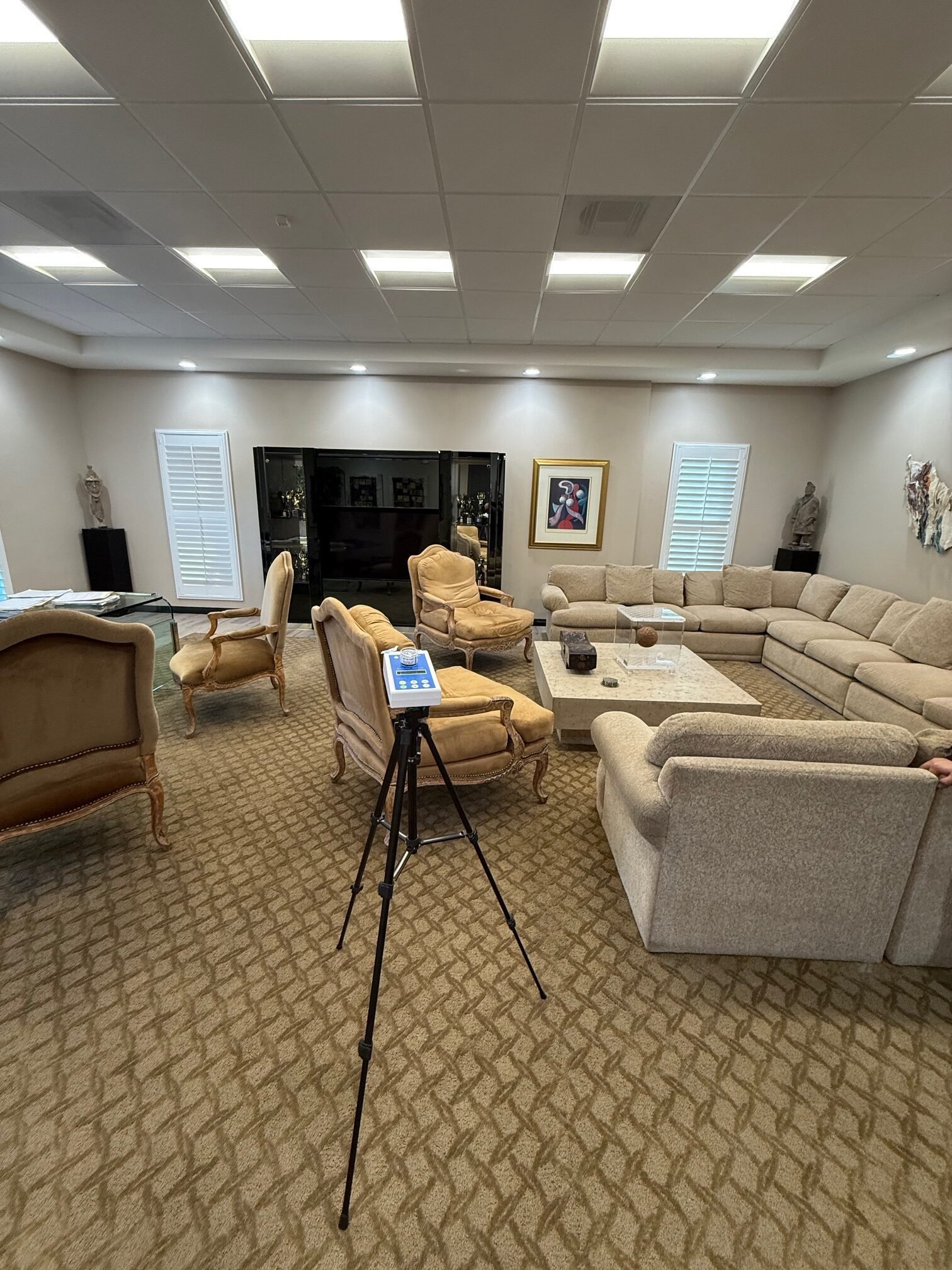
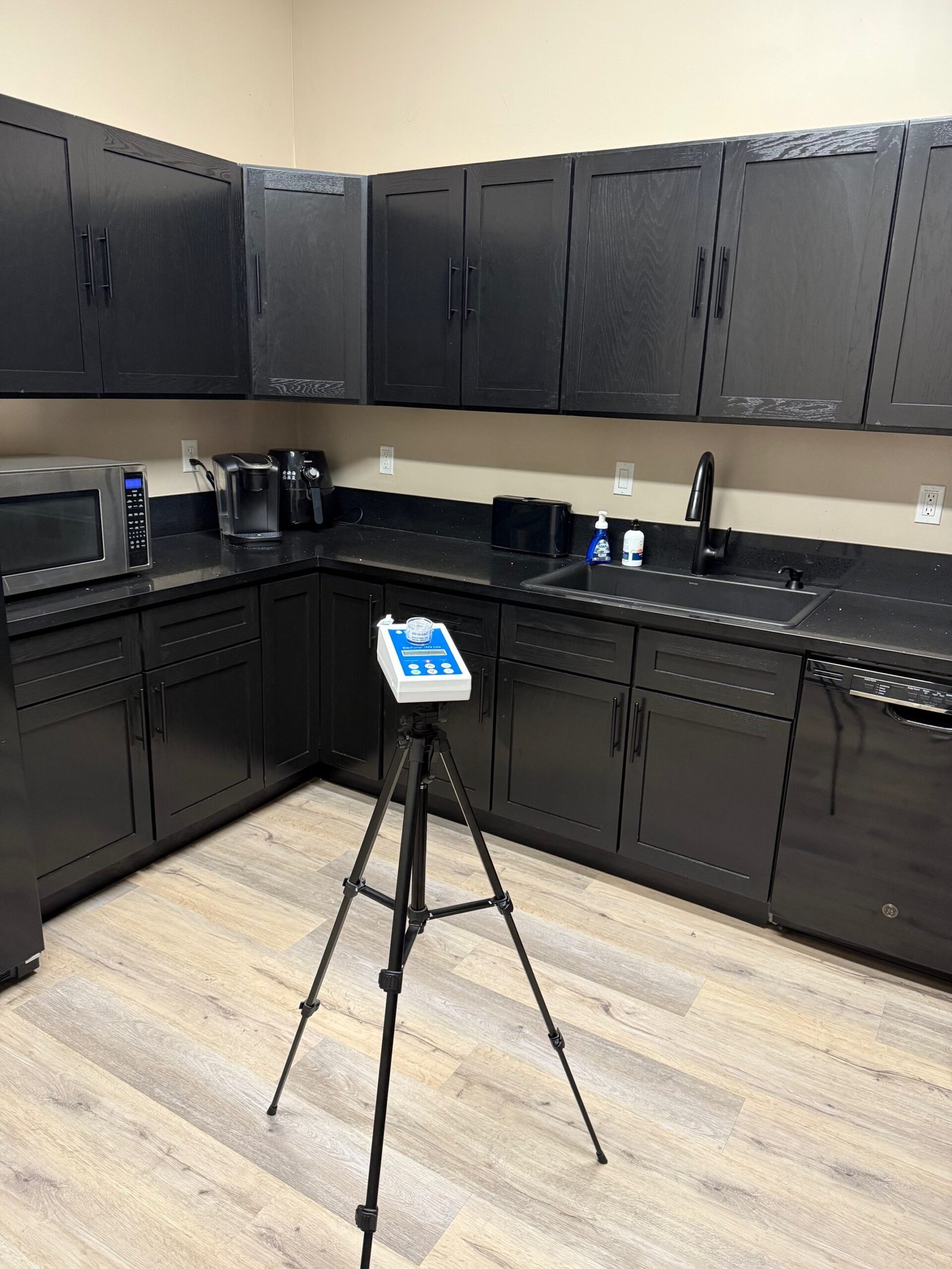
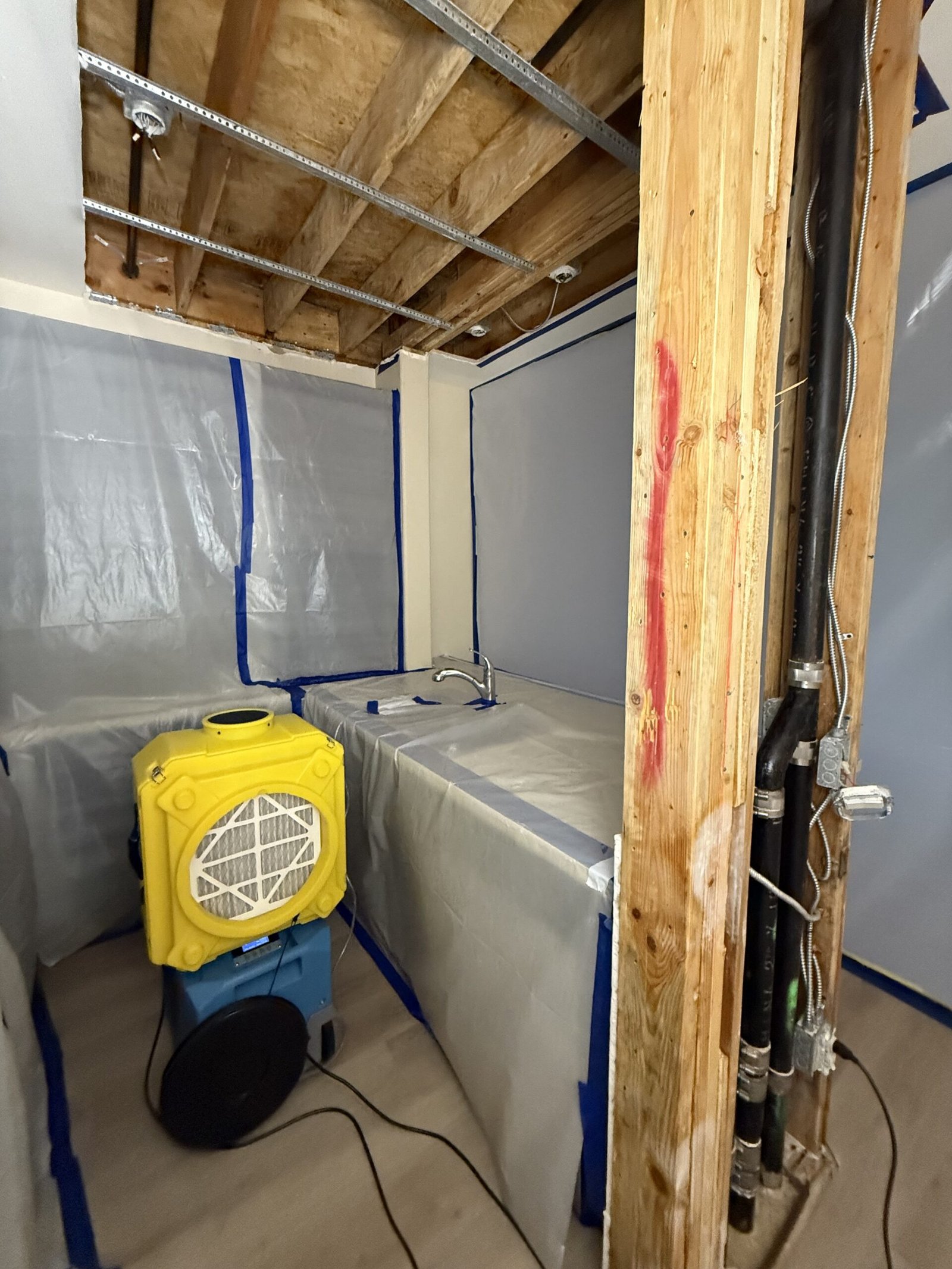
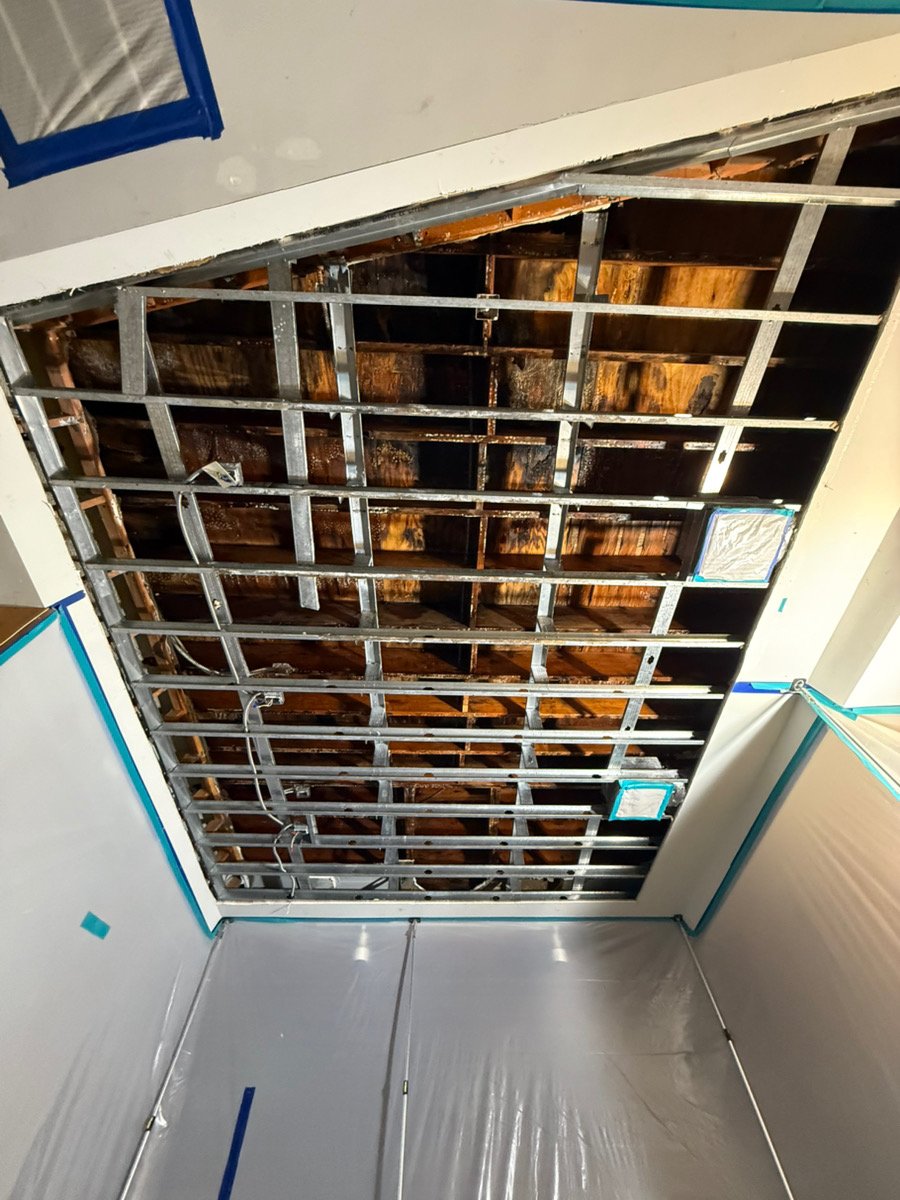
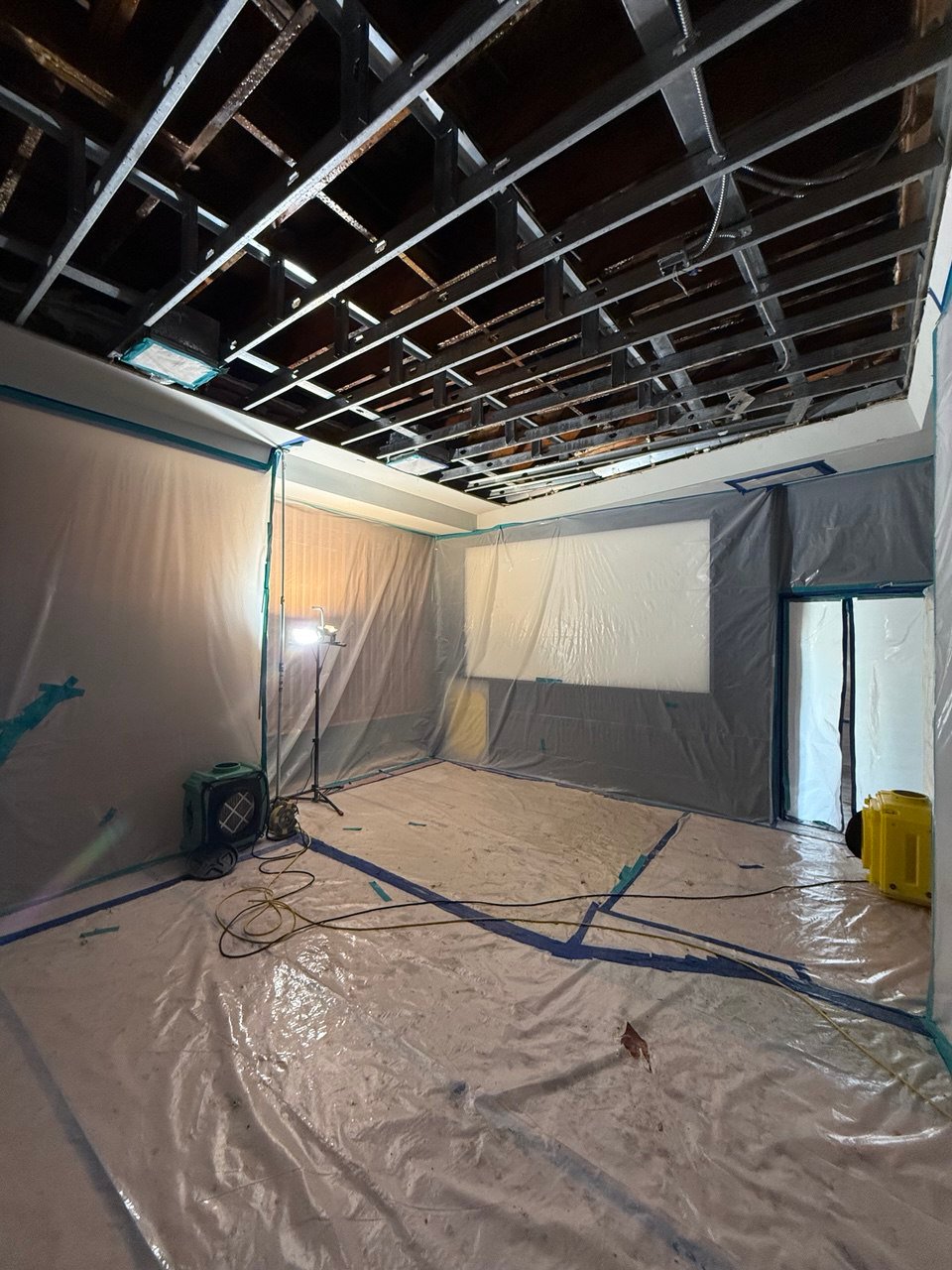
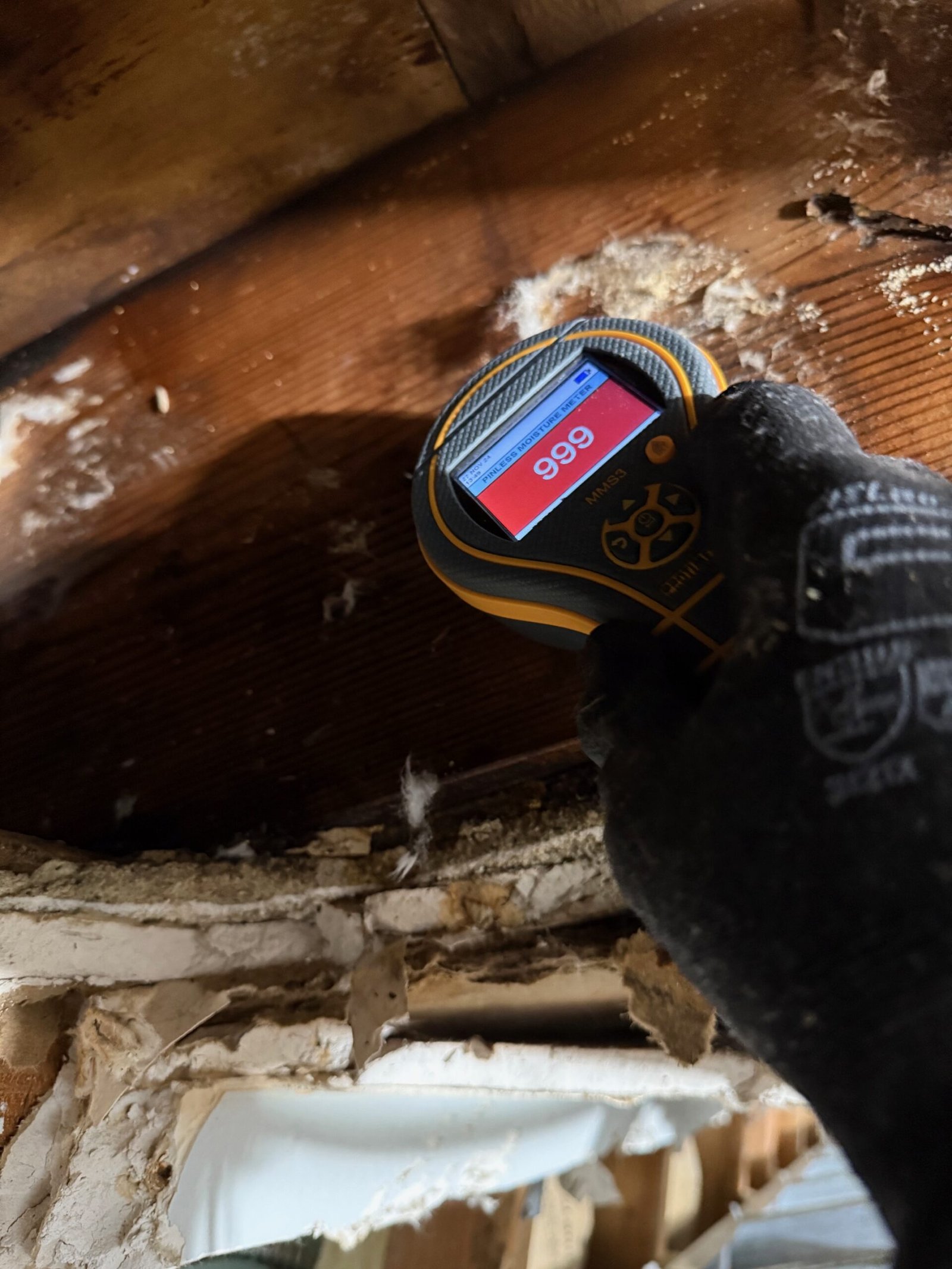
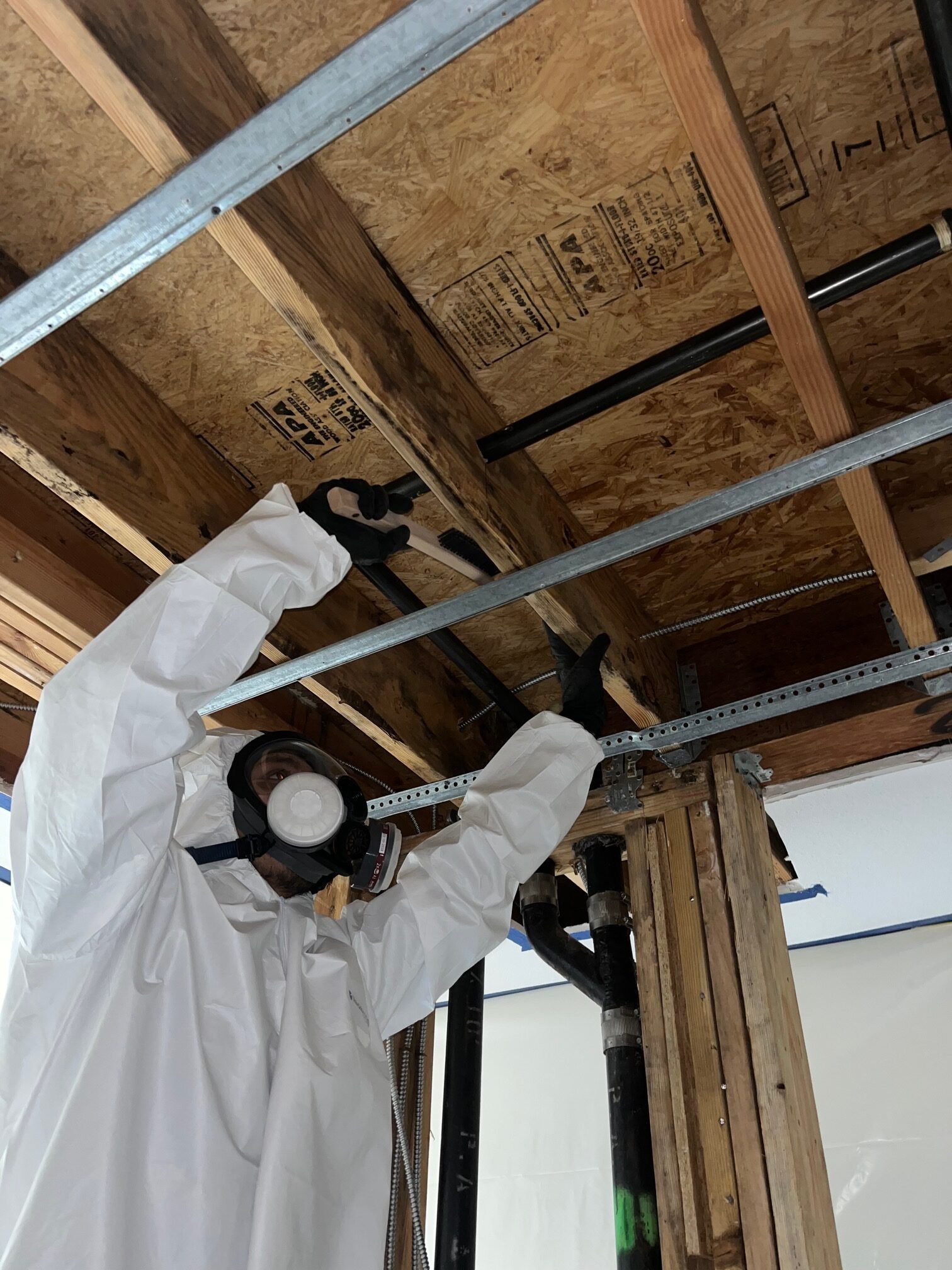
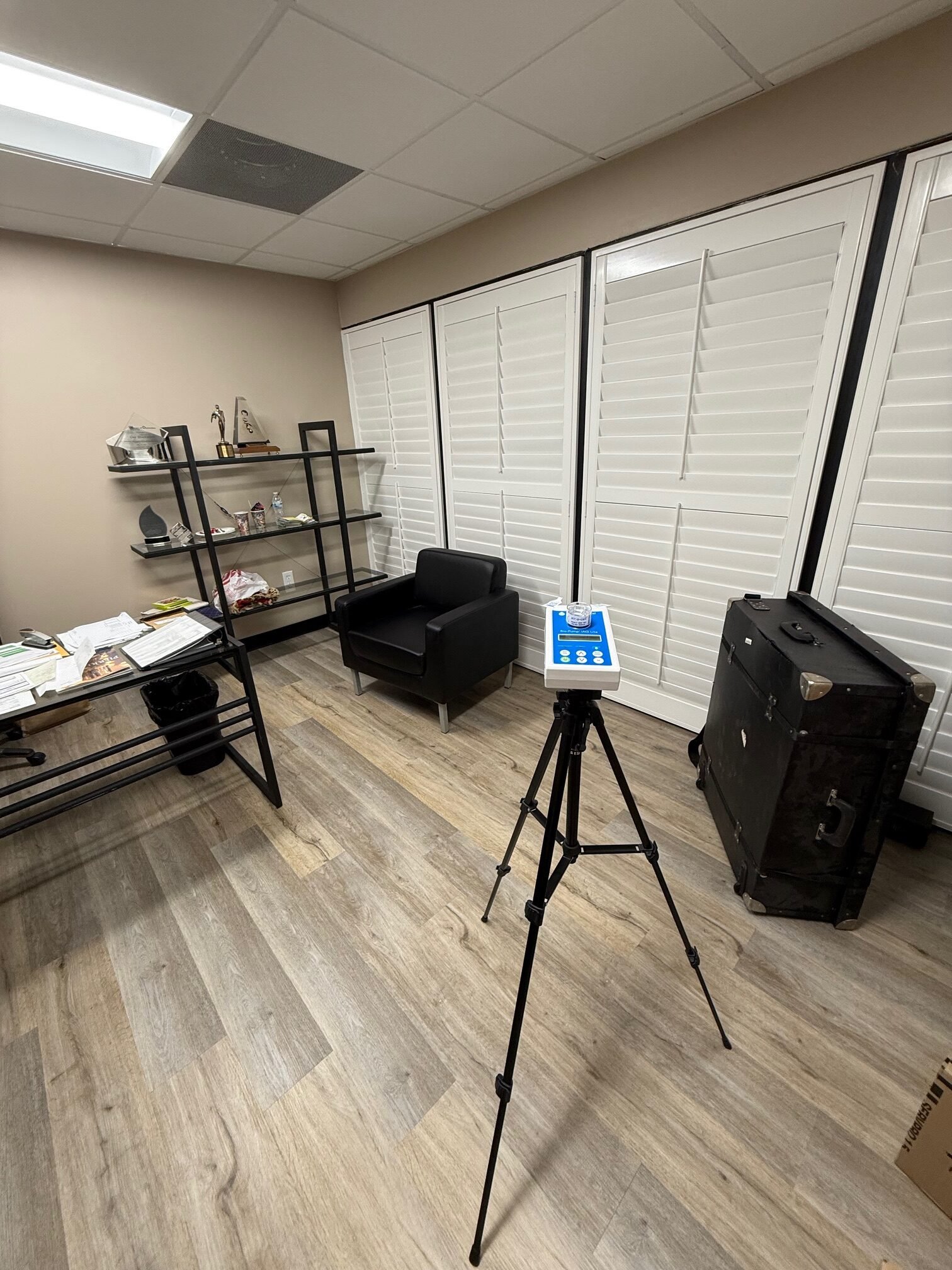
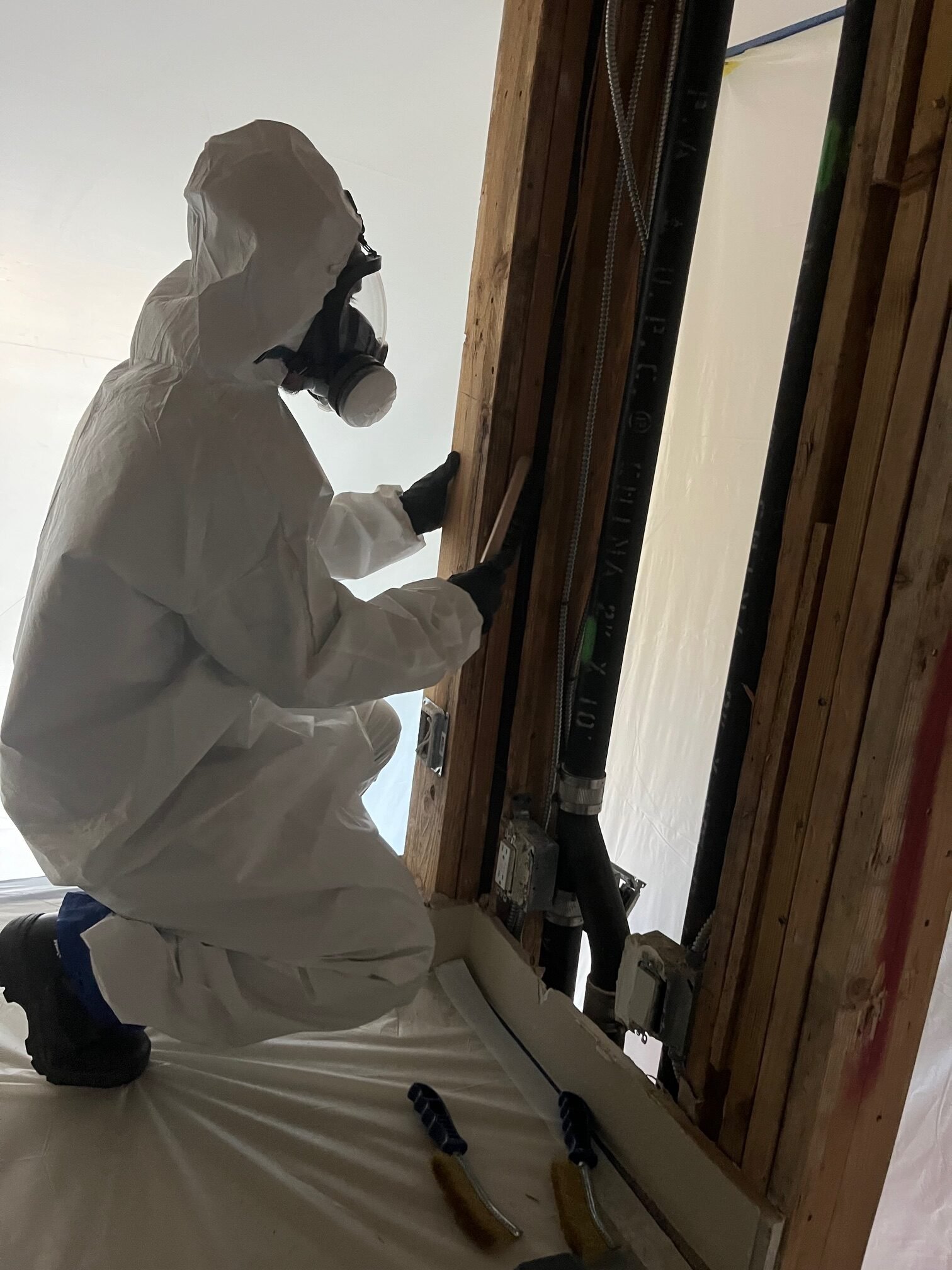
Onsite Pro Restoration provides free mold inspections throughout Studio City, including specialized assessments for production spaces and acoustically treated rooms. IICRC-certified remediation, HEPA air filtration, post-clearance testing. All documentation compatible with insurance and real estate disclosure requirements. Call (818) 336-1800).
Fire and Smoke Damage Restoration on Studio City's Brush Interface
Studio City sits directly on the urban-wildland interface where the San Fernando Valley meets the Santa Monica Mountains. The hillside neighborhoods north of Ventura Boulevard — including the streets climbing toward Mulholland Drive through Fryman Canyon — are designated High Fire Hazard Severity Zones, and the area has experienced significant wildfire exposure events in recent decades. The Palisades Fire in January 2025 produced a smoke plume that reached Studio City and covered much of the Valley corridor for multiple days, with indoor air quality in Studio City homes dropping significantly below outdoor fire season standards as HVAC systems continued pulling contaminated air indoors.
For hillside properties, fire risk is structural as well as atmospheric. Ember cast during Santa Ana wind events can ignite wood decks, cedar shake roofing, and mature landscaping well ahead of an advancing fire line — and older hillside homes in Studio City often have original wood roofing, unscreened attic vents, and combustible decking that predates modern defensible space standards. When a structure fire does occur in this environment, smoke and soot infiltration into neighboring homes is common given how closely hillside properties are sited.
Ventura Boulevard’s commercial corridor carries its own fire risk profile: restaurant kitchen fires in grease-laden exhaust systems, electrical fires in older commercial buildings, and fire suppression system discharges that can cause extensive water damage alongside fire damage. Onsite Pro Restoration handles both wildfire smoke remediation and structural fire restoration throughout Studio City, with detailed scope-of-loss documentation for insurance claims. Call (818) 336-1800) 24/7.
How We Do the Job
Contact Us for an Initial Consultation
Emergencies don’t wait — our Studio City team answers the phone 24/7 and dispatches technicians right away.
On-Site Damage Inspection
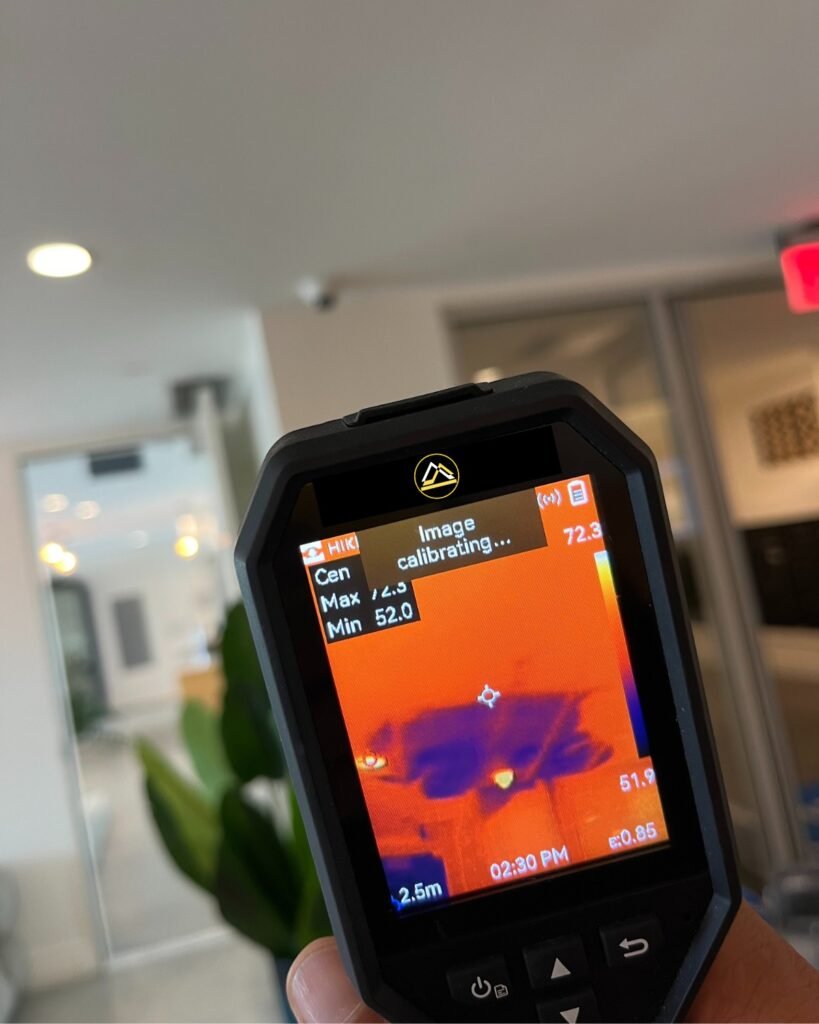
We arrive quickly to assess the damage, document the conditions, and give you a clear plan with a no-obligation estimate.
Approval & Immediate Setup
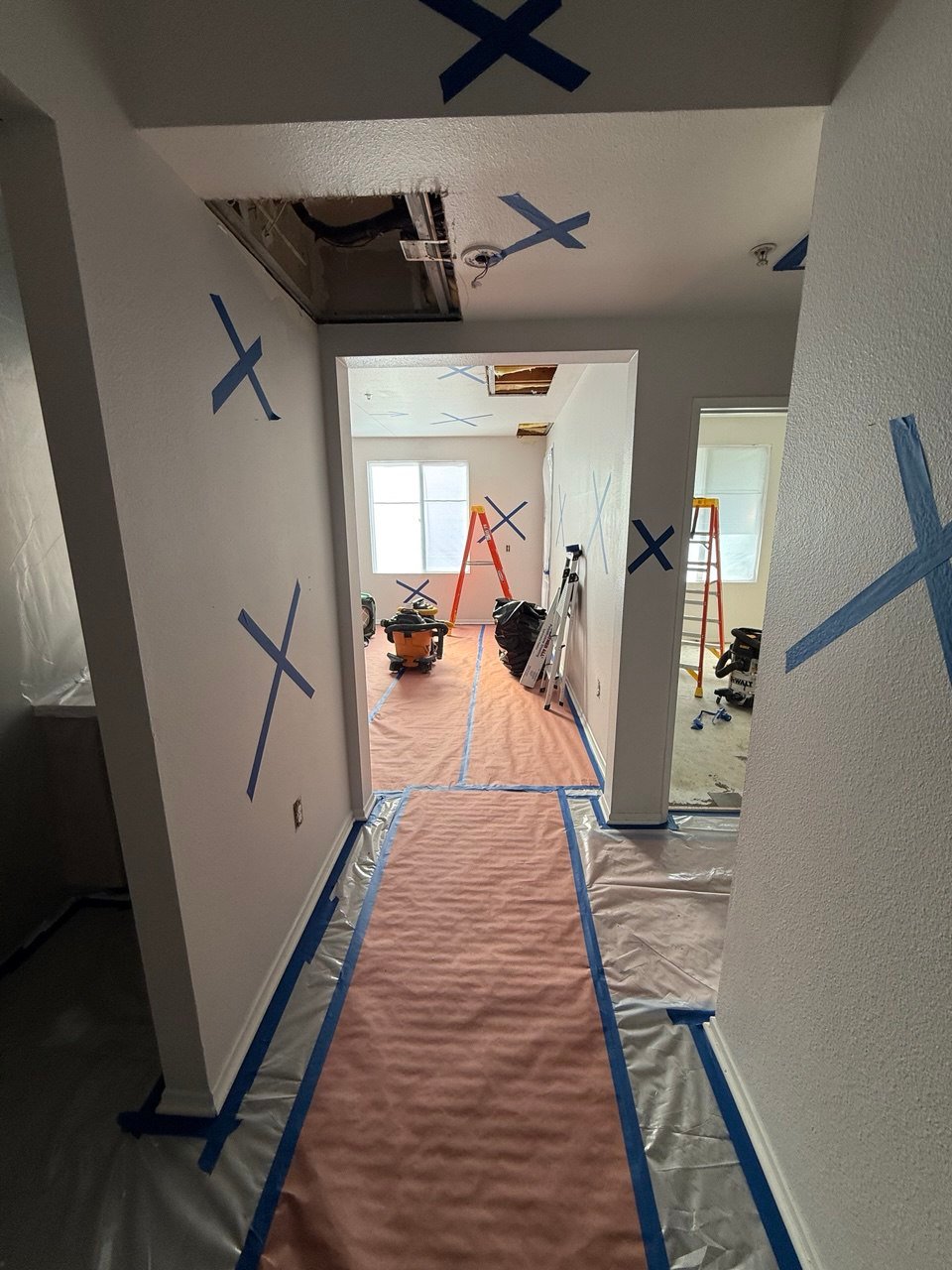
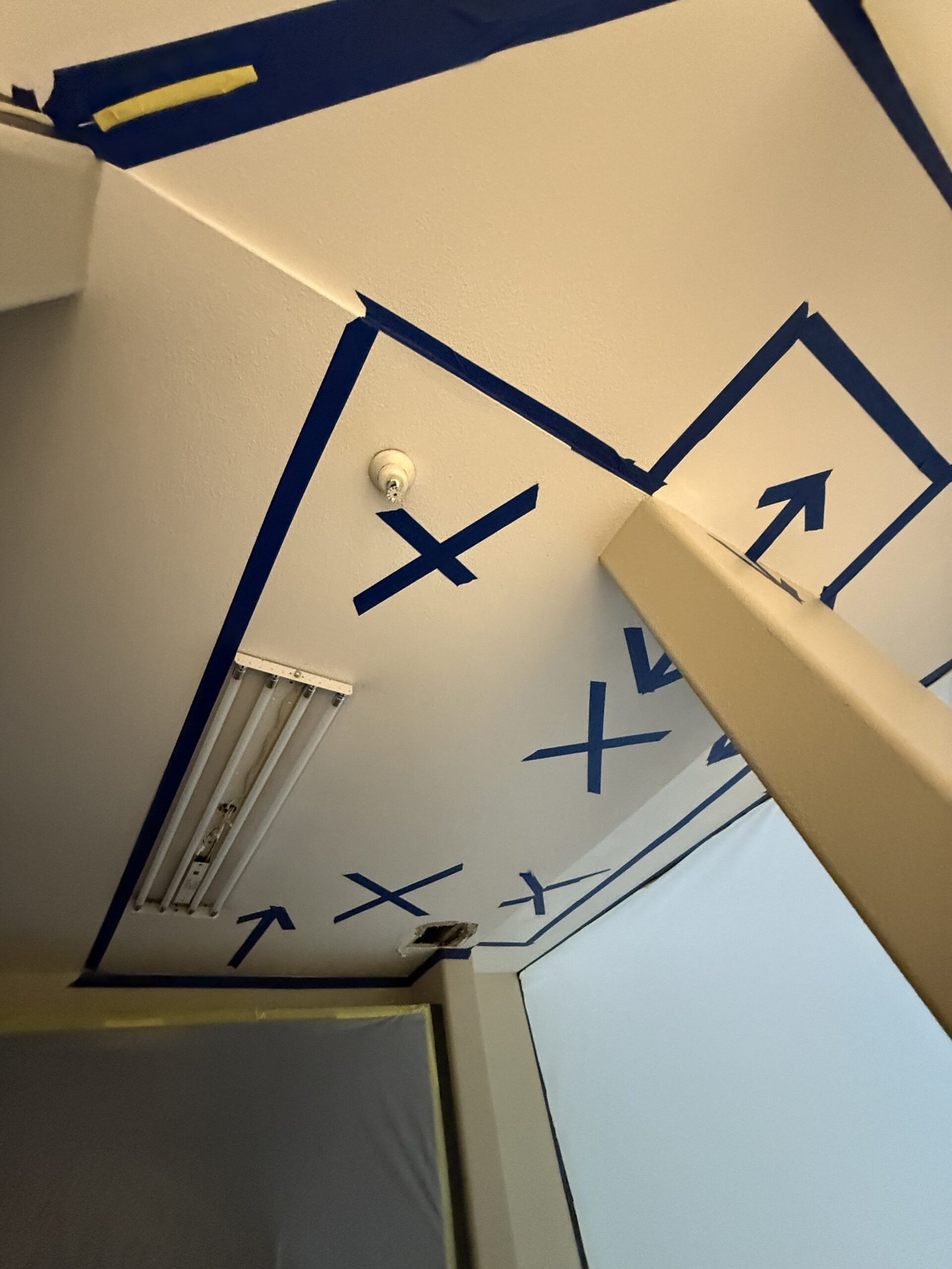
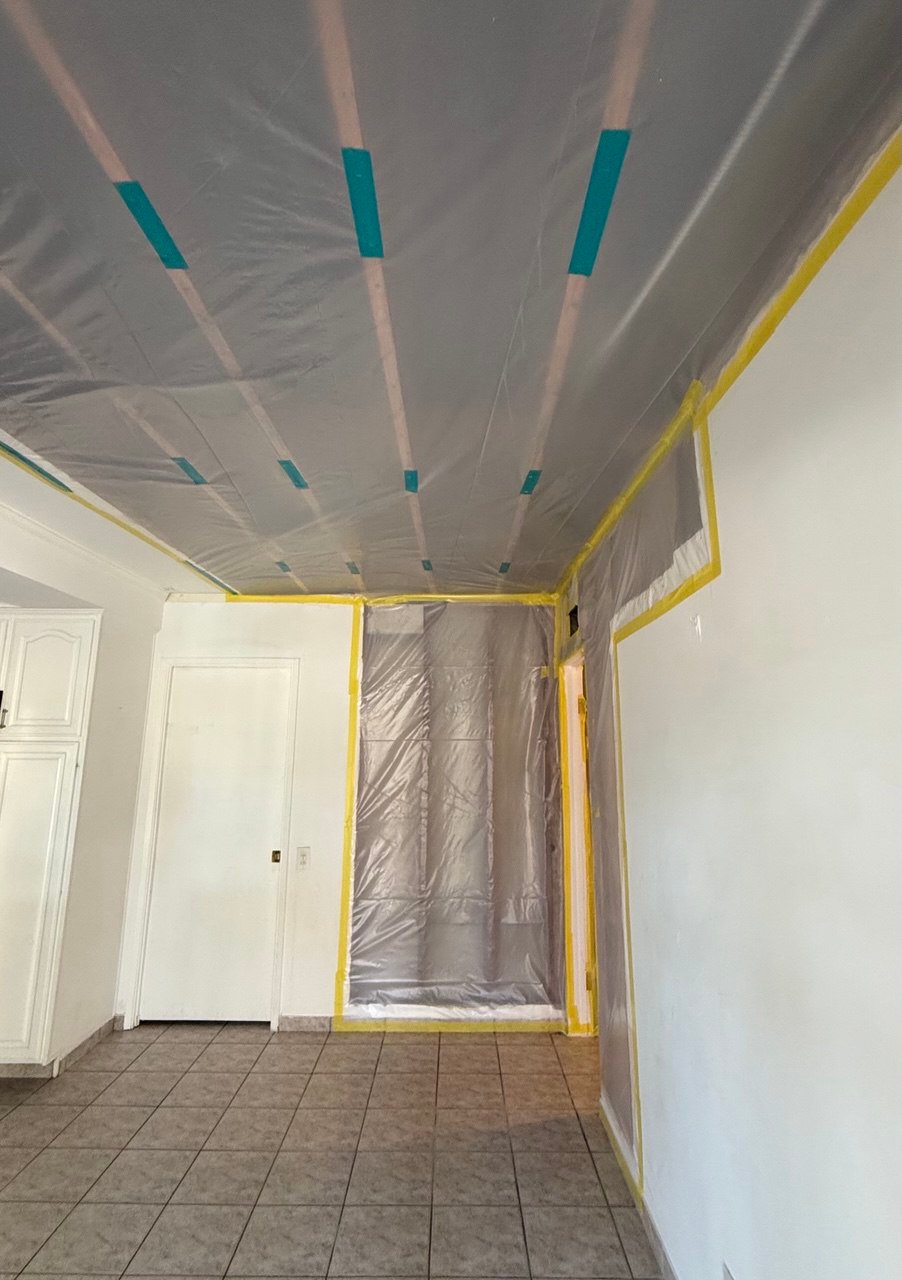
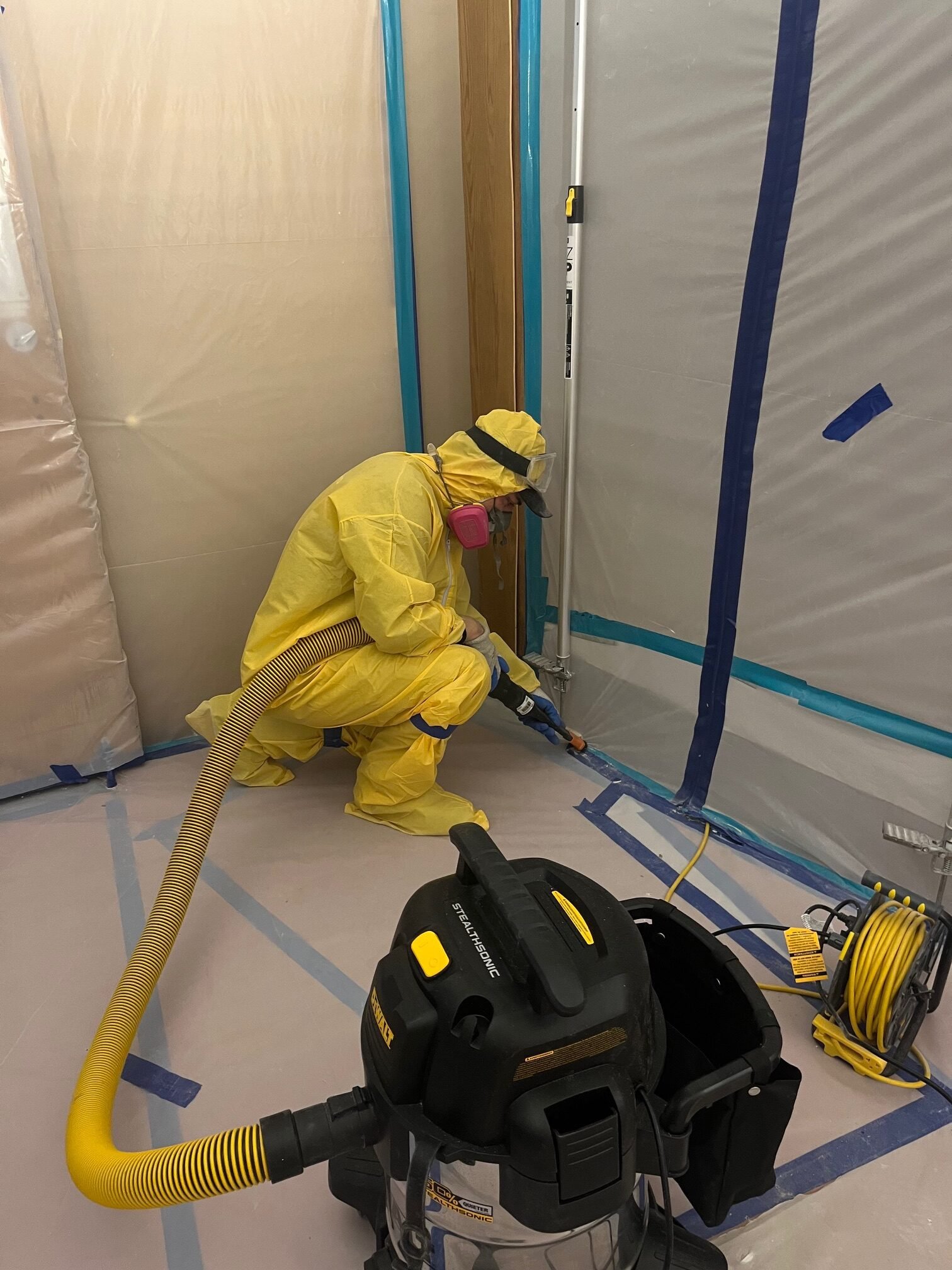
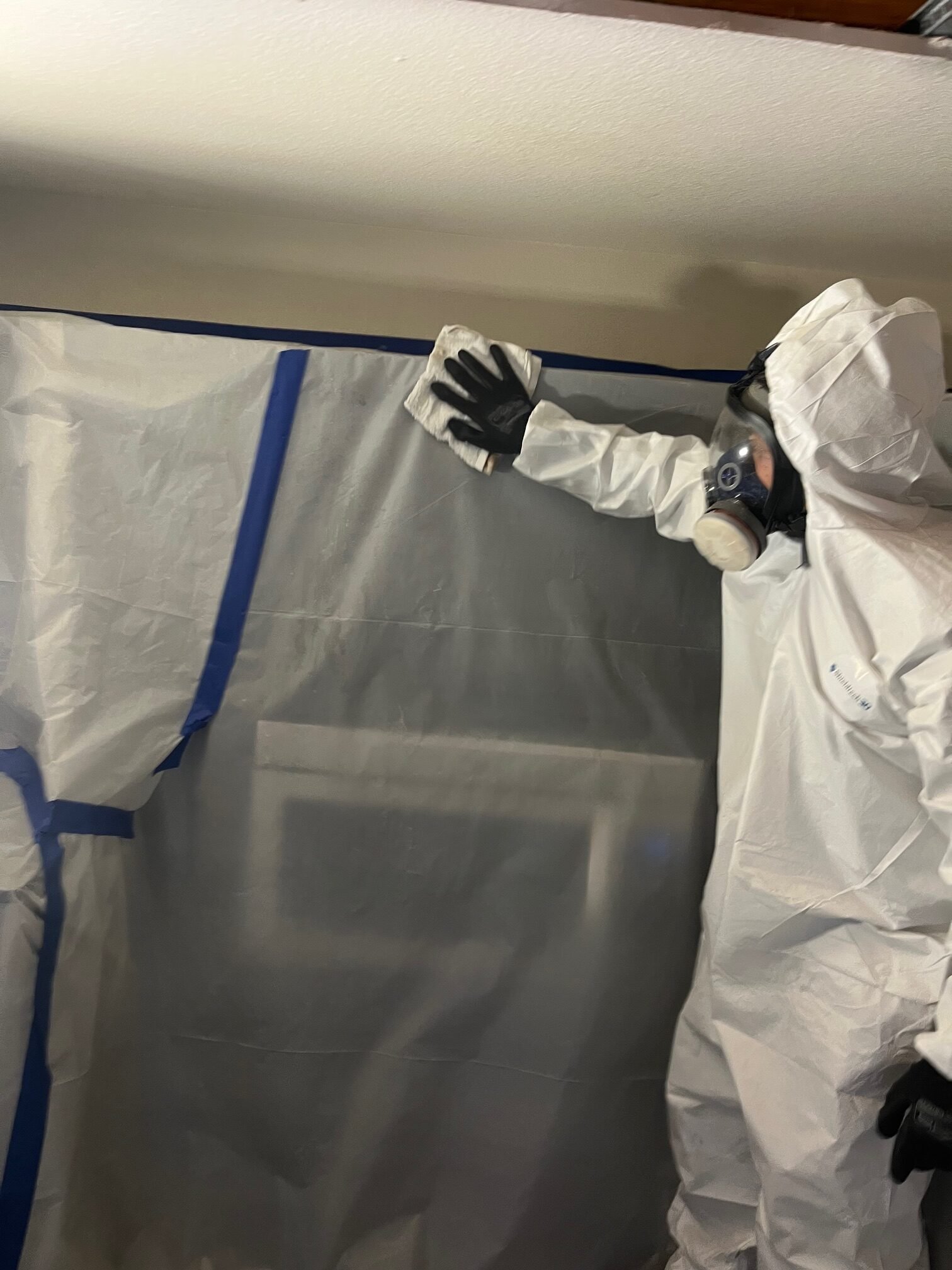
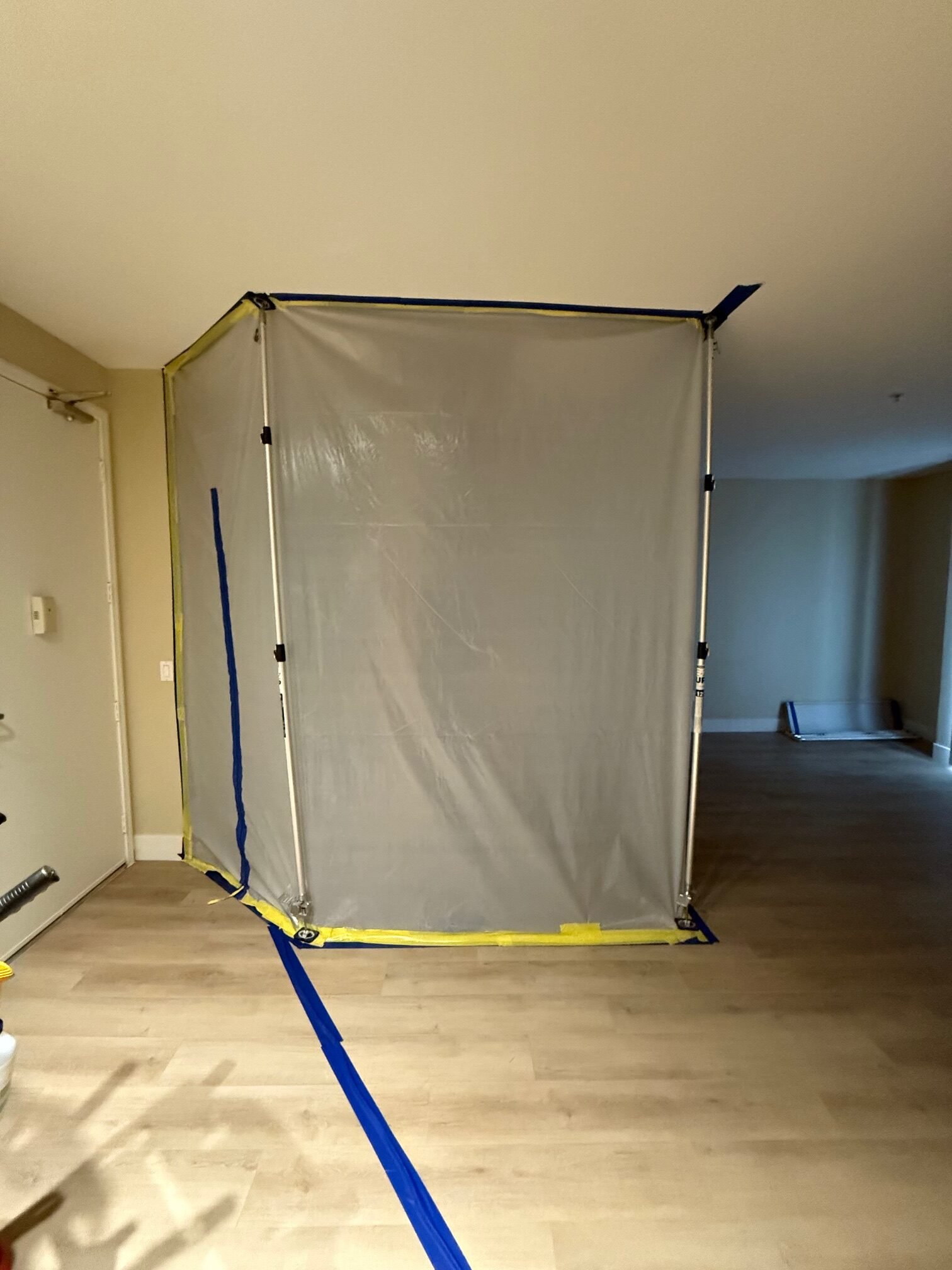
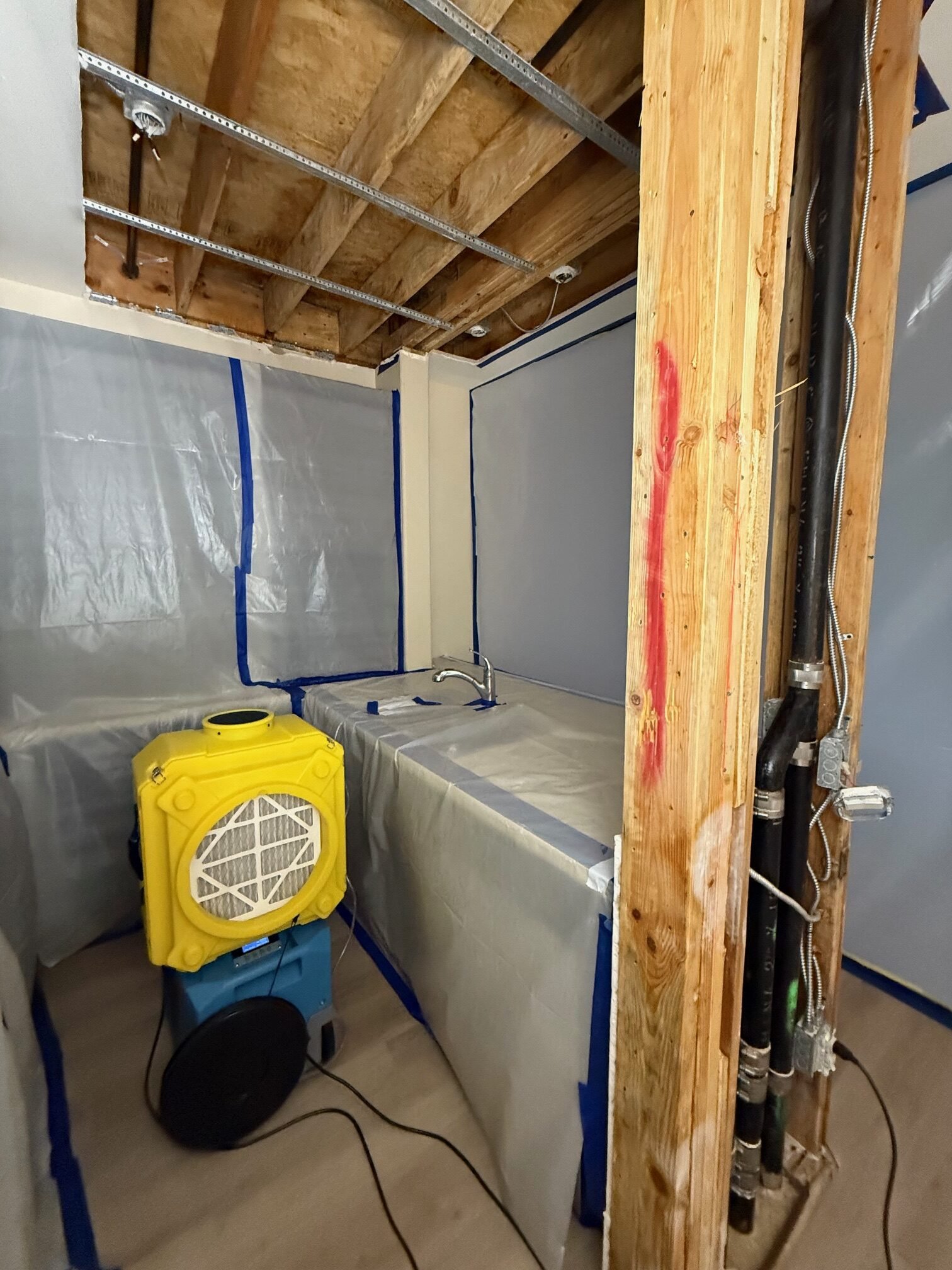
Once you approve the work, we begin setup with containment, safety barriers, and equipment placement to stop further damage.
Rapid Restoration to Safe Conditions
Our certified crew works efficiently to restore your property, using drying systems, disinfection, and professional repairs.
Why Choose Onsite Pro in Studio City?
24/7 Emergency Response
Certified IICRC Restoration Experts
Free Inspections & Transparent Estimates
Full-Service Cleanup and Repairs
Trusted by Studio City Homeowners and Businesses
What Our Studio City Customers Say
From family homes to film studios, Studio City residents trust Onsite Pro Restoration for professional service, rapid response, and results that last.