
Coastal Water, Mold & Fire Damage Restoration in Santa Monica
Santa Monica’s coastal climate and dense urban layout create unique risks for property damage. Ocean air, older buildings, and high foot traffic can lead to plumbing leaks, mold infestations, and even fire or sewer emergencies. Onsite Pro Restoration provides 24/7 emergency restoration services in Santa Monica. Our certified technicians deliver professional water, fire, mold, and sewer cleanup designed to protect your property and restore safe conditions.
Get Started
Service Form
Local Restoration Specialists
From beachfront condos along Ocean Avenue to commercial properties near the Third Street Promenade, Santa Monica property owners trust Onsite Pro Restoration for fast, professional cleanup.
Fast, Local Emergency Response in Santa Monica
Our Santa Monica team responds within 60 minutes to handle emergencies, including:
Burst Pipes, Leaks & Floods
Coastal humidity and plumbing leaks can cause major water damage. We provide extraction, drying, and sanitization to prevent further problems.
Mold Growth & Hidden Moisture
Mold spreads quickly in Santa Monica’s damp environments. We provide free inspections, detailed estimates, and certified remediation services.
Fire & Smoke Damage
Fires leave behind soot, smoke, and odor damage. Our certified team restores residential and commercial properties with thorough cleanup and repair.
Sewer Backups & Biohazards
Sewer backups are hazardous and require immediate action. We disinfect and restore affected areas safely and effectively.
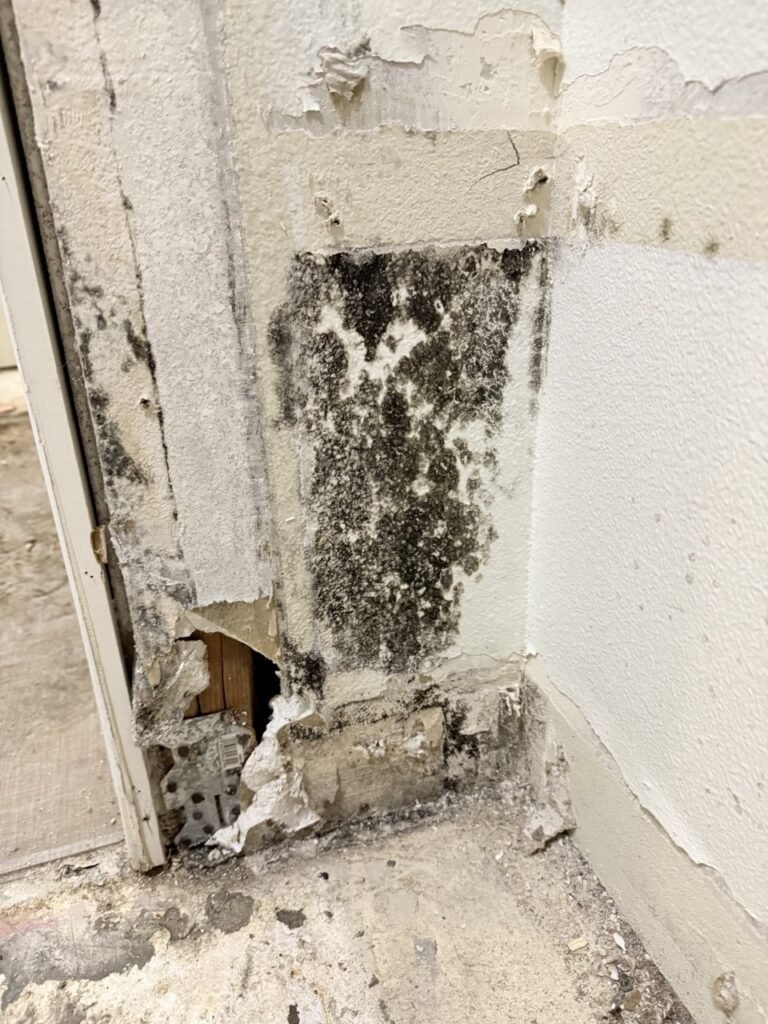
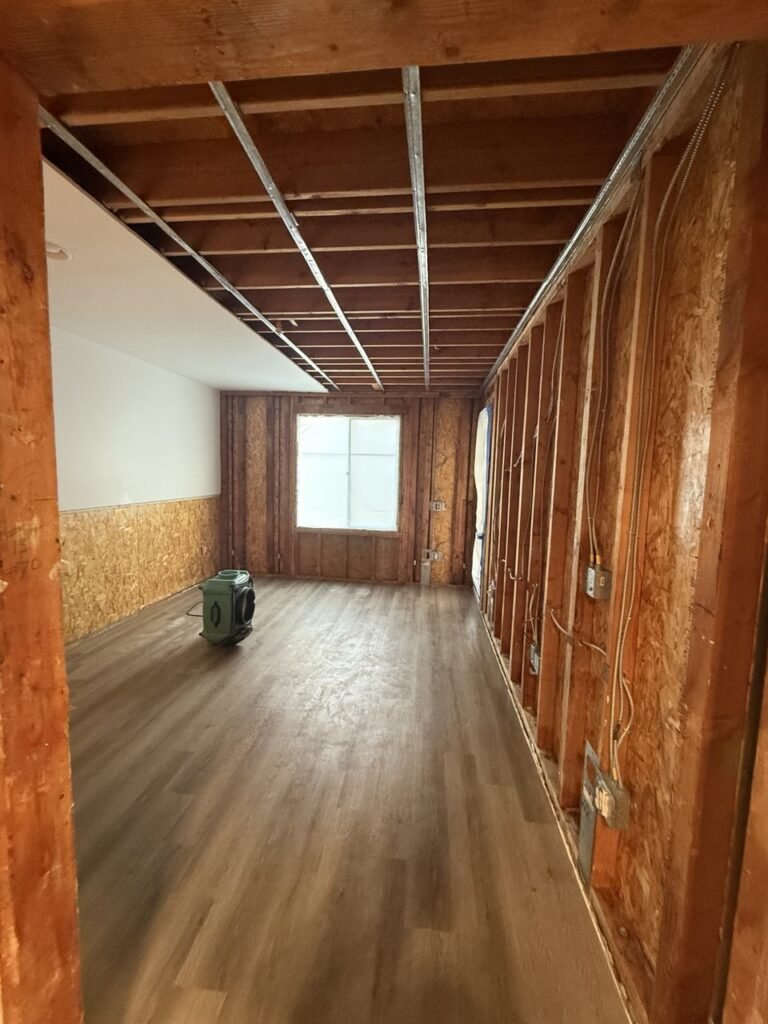
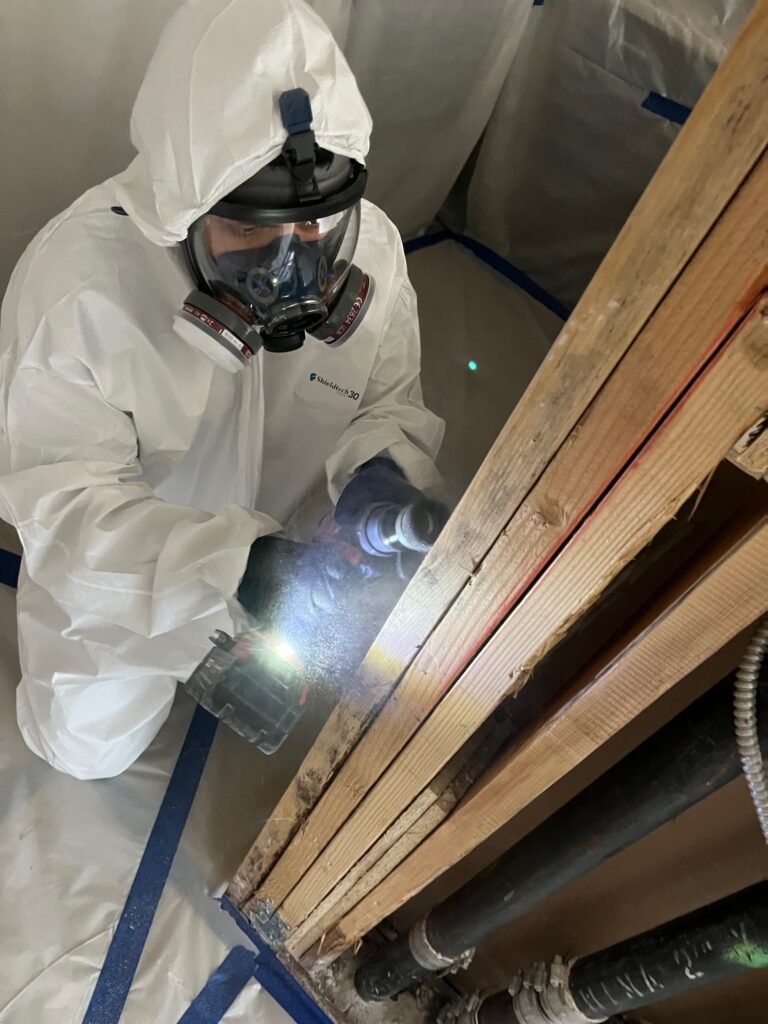
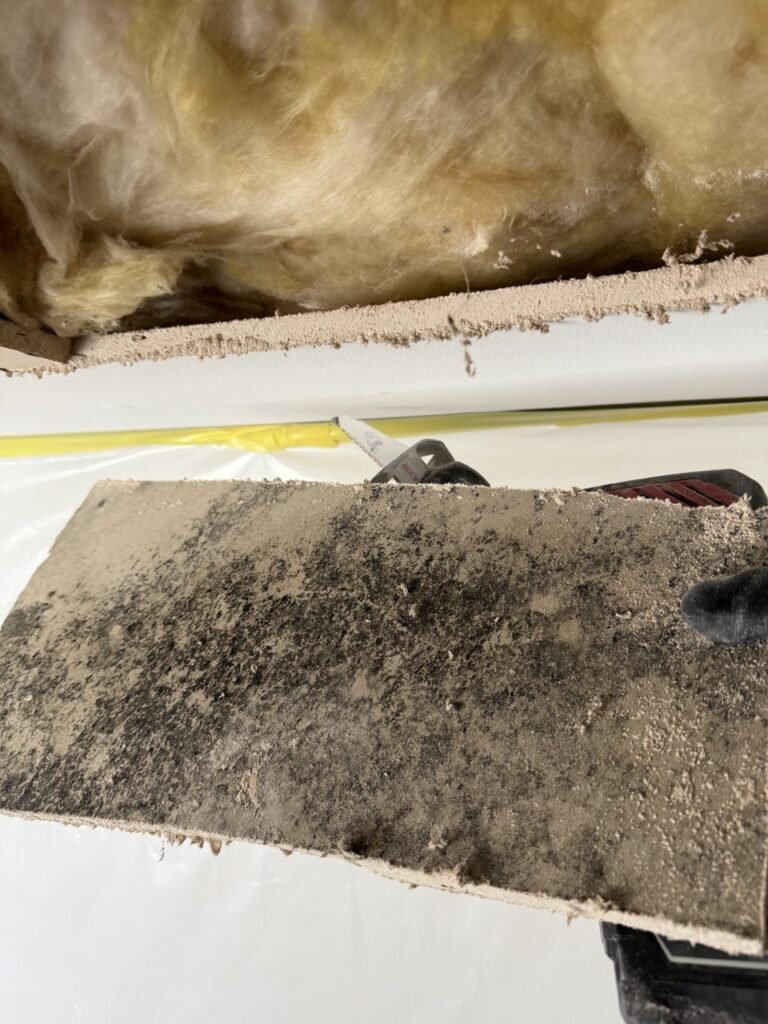
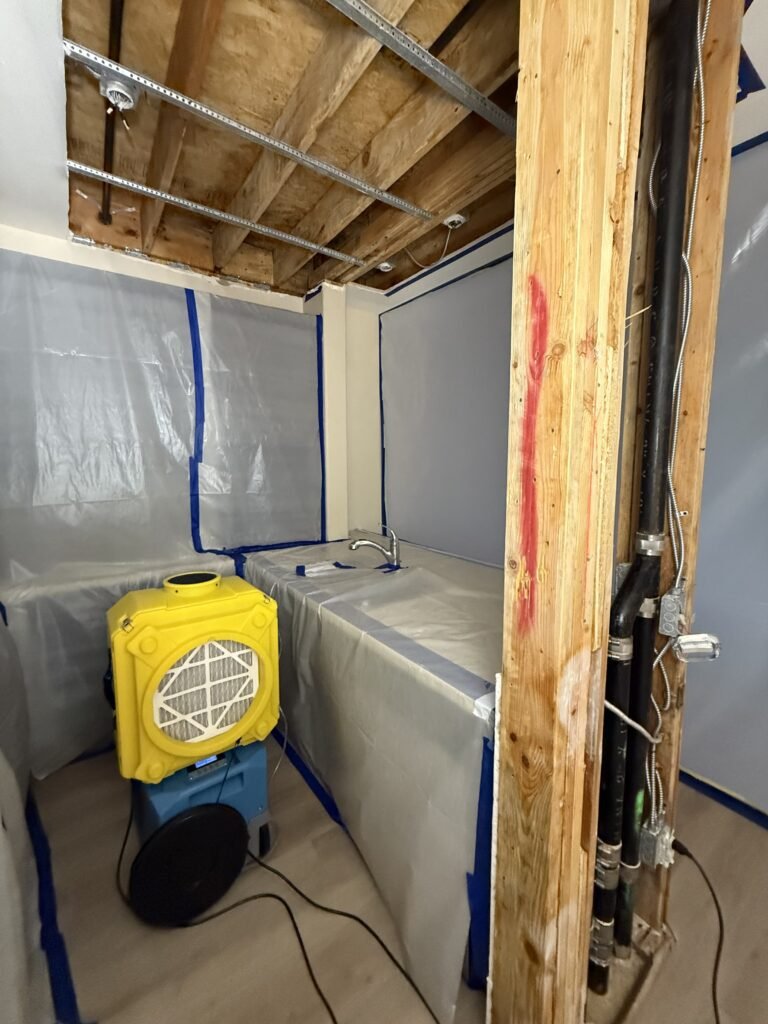
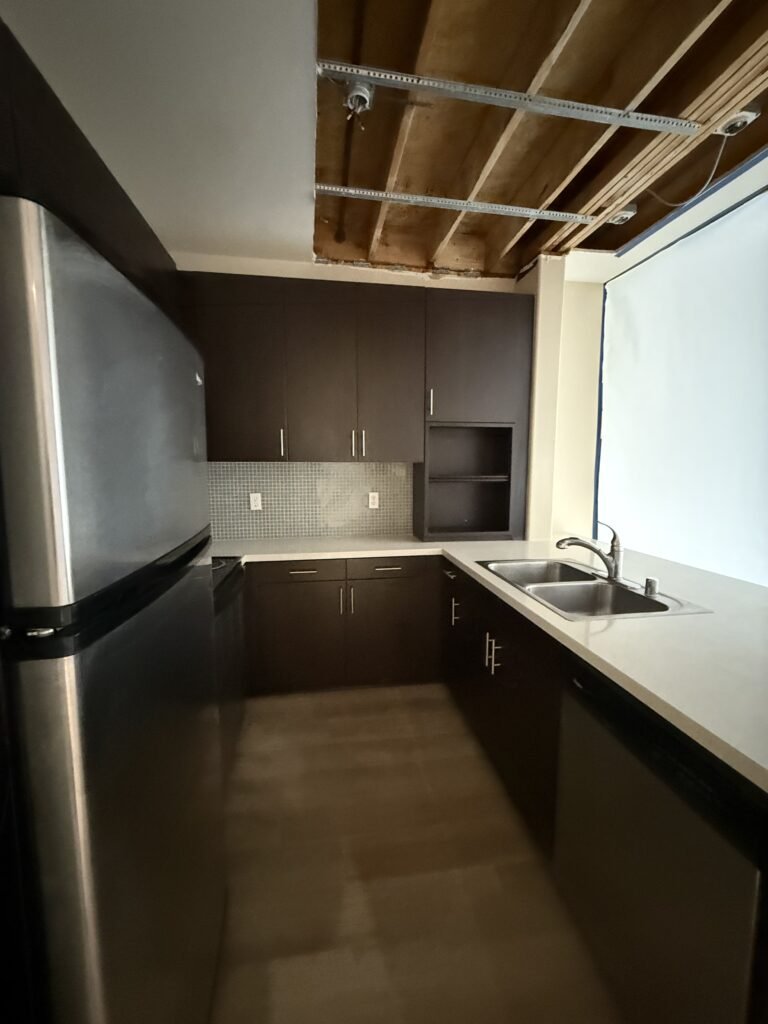
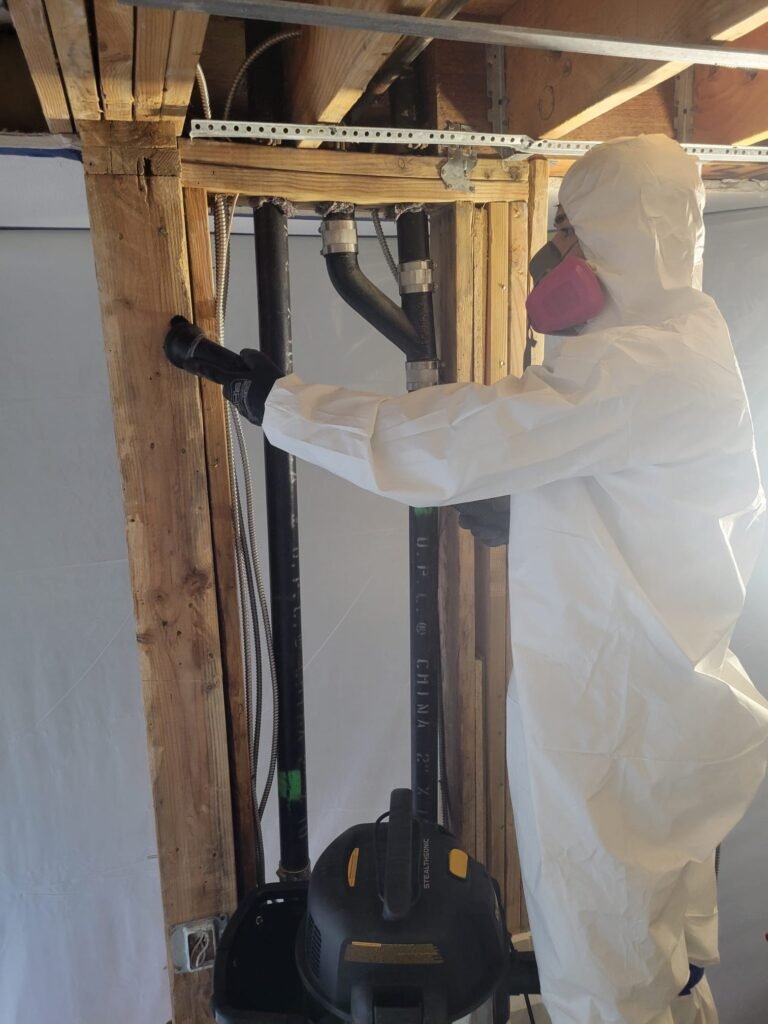
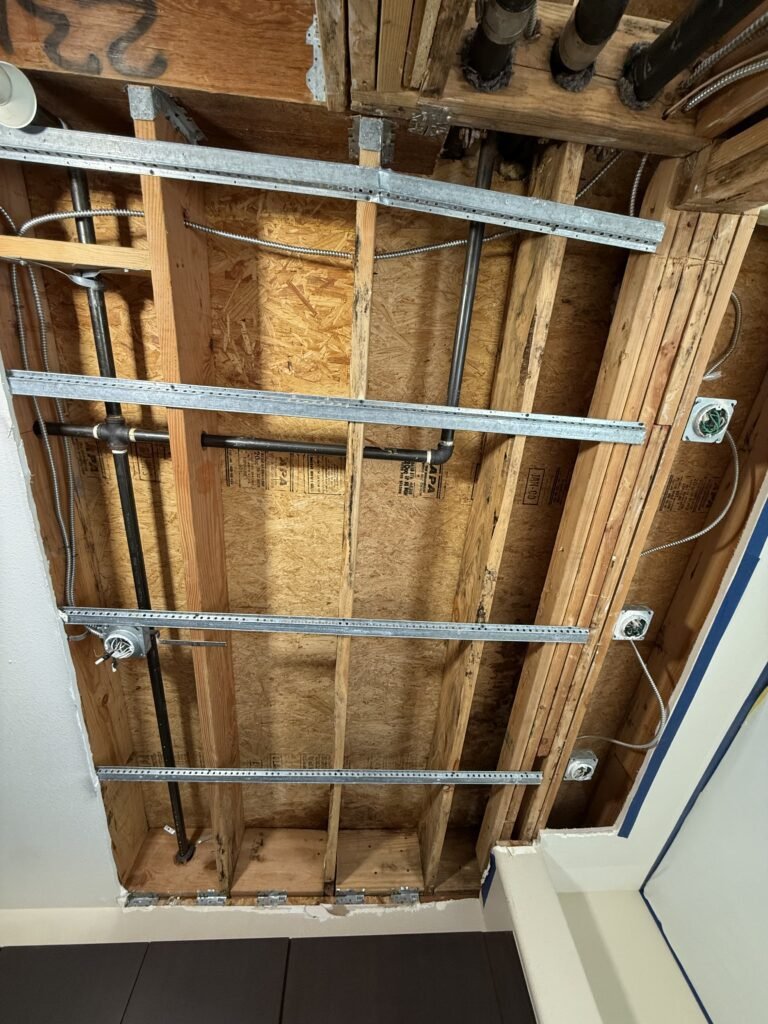
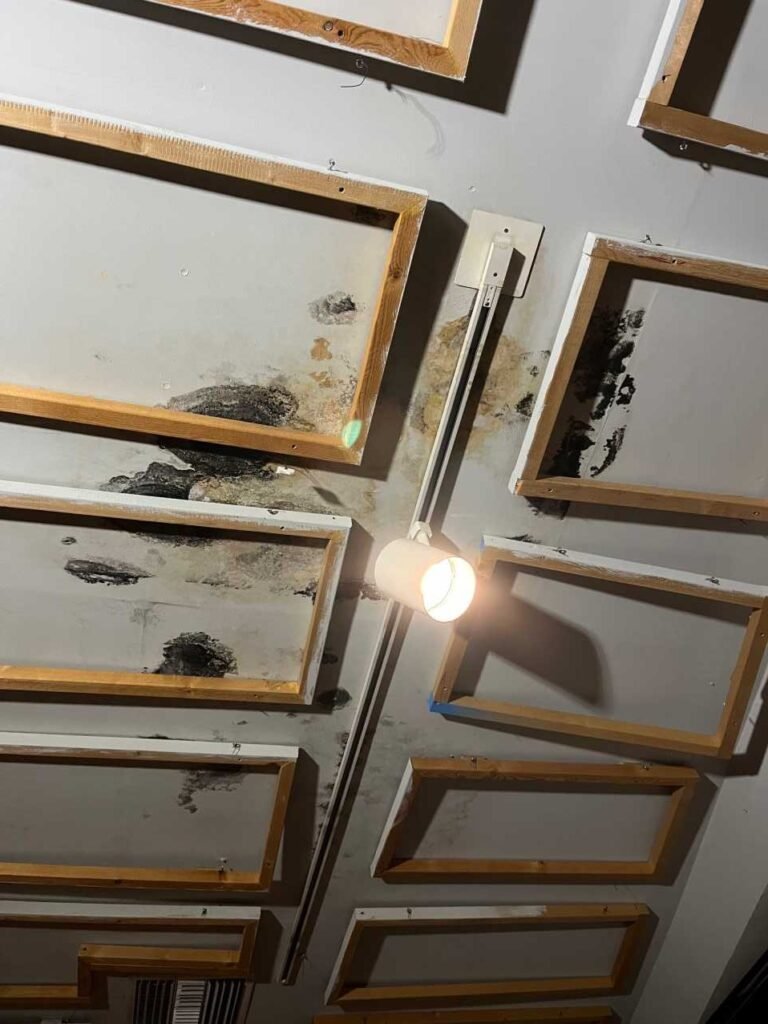
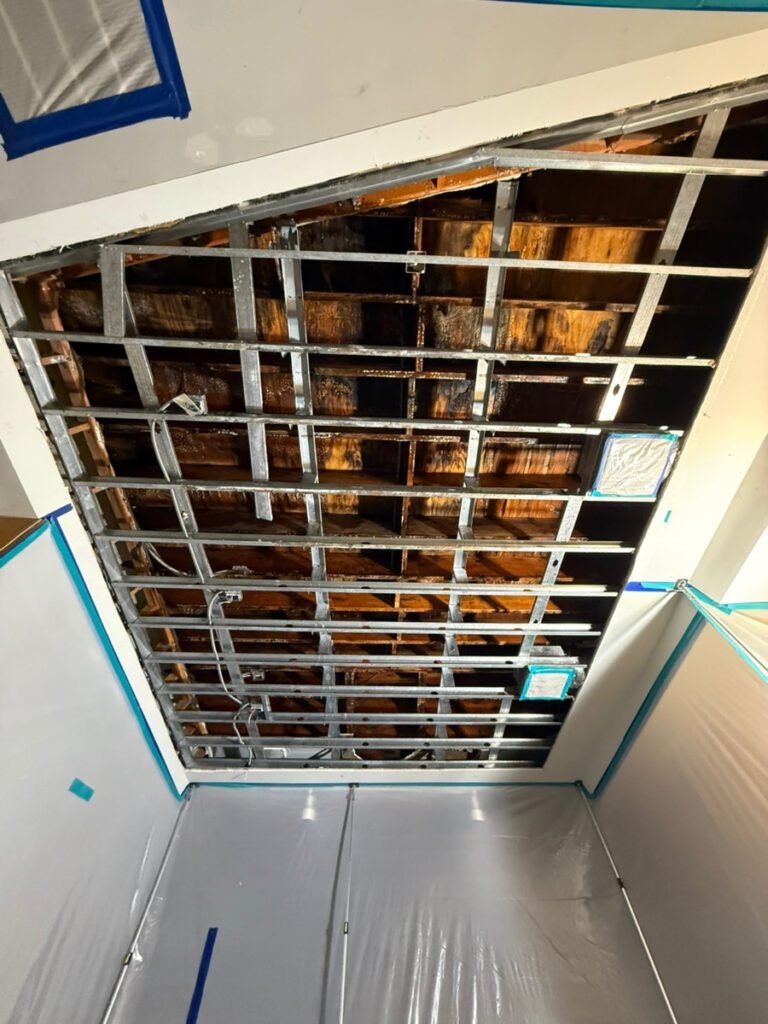
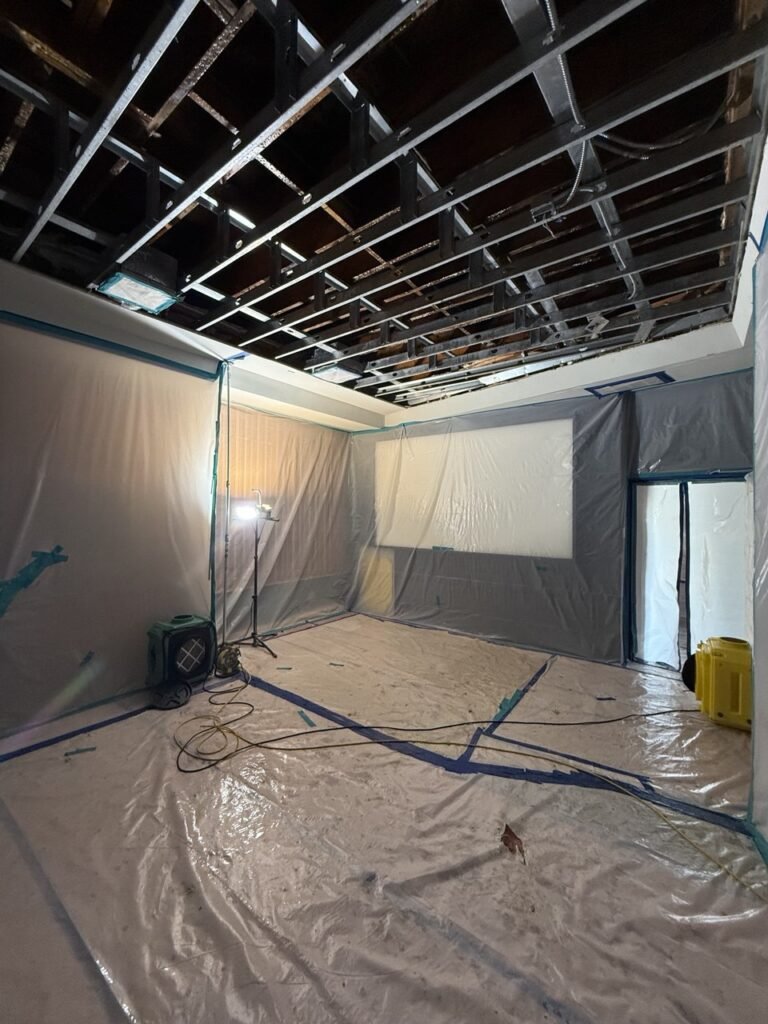
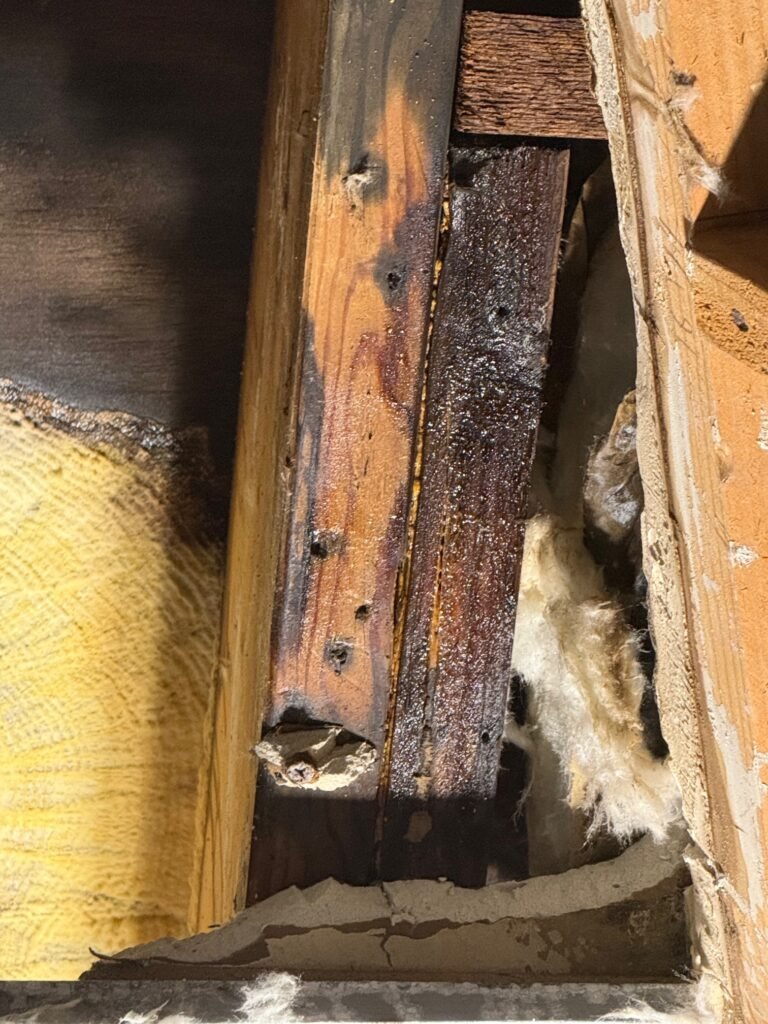
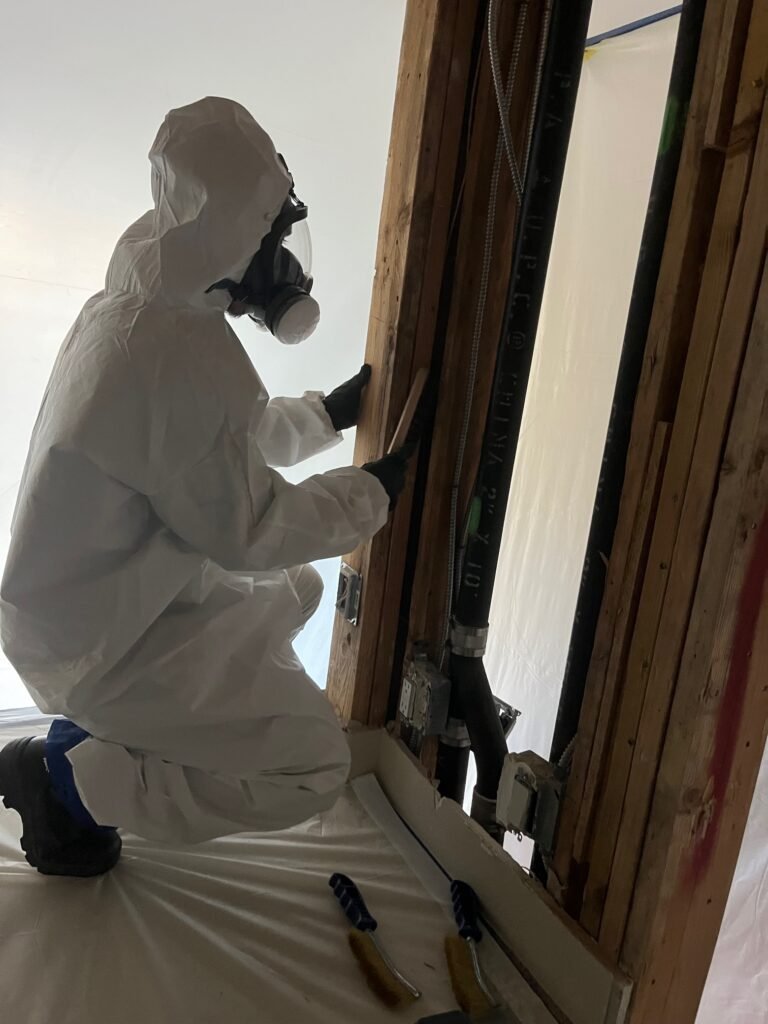
Mold Remediation in Santa Monica's Year-Round Marine Layer Climate
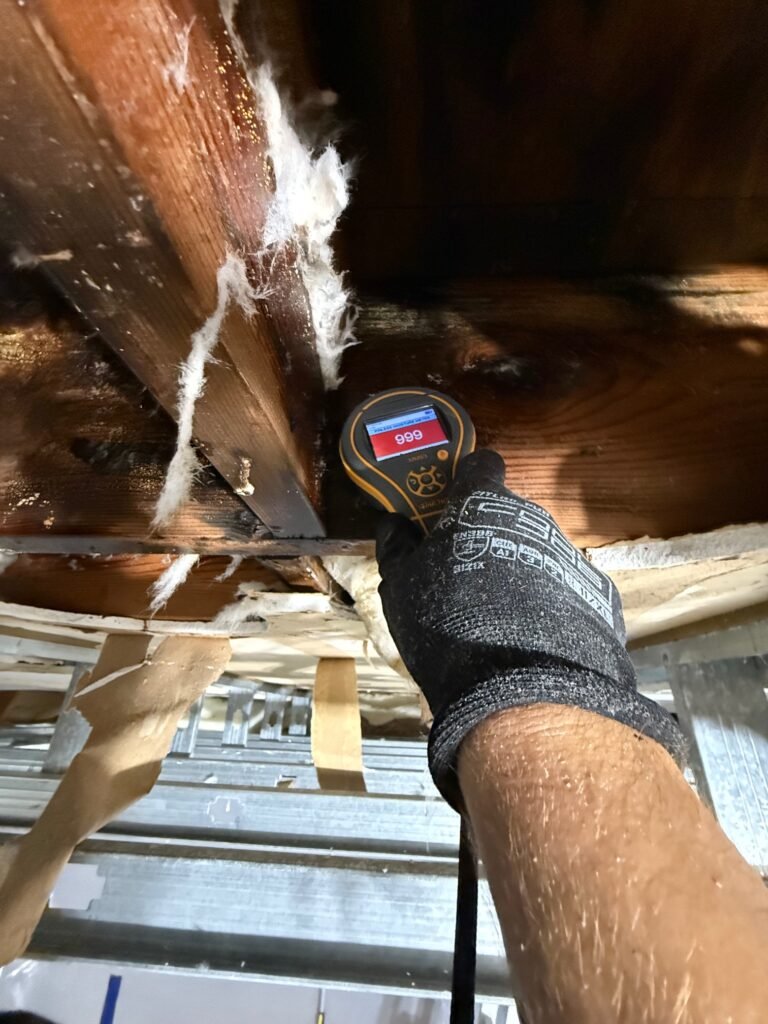
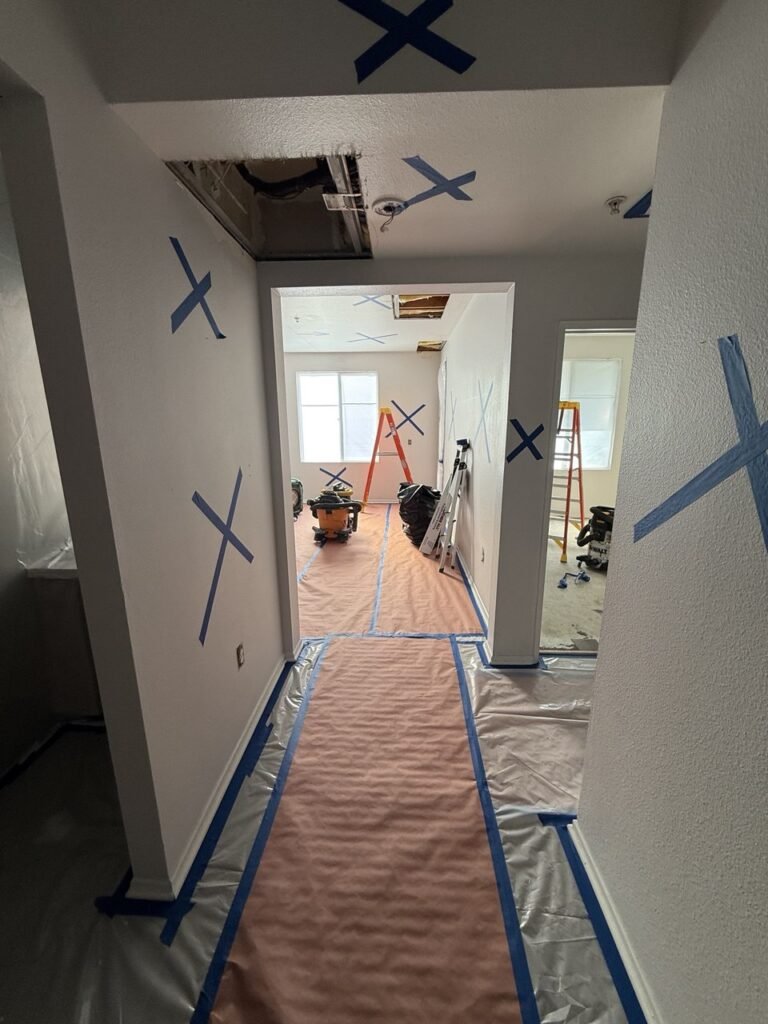
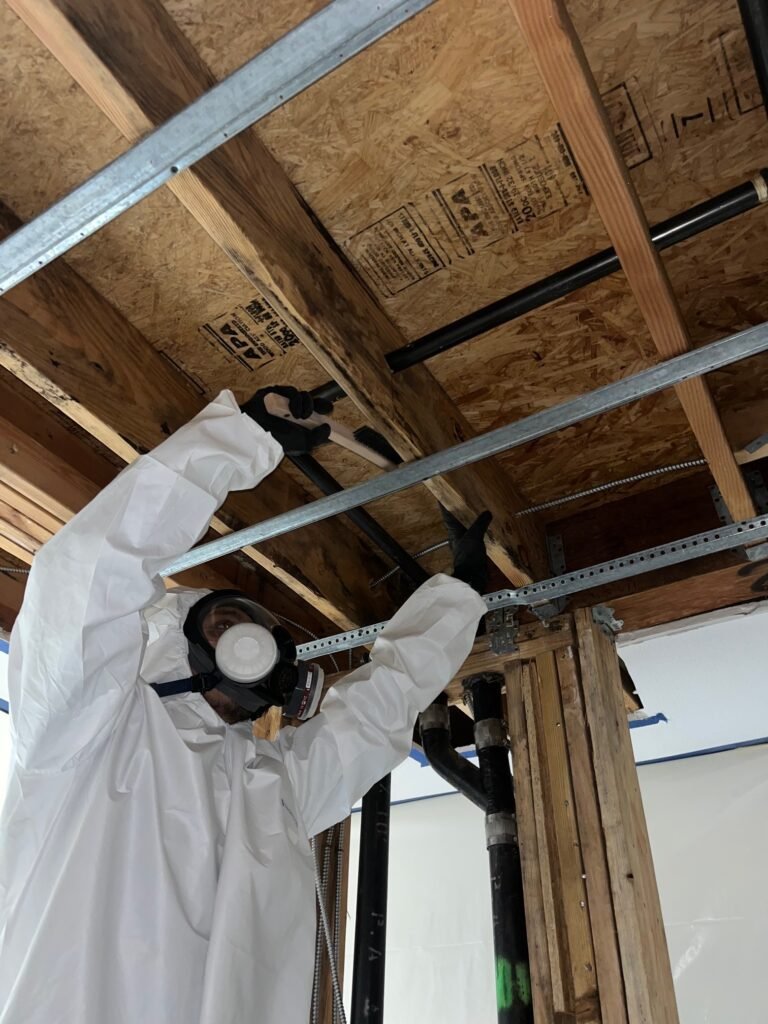
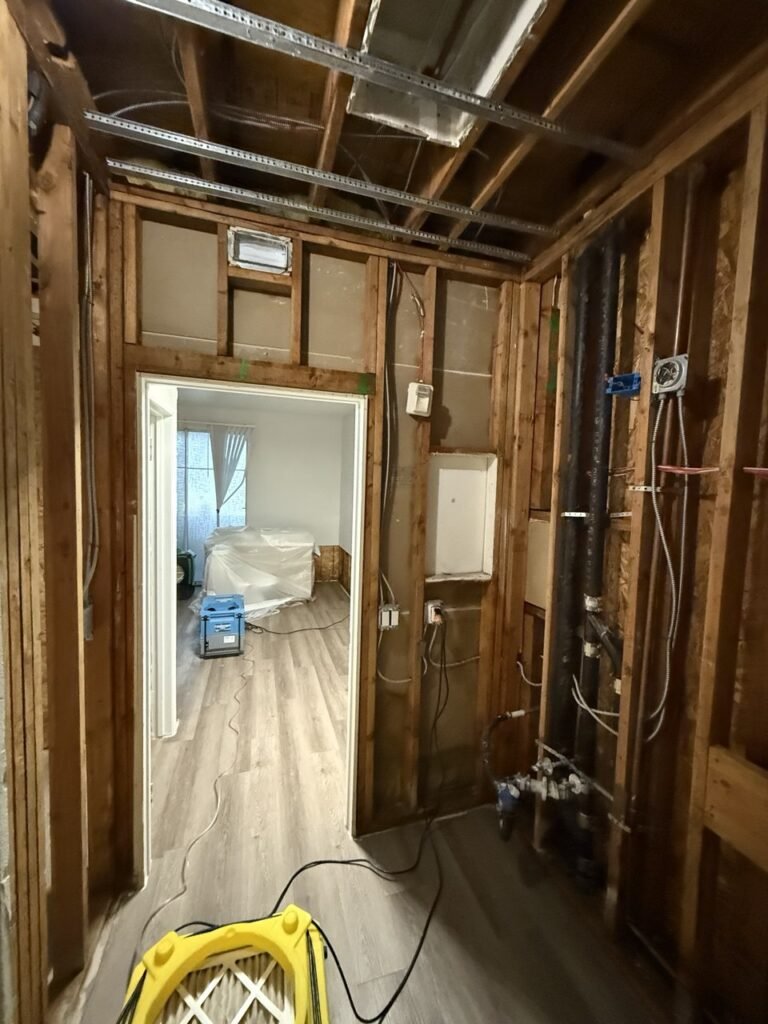
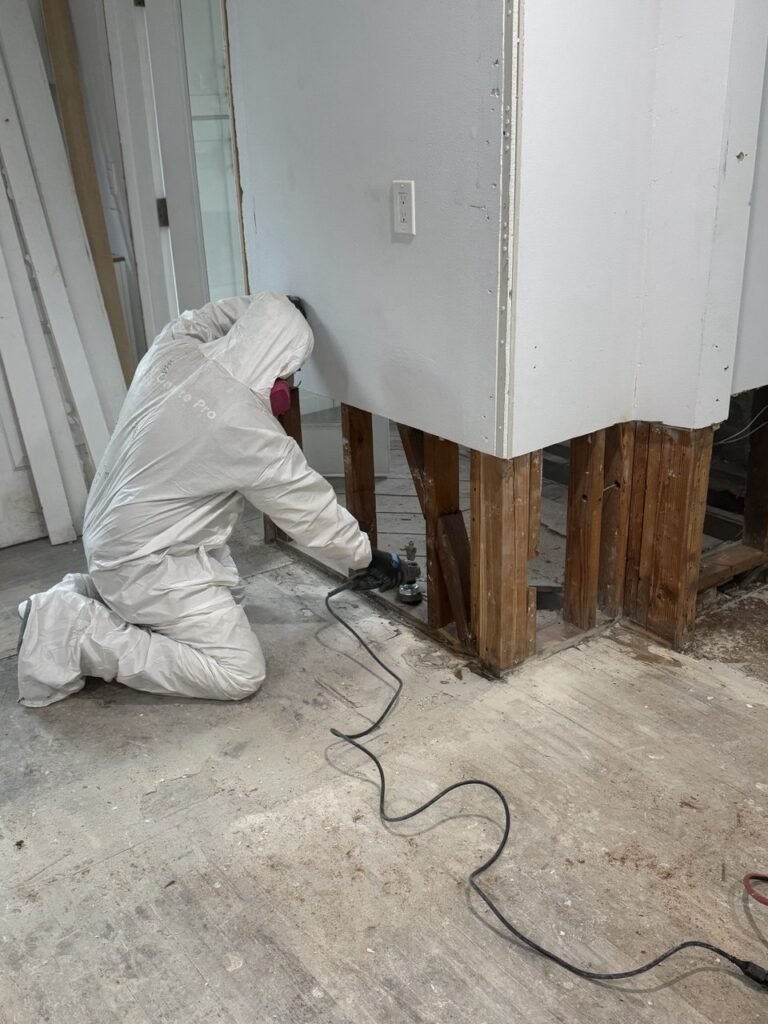
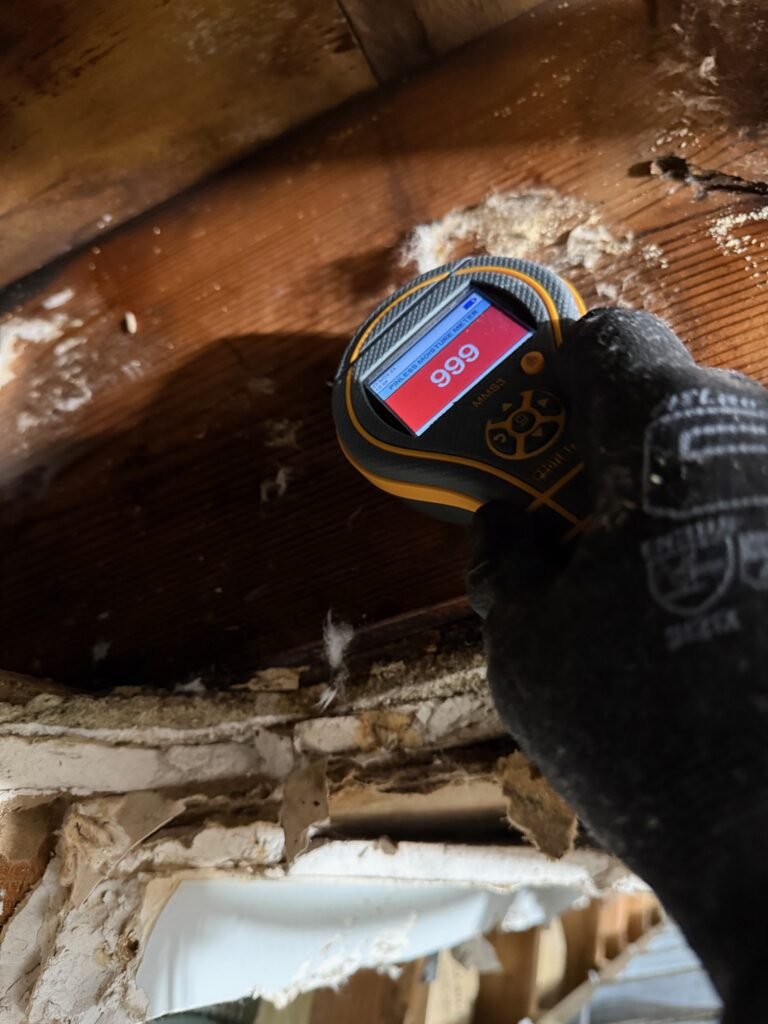
Santa Monica’s marine layer is not just a morning inconvenience — it is a sustained mold-growth accelerant. Unlike inland cities where mold risk spikes only after rain events or visible plumbing failures, Santa Monica properties experience elevated ambient humidity from offshore flow roughly 200 days a year. That persistent coastal moisture infiltrates wall cavities through micro-gaps in exterior stucco, condenses on cold water pipes inside wall assemblies, and accumulates in crawl spaces beneath the bungalow stock throughout Ocean Park, Sunset Park, and the Lincoln Boulevard corridor. The result is mold growth with no obvious leak — it develops silently from atmospheric moisture alone.
Beach-adjacent HVAC systems make the problem worse. Air conditioning units in Santa Monica pull moisture-laden coastal air through evaporator coils year-round, and condensation drain lines that partially clog allow standing water to pool inside air handlers — seeding mold that then circulates through every duct in the building. We frequently find significant colonies inside HVAC enclosures in Santa Monica that occupants attribute to a musty smell without ever identifying a water source.
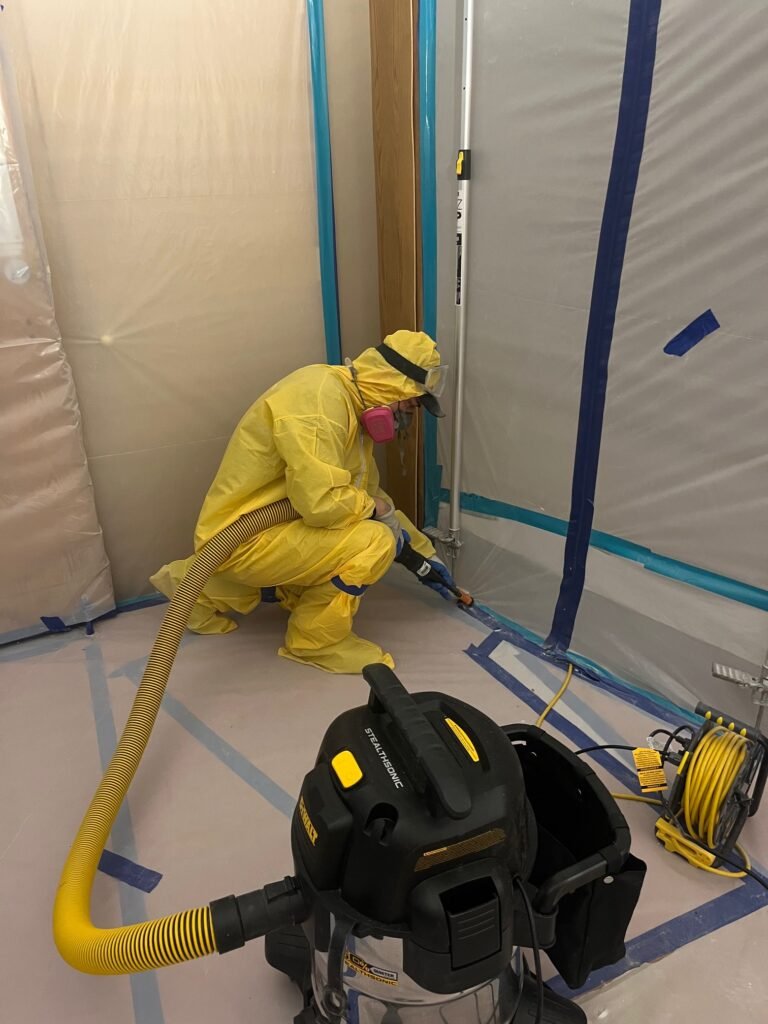
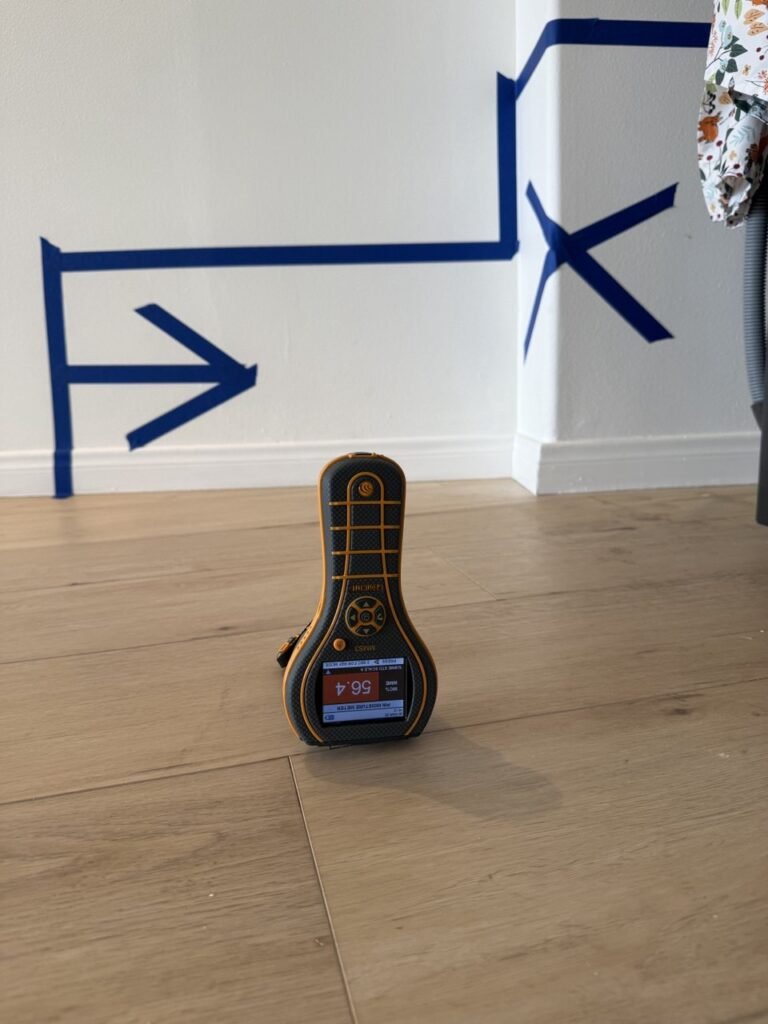
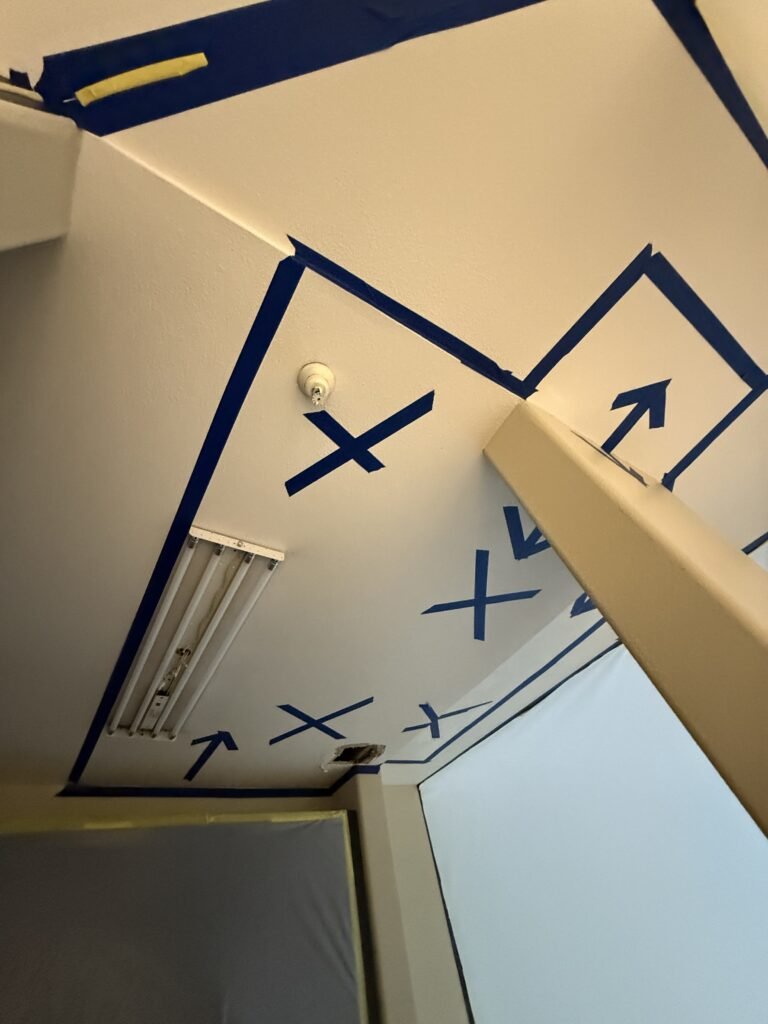
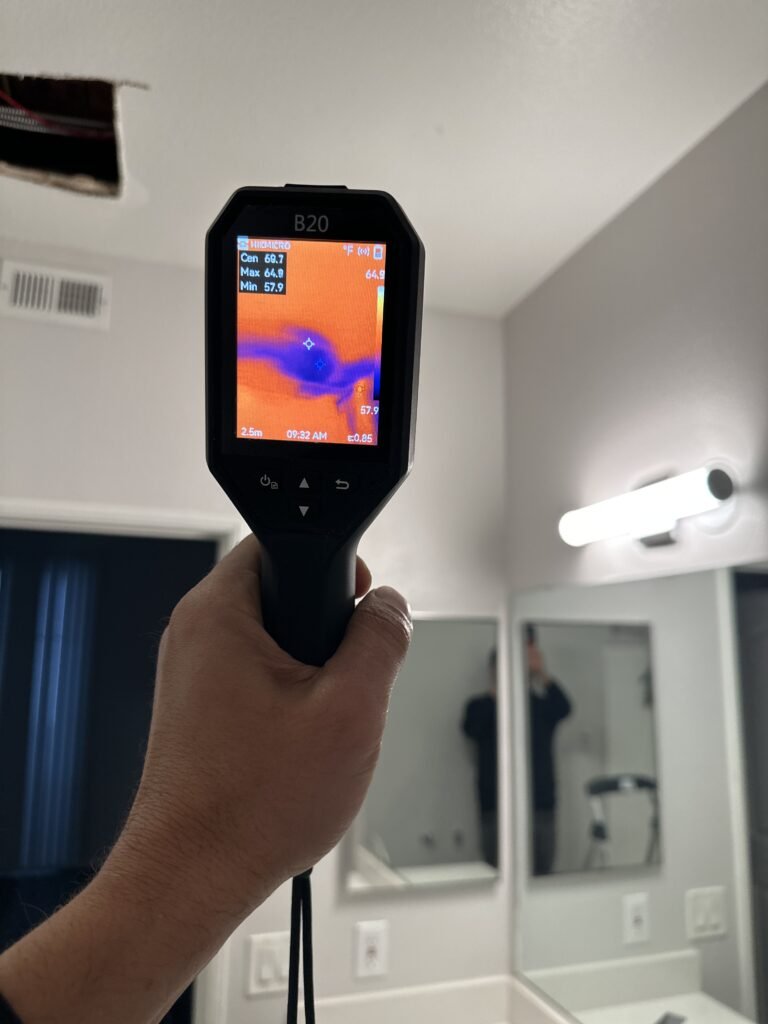
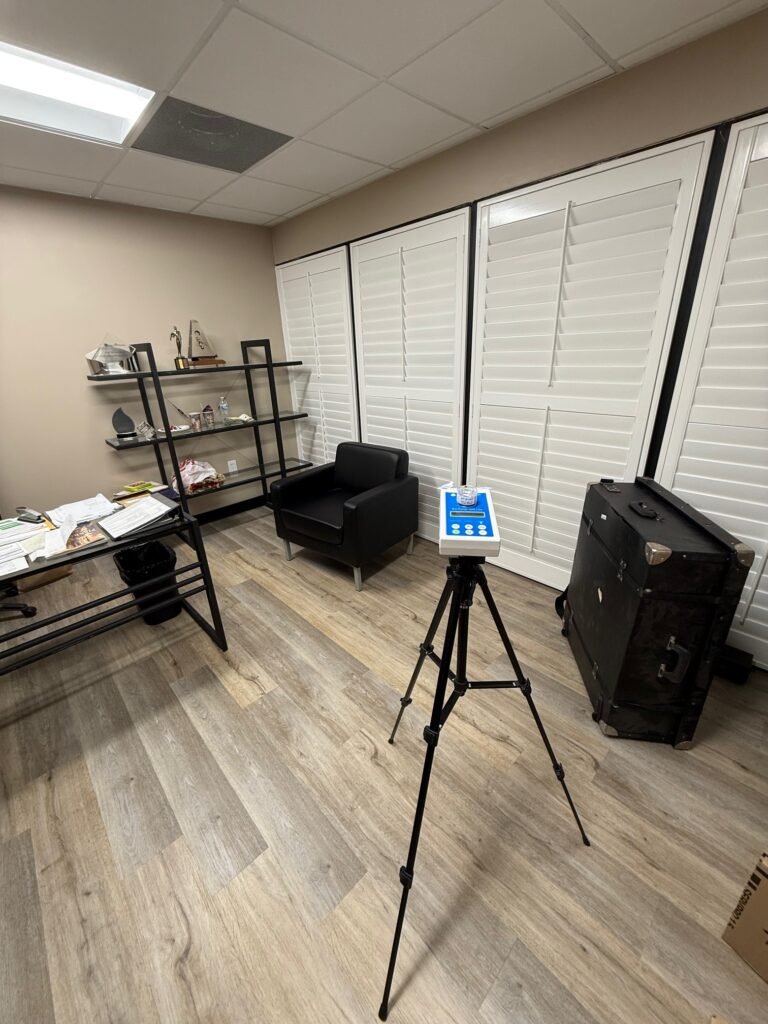
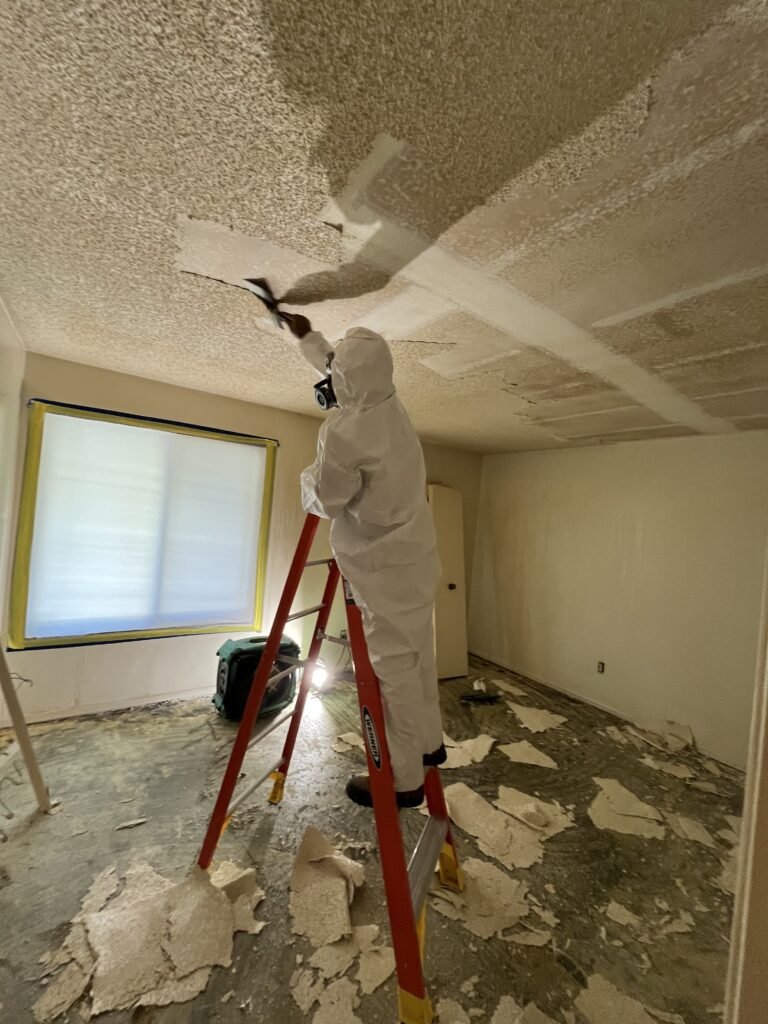
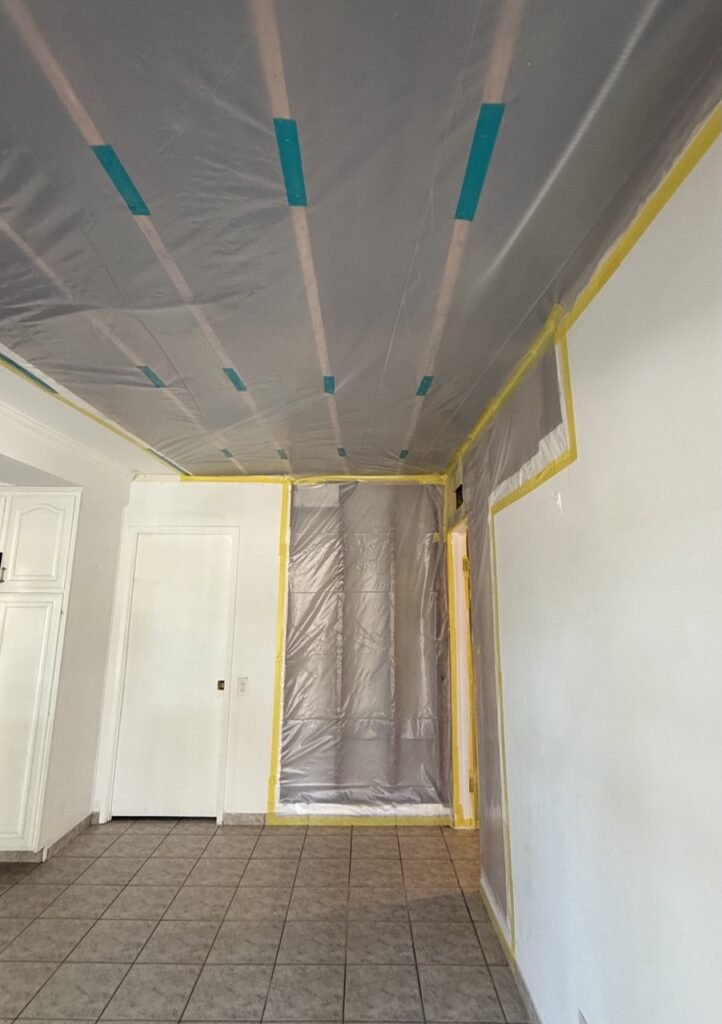
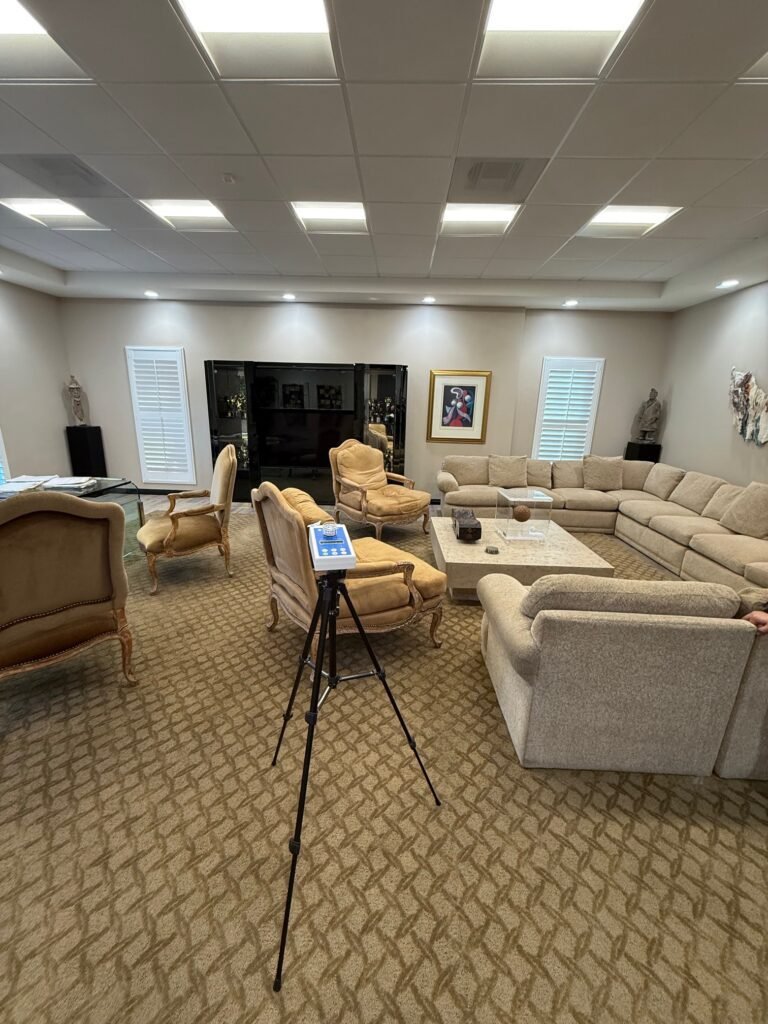
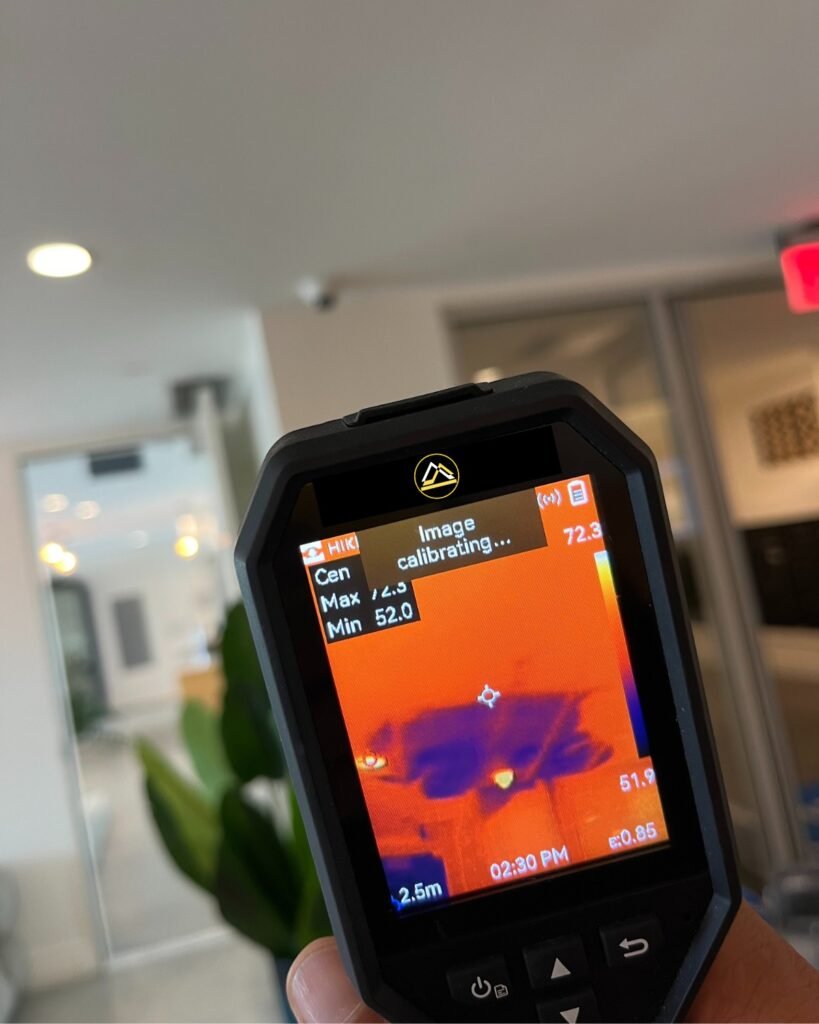
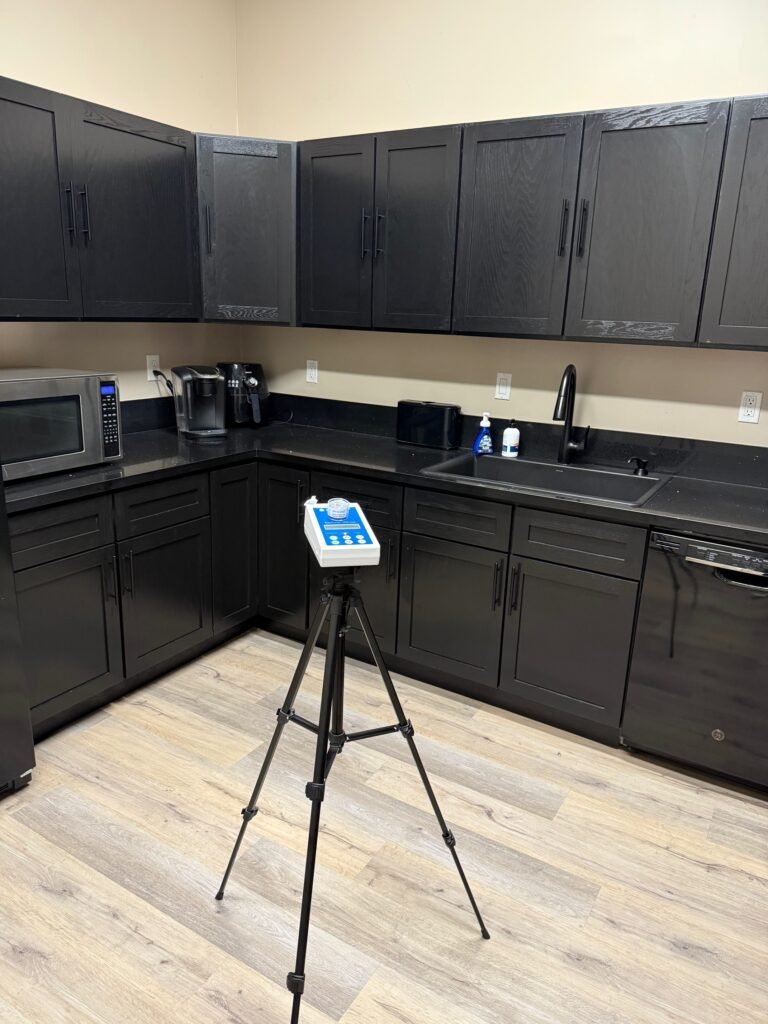
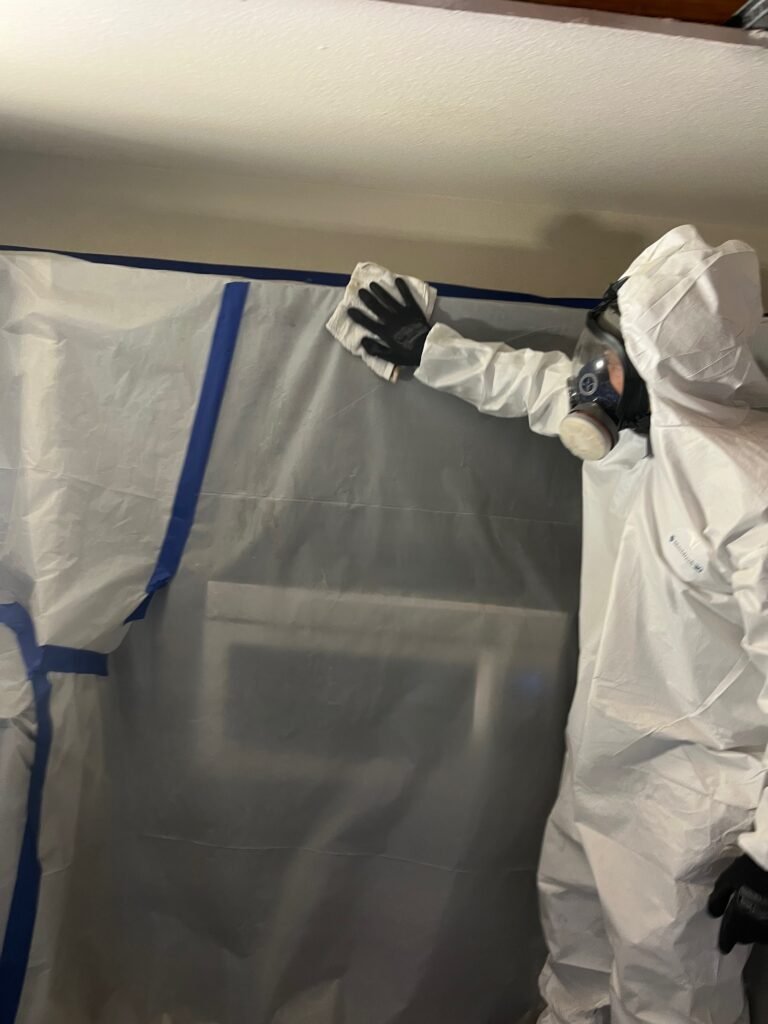
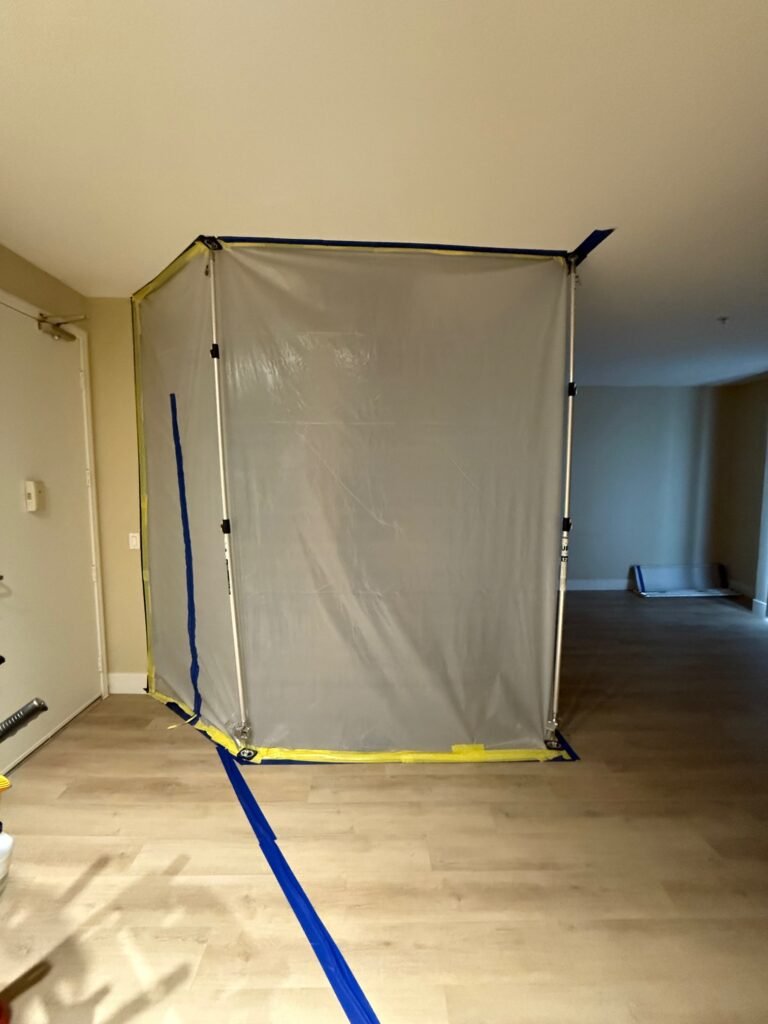
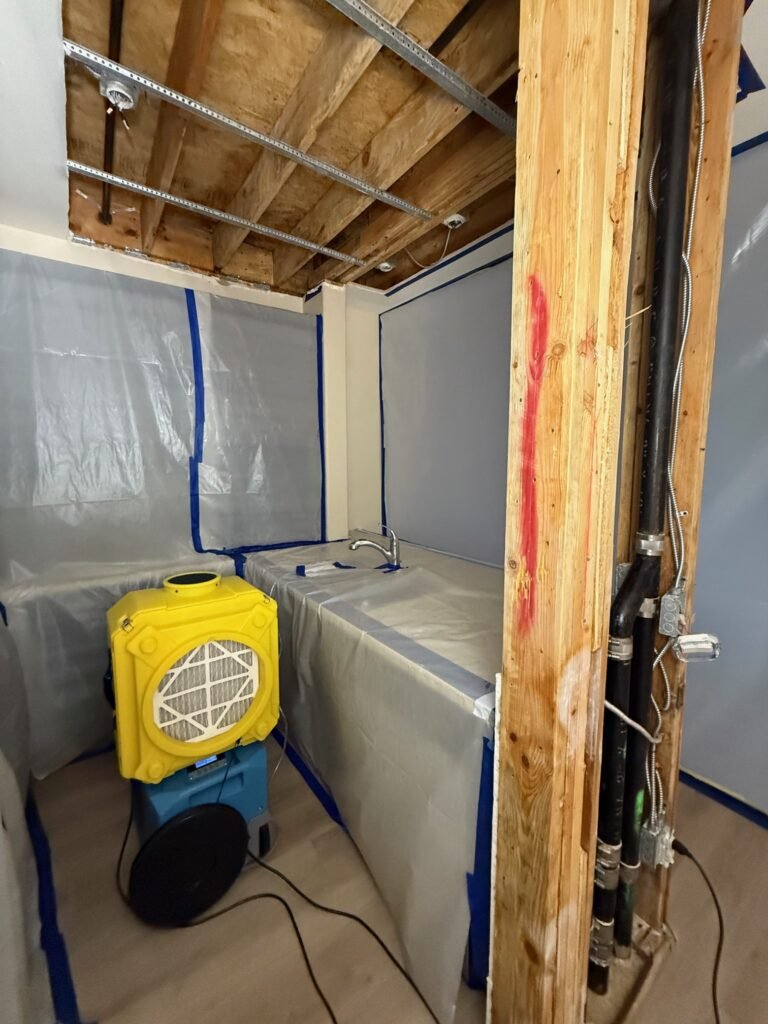
Onsite Pro Restoration provides free mold inspections throughout Santa Monica, with air quality testing and thermal moisture mapping to locate hidden growth regardless of whether the source is a plumbing event, storm infiltration, or chronic coastal humidity. Our certified remediation includes full containment, HEPA air scrubbing, antimicrobial treatment, and post-clearance air quality testing. All work is documented for insurance purposes. Call (818) 336-1800 or book your free inspection online.
Fire and Smoke Damage Restoration Near the Palisades Fire Zone
The January 2025 Palisades Fire tore through Pacific Palisades and reached the edges of Santa Monica Canyon, sending a prolonged smoke plume across Santa Monica for days. Properties throughout the city — from high-rises on the Wilshire Corridor to single-family homes in Sunset Park — experienced smoke infiltration far from the active fire lines. Wildfire smoke carries ultrafine particles and volatile organic compounds that penetrate building envelopes through ventilation gaps, window seals, and HVAC intake vents, embedding into wall surfaces, ductwork, and soft furnishings in ways that opening windows cannot resolve.
Onsite Pro Restoration has assisted homeowners and property managers throughout the west side with post-Palisades Fire smoke assessments. Our remediation scope includes indoor air quality testing and surface wipe sampling to document contamination levels, followed by HEPA air scrubbing, ozone treatment for structural odor, complete HVAC duct cleaning, and content restoration for smoke-affected belongings. For properties with insured losses tied to the Palisades Fire or future wildland fire events, our team prepares detailed scope-of-loss documentation aligned with carrier requirements.
Santa Monica’s position between the Santa Monica Mountains and the coast means wildfire smoke is a recurring reality. Properties near San Vicente Boulevard, Rustic Canyon, and the western edge of Brentwood should have a restoration contact in place before the next fire season. Call (818) 336-1800 for a no-obligation smoke assessment.
Our Proven Restoration Process
Step 1. Call for Emergency Help
Our Santa Monica crew answers 24/7 and dispatches technicians immediately.
Step 2. Onsite Inspection & Evaluation
We inspect your property, identify all damage, and provide a no-obligation estimate.
Step 3. Work Authorization
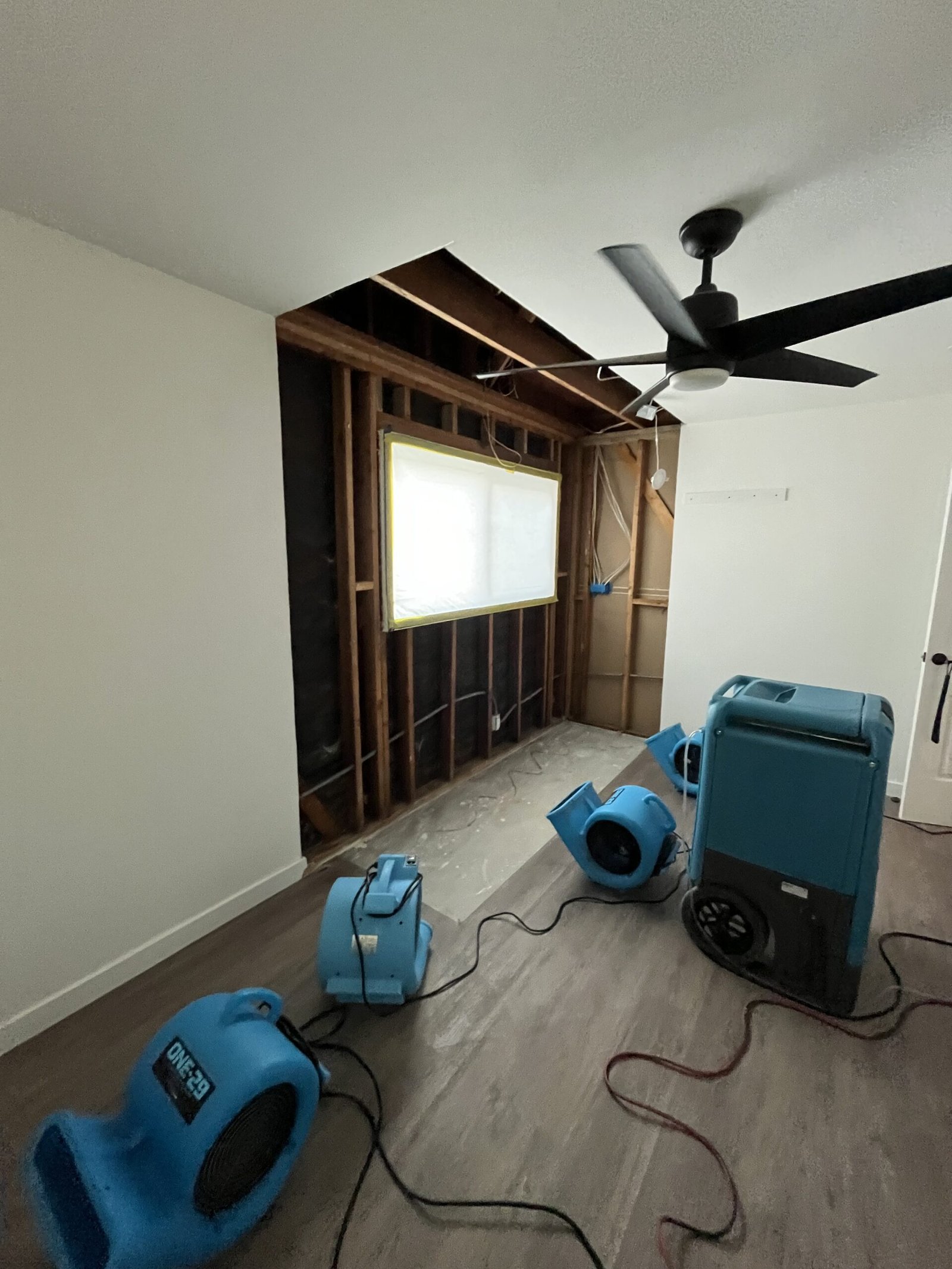
Once authorized, we secure the area, install equipment, and begin safe restoration.
Step 4. Fast, Reliable Restoration
We restore your property to safe, clean conditions using professional-grade equipment and certified methods.
Why Choose Onsite Pro in Santa Monica?
24/7 Emergency Response
Certified IICRC Restoration Specialists
Free On-Site Inspections & Estimates
Complete Cleanup and Repairs
Trusted by Santa Monica Residents and Businesses
Water Damage Restoration in Santa Monica's Beachfront and Multi-Family Properties
Santa Monica’s coastal location makes it one of the most moisture-intensive environments for property owners in greater Los Angeles. Salt-laden ocean air accelerates corrosion of copper and galvanized pipe fittings, particularly in the beachfront apartment buildings and stacked condo towers that line Ocean Avenue and the blocks toward Main Street. When a corroded fitting fails in a third-floor unit, water doesn’t stay contained — it travels through ceiling assemblies, soaks insulation, and reaches the unit below before a resident notices a drip. Multi-unit buildings in Santa Monica account for a significant portion of our emergency calls because cascading plumbing failures affect multiple units, multiple residents, and often multiple insurance carriers simultaneously.
Rooftop deck drainage is another persistent issue. The flat-roof construction common in Santa Monica’s mid-century apartment buildings and newer luxury condominiums allows ponding water to seep around membrane seams and into top-floor ceilings. We regularly respond along the Ocean Avenue corridor, the Wilshire Corridor high-rises, and the Montana Avenue neighborhood for water intrusion events that began as a clogged rooftop drain or failing parapet flashing.
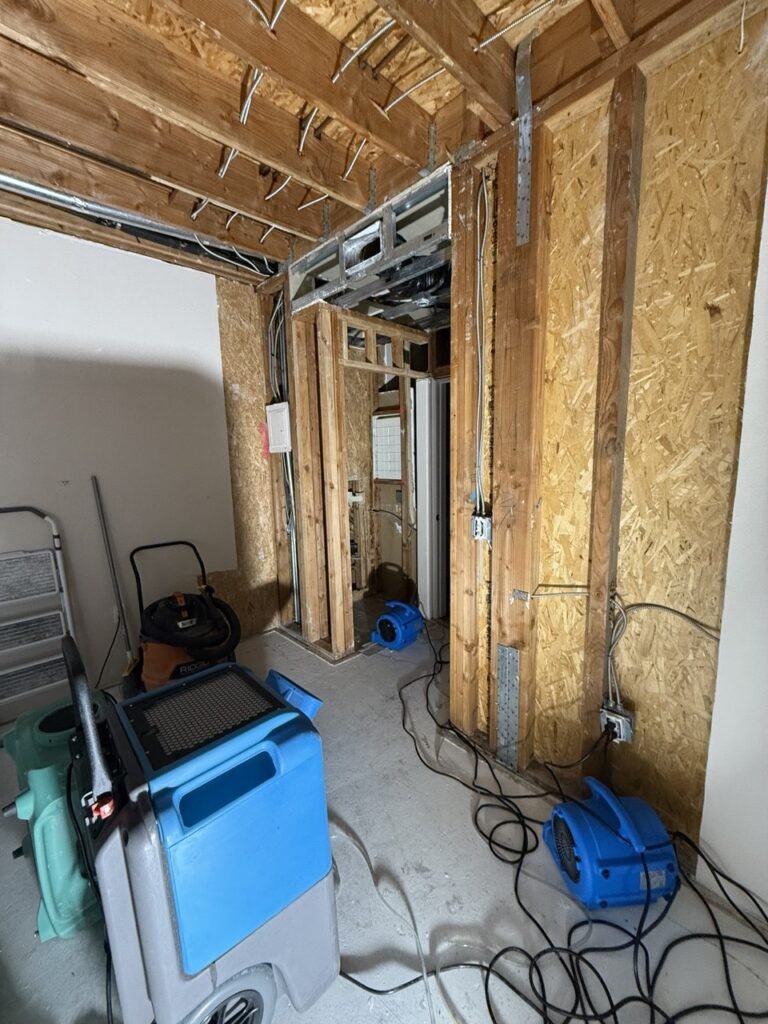
Onsite Pro Restoration deploys desiccant drying systems specifically suited for high-humidity coastal conditions — standard refrigerant dehumidifiers underperform when ocean air pushes ambient moisture above normal inland baselines. Whether you have a burst pipe in a beachfront condo, cascading water damage in a multi-story building, or storm intrusion in a Sunset Park bungalow, our IICRC-certified team is available 24/7. Call (818) 336-1800 any time.
What Our Santa Monica Customers Say
From beachfront residences to commercial properties, Santa Monica property owners rely on Onsite Pro Restoration for fast response, professional service, and long-lasting results.