
Tarzana Water, Mold & Fire Restoration — Hillside Homes & Apartment Complexes
Tarzana’s hillside residences, busy Ventura Boulevard businesses, and older apartment complexes all face unique restoration challenges. Plumbing leaks, storm damage, and sewer backups can spread quickly and cause costly repairs if not addressed. Onsite Pro Restoration provides 24/7 emergency services in Tarzana, specializing in certified water, fire, mold, and sewer cleanup. Our team follows IICRC standards to restore safe conditions while minimizing downtime and disruption.
Get Started
Service Form
Local Restoration Professionals
Whether you own a single-family home near Mulholland or manage an apartment building along Ventura, Tarzana property owners rely on Onsite Pro Restoration for fast, professional service.
Explore Services We Offer in Tarzana
Water Damage Restoration
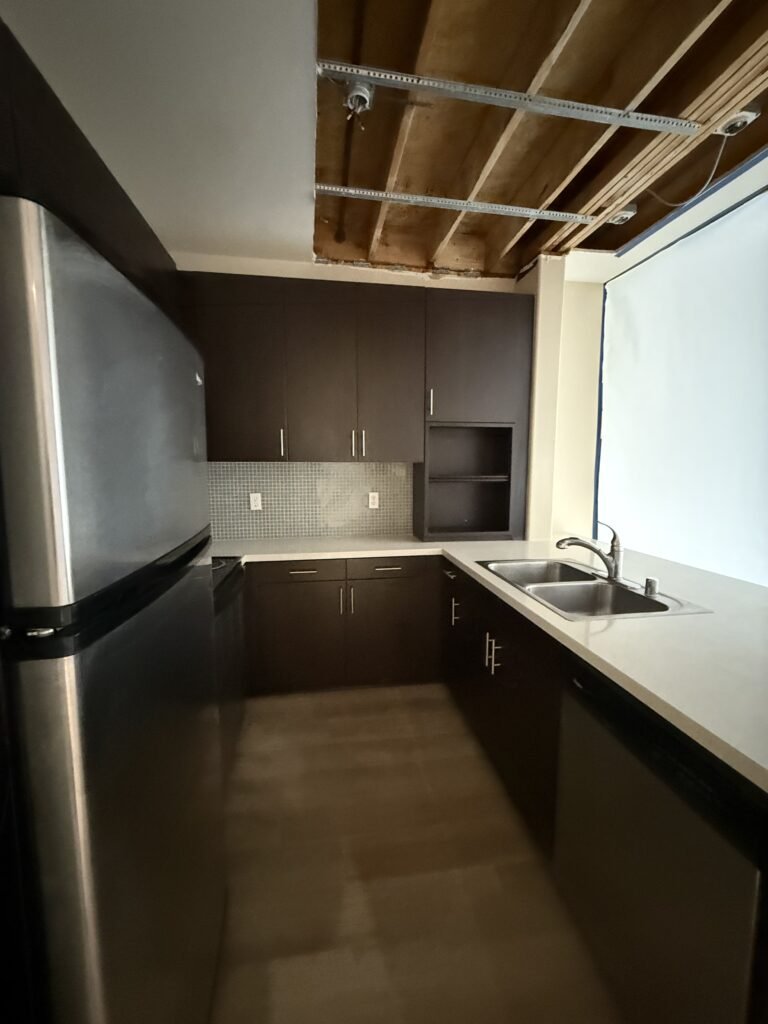
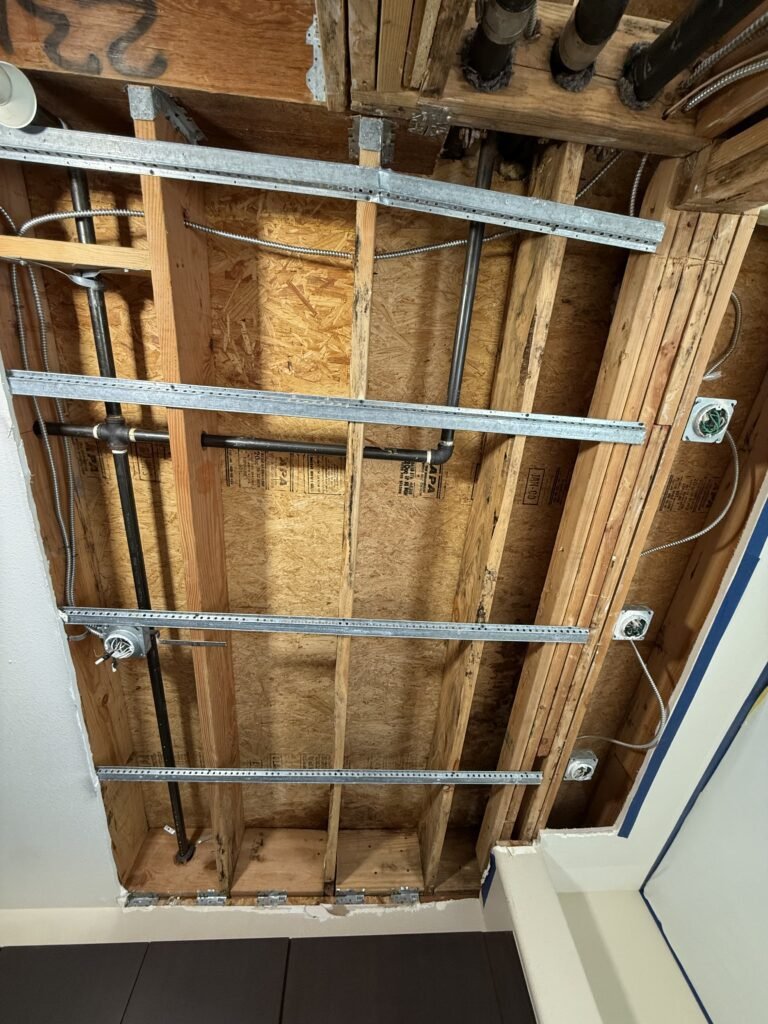
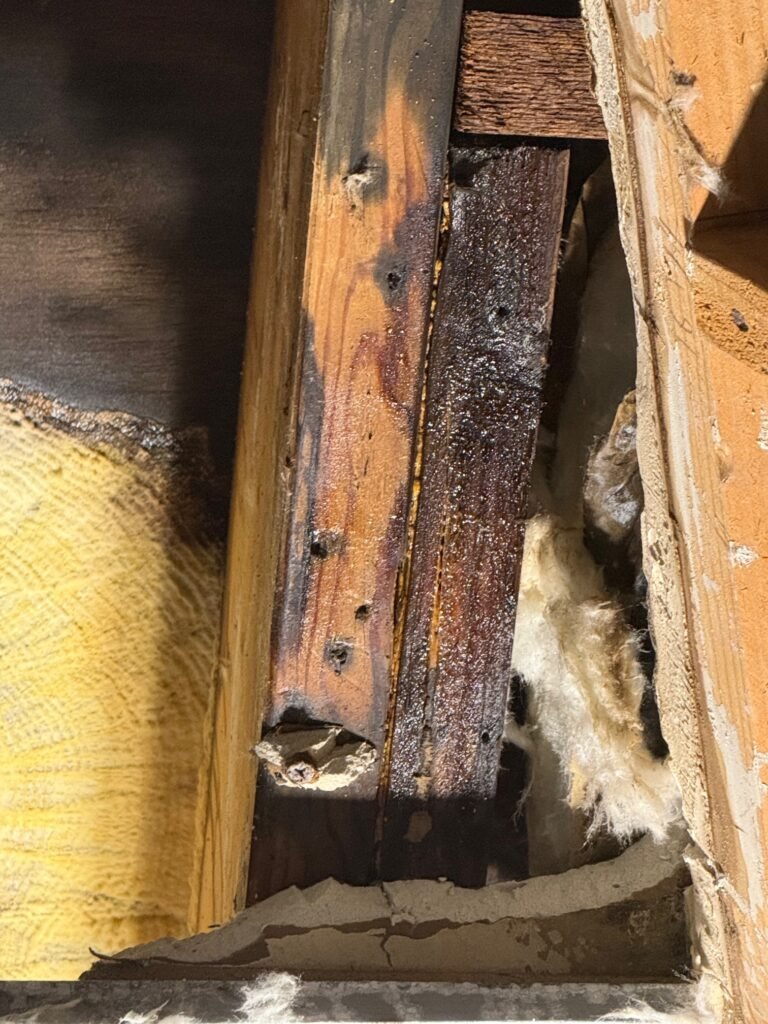
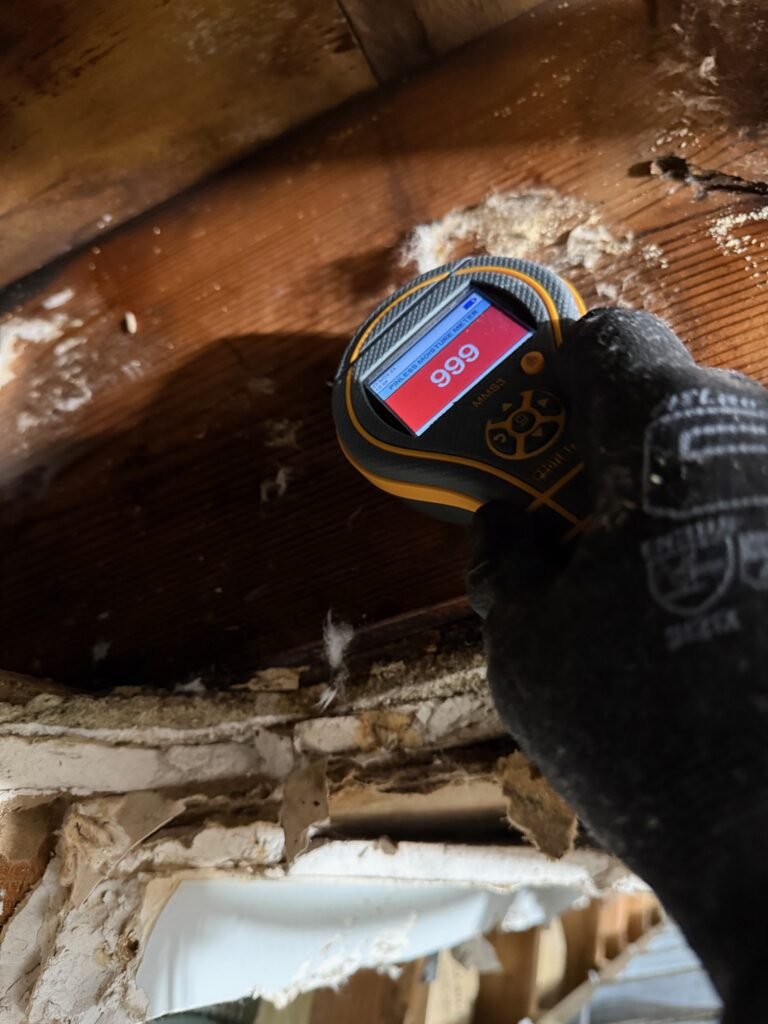
Roof leaks, burst pipes, and appliance failures are common in Tarzana homes. Our team extracts water, dries structures, and applies antimicrobial treatments to prevent mold.
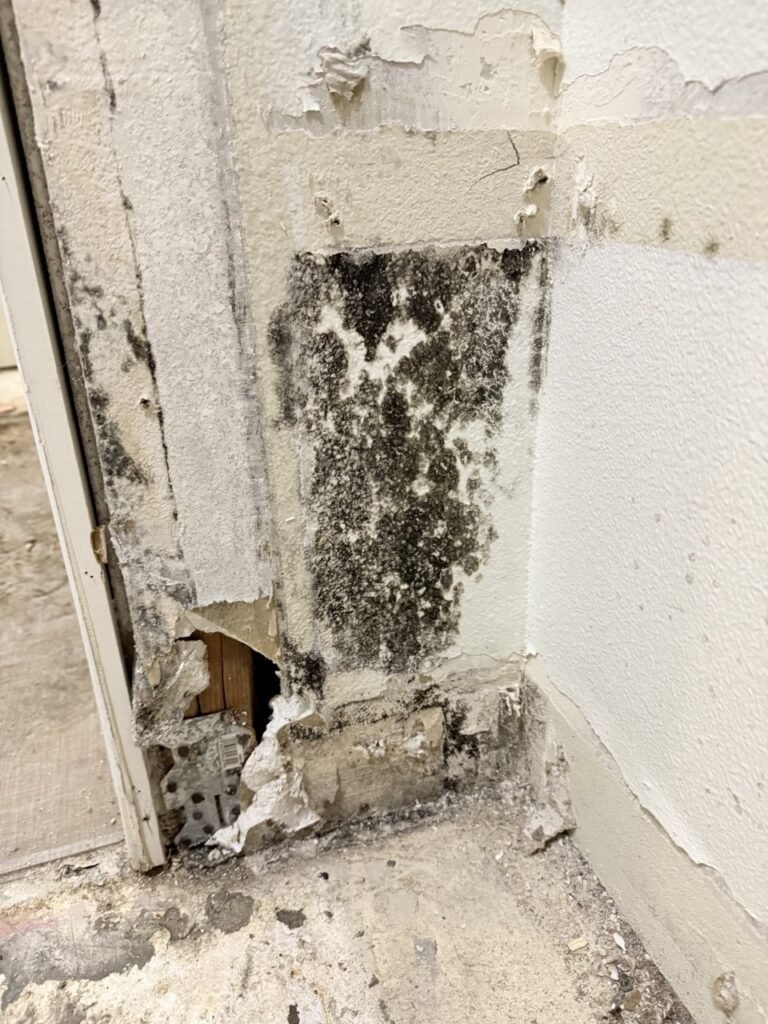
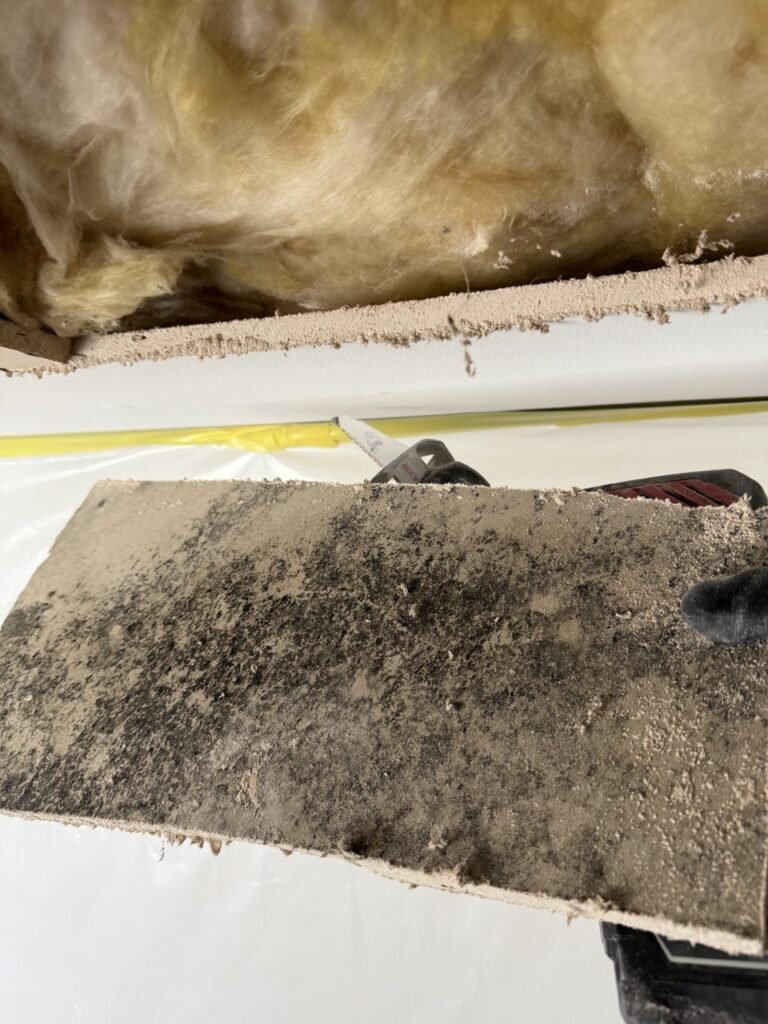
Mold Remediation
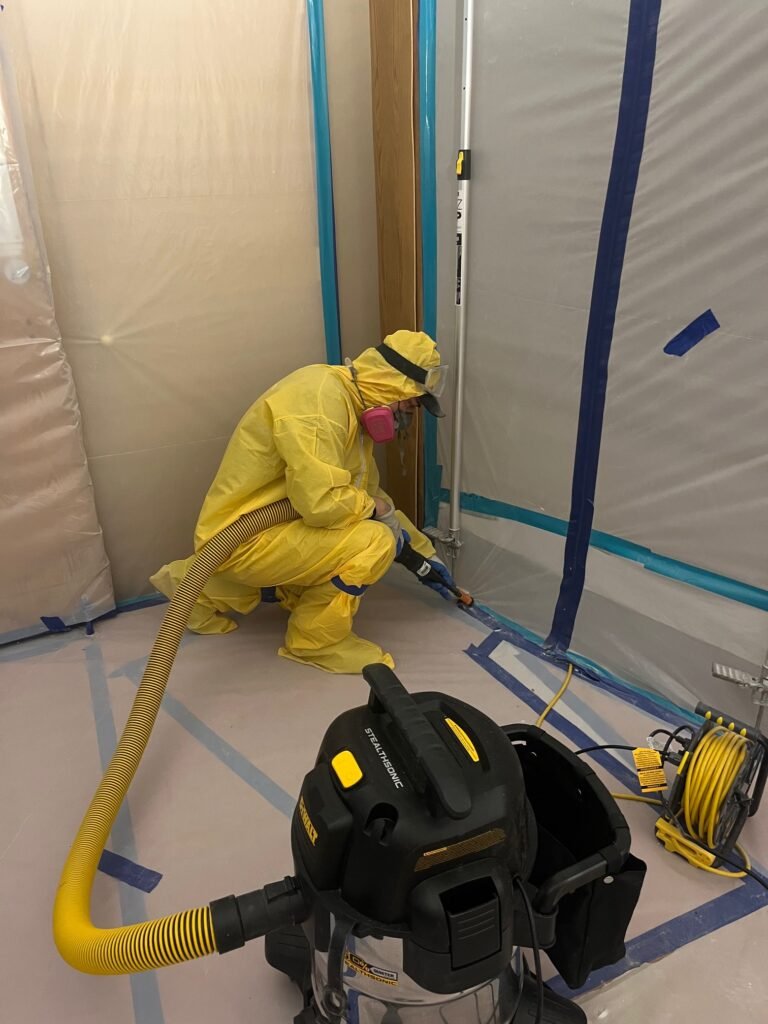
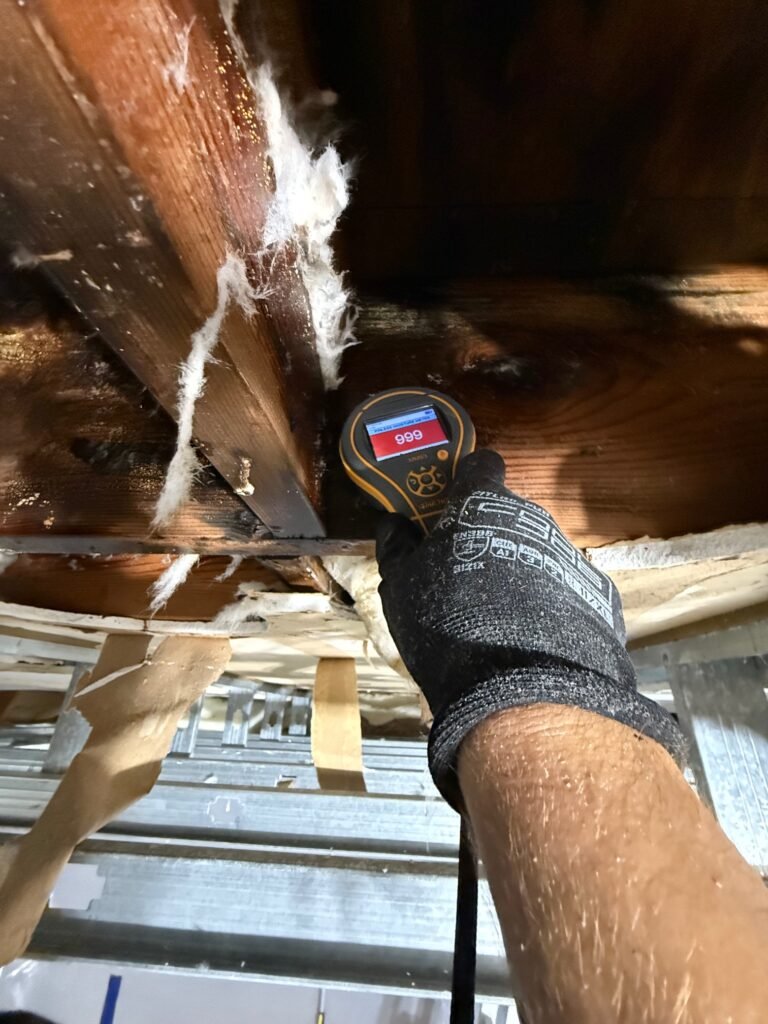
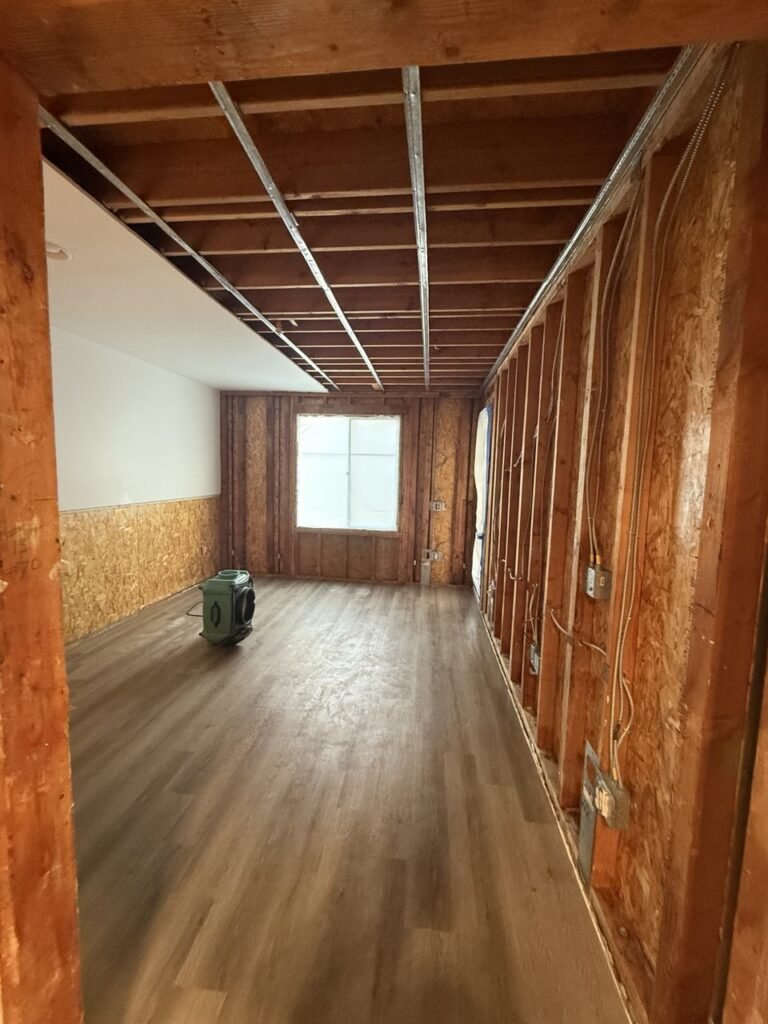
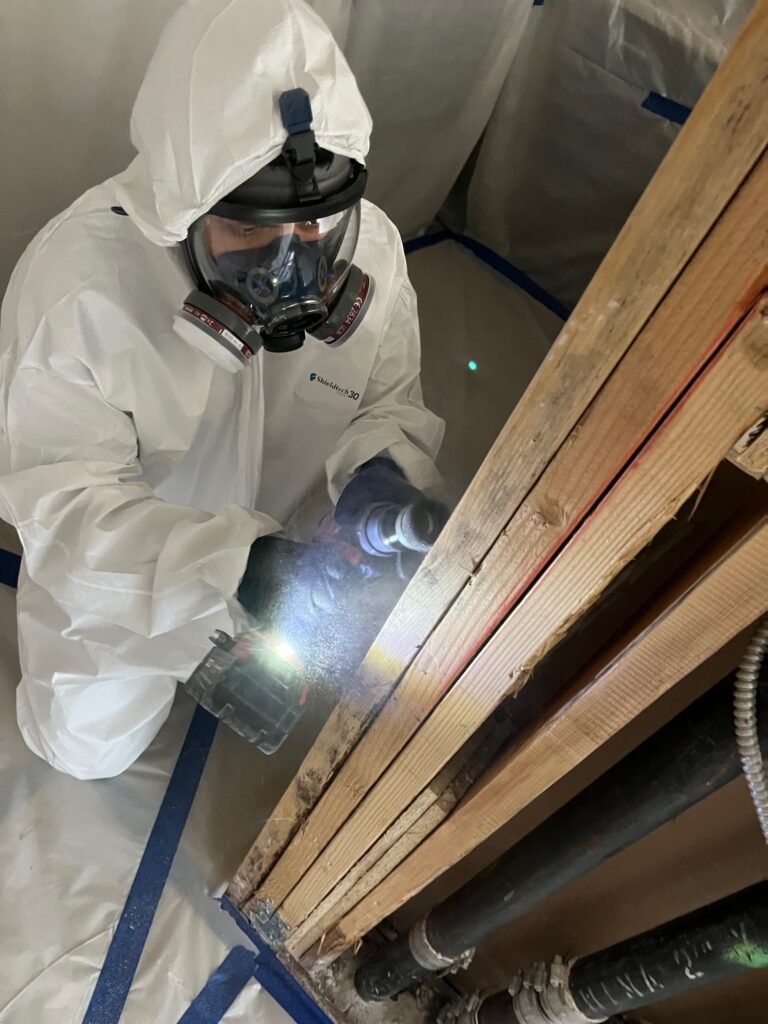
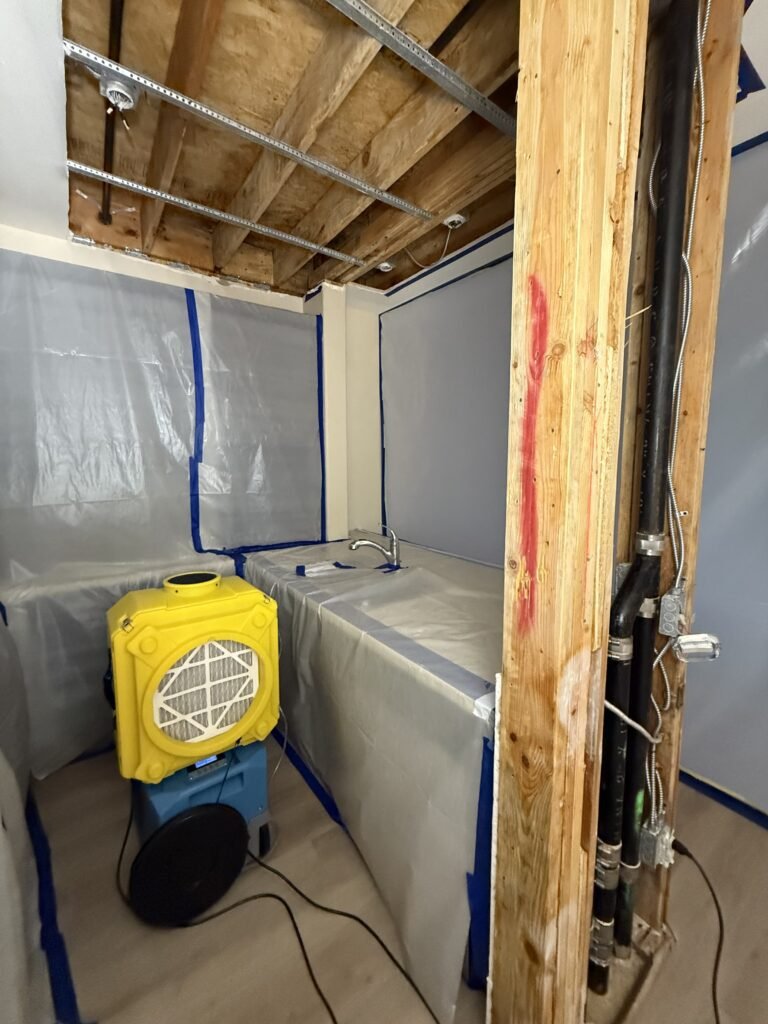
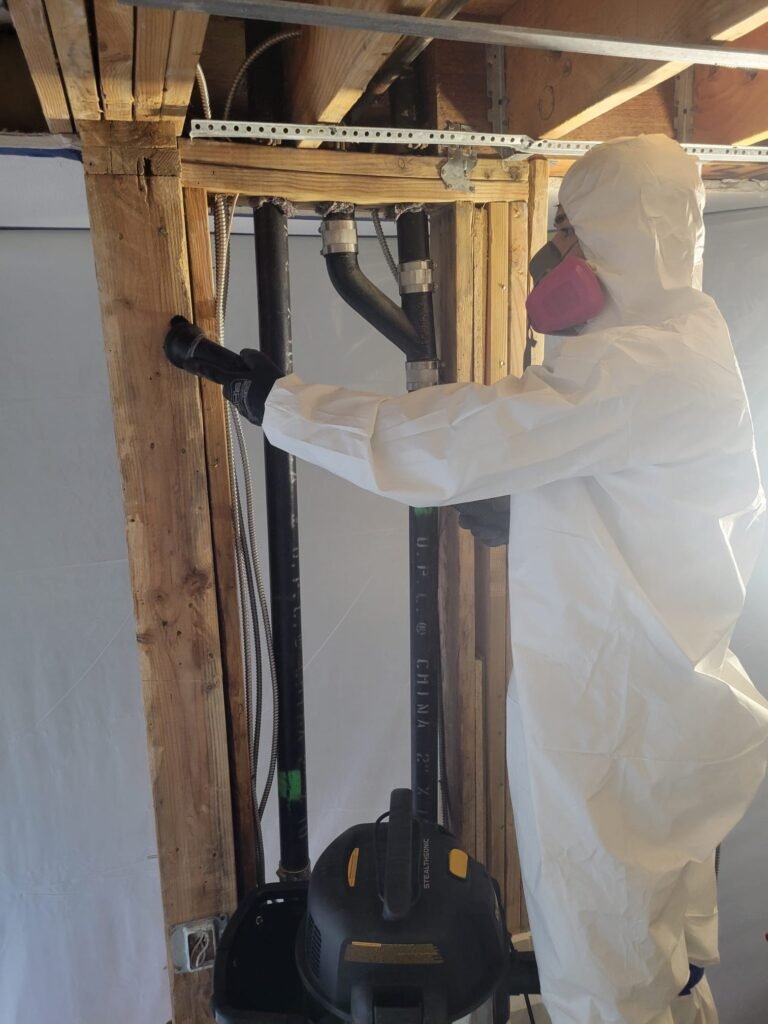
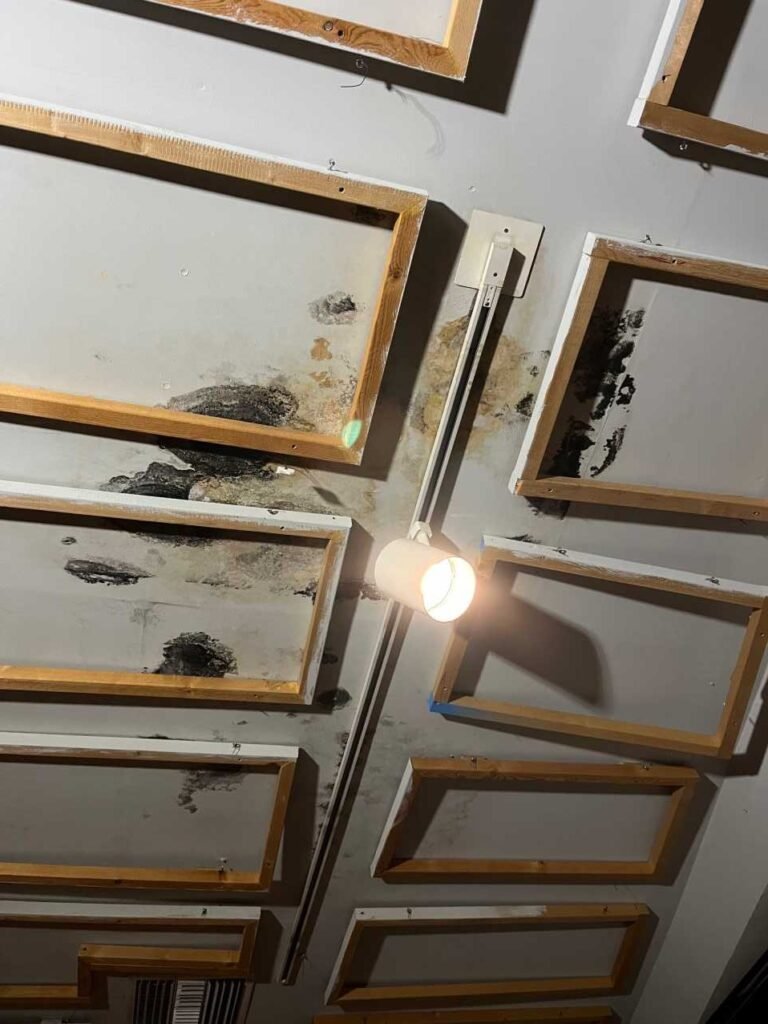
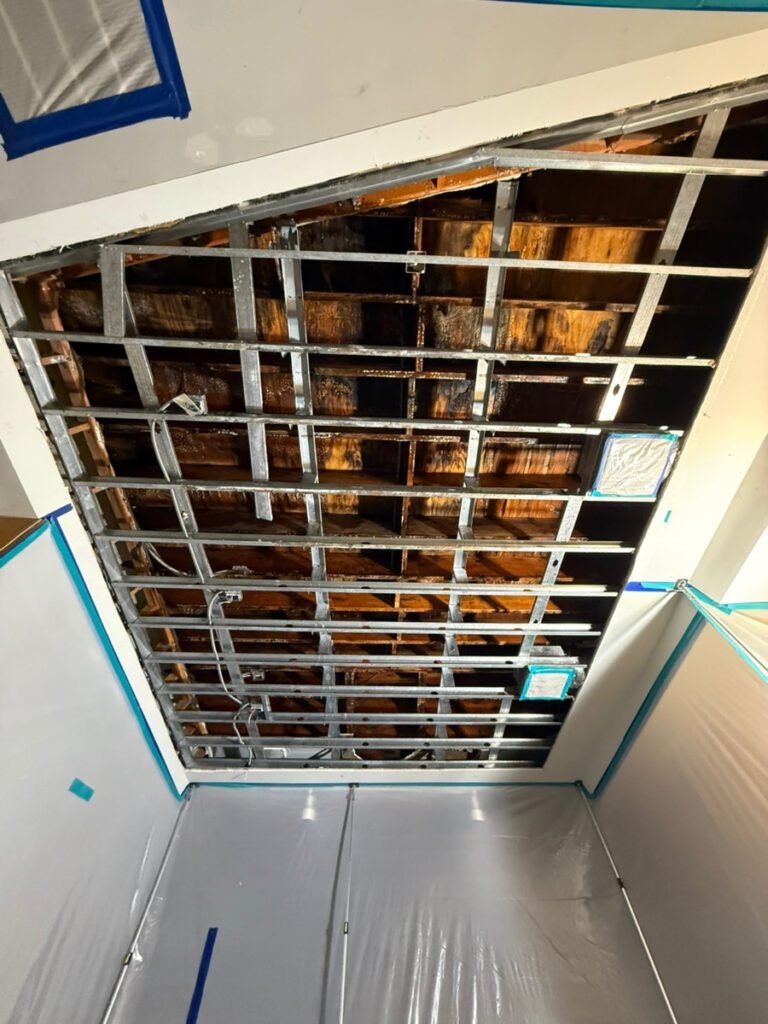
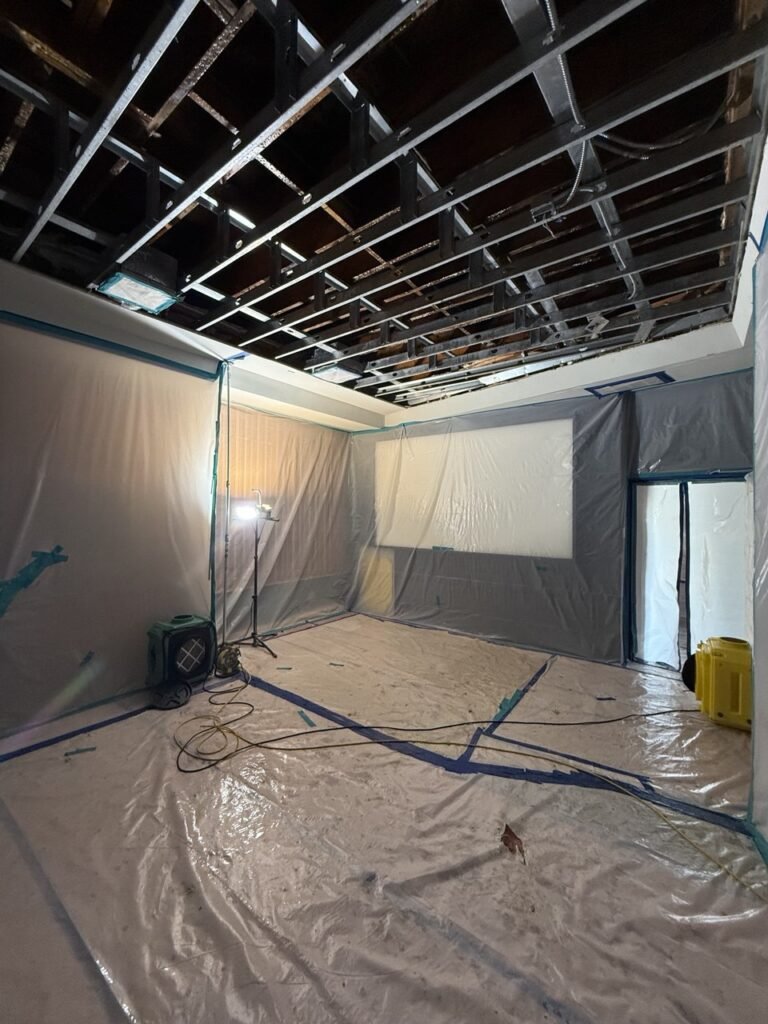
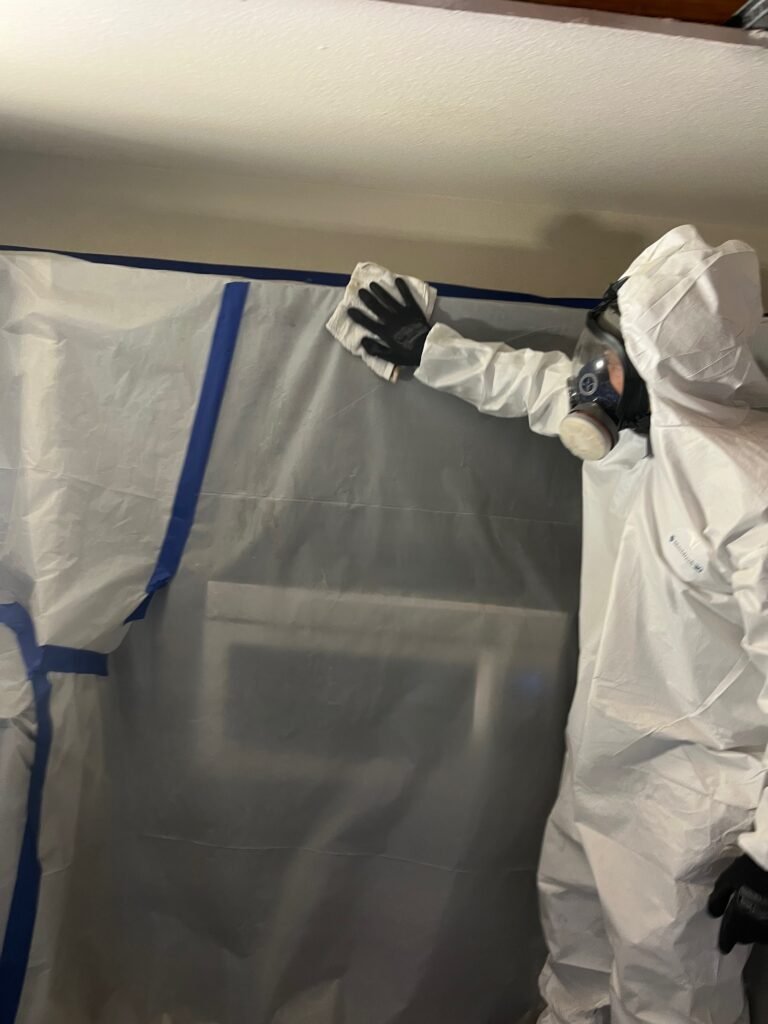
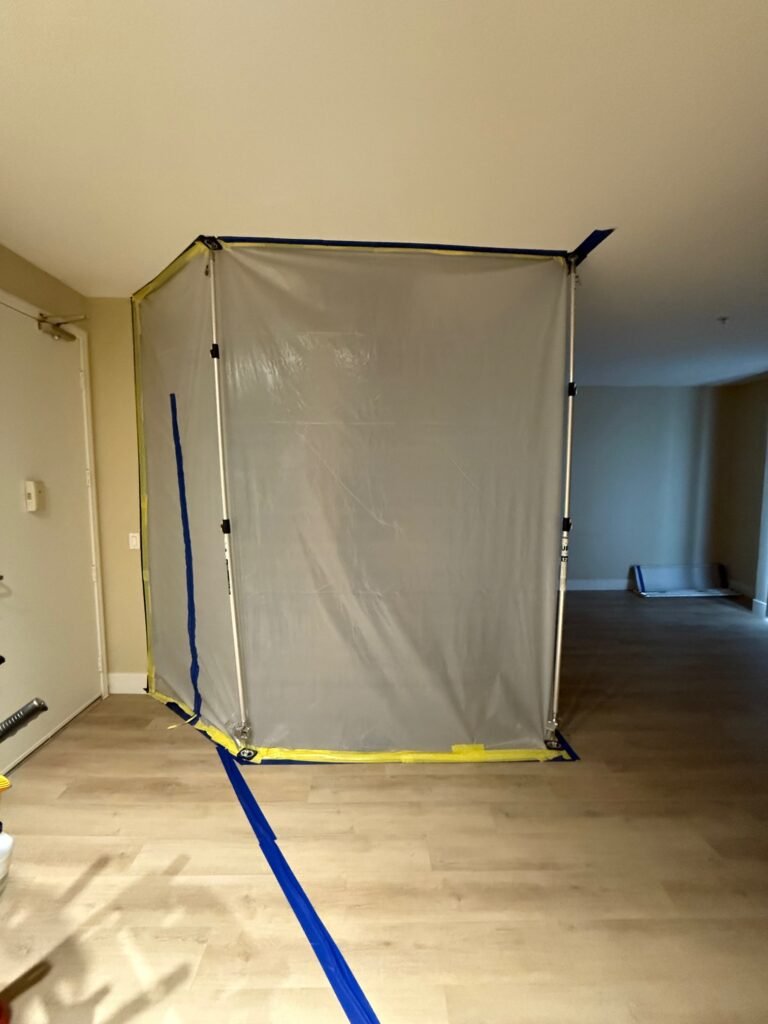
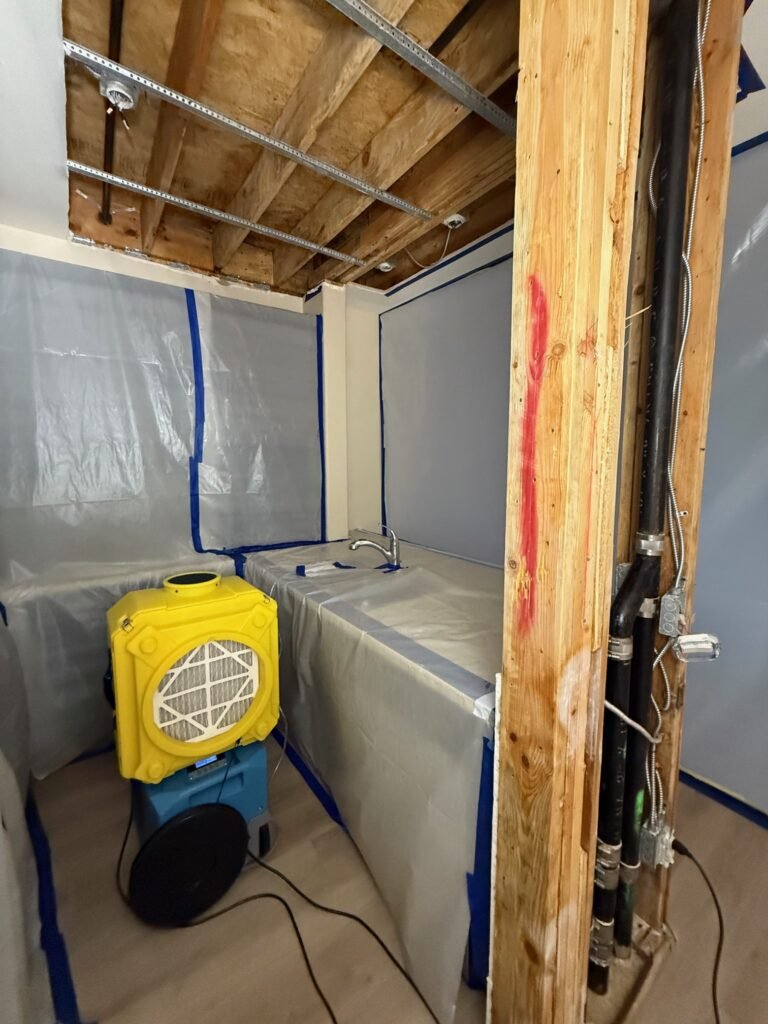
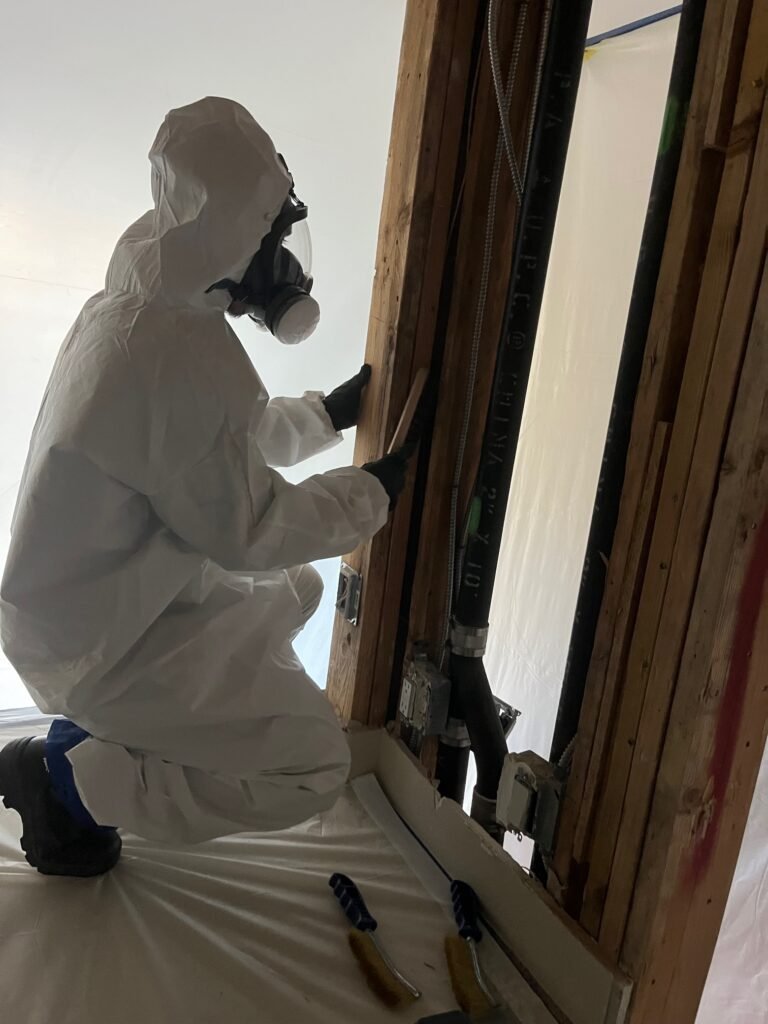
Hidden leaks and excess humidity often lead to mold. We provide free inspections, detailed cost estimates, and certified remediation using HEPA filtration and containment.
Fire Damage Restoration
Fire damage leaves soot, smoke, and lingering odors. We provide full cleanup, deodorization, and repair services to restore safe living and working conditions.
Sewer Damage Cleanup
Sewer backups introduce hazardous contaminants into properties. Our certified technicians handle safe cleanup, disinfection, and complete restoration.
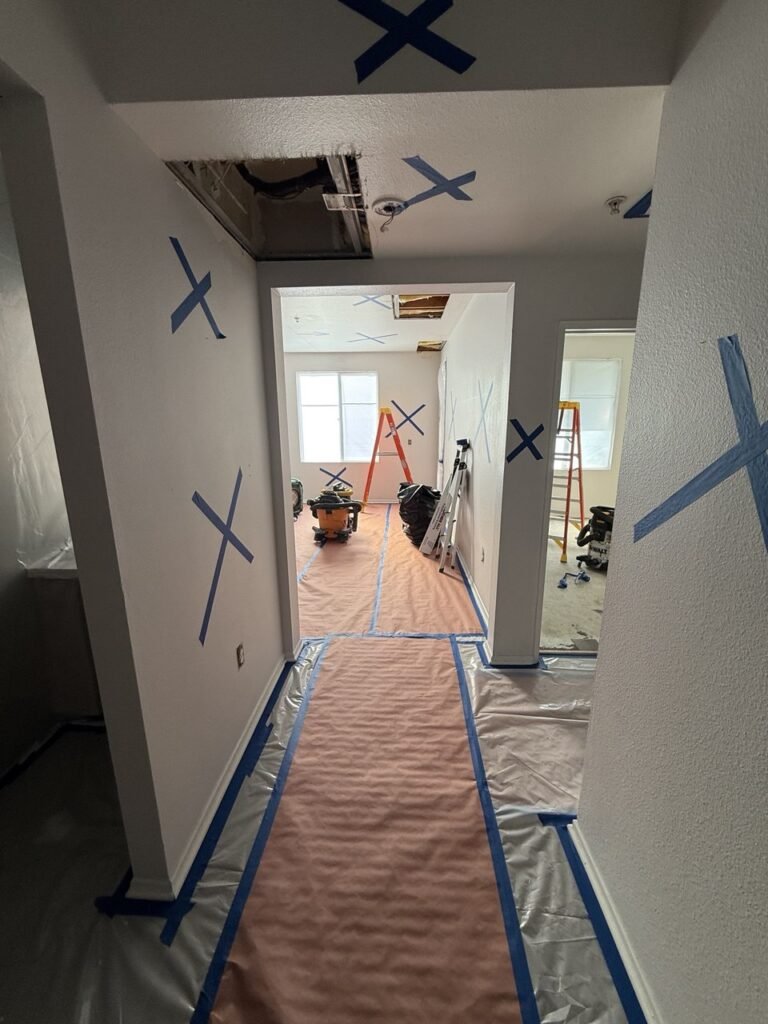
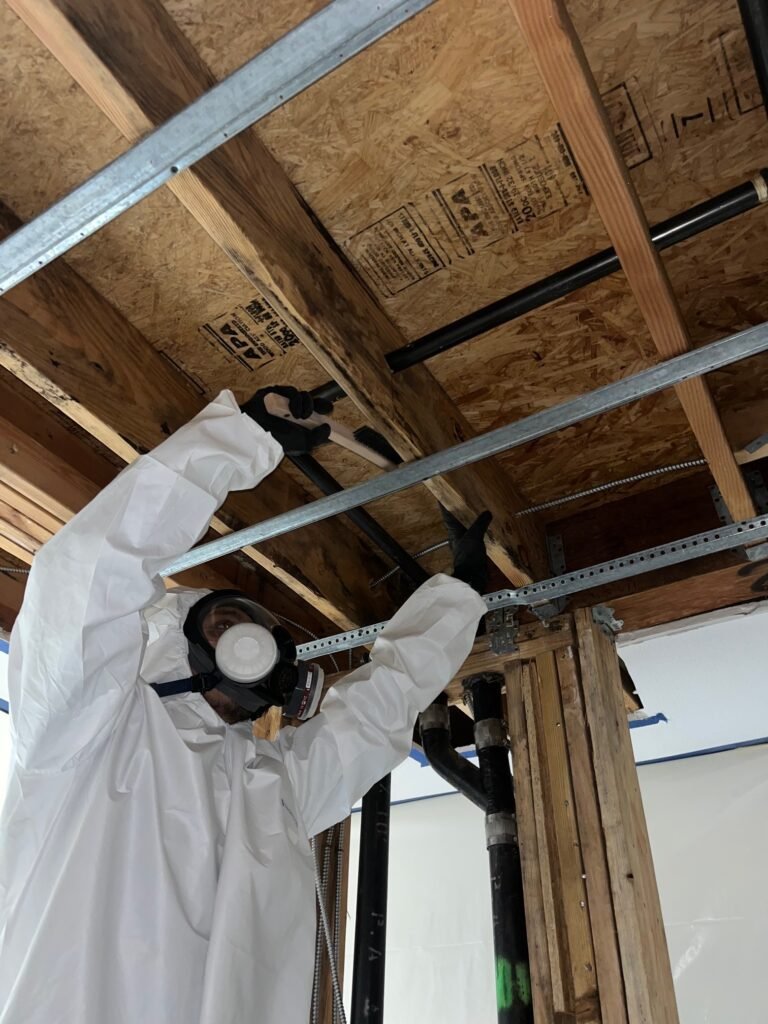
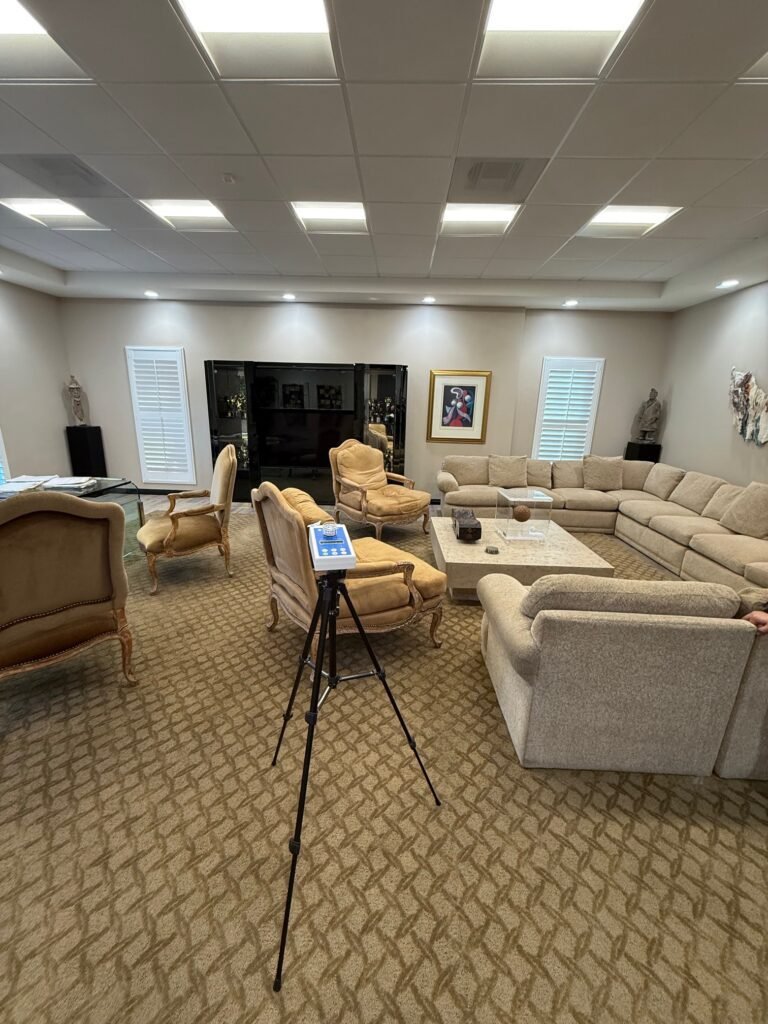
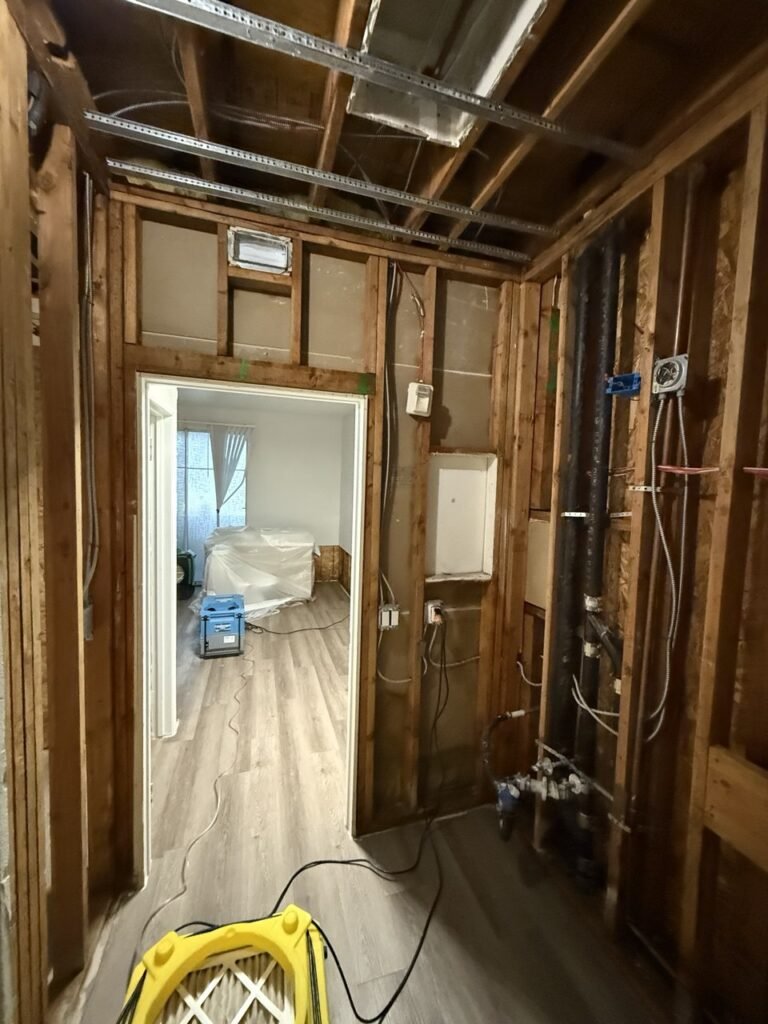
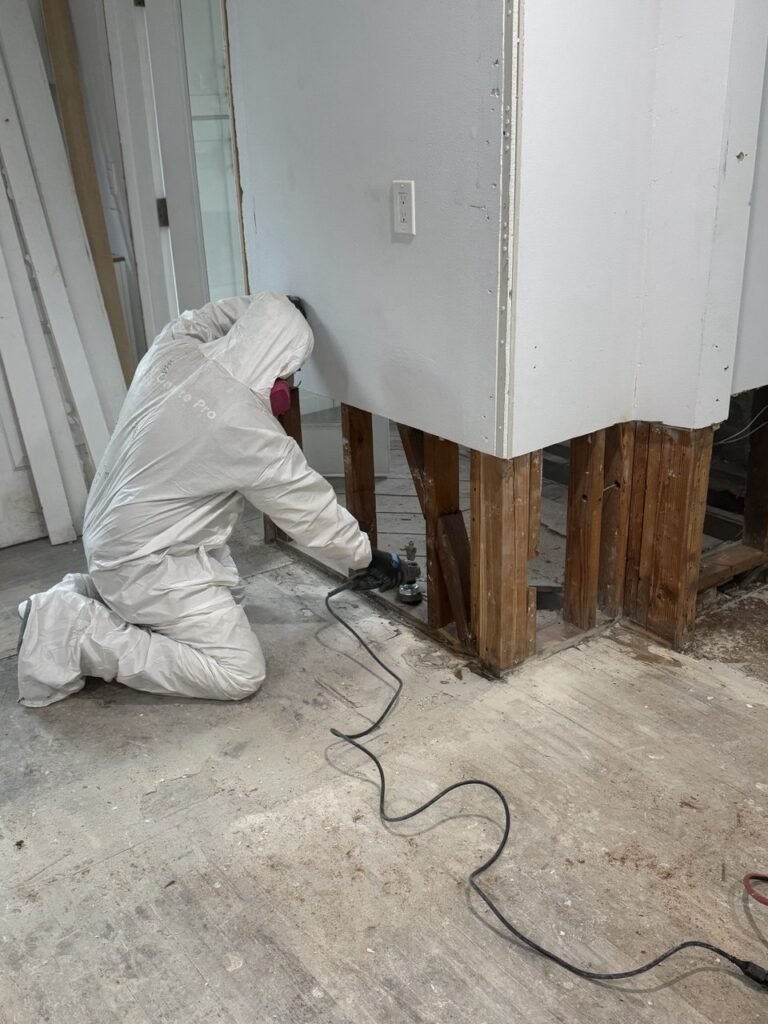
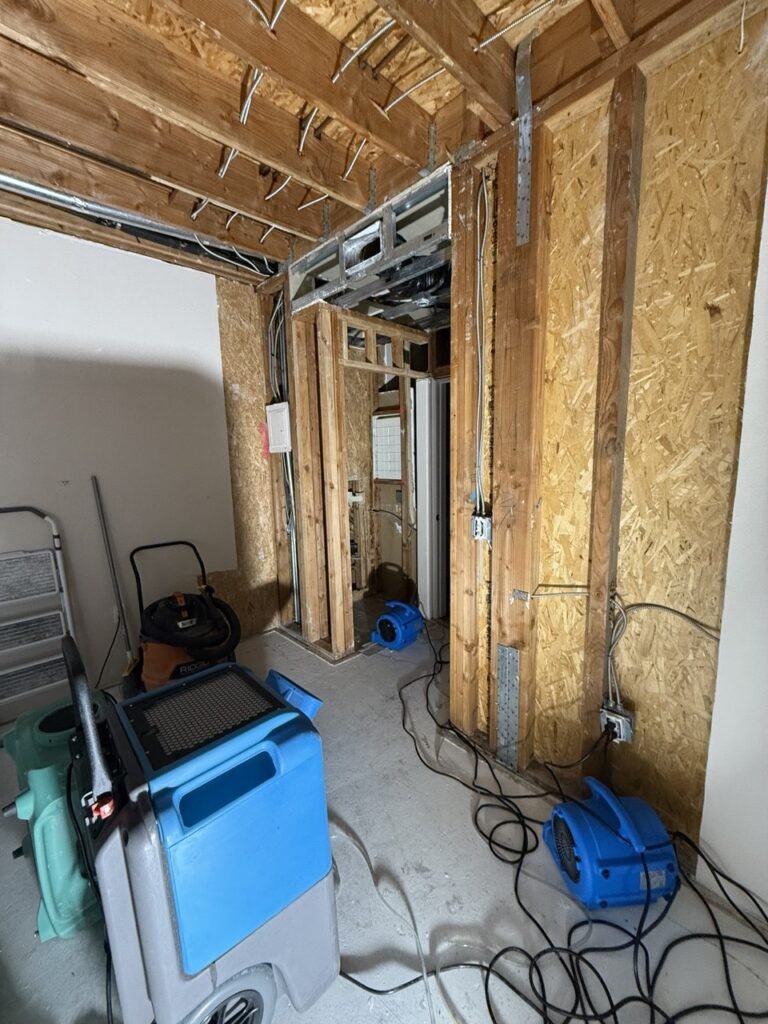
Water Damage Restoration for Tarzana's Large-Lot Homes and Ventura Corridor Properties
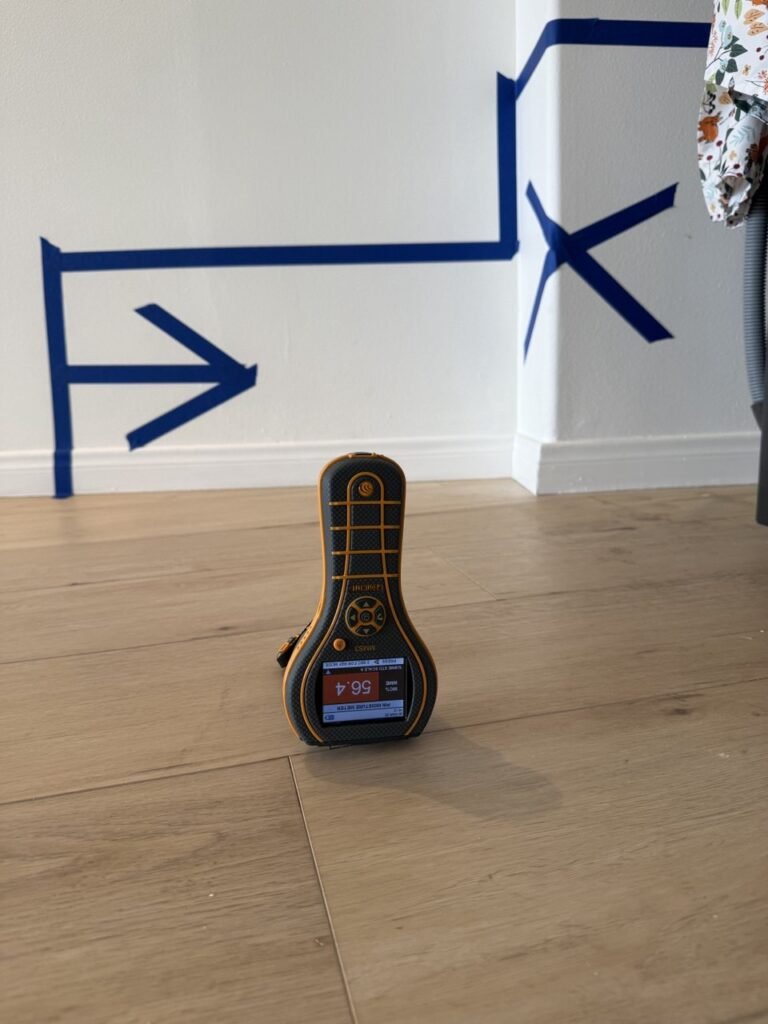
Tarzana’s residential character is defined by its larger-than-average lots — a legacy of the area’s origins as ranch land. Those lots, combined with mature landscaping and active irrigation systems, create water damage risk that is distinct from the denser parts of the Valley. Extensive drip and sprinkler systems running several nights a week keep soil moisture levels elevated year-round against foundation walls and slab perimeters. On properties with older concrete slabs from the 1950s and 1960s — common throughout the ranch-style homes north of Ventura Boulevard — that persistent ground moisture works its way through micro-cracks in the slab and into flooring, baseboards, and lower wall cavities over time. What appears as a buckled hardwood floor or a moldy baseboard is often the cumulative result of years of slow irrigation-driven moisture intrusion rather than a single plumbing failure.
Pool decks and outdoor drainage are another source of structural water intrusion in Tarzana. Properties with pools — widespread on the area’s larger lots — that have aging deck-to-coping seals or inadequate surface drainage can direct pool splash and backwash water toward the structure’s foundation rather than away from it. Combined with the area’s expansive clay soils that retain and transmit moisture readily, this creates a chronic moisture environment for exterior walls and below-slab spaces.
On the Ventura Boulevard commercial corridor, older retail and restaurant buildings face the same infrastructure challenges as comparable Encino and Sherman Oaks properties — aging supply lines, cast-iron drains, and limited access to building envelopes for inspection. Onsite Pro Restoration responds 24/7 throughout Tarzana for both residential and commercial water damage. IICRC-certified. Call (818) 336-1800.
Mold Remediation in Tarzana — Valley Heat Cycles and Mature Landscaping
Tarzana’s mold risk is shaped by two factors that are rarely discussed together: the Valley’s extreme summer heat cycle and the city’s unusually dense mature tree canopy. The Valley’s 100°F-plus summer temperatures force air conditioning to run nearly continuously, and HVAC systems in Tarzana’s older ranch-style homes — many of which were retrofitted with central air decades after original construction — often have condensate drain lines, duct penetrations, and air handler installations that were added without proper moisture management. Partially clogged condensate drain lines, common in systems that haven’t been serviced recently, feed slow continuous drips into attic spaces, wall cavities, and mechanical closets throughout the summer.
The mature tree canopy on Tarzana’s large lots compounds the problem. Heavily shaded north-facing walls and crawl spaces under hillside additions don’t receive the passive sun exposure that helps building materials dry naturally. Eucalyptus, ficus, and mature oak trees that shade Tarzana’s residential properties also keep ground moisture higher than comparable exposed lots — a combination of leaf litter retaining moisture and extensive root systems that raise the effective water table around the foundation perimeter. Crawl spaces under room additions on older properties are among the most consistently under-inspected mold environments we encounter.
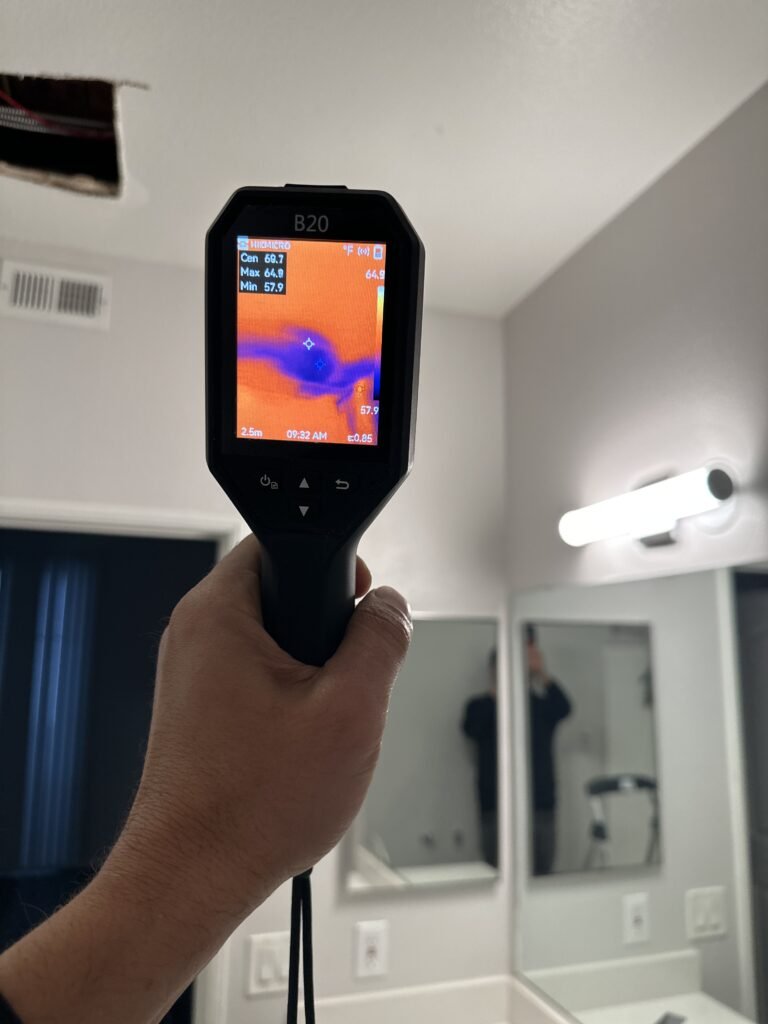
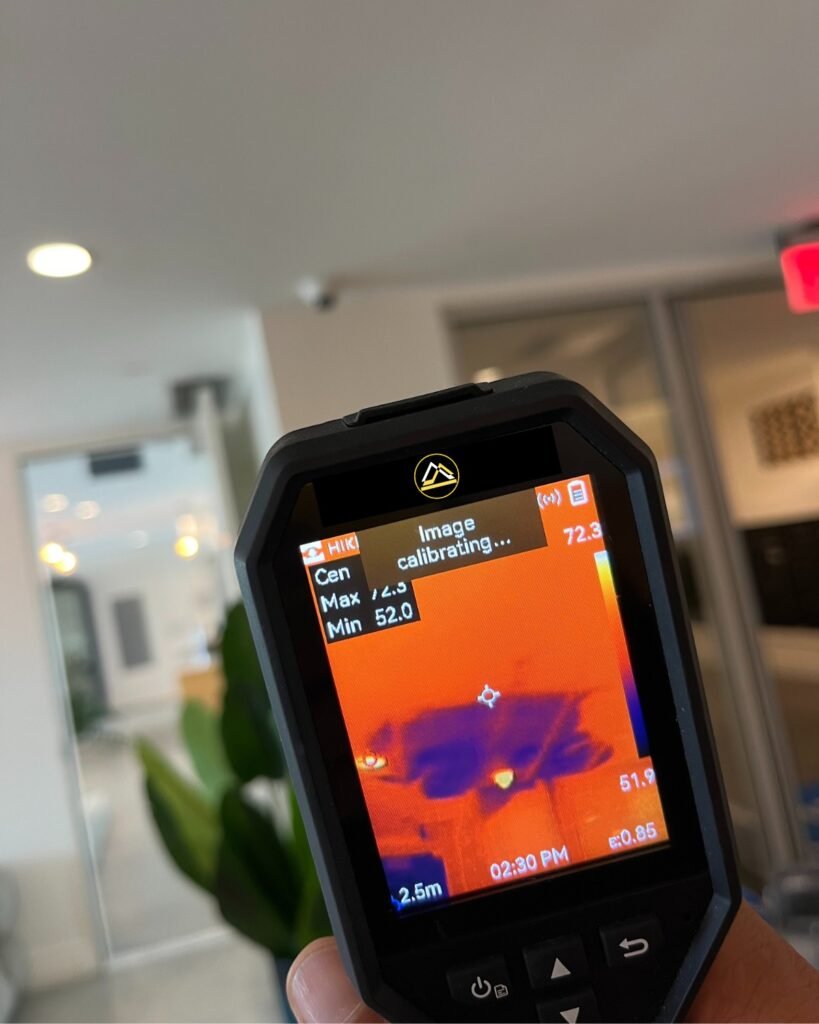
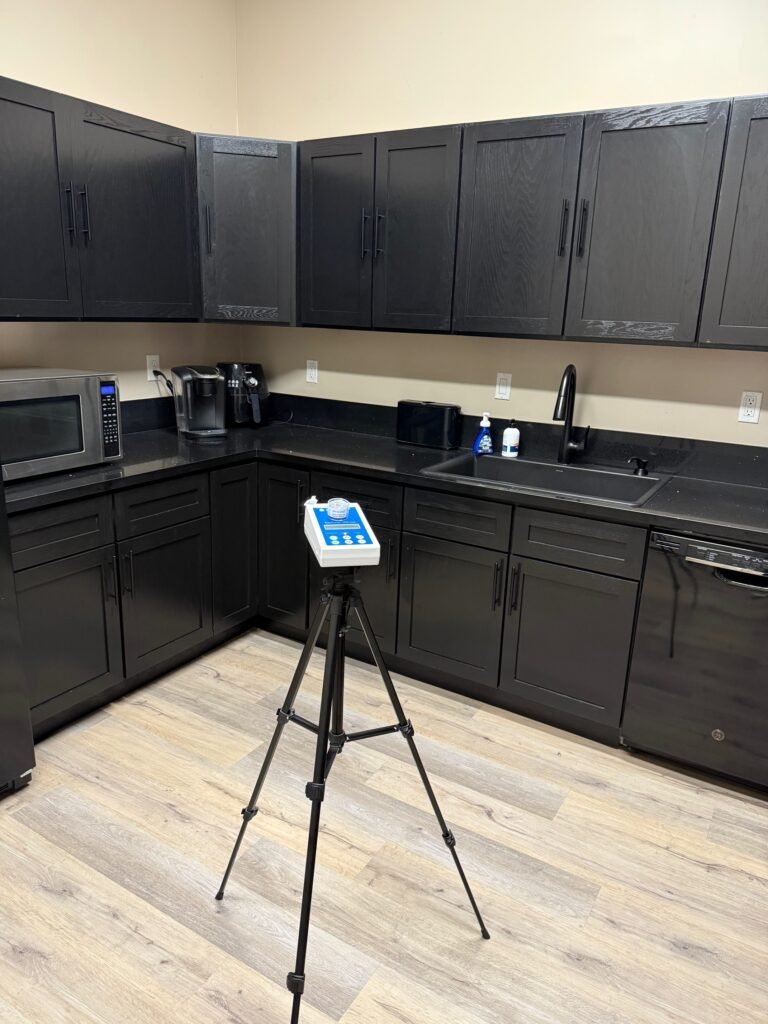
Onsite Pro Restoration provides free mold inspections throughout Tarzana including HVAC assessments, crawl space evaluations, and thermal moisture mapping for slab properties. IICRC-certified remediation with post-clearance testing and full insurance documentation. Call (818) 336-1800 or schedule your free inspection online.
Fire and Smoke Damage Restoration on Tarzana's Southern Hillside Interface
Tarzana’s southern edge runs against the base of the Santa Monica Mountains, and the hillside streets climbing toward Mulholland Drive — including portions of Yolanda Avenue, Corbin Avenue, and the canyon streets between Tarzana and Woodland Hills — are classified as Very High Fire Hazard Severity Zones by CalFire. During major Santa Ana wind events, fire behavior in the brush above Tarzana can be extreme, and ember cast from ridge-line fires poses a real threat to wood-construction homes on the lower slopes. The Woolsey Fire in 2018 burned extensively through the hills immediately west of Tarzana, and properties throughout the area experienced smoke exposure for multiple days.
Even Valley floor properties in Tarzana experience meaningful wildfire smoke infiltration during major mountain fire events. HVAC systems that continue running during a smoke event draw contaminated outdoor air through standard filters that are not rated for ultrafine wildfire particulates, distributing smoke compounds through ducts and into every room of the structure. Post-fire HVAC duct cleaning and indoor air quality remediation are services Onsite Pro Restoration performs regularly throughout the western Valley following fire events.
For structural fire damage — from appliance fires, electrical fires, or exterior ignition from embers — our full scope covers soot removal, odor elimination using ozone and hydroxyl treatment, content pack-out and cleaning, and detailed scope-of-loss documentation for insurance carriers. Call (818) 336-1800) 24/7.
How We Do the Job
Call Us
Our Tarzana crew is available 24/7 to respond to emergencies and dispatch help right away.
Scheduled Inspection
We inspect your property and provide a no-cost estimate before beginning work.
Secure a Work Authorization
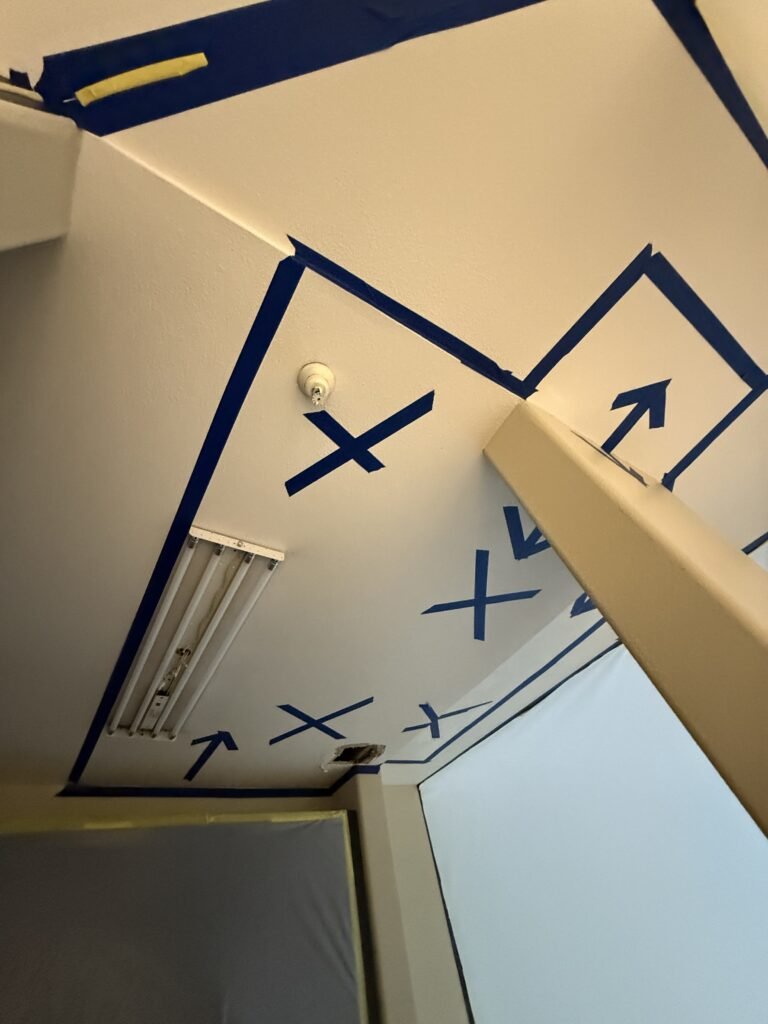
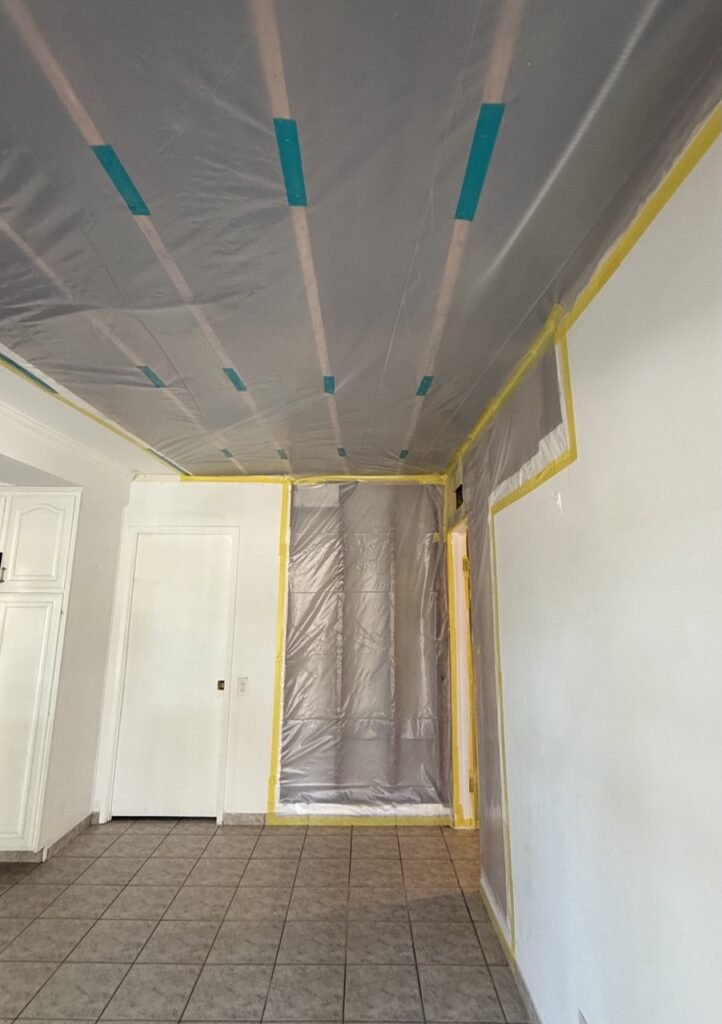
Once approved, we establish containment, set up equipment, and start the cleanup process.
Fast, Reliable Restoration
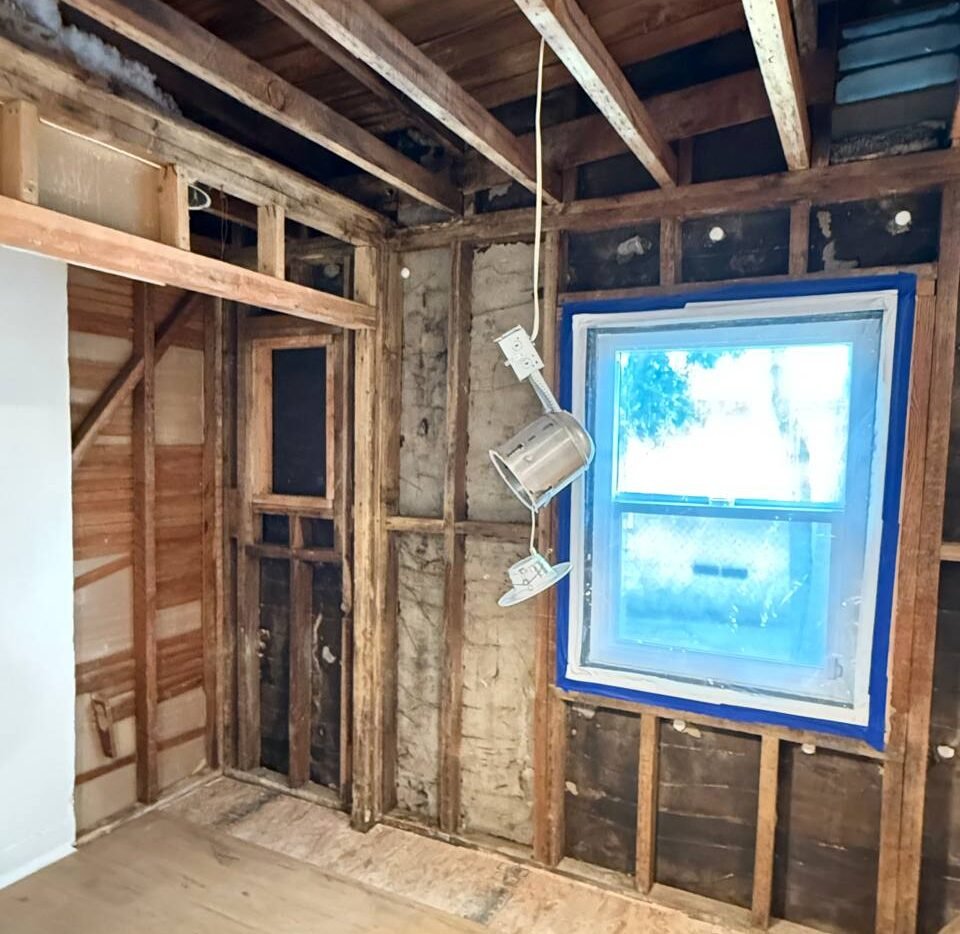
Our certified technicians restore your property quickly and safely with proven methods.
Why Choose Onsite Pro in Tarzana?
24/7 Emergency Availability
Certified IICRC Restoration Specialists
Free On-Site Inspections & Estimates
Complete Restoration from Cleanup to Repairs
Trusted by Tarzana Homeowners and Businesses
Client Testimonials
We take pride in providing top-notch water, fire, and mold removal services in Tarzana. But don’t just take our word for it, read what our satisfied clients have to say.