
Venice Damage Restoration — Salt-Air Mold, Canal Flooding & Fire Cleanup
Venice’s coastal location, older cottages, and busy commercial districts create unique risks for property damage. Salt air accelerates plumbing issues, while flooding, fires, and sewer backups often impact homes and businesses. Onsite Pro Restoration provides 24/7 emergency restoration in Venice, CA. Our certified team specializes in water, fire, mold, and sewer damage cleanup, delivering professional results that restore safe living and working conditions.
Get Started
Service Form
Local Restoration Specialists
From homes along the canals to shops near Abbot Kinney Boulevard, Venice properties require fast and professional care when emergencies strike. Onsite Pro Restoration is trusted locally for rapid response and expert restoration.
Explore Venice Services
Water Damage Restoration
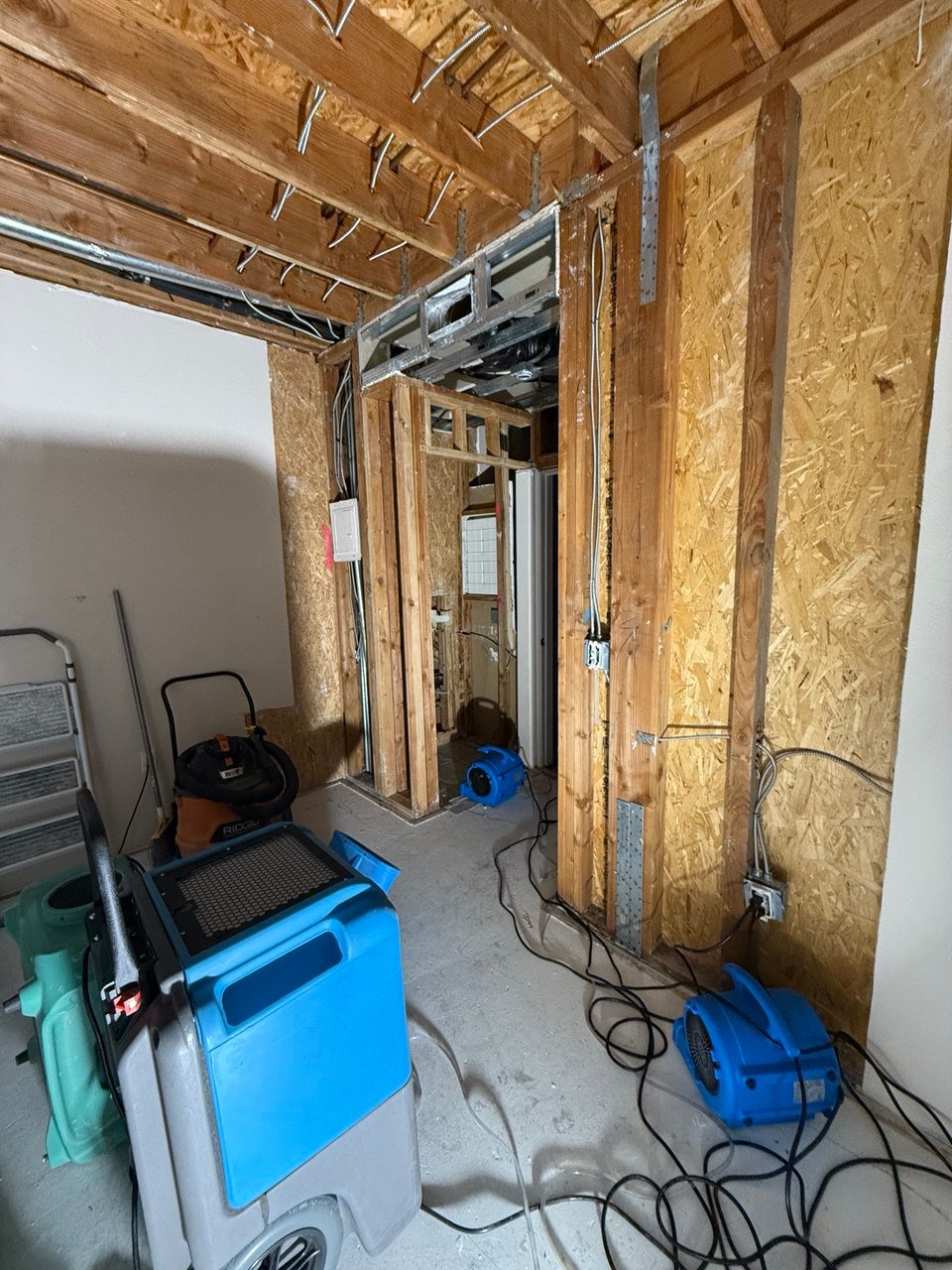
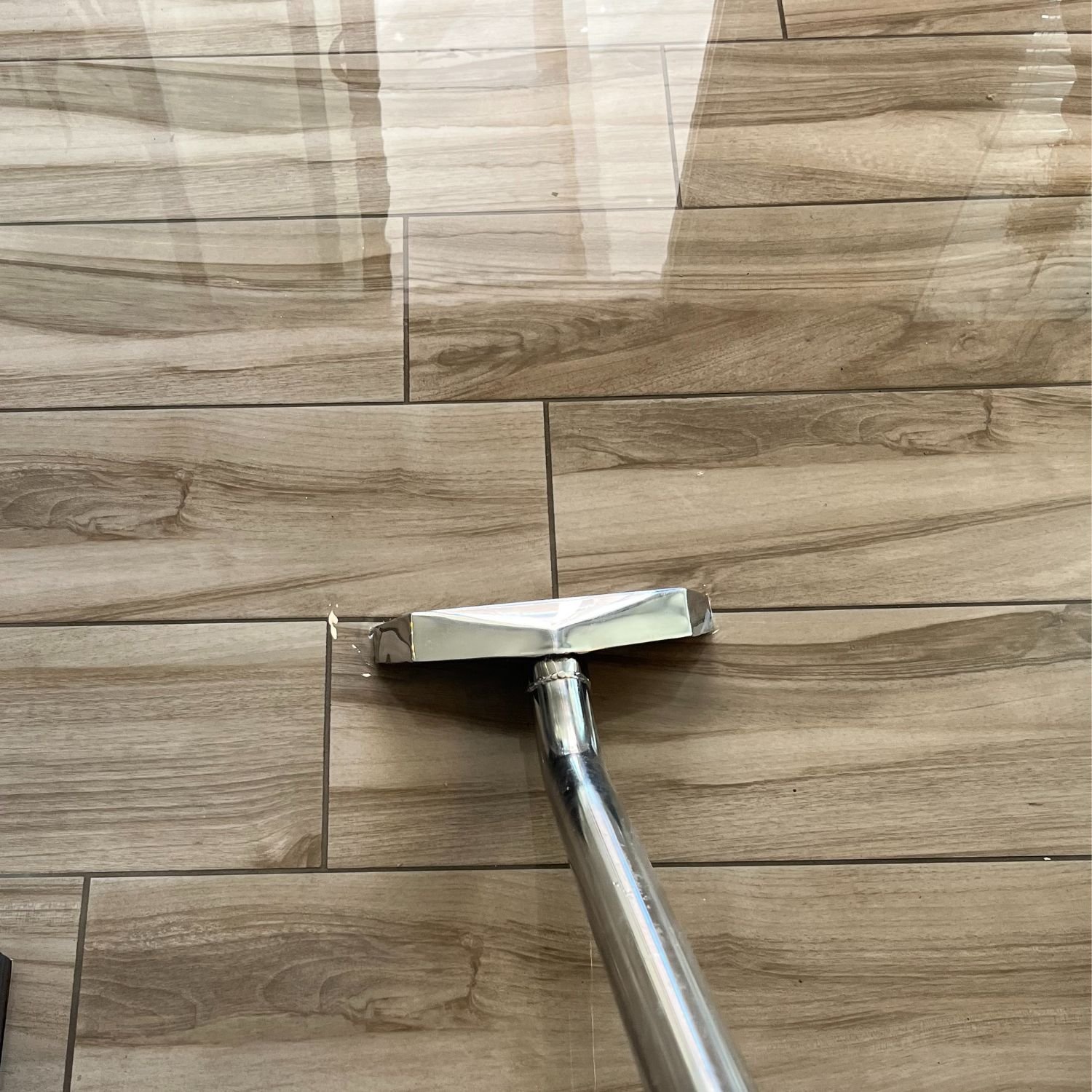
Coastal flooding, plumbing leaks, and appliance failures can cause water damage. We provide fast extraction, drying, and sanitization.
Mold Remediation
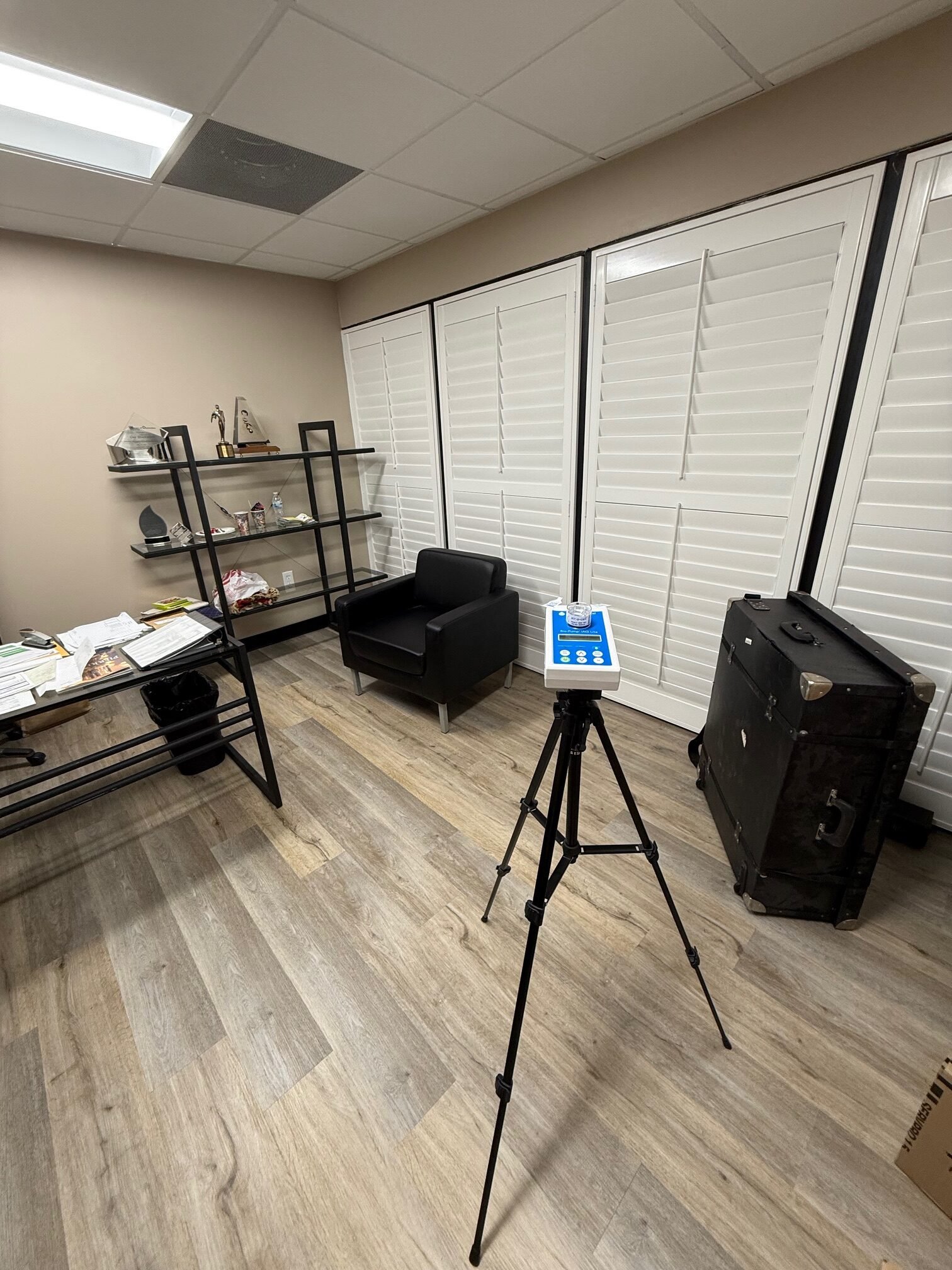
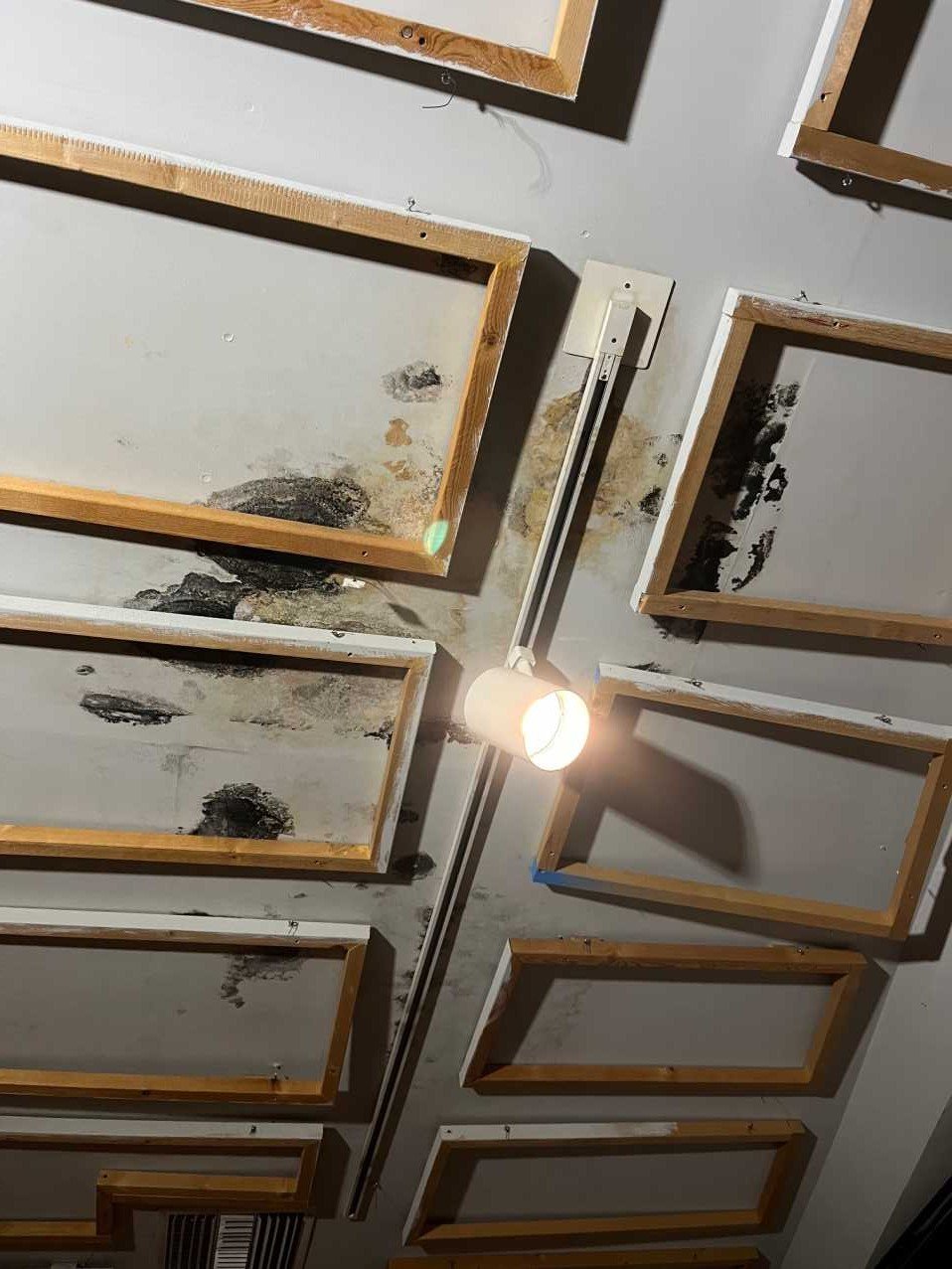
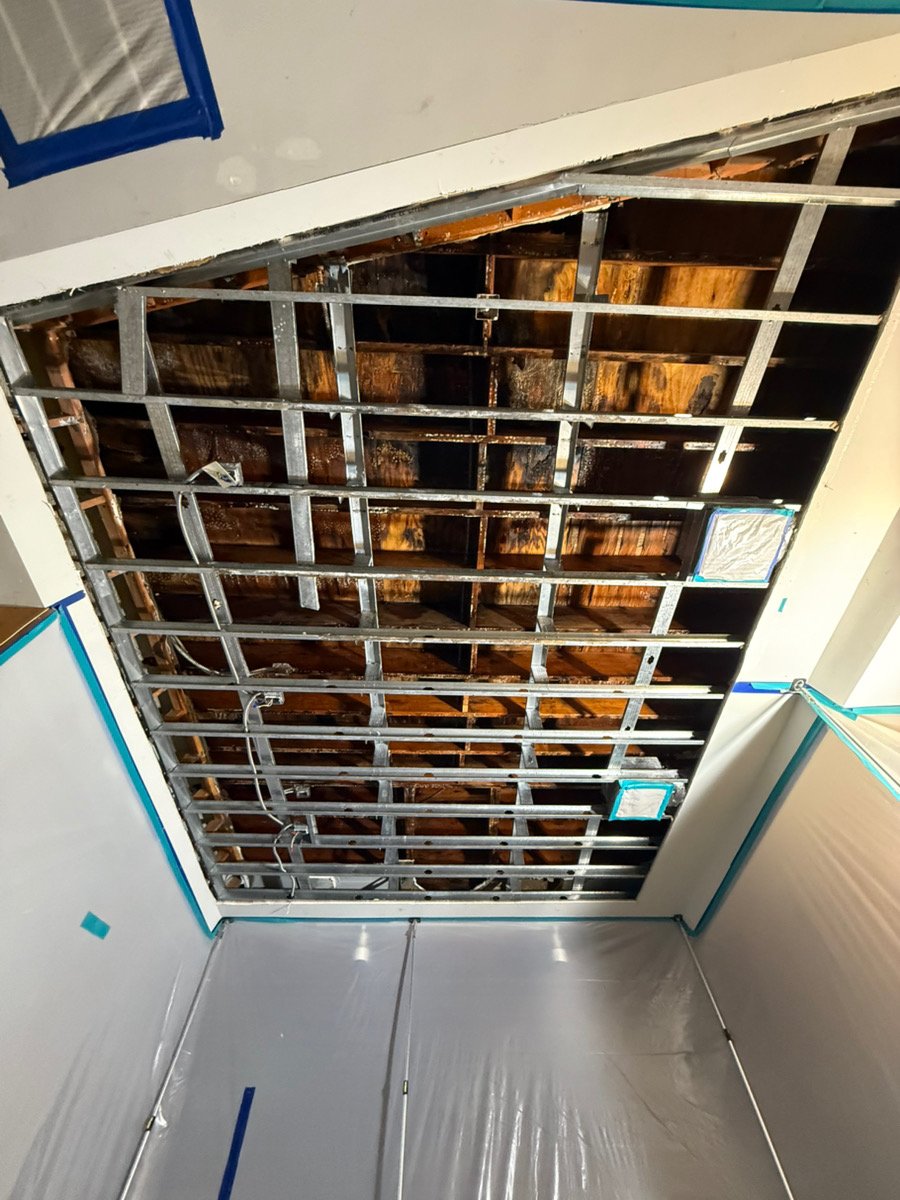
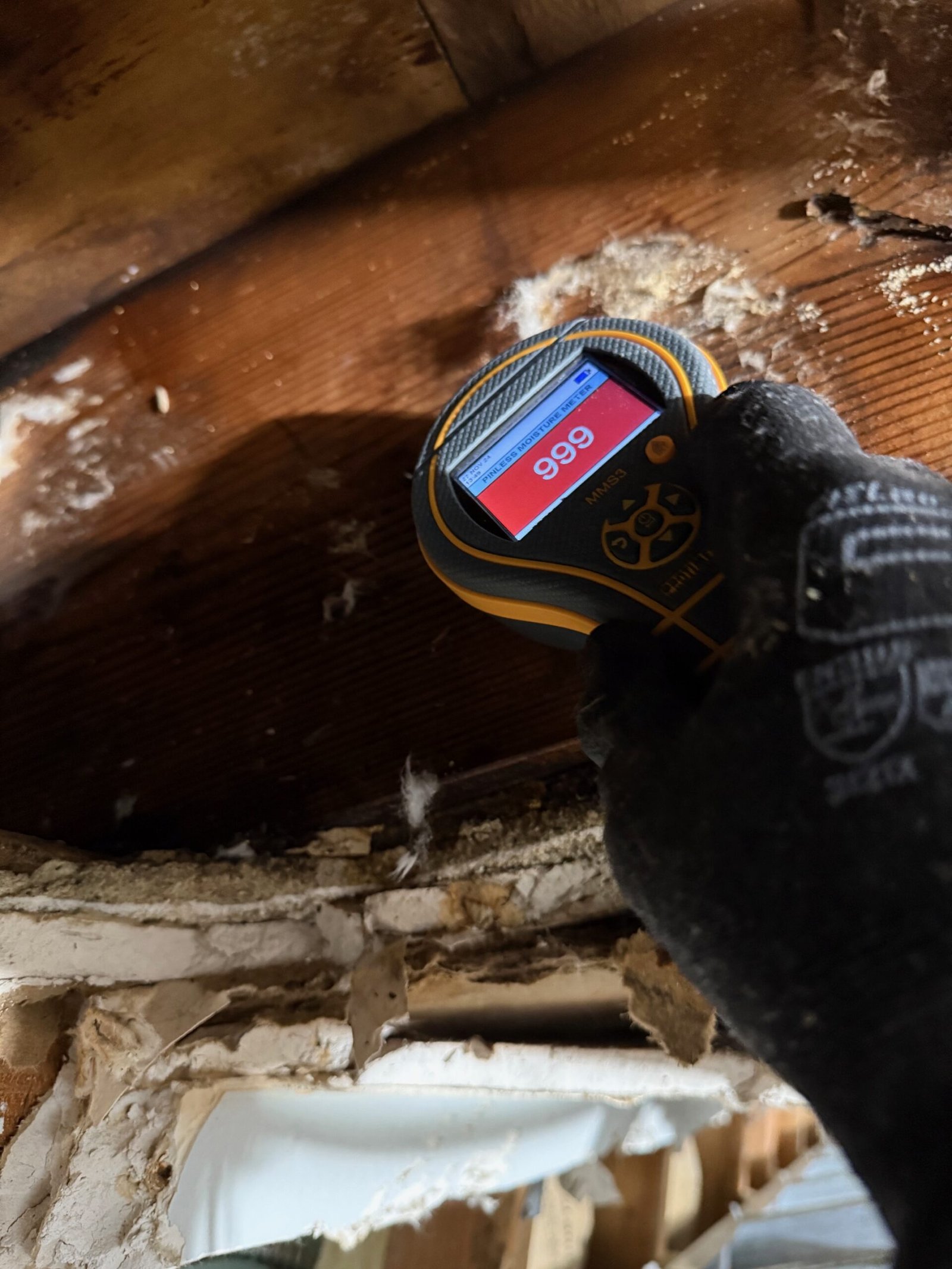
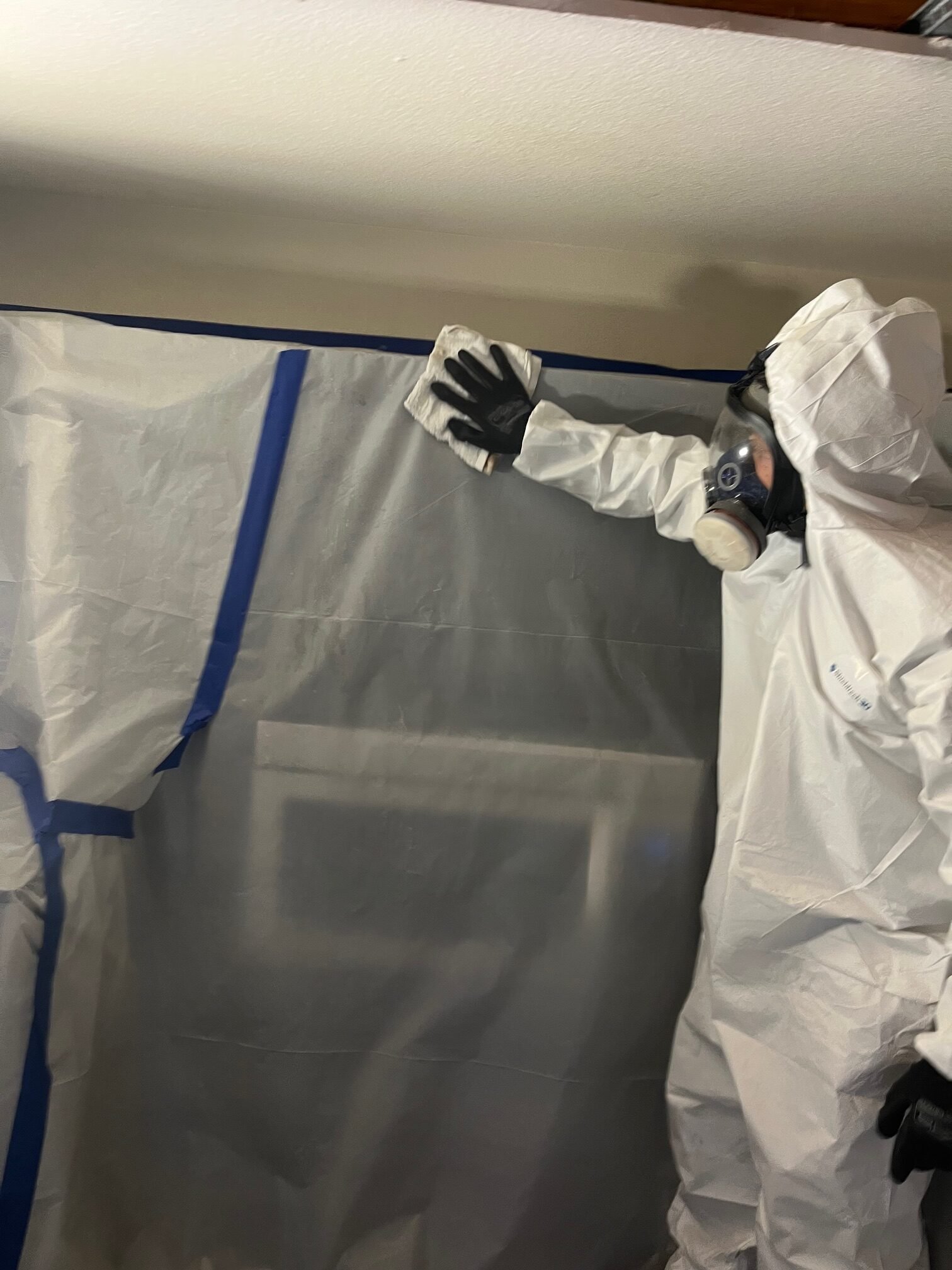
Humidity and poor ventilation create conditions for mold. We provide free inspections, cost estimates, and certified remediation.
Fire Damage Restoration
Fires and smoke leave soot and odors that linger. We provide full cleanup, deodorization, and restoration services.
Sewer Damage Cleanup
Sewer backups and biohazards require immediate response. Our team disinfects and restores contaminated spaces safely.
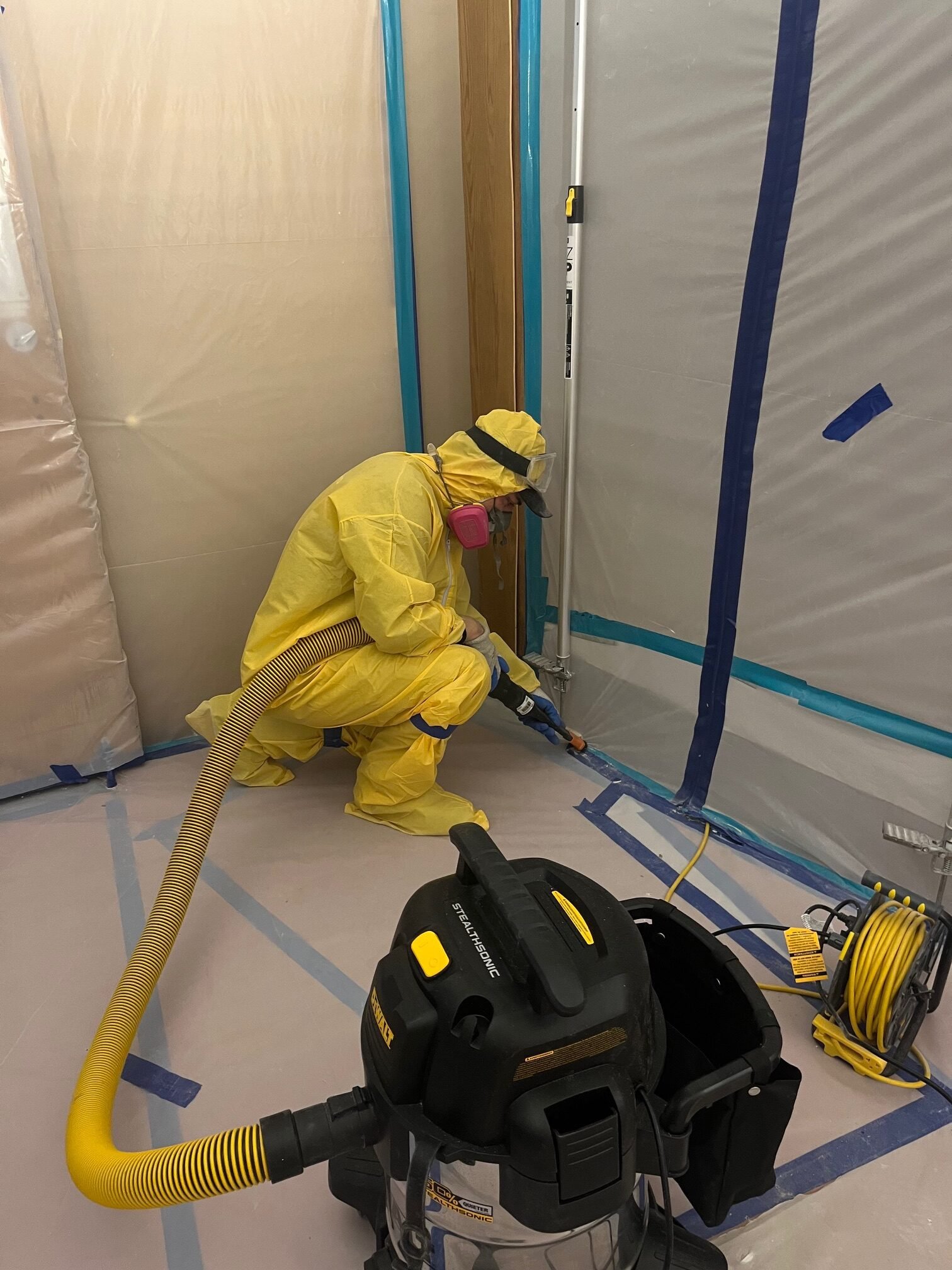
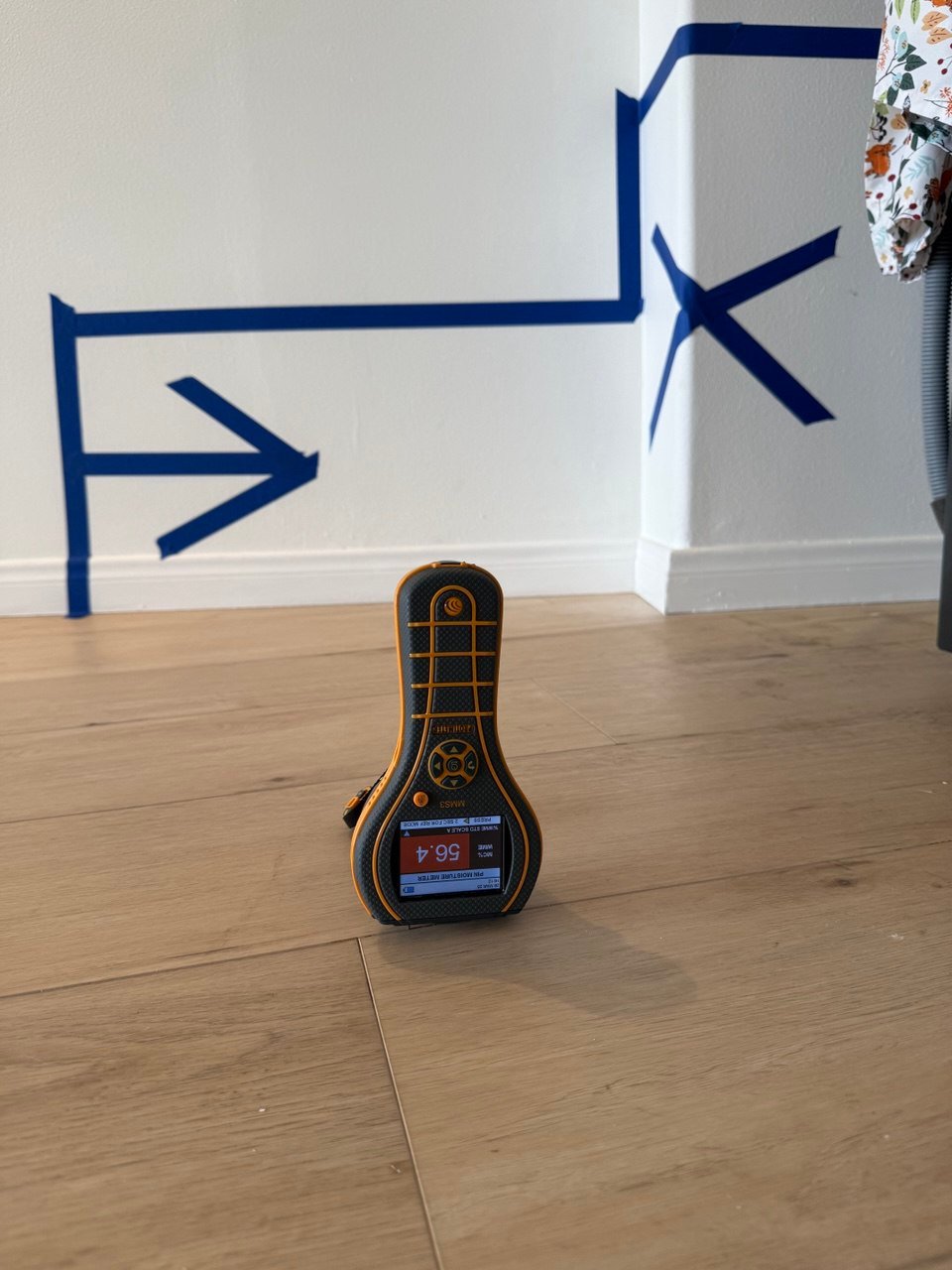
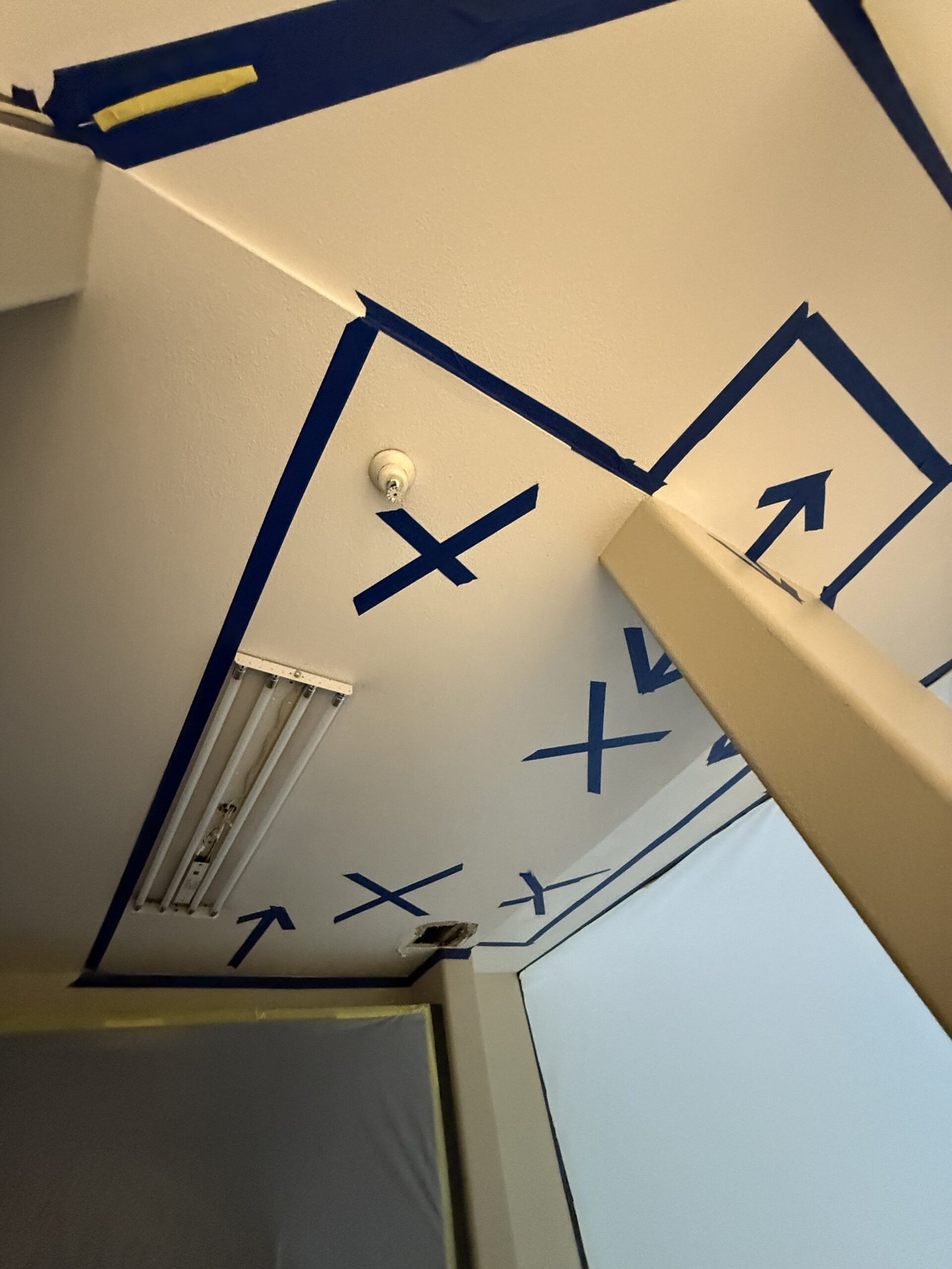
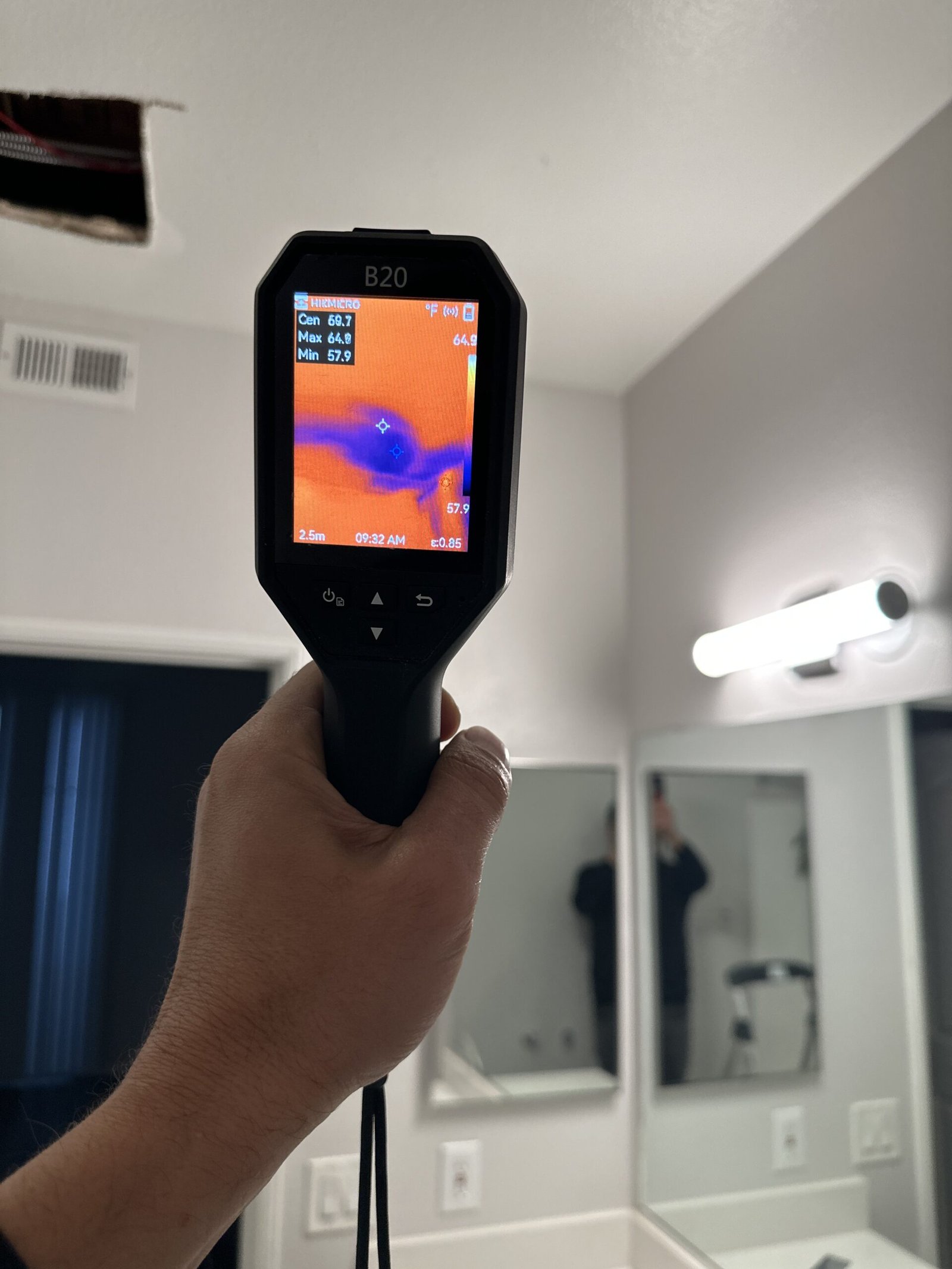
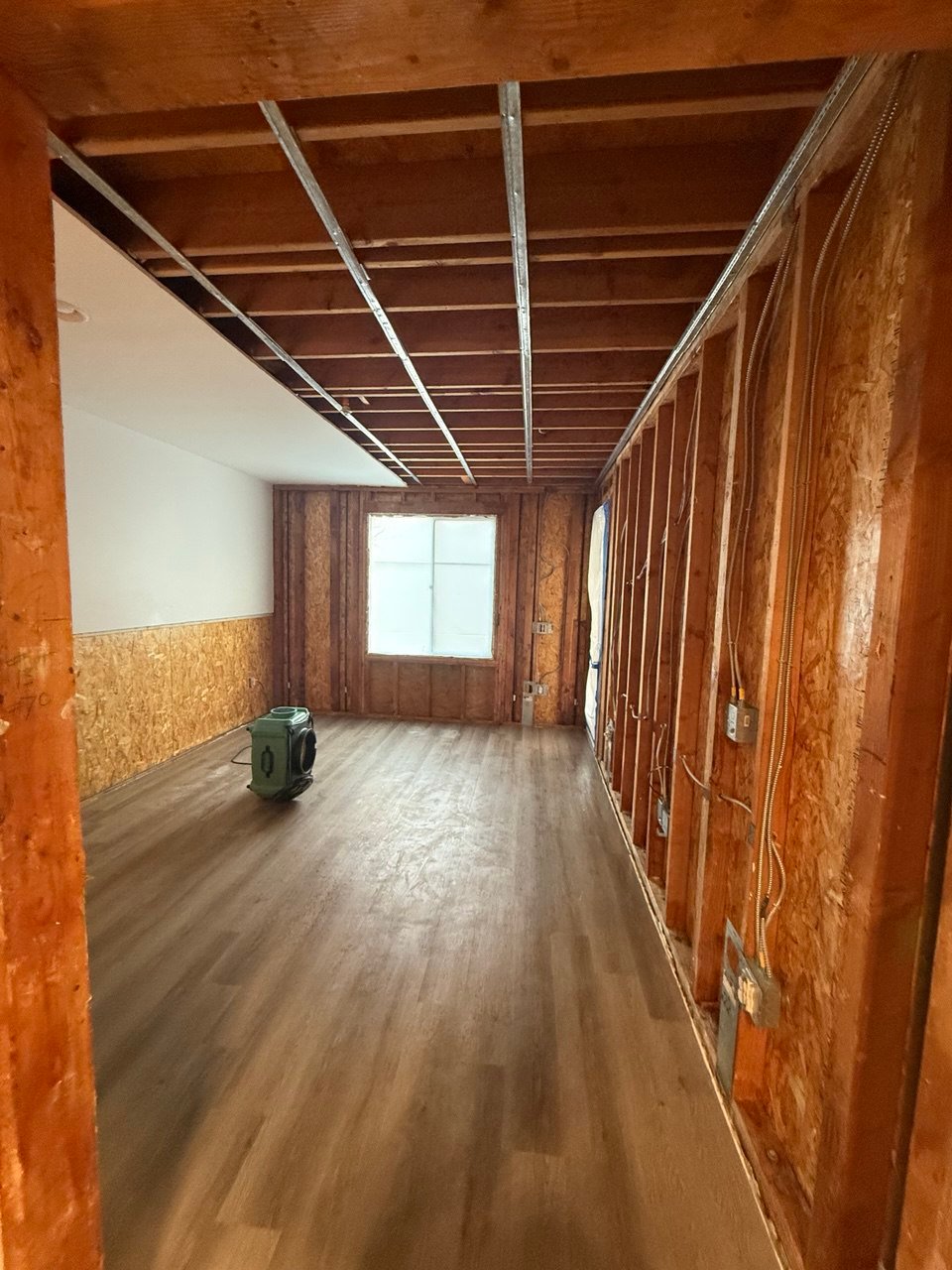
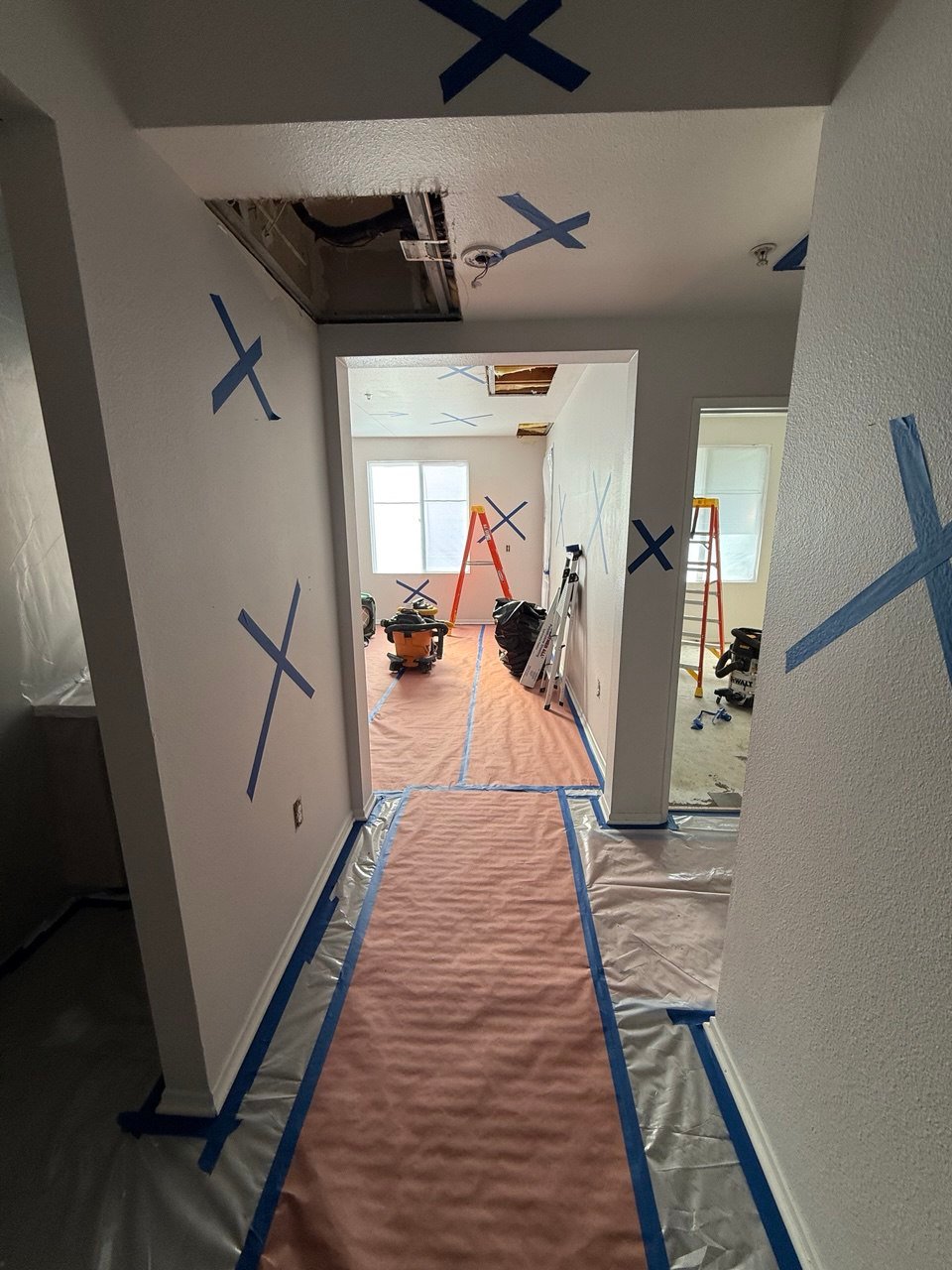
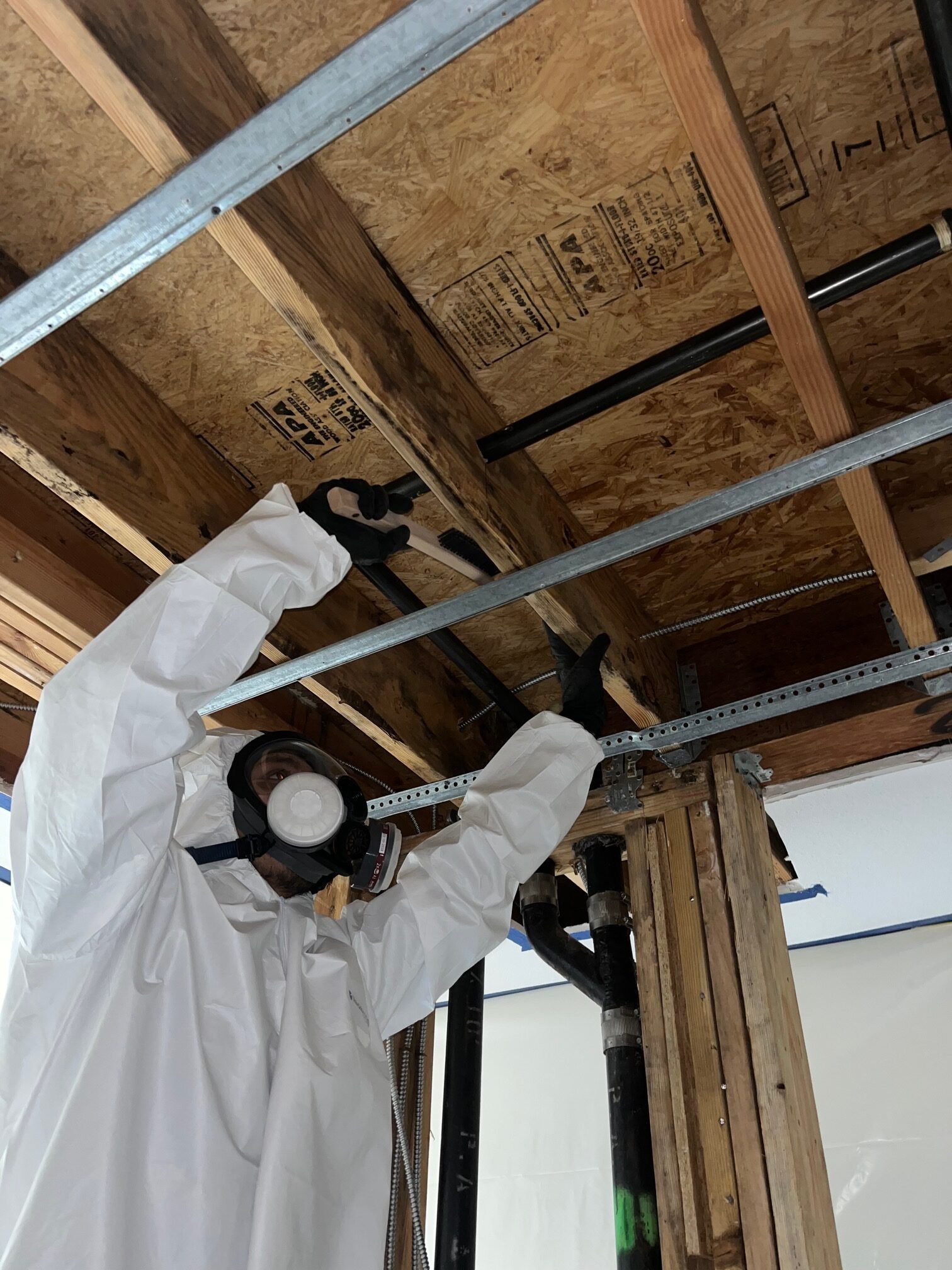
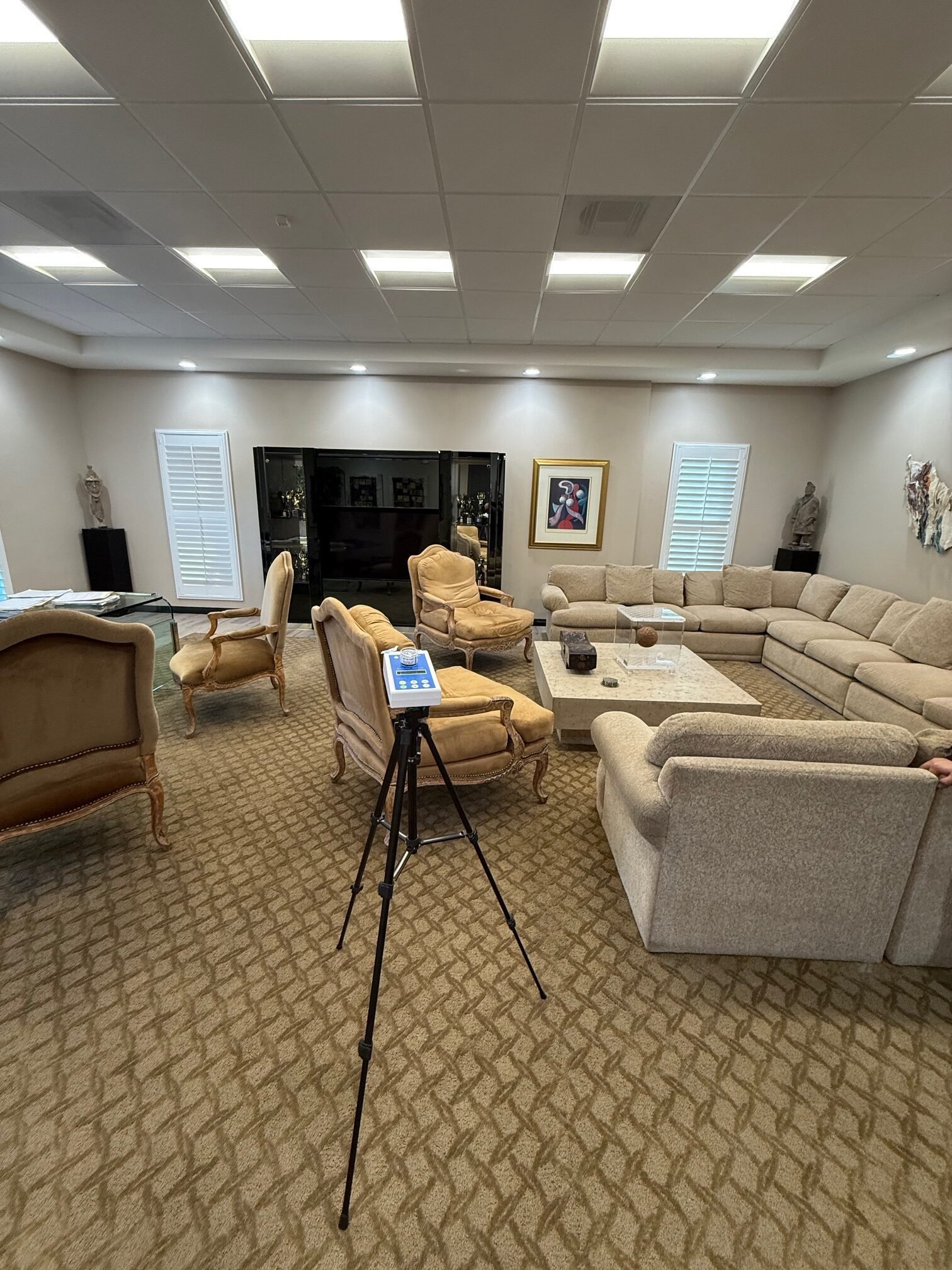
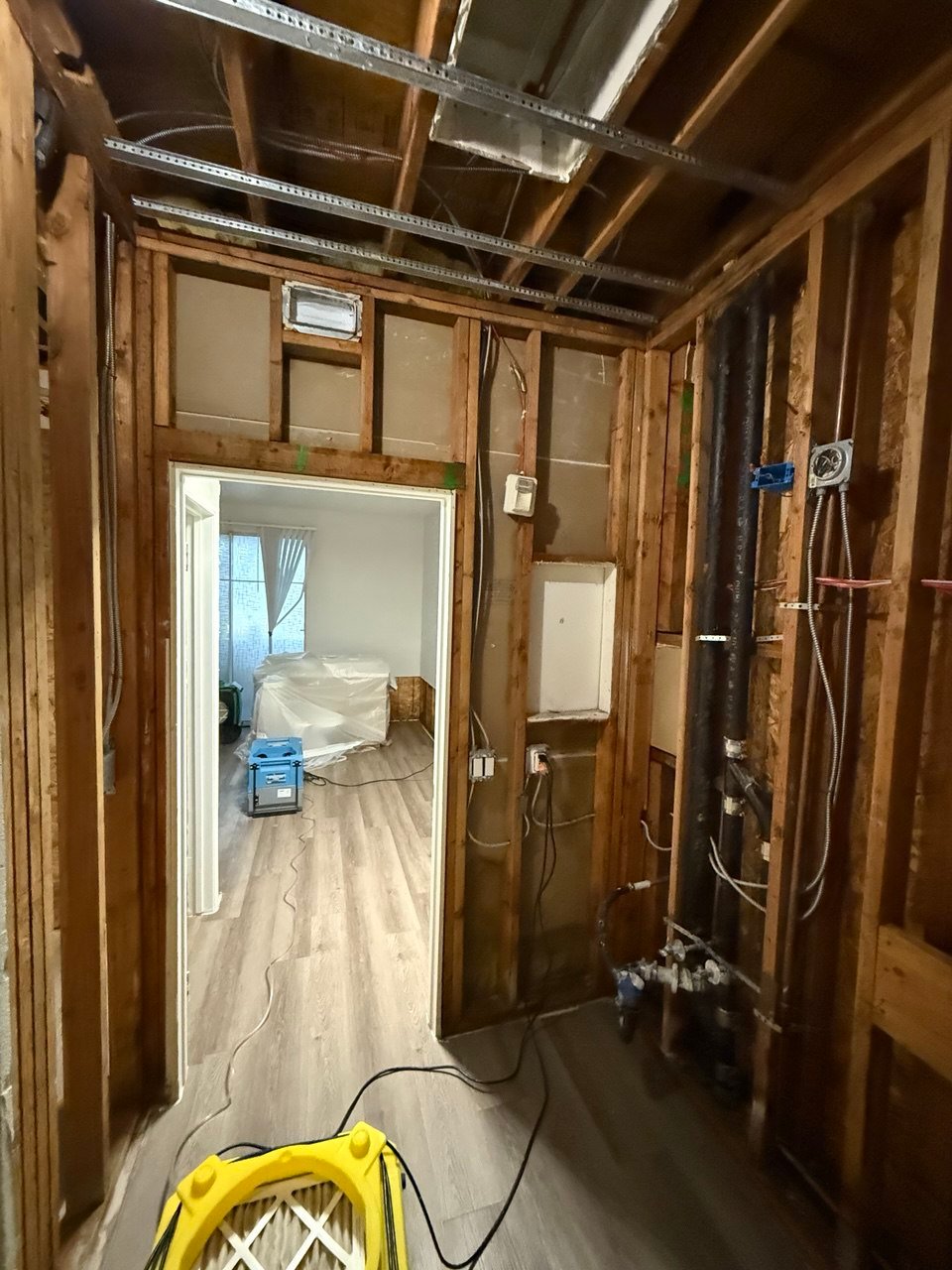
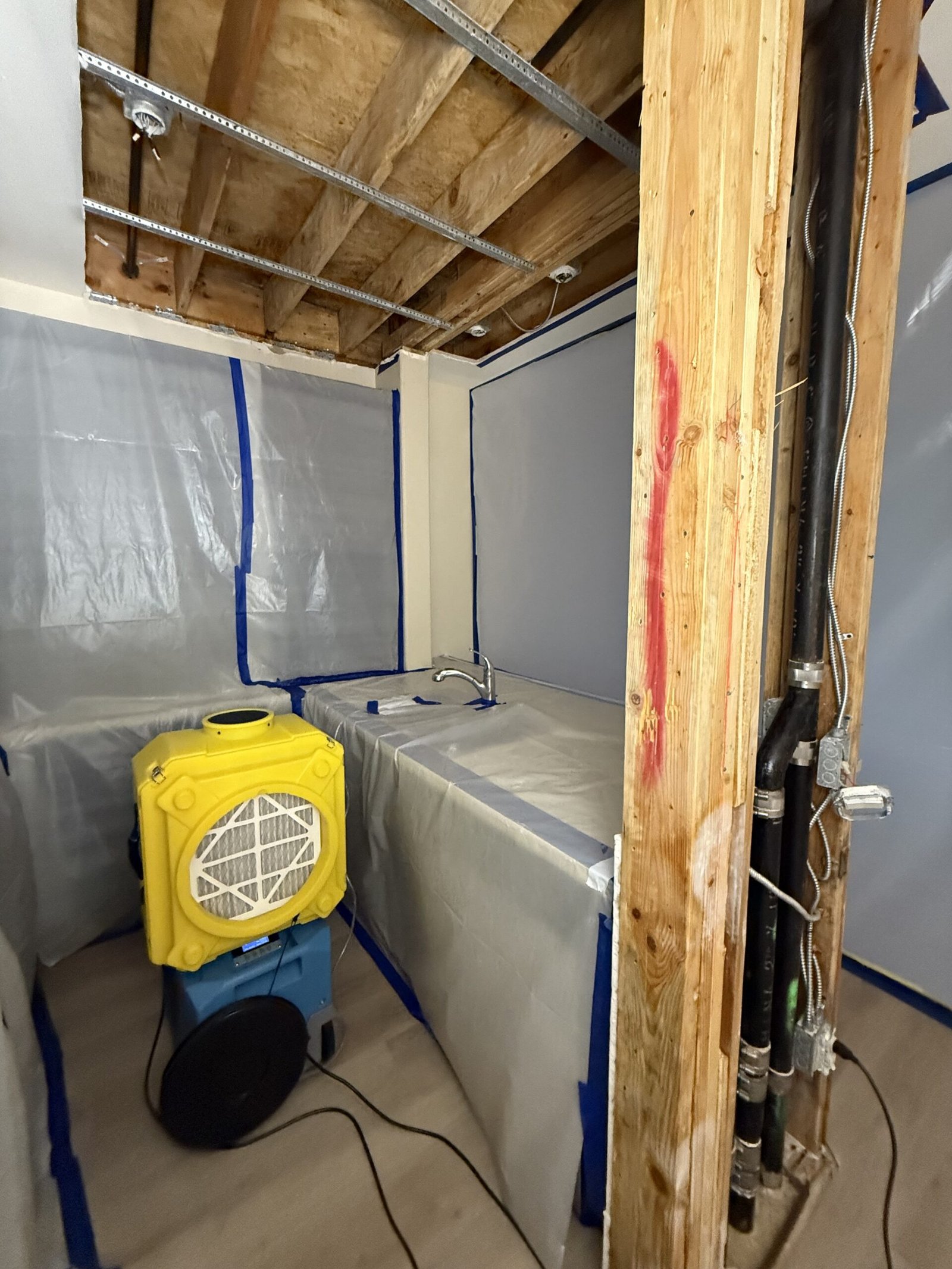
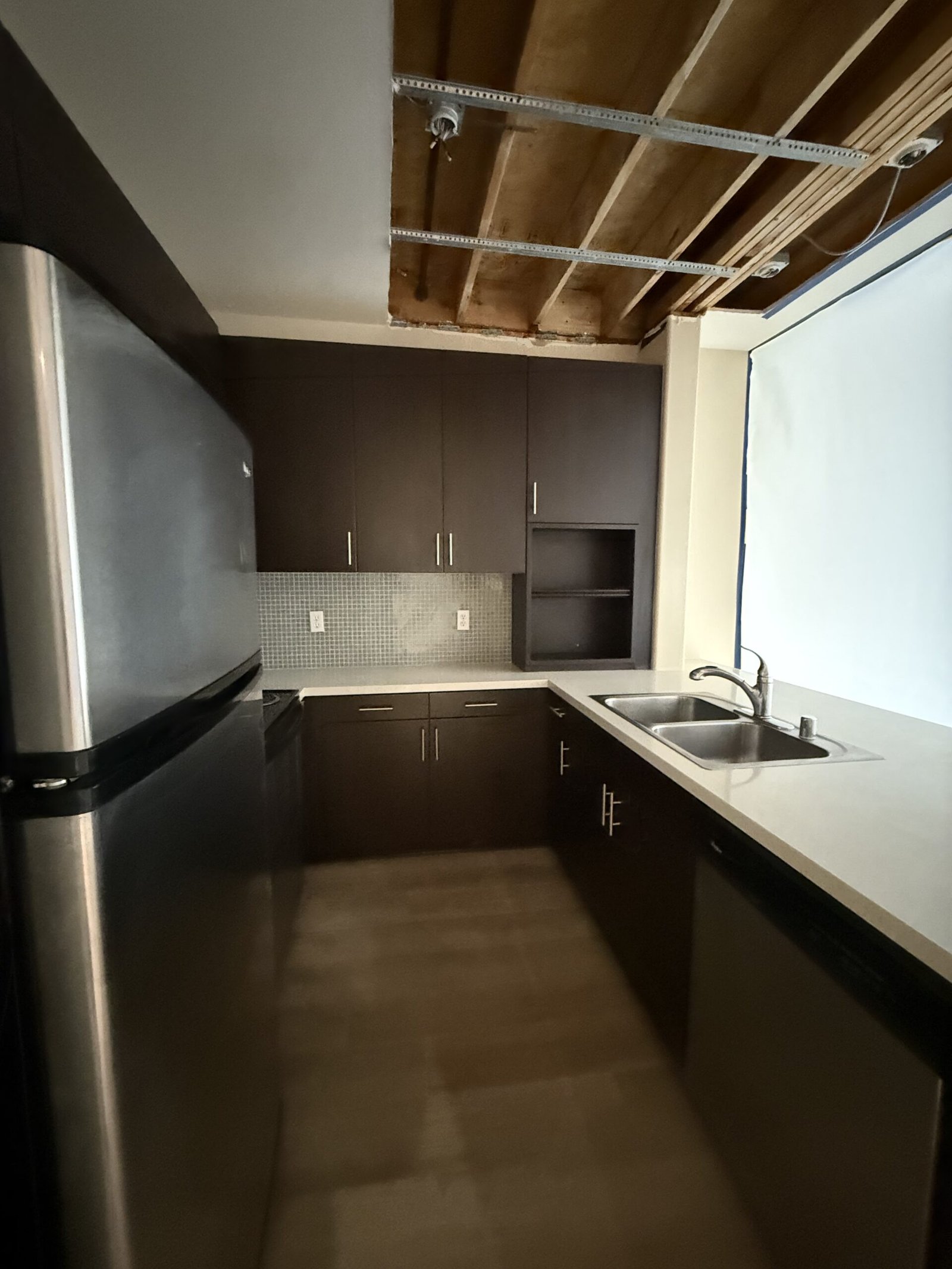
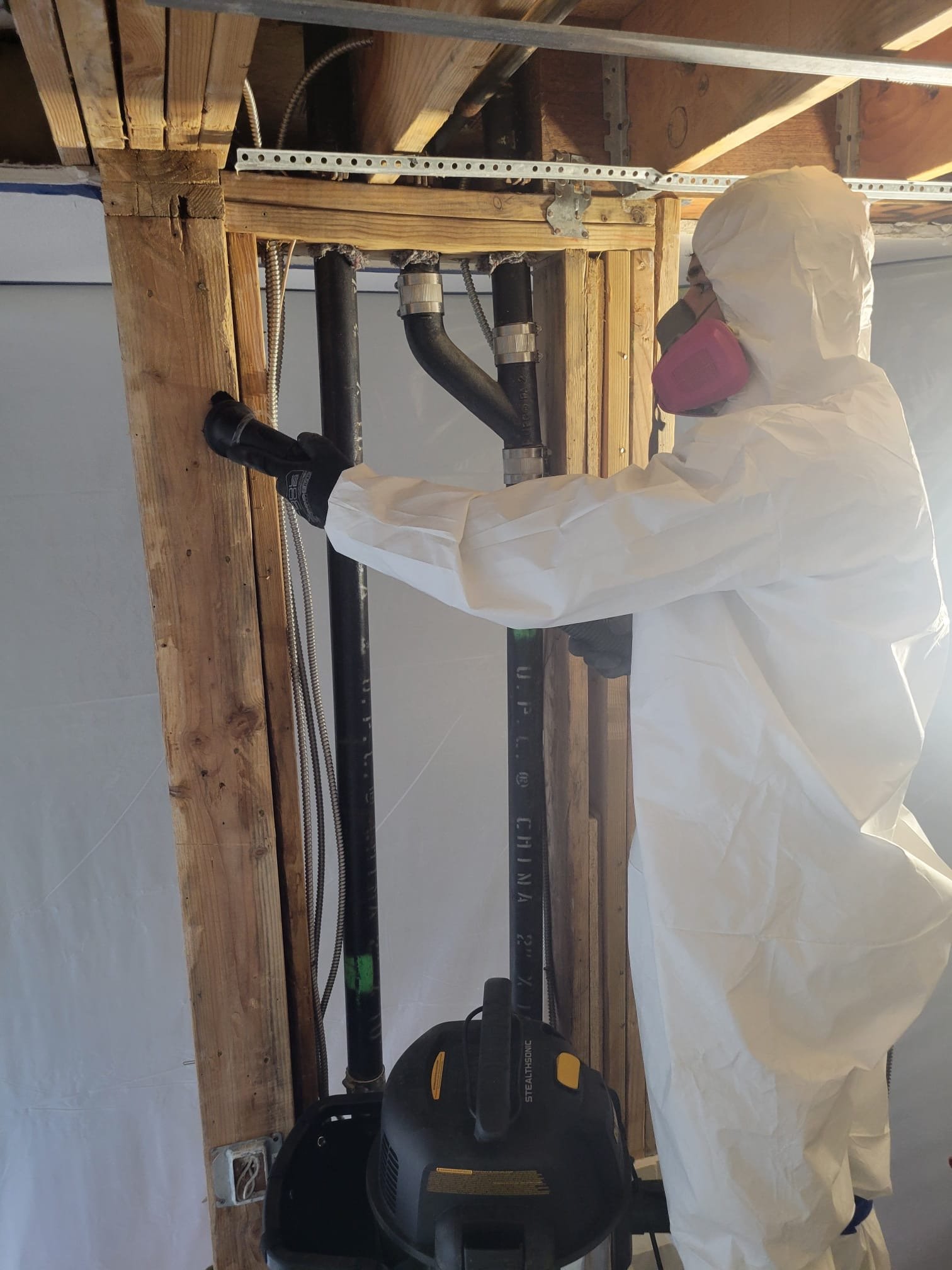
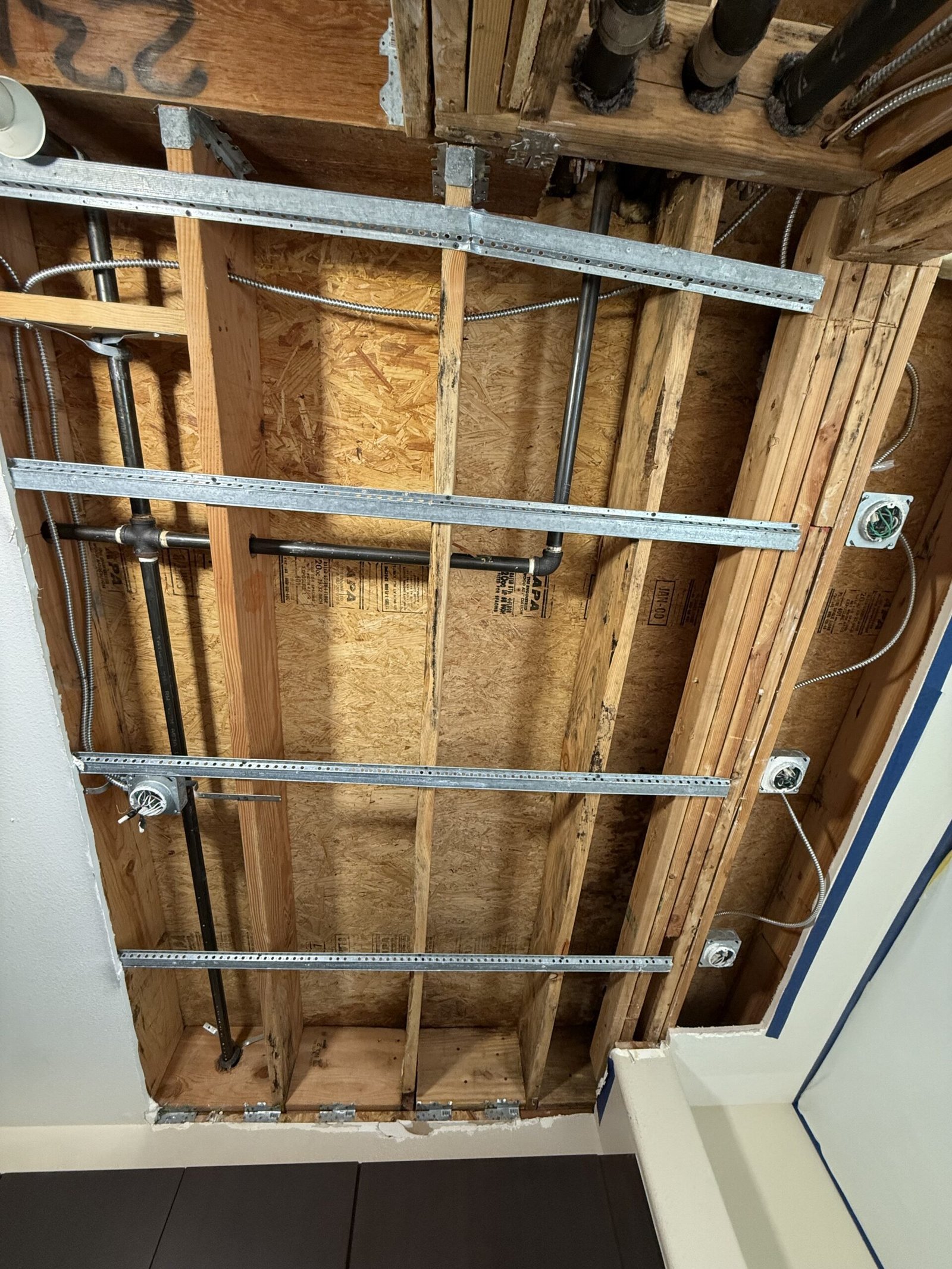
Water Damage Restoration in Canal-Adjacent and Coastal Venice Properties
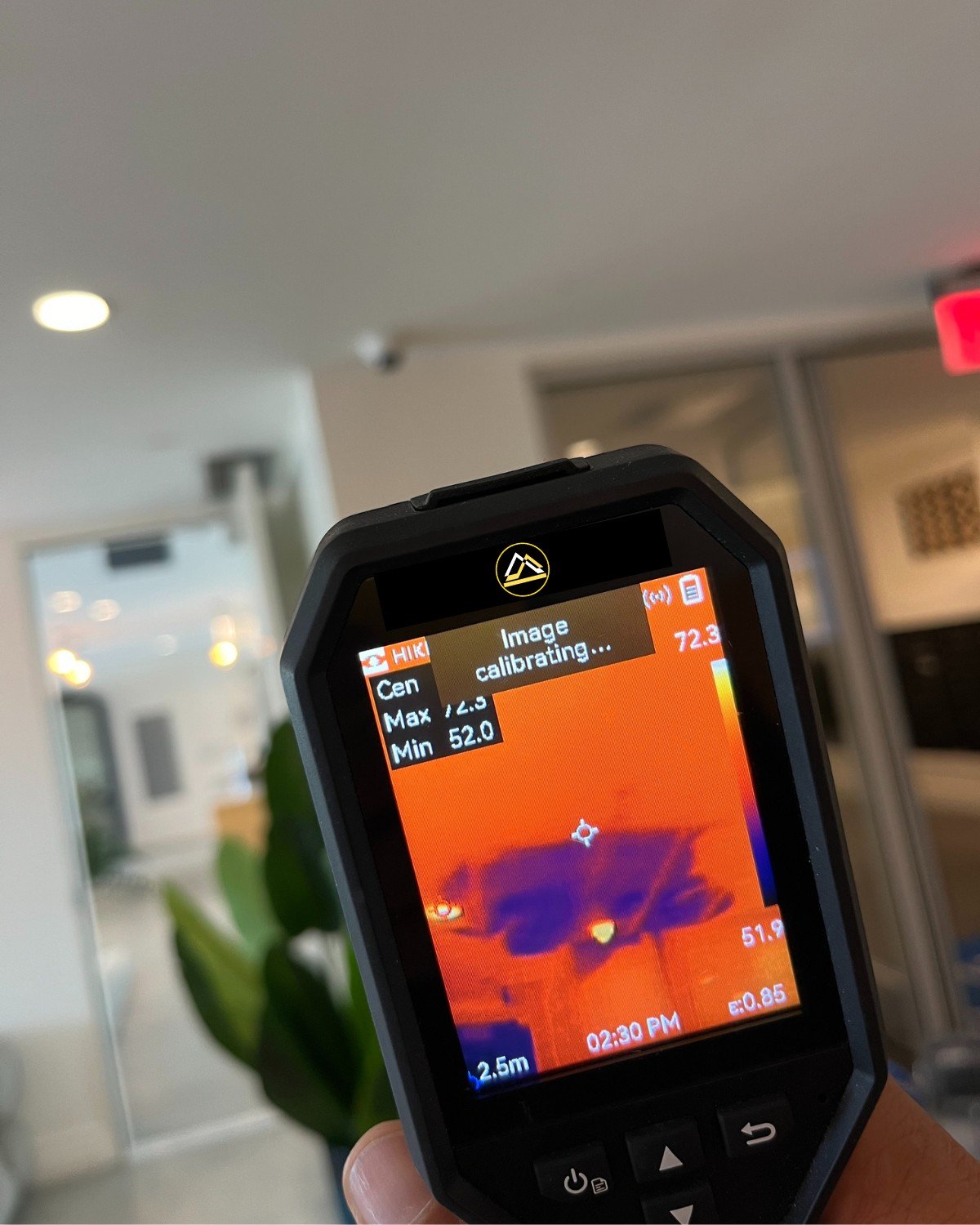
Venice is one of the only neighborhoods in Los Angeles where residential properties sit directly alongside active water canals — and that proximity creates a water damage risk profile that exists nowhere else in our service area. The Venice Canals, running through the residential streets east of Dell Avenue, maintain water levels that keep adjacent soil continuously saturated. Properties fronting the canals on Carroll Canal, Eastern Canal, and Linnie Canal sit above a water table that is significantly higher than surrounding blocks, and during king tide events or major winter storms, canal-adjacent ground-level homes can experience subslab moisture intrusion and even direct flooding of lower-level spaces. The historic cottages and 1920s bungalows that line the canal walks were built on minimal foundations with no modern waterproofing — they were not engineered for the water table conditions that the restored canals now maintain.
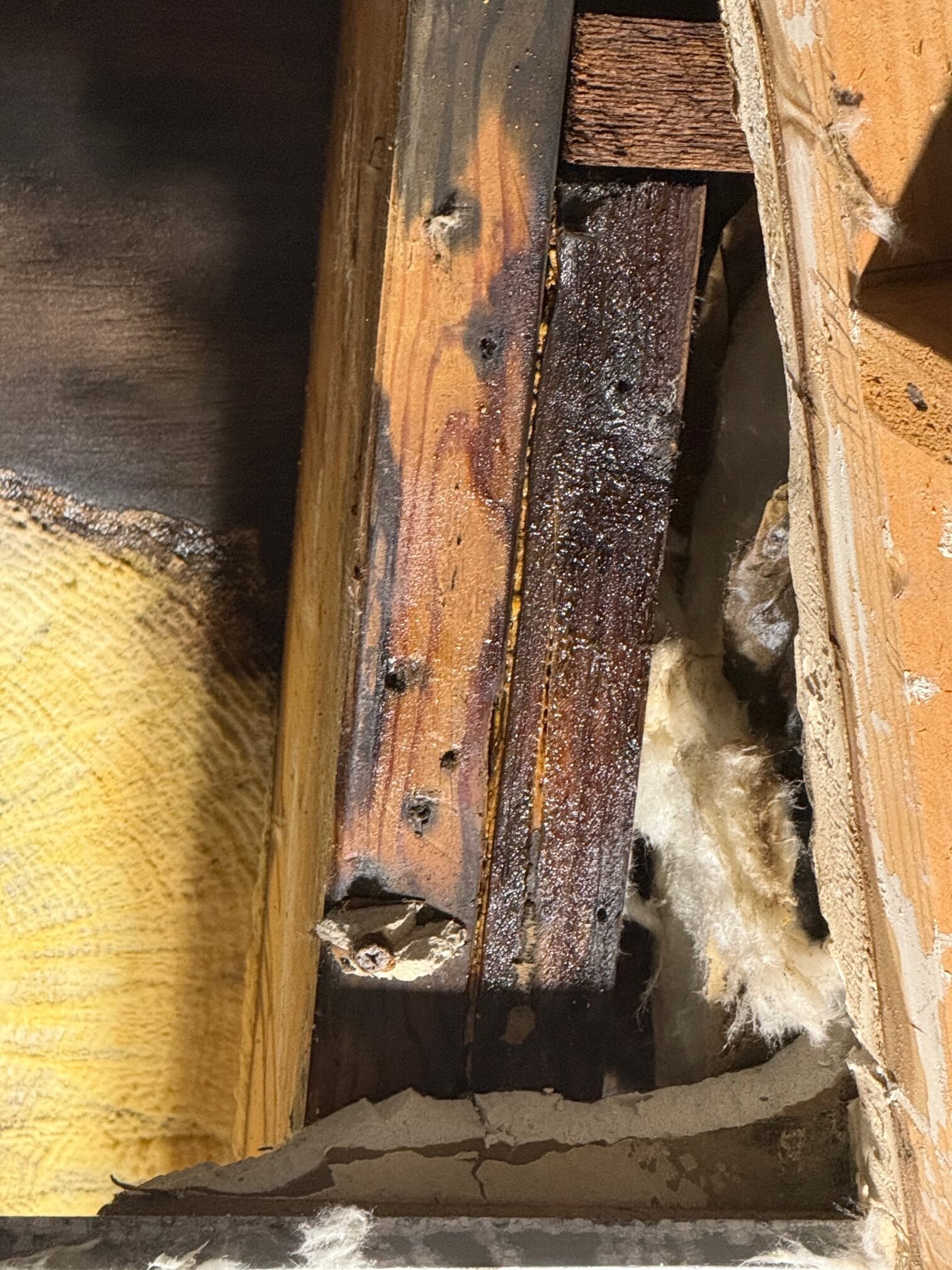
Away from the canals, Venice’s beachfront proximity means the entire neighborhood sits on sandy coastal soil with a naturally high water table that rises seasonally. Older plumbing in the neighborhood’s pre-1950 cottage stock — original galvanized lines, cast-iron drains, and minimal building envelope waterproofing — corrodes faster in salt air environments and fails at higher rates than comparable construction inland. A pipe failure inside a vintage Venice beach cottage can send water into original plank flooring and plaster walls that are difficult to source for replacement.
For short-term rental properties on Abbot Kinney Boulevard and the beachfront streets, water damage means lost rental revenue on top of repair costs — our 24/7 response is designed to minimize total downtime. IICRC-certified. Call (818) 336-1800.
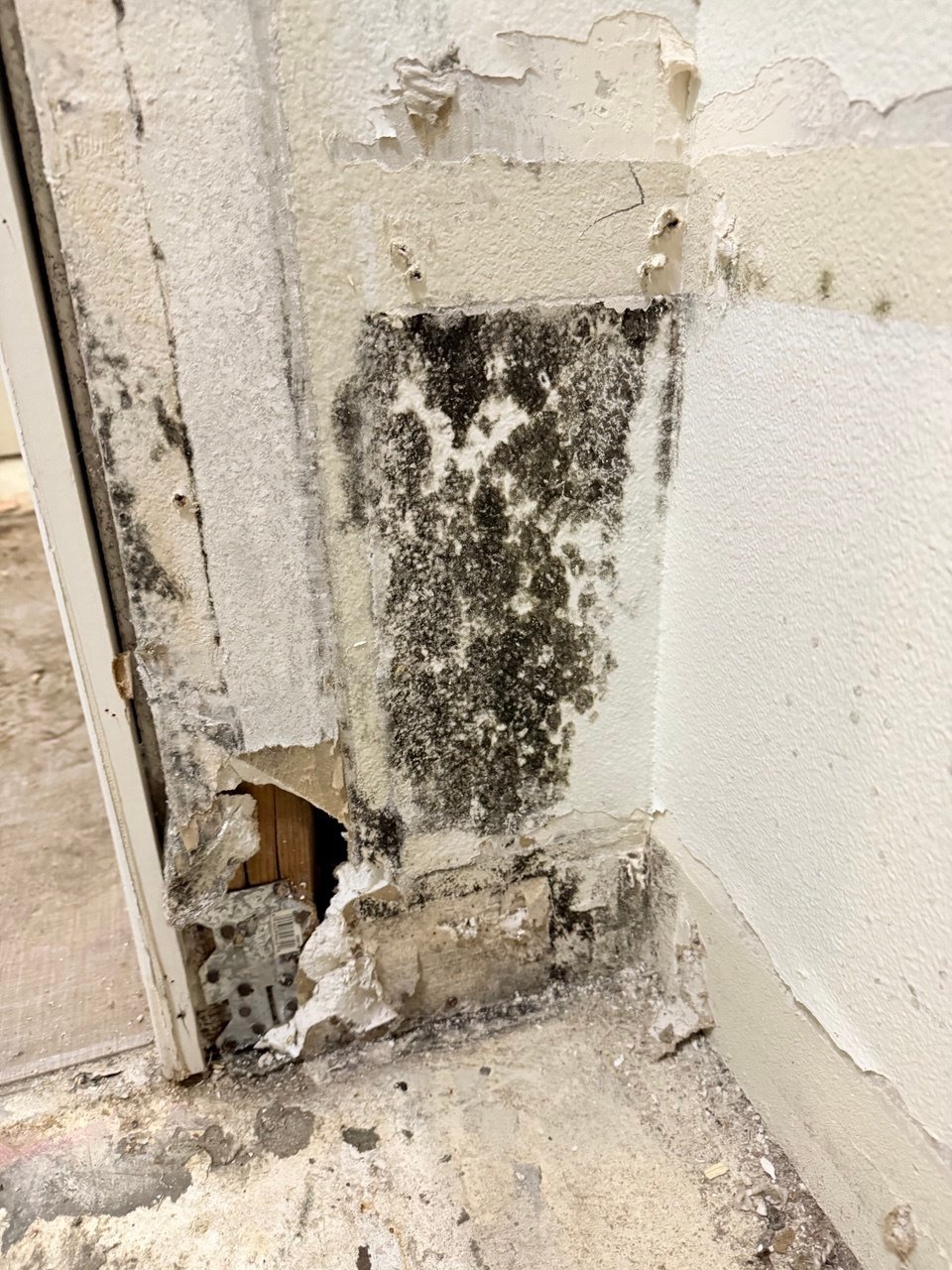
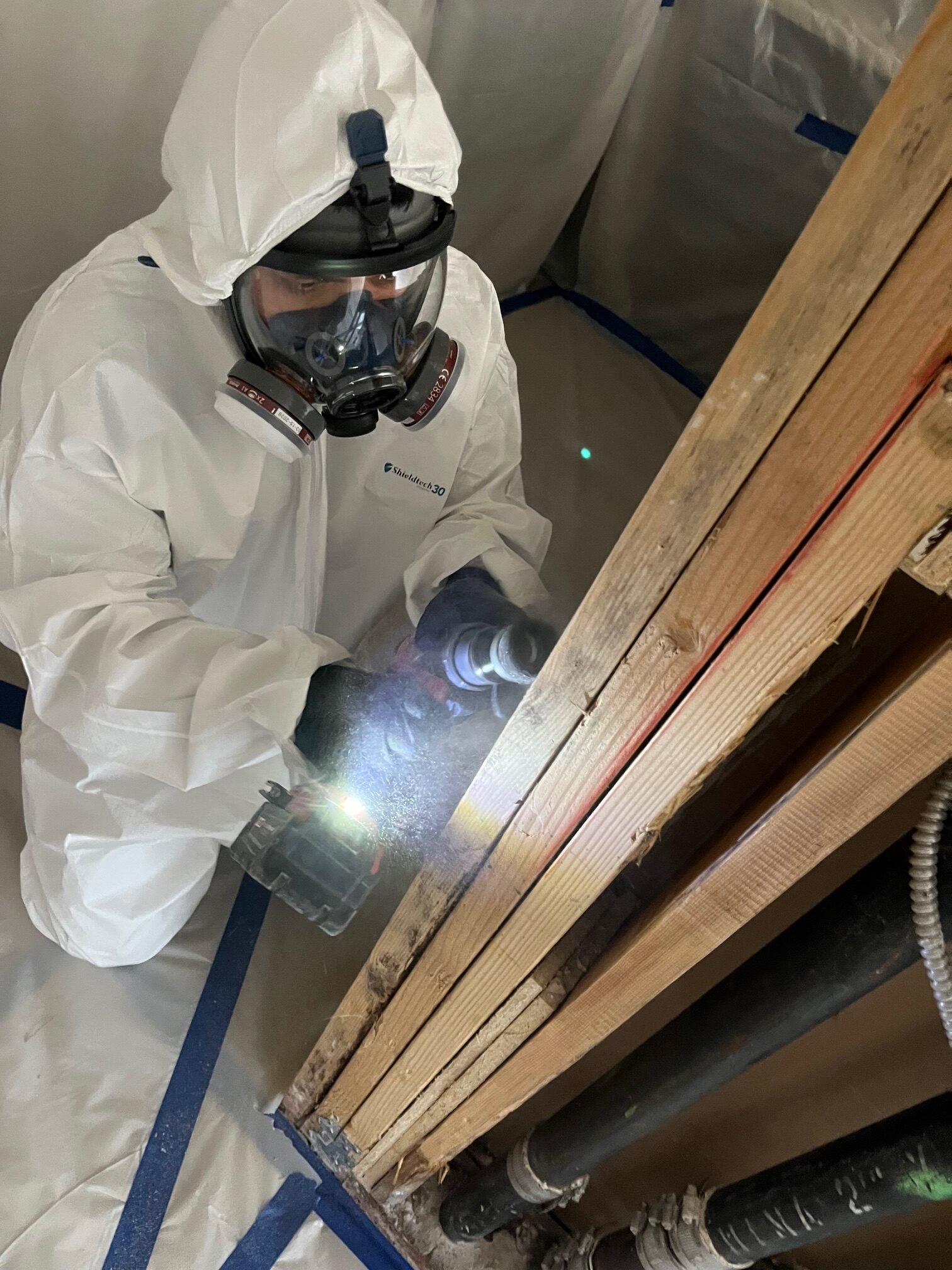
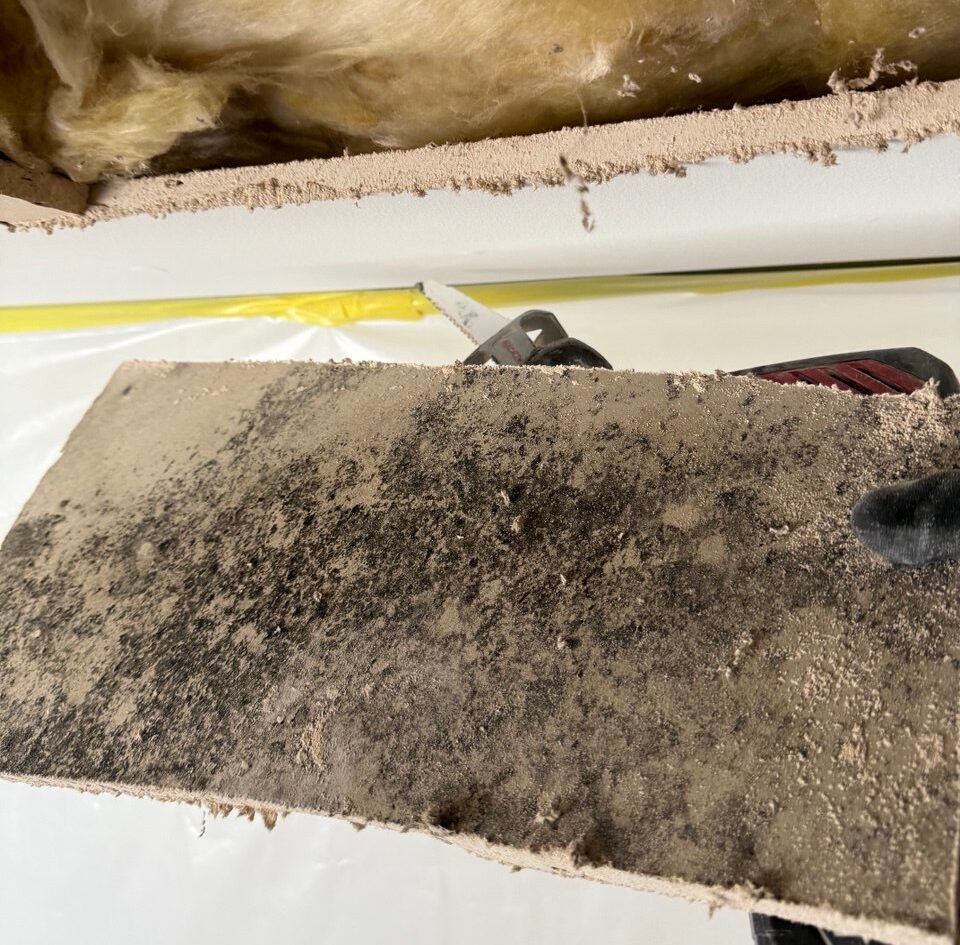
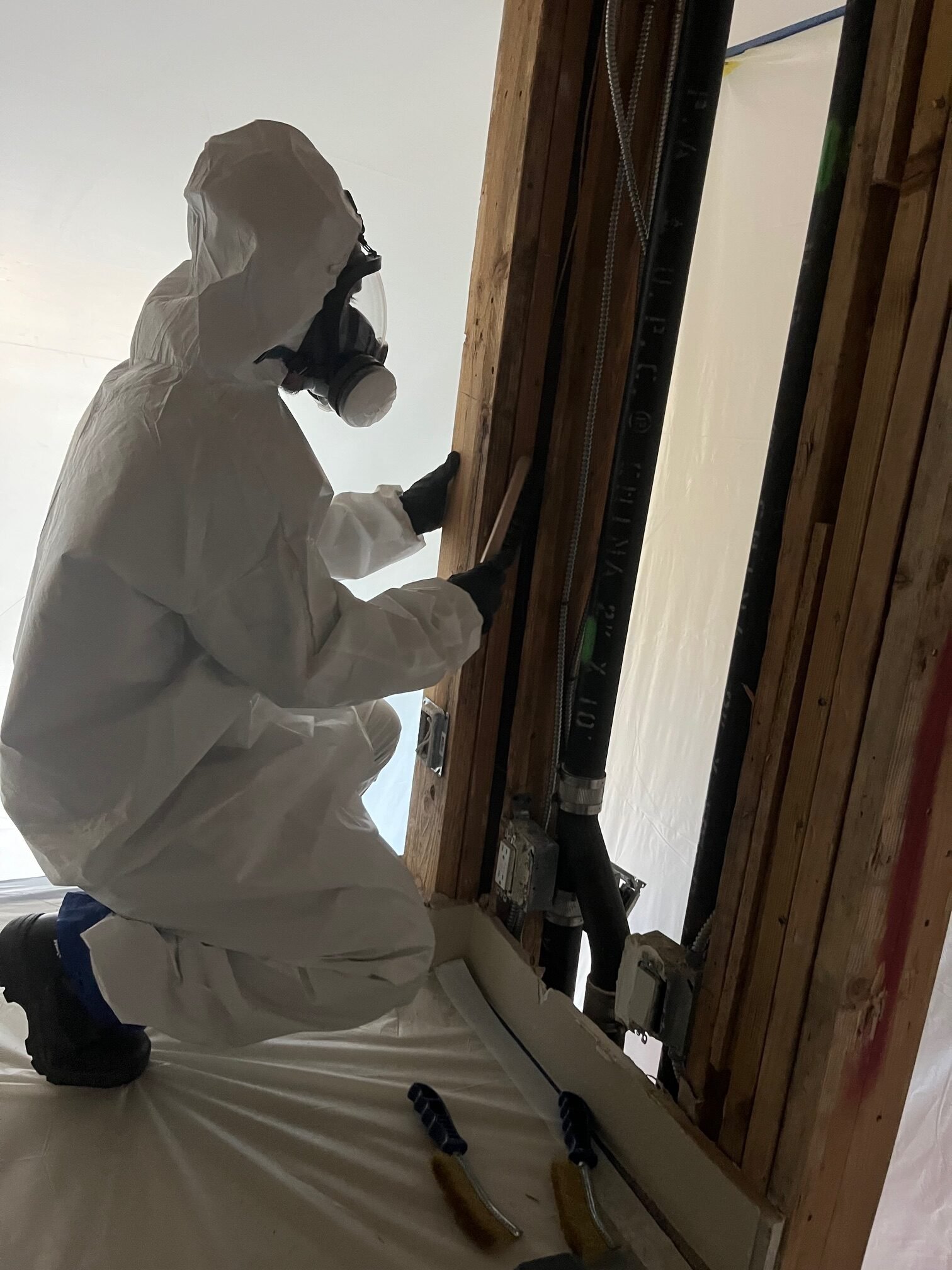
Mold Remediation in Venice's Coastal Cottages and Canal-Front Homes
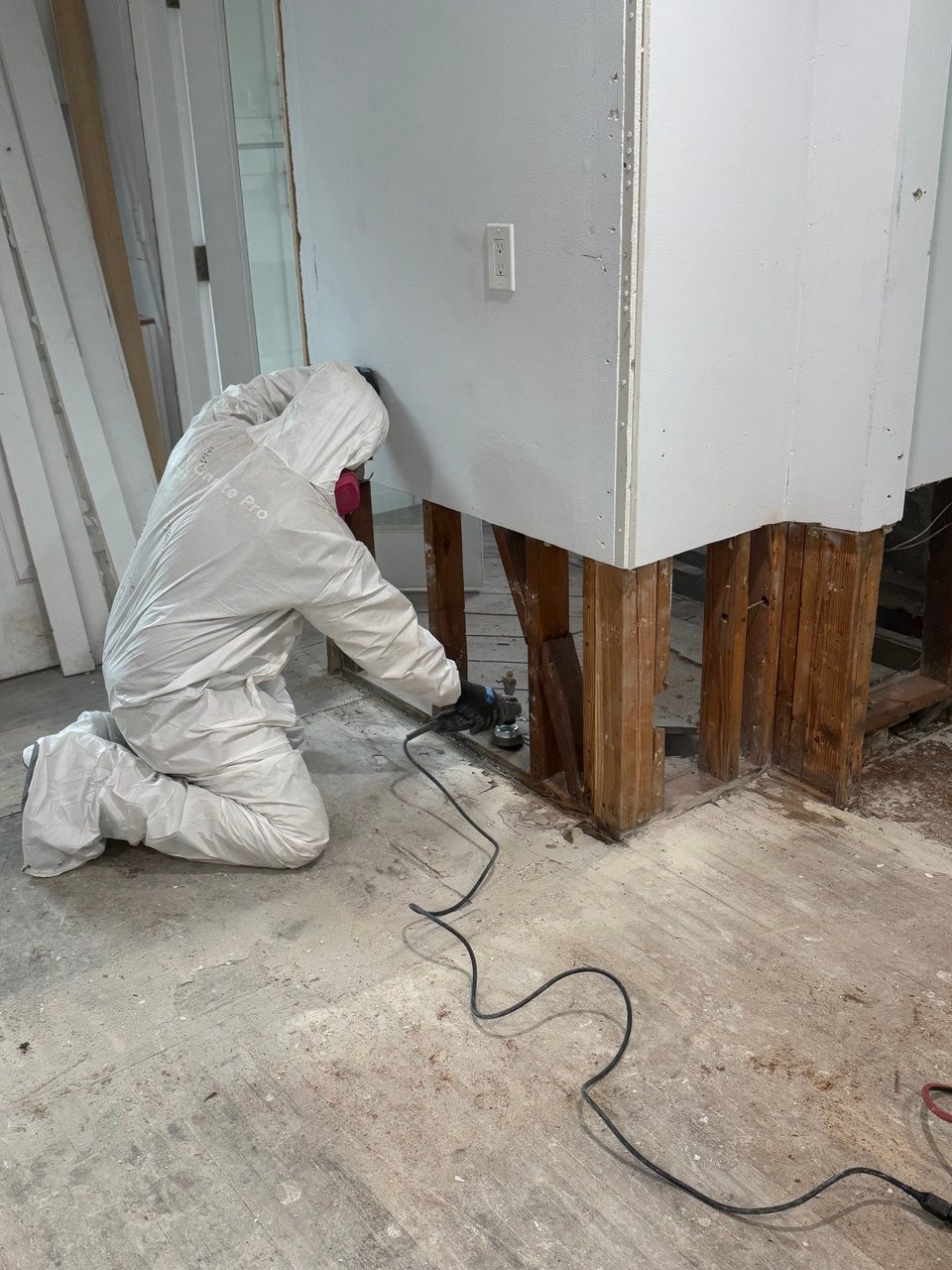
Venice’s combination of marine layer humidity, canal-adjacent moisture, and older construction creates some of the most persistently mold-prone conditions of any neighborhood in LA. The marine layer rolls in from the Pacific most mornings and keeps outdoor relative humidity elevated well into the afternoon, even on days that feel perfectly dry inland. That ambient coastal moisture infiltrates the older cottage and bungalow stock throughout Venice through micro-gaps in exterior wood siding, around single-pane windows, and through uninsulated exterior walls that lack vapor barriers. Unlike a plumbing event with a clear start date, atmospheric moisture infiltration is continuous and gradual — mold colonies establish inside wall cavities without any visible water event triggering concern.
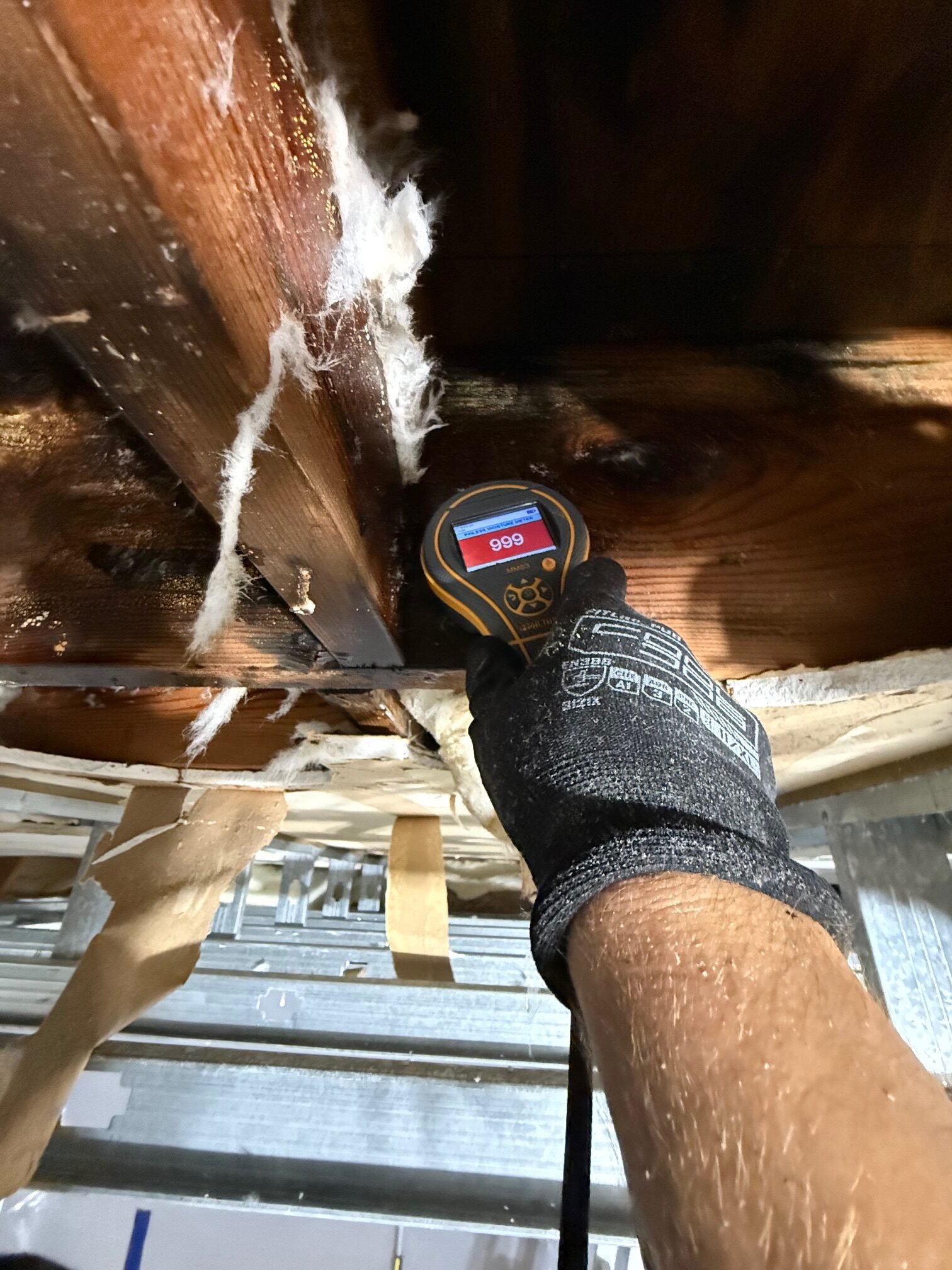
Canal-adjacent properties add a second layer of risk. The continuously saturated soil around the Venice Canals elevates crawl space humidity in older pier-and-beam bungalows to levels that sustain mold growth in floor framing throughout the year. Many of these properties have original wood-framed crawl spaces with minimal ventilation and no vapor barrier over the soil — a configuration that produces ideal conditions for both subfloor mold and structural wood decay. We routinely find extensive crawl space mold growth in canal-front properties where the visible living spaces show no obvious signs.
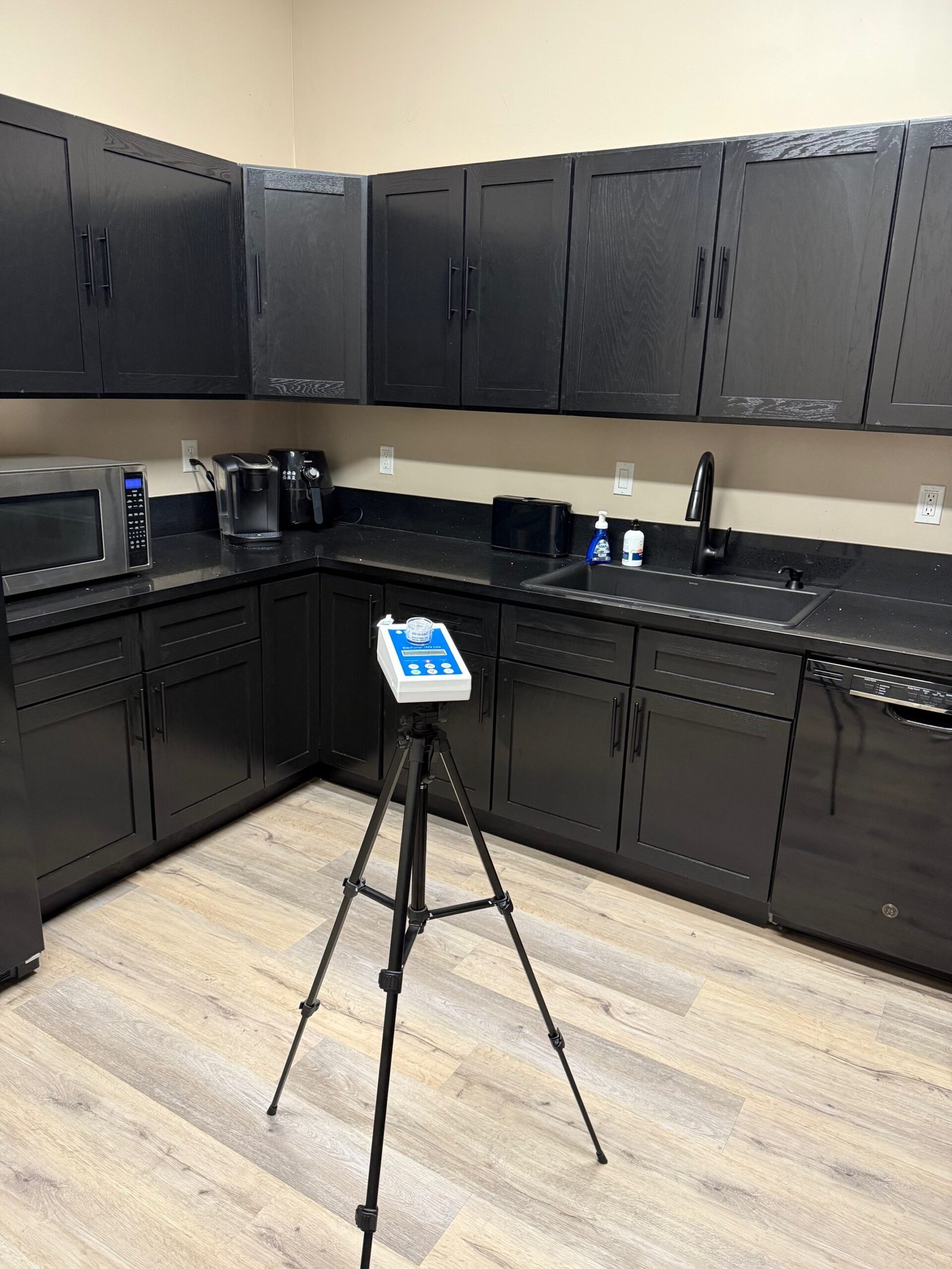
The neighborhood’s popularity for ADU conversions and backyard studio additions creates another mold scenario: newly constructed or converted spaces in older Venice lots are often built on inadequate foundations or with moisture management details that don’t account for the high water table. Onsite Pro Restoration provides free mold inspections throughout Venice including crawl space evaluations, canal-adjacent property assessments, and air quality testing. IICRC-certified remediation with post-clearance documentation. Call (818) 336-1800).
Fire and Smoke Damage Restoration in Venice's Historic Wood-Frame Neighborhood
Venice’s residential fabric is among the most historically intact beach communities in LA — original craftsman cottages, 1920s bungalows, and early beach cabins packed tightly along the canals and beachfront streets. That density of wood-frame construction, much of it lacking modern fire-resistive assemblies, means that a fire in one structure can produce significant smoke and radiant heat exposure to adjacent properties given the narrow setbacks common throughout the neighborhood. Ocean breezes that come off the Pacific also accelerate fire spread when conditions align with offshore wind patterns.
The Palisades Fire in January 2025 generated a sustained smoke plume that blanketed Venice and surrounding coastal neighborhoods for multiple days. Even properties well away from the burn area experienced measurable indoor air quality degradation as fine particulates and volatile organic compounds infiltrated through building envelope gaps and HVAC intake vents. The situation was particularly acute in Venice’s older building stock where window seals, door frames, and exterior wall assemblies are less airtight than modern construction.
Abbot Kinney Boulevard’s concentration of restaurants, coffee shops, and retail adds commercial fire risk to the neighborhood’s profile. Kitchen fires in the dense commercial strip produce grease-laden soot that bonds to surfaces differently than structural fire soot and penetrates adjacent retail and residential spaces above commercial storefronts. Onsite Pro Restoration handles both residential and commercial fire and smoke restoration throughout Venice, with full post-event air quality testing and scope-of-loss documentation for insurance. Call (818) 336-1800) 24/7.
How We Do the Job
Call Anytime for Help
Our Venice team is available 24/7 to respond to emergencies with immediate dispatch.
Free Property Evaluation
We inspect your property, document the damage, and provide a transparent estimate.
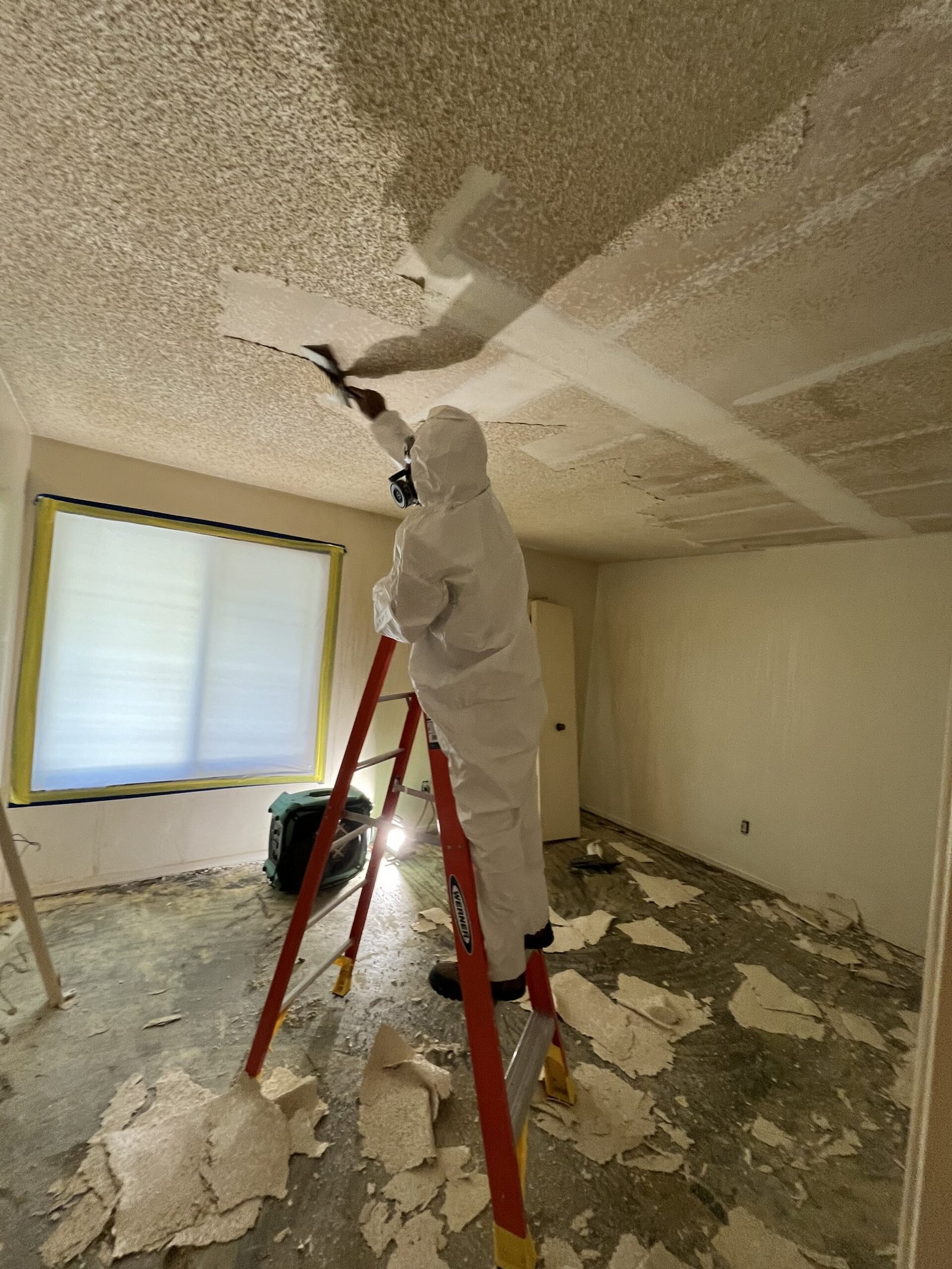
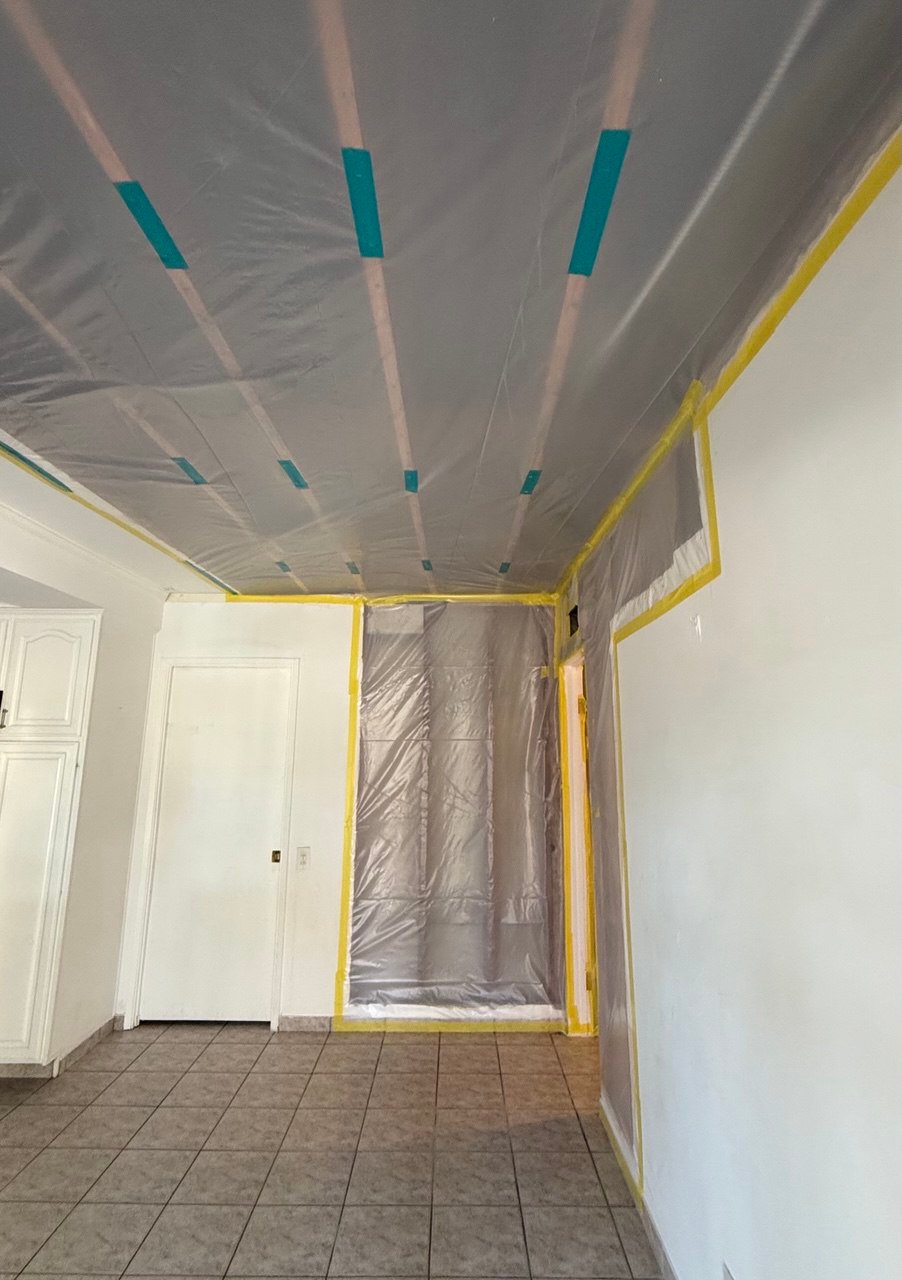
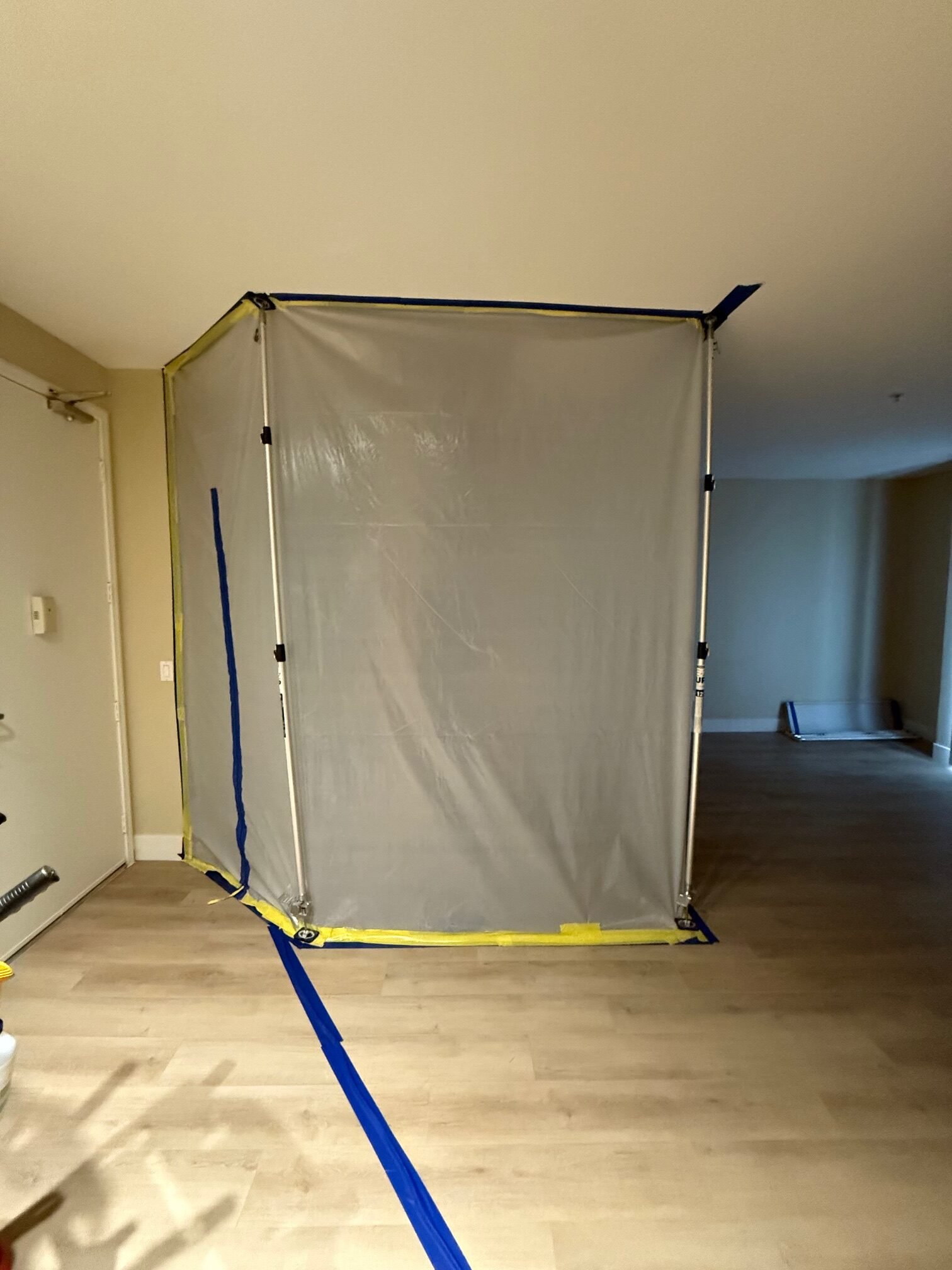
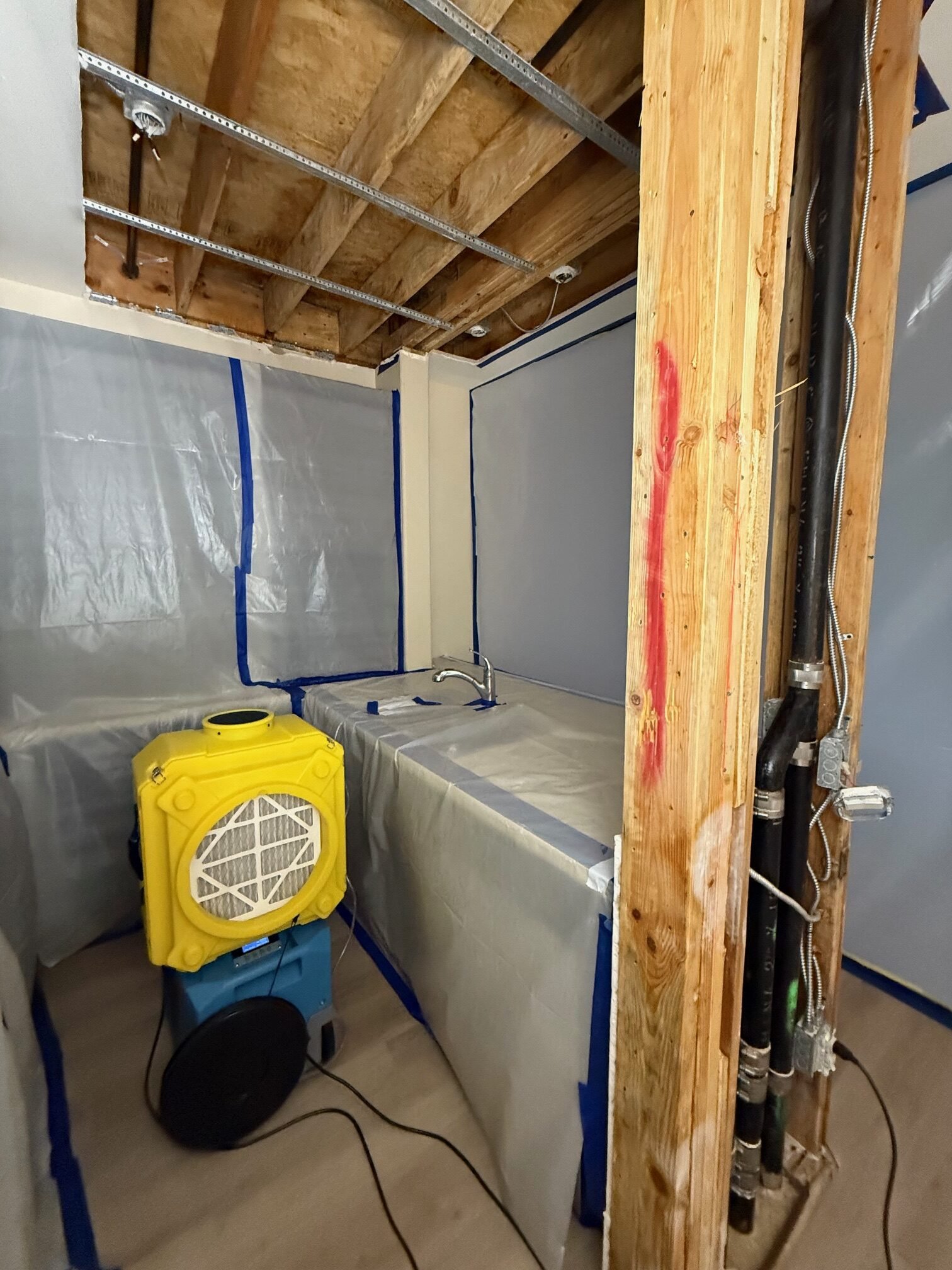
Containment & Equipment Setup
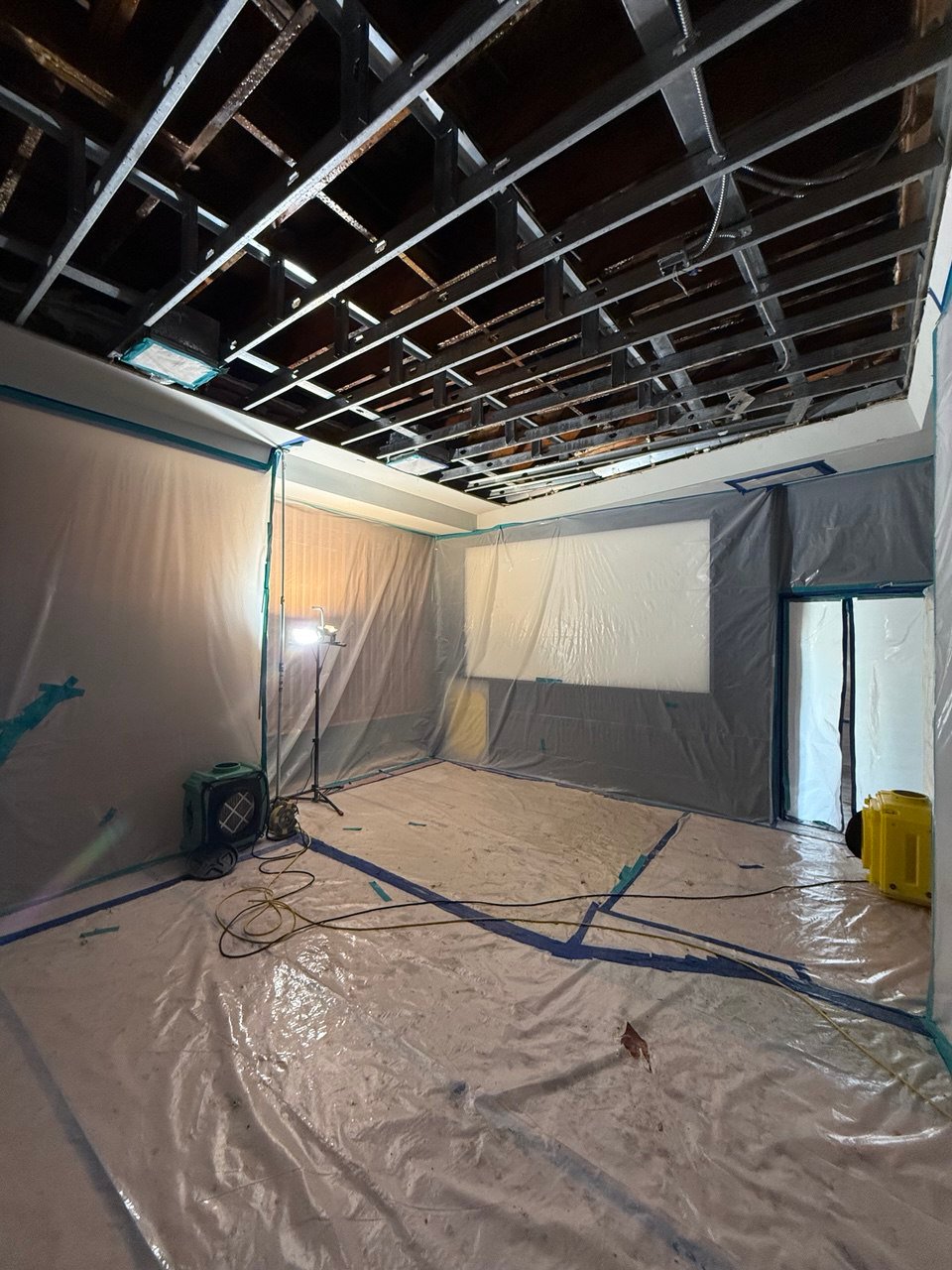
Once approved, we install equipment, set up safety barriers, and begin restoration.
Full Restoration Service
We complete cleanup, drying, disinfection, and repairs to restore safe conditions.
Why Choose Onsite Pro in Venice?
24/7 Emergency Response
Certified IICRC Restoration Specialists
Free On-Site Inspections & Estimates
Full-Service Cleanup and Repairs
Trusted by Venice Residents and Businesses
What Our Venice Customers Say
From beachfront homes to shops along Abbot Kinney, Venice property owners rely on Onsite Pro Restoration for rapid response, expert cleanup, and dependable results.