
TL;DR: In Los Angeles, standard residential cleaning usually runs $30 to $60 per hour or about $100 to $180 per visit for a typical clean, but emergency restoration cleaning for water, fire, or mold damage is priced very differently and often starts around $1,000 to $4,000+ depending on scope. For water losses, many jobs are billed by contamination level and square footage, with Category 1 water at $3.50 to $4.00 per sq ft and Category 3 water at $7.00 to $7.50 per sq ft.
A lot of property owners start with the wrong frame of reference. They look up cleaning services cost, see standard housekeeping prices, and assume a flooded hallway, soot-covered kitchen, or moldy wall cavity will land in the same ballpark.
It won’t.
When a pipe bursts in Sherman Oaks at 2 a.m. or a water heater leaks through a Burbank condo ceiling, you’re no longer shopping for routine cleaning. You’re dealing with emergency mitigation, contamination control, moisture mapping, equipment setup, material removal, and documentation that may decide whether your insurance carrier pays smoothly or fights the claim.
What Is the Real Cost of Cleaning Services in Los Angeles
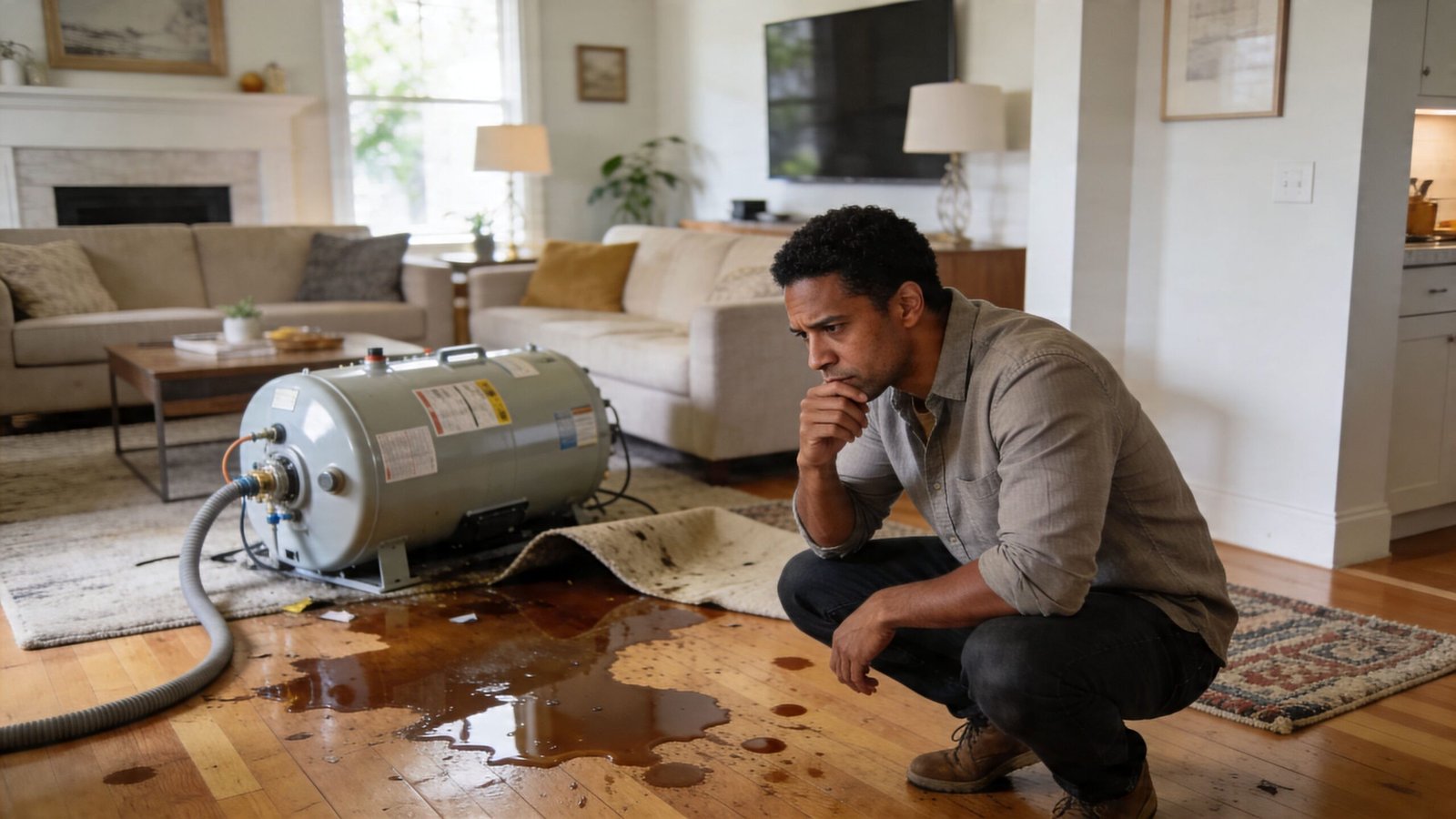
A Los Angeles owner usually notices the problem fast. The floor feels warm near the water heater. Baseboards start swelling. A musty odor shows up in a closet after a roof leak. Smoke residue settles into cabinets after a kitchen fire. By the time individuals start searching “cleaning services cost,” the primary question is no longer about housekeeping. It’s about how much damage has spread and how fast a trained crew can stop it.
Why routine pricing stops being useful
Standard cleaning prices are built around predictable labor. A crew dusts, vacuums, wipes surfaces, and leaves the home in better shape than they found it. Restoration pricing works differently because the work changes by the hour. A technician may begin with extraction, move to moisture readings, then set dehumidifiers and air movers, then open a wall cavity when hidden moisture appears.
That difference is one reason the industry is so labor-heavy. The global cleaning services market is projected to reach $88.9 billion by 2025, with labor making up about 80% of total operating costs. In Los Angeles, where labor, traffic, urgency, and compliance all add pressure, emergency restoration costs reflect that reality.
Practical rule: If the job involves water intrusion, smoke residue, suspected mold, or sewage, don’t compare it to maid service pricing. Compare it to damage mitigation.
What Los Angeles owners actually need to know
The invoice usually comes from a mix of factors, not a flat housekeeping rate. The most important ones are:
- Type of loss. Clean water, gray water, black water, smoke, and microbial growth all require different protocols.
- Speed of response. A same-day emergency call is different from a scheduled recurring clean.
- Affected materials. Tile, hardwood, drywall, insulation, cabinetry, and textiles don’t respond the same way.
- Insurance documentation. Photos, moisture logs, scope notes, and daily equipment records matter.
If you’re trying to gauge the likely budget for a water event, a dedicated water damage cleanup cost guide is a better starting point than a general house cleaning estimate.
Standard Housekeeping vs Emergency Restoration Pricing
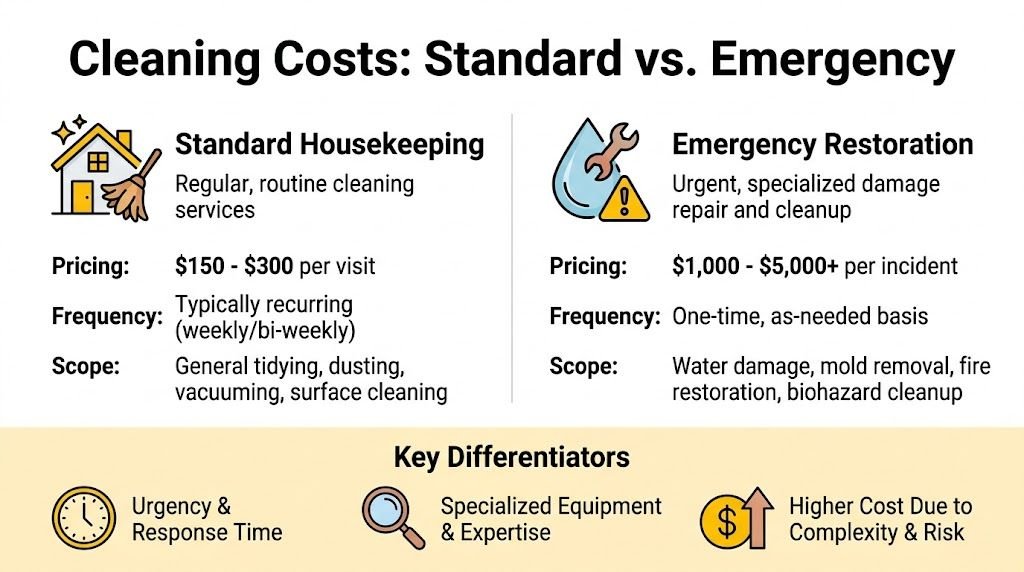
Standard housekeeping and emergency restoration can both involve mops, vacuums, cleaning agents, and labor. That’s where the similarity ends. One is planned maintenance. The other is a technical response to property damage.
What standard cleaning usually covers
In major U.S. markets, standard residential cleaning averages $30 to $60 per hour or $0.10 to $0.17 per square foot. That pricing fits recurring or one-time work such as:
- Surface cleaning. Counters, sinks, visible dust, appliance exteriors.
- Floor care. Vacuuming, sweeping, mopping, spot cleaning.
- General reset. Bathrooms, bedrooms, kitchens, and common areas.
You hire that service to maintain livability and appearance.
What restoration pricing is really paying for
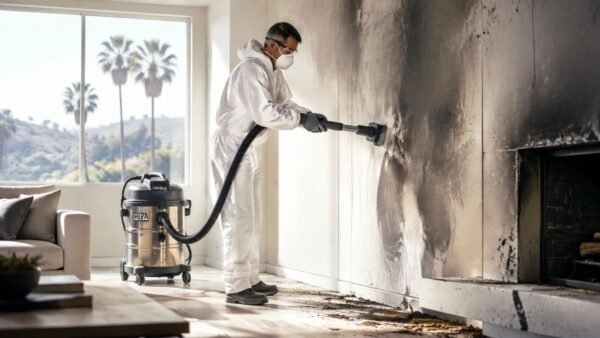
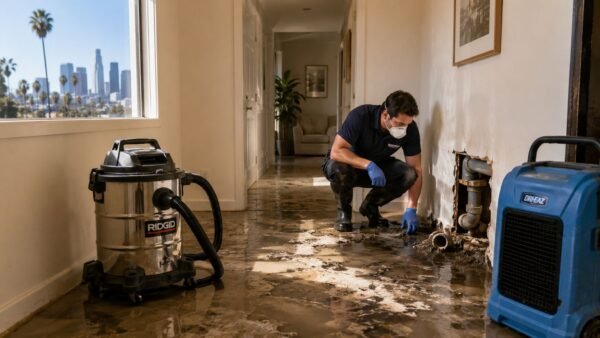
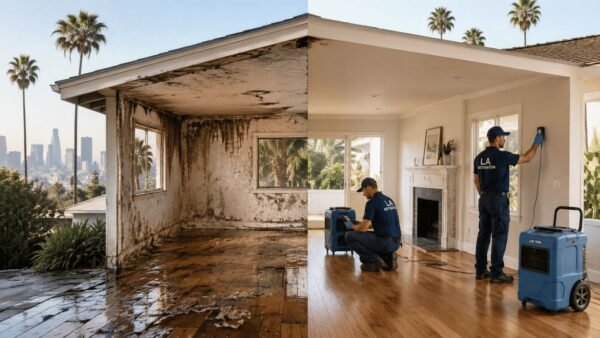
Emergency restoration bills rise because the service is not just “cleaning harder.” A proper mitigation crew brings training, containment methods, commercial equipment, and documentation discipline. In practice, that often includes moisture meters, air movers, dehumidifiers, HEPA-filtered devices, antimicrobial applications where appropriate, and careful demolition of damaged porous materials.
A typical restoration invoice may account for:
| Service element | Routine housekeeping | Emergency restoration |
|---|---|---|
| Response timing | Scheduled | Urgent or after-hours |
| Training level | General cleaning | Damage mitigation and contamination control |
| Equipment | Standard vacuums and supplies | Extraction units, dehumidifiers, air movers, HEPA equipment |
| Scope | Visible dirt and upkeep | Hidden moisture, odor, contamination, material salvage |
| Documentation | Minimal | Photos, readings, notes for insurers |
Why the sticker shock happens
Most owners are mentally anchored to a housekeeping number. Then they hear a restoration estimate and assume someone is overcharging. Usually, the issue is that they’re comparing two different industries under the same word, “cleaning.”
You’re not paying for someone to wipe surfaces. You’re paying for someone to prevent swelling cabinets, delaminated flooring, trapped odor, microbial growth, and claim disputes.
There’s also a risk factor. If a cleaner misses dust under a bed, you’re annoyed. If a restoration crew misses moisture behind a vanity wall, the property can keep deteriorating after the crew leaves.
What works and what doesn’t
What works is hiring according to the loss, not according to the cheapest hourly figure. If you want a broad view of professional restoration services, look for companies that explain scope in plain language and separate mitigation from rebuild when needed.
What doesn’t work is sending an inexpensive housekeeping crew into a water, mold, or smoke job and expecting a safe result. They may clean what they can see while damage remains under flooring, inside drywall, or inside the HVAC path.
How Much Does Restoration Cleaning Cost by Service Type
A Los Angeles owner might hear “cleaning” and expect a few hundred dollars. Then a water, fire, or mold estimate comes in much higher because the scope includes containment, specialized equipment, demolition, sanitation, drying, odor treatment, and insurer-ready documentation. Service type matters because each loss creates a different labor pattern and a different level of health risk.
Water damage cleanup
Water jobs usually price by affected area, but the cost comes from category, material type, and how far the moisture traveled before the crew arrived. Industry cost ranges published by Angi’s water damage repair cost guide show how quickly pricing rises as damage becomes more extensive and contaminated.
Category 1 clean water
Clean water usually starts with a supply line, refrigerator line, or similar source. The work often includes extraction, setting dehumidifiers and air movers, moisture mapping, daily monitoring, and selective removal of materials that will not dry in place.
This is the least expensive water category in many jobs, but delays change that fast. In Los Angeles condos, I often see a “small” leak soak cabinet bases, laminate flooring, drywall, and shared-wall cavities before anyone understands the spread.
Category 2 gray water
Gray water adds a sanitation component. Common examples include appliance discharge, toilet overflows without solid waste, or water that sat long enough to degrade in quality.
Costs rise because cleaning standards tighten, PPE requirements increase, and more materials may need removal instead of drying. Salvage decisions also become less generous because the goal is not just dry materials. The goal is a sanitary structure.
Category 3 black water
Black water is the high-risk category. Sewage backups and heavily contaminated water usually require controlled demolition, disposal of porous materials, disinfection, and stricter containment procedures.
On these losses, owners sometimes focus on saving carpet, pad, drywall, or upholstered contents. Safe removal is often the lower-risk decision, especially once sewage has been absorbed into porous materials.
If demolition creates a lot of debris, hauling can become a separate line item. A useful comparison is this guide on how much junk removal costs in Ontario, because disposal pricing and restoration pricing affect the same job but cover different work.
Fire and smoke cleanup
Fire restoration rarely follows a simple square-foot formula. A small kitchen fire can leave heavy protein residue in nearby rooms, inside cabinet boxes, and throughout the HVAC path even when the visible burn area is limited.
Pricing usually turns on four issues:
- Residue type, including dry soot, oily soot, or protein smoke
- Surface sensitivity, such as painted walls, stone, wood finishes, textiles, and electronics
- Odor treatment needs, from localized deodorization to full structure treatment
- Contents handling, including pack-out, inventory, and off-site cleaning
The trade-off is straightforward. A lighter cleaning approach lowers the initial invoice but can leave odor, staining, or recurring residue complaints. A proper fire scope costs more because it addresses what smoke touched, not just what the eye catches.
Mold remediation
Mold estimates vary more than owners expect because the visible growth is only part of the project. The bill usually reflects containment setup, negative air, HEPA cleaning, selective demolition, disposal, and drying the moisture source so the problem does not return.
For owners comparing bids, this breakdown of what mold remediation costs gives a useful picture of the work that should appear in a legitimate scope.
Why mold pricing moves so much
A small area under a bathroom sink is one kind of job. Hidden growth behind multiple walls, inside an attic, or around HVAC components is a different level of work.
The expensive mold jobs are often the ones that looked minor at first. Once containment, air filtration, material removal, and post-cleaning verification enter the scope, the price reflects risk control as much as cleanup. In insurance-supported losses tied to a covered water event, good documentation can make a major difference in what the owner pays out of pocket.
What Factors Change Your Restoration Service Cost
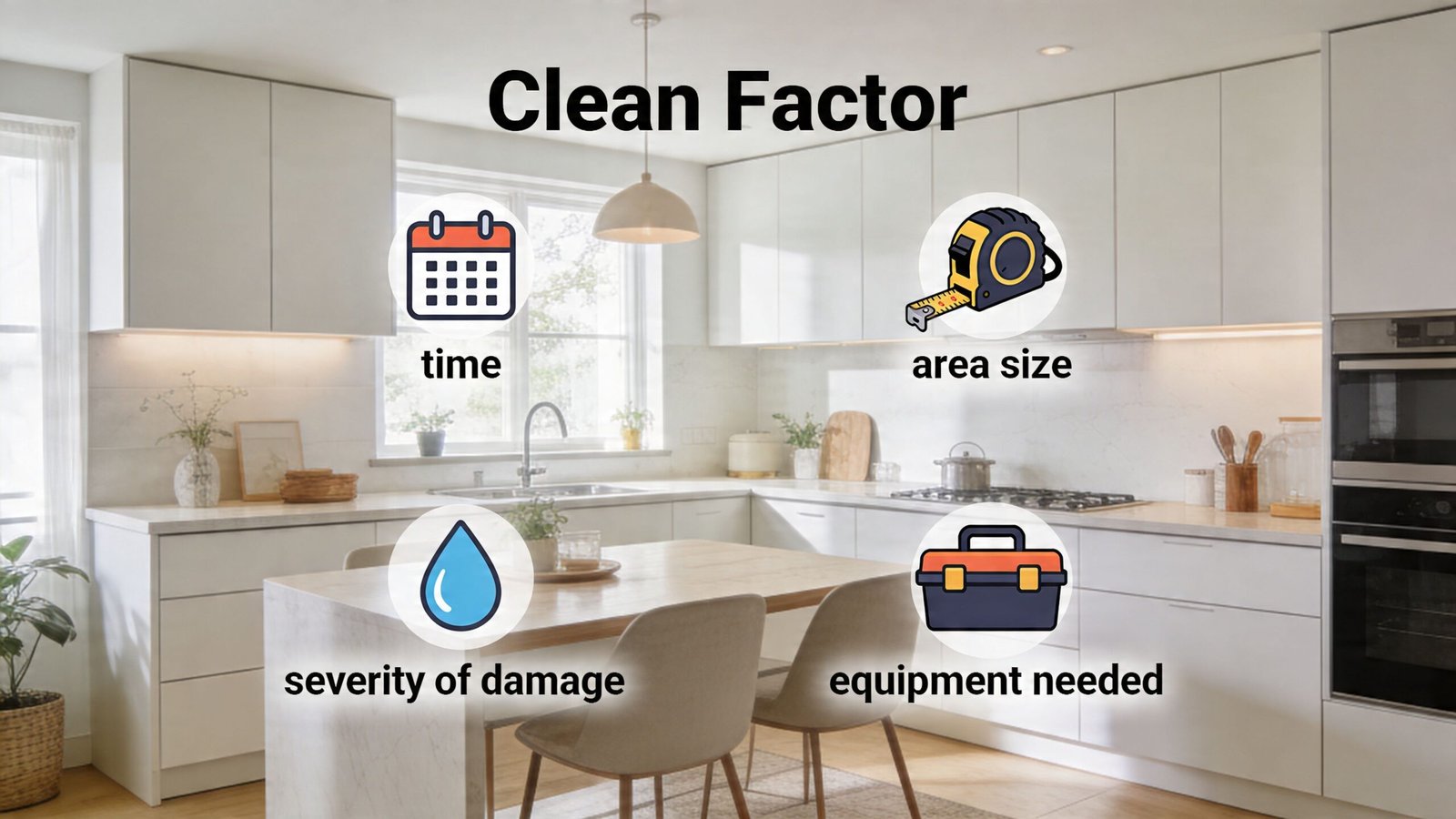
Two owners can have the same type of loss and still receive very different estimates. That’s normal. Restoration pricing follows conditions on site, not a flat menu.
Size and spread of damage
A small leak under a sink is one thing. Water that ran from an upstairs bath through ceilings, wall cavities, and flooring is another. Square footage matters, but so does migration. Water moves sideways under flooring, down wall channels, and into insulation.
In Los Angeles condos and hillside homes, I often see owners underestimate spread because the visible stain looks small. The hidden wet area is what drives equipment, labor, and demolition decisions.
If you want to understand the first stage of the process, this breakdown of what water mitigation is helps clarify why early action changes the final bill.
Material type and salvageability
Hard, non-porous materials are usually easier to clean and dry than porous ones. Tile and some stone surfaces respond differently than drywall, carpet pad, insulation, laminate, or particleboard cabinetry.
A Santa Monica unit with coastal moisture around painted drywall may need a different approach than a Glendale kitchen with tile floors and limited drywall impact. Material choice affects labor, removal, drying time, and what can realistically be saved.
- Porous assemblies usually cost more because they absorb contamination and moisture extensively.
- Built-ins and custom finishes raise labor because crews need slower, more careful work.
- Textiles and contents add handling time, inventory work, and odor treatment steps.
Here’s a useful visual on what owners should watch for during the first inspection.
Access and job conditions
Access can subtly change a bill. A ground-floor room with open workspace is efficient. A tight crawlspace, a packed storage room, or a busy retail unit in Downtown LA slows everything down.
On-site reality: Limited elevator access, parking restrictions, and occupied units don’t make the job impossible. They do make it slower and more labor-intensive.
Timing and urgency
An emergency response outside normal hours can affect pricing because the company has to mobilize immediately, not when the schedule opens up. The same is true when conditions are deteriorating and delay would cause more loss.
The cheapest call is often the earliest one. Waiting to “see if it dries on its own” is one of the costliest decisions owners make.
Using Insurance to Cover Your Restoration Cleaning Costs
The part that calms most owners down is this: in many covered losses, the bill you see is not the amount you personally end up paying. Insurance often carries the bigger share when the cause of loss is covered and the documentation is solid.
According to FreshBooks’ cost guide, insurance may cover 80% to 100% of restoration costs for covered perils, though owners still commonly deal with deductibles. The same source notes that working with a restoration company that handles insurer communication can reduce out-of-pocket expenses by over 30% through smoother claim processing and documentation.
What insurance usually cares about
Carriers focus on cause, timing, and proof. A sudden pipe break is usually viewed differently than a long-term maintenance issue. A sudden overflow documented immediately is easier to support than damage discovered weeks later with no clear timeline.
That’s why professional records matter so much. The strongest claims usually include:
- Cause-of-loss notes recorded early
- Photos and moisture readings taken before and during mitigation
- Daily job documentation showing what was done and why
- A clear scope of work tied to the actual conditions on site
For owners trying to sort out whether a specific loss may qualify, this guide on whether homeowners insurance covers water damage is a useful starting point.
What owners often misunderstand
The deductible is not a penalty. It’s the portion of the loss that remains your responsibility under the policy. The bigger mistake is delaying mitigation because you’re worried about filing the claim incorrectly.
If the loss is covered, immediate mitigation protects both the property and the claim. Insurance companies generally expect owners to prevent further damage once they discover the problem.
Why documentation changes the outcome
A restoration team that documents thoroughly doesn’t just help the adjuster. It helps the property owner avoid arguments over what was wet, what was contaminated, what equipment was needed, and why materials had to be removed.
That is the difference between “we cleaned up some water” and “here is a defendable record of mitigation.” In Los Angeles, where claim complexity can rise quickly in multi-unit buildings and high-value homes, that distinction matters.
Choosing a Provider and Avoiding Hidden Fees
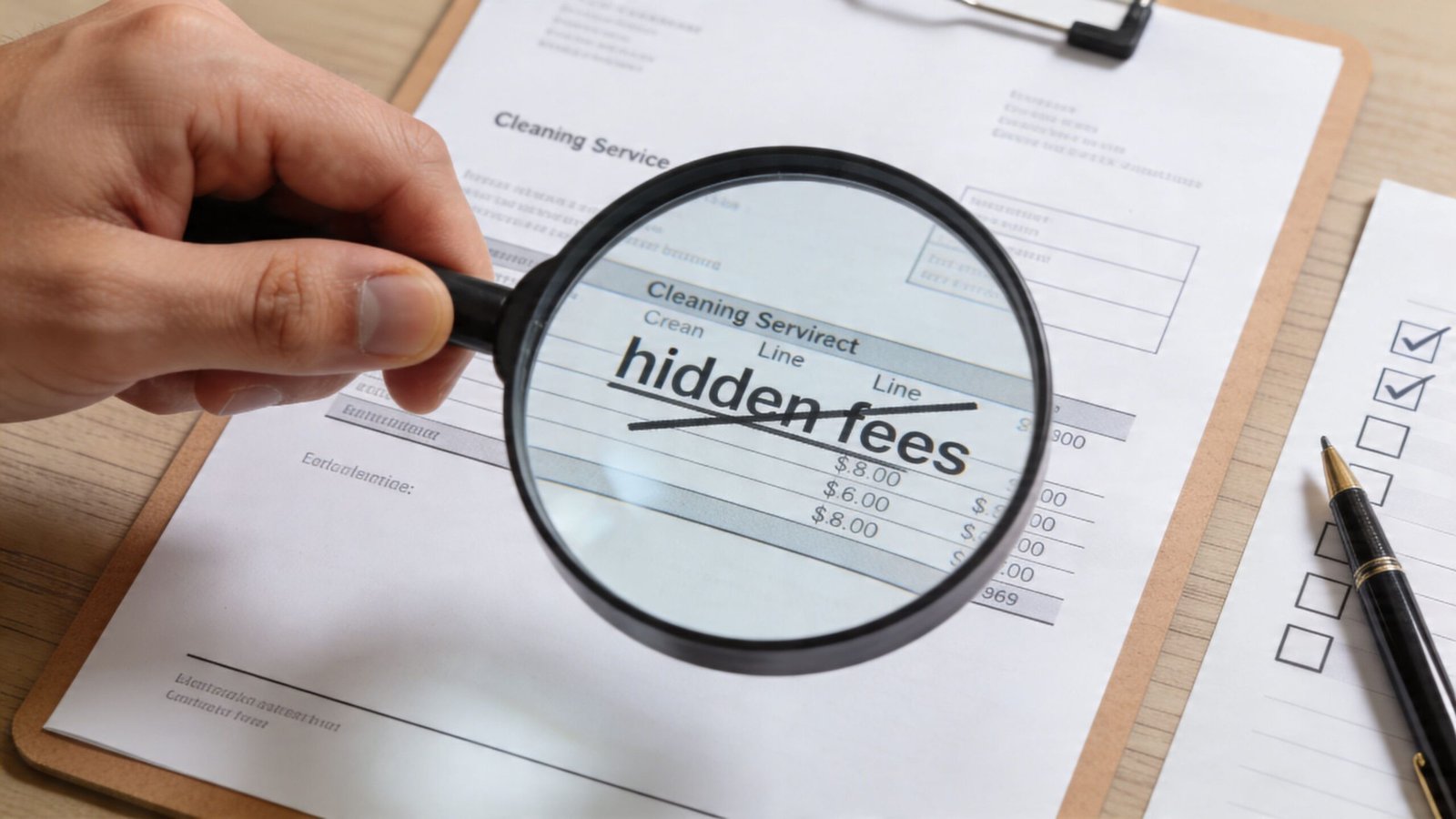
A good estimate should make you feel informed, not trapped. If a company can’t explain what you’re paying for, that’s a problem before work even begins.
What a trustworthy estimate looks like
You want line items that reflect real work. Labor, equipment, containment, demolition, debris handling, cleaning steps, and monitoring should be described clearly enough that you know what is included.
Cheap, vague bids often leave out the exact steps that make restoration effective. Then the change orders begin.
A useful estimate usually answers these questions:
- What is the loss category or contamination concern
- Which materials are being dried, cleaned, removed, or discarded
- What equipment is being used and for how long
- What documentation will be provided for insurance
- What is excluded from the current scope
Red flags that cost more later
In Los Angeles, low price can be expensive. Thumbtack’s pricing guide notes that unlicensed low-cost services in the $25 to $40 per hour range can create higher long-term costs in high-risk markets like LA, and that IICRC certification is increasingly important for code-compliant work and insurance coverage.
That aligns with what seasoned restoration professionals see every week.
If a bid sounds cheap because it skips containment, testing coordination, moisture tracking, or safe disposal, it isn’t a bargain. It’s deferred cost.
Watch for these warning signs:
- Verbal-only pricing. If there’s no written scope, disputes are almost guaranteed.
- No certification discussion. Restoration is not the place for “we’ve done this before” as the only credential.
- One number with no breakdown. You can’t compare bids if you can’t see what’s inside them.
- Pressure to start before authorization is clear. Fast response matters, but authorization should still be documented.
How to compare companies intelligently
Not every cleaning company is built to handle restoration. Some firms are strong at recurring service and turnover cleaning. Others are structured for emergencies, insurer coordination, and hazardous conditions. If you’re curious what separates well-run operators from commodity providers on the business side, these strategies for growing a cleaning business offer an interesting look at why systems, specialization, and process discipline matter so much.
For an owner choosing a provider, the practical takeaway is simple. Hire the company whose scope reads like a technical plan, not a guess.
Frequently Asked Questions About Cleaning Service Costs
Q: If insurance is involved, do I have to pay the full bill up front?
Usually, the answer depends on the provider, the carrier, and the stage of the claim. Many restoration companies can bill insurance directly for covered work, while the owner handles the deductible and any non-covered items. Ask this before authorization is signed.
Q: Is mold testing included in mold remediation pricing?
Not always. Some projects include inspection and remediation scope only, while testing or clearance may be handled separately through an independent party. Ask whether the quote includes testing, post-remediation verification, or neither.
Q: Should I file a claim if my deductible is high?
That depends on the size of the loss, the likelihood of hidden damage, and whether contamination is involved. If sewage, significant water migration, or smoke spread is present, the total scope often exceeds what owners first assume. A professional inspection can help you decide.
Q: What happens if more damage is found after work starts?
That’s common in restoration. Water can sit behind cabinets, under flooring, or inside wall cavities. A professional company should document the newly discovered damage, update the scope, and communicate with you and the adjuster before proceeding beyond the authorized work.
Q: Can I use a standard cleaning company after the area looks dry?
Not as a substitute for mitigation. Routine cleaners can help with final housekeeping after the property is stabilized and restored, but they shouldn’t be the team making contamination, drying, or material-removal decisions.
Q: What’s the first thing I should do after discovering damage?
Stop the source if it’s safe to do so, protect people and pets from the affected area, and document what you see with photos. Then call a qualified restoration company quickly. Speed affects both damage spread and claim quality.
If you’re dealing with water, mold, smoke, or sewage damage in Los Angeles, Onsite Pro Restoration can help you understand the true cleaning services cost, document the loss properly, and assist with the insurance side without added confusion. Reach out for a professional assessment and a clear scope before the damage gets more expensive.