
Storm, Water & Fire Damage Restoration in Woodland Hills — Warner Center to Mulholland
From hillside homes near Mulholland Drive to offices around Warner Center, Woodland Hills properties are no strangers to water, fire, sewer, and mold damage. Leaks, wildfires, and plumbing failures can strike at any time, requiring fast and professional cleanup. Onsite Pro Restoration provides certified restoration services in Woodland Hills with 24/7 emergency response. Our technicians follow IICRC standards to remove hazards, dry structures, and restore safe conditions for both residential and commercial properties.
Get Started
Service Form
Local Restoration You Can Trust
When disaster hits, you need local specialists who know the unique challenges of Woodland Hills properties — from multi-level hillside homes to high-traffic businesses along Ventura Boulevard. Onsite Pro Restoration is trusted by homeowners and property managers alike.
Explore Woodland Hills Services
Water Damage Restoration
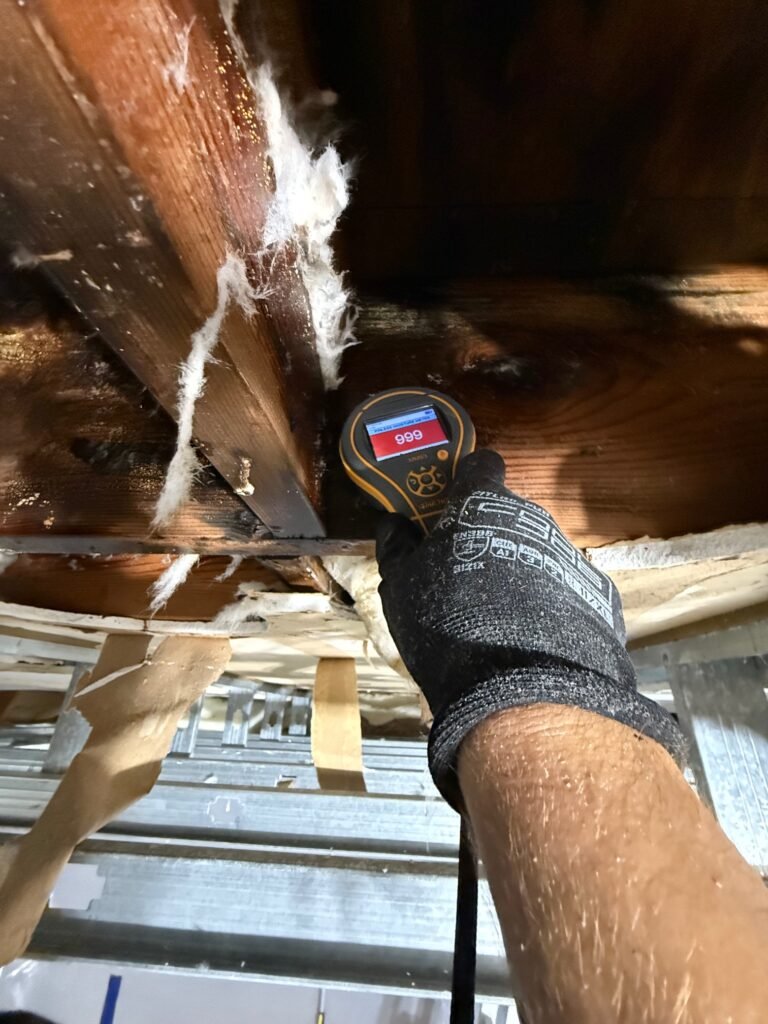
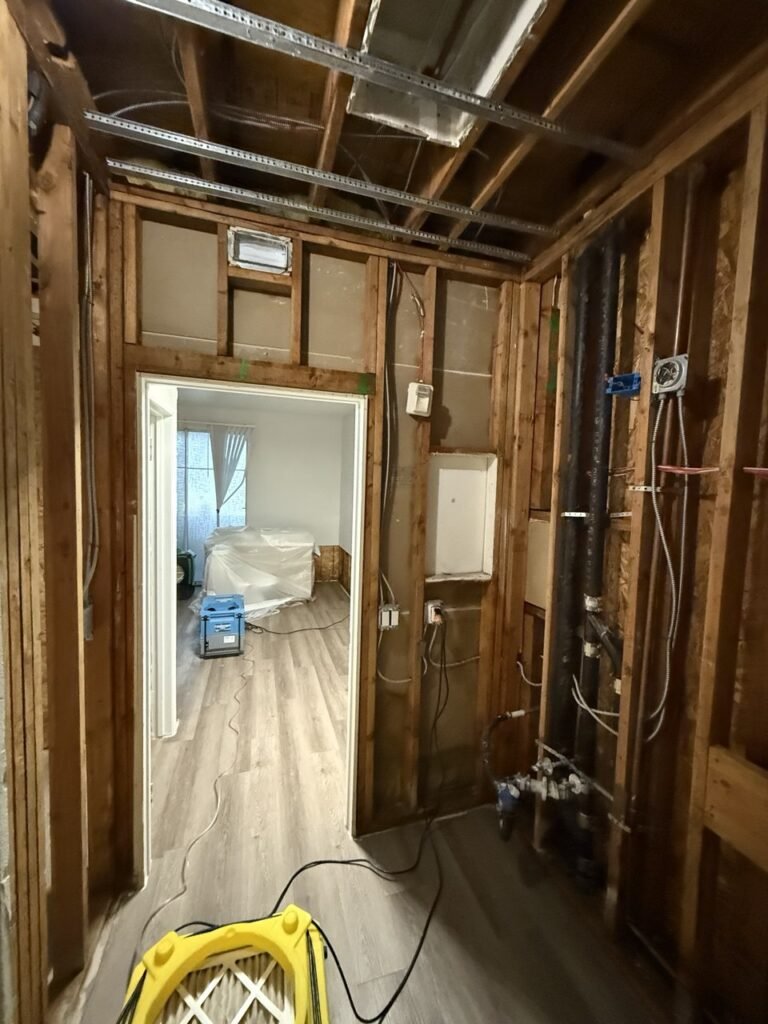
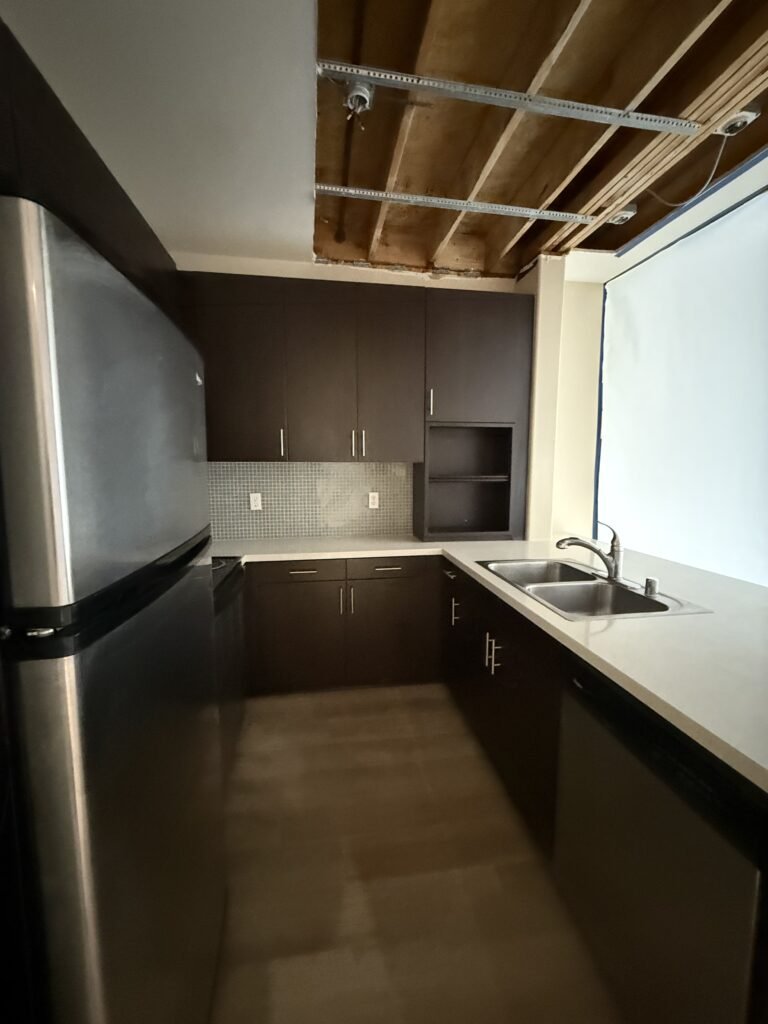
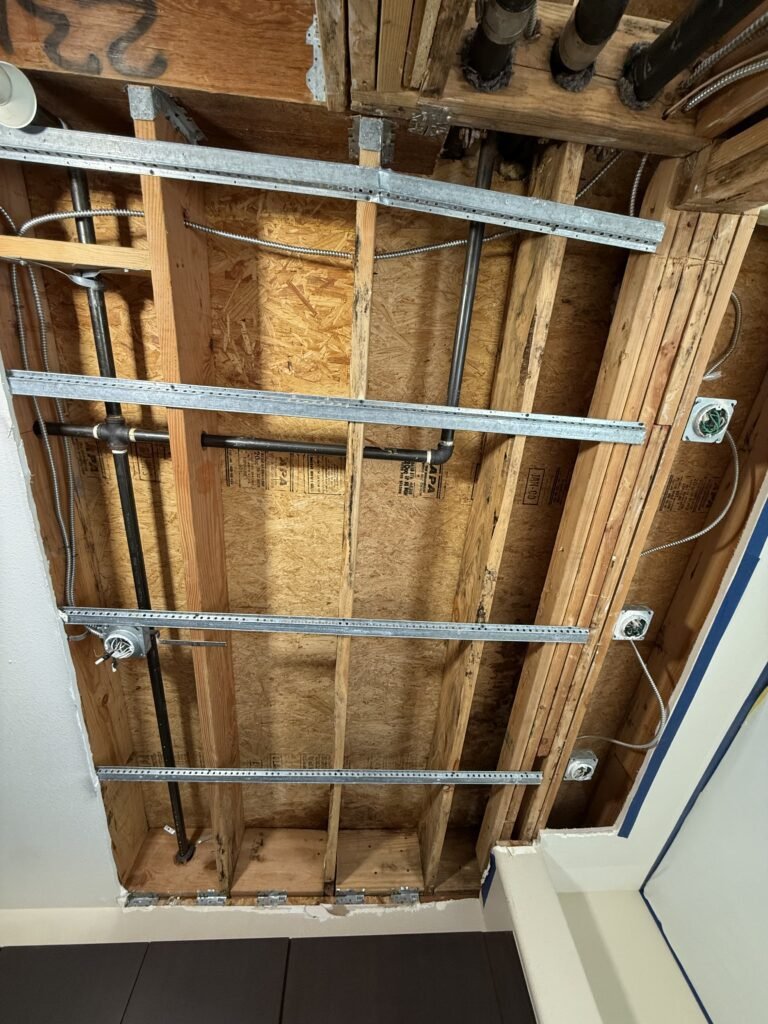
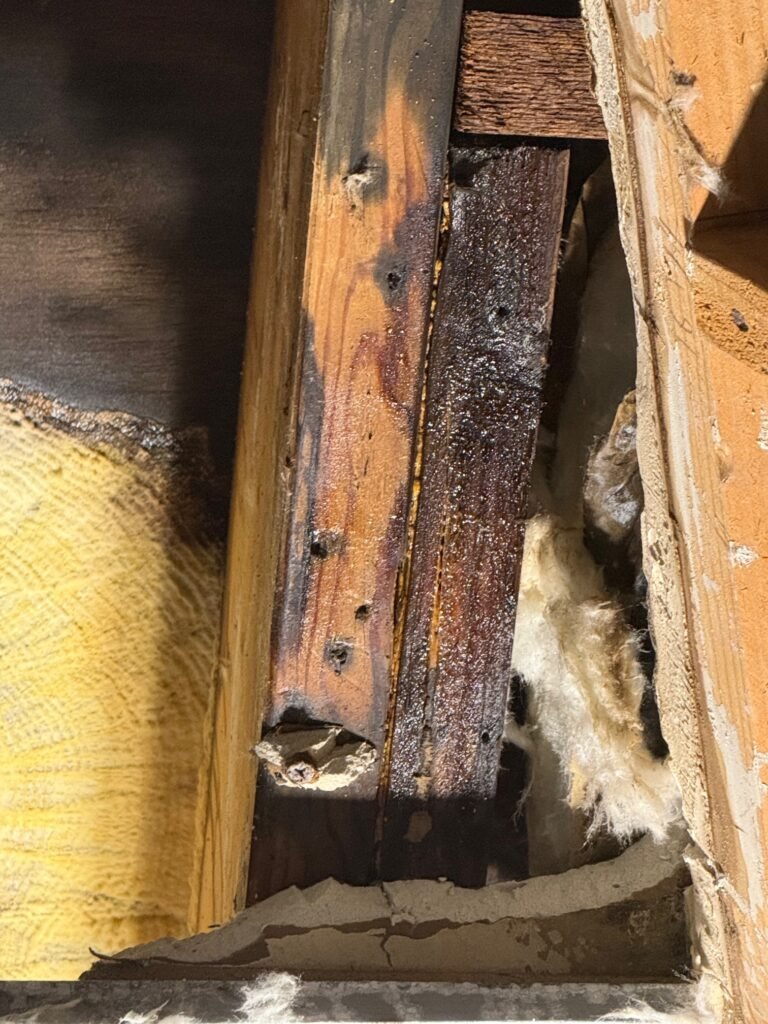
Burst pipes, appliance leaks, and storm damage can flood Woodland Hills homes within minutes. Our team extracts standing water, deploys industrial drying equipment, and sanitizes all affected areas to prevent structural damage and mold growth.
Mold Remediation
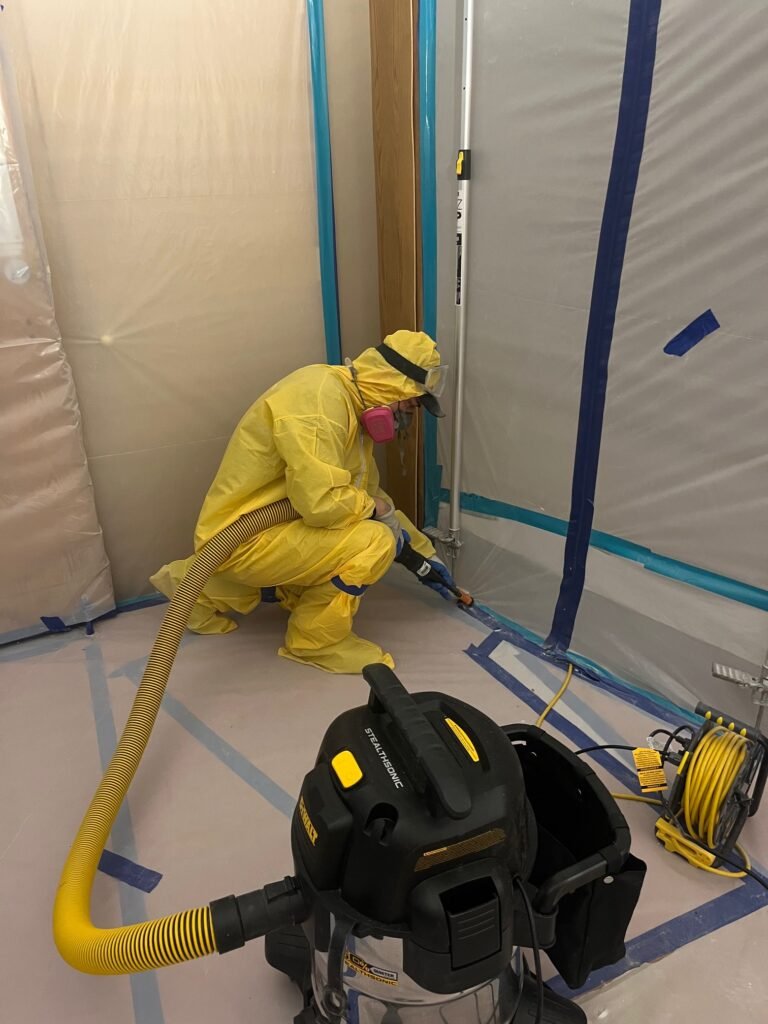
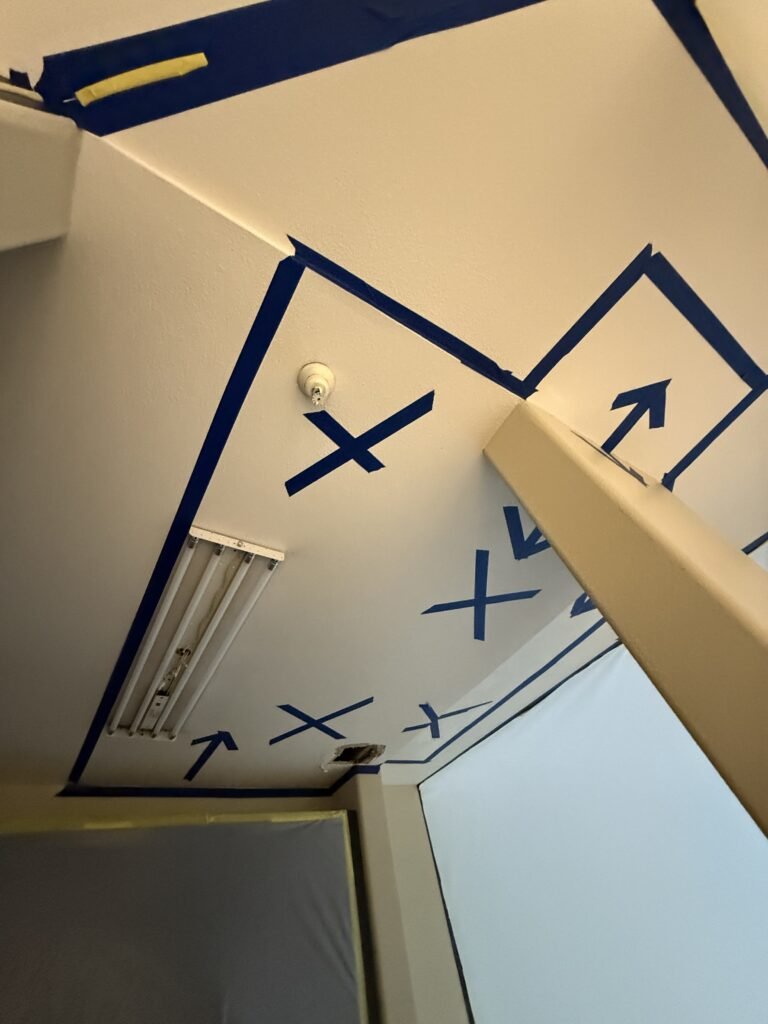
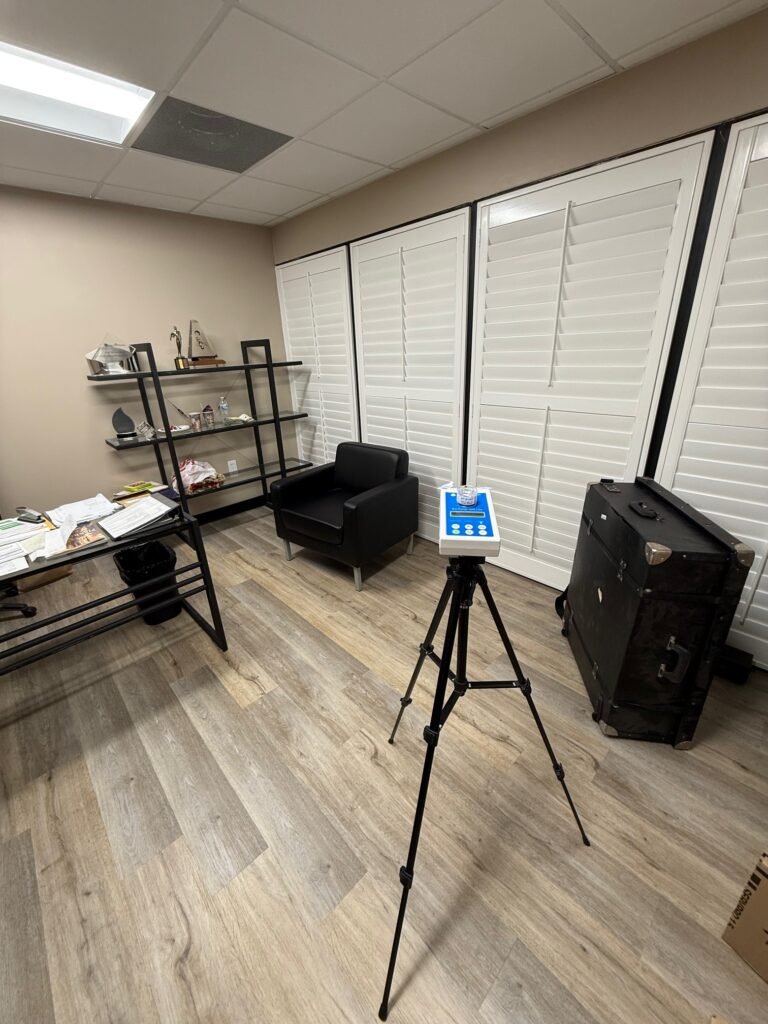
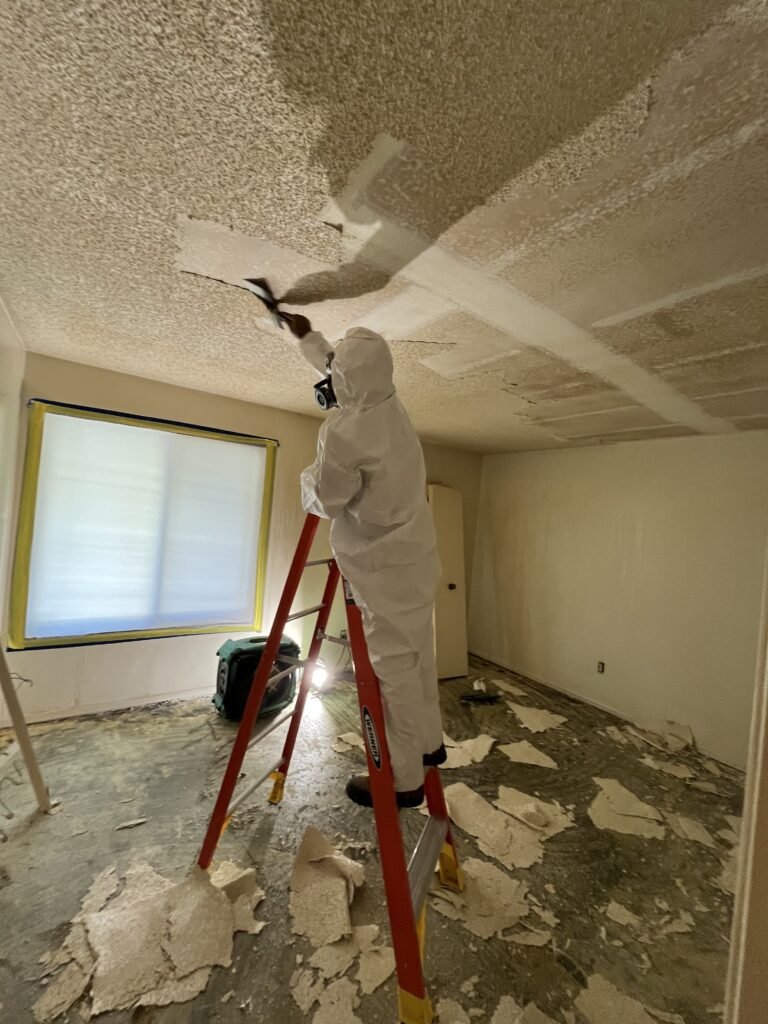
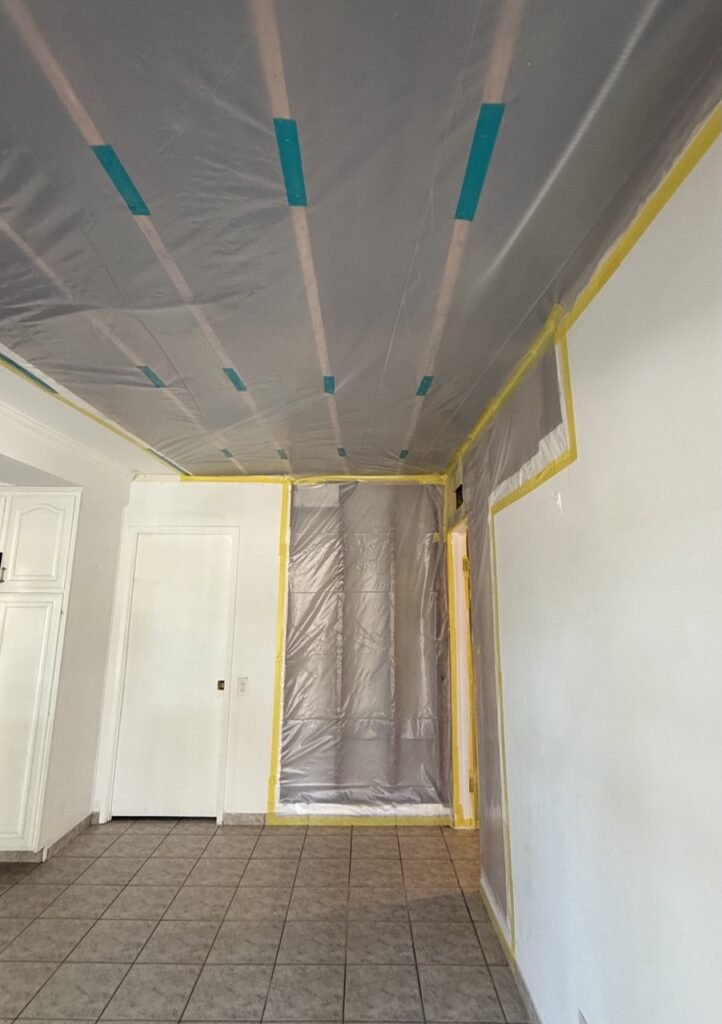
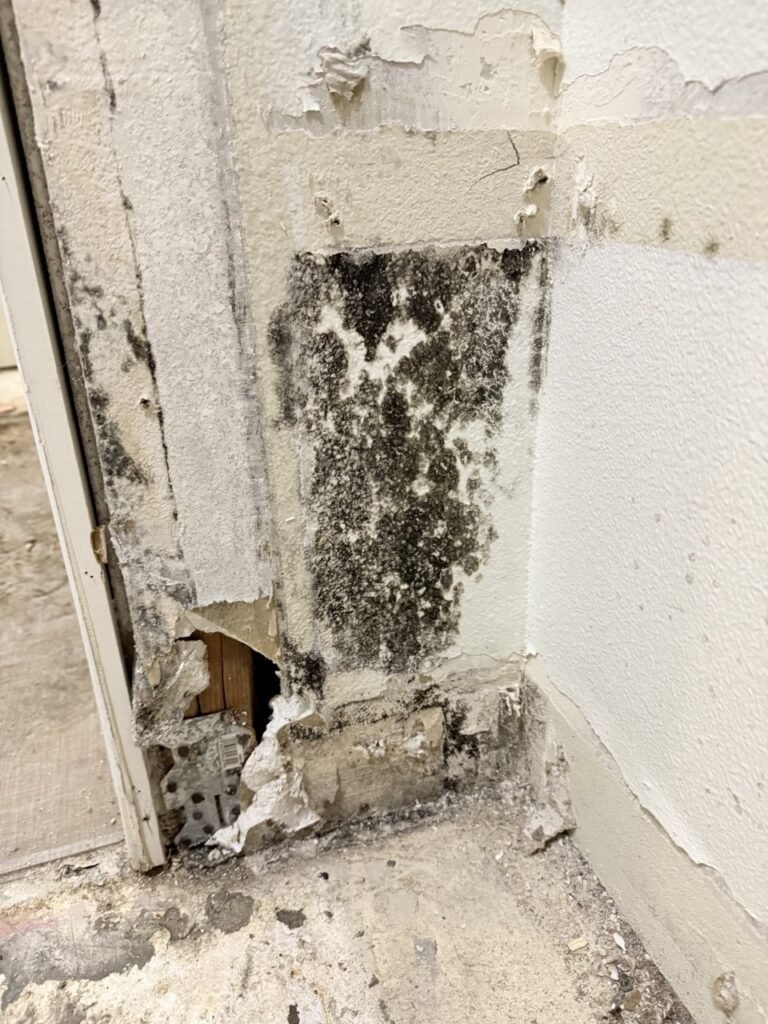
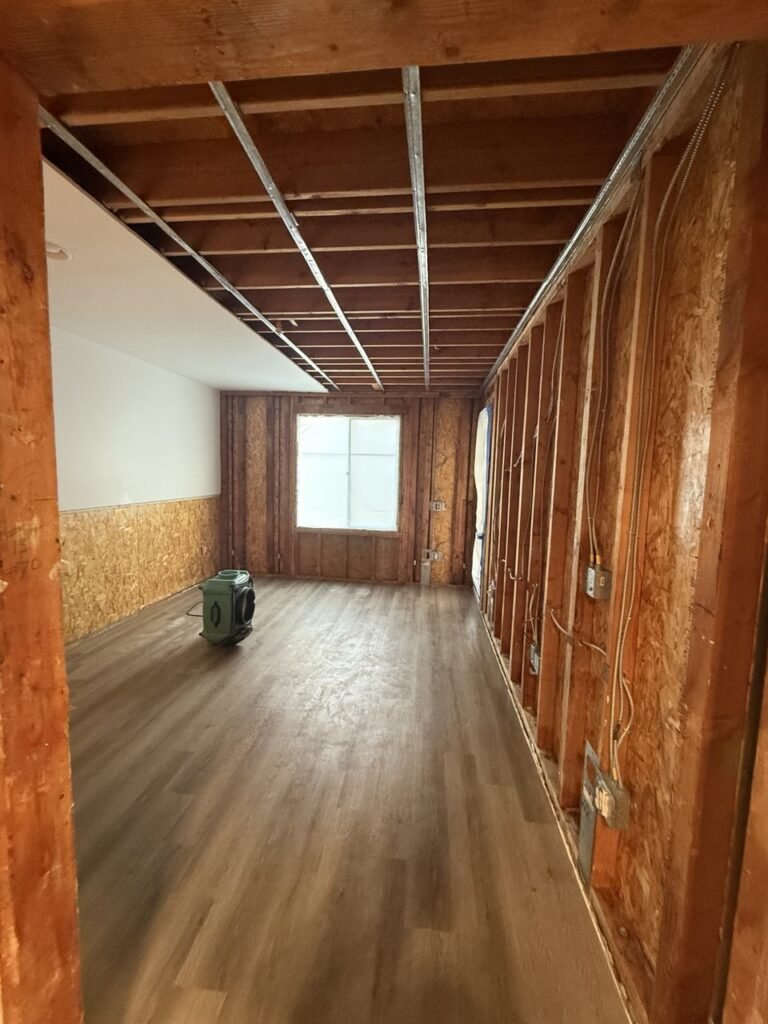
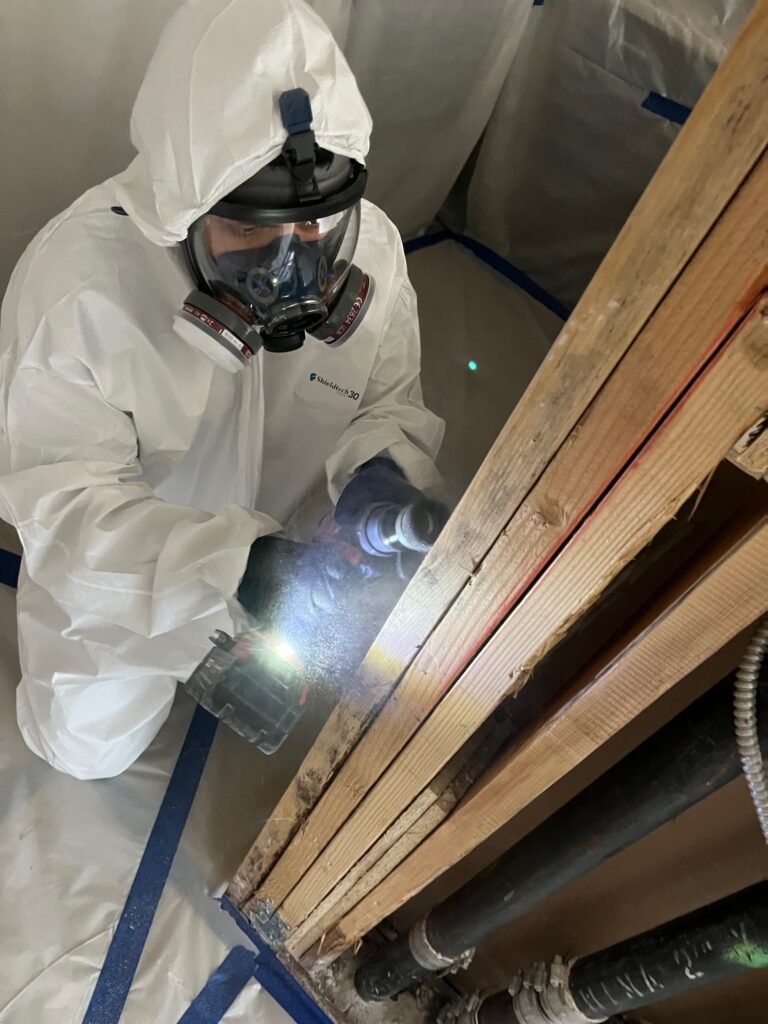
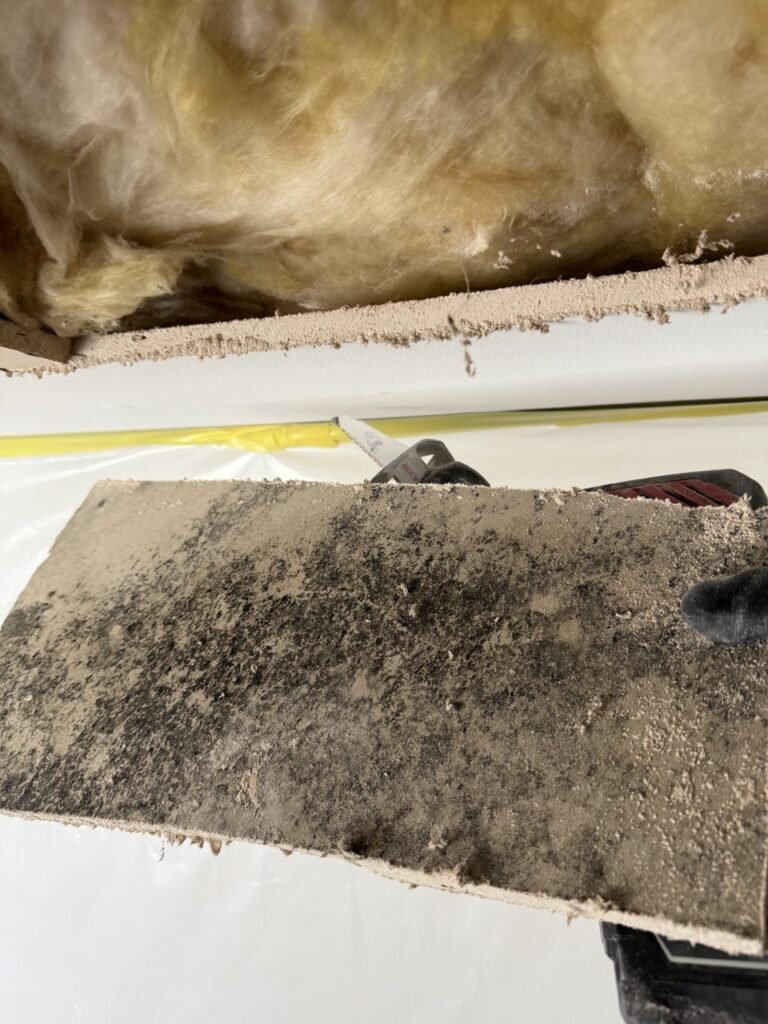
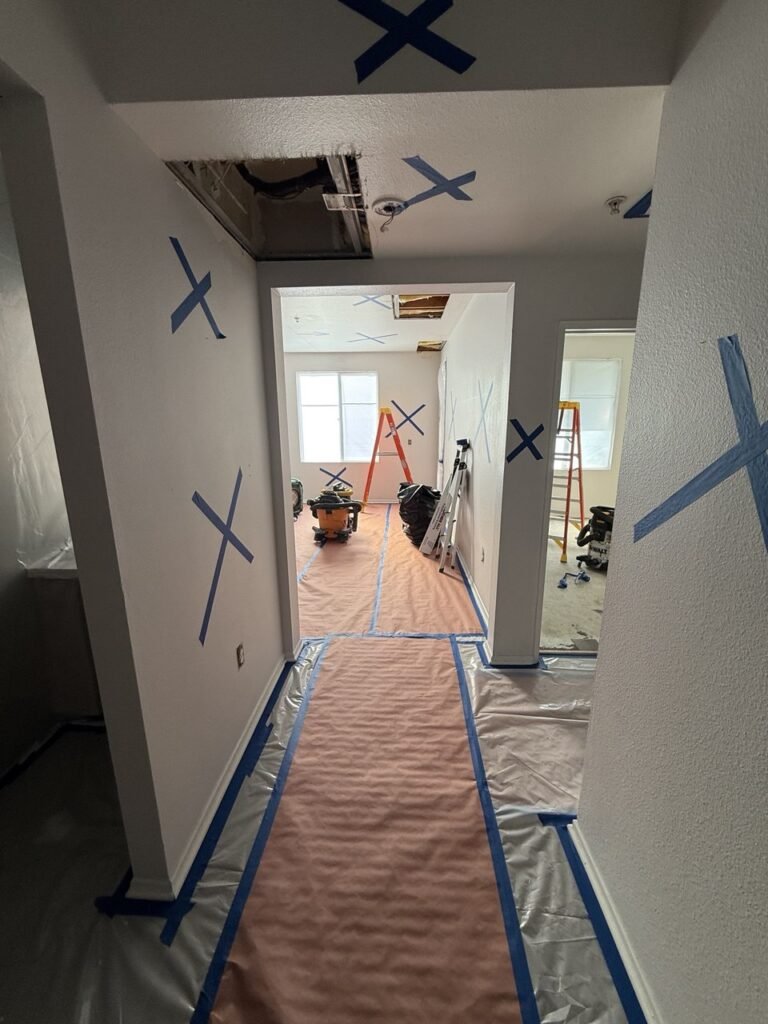
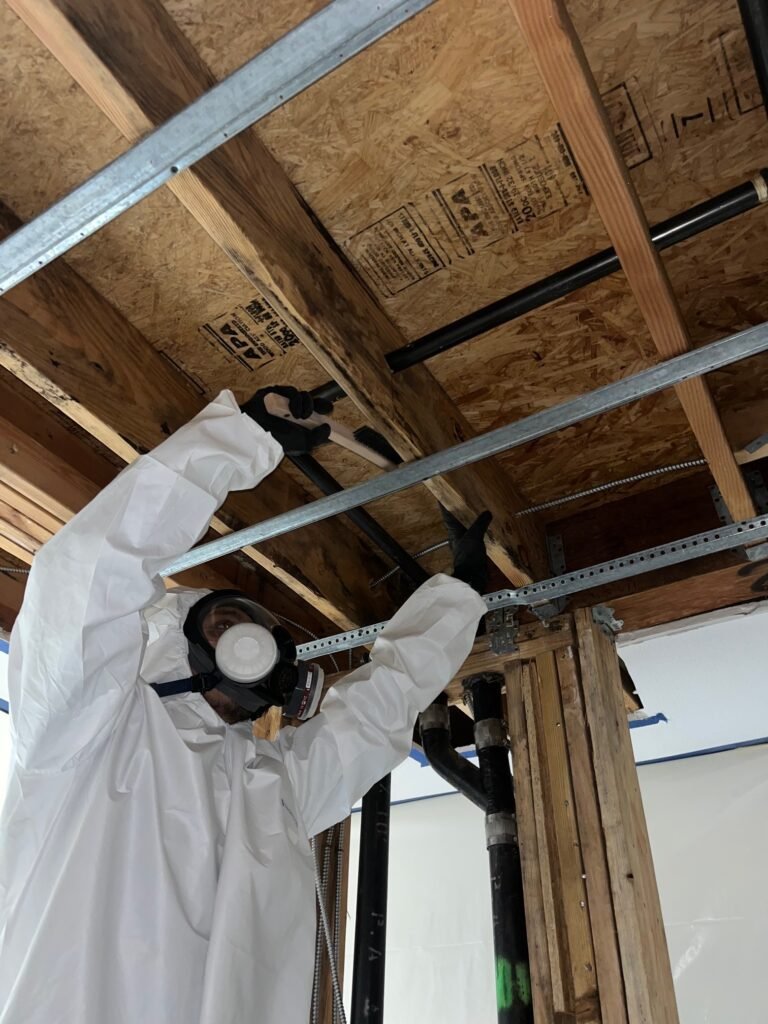
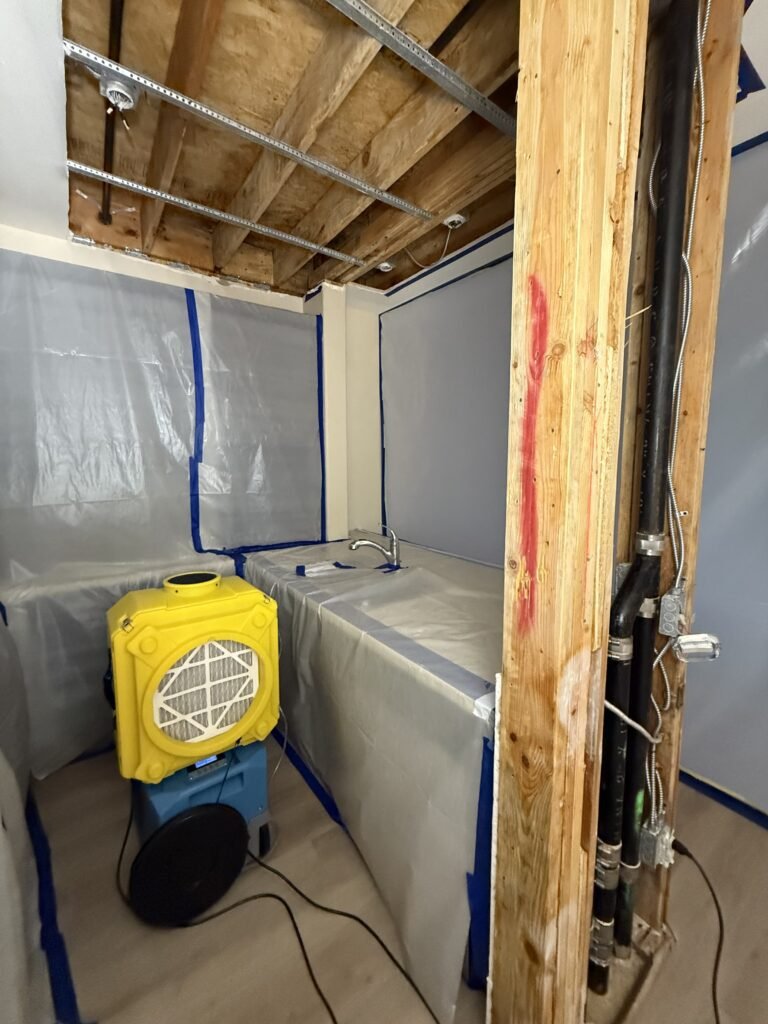
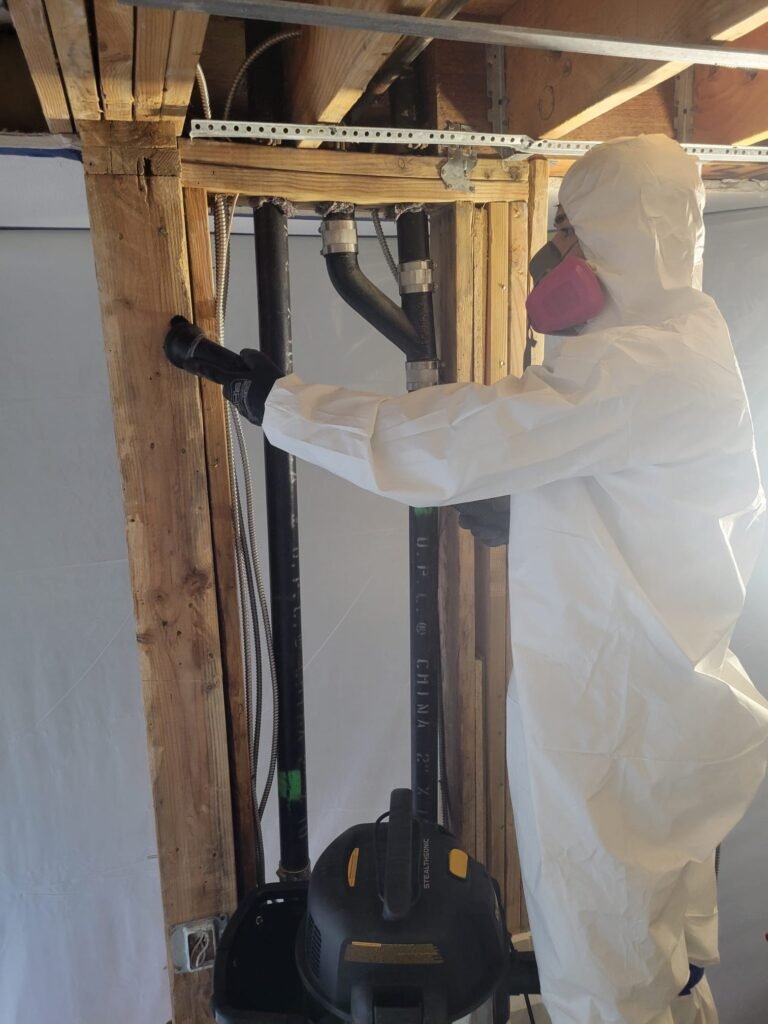
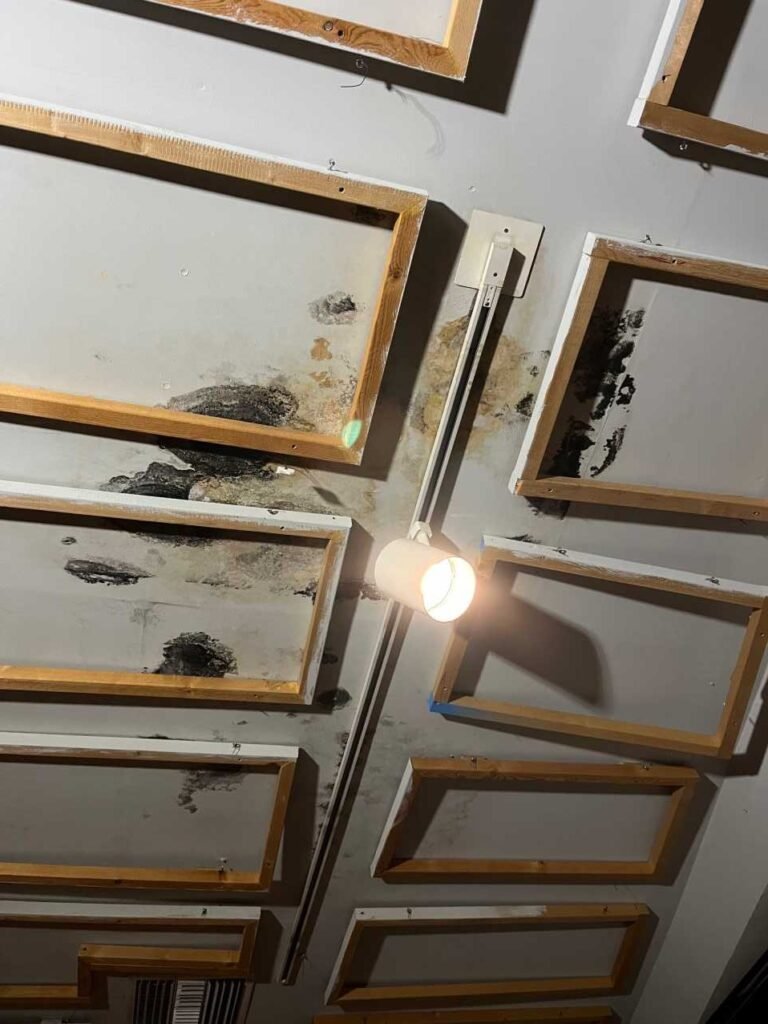
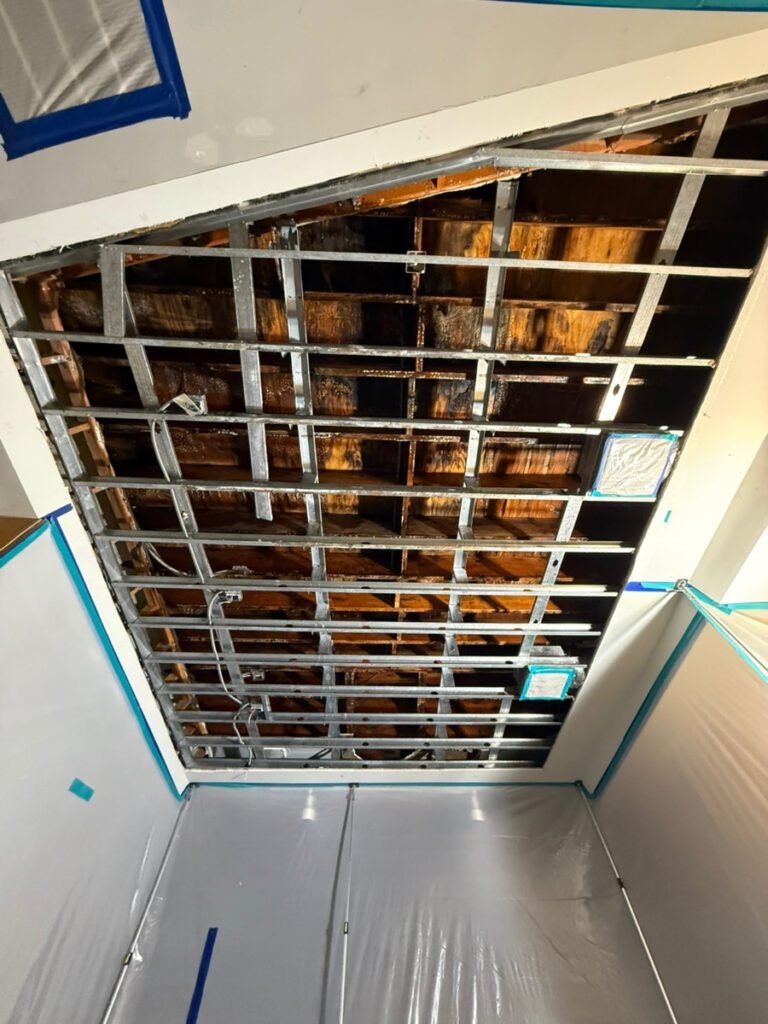
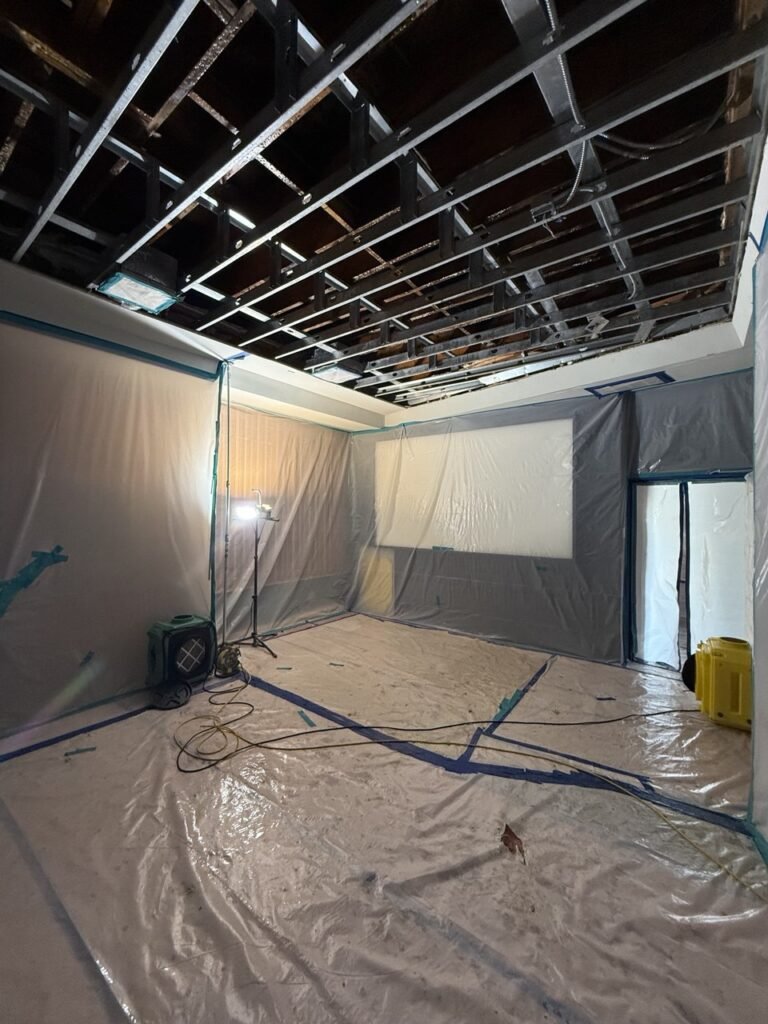
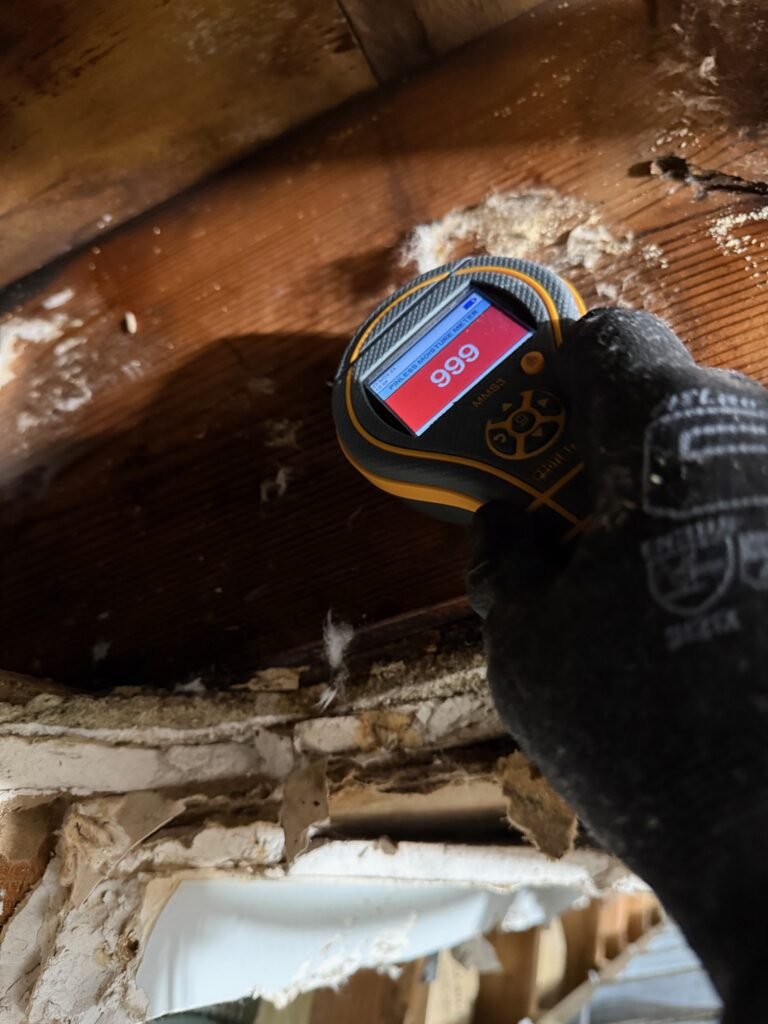
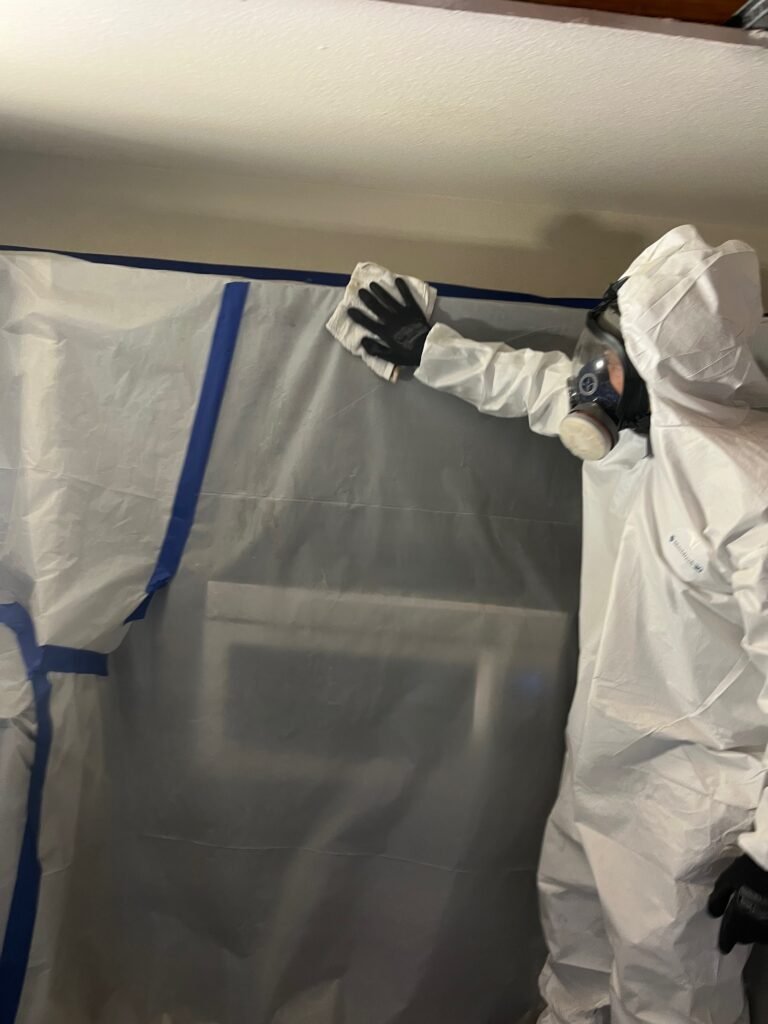
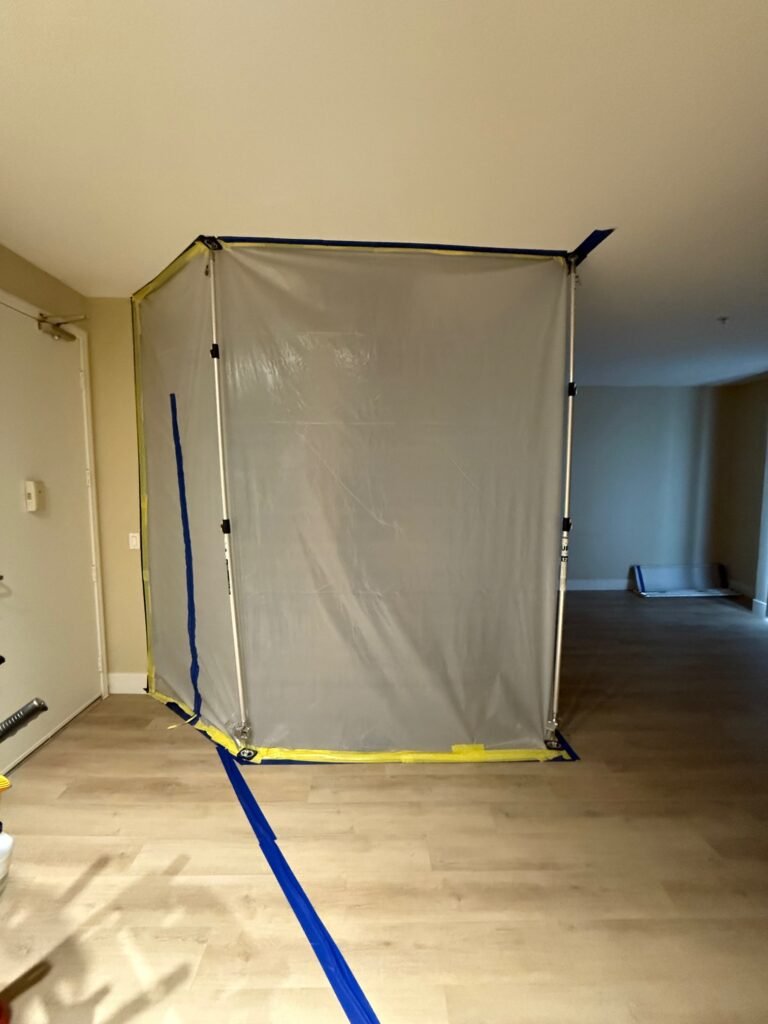
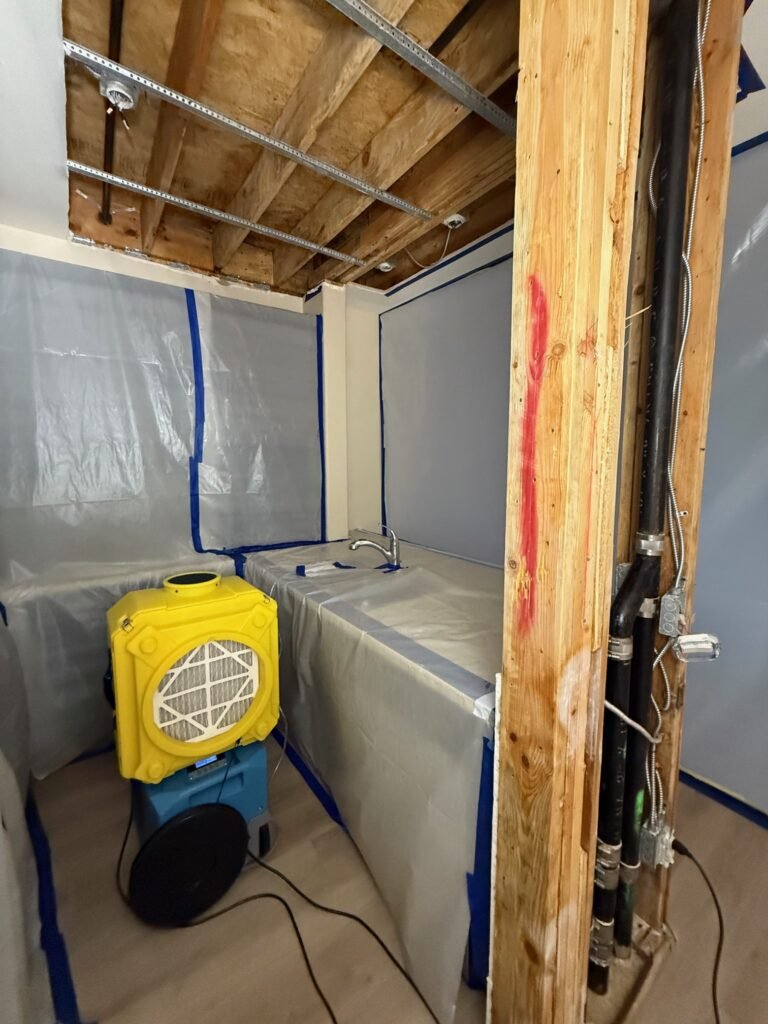
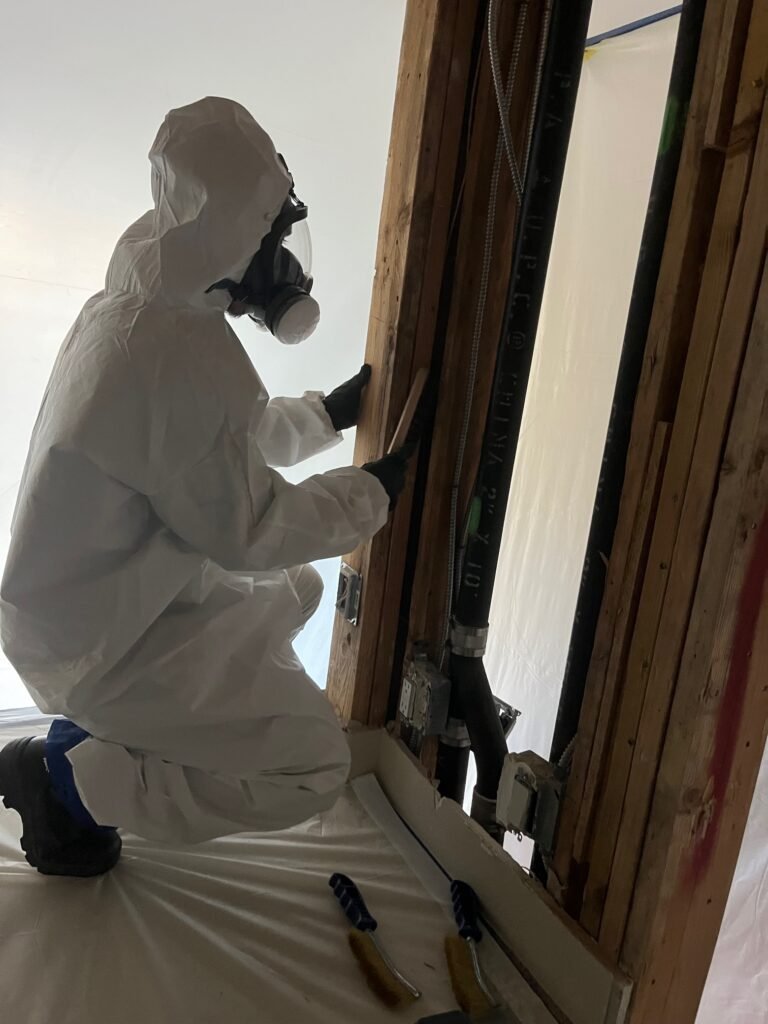
Mold spreads quickly in crawlspaces, attics, and bathrooms if left untreated. We provide free local estimates for mold inspection and certified remediation, using containment and HEPA filtration to remove contamination and protect your property.
Fire Damage Restoration
Smoke, soot, and odor damage often linger long after the flames are out. Our fire restoration specialists handle cleanup, deodorization, and repairs to restore safe living conditions in Woodland Hills homes and businesses.
Sewer Damage Cleanup
Sewer backups and contaminated water pose serious health risks. Our certified technicians use biohazard protocols to extract waste, disinfect surfaces, and return your property to a safe and habitable state.
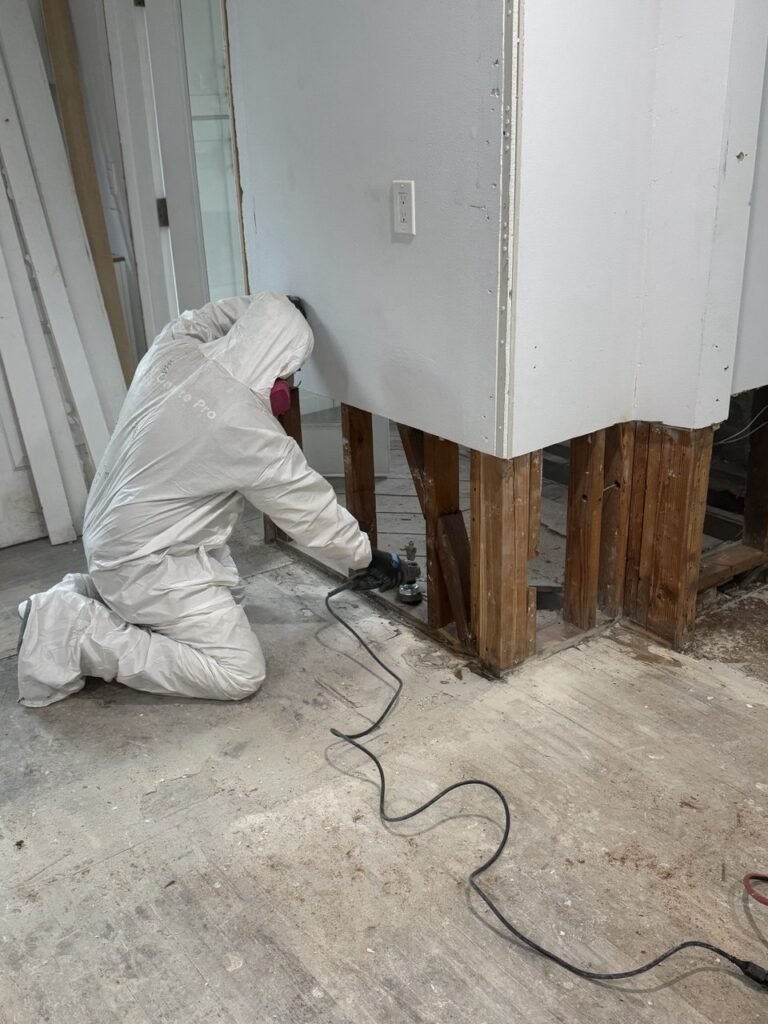
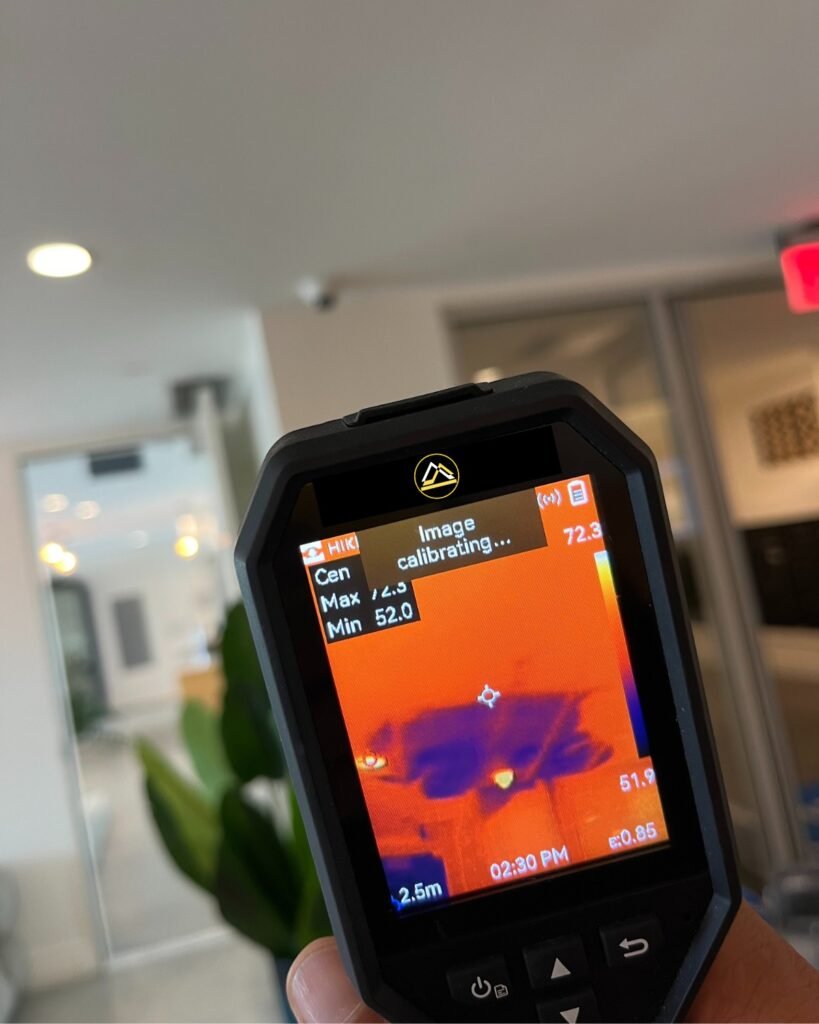
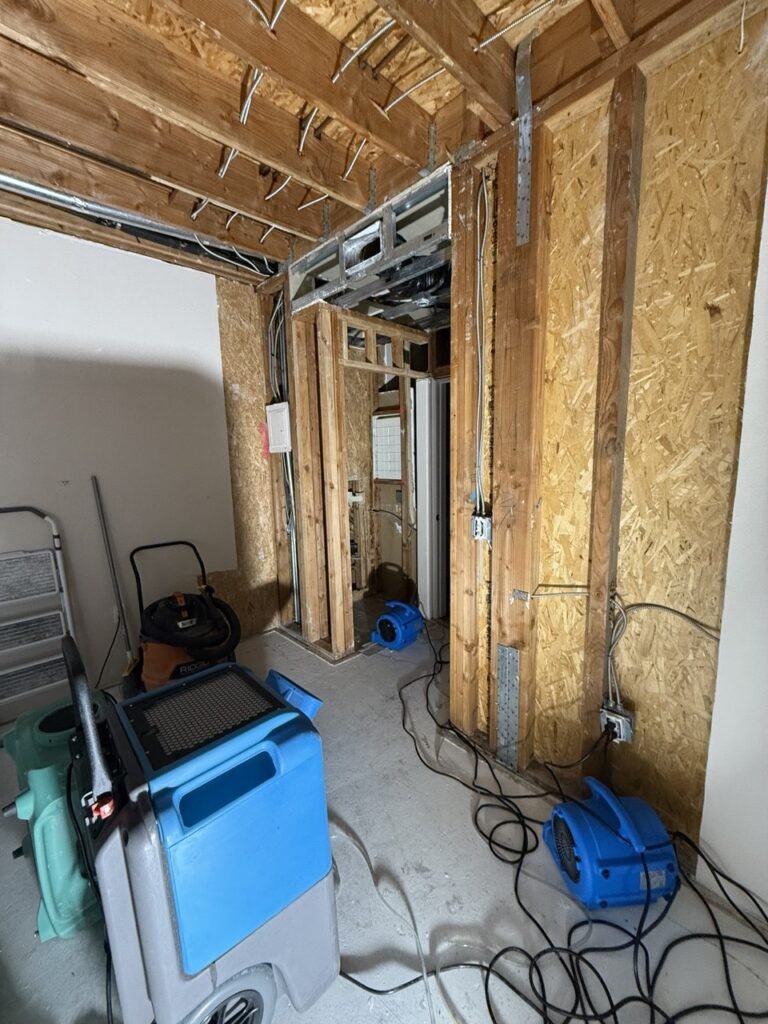
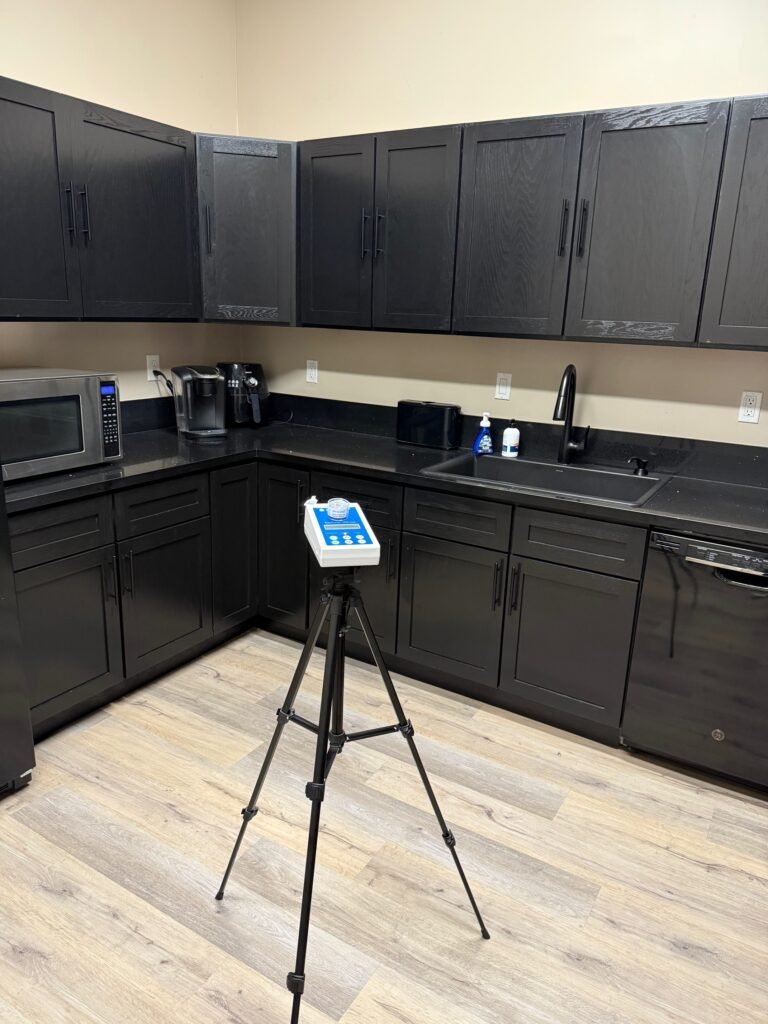
Water Damage Restoration in Woodland Hills — Warner Center, Hillside Homes, and Extreme Valley Heat
Woodland Hills occupies a unique position in the western San Fernando Valley — it’s both the home of Warner Center, one of the largest commercial business districts in LA, and a residential community of hillside estates and mid-century ranch homes that border Topanga Canyon. That combination produces water damage scenarios across two very different scales. In Warner Center’s high-rise office towers and commercial complexes along Oxnard Street and Canoga Avenue, water damage events from plumbing failures, fire suppression discharges, and roof system failures affect large floor plates and can displace multiple tenants — requiring commercial-scale extraction resources and rapid response to minimize business interruption.
In the residential neighborhoods, the extreme heat that makes Woodland Hills consistently one of the hottest locations in the Los Angeles basin — temperatures regularly exceeding 110°F in summer — creates specific water damage risk. Slab foundations in the area’s mid-century construction expand and contract significantly with temperature swings between summer highs and winter lows, stressing the copper and galvanized pipes embedded in or running beneath slabs. Slab leaks are a recurring issue throughout Woodland Hills, and they frequently develop gradually — slowly saturating subfloor framing and baseboards for weeks before a visible sign appears.
Bell Creek, which runs through western Woodland Hills before joining the Arroyo Calabasas, creates stormwater flooding risk for properties along its drainage corridor during major rain events. Properties near Calabasas Road and the Platt Avenue area can experience subsurface water migration during atmospheric river events that overwhelms the creek’s engineered channel capacity. Onsite Pro Restoration responds 24/7 throughout Woodland Hills for both residential and commercial water damage. IICRC-certified. Call (818) 336-1800.
Mold Remediation in Woodland Hills — Post-Woolsey Fire Properties and Extreme Heat HVAC Cycles
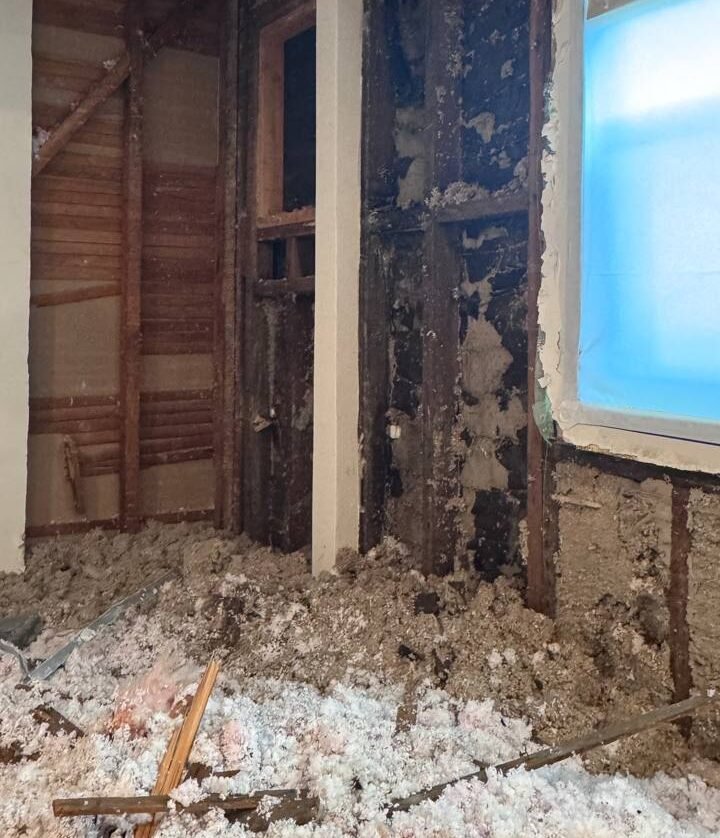
Woodland Hills has a specific mold risk context that distinguishes it from every other city in our service area: the aftermath of the November 2018 Woolsey Fire. The fire burned extensively through the western edge of Woodland Hills and into the adjacent hills, and many properties that sustained partial damage — smoke infiltration, ember scorching, compromised roofing — went through insurance claims and partial remediation that addressed visible damage without fully resolving moisture intrusion points created by the fire event. In the years since, some of those properties have developed hidden mold in attic spaces where fire-damaged roof assemblies were patched rather than fully replaced, and in wall cavities where smoke and fire suppression water infiltrated through compromised exterior assemblies. If your Woodland Hills home sustained any Woolsey Fire damage and you’ve noticed a persistent musty smell or deteriorating wall surfaces since, a professional assessment is warranted even years after the event.
Beyond the Woolsey Fire context, Woodland Hills experiences the same extreme HVAC condensation mold dynamic as other western Valley cities — but at higher intensity given its consistently higher ambient temperatures. Air conditioning systems in Woodland Hills run at maximum capacity for longer stretches than almost anywhere else in the Valley, and condensate drain overflow into wall cavities and ceiling spaces is a primary mold source throughout the area’s residential stock. Hillside homes above Ventura Boulevard — particularly those with room additions and HVAC installations that were added incrementally over decades — often have duct runs and air handler placements in unconditioned attic spaces where the temperature differential between cold supply air and hot attic air generates significant condensation on duct exteriors.
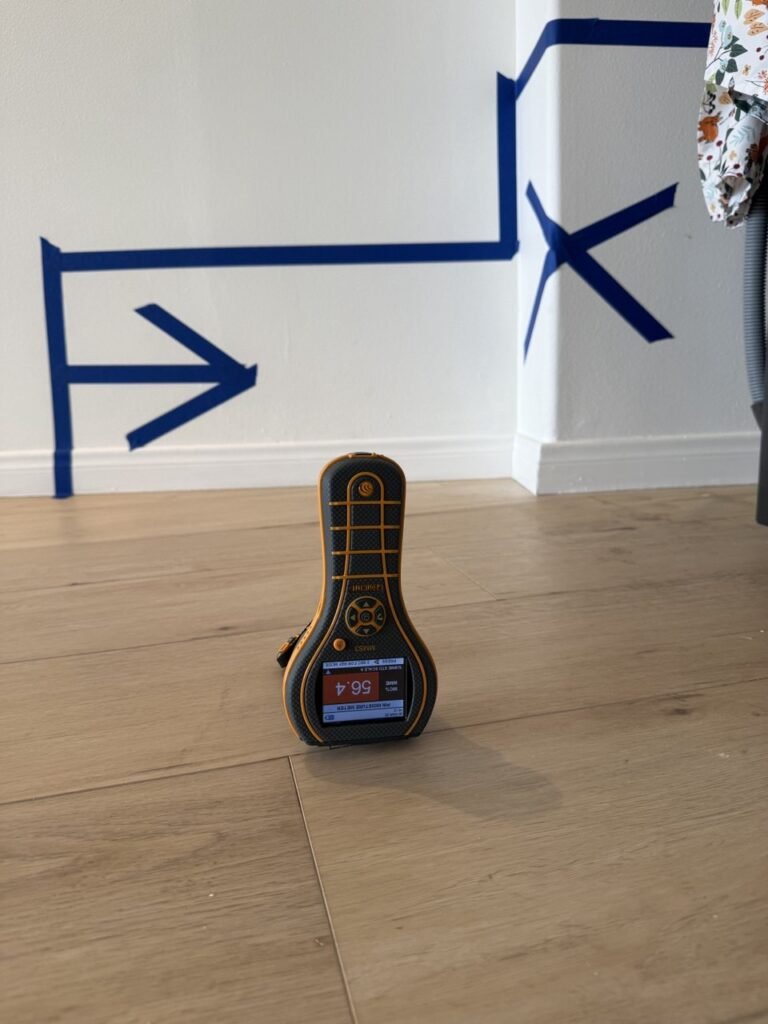
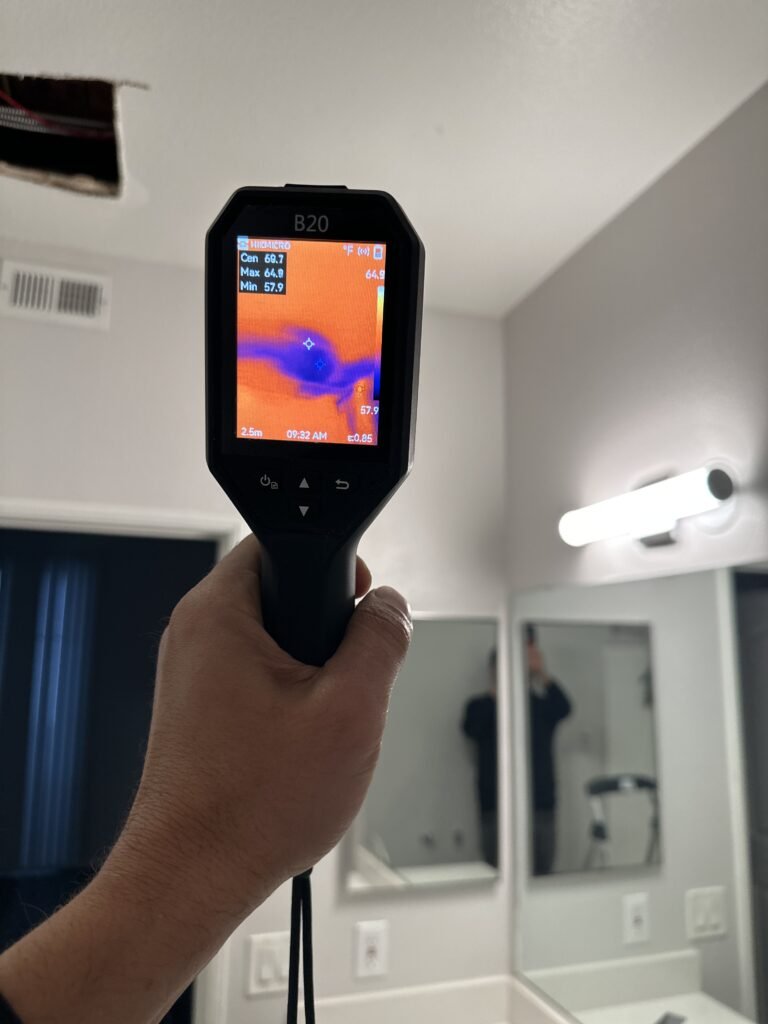
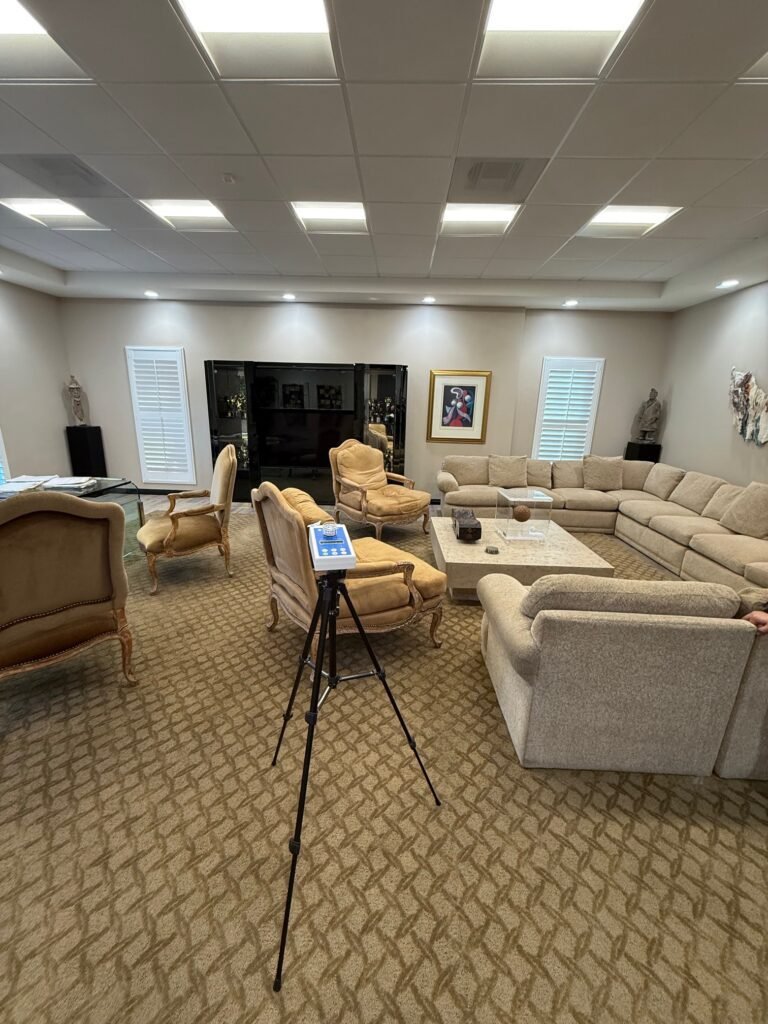
Onsite Pro Restoration provides free mold inspections throughout Woodland Hills including post-fire assessments, HVAC system evaluations, and thermal moisture mapping. IICRC-certified remediation with post-clearance testing and full insurance documentation. Call (818) 336-1800) or schedule online.
Fire and Smoke Damage Restoration on Woodland Hills' Topanga Canyon Brush Interface
Woodland Hills sits directly on the boundary between the suburban San Fernando Valley and Topanga State Park — one of the largest urban state parks in the country and one that carries Very High Fire Hazard Severity Zone designations across most of its perimeter. The hillside streets of Woodland Hills that abut Topanga — including Topanga Canyon Boulevard, Mulholland Drive, and the canyon streets above Valley Circle Boulevard — face direct ember cast exposure during Santa Ana wind events. The Woolsey Fire in November 2018 demonstrated the severity of this risk when it burned from Thousand Oaks through the hills directly above Woodland Hills and into Malibu, destroying hundreds of homes and requiring evacuation of large portions of the city.
Even for properties that survived the Woolsey Fire and future fire events, smoke exposure is significant and widespread. Wildfire smoke from a fire burning in Topanga or the adjacent hills can saturate Woodland Hills properties for days, and standard home air filtration is not adequate to protect interior surfaces and HVAC systems from ultrafine wildfire particulates. Properties with HVAC systems running during a smoke event are particularly susceptible — smoke infiltrates through the outdoor air intake and distributes through every duct in the system, requiring full duct cleaning before air quality returns to normal.
Warner Center’s commercial district carries its own fire risk profile: electrical fires in high-load commercial spaces, kitchen fires in the Promenade’s restaurant tenants, and fire suppression system discharges that create combined fire-and-water damage events. Onsite Pro Restoration handles the full spectrum of fire and smoke restoration throughout Woodland Hills — residential wildfire aftermath, commercial building events, and post-event air quality remediation — with complete documentation for insurance claims. Call (818) 336-1800) 24/7.
How We Do the Job
Call Us Anytime
Our Woodland Hills team is available 24/7 for water, fire, mold, and sewer emergencies. Call and we’ll dispatch help immediately.
Free Inspection & Estimate
We provide a no-cost on-site inspection and outline a clear restoration plan with upfront pricing.
Work Authorization & Setup
Once approved, we establish containment, set up safety measures, and begin the cleanup process.
Fast, Reliable Restoration
Our certified specialists restore safe conditions quickly, using professional equipment and proven methods.
Why Choose Onsite Pro in Woodland Hills?
24/7 Emergency Availability
Certified IICRC Restoration Specialists
Free Inspections & Transparent Estimates
Full-Service Cleanup and Repairs
Trusted by Woodland Hills Homeowners and Businesses
What Our Woodland Hills Customers Say
Our reputation is built on trust, reliability, and results. Homeowners and businesses in Woodland Hills count on Onsite Pro Restoration for fast response, professional service, and lasting results after water, fire, mold, or sewer damage.