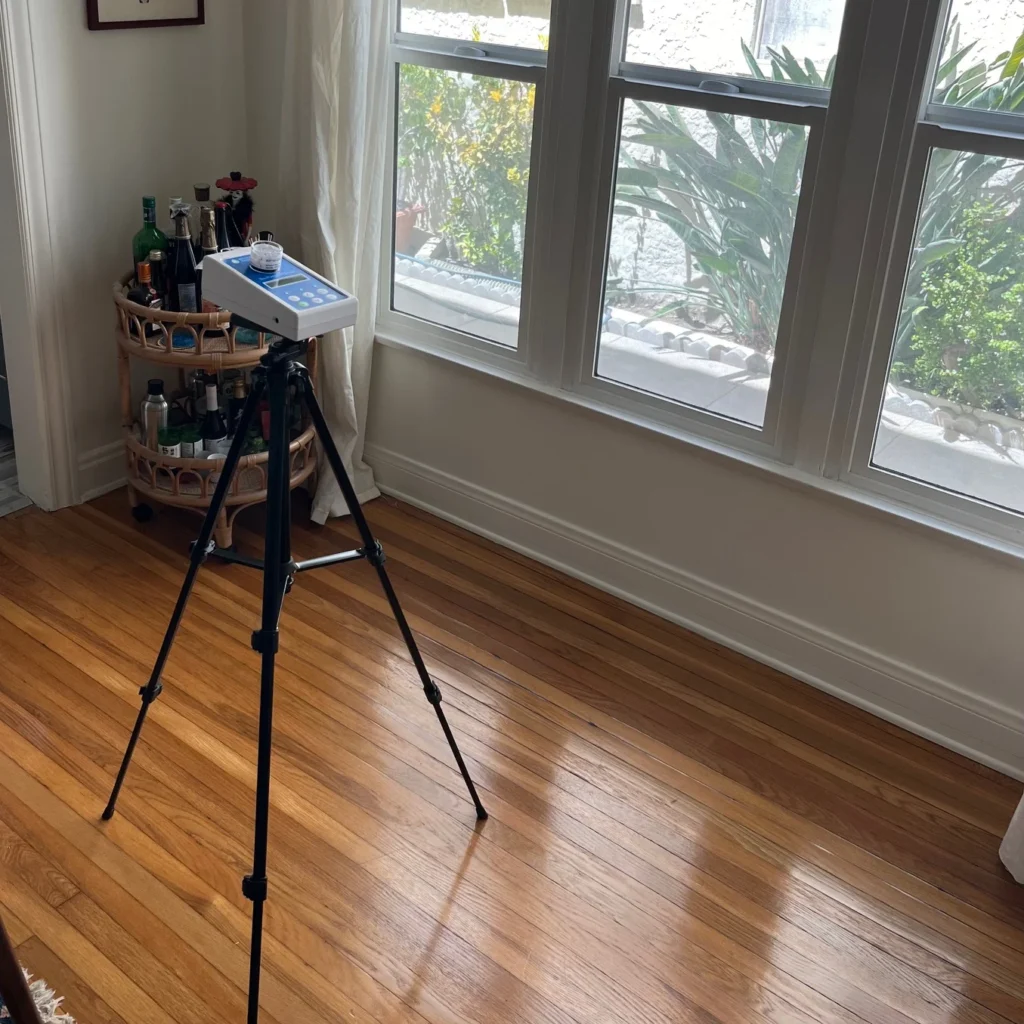
Air quality monitoring devices are tools that measure common airborne pollutants inside your home, giving you real-time data to understand and improve the air you breathe. They've become much more common as the broader air quality monitoring equipment market reached USD 4,930.0 million in 2024 and is projected to reach USD 7,297.5 million by 2030, with a projected 6.9% CAGR from 2025 to 2030 according to Grand View Research's air quality monitoring equipment market report.
If you live in Los Angeles, that shift makes sense. Homeowners in Sherman Oaks worry about a musty smell in an older house. Families in Burbank and Glendale watch smoke drift in during fire season and wonder whether the air inside is safer than the air outside. Sometimes the problem is obvious. Often it isn't.
That's where air quality monitoring devices help. They turn an invisible problem into something you can track. For a homeowner, that matters for comfort, health, and property protection. If humidity stays high, materials inside the home can hold moisture longer than they should. If particles spike after a wildfire event, you may need more than open windows and wishful thinking.
A monitor won't solve every indoor air problem. It will, however, help you stop guessing. If you're already dealing with stale or persistent odor issues, this guide on how to get rid of musty smell is a good companion to what your monitor is telling you.
Your First Look at Indoor Air Quality
Many homeowners buy a monitor after something feels off. Maybe the house smells dusty every morning. Maybe a child's room feels stuffy by bedtime. Maybe the air seems normal until the HVAC kicks on, then everyone notices a burnt or musty note.
That first look matters because indoor air problems rarely come from one source. In Los Angeles homes, I often think in layers. Outdoor smoke can drift indoors. Older construction can hide moisture behind walls. Traffic pollution can enter through leaky windows and doors. Cleaning products, cooking, and poor ventilation can add their own load.
Why real-time data changes the conversation
Modern air monitors are useful because they give you direct-reading information instead of making you wait for a lab result to confirm that something changed. You can see whether air gets worse during cooking, after opening windows, or when a bathroom stays humid too long.
That practical shift is the same reason these tools moved beyond industrial settings. What used to feel like specialty equipment is now part of normal home health decision-making.
A homeowner usually doesn't need more data. They need the right data at the right moment, when the smell appears, when the smoke rolls in, or when a room always feels damp.
What a monitor can do for an LA homeowner
A good home monitor helps answer questions like these:
- Is this a smoke event or a ventilation problem? Smoke often shows up as a particle rise. Poor ventilation often shows up in CO2 and humidity patterns.
- Is one room worse than the rest of the house? That can point to duct issues, leaks, or localized contamination.
- Did the problem improve after a fix? A monitor is excellent for checking trends after filtration, cleaning, or drying work.
What it can't do is diagnose mold by itself, certify a home as safe for a legal dispute, or replace proper remediation after fire, water, or microbial contamination. That distinction matters, especially in older LA housing stock where hidden conditions are common.
What Key Sensors Measure in Your Home

Home air monitors do not all watch the same hazards. That is the first thing I want LA homeowners to understand before they buy one. A unit built mainly for wildfire smoke may be useful during a Santa Ana event, but it may miss the ventilation or moisture pattern that points to a bigger issue in an older home.
According to Geotech's overview of air quality instruments, direct-reading instruments give results at the time of sampling. In a house, that matters because the practical question is usually simple. Did the air get worse from smoke intrusion, cooking, poor ventilation, damp materials, or a combustion problem?
Particulate sensors and what they tell you
A particulate sensor measures airborne particles, often shown as PM2.5. For Southern California homes, this is one of the most useful readings because it tracks the type of fine particle load that rises during wildfire smoke events, heavy outdoor pollution, indoor burning, candle use, and some cleaning activities.
That reading still needs context.
If PM2.5 rises across the whole house when outdoor conditions worsen, outside air is likely getting in through doors, windows, attic bypasses, or a duct system. If it spikes only in the kitchen, the source may be cooking. If a bedroom stays high after the rest of the house clears, I start thinking about poor airflow, a dirty return path, or settled contamination in soft contents.
Many devices also sort particles by size, but homeowners should treat that as directional information. It helps confirm an event. It does not identify mold species, prove soot contamination, or tell you whether the source is safe to leave alone.
CO2, humidity, and the patterns that explain the numbers
CO2 sensors are useful for judging ventilation. High indoor CO2 usually means the home is not exchanging enough air for the number of people inside, especially in newer sealed buildings or older homes that have had piecemeal upgrades without balanced ventilation.
Humidity sensors answer a different question. They help show whether the house is spending too much time in a damp range that supports musty conditions, condensation, and slow drying inside walls, cabinets, or crawlspace-connected areas. In Los Angeles, I pay close attention to humidity trends in bathrooms, laundry areas, and rooms near slab leaks or previous water losses. If you are already checking wet materials, this guide on how to read moisture meter readings helps connect building moisture findings to what your air monitor is showing.
The useful part is the combination. High PM2.5 points toward particles. High CO2 points toward weak ventilation. High humidity with odor complaints can justify a closer inspection for hidden moisture, especially in older LA housing where cosmetic repairs often cover a longer history.
VOC sensors and why they confuse homeowners
Many consumer monitors also include a VOC or TVOC sensor. These sensors react to a broad mix of airborne chemicals from paint, cleaning products, new furniture, flooring adhesives, and personal care products. They can also rise from smoke residue and some off-gassing after restoration work.
VOC readings are helpful for spotting a change, but they are not a chemical lab report. A monitor can show that something volatile is present or increasing. It cannot tell you which chemical is in the air, whether it exceeds an occupational or medical threshold, or whether the source is hidden behind drywall.
That gap matters. If a house has a persistent chemical odor after a fire, remodel, or water loss, a consumer VOC number can support the decision to investigate further. It cannot replace professional sampling when liability, health complaints, or source identification are on the table.
Carbon monoxide and combustion safety
A monitor that includes carbon monoxide adds a different layer of protection around attached garages, furnaces, water heaters, fireplaces, and portable generators. For a plain-language overview of warning signs and household safety steps, read Preventing carbon monoxide exposure.
For most homeowners, the best all-around setup is a device that tracks PM2.5, CO2, humidity, and temperature, with carbon monoxide protection handled by proper dedicated alarms where needed. That combination gives a useful picture of day-to-day air conditions. It still does not answer every serious question. Hidden mold, smoke residue inside cavities, and combustion defects often need field inspection, targeted testing, and corrective work instead of another app notification.
How to Interpret Your Air Quality Readings
A reading only becomes useful when you compare it to what was happening in the house at that moment. In LA, I tell homeowners to start with a simple question. Was this spike tied to cooking, a smoky day, a closed-up bedroom, a cleaning product, or something that should not be happening at all?
The next step is to look for patterns over hours and days, not just one alert on your phone. Consumer monitors are good at showing change. They are not proof of the exact source, and they do not settle questions about hidden mold, wildfire residue inside wall cavities, or whether an older home has a ventilation problem that needs correction.
Common indoor air quality thresholds
The table below works best as a practical homeowner framework. Device screens and scoring systems vary, so use these categories to guide decisions inside the home, not as a legal, industrial, or medical standard.
| Pollutant | Good | Moderate | Unhealthy for Sensitive Groups | Unhealthy |
|---|---|---|---|---|
| PM2.5 | Low reading relative to your normal baseline | Elevated above your usual indoor trend | Sustained elevated trend, especially with symptoms or visible smoke intrusion | High and persistent reading that doesn't improve with filtration and isolation |
| VOCs | Stable and low relative to normal occupancy | Temporary rise during cleaning, painting, or new furniture off-gassing | Ongoing elevated pattern with odor, irritation, or moisture concerns | Persistent elevated pattern with symptoms and no obvious short-term source |
| CO2 | Fresh-feeling air and stable occupancy pattern | Noticeable rise when bedrooms or living areas stay closed | Rooms feel stuffy and readings remain elevated during normal occupancy | Persistent ventilation problem that doesn't resolve with airflow changes |
For homeowners who want another plain-language reference point, this practical indoor air quality guide can help you compare what your device reports with common indoor air concerns.
Patterns that matter more than the number itself
Three patterns deserve close attention.
A sharp PM2.5 increase usually has an identifiable trigger. Cooking, candles, vacuuming, open windows during a wildfire event, or dust stirred up during repairs are common examples. In a house with decent filtration and closed windows, that reading should come back down. If it stays high, particles may be cycling through the HVAC system, trapped in contents, or entering from outdoors faster than the house can filter them.
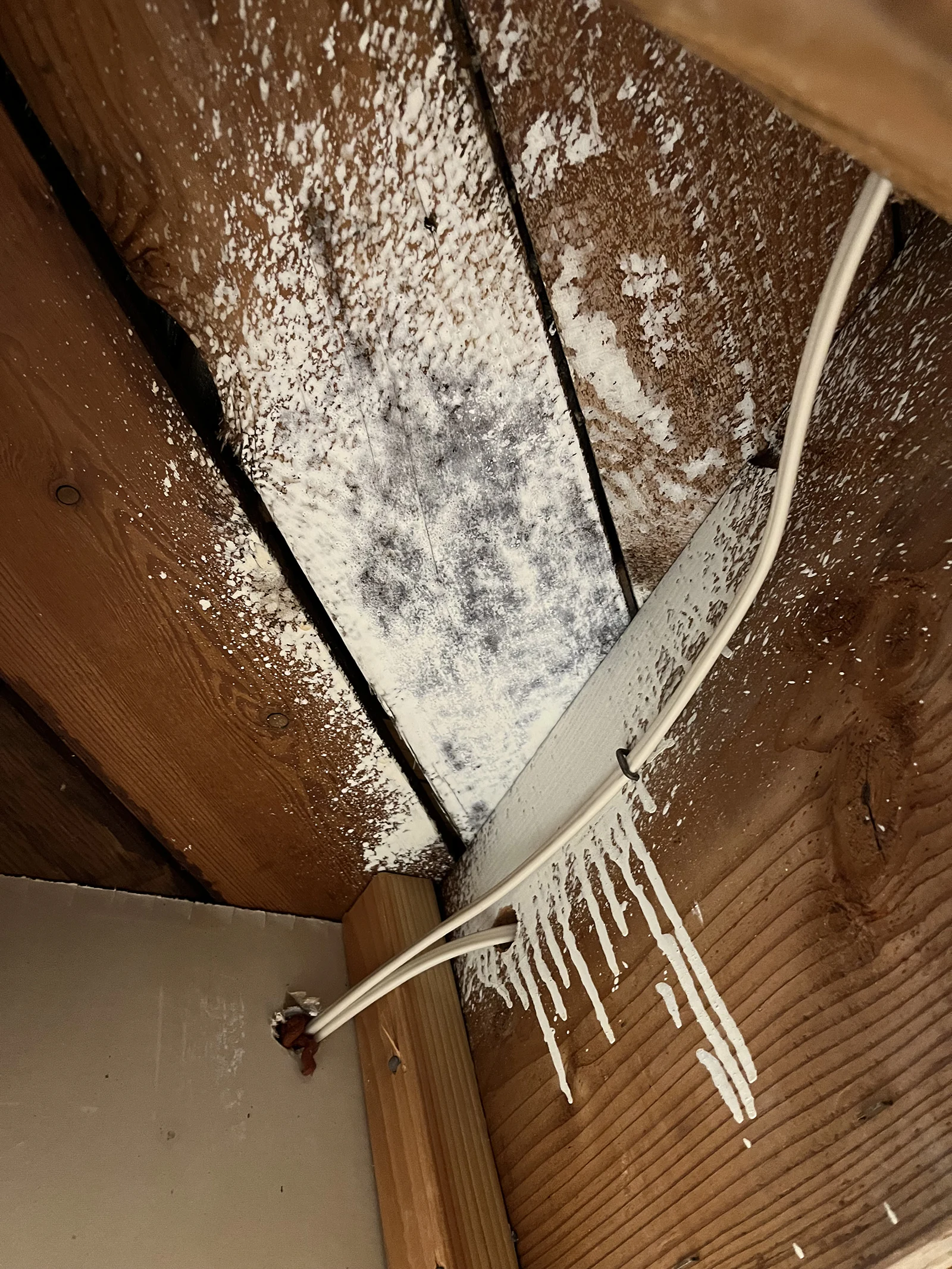
A steady rise in humidity with a musty smell concerns me more than many short particle spikes. That combination often points to wet materials, poor bathroom exhaust, a slow leak, or an older LA property where airflow and moisture control were never updated. A monitor can flag the condition. It cannot tell you whether mold is active behind baseboards, under flooring, or inside a wall cavity.
High CO2 with normal particle levels points in a different direction. The issue is usually stale air and limited ventilation, not smoke or dust. Bedrooms in older homes often show this pattern overnight, especially when windows stay shut for outdoor noise, heat, or wildfire smoke.
Context matters.
If your readings worsen on smoky days but improve after sealing windows and running filtration, the device is doing its job. If the numbers stay off even after reasonable steps, or they line up with odor, staining, past leaks, or occupant symptoms, the gap between a consumer monitor and a real diagnosis becomes important. That is the point where mold testing and removal or a broader indoor environmental inspection makes more sense than watching the app refresh.
A monitor does not diagnose mold or certify that a home is safe. It helps you spot patterns that justify the next step. In serious smoke, moisture, or contamination cases, that next step is professional testing and corrective work.
Proper Placement and Maintenance for Accurate Data
The impact of placement on readings is often underestimated. Put the monitor in the wrong spot and you'll end up measuring a draft, a vent blast, or the edge of a cooking plume instead of the air you breathe.

Where to place it room by room
In a bedroom, place the unit near breathing height and away from the window, supply vent, and purifier exhaust. You want a representative reading, not a best-case or worst-case edge zone.
In a kitchen, don't place it right next to the stove. That usually creates dramatic spikes that tell you less about whole-room exposure and more about what's happening inside the cooking plume.
In a garage-adjacent area or utility room, prioritize safety-related sensors and airflow awareness. You want to know what enters the living space, not just what lingers at floor level or next to a door seam.
Simple maintenance that keeps readings useful
A home monitor isn't high-maintenance, but it does need basic care:
- Keep the air inlets clear: Dust buildup can interfere with airflow across the sensor.
- Check power stability: Weak batteries or unstable power can create dropouts and bad logs.
- Review the app history: Trend lines often reveal more than live numbers.
- Clean surrounding surfaces: Dusty shelves and vents can contaminate local readings.
- Know when humidity is part of the story: If the room tends to stay damp, regular maintenance on dehumidification equipment matters too. This guide on how to clean a dehumidifier filter is a useful place to start.
If a monitor always shows one room as problematic, move it temporarily to a nearby room. If the pattern follows the device, suspect setup or maintenance. If the problem stays in the room, suspect the room.
Understanding Device Limitations and Accuracy
A monitor on the shelf can warn you that something changed. It cannot tell you the whole story of the building.

In Los Angeles, that distinction matters. Wildfire smoke can push particle readings up for obvious reasons, but older homes also have leakage paths, aged ductwork, crawlspace moisture, and past repairs that a consumer device cannot sort out on its own. The screen may show a spike, a drop, or a green status. It still cannot tell you whether the cause is outdoor smoke, poor ventilation, hidden moisture, or residue trapped in materials.
Relative accuracy versus diagnostic proof
For home use, the most useful question is usually this: does the monitor show a pattern you can trust over time?
That is relative accuracy. If PM2.5 rises every evening when outdoor smoke is heavy, or CO2 climbs overnight in a closed bedroom, the trend is useful even if the exact number is not lab-grade. Absolute accuracy is different. That is the level of precision needed for formal documentation, post-remediation clearance, or a dispute where the measurement itself has to stand up to scrutiny.
I tell homeowners to use consumer monitors for tracking conditions, not for proving a building is clean or contaminated. That is a practical line, not a criticism of the device.
What these devices cannot confirm
A consumer monitor can point to a problem. It cannot diagnose the source with certainty.
It cannot confirm:
- Whether mold is present inside a wall, ceiling cavity, or under flooring
- Which mold types are involved, or whether there is active amplification
- Whether smoke odor is coming from airborne particles, HVAC contamination, or porous materials
- Whether cleanup after remediation passed clearance standards
- Whether a room is safe because the display reads “good” at that moment
That last point matters more than homeowners expect. I have seen rooms with acceptable live readings still contain settled soot, hidden moisture, or contamination inside materials that only showed up during a proper inspection.
Why false reassurance happens
Consumer devices sample a small pocket of air under specific conditions. They do not inspect wall cavities, test surface residue, open duct runs, or compare indoor results to outdoor and background conditions the way a professional investigation does. Sensor performance can also shift with humidity, dust loading, age, and the mix of pollutants present in the room.
That is why a clean-looking app dashboard does not rule out a building problem.
If a home has had a leak, recurring musty odor, or smoke intrusion, the monitor should be treated as one clue. In those cases, targeted inspection and, if needed, professional emergency mold removal services are what protect the property and verify that the problem was addressed.
Used the right way, a home monitor gives early warning and helps you spot patterns. Used past its limits, it can delay the right response.
When to Take Action and Call a Professional
The right response depends on the pattern, not the panic.

If your monitor shows a PM2.5 spike during wildfire conditions, close windows, run filtration, and reduce indoor particle generation. If readings remain high long after outdoor conditions improve, smoke may have settled into the home or continued entering through leakage paths.
If your device shows high humidity with ongoing odor, look for the reason before you just buy more fragrance or run the AC harder. Check under sinks, around window lines, near bathrooms, and at any area with a past leak. If the pattern keeps returning, hidden moisture is a real possibility.
If you see recurring air quality problems in one room only, especially after a plumbing issue, roof leak, or visible staining, stop treating it like a gadget problem. Treat it like a building problem.
Good situations for professional help
Call for a professional assessment when any of these are true:
- The readings stay poor after basic fixes: ventilation, filtration, and cleaning didn't solve it.
- There's a moisture history: leaks, overflow, roof intrusion, or recurring dampness.
- You smell smoke or mustiness but can't find the source: odor without a clear source often needs building-level investigation.
- Someone in the home reacts strongly in a specific room: that pattern deserves more than trial and error.
- You need emergency mold response: this is when services like emergency mold removal near you become relevant.
If smoke exposure is part of the issue, this page on smoke damage restoration in Los Angeles can help you understand what cleanup may involve.
Frequently Asked Questions About Air Quality Monitors
Do air quality monitors detect mold?
Not directly. They can detect conditions that often go along with mold concerns, such as high humidity, poor ventilation, or unusual VOC patterns. They do not confirm mold growth behind walls or inside HVAC components.
Are cheap monitors worth buying?
They can be, if you use them for trend detection instead of treating them like certified diagnostic instruments. A simpler monitor may still help you spot recurring smoke, stale air, or damp-room patterns.
What's the best monitor for wildfire smoke in Los Angeles?
For smoke, prioritize a device that measures PM2.5. If it also tracks CO2 and humidity, you'll get a better sense of whether you're dealing with smoke intrusion, ventilation issues, or both.
Should I put one monitor in every room?
Not necessarily. Start where the complaint is strongest. Bedrooms, nurseries, a musty den, or a room with prior water damage are usually better first choices than trying to cover the whole house at once.
Can a monitor prove my home is safe after remediation?
No. It can support your understanding of trends, but it isn't a substitute for proper post-remediation verification or professional inspection when the situation calls for it.
Do monitors help after renovation or post-construction cleanup?
Yes. They can help you notice dust, lingering odors, and ventilation issues after work is done. If the house still smells off or air quality doesn't improve over time, it may be worth getting a formal inspection. If you need direct assistance, the Onsite Pro Restoration contact page is the right next step.
If your air quality monitor keeps showing a problem that won't go away, or your Los Angeles home has musty odor, smoke residue, or signs of hidden moisture, contact Onsite Pro Restoration for a professional inspection. They serve Los Angeles neighborhoods including Sherman Oaks, Burbank, and Glendale. Call 818-336-1800 for help identifying the source and restoring healthier indoor air.
SEO title tag: Air Quality Monitoring Devices Guide for Homeowners
Meta description: Air quality monitoring devices help LA homeowners track smoke, humidity, and indoor pollutants. Learn what they measure and when to call a pro.
Schema opportunity: FAQPage, LocalBusiness