
mold detection

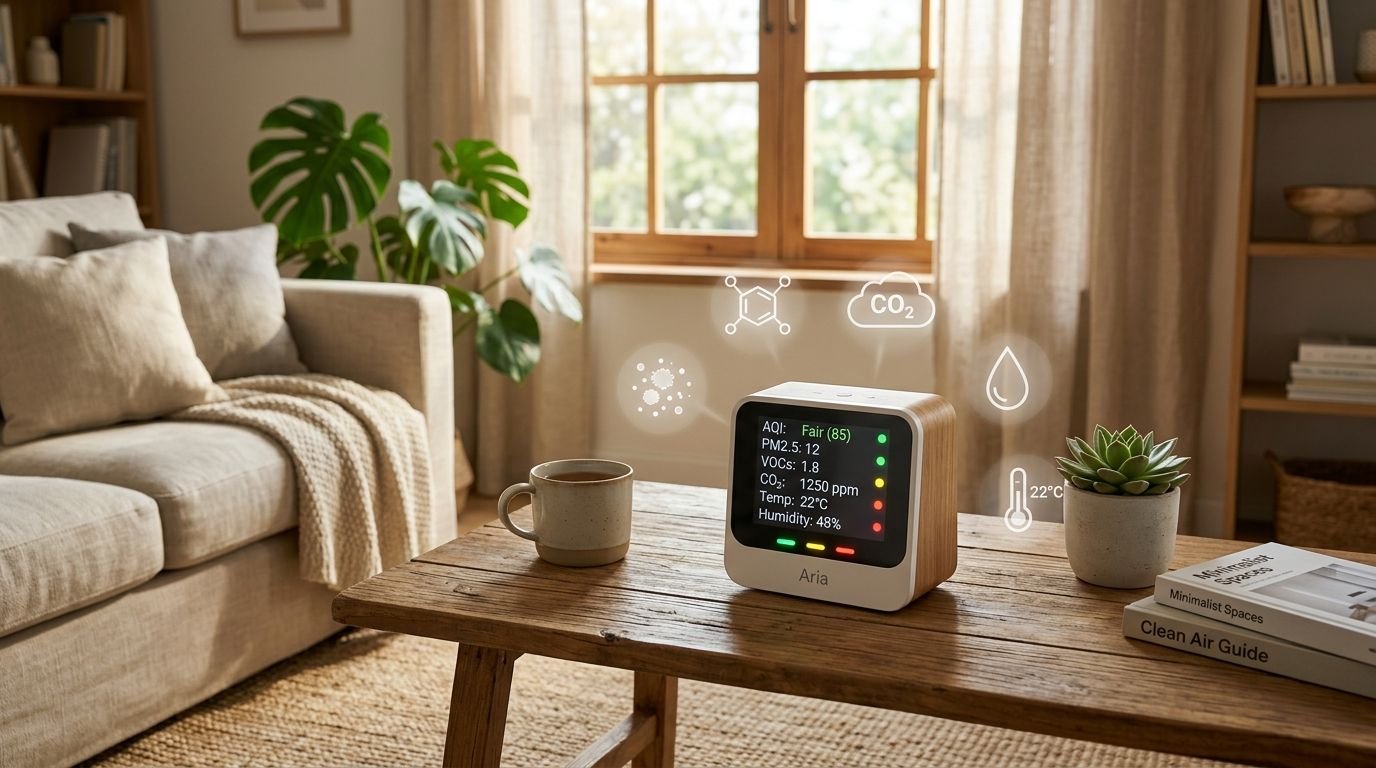
Air Quality Monitoring Devices Air Monitor
Restoration & Remediation Posts
Pete M.

Air Quality Monitoring Devices a Homeowner’s Guide

A home air quality monitor gives real-time readings on PM2.5, VOCs, CO2, and humidity — but consumer devices don’t detect mold spores, allergens, or many combustion byproducts. This Los Angeles guide compares monitor types, explains what each sensor actually measures, and helps you understand when a reading indicates something that needs professional testing or remediation. Questions? Call (818) 336-1800.
Read More »
Image 5
Restoration & Remediation Posts
Pete M.

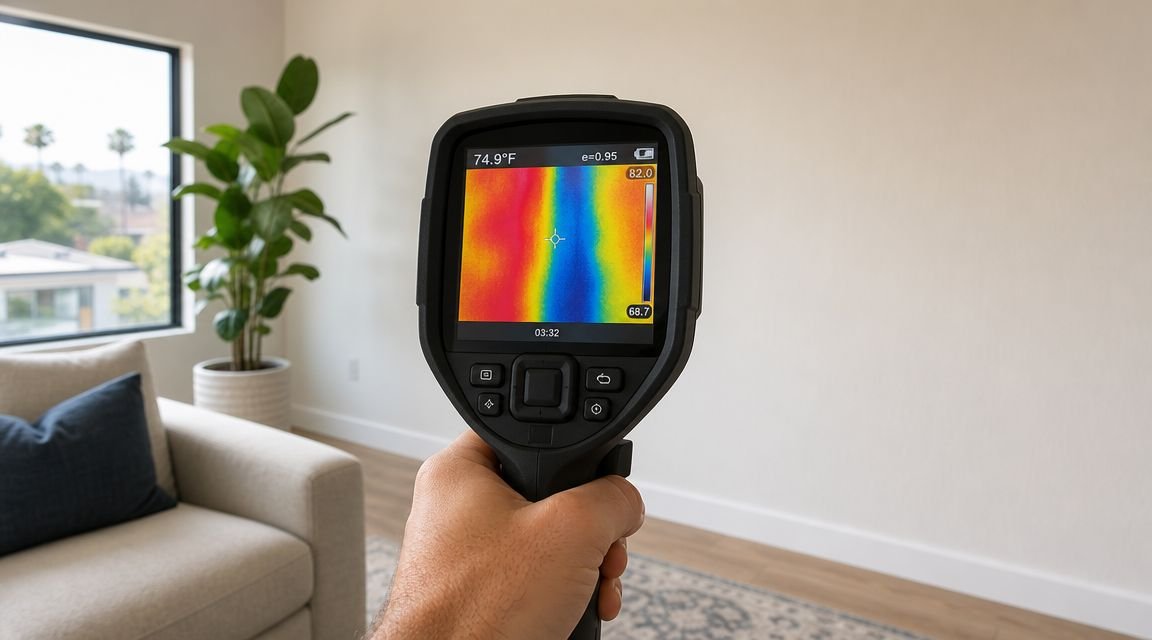
What Is Thermal Imaging? a LA Homeowner’s Guide

Thermal imaging detects temperature differences in walls, floors, and ceilings that reveal hidden moisture, missing insulation, and fire damage — without cutting into surfaces. Restoration contractors use it to find the full extent of water intrusion before drying begins. This LA guide explains how infrared cameras work, what they can and can’t detect, and how thermal imaging changes the scope of a professional damage assessment. Call (818) 336-1800.

Read More »
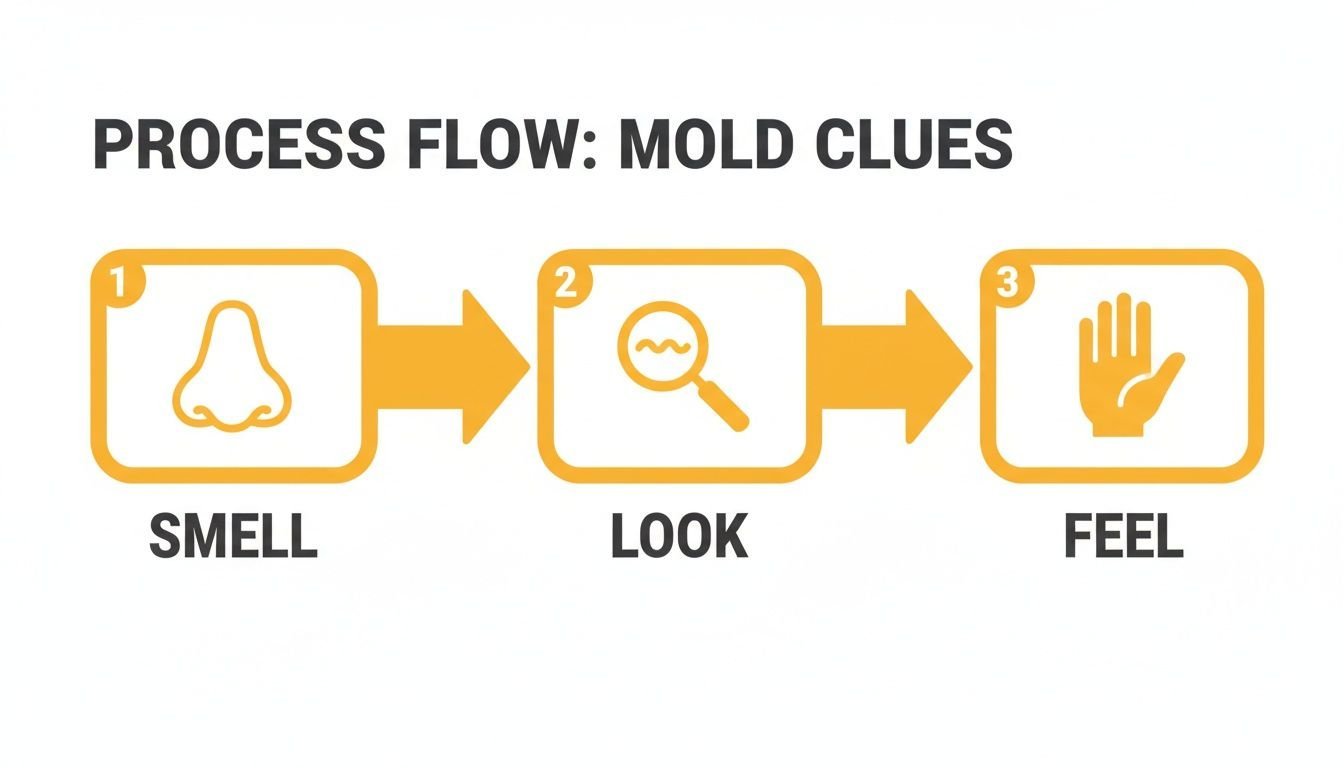
A process flow diagram illustrating three steps to detect mold: smell, look, and feel.
Mold Remediation Posts
Pete M.

How to Detect Mold in a House: A Guide for Los Angeles Homeowners

Detecting mold in a house starts before you see anything — a persistent musty smell, unexplained allergy symptoms, or water stains that keep reappearing are all early signals. By the time mold is visibly discoloring a wall or ceiling, it’s been growing for weeks. This Los Angeles guide covers how to systematically detect mold by room, which materials harbor hidden growth, when a DIY inspection is sufficient vs. when professional testing is needed. IICRC-certified: (818) 336-1800.

Read More »