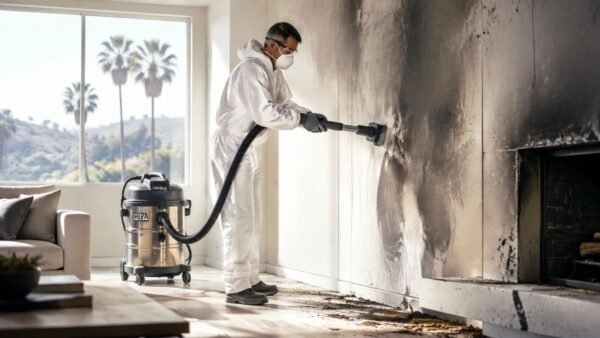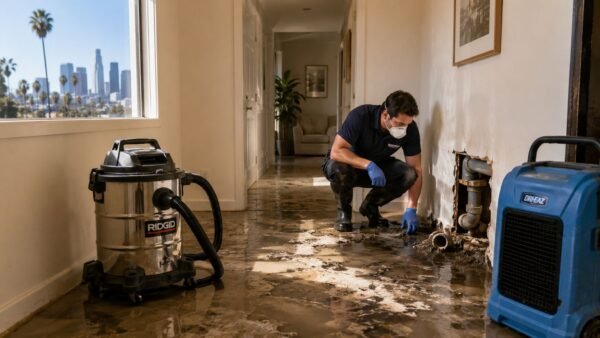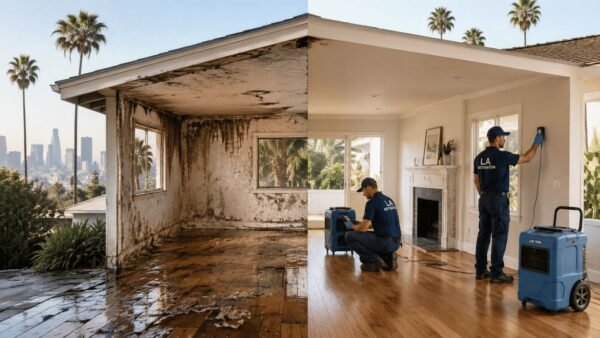

A sewer backup is far more than a smelly mess; it's a serious biohazard event posing significant health risks. The immediate danger of a sewer backup comes from exposure to grossly contaminated water—what professionals call "Category 3 black water"—which contains dangerous pathogens. Contact, inhalation, or ingestion can lead to severe illness, making professional cleanup essential.
The sewer backup health risks are not something to underestimate. For homeowners in Los Angeles, CA, where aging infrastructure in neighborhoods like Sherman Oaks or Burbank can contribute to these issues, understanding the threat is the first step toward safety.
Meta Title: Sewer Backup Health Risks: A 2026 Homeowner's Guide | Onsite Pro
Meta Description: Discover the serious sewer backup health risks, from bacteria to toxic mold. Learn why DIY cleanup is dangerous and how professional restoration in Los Angeles protects your family.
The Hidden Dangers in Sewer Water
When a sewer line backs up into your home, it’s not just dirty water—it’s a toxic soup officially classified as a biohazard. This is a complex mixture of waste, chemicals, and disease-causing microorganisms that poses an immediate threat to anyone nearby. The risks are often invisible, lingering in the air and on surfaces long after the water itself is gone.
In our experience helping Los Angeles homeowners recover from these events, we’ve seen how easily these dangers are underestimated. A backup in an older home in Sherman Oaks or Glendale, for instance, can be particularly hazardous. Aging plumbing systems with cracks or breaks can allow even more contaminants to seep into the property, escalating the health threat.
What Makes Black Water So Hazardous
The term “black water” isn’t just descriptive; it’s a technical classification. A sewer backup floods your home with what professionals define as Category 3 water, the most contaminated level, posing severe health risks. This water is a perfect breeding ground for a whole host of dangerous pathogens, including bacteria and viruses.
Let's break down exactly what you could be exposed to. The following table outlines the most common contaminants found in raw sewage and the serious illnesses they can cause.
Contaminants Found in Category 3 Black Water
| Contaminant Type | Examples | Potential Health Effects |
|---|---|---|
| Bacteria | E. coli, Salmonella, Legionella, Shigella | Severe gastrointestinal illness, food poisoning, fever, respiratory infections, pneumonia-like symptoms |
| Viruses | Norovirus, Rotavirus, Hepatitis A | Vomiting, diarrhea, dehydration, serious liver inflammation and infection |
| Parasites | Giardia, Cryptosporidium | Prolonged digestive diseases (diarrhea, cramps, nausea), sometimes lasting for weeks |
| Fungi & Mold | Aspergillus, Stachybotrys chartarum (Black Mold) | Allergic reactions, asthma attacks, respiratory issues, toxic reactions from mycotoxins |
This is why attempting a DIY cleanup is so dangerous. Even with gloves and a mask, it's nearly impossible to protect yourself from microscopic threats that can be inhaled or absorbed through the skin.
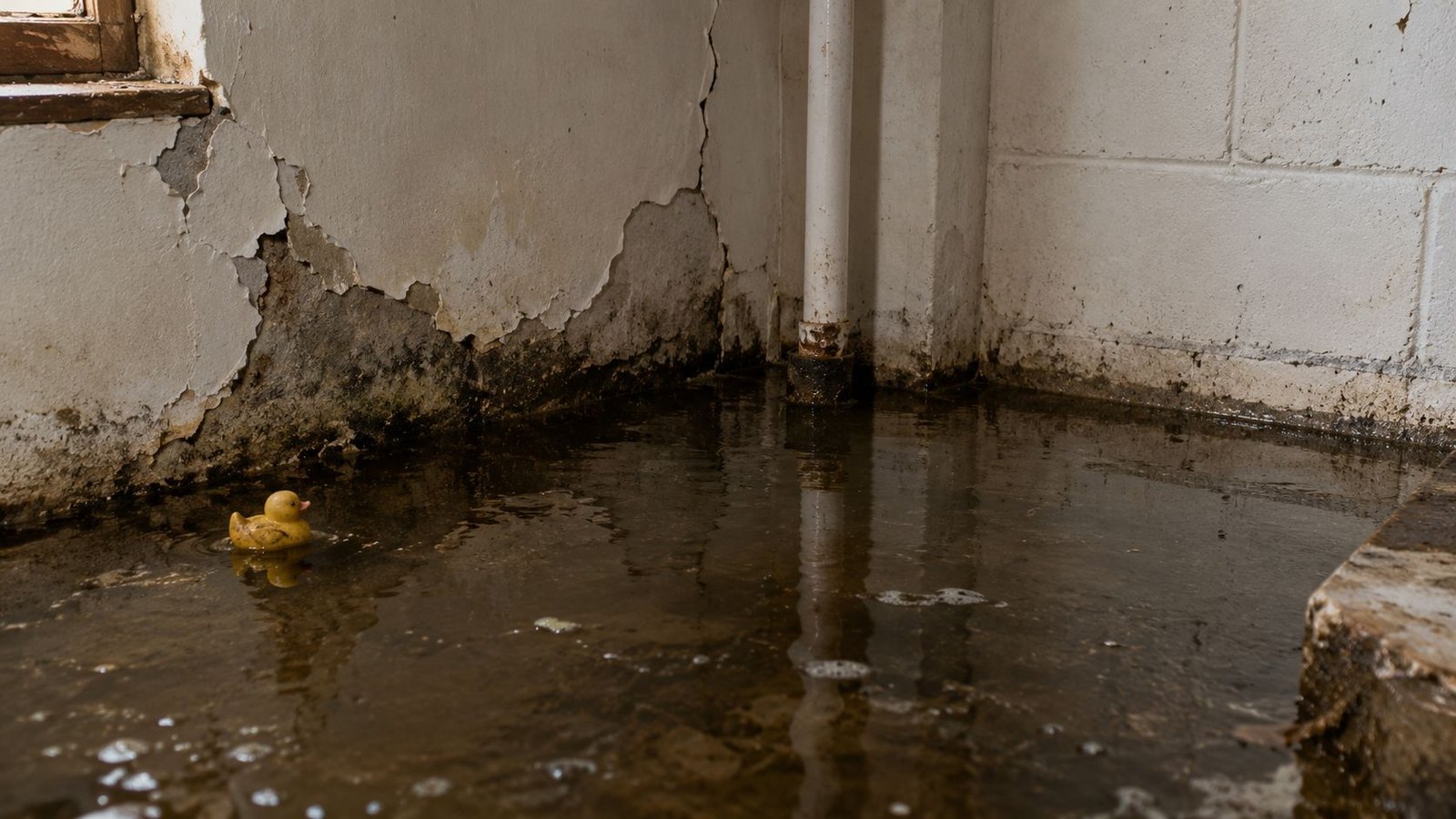
Alt text: A rubber duck floats in contaminated water, highlighting the hidden sewer backup health risks in a flooded basement.
According to data from the CDC, sanitary sewer overflows carry pathogens that can cause everything from mild stomach cramps to life-threatening conditions. The importance of acting fast cannot be overstated, and you can find helpful advice on preventing drainage safety issues from other experts.
To fully grasp the severity, it's critical to understand the official classifications. You can learn more about what is Category 3 water damage in our detailed guide, which explains why professional intervention is not just recommended, but essential for your safety.
Recognizing Symptoms After Sewage Exposure
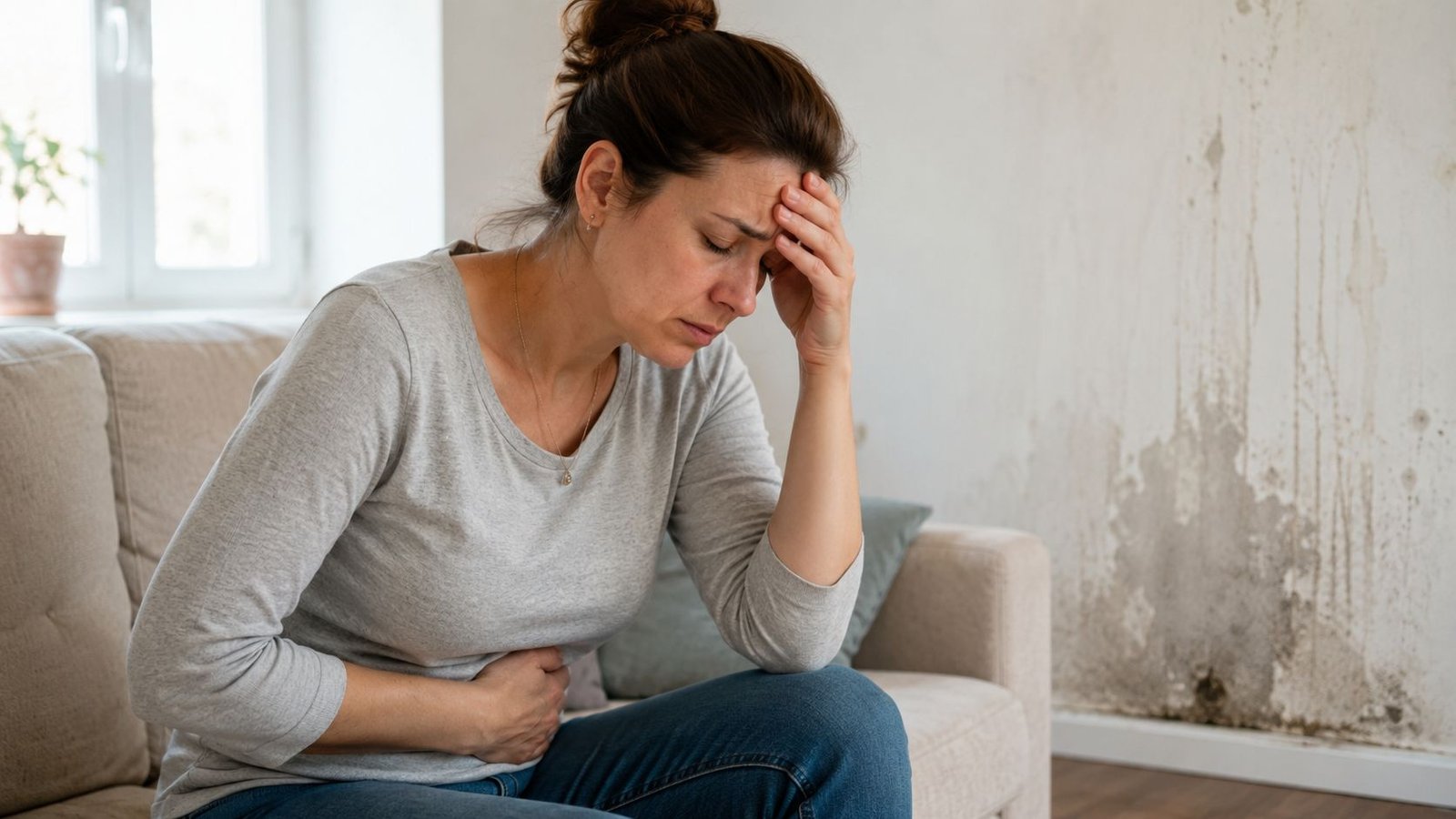
After a sewer backup, the most immediate danger isn't just the mess—it's what you can't see. The pathogens lurking in black water can enter your body in three main ways: breathing in contaminated air, touching affected surfaces, or accidentally swallowing even a microscopic amount.
Knowing what to look for is the first step in protecting your family's health. The symptoms aren't always obvious right away, so it’s critical to stay vigilant if you’ve been anywhere near a backup.
Symptoms from Inhalation and Skin Contact
Just being in the same room as a sewage spill can make you sick. As the water sits, dangerous pathogens and mold spores become airborne, and you can breathe them right in. At the same time, any direct contact allows aggressive bacteria to invade even the smallest cuts on your skin.
Keep an eye out for these tell-tale signs:
- Respiratory Issues: This is often the first thing people notice. Watch for a sudden cough, wheezing, shortness of breath, or sinus congestion that wasn't there before.
- Headaches and Dizziness: In our work across Sherman Oaks, we often find homeowners dismissing a nagging headache as stress. But it can be an early warning sign of inhaling airborne toxins like hydrogen sulfide.
- Skin Infections: If your skin touched the contaminated water or surfaces, you might see rashes, redness, or infected wounds. In serious cases, this can lead to cellulitis, a dangerous bacterial skin infection.
- Allergic Reactions: You might experience watery eyes, a runny nose, and itchy skin. These reactions often feel like severe seasonal allergies. Many of these symptoms overlap with other household hazards, and you can learn more by reading about black mold symptoms in your house.
Gastrointestinal and Systemic Illness Symptoms
It's shockingly easy to ingest contaminants without realizing it. Simply touching a contaminated doorknob and then touching your mouth is all it takes for dangerous pathogens to get inside your system.
Ingesting pathogens from sewage can trigger illnesses that feel like food poisoning, but they are often far more aggressive. The concentration of bacteria and viruses in black water is incredibly high, leading to a rapid and severe onset of symptoms.
The most common signs of ingestion are:
- Nausea and vomiting
- Diarrhea, which can sometimes be bloody
- Severe abdominal cramps and pain
- Fever and chills
These symptoms can quickly cause dehydration, which is especially dangerous for children, the elderly, and anyone with a compromised immune system. If you or a family member experience any of these signs after a sewer backup in your Los Angeles home, don't wait. Contact a medical professional immediately.
Long-Term Health Risks of a Sewer Backup
Just because the visible water from a sewer backup is gone doesn't mean the danger has passed. An incomplete or delayed cleanup creates the perfect breeding ground for new hazards—ones that can affect your family’s health for weeks, months, or even years to come.
The danger doesn’t just disappear when the standing water does. The real battle is against the invisible threats left behind in the damp, contaminated environment.
The Threat of Toxic Mold Growth
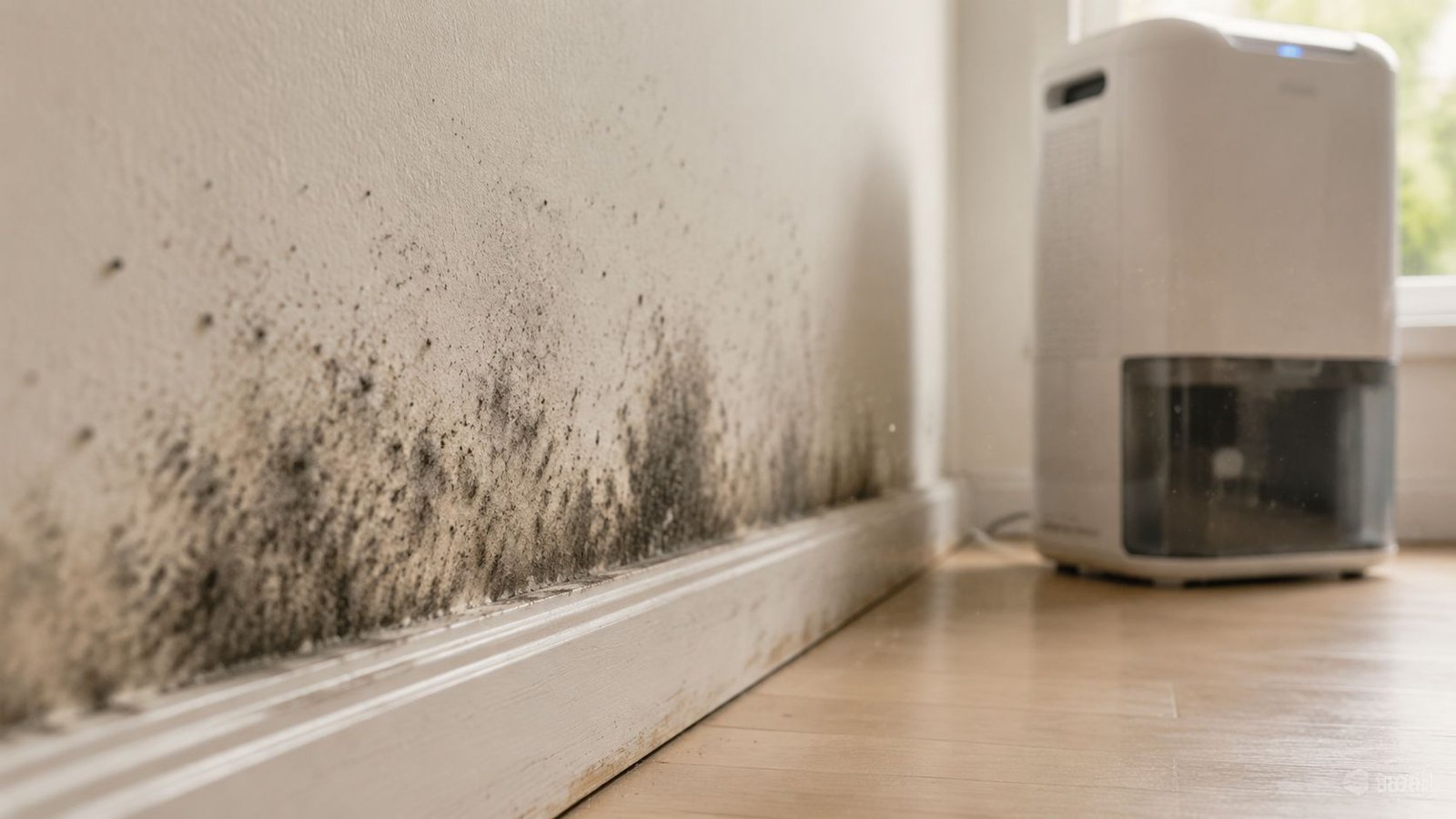
Moisture is the single most critical ingredient for mold, and a sewer backup delivers it in droves. Porous materials like drywall, wood studs, carpeting, and insulation act like sponges, wicking up contaminated water and trapping it deep inside your home's structure.
It only takes 24 to 48 hours for this trapped moisture to trigger the growth of toxic mold colonies. These aren't just ugly spots on a wall; they're microscopic factories pumping harmful spores directly into the air you breathe.
These airborne spores are notorious for causing chronic health problems, especially for children, the elderly, and anyone with pre-existing respiratory conditions. Key issues include:
- Persistent Allergic Reactions: That constant sneezing, itchy eyes, and runny nose that just won't go away.
- Worsening Asthma: More frequent and severe asthma attacks.
- Chronic Respiratory Issues: Long-term coughing, wheezing, and shortness of breath.
Contaminated Air and Your HVAC System
Another hidden danger lies within your home’s heating, ventilation, and air conditioning (HVAC) system. During a backup, airborne pathogens and endotoxins—nasty substances released from the cell walls of dead bacteria—get pulled right into your ductwork.
Even if you manage a DIY cleanup on the surface, these contaminants can settle inside the HVAC system. The next time you turn on your air conditioner or heater, the system unknowingly circulates these harmful particles throughout your entire home. A localized sewer backup in a Burbank basement can suddenly compromise the air quality in a second-floor bedroom.
This is exactly why professional remediation is so critical. It’s not just about removing water; it’s about making sure the long-term health of your home's entire environment is restored. To learn more, check out our guide on how to prevent mold after water damage.
Why DIY Sewer Cleanup Is a Dangerous Gamble
When you’re facing a sewage spill, the first impulse for many homeowners is to grab a mop and bucket. But trying to clean up a backup yourself is a dangerous gamble that can easily worsen the situation and expose your family to serious health risks. Raw sewage isn't just a dirty mess; it's a legitimate biohazard that requires specialized knowledge and equipment to handle safely.
The biggest danger is cross-contamination. Your household mop, shop vac, and cleaning cloths aren't built to contain microscopic pathogens. Instead of removing the threat, you’ll likely end up spreading bacteria and viruses to clean areas of your home, turning a contained problem into a property-wide hazard.
Ineffective Cleaning and Lingering Threats
Another critical failure of DIY efforts is relying on store-bought products. Standard household cleaners, and even bleach solutions, simply aren't formulated to neutralize the aggressive pathogens found in Category 3 black water. They might clean up the visible filth, but they often leave behind a thriving population of microbes that have soaked into porous materials.
From our experience as IICRC-certified professionals, we’ve seen well-intentioned DIY attempts in Burbank and Glendale lead to far costlier secondary damage. The homeowner thinks the problem is solved, only to discover weeks later that toxic mold and bacteria have been flourishing just out of sight.
This is exactly why we use professional-grade, EPA-registered antimicrobial agents for true disinfection. These products are specifically designed to eliminate the bacteria and viruses present in raw sewage. You can learn more about the strict protocols for this work in our guide to professional biohazard cleanup services.
Physical and Environmental Dangers
Beyond the biological threats, DIY cleanup exposes you to very real physical dangers. Standing water creates a significant risk of electrocution from submerged electrical outlets, appliances, or hidden wiring. On top of that, decomposing organic waste can release flammable and toxic gases, including:
- Methane: An odorless, flammable gas that can easily accumulate in enclosed spaces.
- Hydrogen Sulfide: A toxic gas with a distinct "rotten egg" smell that can cause respiratory distress and is dangerous even at low concentrations.
While some homeowners might look for guidance on unblocking drains from Harrlie to handle a minor clog, a full-blown backup is an entirely different beast. The combination of electrical, biological, and chemical hazards makes it a situation best left to trained and properly-equipped professionals who can mitigate all sewer backup health risks safely.
How Professionals Mitigate Sewer Backup Health Risks
When you’re facing a sewer backup, the sense of being overwhelmed is completely normal. But getting your home back is a methodical process when handled by certified professionals. We don't just get rid of the water; we follow a strict, scientific protocol to eliminate all sewer backup health risks and make sure your Los Angeles home is truly safe again.
Our process starts the moment we arrive. The first priorities are always safety and containment. Our IICRC-certified technicians show up in full personal protective equipment (PPE) to prevent any cross-contamination. We immediately isolate the affected area with plastic sheeting and set up negative air pressure machines. This is critical—it stops airborne pathogens from spreading into clean parts of your house.
The Restoration and Sanitization Process
Once the area is fully contained, the real work of decontamination begins. This isn't just a matter of mopping up the mess. It’s a multi-stage attack designed to neutralize threats you can see and, more importantly, the ones you can't. The goal is complete removal of contamination, not just covering it up.
Our systematic process includes these key steps:
- Water and Waste Extraction: We use powerful, truck-mounted pumps and vacuums to remove all standing blackwater and solid waste. This is a fast and efficient first step that gets the bulk of the hazardous material out immediately—something a shop vac could never handle.
- Removal of Contaminated Materials: Porous materials like drywall, carpet, padding, and insulation act like sponges for sewage. It’s impossible to disinfect them fully. We carefully cut out and dispose of all saturated items, following strict biohazard protocols.
- Structural Drying: Using commercial-grade dehumidifiers and high-velocity air movers, we aggressively dry everything left behind—the wood framing, subfloors, and concrete. This step is absolutely essential to prevent mold growth and can take several days to complete properly.
- Cleaning and Disinfection: Every remaining non-porous surface is thoroughly cleaned and then treated with EPA-registered, hospital-grade antimicrobial disinfectants. These are specifically formulated to kill dangerous bacteria, viruses, and fungi.
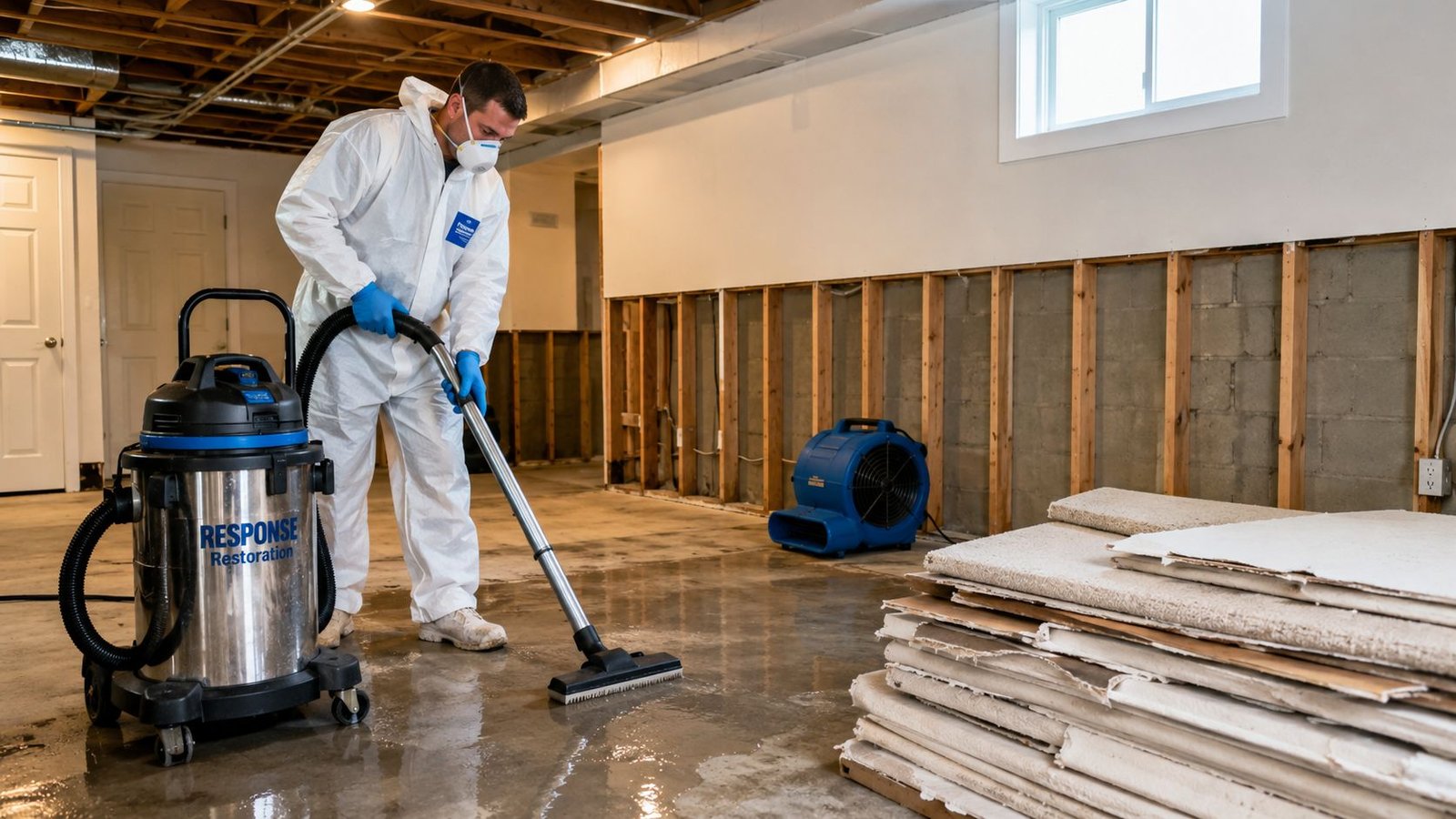
Alt text: A professional mitigating sewer backup health risks by using a wet vacuum for safe water extraction.
Final Verification and Clearance Testing
Even after the drying and disinfection are finished, our job isn't done. We don’t just assume the home is safe; we have to prove it.
In our experience restoring homes from Burbank to Glendale, the final verification is the most important step for a family's confidence. This is where we prove the environment has been returned to a healthy state.
We use professional moisture meters to confirm that all structural materials have hit their target drying goals. In some situations, we may even recommend post-remediation air quality testing by an independent third party. This provides unbiased proof that the air is clean and free of elevated mold or bacteria levels, giving you the official all-clear to return.
When you're dealing with this level of contamination, it’s helpful to have a solid understanding property damage restoration methods and what to expect.
Protecting Your Home from Future Backups
After you’ve dealt with the mess and stress of a sewer backup, the absolute last thing you want is to go through it all again. The good news is, you can take control. A few smart habits and some professional maintenance can dramatically lower the odds of a repeat disaster and protect your family from ongoing health risks.
For homeowners in Los Angeles, especially in neighborhoods with older plumbing like Burbank or Sherman Oaks, your first line of defense is being careful about what goes down your drains. Things like cooking grease, coffee grounds, and even so-called “flushable” wipes are the biggest offenders. They don't just disappear; they build up over time and create stubborn clogs in your main line.
Proactive Plumbing and Insurance Protection
Beyond what you do every day, getting a professional eye on your system is crucial. We recommend scheduling a regular plumbing inspection where a licensed plumber can run a camera through your main sewer line. This simple check can spot hidden trouble—like invasive tree roots, pipe cracks, or sags—long before they cause a full-blown backup. It's a small investment that can save you from the massive cost and headache of a sewage flood.
In our experience restoring homes across Los Angeles, we often arrive to find out the homeowner’s insurance doesn't cover the sewer backup. It’s a devastating financial blow on top of an already nightmarish situation.
This is a hard lesson many people learn far too late: standard homeowners insurance policies almost always exclude damage from sewer backups. You have to look at your policy for a specific “water backup” or “sewer backup” endorsement. If it’s not there, call your agent and add it immediately. That small add-on provides the financial protection you’ll need for costly cleanup and repairs.
If you’re facing a sewer backup in Los Angeles or anywhere in the San Fernando Valley, your first call should be to a certified restoration company. Call Onsite Pro Restoration right away at 818-336-1800 for a free assessment to secure your property and mitigate health risks. For more expert advice, take a look at our guide on how to handle sewer backup prevention.
Frequently Asked Questions
When you're dealing with a sewer backup, your first thoughts are usually about safety. We get it. Here are straight answers to the questions we hear most often from Los Angeles homeowners in your situation.
How long are you sick from sewage exposure?
The duration of illness from sewage exposure depends on the specific pathogen and your personal health. A bacterial infection like E. coli might cause a few days of gastrointestinal issues. However, viruses like Hepatitis A can lead to sickness lasting weeks or months. If mold growth occurs due to residual dampness, related respiratory problems will persist until the mold is professionally removed. If you feel any symptoms, see a doctor immediately.
Can the smell of sewer gas make you sick?
Yes, absolutely. The distinct "rotten egg" smell is from toxic gases, most notably hydrogen sulfide, released by decomposing waste. Even at low levels, this gas can cause headaches, dizziness, nausea, and respiratory irritation. In enclosed spaces like basements, these gases can build up to dangerous concentrations. Evacuate the area immediately and call a professional.
Does homeowners insurance cover sewer backup?
This is a critical point: standard homeowners insurance policies almost always exclude damage from sewer backups and sump pump failures. It's not default coverage. You must add a specific "water backup" or "sewer backup" endorsement to your policy. We strongly recommend all homeowners, especially those in Los Angeles with older plumbing, review their policy and add this vital protection.
What should I do immediately after a sewer backup?
Your immediate priority is safety. First, ensure all people and pets evacuate the contaminated area. If you can safely access your home’s breaker panel and main water valve without entering the contaminated water, shut off the power and water to the affected area. Do not attempt to touch the water or clean it up yourself. Your next call should be to a certified 24/7 restoration company for emergency assistance.
If you're facing a sewer emergency in Los Angeles, don't wait. The sewer backup health risks are too great to ignore. Call Onsite Pro Restoration at 818-336-1800 now for a free, no-obligation inspection and emergency service. Our certified team is ready to make your home safe again.