Sewer Contamination Posts

Sewage Cleanup Los Angeles: A Homeowner’s Emergency Guide
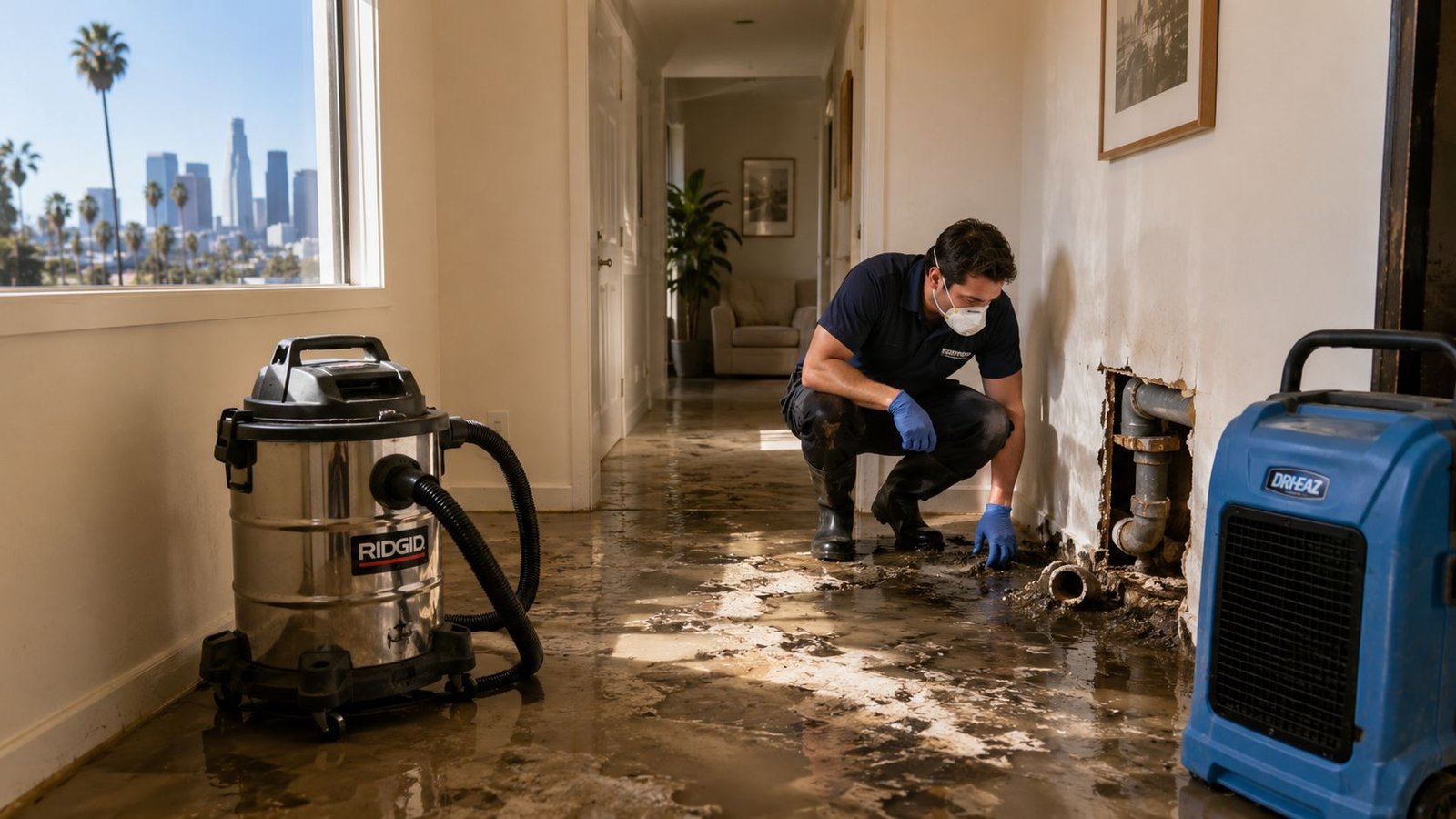
You just found sewage in your Los Angeles home, and now every minute feels expensive. In a real sewage cleanup Los Angeles job, the first

You just found sewage in your Los Angeles home, and now every minute feels expensive. In a real sewage cleanup Los Angeles job, the first
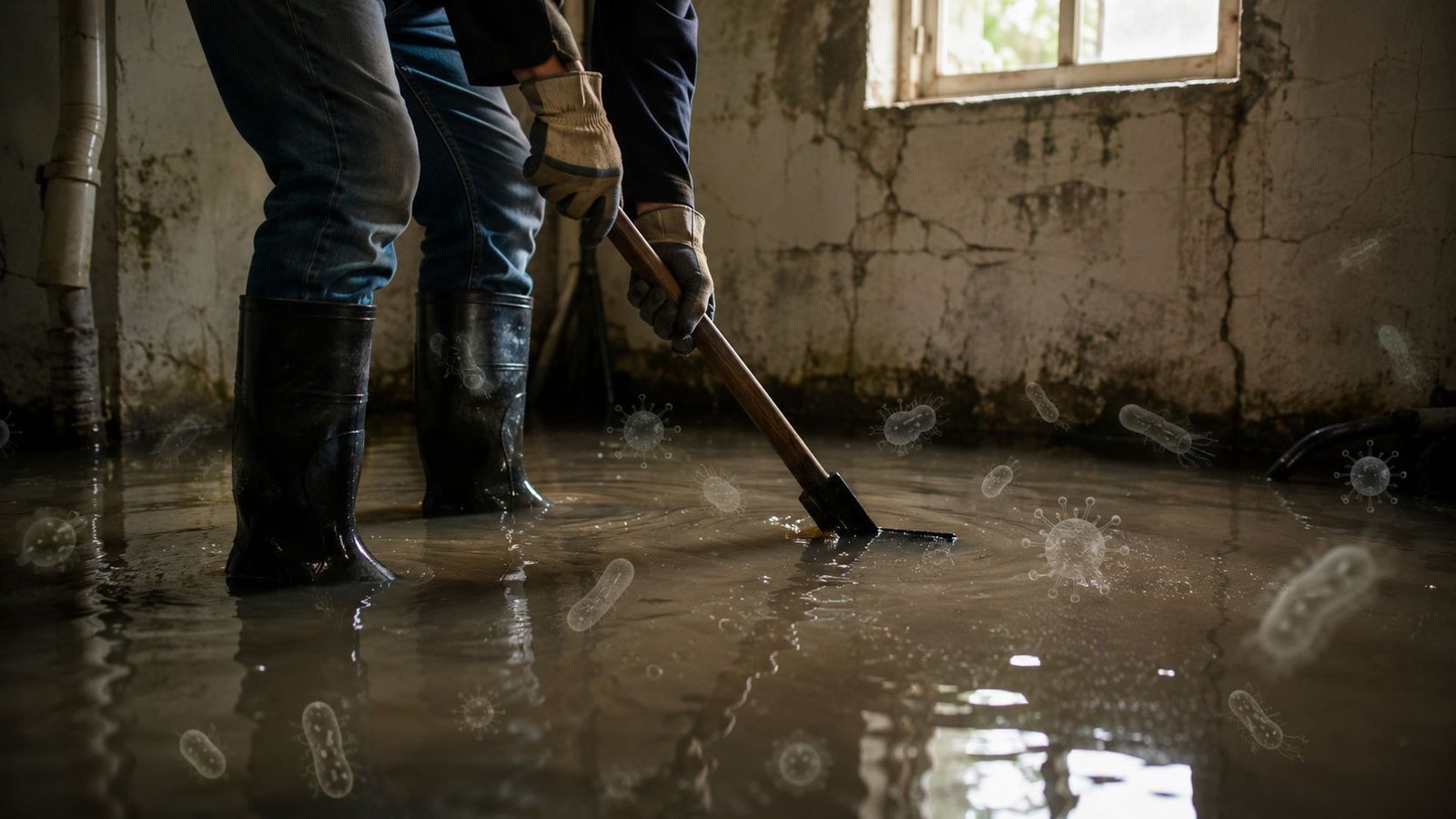
A sewer backup is far more than a smelly mess; it's a serious biohazard event posing significant health risks. The immediate danger of a sewer
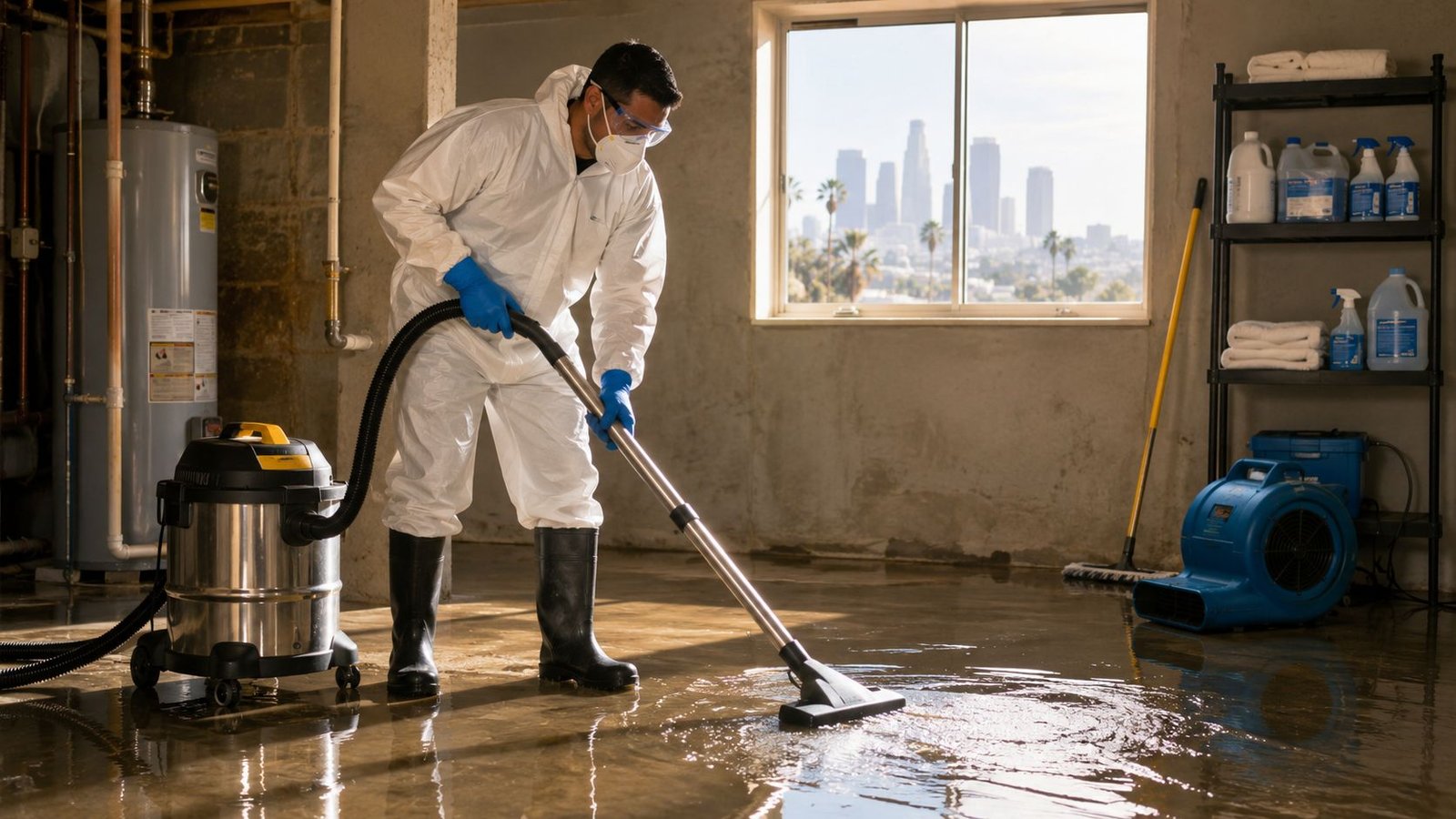
Sewer backup cleanup needs to start right away. Initial cleanup commonly takes 1 to 3 days, full drying can take up to a week or
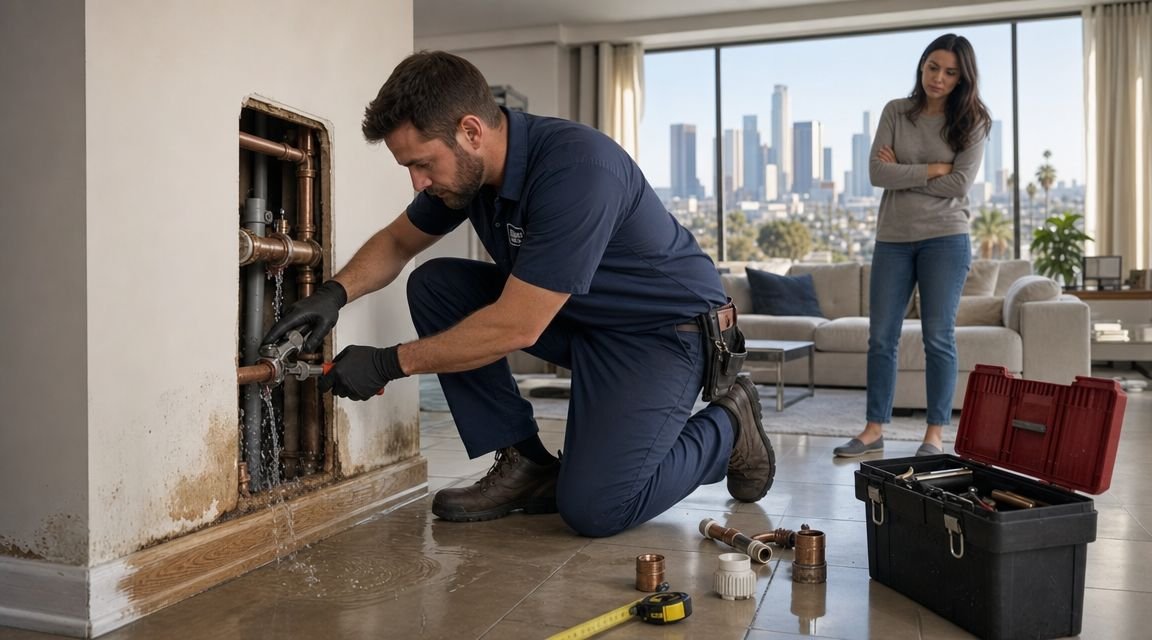
Broken pipe repair in Los Angeles costs $500–$5,000 for the plumbing fix alone — but if water reached drywall, flooring, or cabinetry, the water damage restoration bill often exceeds it. This 2026 guide breaks down cost factors by pipe type, location, and access difficulty, plus what insurance typically covers and how to document your claim. Emergency water damage response 24/7: (818) 336-1800.
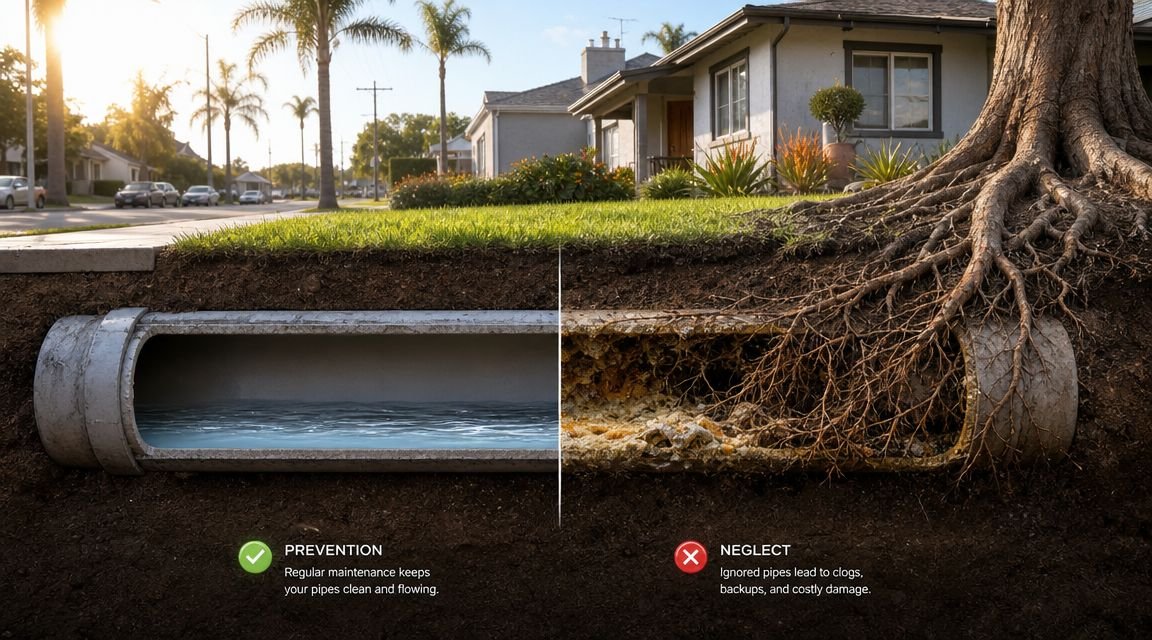
Sewer backups in Los Angeles most often start with tree root intrusion, grease buildup, or aging clay pipes — all preventable with the right habits and routine maintenance. This guide covers the warning signs of a developing blockage, what homeowners can do monthly, when to schedule a camera inspection, and what to do if a backup already happened. Sewage is a Category 3 biohazard. 24/7 emergency response: (818) 336-1800.
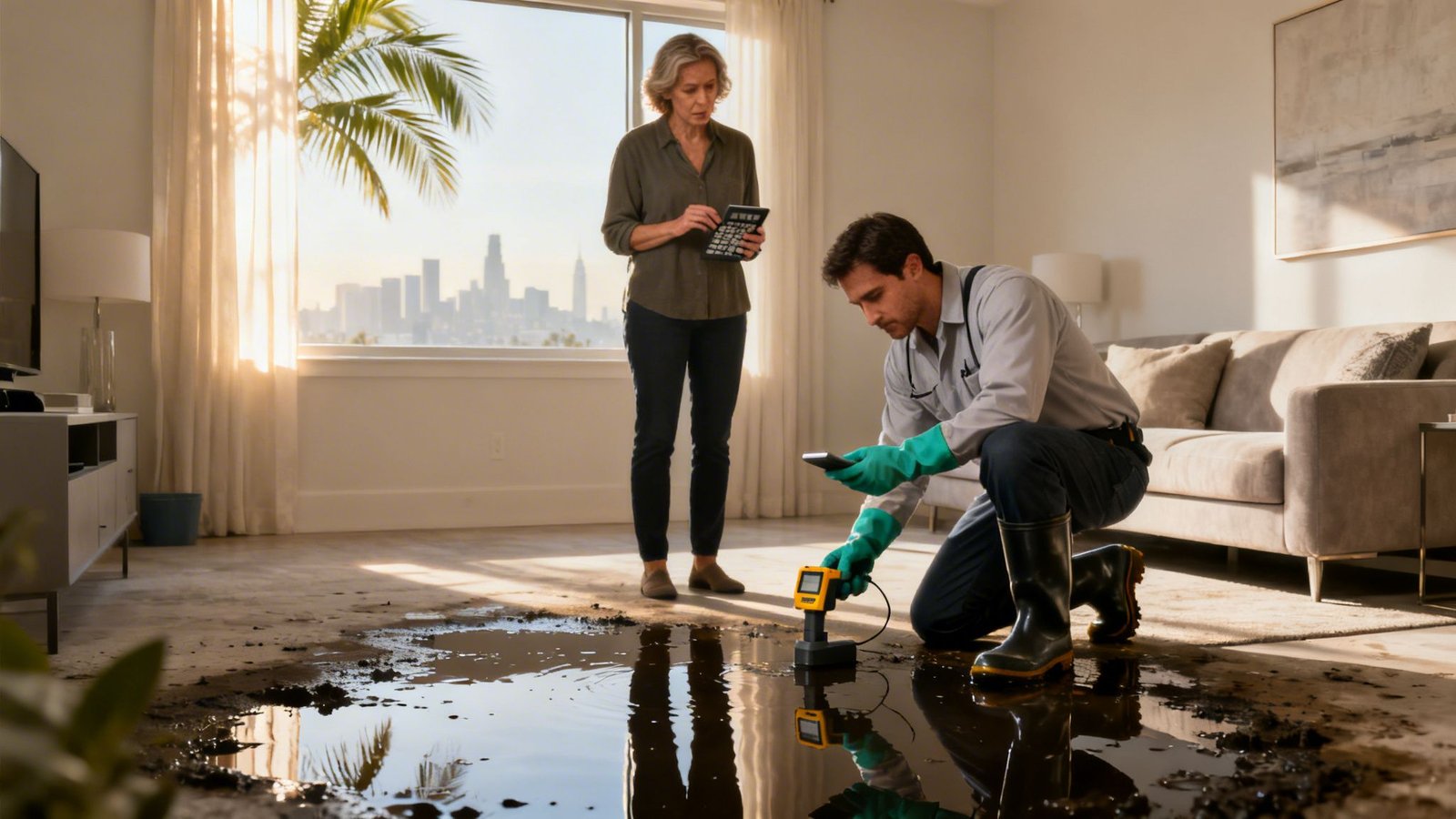
Sewage backup cleanup in Los Angeles costs $2,500–$10,000+ depending on how much Category 3 contaminated water entered, which materials are affected, and whether structural drying is required. Insurance typically covers sudden backup with the right rider — not gradual damage. This 2026 guide breaks down every cost factor, the full cleanup process, and how to document your claim. Emergency biohazard response 24/7: (818) 336-1800.
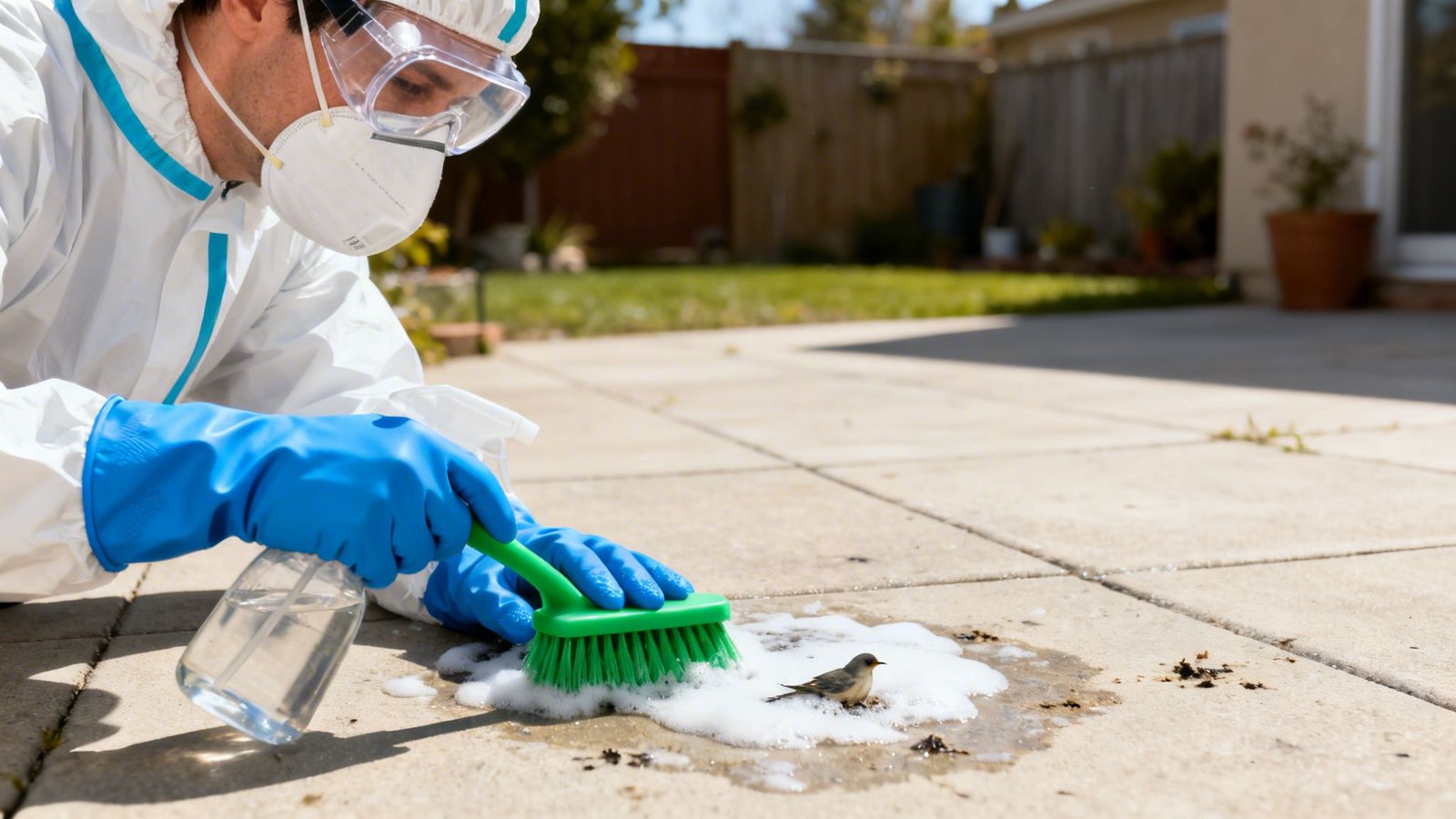
Bird droppings contain uric acid that etches paint, metal, and wood on contact — and carry Histoplasma and Salmonella bacteria that are hazardous to handle dry. The correct removal method is to soften first, never scrape dry. This LA guide covers safe removal from cars, rooflines, decks, and outdoor furniture, which products won’t damage finishes, and when extensive droppings or nesting require professional biohazard treatment. Call (818) 336-1800.
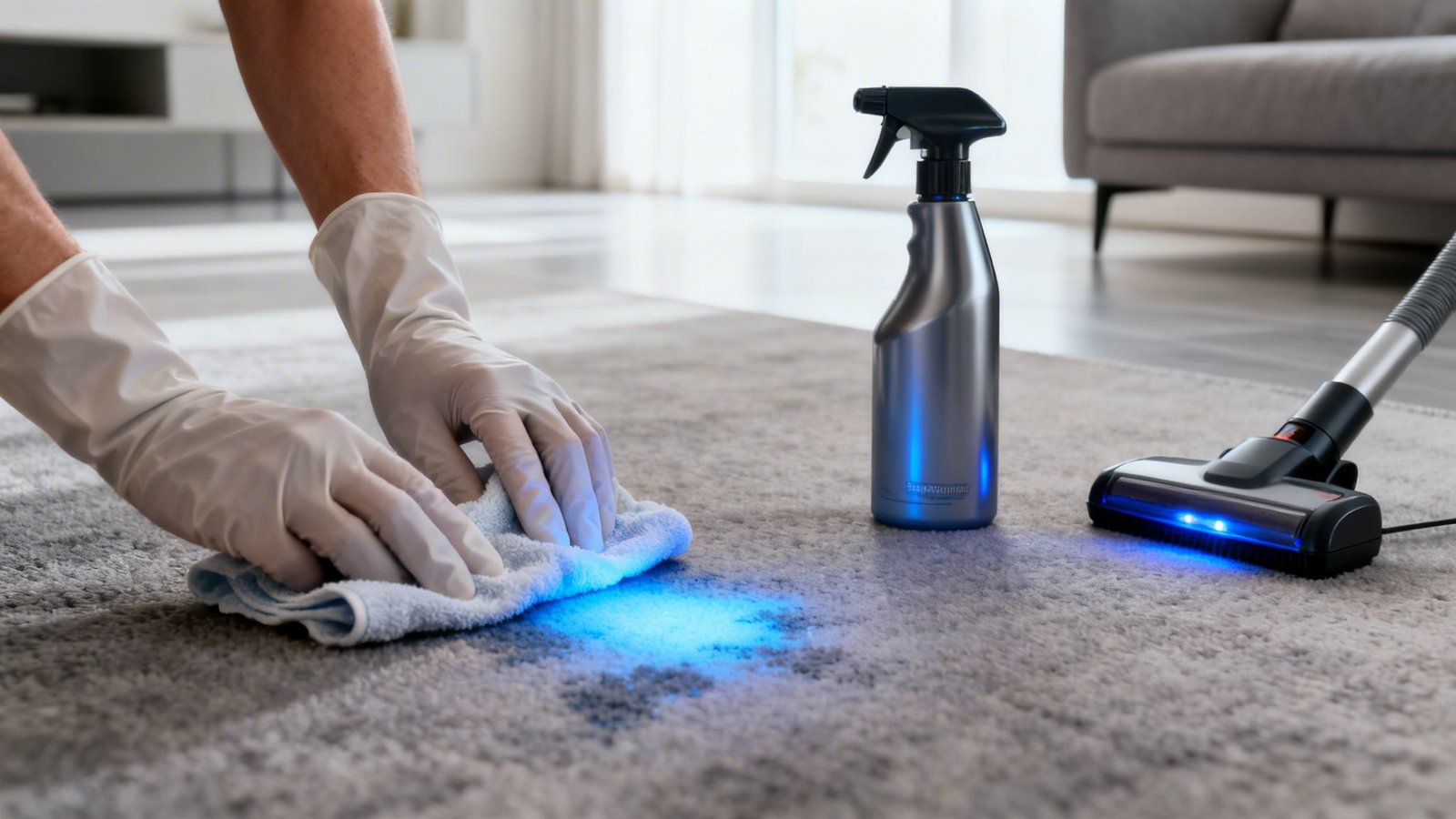
Cat urine odor persists because uric acid forms crystals that bond to carpet fibers and backing — then reactivate with warmth and humidity. Standard cleaners temporarily override the smell without breaking down the crystals. This LA guide explains the enzyme-based process that actually works, how to treat fresh vs. dried urine correctly, when backing and subfloor are saturated and need professional extraction, and what it costs. Call (818) 336-1800.
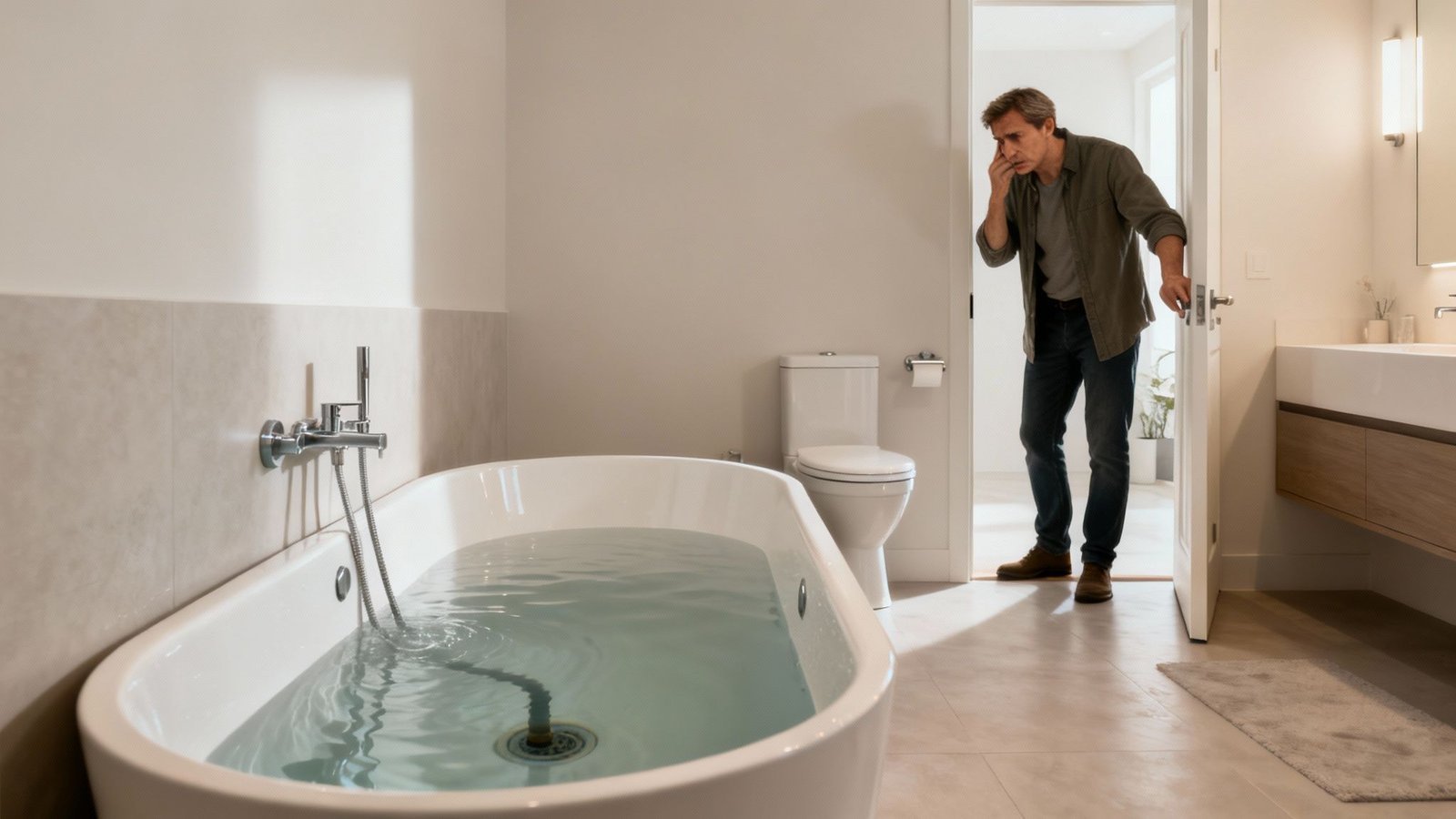
Cleaning out a sewer line is not a DIY project — a main line clog affects every drain in the house and raw sewage backup causes category 3 biohazard contamination requiring professional remediation. This Los Angeles guide covers how to recognize a main line backup vs. an isolated drain clog, what hydro-jetting and augering involve, when a camera inspection is needed, and how sewage backup damage is handled from extraction through disinfection and drying. Call (818) 336-1800.
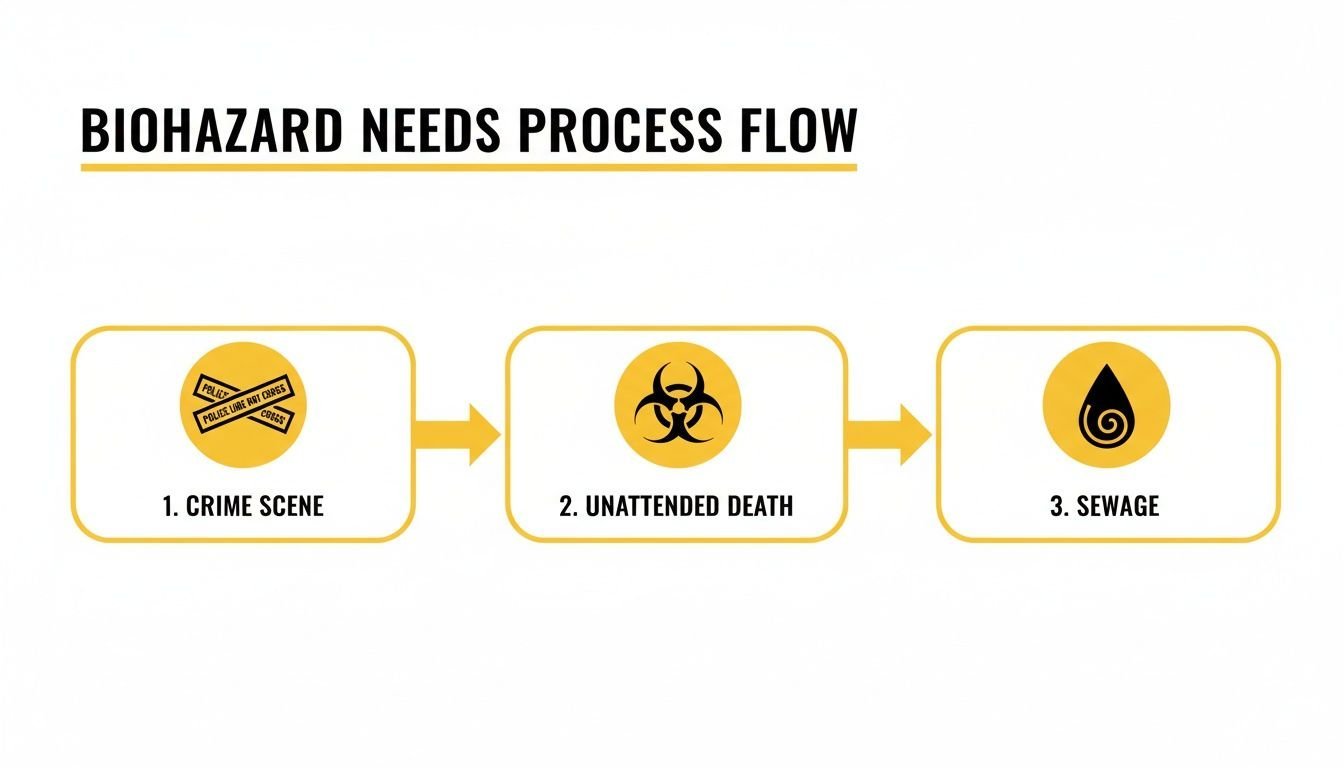
Blood, sewage backup, trauma scene, or unattended death on your property? Professional biohazard cleanup is legally required and health-critical — standard cleaners leave invisible pathogens behind. This guide covers every scenario requiring certified remediation, the step-by-step IICRC process, what insurance typically covers, and how to choose a qualified company in Los Angeles. IICRC-certified, 24/7 response: (818) 336-1800.
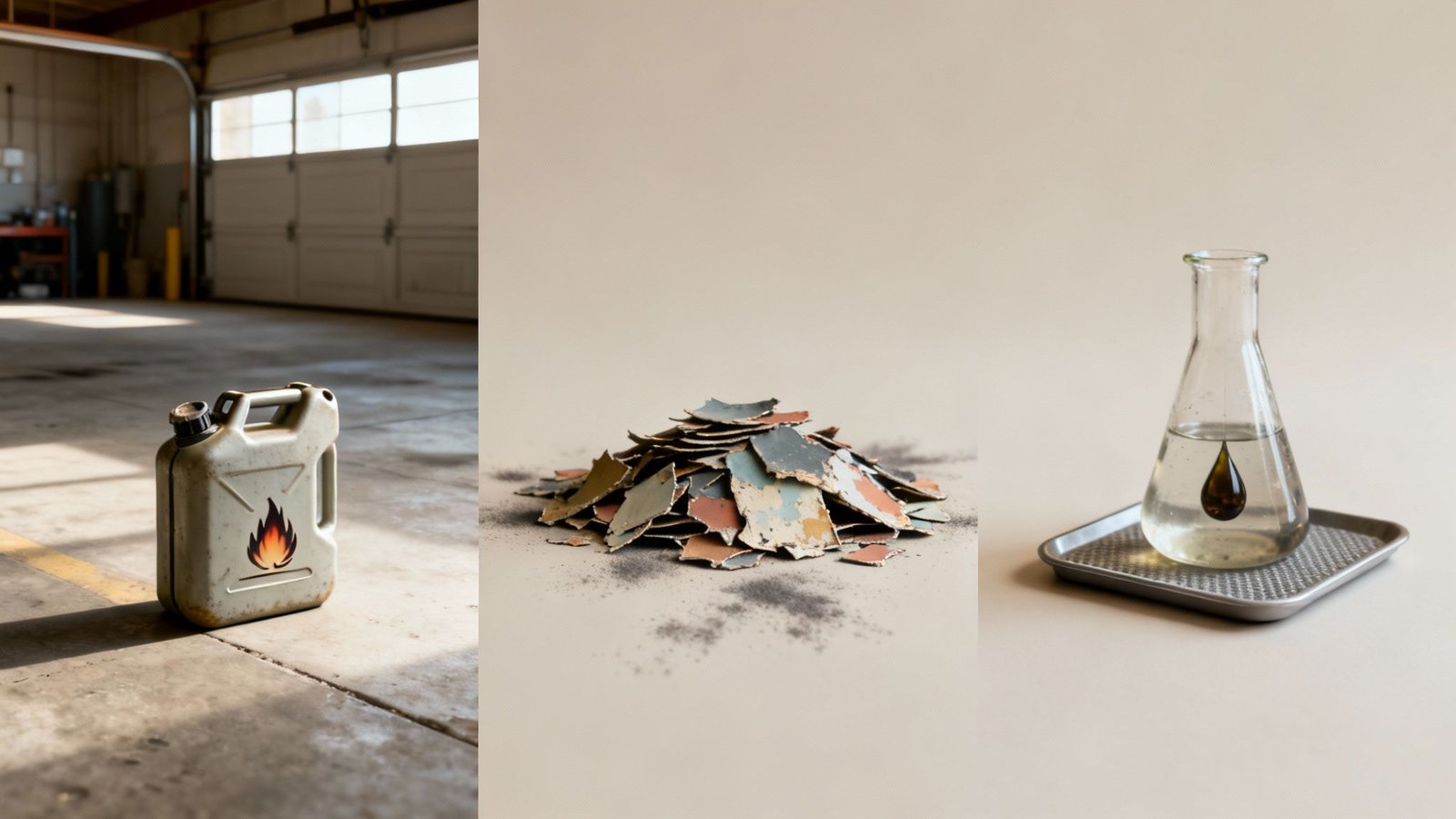
Hazardous materials cleanup in Los Angeles covers a wider range of scenarios than most property owners realize — sewage contamination, asbestos-containing materials, lead paint, chemical spills, trauma scenes, and biohazard situations. Each requires certified handling, containment, and disposal protocols that general contractors are not equipped to provide. This guide covers the most common hazmat scenarios in LA properties, what regulations apply, how cleanup is documented, and what insurance typically covers. IICRC-certified: (818) 336-1800.
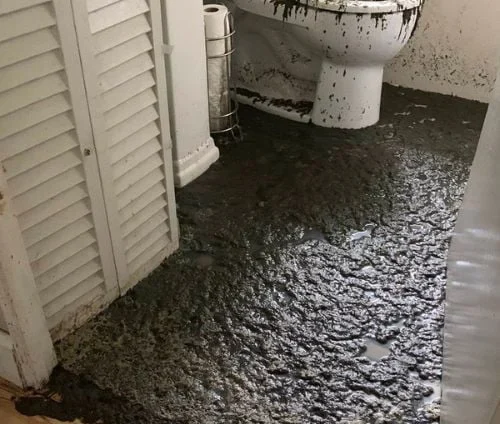

A Los Angeles commercial property discovered a Category 3 biohazard situation requiring immediate containment, regulatory-compliant cleanup, and documentation for the building’s insurance carrier — all within a tight operational window. This case study covers how Onsite Pro Restoration contained the scene, removed and disposed of biohazardous materials under OSHA and California DHS protocols, and restored the property to safe occupancy within 24 hours. For biohazard emergencies: (818) 336-1800.