
The smell usually hits first. Then you find the spot, half on the pile, half pressed into the carpet backing, and your first instinct is to grab whatever cleaner is under the sink and scrub hard.
That’s the wrong move.
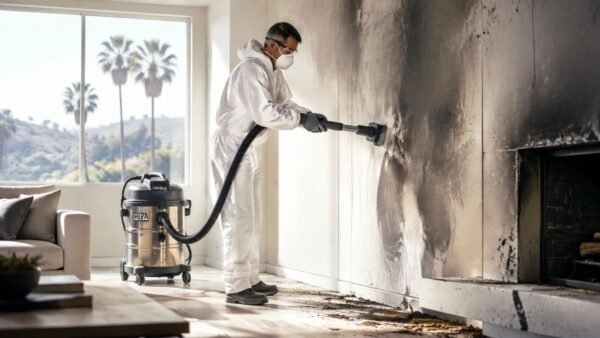
Cat feces on carpet isn’t just a stain. It’s a biohazard cleanup problem with bacteria, odor compounds, and a real risk of pushing contamination deeper into the fibers and padding if you handle it poorly. If you want to know how to remove cat feces from carpet the right way, the goal is simple: remove the solids without smearing, break down the organic residue with the right chemistry, and dry the area fast enough that odor and microbial growth don’t get a second foothold.
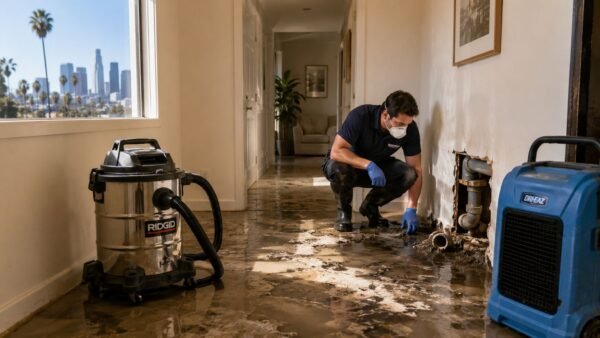
Some situations are manageable at home. Some aren’t. If the mess is large, liquid, or you’re dealing with recurring odor, it may already be beyond surface cleaning and into professional biohazard cleanup.
That Sinking Feeling Discovering a Pet Accident on Your Carpet
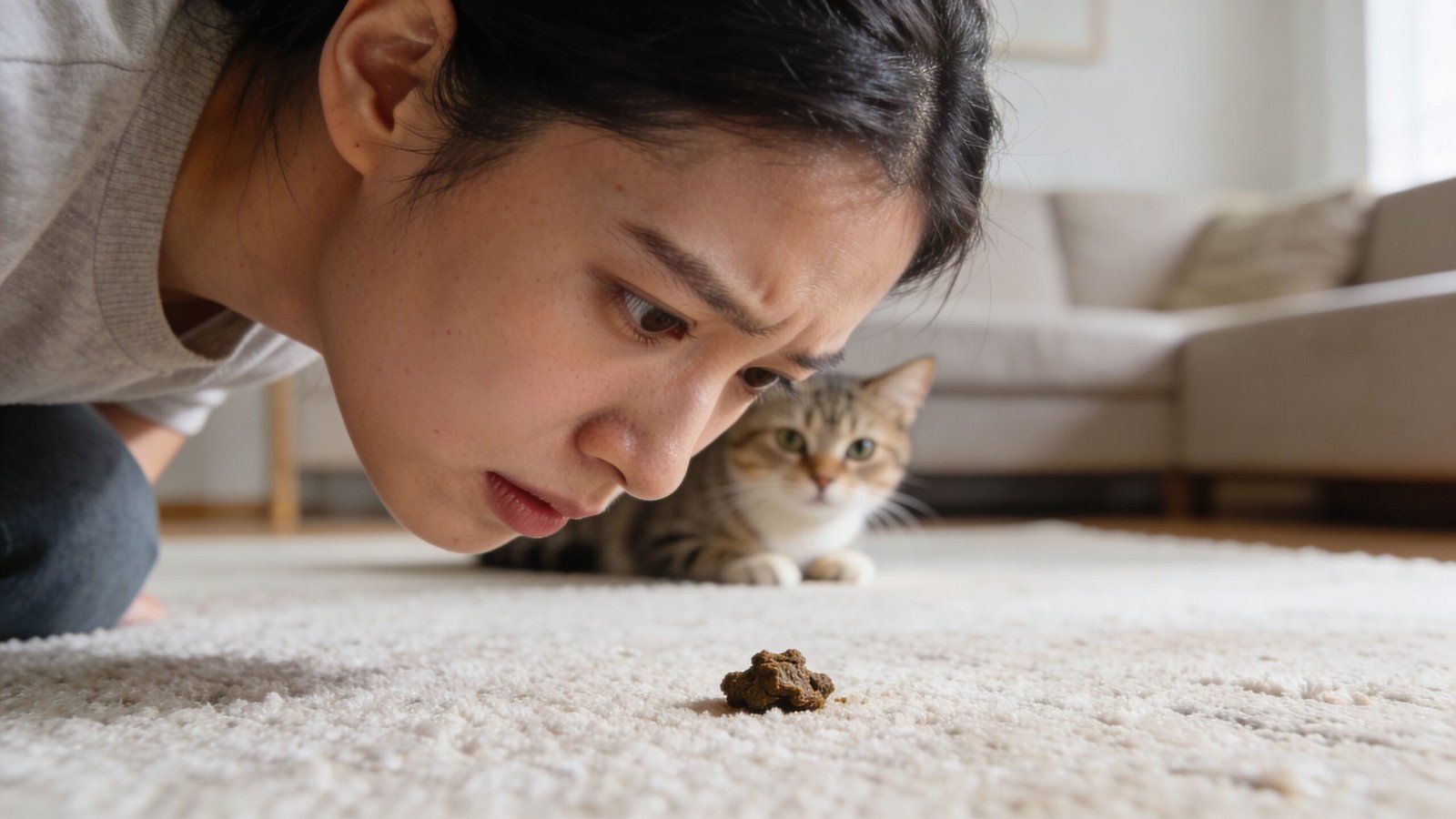
You step onto a damp spot in the hallway before you even see it. Part of the mess is sitting on the carpet face, and part of it has already pressed down into the pile from foot traffic. At that point, the job is no longer just picking up waste. You have to stop it from spreading into the backing, pad, and possibly the wood or concrete underneath.
That lower layer is what homeowners miss.
If the stool is soft, has been stepped on, or sat for several hours, contamination can move through the carpet backing and into the pad. Once odor and bacteria reach the subfloor, surface cleaning will not solve the problem. You may improve the appearance for a day or two, then the smell comes back when humidity rises or the room warms up. In houses with repeated accidents, I treat recurring odor as a warning sign that the problem may require professional biohazard cleanup for pet waste contamination.
Why the first cleanup attempt often fails
Homeowners usually create more work in one of three ways:
- They scrub the spot, which smears fecal material across more fibers and pushes residue deeper.
- They saturate the area with store-bought cleaner, which can drive contamination into the pad if the product is overapplied.
- They stop after the visible stain is gone, even though the backing or subfloor may still be contaminated.
A black light can help with repeat-accident homes when you need to check the surrounding area for missed residue. For a practical overview of that inspection method, see boosting hygiene with black lights.
Use the visible spot as a map marker, not the full boundary of the damage.
A controlled response gets better results. Put on gloves. Remove solids without grinding them into the pile. Then clean the affected area with enough precision to protect the carpet, and enough skepticism to ask whether the contamination has gone below it.
Your Essential Supplies for a Safe and Effective Cleanup
Set your tools out before you start. Once fecal material is on carpet, every extra trip across the room increases the chance of spreading contamination, missing residue, or reaching for the wrong product.
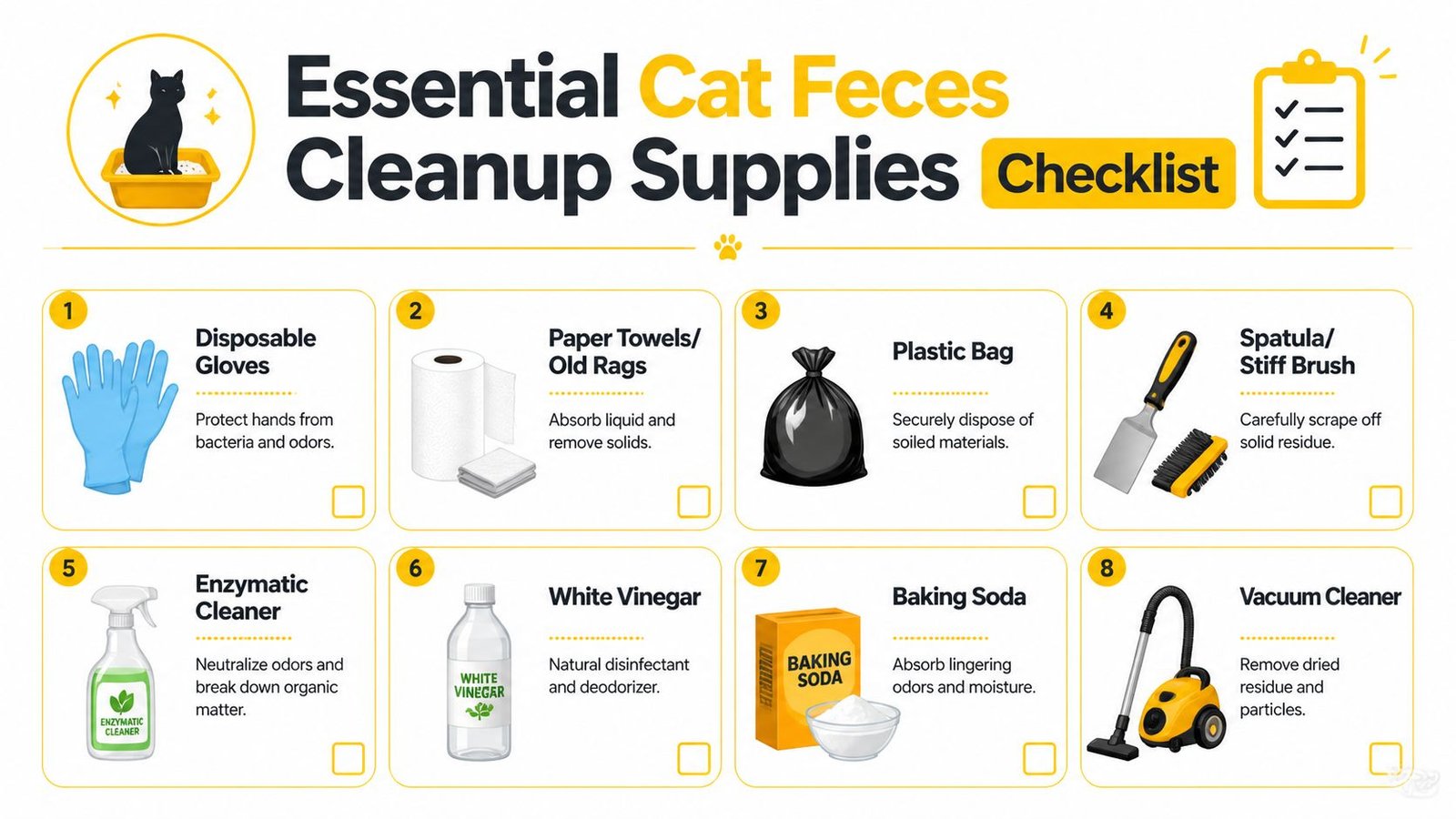
I treat this as contamination control, not ordinary spot cleaning. A basic kit keeps the work contained and gives you a better chance of removing residue from the carpet face without forcing it into the backing or pad. If the mess has already soaked through, supplies alone will not solve it. They only help you avoid making a subfloor problem worse.
What belongs in your cleanup kit
- Disposable nitrile gloves. Skin protection is required when you are handling feces.
- A plastic scraper, spoon, or dull putty knife. Use a smooth edge that lifts solids without cutting or grinding the pile.
- White paper towels or white absorbent cloths. White fabric lets you see transfer and avoids dye bleed on damp carpet.
- Trash bags. Bag waste and used towels immediately so contamination stays contained.
- A pet-safe enzyme cleaner. Enzyme cleaner is the most important supply because it breaks down the organic residue that keeps producing odor.
- Cold water. Protein-based contamination responds better to controlled blotting with cold water than heat.
- Microfiber cloths. Useful for gentle pickup after the solid waste is removed.
- Baking soda. Use it only after cleaning and partial drying if you need light odor absorption at the surface.
- A spray bottle. Fine mist application helps you control moisture instead of soaking one spot.
- A wet/dry vacuum if you have one. Helpful for liquid feces accidents and for pulling rinse moisture back out of the carpet.
What not to use first
Some products create secondary damage or hide a deeper problem.
| Product | Problem |
|---|---|
| Bleach-based cleaner | Can discolor carpet, damage fibers, and fails to address contamination below the surface |
| Hot water | Can spread soft waste and make protein residue harder to manage |
| Colored shop towels | May transfer dye into wet carpet |
| Hard scrubbing brush | Frays carpet yarn and pushes residue deeper |
| Heavy perfume spray | Masks odor while bacteria and residue remain in the carpet system |
Keep moisture under control. If you over-wet the area, the pad can stay damp long after the surface feels dry, which is one reason odor returns. Use light application, blotting, and extraction, then review this guide on how to dry wet carpet fast if the area ends up wetter than planned.
A good cleanup kit is simple, controlled, and built to limit spread.
Why enzyme cleaner matters most
General soap can remove some visible residue. It does not reliably deal with the organic material that continues to smell and attracts repeat marking. Enzyme cleaners are made for that job.
There is a trade-off. Enzyme products need proper contact time, and overapplying them can wet the pad and backing. On a surface-level accident, that is manageable. On a repeat-accident area or any spot that smells stronger near the floor than at the carpet tips, deeper contamination is a real concern. In those cases, the right decision may be inspection and professional remediation, not more product.
Immediate Action for Fresh Cat Feces on Your Carpet
Fresh contamination is the easiest to remove well, but only if you handle it gently. The window for a clean result is short.
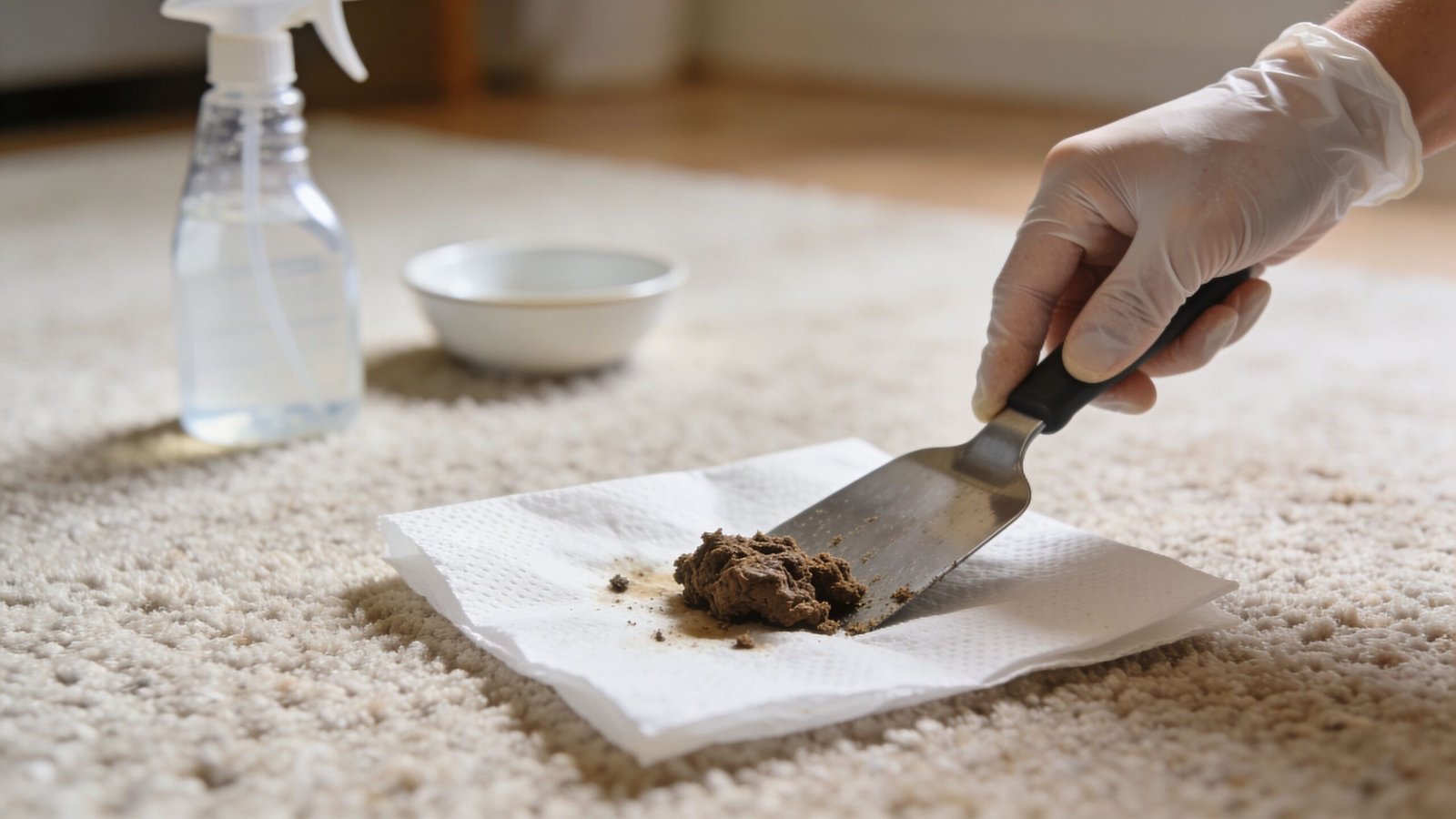
The verified IICRC-style methodology cited in this step-by-step cat feces cleanup guide says immediate solid waste extraction using a plastic scraper to gently lift 90 to 95% of solids without rubbing can achieve over 98% initial removal success if done within one hour. That’s the standard to aim for.
Step one Lift solids without smearing
Put on gloves. Use a plastic scraper, spoon, or dull putty knife and work from the outside edge inward. You’re trying to lift the mass off the carpet tips, not mash it into the backing.
If the stool is soft, take smaller passes. Wipe the scraper onto paper towels after each lift so you’re not spreading residue back across the area.
Never start with a rubbing motion. Once fecal material is pushed into the base of the carpet, cleanup gets much harder.
Step two Blot the remaining residue
After the bulk material is gone, use a slightly damp white cloth or paper towel with cold water and blot. Press down. Lift. Rotate to a clean section. Repeat.
Don’t pour water directly onto the spot. You want control, not saturation.
Step three Apply enzyme cleaner correctly
Spray or pour enough enzyme cleaner to reach the contaminated fibers, but don’t flood the area. The cleaner has to contact the organic material to do its job.
The same verified methodology notes a 15 to 20 minute dwell time for enzyme-based treatment in the proper temperature range for strong odor neutralization, and warns that hot water cuts efficacy sharply because enzymes denature at high heat. That’s why boiling water or steam at this stage is a bad idea.
Step four Extract or blot again
After dwell time, blot with clean microfiber or white towels. If you own a wet/dry vac, this is the time to use it. Extract vertically and slowly. Don’t drag the nozzle aggressively across the pile.
Here’s a visual walkthrough that can help if you prefer to see the motion and pacing of the process:
Step five Rinse lightly and dry thoroughly
A light cold-water rinse helps remove remaining cleaner and suspended residue. Blot again until transfer is minimal. Then place dry towels over the area and apply gentle weight. Change towels as they become damp.
A fan aimed across the carpet helps. Air moving across the surface is better than trapping moisture under a pile of towels for hours.
Fresh cleanup checklist
- Glove up first
- Lift solids with a scraper
- Blot with cold water
- Apply enzyme cleaner
- Let it dwell
- Blot or extract
- Light rinse
- Dry with airflow
If the spot still smells while damp, don’t panic. Judge the result after it dries. If the odor comes back sharply after drying, contamination may be in the pad or subfloor.
Tackling Dried-On Stains and Liquid Feces Messes
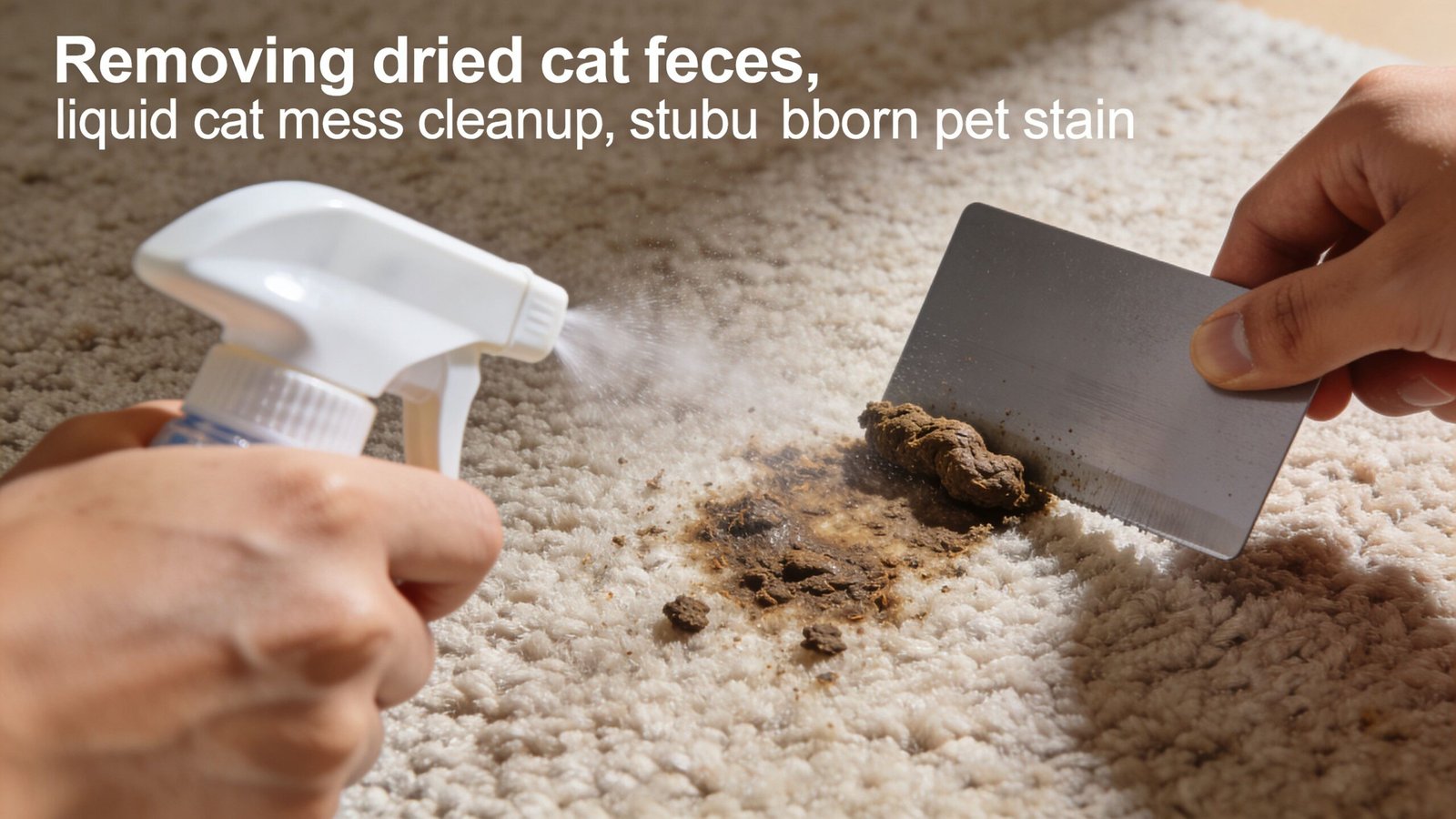
These are the jobs that frustrate people most because the method changes depending on what you’re dealing with. Dried solids need softening and careful removal. Liquid stool needs extraction and controlled moisture management.
The challenge is bigger with diarrhea. The verified data tied to Good Housekeeping’s cleanup guidance notes that handling liquid or diarrheal cat feces poses unique challenges due to deeper fiber penetration and rapid odor embedding, and that 40% of “cat poop carpet” queries involve diarrhea, even though few guides explain proper enzymatic breakdown and extraction.
Dried feces versus liquid feces
| Situation | Best first move | Main risk |
|---|---|---|
| Dried solid residue | Break and lift gently, then rehydrate remaining residue | Abrading fibers while scraping |
| Liquid or diarrheal mess | Blot or extract immediately before applying cleaner | Driving contamination into pad and subfloor |
For dried-on contamination
Start dry. Use a scraper to break off what you can without grinding it into the carpet. Vacuuming loose dry fragments can help if the material is brittle and mostly on the surface.
Then lightly mist the remaining residue with enzyme cleaner or a small amount of water to soften it. Give it a little time, then blot and lift. Patience beats force here.
For liquid stool or diarrhea
Skip scraping. Start with absorbent towels or, better yet, a wet/dry vacuum. You need removal by extraction, not by spreading.
This is also where homeowners cross into conditions that resemble Category 3 water damage, because heavily contaminated moisture in porous materials carries a different risk profile than an ordinary spot clean.
If the accident happened in a hallway, family room, or another surface that gets frequent foot traffic, sanitation matters beyond the stain itself. This article on managing health risks in high-traffic areas gives a useful broader perspective on why thorough surface cleanup matters in shared living spaces.
Soft stool doesn’t stay where you first see it. It follows the pile direction, the backing, and sometimes the pad seam.
When oxidation can help
For stubborn discoloration after proper enzyme treatment, some technicians use an oxidative-peroxide approach on suitable carpet fibers. The verified benchmark tied to the YouTube protocol in the source material describes a mixture using 1/4 cup Oxiclean, 1 1/3 cup warm water, 2 Tbsp 3% hydrogen peroxide, and 2 to 3 drops of Dawn, with a short dwell for stain lift. Patch-test first, especially on wool or dyed fibers, and keep moisture controlled.
That kind of treatment is for residue and staining after the bio-residue is addressed. It isn’t a substitute for enzyme cleaning.
When to Call a Professional Signs of Subfloor Contamination
Some carpet spots clean up well on the first pass. Others look better for a day, then the smell returns when the room warms up or humidity rises. That usually means the problem didn’t stop at the face fibers.
The verified data tied to this subfloor contamination discussion states that IICRC S500 standards emphasize subfloor remediation for protein stains to avoid 70 to 90% odor recurrence rates, and that searches for persistent carpet odor rose sharply in 2025. That pattern makes sense. Surface treatment can’t fix contamination sitting in pad, tack strip, or subfloor seams.
Signs the contamination has gone below the carpet
- The odor returns after the carpet dries
- The stain seems to reappear from below, often called wicking
- Your cat keeps revisiting the same spot
- The accident was liquid, large, or discovered late
- The carpet still feels cool or damp underneath after cleaning
- You smell it more strongly at floor level than standing up
Why surface cleaners stop working
Enzyme cleaners only work where they physically reach. If contamination has passed through the primary backing and into the pad, the top-side application may improve the smell briefly but won’t remove the reservoir below. Vinegar and baking soda can help with light surface odor, but they aren’t a complete answer when the source is buried.
For homeowners comparing odor situations, this guide to tackling persistent rug odors is helpful because it shows how often smell problems outlast the visible stain. The same logic applies here, except fecal contamination raises the sanitation stakes.
A recurring smell after proper surface cleaning is a diagnostic clue. It usually means you’re smelling what’s underneath, not what’s left on top.
What professionals do differently
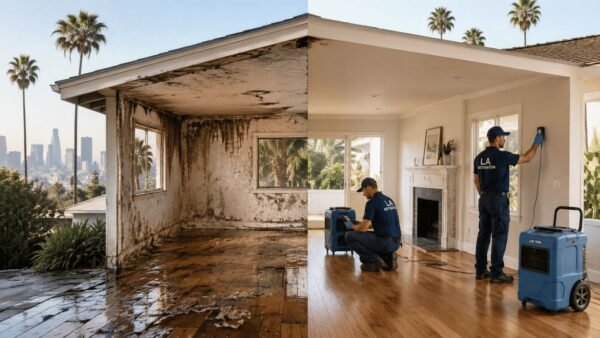
A proper restoration response may include carpet lifting, pad inspection, moisture and contamination mapping, targeted cleaning of the carpet backing, pad removal if needed, subfloor treatment, and structural drying. In more severe situations, the work starts to overlap with sewage damage cleanup because the concern shifts from stain removal to contamination control.
This isn’t overkill. It’s the right technical response when organic waste has moved into porous building materials. If you’re still smelling the spot after a careful enzyme-based cleanup, you’re no longer doing routine housekeeping. You’re dealing with concealed contamination.
Preventing Future Accidents and Protecting Your Investment
The cleanup matters. The reason it happened matters just as much.
If a cat suddenly starts defecating outside the litter box, don’t assume it’s only behavioral. GI upset, stress, litter box aversion, territorial issues, and mobility problems can all contribute. If the stool was loose or unusual, it’s smart to talk with a veterinarian.
Reduce the chance of a repeat spot
- Improve litter box conditions. Keep boxes quiet, accessible, and scooped regularly.
- Use enough boxes. In multi-cat homes, one box often isn’t enough.
- Watch for pattern changes. A new accident location, repeated timing, or soft stool can point to a medical issue.
- Block access during drying. Don’t let the cat revisit a partially cleaned spot.
- Finish drying fully. Residual moisture feeds odor and can support secondary microbial growth.
Why odor prevention is property protection
Once organic contamination gets into the pad or subfloor, every repeat incident becomes harder to fix. The carpet weakens, the odor field gets larger, and moisture control becomes more important. That’s also where hidden dampness creates a separate mold concern, especially if over-wetting happened during DIY cleaning. If that’s on your radar, this guide on how to prevent mold after water damage explains the drying side well.
A professional inspection makes sense when the smell lingers, the accident was liquid, or the carpet stayed wet longer than expected. That isn’t being alarmist. It’s how you protect the carpet system, not just the visible surface.
Frequently Asked Questions About Cat Feces Cleanup
Can I use hot water to sanitize the carpet faster
No. For this kind of contamination, hot water can work against you. The verified cleanup methodology already noted earlier warns that high heat reduces enzyme effectiveness, and proteins are more likely to bind into the carpet. Use cold water for blotting and rinsing.
Is vinegar enough to remove cat feces smell from carpet
Usually not by itself. Vinegar may help with light surface odor, but it doesn’t replace enzyme digestion of organic residue. If the smell keeps returning, the source is probably still in the carpet system.
How long should enzyme cleaner sit on the stain
Follow the product label first, but the verified IICRC-style method referenced earlier uses a 15 to 20 minute dwell time for enzyme treatment under normal room conditions. The cleaner needs time in contact with the residue to work.
What if the feces is already dry
Break off and lift what you can first. Then soften the remaining residue with a controlled amount of enzyme cleaner or water and blot it out gradually. Don’t attack dried material with a stiff brush unless you’re prepared for pile distortion.
How do I know the pad or subfloor is contaminated
The usual clues are recurring odor after drying, wicking, repeated pet interest in the same location, and a mess that was loose or left in place too long. Those are strong signs the problem may be below the carpet face.
Should I replace the carpet
Not always. Fresh, limited contamination often responds well to correct cleaning. Replacement enters the conversation when odor persists below the surface, the pad is affected, or the backing and subfloor have absorbed enough contamination that cleaning won’t deliver a stable result.
Is this a biohazard
Yes. Cat feces should be treated as a biohazard cleanup issue, especially if it’s liquid, widespread, or tracked through the home. Gloves, disposal control, proper chemistry, and thorough drying aren’t optional.
What’s the biggest mistake homeowners make
Scrubbing. It feels productive, but it spreads contamination, frays fibers, and often forces the mess deeper. Lift, blot, treat, extract, dry. That sequence works better.
If you’re dealing with a severe pet accident, recurring odor, or suspected subfloor contamination, Onsite Pro Restoration can help assess the affected area and determine whether the problem is limited to the carpet surface or has moved into the padding and structure below. For Los Angeles homeowners, fast professional evaluation can stop a small pet mess from turning into a much larger restoration problem.