
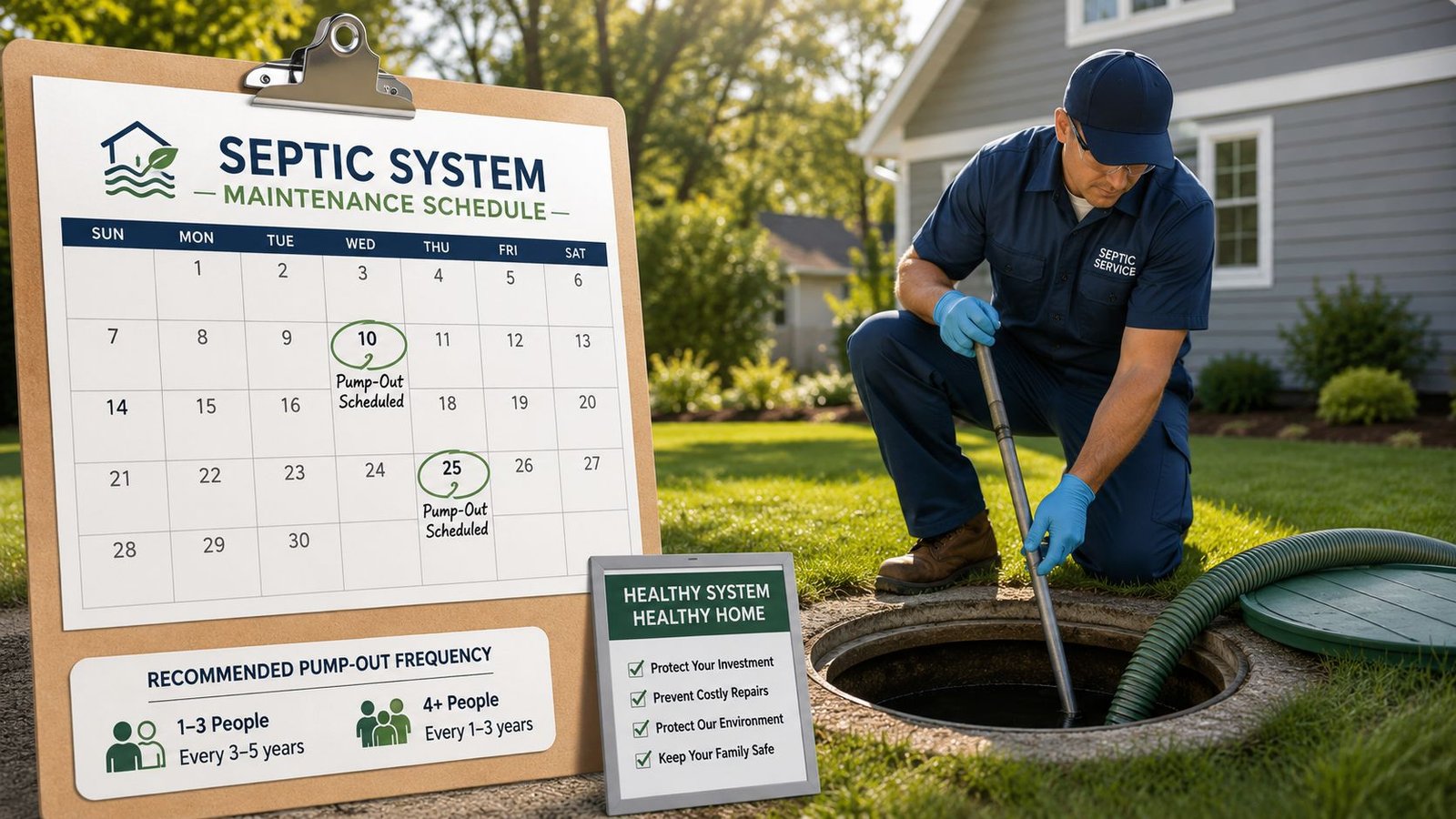
Inspect your septic system at least every 3 years, pump the tank every 3 to 5 years, and if your system has pumps, float switches, or other mechanical parts, have it checked once a year. For most Los Angeles homeowners, that schedule is the single most effective way to avoid sewage backups, drainfield damage, and the kind of restoration bill that starts with a foul odor and ends with torn-up flooring.
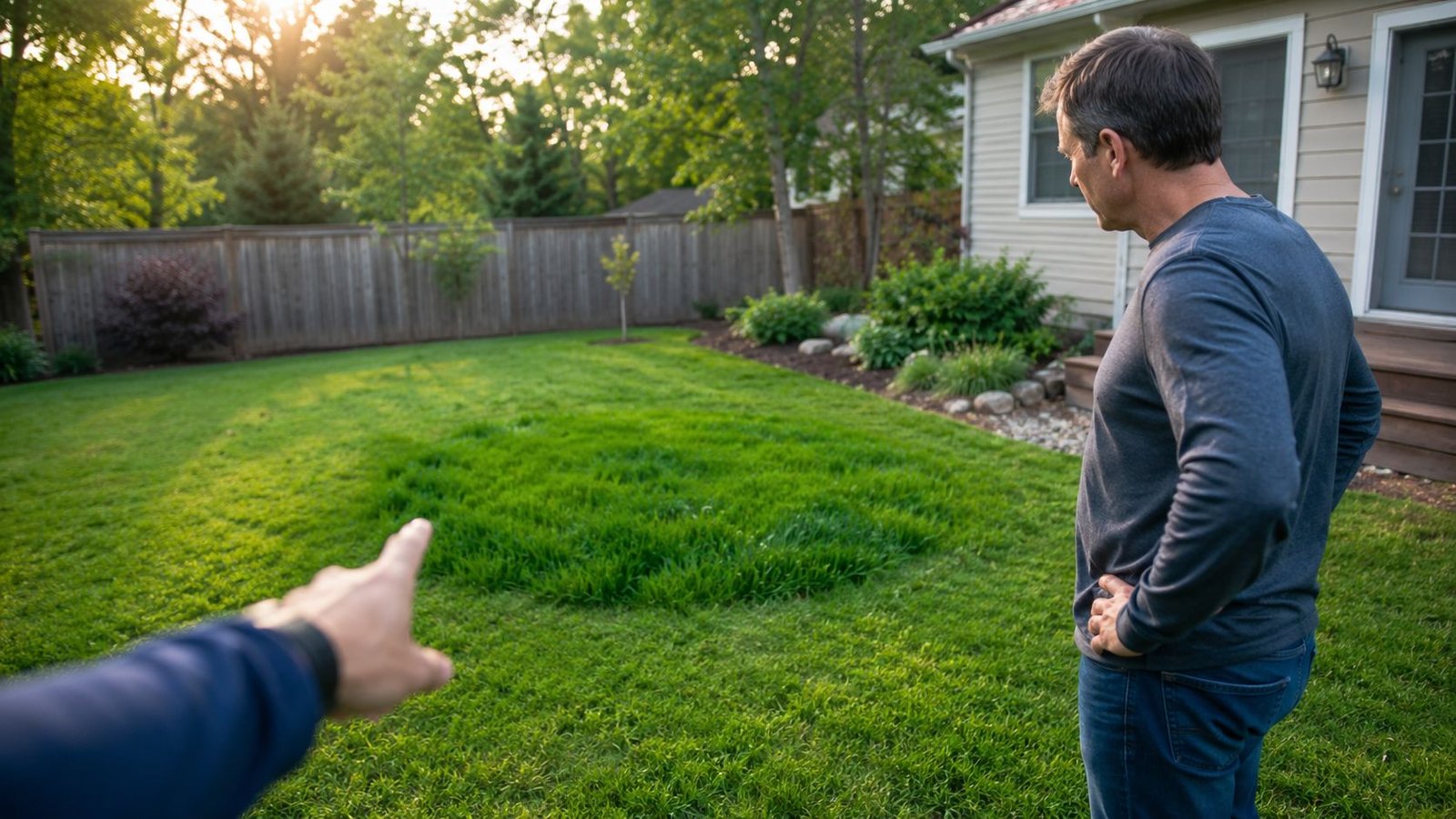
A lot of people first notice trouble the same way. A drain starts gurgling. The yard smells off after running laundry. A patch of grass looks unusually green. In older pockets of Los Angeles like Sherman Oaks, Glendale, and the hills above Burbank, those early signs can point to a neglected septic system that has been overloaded for a long time.
As a restoration professional, I look at septic issues through one practical lens. The goal is to prevent contaminated water from reaching living spaces, subfloors, drywall, and soil near the home. Once sewage backs up indoors, this stops being a maintenance issue and becomes a property damage and sanitation problem.
That's why septic system maintenance matters. It isn't just about pumping on a rough schedule. It's about keeping solids in the tank, protecting the drainfield, limiting water overload, and reacting fast when warning signs show up. If you're comparing conventional and advanced setups, this overview of an aerobic septic tank system can help you understand why maintenance needs vary by equipment type.
Your Guide to Los Angeles Septic System Maintenance
Los Angeles homeowners often deal with two problems at once. The first is age. Many properties with septic systems have older components, unknown maintenance history, or additions that changed household water use over time. The second is location. Sloped lots, tight yard space, and landscaping choices can make access, drainage, and emergency cleanup more complicated than people expect.
What matters most in practice
Septic system maintenance works best when you treat it as a routine service plan, not a reaction to a bad smell. The basics are simple. Get the tank inspected on schedule, pump it before solids move where they shouldn't, and keep extra water and inappropriate waste out of the system.
Practical rule: If your septic system only gets attention after a backup, you're already late.
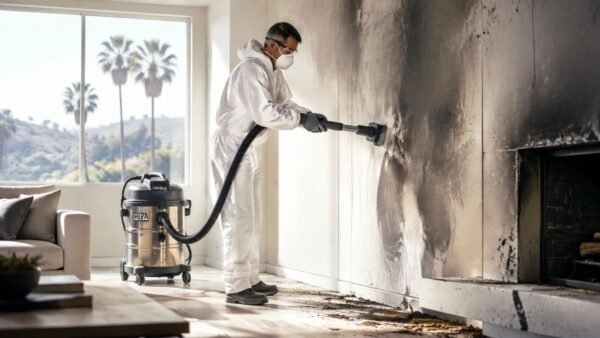
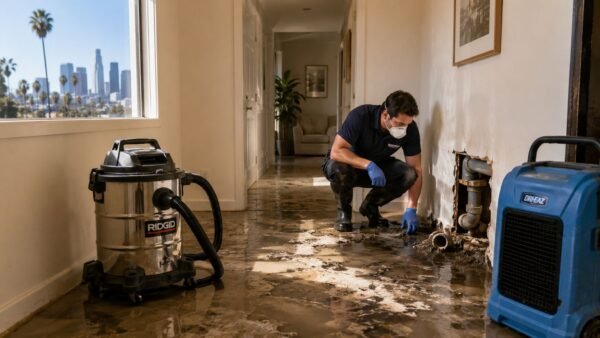
In Los Angeles, that discipline matters because a backup rarely stays limited to the plumbing. Sewage can contaminate bathrooms, lower cabinets, adjacent flooring, crawlspaces, and exterior soil near the house. Once that happens, the cleanup involves extraction, removal of affected materials, sanitation, drying, and documentation.
What this looks like for an older LA property
A homeowner in Sherman Oaks may have a tank that's accessible but overdue for service. A hillside property near Glendale may have a more complicated drainfield layout. A rental in Burbank may have heavier daily use than the original system was designed to handle. Different homes, same lesson. Routine service prevents expensive failure better than any emergency response ever can.
The rest of this guide focuses on what works. You'll see the maintenance schedule that matters, the habits that protect a drainfield, the early warning signs that deserve immediate attention, and the local issues that make septic care in Los Angeles different from generic national advice.
The Core Maintenance Schedule You Cannot Ignore
A septic tank in Los Angeles can look quiet for years, then fail after a period of neglect that never showed up at the surface. I see that pattern most often in older homes where service records are incomplete, lids are buried, or the current owner inherited a system that was already behind. By the time sewage reaches the house or the yard stays wet, the repair bill has usually moved well beyond a routine pumping visit.
Pumping follows tank conditions and household use
Pumping intervals are usually measured in years, but buildup inside the tank is the primary trigger. A larger household, frequent guests, heavy laundry use, and garbage disposal use can all shorten the interval. A lightly used system may go longer. An older Sherman Oaks property with a smaller tank often needs closer attention than a newer home with a larger capacity and lower daily load.
The risk is simple. If solids rise too high, they can leave the tank and enter the drainfield. Once that happens, the problem shifts from maintenance to repair. Soil absorption drops, lines can clog, and wastewater may start backing up into tubs, showers, or lower drains.
Inspections find the problems pumping does not
A pumping appointment removes waste. An inspection checks whether the system is still protecting the drainfield.
That difference matters.
The National Onsite Wastewater Recycling Association advises homeowners to have septic systems inspected regularly and to service mechanical components on a tighter schedule because pumps, floats, and alarms can fail long before the tank itself looks unusual (NOWRA septic system homeowner maintenance guidance). In Los Angeles, that is especially important on hillside lots, older installations, and properties where additions or increased occupancy changed the original load on the system.
A proper inspection should include the inlet and outlet baffles or tees, signs of solids carryover, the condition of any effluent filter, and the condition of risers and lids. If the technician only pumps and leaves without discussing components, ask more questions. A broken outlet baffle can do real damage before you notice any smell indoors.
What to ask the septic company before they leave
Homeowners get better results when they ask for specifics instead of a general “looks okay.”
- Ask what they measured: Request the sludge and scum levels, not just a comment that the tank was full.
- Ask about outlet protection: Confirm the baffle or tee is intact and still doing its job.
- Ask whether an effluent filter is installed: If it is, ask how often it should be cleaned for your household size and usage pattern.
- Ask whether access should be improved: Buried lids and hard-to-reach risers often lead to delayed service.
- Ask what household habits are shortening the service interval: Laundry surges, food waste, and cleaner use all matter.
Cleaner use deserves a direct answer. Heavy disinfectant use can upset the biological process inside the tank, especially in smaller or older systems already under stress. If you want a plain-language breakdown, read this article on whether bleach down the drain affects septic and sewer systems.
Your Role in Daily and Monthly Drain Field Care
Most septic failures don't begin with a dramatic event. They build from ordinary habits. Too much water. Too many solids. Too much pressure on the drainfield.
Water use is a septic issue, not just a utility bill issue
North Carolina State University Extension notes that typical household water use is about 50 gallons per person per day, and uncorrected leaks can more than double household water use (NC State Extension septic maintenance guidance). For a septic system, that extra flow matters because the tank and drainfield need time to separate solids and absorb effluent properly.
In practical terms, this is why laundry habits matter. Running multiple back-to-back loads on one day pushes a large volume into the system at once. A leaking toilet does the same thing, unnoticed, all day and all night.
Habits that reduce stress on the system
Use the system in a way that helps it work as designed.
- Repair leaks fast: A dripping fixture is annoying. A running toilet can overwhelm the system over time.
- Spread out laundry: Give the tank and drainfield recovery time instead of sending repeated surges in a single afternoon.
- Run full loads when possible: That cuts unnecessary cycles and avoids excess wastewater.
- Be cautious with kitchen waste: More food waste in the plumbing means more solids in the tank.
What should never go down the drain
A septic system isn't a trash can. It works by settling and biological breakdown, and some products interfere with both.
Grease, oils, solvents, and excessive garbage disposal waste make the system work harder and raise the chance of clogs where you least want them.
A few everyday mistakes cause a lot of trouble:
- “Flushable” wipes: These are a common source of clogs and don't behave like toilet paper in real septic conditions.
- Grease and fats: They cool, congeal, and contribute to scum and blockage problems.
- Paints or solvents: These don't belong in a residential wastewater system.
- Heavy garbage disposal use: It adds solids that the tank now has to store and separate.
If you're trying to lower the odds of a dirty backup inside the house, this guide on sewer backup prevention for homeowners covers the risk points that show up before a full interior loss.
Protecting the drainfield outside
Drainfield care is as important as tank care. Keep vehicles off it. Don't build over it. Don't direct roof drainage or sump discharge into that area. The soil needs to accept and treat effluent, and compaction or oversaturation interferes with that job.
For Los Angeles homes, landscaping choices matter too. Deep-rooting plants and aggressive irrigation can create long-term trouble. If your yard already struggles with runoff, drainage planning becomes part of septic protection. Even though it's outside California, this guide to choosing a Lakeway drainage installer is a useful example of how homeowners should think about site drainage, grading, and contractor selection before yard work starts affecting underground systems.
Recognizing the Early Warning Signs of Septic Failure
A homeowner notices one toilet bubble after a shower and puts it off for a week. Then the downstairs shower slows, a sour odor shows up near the laundry area, and a damp patch appears in the yard. That progression is common in Los Angeles-area homes with aging septic systems, especially where older components, compacted soil, or changed drainage patterns are already putting stress on the system.
In our restoration work on sewage intrusions in Burbank, Glendale, and older Valley neighborhoods, the early signs are usually small enough to ignore and expensive enough to regret later.
What the tank may be telling you
The inspection standard is straightforward. The Maintaining Your Septic System guide notes that a tank should be pumped when sludge takes up about one-third of the liquid depth, and pumping is also recommended when the scum layer gets too close to the inlet baffle. Homeowners usually will not measure those layers themselves, but those conditions often show up first as changes in drainage, odor, and yard moisture.
A full tank is only part of the problem. Damaged baffles, a blocked outlet, or a drainfield that is no longer accepting effluent can produce similar warning signs. That is why symptoms matter more than guesswork.
Signs inside the house
One slow sink can still be a simple branch-line clog. Several fixtures acting up at the same time points to a larger problem. Watch for toilets that flush weakly, tubs that drain slowly, gurgling after another fixture runs, or wastewater showing up in the lowest drain first.
Odor is another early indicator. Sewage smell near bathrooms, floor drains, or the laundry area deserves prompt attention, particularly after heavy water use.
If you are trying to separate a house-side blockage from a bigger system problem, this page on a clogged sewer line and related warning signs can help you assess what to check before making the next service call.
Signs in the yard
The yard often gives the clearest warning. A wet area that stays damp without irrigation, standing water near the drainfield, or one strip of grass growing faster and greener than the rest can mean effluent is reaching the surface instead of moving through the soil below.
That matters even more on Los Angeles properties where slope, fill soil, hardscape, and redirected runoff change how water moves across the lot. A symptom that looks minor in a flat yard can turn into surfacing sewage near a patio, walkway, or neighboring property.
Drainage work can also hide or worsen septic trouble if the layout is not understood first. The guide to choosing a Lakeway drainage installer is outside California, but it gives a useful example of how homeowners should evaluate grading and drainage decisions before yard work pushes more water toward a vulnerable septic area.
This short video gives a useful visual sense of what homeowners should watch for around the property:
The point where this becomes an emergency is sewage backing up into the house. Stop using sinks, toilets, tubs, and the washing machine. Keep children and pets away from affected areas. Treat it as a contamination event, because that is what it is.
Los Angeles Specific Septic System Guidance
Septic care in Los Angeles has a local layer that national articles usually miss. The maintenance principles are the same, but site conditions, home age, and emergency consequences can look very different here.
Older homes and tighter lots change the risk
In neighborhoods like Sherman Oaks and parts of the hills, older homes may have septic components that were installed long before current owners bought the property. Records can be incomplete. Access lids may be buried. Yard improvements may have changed drainage patterns or limited service access.
That creates a practical problem. If you don't know exactly where the tank and drainfield are, you're more likely to damage them during landscaping, hardscaping, or drainage work. It also slows emergency response when sewage appears in the home and the system needs to be identified quickly.
Soil, slope, and outdoor water management matter here
Los Angeles properties often combine slope, hardscape, irrigation, and compacted soil in ways that make wastewater dispersal less forgiving. A drainfield doesn't just need open space. It needs the right moisture balance and protection from extra surface water.
Keep roof runoff, irrigation overspray, and concentrated yard drainage away from the drainfield area. Don't park work trucks or personal vehicles over it. Don't assume a healthy-looking lawn means the system is performing well. In septic settings, lush growth over one section of yard can be a warning sign, not a compliment.
What to do during a sewage backup emergency
If sewage enters the house, act fast and keep the response simple.
- Stop water use: Don't run sinks, showers, laundry, or dishwashers.
- Limit access: Keep children, pets, and occupants out of affected rooms.
- Avoid cleanup shortcuts: Household mops and fans aren't enough for contaminated water.
- Document visible damage: This helps if you're reviewing possible coverage later.
For homeowners trying to understand the insurance side before or after a loss, this overview on whether homeowners insurance covers sewer backup is a useful starting point.
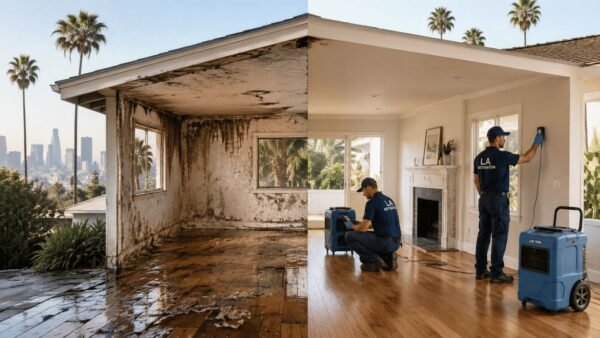
If contaminated water has already affected floors, drywall, or contents, a restoration company with sewage mitigation capability can handle extraction, containment, removal of unsalvageable porous materials, cleaning, and structural drying. In Los Angeles, Onsite Pro Restoration provides sewage-related cleanup and property damage mitigation for this kind of loss.
If the situation is active, don't wait for it to “clear itself.” Sewage contamination usually spreads farther than what's visible on the surface.
Frequently Asked Questions About Septic Systems
Will homeowners insurance cover septic damage or a sewer backup
Sometimes, but it depends on the policy language and the cause of loss. Coverage questions often turn on whether the policy includes sewer or water backup protection and whether the damage came from sudden backup, system neglect, or excluded ground or infrastructure issues.
That's why documentation matters. If you're preparing a claim after a messy water loss, this guide on how to maximize your home insurance payout gives a practical overview of the process homeowners should understand before speaking in broad terms with the carrier.
How often should I clean an effluent filter
It depends on the system and household use, but this is one of the most missed maintenance items. Homeowner guidance notes that effluent filters may need cleaning as often as once or twice a year, and the same source warns that garbage disposals significantly increase solids loading while so-called flushable wipes do not break down and can cause severe clogs (Hidden Springs Lake septic maintenance guidance).
If your home has heavier occupancy, frequent laundry, or a garbage disposal that sees regular use, ask your septic professional to set a cleaning schedule instead of waiting for symptoms.
Should I use a garbage disposal if I have a septic system
You can, but it increases solids loading and makes the tank work harder. In the field, that usually means more material settling into sludge and a shorter path to service need. If you already have a septic system with a history of slow drainage or past neglect, limiting disposal use is the safer choice.
Are septic additives necessary
Most homeowners should be skeptical of miracle-fix products. A septic system needs regular inspection, timely pumping, controlled water use, and protection of the drainfield. Additives don't replace those basics, and they won't fix damaged baffles, a blocked line, or a failing drainfield.
What's the smartest maintenance move if I just bought a home with septic
Start with a professional inspection and get the tank's condition documented. If there's no reliable service history, assume you need facts, not guesses. Knowing where the tank is, whether there's an effluent filter, and whether internal components are intact gives you a real maintenance baseline.
If you're dealing with sewage odors, slow drains, or an active backup in Los Angeles, Onsite Pro Restoration can help assess the damage, contain contamination, and handle sewage-related cleanup. For immediate help, call 818-336-1800 24/7.