
If you're trying to identify mold types basement growth, the names you'll hear most often are Aspergillus, Penicillium, Cladosporium, Alternaria, and Stachybotrys, but the bigger issue is simpler: any visible mold means moisture is present and needs to be addressed right away. Basements should be kept at no higher than 50% humidity, and after a leak or flood, wet areas should be cleaned and dried within 24–48 hours to slow mold growth and reduce damage.
You go downstairs, grab a storage bin, and catch that stale, earthy smell that wasn't there before. Maybe it's a back corner behind boxes. Maybe it's around a water heater, under the stairs, or along a concrete wall after winter rain. In Los Angeles homes, especially older properties in Sherman Oaks, Glendale, and Burbank, that smell often shows up after a small seepage issue, a plumbing drip, or trapped moisture that never fully dried.
Most homeowners start by asking, “What kind of mold is this?” Fair question. But in the field, the better question is, “Where is the water coming from, and how far has the mold spread?” That's what determines whether you're dealing with a cleanup job, a hidden contamination problem, or damaged building materials that need removal.
That Musty Basement Smell A Sign of Hidden Mold Problems
A musty basement doesn't always start with a dramatic black patch on the wall. More often, it starts with odor. Cardboard smells damp. Stored clothes pick up a stale scent. Paint near the floor line looks slightly off. Then you move a shelf and find growth on drywall paper, wood trim, or the back of a box stack.
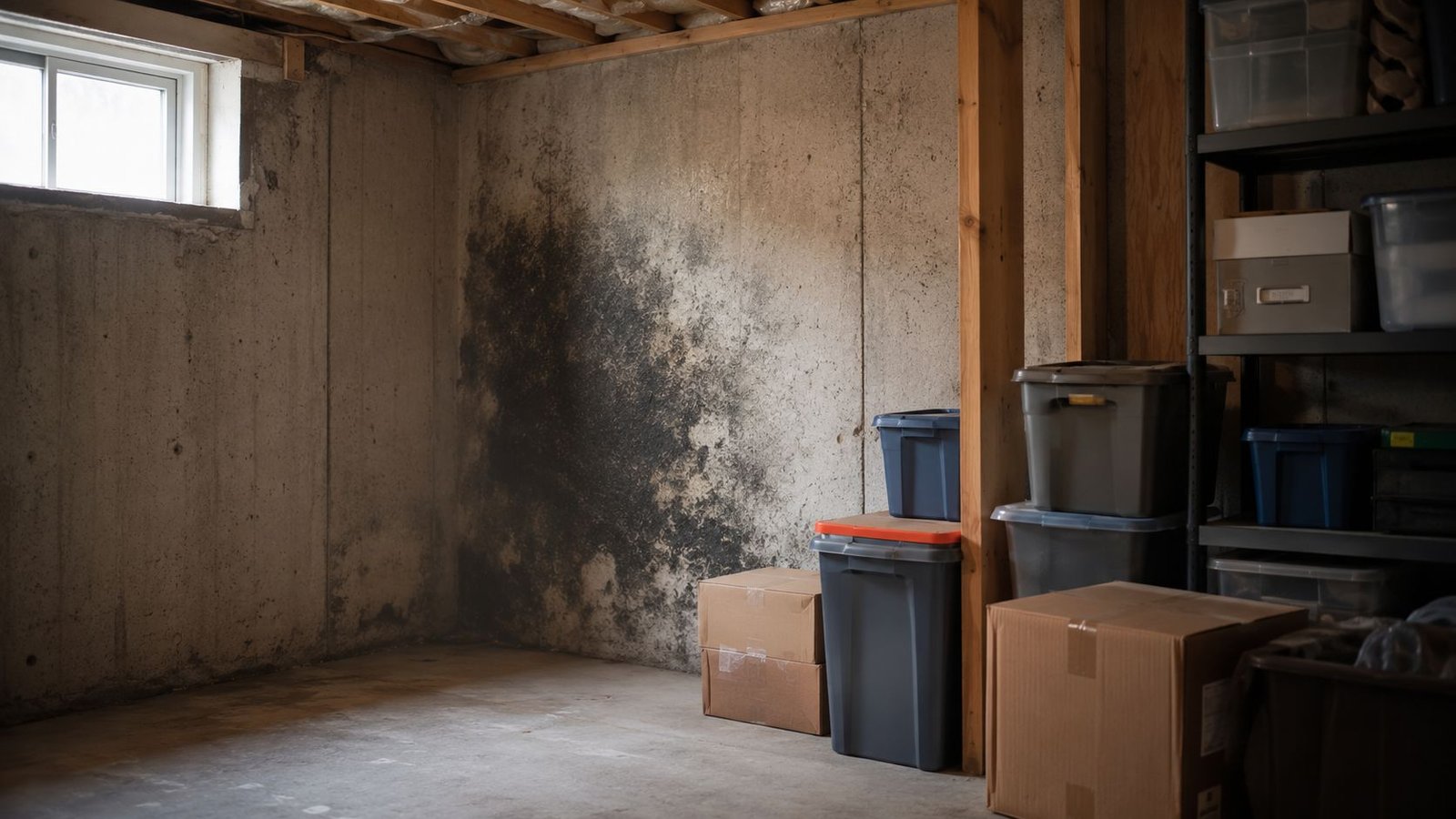
In Los Angeles, homeowners sometimes assume basements and lower-level rooms don't have the same mold risk as wetter parts of the country. That's a mistake. Our risk pattern is different, not absent. Seasonal rain, aging foundations, poor drainage, old plumbing, and enclosed storage areas all create the same end result: trapped moisture with low airflow.
What that smell usually means
That odor usually points to one of three conditions:
- Hidden moisture: Water is entering through a wall, slab edge, pipe penetration, or condensation point.
- Absorbed humidity: Porous contents like cardboard, fabric, and wood have held moisture long enough for growth to start.
- Previous water damage: A leak may be “over,” but the assembly was never dried fully.
Practical rule: If you can smell mold but can't see it, assume there may be hidden growth behind stored items, wall finishes, or built-ins.
A lot of homeowners first land on odor-related questions before they ever search for species names. If that's where you are, this guide on how to get rid of musty smell is a useful companion because smell often shows up before visible colonization does.
Why Los Angeles homes still get basement mold
A 2024 WHO Europe briefing warns that climate change is expected to increase indoor dampness risks through heavier rainfall and flooding, and CDC flood guidance notes that mold can begin growing within 24–48 hours after water intrusion, which is why fast action after leaks or flooding matters in Los Angeles too, as summarized in this discussion of post-flood basement mold timing.
That matters in neighborhoods with older construction. I've seen lower levels in Glendale and Sherman Oaks where the mold problem wasn't caused by one catastrophic event. It came from repeated minor wetting. A little seepage at one wall. Some condensation on a cool concrete surface. Stored boxes tight against the wall. That combination is enough.
For a broader homeowner perspective on moisture control and basement health, it helps to think about mold as a building moisture issue first and a species-identification issue second.
The 5 Most Common Types of Mold in Basements
A Los Angeles homeowner usually notices basement mold in a very ordinary way. Holiday boxes feel damp, paint shows spotting near an exterior wall, or a water heater closet starts smelling off after a small leak. At that point, the question is usually, “What type of mold is this?” A better question is, “What kept this material wet?”
Species names still help. They tell you what commonly shows up in basements and where to look first. But in the field, the moisture source, the material affected, and how long it stayed damp matter more than trying to identify mold by color alone.
Common Basement Molds at a Glance
| Mold Type | Common Appearance | Often Found On |
|---|---|---|
| Stachybotrys | Dark, often slimy when wet, sometimes sooty-looking when older | Drywall paper, fiberboard, other cellulose-rich materials with prolonged moisture |
| Aspergillus | Powdery or fuzzy, can appear in several colors | Dusty surfaces, drywall, insulation, stored materials |
| Cladosporium | Olive, brown, gray, or black-toned spotting | Wood, painted surfaces, window-adjacent areas, textiles |
| Penicillium | Velvety or powdery, often blue-green or greenish | Wallpaper, carpeting, insulation, fabrics, leather, food |
| Alternaria | Dark patching with a velvety look | Damp walls, textiles, dust-loaded areas, surfaces with recurring condensation |
What these molds usually tell you about the basement
Stachybotrys shows up in the kind of basement problem that has been ignored for a while. I look for chronically wet drywall, fiberboard, and other paper-faced materials. In older Los Angeles homes, that can trace back to slow plumbing leaks, poor drainage at a foundation wall, or a finished lower level built without good moisture control.
Aspergillus and Penicillium are common where humidity stays high and air movement is poor. They often turn up on stored contents, insulation, and dust-loaded surfaces. In practical terms, that usually points to condensation, trapped humidity, or a past water event that was dried too slowly.
Cladosporium often appears on wood, painted trim, and cooler surfaces. I see it in basements where outdoor moisture, indoor humidity, and limited ventilation meet. It is also one reason dark spotting should never be judged by appearance alone.
Alternaria is often associated with recurring dampness on walls, fabrics, and dusty surfaces. If it keeps coming back, the problem is usually environmental, not cosmetic. Cleaning the visible patch without correcting the dampness just resets the cycle.
Where to inspect first in a Los Angeles basement
Basements and lower levels in Los Angeles are less common than in colder parts of the country, but the ones we do have often come with age-related issues. Older foundations, retrofitted finishes, hillside drainage problems, and unpermitted past work can all change how moisture behaves.
Check these areas first:
- Drywall and other paper-faced materials: Growth here often means the material absorbed moisture, not just surface humidity.
- Carpet, padding, and rugs: These hold water longer than concrete and can stay damp underneath while the top feels dry.
- Stored cardboard boxes and fabrics: These are frequent first-growth sites because they trap moisture and restrict airflow.
- Wood framing, baseboards, and trim: Repeated seepage or condensation often shows up here before homeowners notice a larger issue.
- Insulation, wallpaper, and adhesive-backed finishes: These materials can hide active growth and make cleanup more involved.
That last point matters for cost and scope. Mold on non-porous or semi-porous surfaces may be cleanable in some cases. Mold that has fed into drywall, carpet pad, insulation, or other porous materials often means removal is the safer route, especially if the area has stayed damp for more than a brief period.
If you are focused on dark growth specifically, this visual guide to what black mold looks like in a home can help you compare what you are seeing without assuming the color gives you a diagnosis.
Why Mold Color Is a Misleading Clue
Homeowners in Los Angeles often call and say, “I think I have black mold.” Sometimes they do have dark-colored mold. Sometimes they have Cladosporium. Sometimes it's staining, dirt accumulation, or growth that changed appearance as it dried out. Color by itself doesn't tell you enough to make a safe decision.
Public health guidance from the EPA and CDC emphasizes that mold color does not reliably indicate species or risk, and that all molds should be treated with caution while the moisture source is fixed. This summary of why mold color is a poor guide captures the point well.
Why color leads homeowners in the wrong direction
A dark patch can be more than one genus. A green patch can be more than one genus. Even the same growth can change in appearance based on age, lighting, moisture level, and what it's feeding on.
That's why I don't advise homeowners to decide severity based on whether something looks black, gray, green, or white. The more useful questions are:
- Is it actively damp
- Is it on a porous material
- Is the area growing or recurring
- Do you smell mold where you can't see it
What to focus on instead
Use this hierarchy:
- Moisture source first
- Material type second
- Extent of contamination third
- Color last
If you spend all your time trying to name the color, you can miss the leak behind the wall that's feeding the whole problem.
Bleach questions come up a lot when people are dealing with dark staining. If that's what you're considering, read does bleach kill black mold before you start scrubbing. Surface cleaning has limits, especially on porous materials.
The Health Risks and Structural Dangers of Basement Mold
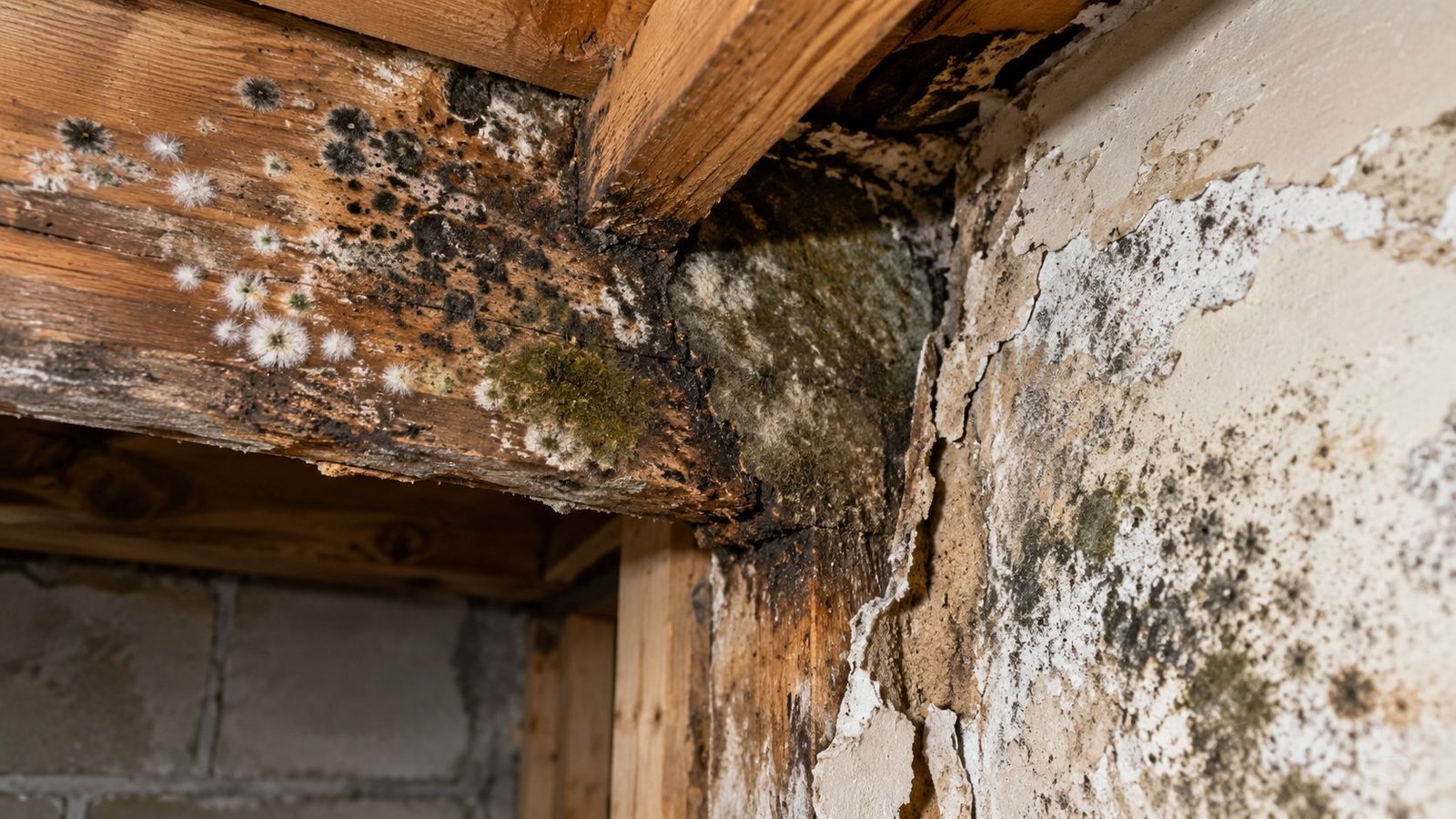
Mold in a basement affects two things at once: the air inside the home and the materials the home is built from. Those are related, but they're not the same problem.
Health concerns inside occupied homes
A 2024 WHO Europe briefing warns that dampness and mold are associated with asthma and other respiratory outcomes. That's one reason I tell homeowners not to minimize basement contamination just because it's “downstairs.” Air moves. Odors move. Spores move with disturbance and airflow.
People who are already sensitive often notice the problem first. They may describe irritation, congestion, coughing, or a flare-up in a space that smells musty or feels damp. In practical terms, if someone in the home is reacting and there's visible growth or a persistent odor, that's enough reason to take the issue seriously.
For readers concerned about severe respiratory questions, this article on whether black mold can cause pneumonia covers where confusion often starts and why medical concerns should be evaluated separately from visual mold identification.
Structural damage is often the bigger long-term cost
Mold doesn't just sit on the surface looking ugly. In a damp assembly, it colonizes materials that contain organic matter. Industry guidance consistently notes risk on drywall paper, fiberboard, wood, wallpaper, carpeting, insulation, leather, and fabrics, especially in enclosed basement conditions summarized in this overview of common basement mold groups and where they grow.
That means the actual damage may be in:
- Drywall facings
- Base trim and wood framing
- Insulation
- Subfloor-adjacent materials
- Stored contents
Porous materials can stay contaminated even after the surface looks cleaner. If the material remains damp or degraded, the growth returns.
Here's a useful visual explanation of how water and mold damage progress through building materials:
Why basements keep feeding the problem
Basements and lower levels often combine cool surfaces, limited airflow, and hidden moisture pathways. That lets contamination spread slowly behind finishes and around stored contents.
Mold remediation fails when people clean the stain but leave the water path intact.
That's why a proper response isn't just “kill mold.” It's inspect, contain if needed, remove unsalvageable porous material, dry the structure, and correct the moisture source.
Professional Testing vs A DIY Inspection
Not every basement mold problem needs lab testing. Some do. The smart move is knowing the difference.
What you can check yourself
A homeowner can do a useful first inspection with a flashlight, gloves, and patience. Check behind storage, around pipe penetrations, under stairs, near exterior-facing walls, at the bottom of drywall, and around any place where concrete feels cool or damp.
Pay attention to what the house is telling you:
- Persistent odor: Strong clue for hidden growth or trapped moisture
- Recurring staining: Suggests the water issue never stopped
- Damaged contents: Cardboard, fabric, and paper products often show problems early
- Patterned dampness: A wall line, corner, or utility area may reveal the water path
When DIY isn't enough
Testing or professional inspection makes more sense when the mold seems hidden, keeps coming back, or needs documentation. That includes real estate transactions, landlord-tenant disputes, and post-remediation clearance.
Drainage also matters more than people realize. If the source may involve underground water movement or failed drain lines, resources like Anytime Drain Solutions on CCTV surveys help explain why some moisture problems need a deeper building investigation, not just surface treatment.
You should lean toward professional evaluation when:
- You smell mold but can't find it
- The area is inside walls, ceilings, or HVAC-adjacent spaces
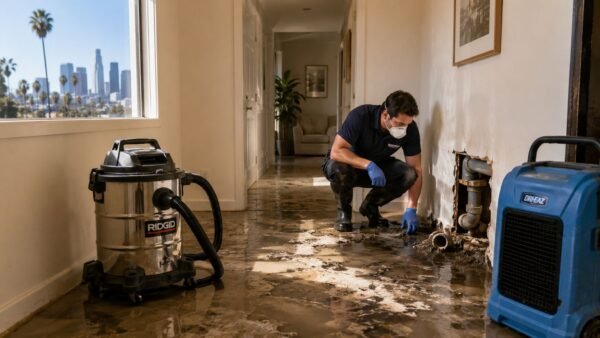
- The problem followed flooding, sewage, or chronic seepage
- You need third-party documentation
- You want post-remediation verification
For local inspection and sampling options, Los Angeles mold testing is the right next step when visual clues alone don't answer the underlying question.
A Homeowner's Guide to Mold Remediation and Prevention
You clean a patch on the basement wall, the stain lightens, and the musty smell seems better for a week. Then it comes back after a humid stretch or a small plumbing drip. In my line of work, that usually means the mold was never the main problem. The moisture source was.
That matters in Los Angeles, where a lot of lower-level mold problems come from slow foundation seepage, old supply lines, poor exterior grading, or damp storage conditions in older homes. Color does not tell you what to do next. The water source does.
Industry guidance is consistent on the part that changes outcomes. Mold prevention in basements depends on controlling humidity, drying wet materials quickly, and correcting the building condition that keeps feeding growth. Surface cleaning by itself is rarely enough.
Safe cleanup for small visible areas
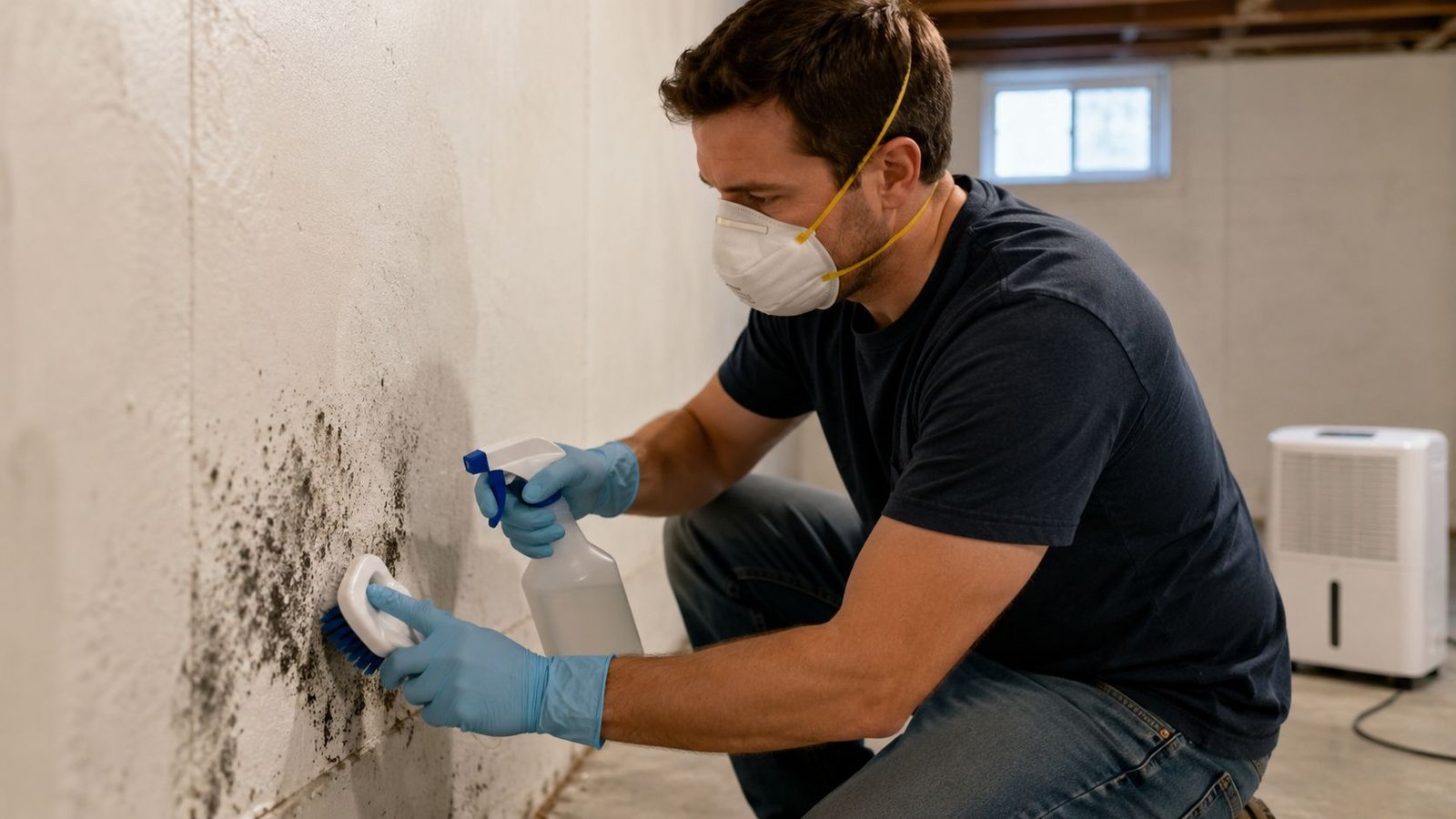
For a small, visible area on a hard, non-porous surface, careful cleanup may be reasonable. Soap and water often do the job. Bleach is not a cure for a moisture problem, and it is not the right answer for every material.
Use basic protection and keep the work controlled:
- Wear gloves and eye protection
- Use a proper mask
- Keep kids and pets away
- Bag contaminated wipes or debris promptly
- Don't dry-brush mold and spread spores
A few practical limits matter here. If drywall, insulation, carpet, cardboard, or wood stayed wet for too long, cleaning the surface may not solve it because the growth can extend into the material. If you have to tear out damp porous material, isolate the area as best you can and avoid carrying dusty debris through the house.
What usually works long term
Long-term control is less about products and more about building conditions.
- Control humidity: Run a dehumidifier and check readings regularly.
- Improve drainage: Correct grading, runoff, seepage points, and foundation entry paths.
- Remove absorbent clutter: Cardboard boxes against basement walls hold moisture and hide early growth.
- Repair plumbing leaks fast: A slow drip under a sink or at a water heater can keep materials damp for months.
- Create airflow: Leave space between stored items and exterior walls.
- Replace damaged porous materials: Drywall, insulation, and trim often need removal if they stayed wet or visibly contaminated.
Los Angeles homeowners should also keep local code and permit realities in mind. If moisture damage leads to wall opening, plumbing repair, or electrical work, the repair side may need to meet current code even if the original construction did not. That is one reason I tell people not to stop at wiping the surface. Find out where the water is entering, how far it spread, and whether the assembly can dry.
Good prevention is boring. It works.
For homeowners thinking more broadly about moisture prevention after leaks, even outside California, practical articles like preventing water damage in Eastbourne reinforce the same lesson we see on restoration jobs every week. Fast leak response keeps a small water problem from turning into material removal, odor control, and repeat cleanup.
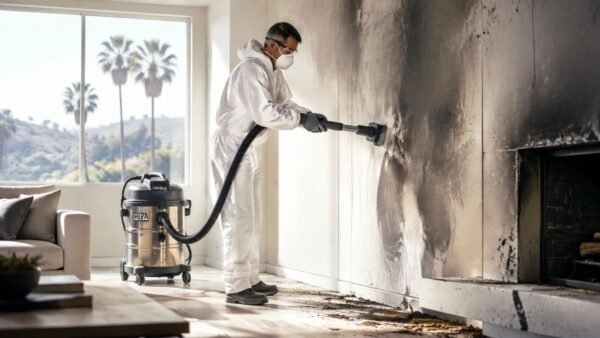
If the mold is tied to a larger water event or hidden spread, one option is to have an IICRC-guided remediation contractor handle containment, removal of damaged materials, HEPA air filtration, and structural drying. In Los Angeles, that's the kind of work Onsite Pro Restoration performs when basement or lower-level mold goes beyond surface cleaning.
When to Call a Los Angeles Mold Professional
Some situations aren't good DIY candidates. If mold covers more than 10 square feet, if the water source involved sewage or contaminated water, if the growth is inside HVAC-related spaces, or if someone in the home is having significant respiratory symptoms, bring in a professional.
The same applies when you have a strong musty odor with no visible source. Hidden wall cavity growth, damp insulation, or contamination behind built-ins is common in older Los Angeles homes, especially after repeated minor leaks.
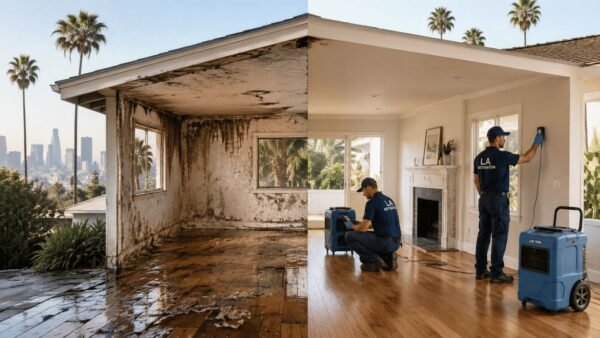
In neighborhoods like West Hollywood, Glendale, Burbank, and Sherman Oaks, IICRC-based remediation usually starts with source identification, containment, controlled demolition where needed, HEPA filtration, and drying of the assembly before rebuild decisions are made. That sequence matters. If you skip straight to cosmetic repair, the problem often returns.
Call a pro if any of these are true:
- The mold keeps coming back
- Drywall, insulation, or wood are affected
- The area is larger than 10 square feet
- The loss followed flooding or sewage
- You need documentation for a sale, tenant issue, or insurance claim
If you want a local assessment, call 818-336-1800 and get the basement checked before a small moisture problem becomes a larger remediation job.
Frequently Asked Questions About Basement Mold
Can I just paint over basement mold?
No. Paint can hide staining, but it doesn't remove contamination or stop moisture. If the surface or wall assembly is still damp, the mold usually returns.
Does mold-killing primer solve the problem?
Primer has a role after proper cleanup and drying, not before. It's a finishing step, not remediation.
Will a dehumidifier alone fix basement mold?
Sometimes it helps prevent new growth, but it won't solve an active leak, hidden wet drywall, or mold already established inside porous materials.
Does homeowners insurance cover basement mold?
That depends on the policy and the cause of loss. Coverage often turns on whether the moisture event was sudden and covered, or long-term and considered maintenance-related. Review the policy language and document the source.
How long does mold remediation take?
It depends on the size of the affected area, whether materials need removal, and how long structural drying takes. A small visible issue moves much faster than hidden growth behind finished walls.
If you're dealing with a musty lower level, visible growth, or a recurring moisture problem in Los Angeles, Onsite Pro Restoration can inspect the source, explain the scope clearly, and help you decide whether you need testing, cleanup, or full remediation. Call 818-336-1800 for a free inspection.