los angeles mold

Mold Types Basement Dehumidifier
Mold Remediation Posts
Pete M.

A Guide to Mold Types Basement: Remediation for LA Homes

The most common basement molds in LA homes are Aspergillus, Penicillium, Cladosporium, and Stachybotrys — but the species matters less than addressing the moisture source keeping it alive. Basements should stay below 50% humidity. This guide covers how to identify each mold type visually, which carry the highest health risk, and when basement mold signals water intrusion needing professional remediation. IICRC-certified: (818) 336-1800.

Read More »
White Mold In Attic Mold Detection
Mold Remediation Posts
Pete M.

White Mold in Attic: A Homeowner’s Guide for 2026

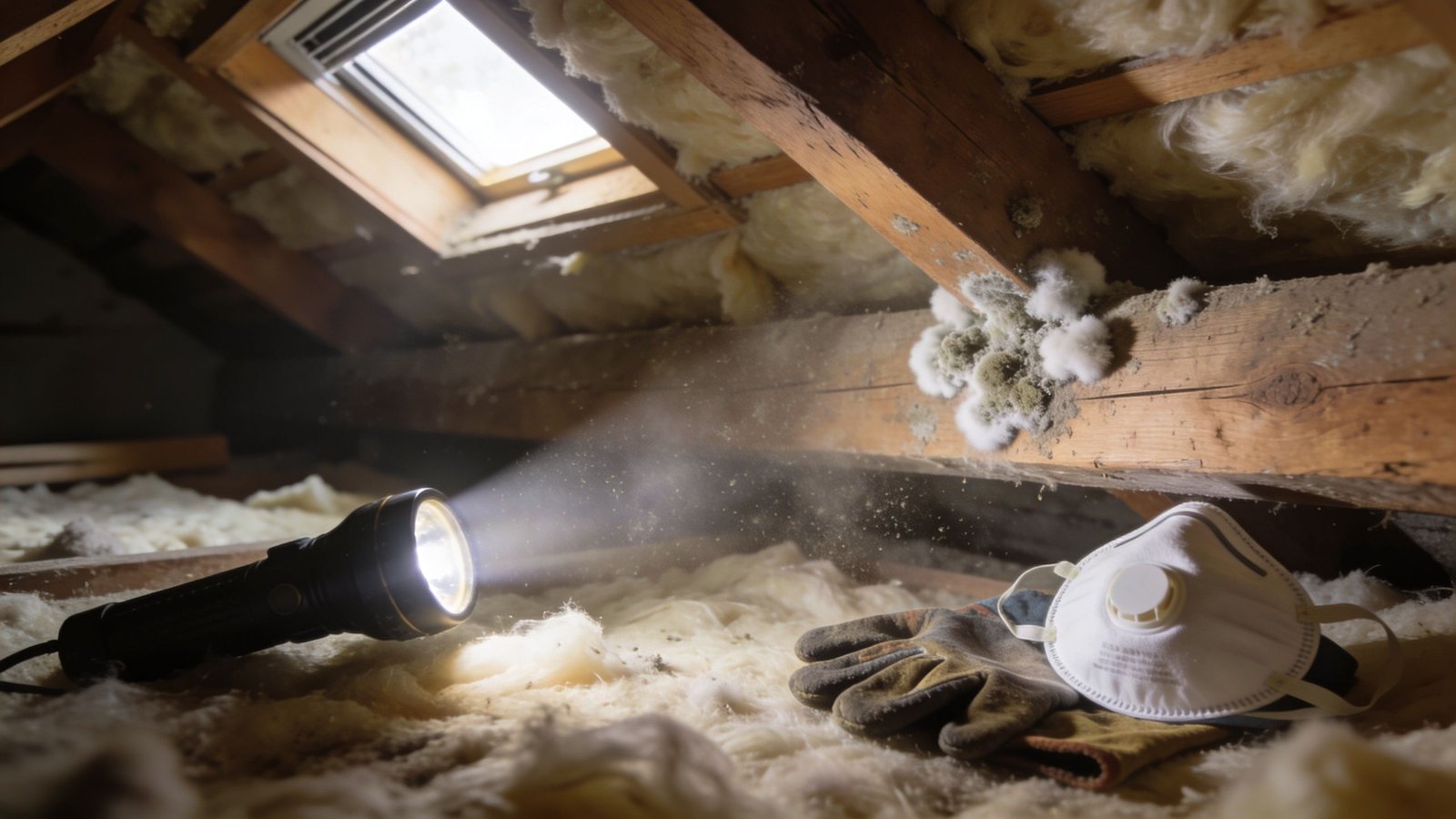
White, fuzzy growth on attic wood isn’t cosmetic — it’s a sign of active moisture damaging structural framing. Attic mold spreads quickly in warm, poorly ventilated spaces and is often caused by bathroom exhaust fans venting into the attic or roof deck leaks. This LA guide covers how to identify it, why it grows, what remediation involves, and typical cost ranges. IICRC-certified mold remediation: (818) 336-1800.
Read More »
Black Mold Symptoms In House Mold Damage
Mold Remediation Posts
Pete M.

Uncovering Black Mold Symptoms in Your House: A 2026 Homeowner’s Guide

Black mold symptoms appear two ways: structural signs in your home (dark spots, musty odors, warping near moisture sources) and health symptoms in your household (persistent cough, nasal irritation, worsening asthma). In LA, where hidden moisture is common after rain, both can develop before mold is visible. This guide covers what to look for, health risks by exposure level, and how professional remediation works. IICRC-certified: (818) 336-1800.

Read More »
Health Risks Of Mold In Home Mold Inspection
Mold Remediation Posts
Pete M.

Why Mold Removal Is Crucial for Los Angeles Homes in 2026

That musty smell after a minor leak is often the first sign of mold growing inside walls, under flooring, or in HVAC ductwork — and health risks escalate with exposure time. In Los Angeles, leaks from rainfall, plumbing, and condensation are common, making early action critical. This guide covers health risks by exposure level, who is most vulnerable, and the professional remediation process. IICRC-certified, free assessment: (818) 336-1800.

Read More »
A dirty bathroom mirror with steam and extensive black mold growth along the tiled walls and bathtub edge, with a cleaning brush.
Mold Remediation Posts
Pete M.

How to Prevent Mold Growth in Your Bathroom: A Los Angeles Guide

Bathroom mold grows where moisture can’t escape — behind tiles with failing grout, in drywall behind the tub surround, and in exhaust fans that vent into the attic. Surface cleaning keeps things looking clean without addressing the moisture source. This LA guide covers the ventilation standards, materials, and maintenance schedule that actually prevent mold — plus when bathroom mold signals a structural moisture problem needing professional assessment. Call (818) 336-1800.

Read More »
A person's hand near a dirty air conditioner vent covered in visible mold.
Mold Remediation Posts
Pete M.

Mold in Air Conditioner Ducts: Signs, Dangers, and Removal for Los Angeles Homes

A musty smell when your AC turns on is a clear sign of mold in the ductwork — and every time the system runs, it’s pushing spores through every room. This Los Angeles guide covers how mold gets into ducts (usually from water damage, condensation, or a dirty air handler), why surface cleaning doesn’t work on flex duct or insulation, and what IICRC-certified HVAC mold remediation actually involves. Call (818) 336-1800.

Read More »
Close-up of severe black mold and water damage in a house corner with peeling paint.
Mold Remediation Posts
Pete M.

What Does Black Mold Look Like? A Guide for Los Angeles Homeowners

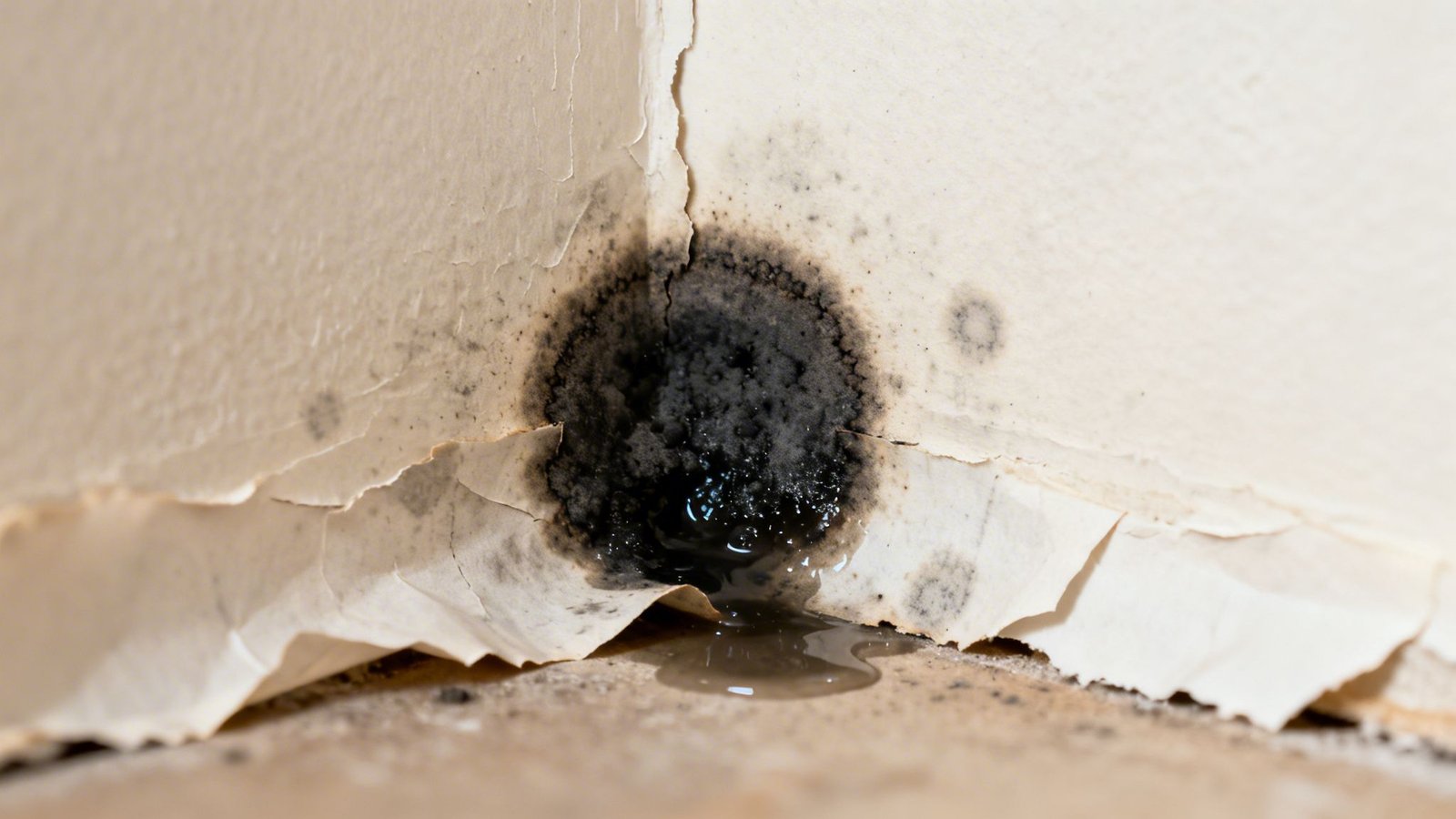
Black mold (Stachybotrys chartarum) is dark greenish-black, slimy when wet, and powdery when dry — but many common molds look nearly identical. Color alone can’t confirm black mold. This LA guide covers visual characteristics of the most common mold species found in homes, which surface types each prefers, how to distinguish surface mold from deep growth, and why professional testing is the only reliable identification method. IICRC-certified: (818) 336-1800.

Read More »
A man kneels, inspecting a leaking washing machine with his phone's flashlight, a puddle on the floor.
Restoration & Remediation Posts
Pete M.

How to Get Rid of Musty Smell in Your Los Angeles Home

Getting rid of a musty smell for good requires eliminating the moisture source — not cleaning the surface or adding air fresheners. The smell means mold or mildew is actively growing somewhere. This Los Angeles guide covers how to identify the source (hidden leaks, poor ventilation, crawl space moisture), the step-by-step treatment for each scenario, and when professional mold remediation is the only path to permanent odor elimination. IICRC-certified: (818) 336-1800.

Read More »
A gloved hand lifts a beige carpet, revealing severe black mold growth and standing water underneath.
Mold Remediation Posts
Pete M.

A Homeowner’s Guide to Mold on Carpet in Los Angeles

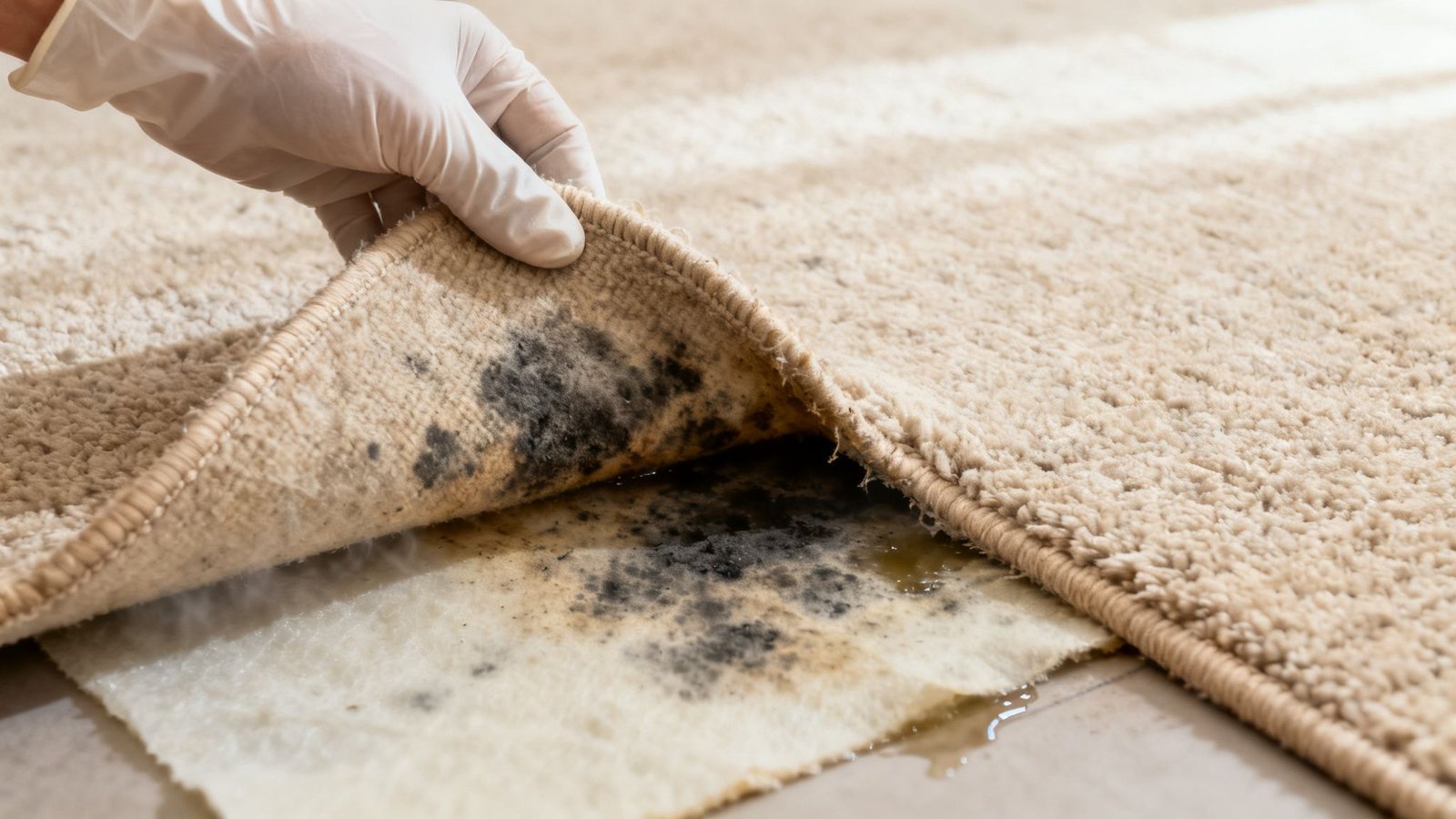
Mold on carpet is almost never just a surface issue — by the time you see it, it’s already grown through the backing and into the padding beneath. Shampooing or steam cleaning spreads contamination and adds more moisture, making it worse. This Los Angeles guide covers how mold gets into carpet, how to assess whether it can be saved or must be removed, the IICRC remediation protocol, and when the subfloor also needs treatment. Call (818) 336-1800.

Read More »
Severe black mold infests a wooden attic ceiling and walls around a skylight and ladder.
Mold Remediation Posts
Pete M.

How to Remove Attic Mold: A Guide for Los Angeles Homes

Attic mold is almost always caused by inadequate ventilation allowing warm, humid air to condense on roof sheathing — and it often goes undetected for months until it’s widespread. This Los Angeles guide covers how to identify the ventilation failure driving the mold, the IICRC-compliant removal process for attic sheathing and framing, why cleaning without fixing airflow always results in recurrence, and when attic mold requires permit-level structural work. Call (818) 336-1800.

Read More »
A severely moldy air conditioning vent and ductwork with water droplets and dust, emitting spores.
Mold Remediation Posts
Pete M.

A Homeowner’s Guide to Mold in Air Conditioning Ducts

Mold in air conditioning ducts is a common issue in Los Angeles — condensation forms on cold coils and duct surfaces whenever humid air meets the system, creating the moisture and organic material mold needs. Once established, every time the AC runs it pushes spores through the home. This guide covers how to identify duct mold, why flex duct cannot be cleaned (only replaced), and the professional remediation process for HVAC mold. IICRC-certified: (818) 336-1800.

Read More »
Black Mold Hardwood Floor Mold Inspection
Mold Remediation Posts
Pete M.

Guide to Black Mold on Hardwood Floors: Removal and Repair

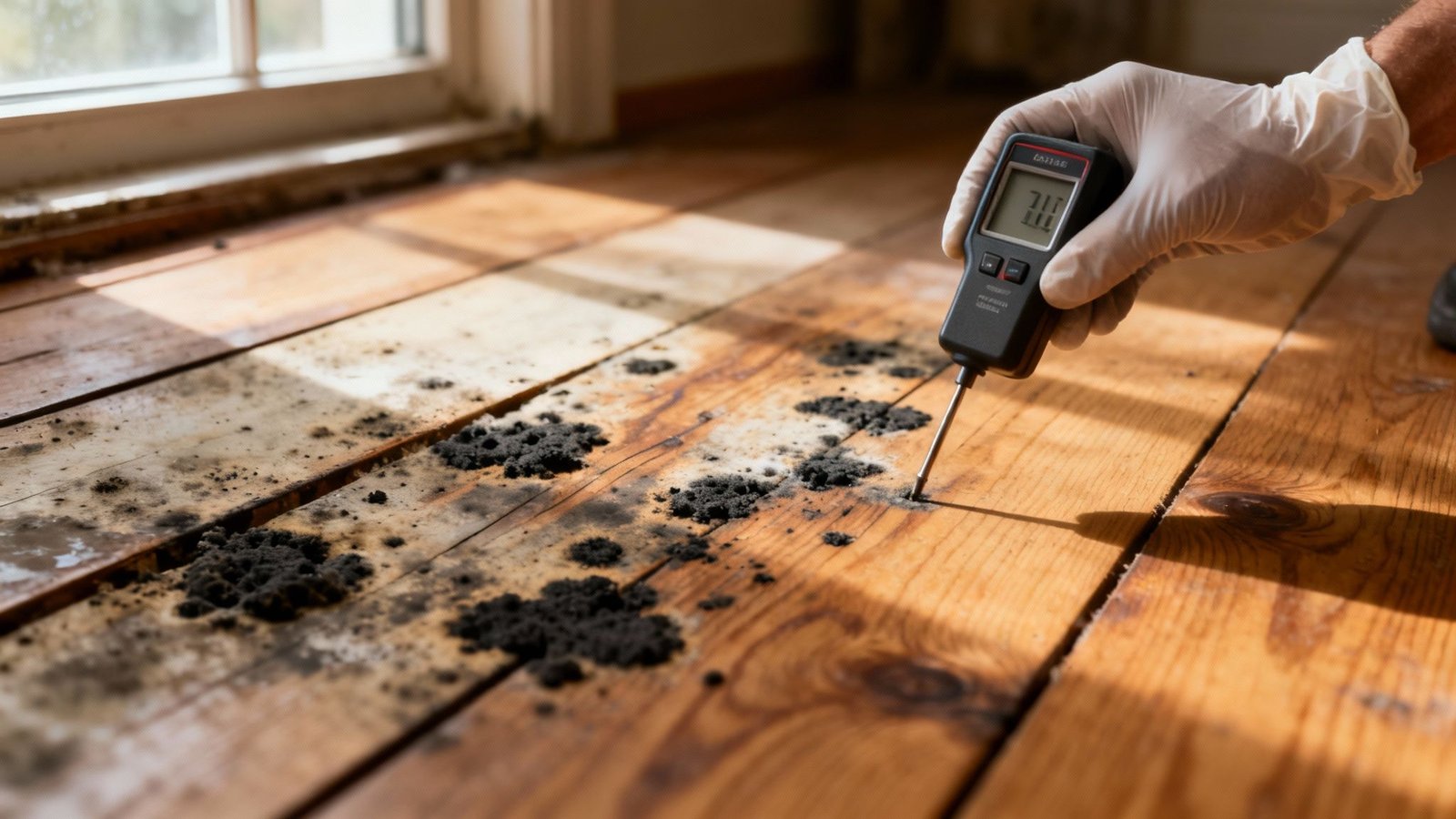
Black mold on hardwood floors is almost never just a surface issue — by the time you see dark discoloration, the mold has penetrated the wood grain and often reached the subfloor beneath. Bleaching or surface scrubbing spreads spores and rarely eliminates the growth. This LA guide covers how to assess whether flooring can be salvaged or must be removed, the IICRC remediation protocol for hardwood, and when subfloor replacement is required. IICRC-certified: (818) 336-1800.

Read More »
30964
Mold Remediation Posts
Pete M.

LA Mold Testing: Protect Your LA Home Today

LA mold testing identifies what species are present, at what concentration, and whether levels are elevated compared to outdoor baseline — giving you the data needed to make informed remediation decisions. A free visual inspection may spot visible growth, but air and surface sampling finds mold before it’s visible and confirms remediation was successful. This guide covers the types of mold testing used in LA homes, what results mean, and what comes next. Free inspection: (818) 336-1800.

Read More »
30959
Mold Remediation Posts
Pete M.

Why Choosing the Right Mold Removal Company in Los Angeles is Crucial

Choosing a mold removal company in Los Angeles means verifying IICRC certification first — it’s the only credential that confirms technicians are trained to the industry standard for containment, removal, and post-remediation testing. Uncertified contractors often spread contamination during cleanup and skip clearance testing. This guide covers what to ask before hiring, red flags to avoid, how to compare quotes, and why the cheapest bid almost always costs more in the long run. Free inspection: (818) 336-1800.

Read More »
Thermal Scanning Of Wall
Mold Remediation Posts
Pete M.

Choosing the Right Mold Removal Contractors in Los Angeles

Mold removal contractors in Los Angeles vary widely in quality — the key credential to verify is IICRC certification, which confirms training in containment, removal protocols, and clearance testing. What you see is rarely the full extent of the problem; mold behind walls and in insulation requires thermal imaging and moisture mapping to scope correctly. This guide covers how to vet contractors, what a proper remediation proposal includes, red flags in low bids, and what post-remediation clearance testing proves. Free inspection: (818) 336-1800.

Read More »