Mold Remediation Posts

How To Clean Ductwork Of Mold Duct Cleaning
Mold Remediation Posts
Pete M.

How to Clean Ductwork of Mold: A Safety-First Guide

Mold inside ductwork spreads spores through every room every time your HVAC runs. Small patches on hard-surface ducts can sometimes be cleaned — but flex duct, insulation, and large infestations must be removed and replaced. This Los Angeles guide covers the warning signs, the safe cleaning process, and when duct mold is a symptom of a larger moisture problem that needs professional remediation. IICRC-certified: (818) 336-1800.

Read More »
Is Mold Remediation Dangerous Mold Removal
Mold Remediation Posts
Pete M.

Is Mold Remediation Dangerous? a Los Angeles Homeowner Guide

Mold remediation is dangerous when moldy materials are disturbed without containment — stirring up spores and spreading contamination to clean areas. Done by a certified contractor with proper PPE, HEPA filtration, and negative air pressure, the process is designed to be safe. This LA guide explains the real risks, what proper protocols look like, and how to spot a contractor cutting corners. IICRC-certified: (818) 336-1800.

Read More »
Can Vinegar Get Rid Of Mold Cleaning Spray
Mold Remediation Posts
Pete M.

Can Vinegar Get Rid of Mold? an LA Pro Explains

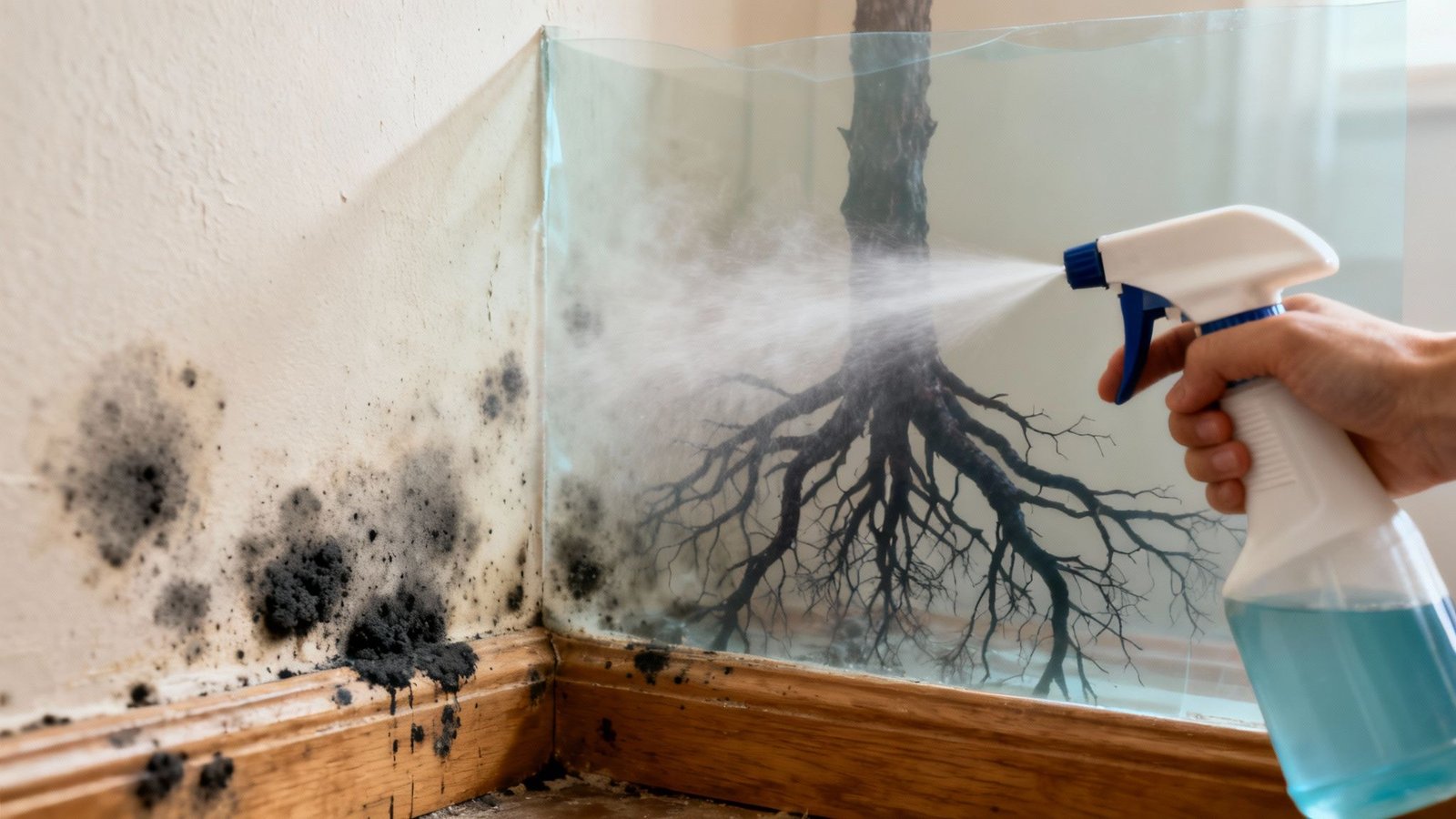
Vinegar kills some surface mold on tile and glass, but doesn’t penetrate porous materials like drywall, wood framing, or carpet — and does nothing to address the moisture source. This LA guide explains what vinegar actually does (and doesn’t do), which household products work on which surfaces, and when mold coverage signals a problem that needs professional remediation. IICRC-certified, free assessment: (818) 336-1800.

Read More »
Certified Mold Inspector Mold Inspection
Mold Remediation Posts
Pete M.

Hiring a Certified Mold Inspector in Los Angeles: The Ultimate 2026 Guide

A certified mold inspector uses moisture meters, borescopes, air sampling, and surface testing to identify the type, location, and source of mold — producing documentation your insurer and remediation contractor can act on. This LA guide explains what credentials to verify, what a real inspection includes, and the difference between an independent inspector and a contractor who inspects and remediates. Free assessment: (818) 336-1800.

Read More »
Mold Types Basement Dehumidifier
Mold Remediation Posts
Pete M.

A Guide to Mold Types Basement: Remediation for LA Homes

The most common basement molds in LA homes are Aspergillus, Penicillium, Cladosporium, and Stachybotrys — but the species matters less than addressing the moisture source keeping it alive. Basements should stay below 50% humidity. This guide covers how to identify each mold type visually, which carry the highest health risk, and when basement mold signals water intrusion needing professional remediation. IICRC-certified: (818) 336-1800.

Read More »
White Fluffy Mold Cleaning Scaled
Mold Remediation Posts
Pete M.

White Fluffy Mold in Your LA Home? Here’s What to Do

White fluffy mold is active, rapidly spreading fungal growth visible during sporulation — when mold releases airborne spores. Some species show fuzzy growth within 24–48 hours in humid conditions. This Los Angeles guide covers the most common white mold types found in homes, the health risks, how to identify them visually, and when white mold on wood, drywall, or in a crawl space requires professional remediation. IICRC-certified: (818) 336-1800.

Read More »
Can Black Mold Cause Pneumonia Mold Lungs
Mold Remediation Posts
Pete M.

Can Black Mold Cause Pneumonia? Medical Facts for 2026

Can black mold cause pneumonia? While it doesn’t directly cause bacterial pneumonia in healthy people, it can trigger hypersensitivity pneumonitis — an inflammatory lung disease with identical symptoms. Learn the medical facts, who’s most at risk, and when to call for professional mold remediation in Los Angeles.

Read More »
White Mold In Attic Mold Detection
Mold Remediation Posts
Pete M.

White Mold in Attic: A Homeowner’s Guide for 2026

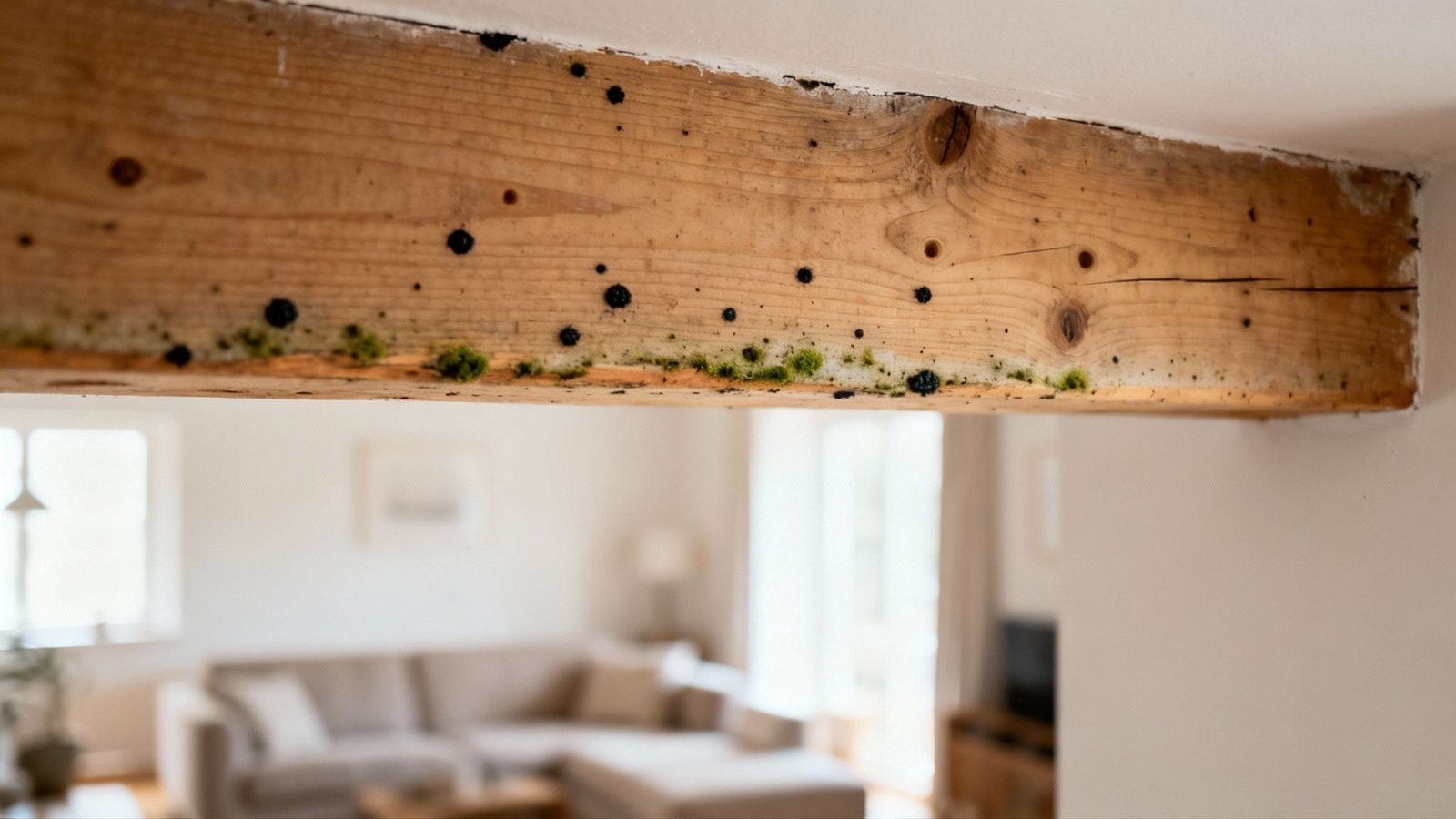
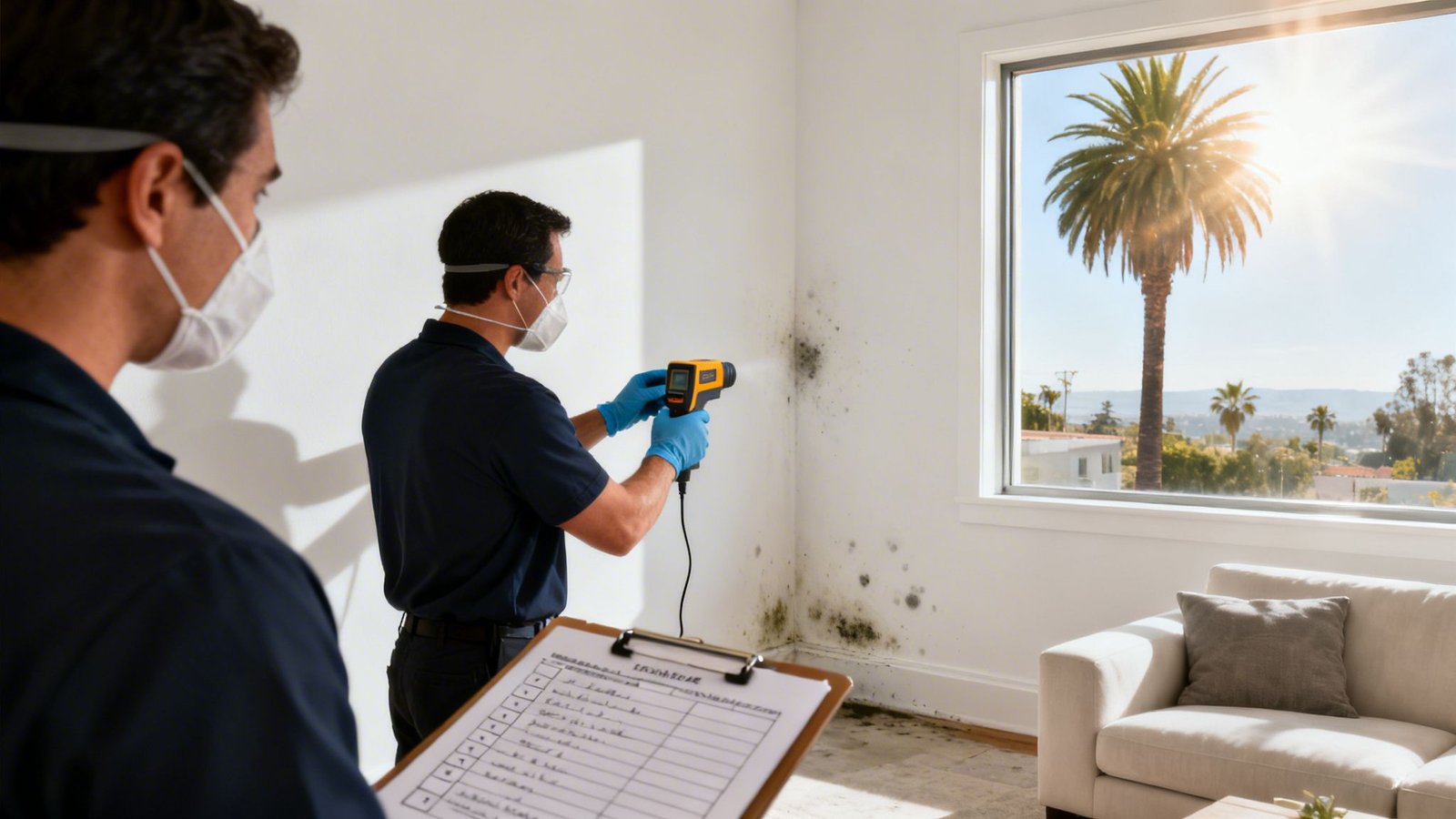
White, fuzzy growth on attic wood isn’t cosmetic — it’s a sign of active moisture damaging structural framing. Attic mold spreads quickly in warm, poorly ventilated spaces and is often caused by bathroom exhaust fans venting into the attic or roof deck leaks. This LA guide covers how to identify it, why it grows, what remediation involves, and typical cost ranges. IICRC-certified mold remediation: (818) 336-1800.
Read More »
What Causes Black Mold In Homes Mold Growth
Mold Remediation Posts
Pete M.

What Causes Black Mold in Homes? A Los Angeles Guide

Black mold in LA homes rarely starts with a dramatic stain — it starts with a smell, damp air, or paint lifting near a window. The cause is almost always an unresolved moisture source: a hidden leak, persistent condensation, or inadequate ventilation. This guide explains the specific conditions that allow Stachybotrys to grow, the most common sources in LA homes, and what professional remediation requires. IICRC-certified: (818) 336-1800.

Read More »
Basement Mold Removal Mold Inspection Scaled
Mold Remediation Posts
Pete M.

Basement Mold Removal Experts in Los Angeles

A musty smell in a Los Angeles basement is almost always mold — growing on drywall, framing, or concrete after seasonal rain, a slow plumbing leak, or condensation on cold pipes. This guide covers how professional basement mold removal works, what IICRC S520 protocol requires, the difference between surface cleaning and true remediation, and typical costs in LA. IICRC-certified, free on-site assessment: (818) 336-1800.

Read More »
Mold Removal Residential Mold Inspection Scaled
Mold Remediation Posts
Pete M.

Mold Removal Residential: Expert LA Solutions

Residential mold in Los Angeles most often starts with a smell — after rain, near a window, or in a bathroom with chronic moisture. By the time it’s visible, growth has often spread behind drywall or into framing. This guide covers the full professional mold removal process, how IICRC S520 protocol works, the difference between surface cleaning and true remediation, and what to expect from a free assessment. Call (818) 336-1800.

Read More »
Mold And Water Damage Remediation Mold Inspection 2
Mold Remediation Posts
Pete M.

The Los Angeles Homeowner’s Guide to Mold and Water Damage Remediation in 2026

Water damage and mold are the same problem at different stages — wherever moisture persists for 24–48 hours, mold follows. Treating them separately leaves the underlying issue unresolved. This Los Angeles guide covers the combined remediation process: water classification, structural drying, mold testing, containment, removal, and clearance — plus how insurance claims work when both are present. IICRC-certified: (818) 336-1800.

Read More »
Black Mold Symptoms In House Mold Damage
Mold Remediation Posts
Pete M.

Uncovering Black Mold Symptoms in Your House: A 2026 Homeowner’s Guide

Black mold symptoms appear two ways: structural signs in your home (dark spots, musty odors, warping near moisture sources) and health symptoms in your household (persistent cough, nasal irritation, worsening asthma). In LA, where hidden moisture is common after rain, both can develop before mold is visible. This guide covers what to look for, health risks by exposure level, and how professional remediation works. IICRC-certified: (818) 336-1800.

Read More »
Health Risks Of Mold In Home Mold Inspection
Mold Remediation Posts
Pete M.

Why Mold Removal Is Crucial for Los Angeles Homes in 2026

That musty smell after a minor leak is often the first sign of mold growing inside walls, under flooring, or in HVAC ductwork — and health risks escalate with exposure time. In Los Angeles, leaks from rainfall, plumbing, and condensation are common, making early action critical. This guide covers health risks by exposure level, who is most vulnerable, and the professional remediation process. IICRC-certified, free assessment: (818) 336-1800.

Read More »
Mold Inspection Checklist Mold Inspection
Mold Remediation Posts
Pete M.

Your 2026 Los Angeles Mold Inspection Checklist: A Step-by-Step Guide

A mold inspection in Los Angeles requires checking more than visible surfaces — moisture migrates behind drywall, under flooring, and into HVAC systems. This step-by-step checklist covers what a certified inspector examines in each room, the instruments used (moisture meters, borescopes, air samplers), how to read a mold report, and the difference between an inspection-only and a test-and-remediate engagement. IICRC-certified: (818) 336-1800.

Read More »
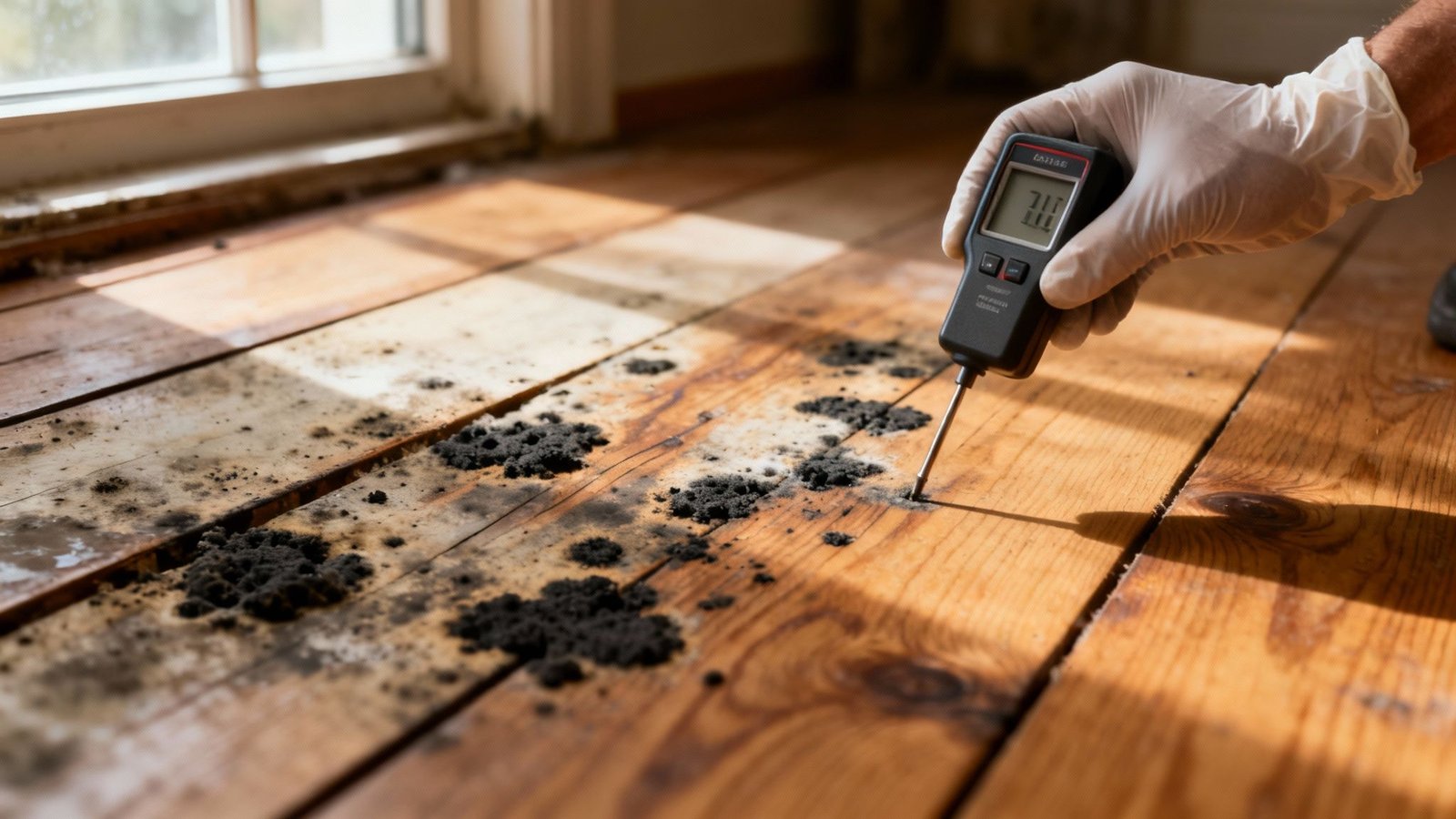
How To Dry Drywall Moisture Meter
Mold Remediation Posts
Pete M.

How to Dry Drywall Fast in Los Angeles and Prevent Mold Growth

Wet drywall has a 24–48 hour window before mold begins growing inside the paper facing and behind the gypsum. Surface fans aren’t enough — moisture trapped inside the wall cavity requires dehumidifiers and air movers sized to the space. This LA guide covers how to assess drywall saturation, when it can be dried vs. must be removed, and the professional drying process IICRC contractors use. Free inspection: (818) 336-1800.

Read More »
Best Way To Clean Mold Mold Cleaning
Mold Remediation Posts
Pete M.

The Best Way to Clean Mold in Your Los Angeles Home

The best way to clean mold starts with assessment, not a scrub brush. Small patches on non-porous surfaces can sometimes be cleaned safely. But mold on drywall, wood framing, or anything behind a wall is a remediation job — not a cleaning job. This LA guide covers what you can safely DIY, what requires professional remediation, the EPA-recommended approach for each surface, and how to verify the job is done correctly. Call (818) 336-1800.

Read More »
A dirty bathroom mirror with steam and extensive black mold growth along the tiled walls and bathtub edge, with a cleaning brush.
Mold Remediation Posts
Pete M.

How to Prevent Mold Growth in Your Bathroom: A Los Angeles Guide

Bathroom mold grows where moisture can’t escape — behind tiles with failing grout, in drywall behind the tub surround, and in exhaust fans that vent into the attic. Surface cleaning keeps things looking clean without addressing the moisture source. This LA guide covers the ventilation standards, materials, and maintenance schedule that actually prevent mold — plus when bathroom mold signals a structural moisture problem needing professional assessment. Call (818) 336-1800.

Read More »