
Black mold doesn't directly give you bacterial pneumonia, but it can inflame your lungs and make you more susceptible to pneumonia and other respiratory infections. That connection matters in real homes, especially after a leak, slab moisture issue, roof intrusion, or a bathroom exhaust problem that lets dampness linger.
If you're in Los Angeles and you've just pulled back a vanity, opened an HVAC closet, or noticed a musty smell after the rainy season, the concern is reasonable. Older housing stock in Sherman Oaks, Glendale, Burbank, and parts of North Hollywood often hides moisture inside wall cavities, under flooring, and around aging windows. When that moisture sits, mold grows. Then the problem shifts from cosmetic to health-related.
A lot of homeowners ask the same question in almost the same words: can black mold cause pneumonia? The honest answer is nuanced. It may not directly cause a standard bacterial pneumonia in a healthy person, but it can trigger severe respiratory irritation, contribute to immune stress, and in some cases lead to lung conditions that look and feel alarmingly similar to pneumonia. If you've been dealing with coughing, shortness of breath, or chest tightness in a damp home, that's not something to brush off.
For a broader look at exposure concerns, this guide on health risks of mold in the home is a useful companion.
Can Black Mold Really Cause Pneumonia?
A common Los Angeles scenario goes like this. A pipe leaks behind the kitchen wall. The cabinet smells musty. Someone in the home starts coughing more at night, or wakes up congested, and suddenly the question becomes urgent.
The short answer is yes, can black mold cause pneumonia is a valid question, but the answer depends on what you mean by “cause.” Black mold itself is not the same thing as a bacterial infection. What it does do is create conditions that can inflame the lungs, worsen breathing problems, and increase vulnerability to respiratory infection.
What the answer means in practical terms
If mold exposure is affecting your household, the risk usually falls into one of these buckets:
- Airway irritation: Mold spores and byproducts can irritate the nose, throat, and lungs.
- Allergic or immune response: Some people develop wheezing, coughing, chest tightness, or ongoing inflammation.
- Higher infection risk: Vulnerable people may become more likely to develop respiratory infections, including pneumonia.
- Misleading symptoms: Mold-related illness can resemble pneumonia enough that people focus on treatment while the property problem keeps feeding exposure.
Practical rule: If symptoms improve when you leave the house and worsen when you return, treat the building as part of the health investigation.
That last point matters. In a damp condo, apartment, or single-family home, the source is often hidden. Bathroom walls, crawlspaces, attics, and air ducts are common problem areas in LA homes, especially where repairs were delayed or ventilation was poor.
Most homeowners don't need a lecture. They need clarity. If you're worried, think of this as a two-track problem. One track is medical. The other is environmental. You need both addressed if you want the issue to stop repeating.
The Medical Link Explained How Mold Affects Your Lungs
The biggest misunderstanding is thinking every serious lung problem must be an infection. It doesn't. Mold can trigger an inflammatory lung response, and that can feel a lot like pneumonia even when bacteria aren't the main issue.

Inflammation versus infection
Think of bacterial pneumonia as an unwanted germ setting up inside the lungs. Mold-related lung injury often works differently. Your immune system reacts to what you're inhaling over time, especially in a water-damaged building.
A 2025 UT Southwestern Medical Center study on household mold and hypersensitivity pneumonitis established household mold as a major trigger for hypersensitivity pneumonitis, an inflammatory lung disease. In that study, 100% of the 37 patients analyzed had visible mold in their homes due to water damage, and symptoms included progressive shortness of breath and a dry cough mimicking pneumonia.
That matters because homeowners often assume mold only causes minor allergy symptoms. In practice, long-term exposure can be much more serious.
Why hidden moisture becomes a lung problem
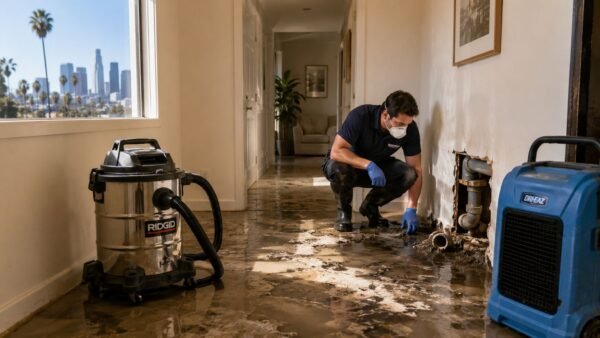
In restoration work, the property issue usually starts first. A leak under a shower pan, a roof intrusion around flashing, condensation from a poorly insulated vent, or moisture trapped behind cabinets creates a feeding ground for mold. Once growth spreads, occupants inhale spores and fragments repeatedly.
That repeated exposure can lead to:
- Dry cough and chest discomfort
- Shortness of breath that gradually worsens
- Wheezing or tightness in sensitive individuals
- Lung inflammation that can be mistaken for infection
A musty odor is not just a nuisance. In many homes, it's the first sign that the air people are breathing has already changed.
When mold is tied to HVAC contamination, the exposure becomes more persistent because the system can move particles from one room to another. That's one reason duct-related growth needs careful evaluation. If you're seeing signs around vents or noticing odor when the system starts, this article on mold in air conditioning ducts is worth reading.
Why DIY cleaning often misses the real problem
Homeowners sometimes wipe a visible patch with bleach and assume the risk is gone. Usually it isn't. If the drywall is still wet, the insulation is compromised, or the framing remains damp, growth returns. The visible patch was only the symptom. The moisture source was the cause.
From a health standpoint, partial cleanup can be misleading. The room looks better, but the exposure pathway may still be active.
Who Is Most at Risk from Black Mold Exposure
Not everyone reacts the same way to mold. Two people can live in the same unit and have very different symptoms. One gets a scratchy throat and stuffy nose. The other ends up with significant breathing trouble.
High-risk groups in the home
Some groups need a faster response because the consequences can be much more serious.
- People with weakened immune systems: According to NIH and EPA-related data summarized here, invasive mold infections can cause pneumonia in 15-20% of leukemia patients.
- Young children: The same source notes that exposure to damp buildings is linked to a 20-40% increase in respiratory infections in children, which is a major concern in bedrooms, nurseries, and apartments with recurring leaks.
- Older adults: Seniors often have less respiratory reserve, so inflammation and poor indoor air quality hit harder.
- People with asthma or chronic lung conditions: Even when infection isn't present, mold exposure can intensify symptoms quickly.
In Los Angeles, this is especially relevant in multi-unit buildings. Moisture problems don't always stay in one unit. A hidden plumbing leak in the wall next door can affect shared framing, subfloors, and duct chases.
Why LA properties can create prolonged exposure
Southern California isn't humid in the same way as some other regions, but LA homes still see repeated moisture events. Burst angle stops, supply line failures, shower pan leaks, roof leaks after storms, and condensation in under-ventilated bathrooms are all common. In older buildings, repairs may have been cosmetic rather than structural.
That creates a bad pattern. The wall dries on the surface. The cavity stays damp. Tenants or homeowners keep breathing the result.
A smart first step is using a detailed mold inspection checklist before assuming the issue is limited to the stain you can see.
If a family member is high-risk, don't wait for “more visible mold” before acting. Visible growth is often the late-stage clue, not the starting point.
A property manager concern that gets overlooked
In apartments and condos, complaints often come in as “unit smells bad” or “resident keeps getting sick.” Those aren't minor maintenance notes. They can point to a building envelope issue, plumbing leak, or HVAC distribution problem that needs proper containment and remediation, not another coat of paint.
Symptoms and Distinguishing Mold Exposure from Pneumonia
The overlap is what confuses people. Mold exposure can feel like an allergy, a chest cold, an asthma flare, or the beginning of pneumonia. That's why homeowners should pay attention to both the symptoms and the building conditions.

Common mold exposure symptoms
Mold-related symptoms often build gradually, especially after prolonged exposure in a damp room or contaminated HVAC zone.
- Coughing that lingers
- Wheezing or chest tightness
- Shortness of breath
- Itchy or watery eyes
- Nasal congestion or throat irritation
- Fatigue that seems worse at home
- Symptoms that improve when you're away from the property
Symptoms more typical of pneumonia
Pneumonia often brings a more acute illness picture. Homeowners commonly describe feeling suddenly unwell rather than just irritated by the air.
| Condition | More typical signs |
|---|---|
| Mold exposure | Musty environment, recurring irritation, wheezing, dry cough, symptoms tied to a room or building |
| Pneumonia | Fever, deeper chest pain, stronger illness feeling, cough that may become more productive, worsening weakness |
This isn't a diagnostic chart. It's a practical way to think about why the two get confused.
What to tell your doctor
If you're being evaluated for breathing symptoms, mention the property history clearly. That includes:
- Recent leaks: Under sinks, behind showers, roof intrusions, or slab moisture
- Visible mold: Bathrooms, closets, window framing, attics, or HVAC areas
- Odor: Musty smell that returns after cleaning
- Timing: Symptoms worse overnight, in one room, or when the AC turns on
Don't separate the medical story from the house story. Doctors need both.
In neighborhoods like Burbank and Sherman Oaks, I often see homeowners focus on cleaning products first because the visible patch seems small. But if symptoms are continuing, the right next call may be a physician for the person and a qualified mold assessor for the building.
Your Homeowner Action Plan for Suspected Mold
When you suspect mold, speed matters. Panic doesn't help, but delay does real damage. The goal is to reduce exposure, identify the moisture source, and avoid making the contamination worse.
Step through the house with purpose
Start with the areas most likely to trap moisture:
Bathrooms and laundry areas
Check around tubs, shower enclosures, toilet bases, vanity backs, and exhaust fans. Surface staining around caulk can be minor. Soft drywall, bubbling paint, and recurring odor usually point deeper.Under sinks and around appliance lines Slow leaks under kitchen sinks, dishwasher lines, and refrigerator supply lines often grow mold.
Windows, exterior walls, and closets
In older LA homes, condensation and minor envelope leaks can feed mold behind furniture and inside closets.Attics, crawlspaces, and HVAC zones
These areas hide active moisture longer than homeowners expect.
What works and what doesn't
Some actions are useful right away:
- Reduce moisture: Run ventilation, stop the leak, and keep wet materials from staying wet.
- Document what you find: Photos, dates, and location notes help with insurance and with any later assessment.
- Limit disturbance: Don't aggressively scrub dry moldy material, and don't run fans across obvious contamination.
Some actions usually backfire:
- Painting over staining
- Using fragrance to cover odor
- Drying the room while ignoring the leak source
- Assuming a small visible area means a small problem
If you want a room-by-room guide, this page on how to detect mold in a house is a good next step.
For homeowners thinking beyond visible walls, air movement matters too. If your property has dust buildup, odor transfer, or past moisture around vents, a practical outside resource is this overview of Duct Cleaning Mesa AZ, which explains why duct systems deserve attention when indoor air quality has dropped.
When to stop DIY
Stop and bring in professionals if you have hidden moisture, recurring growth, affected HVAC components, health symptoms in the home, or contamination inside wall cavities. DIY is fine for observation and basic moisture control. It isn't a substitute for containment and source correction when the problem has spread.
When to Call Professionals The Onsite Pro Restoration Process
In our experience working in Los Angeles homes and multi-unit buildings, the turning point is usually this: the homeowner has already cleaned the visible area once, but the smell comes back, the wall still reads wet, or someone in the property keeps reacting.
What professional remediation actually changes
Professional mold remediation isn't just “better cleaning.” It changes the conditions that allow exposure to continue.
According to remediation guidance summarized here, chronic airway inflammation from mold can increase pneumonia odds 3-5x in asthmatics, and IICRC-certified professionals aim to reduce indoor spore counts to under 100 CFU/m³ using specialized equipment like negative air machines and HEPA vacuums.
That matters because household tools don't create controlled containment. A shop vacuum, bleach spray, and box fan often spread particles instead of removing them safely.
What the process should include
A proper remediation plan usually involves:
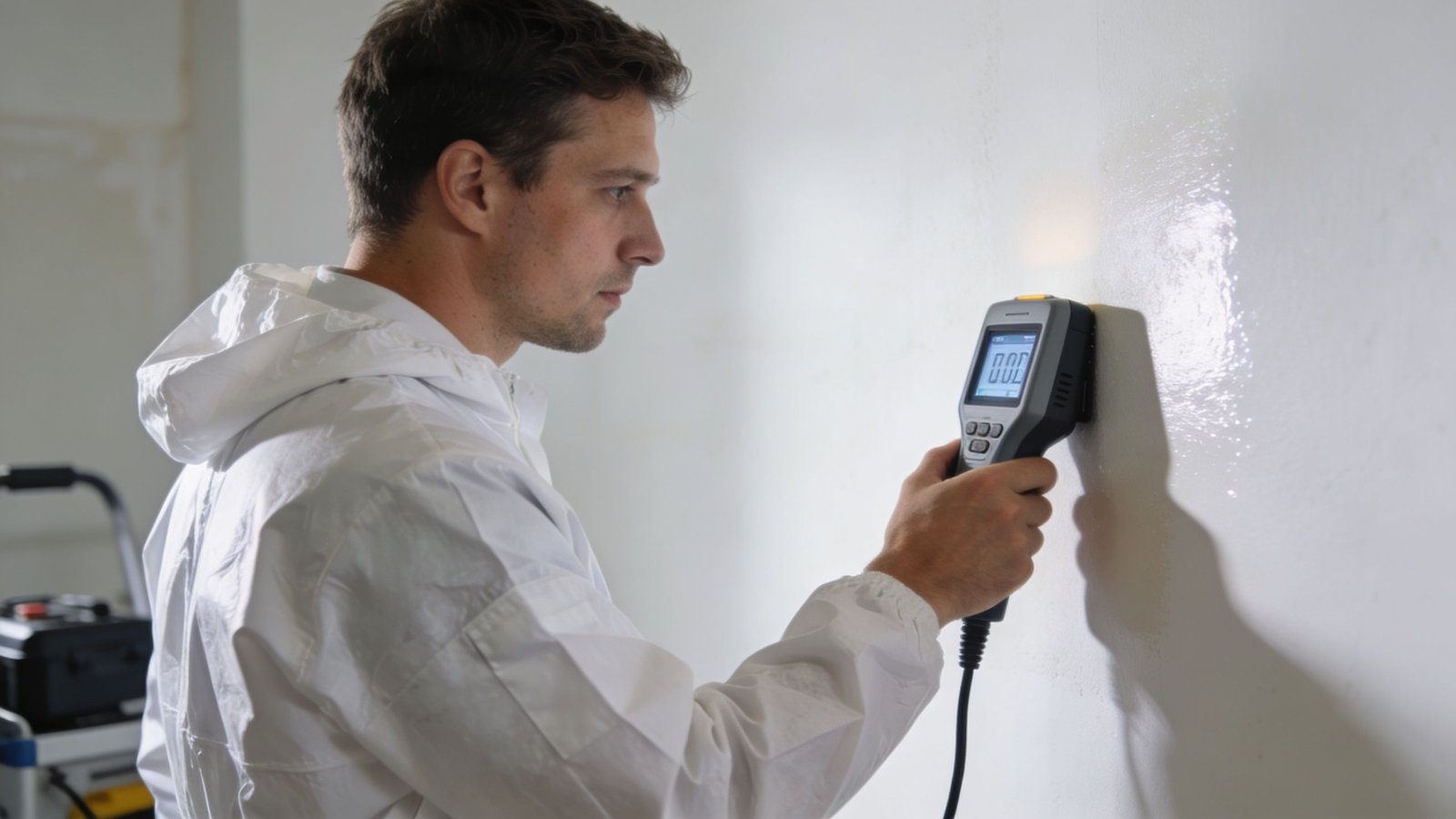
- Moisture mapping: Technicians use moisture meters and thermal imaging where needed to find the true wet boundary.
- Containment: Poly barriers and controlled work zones keep disturbed particles from spreading through the house.
- Negative air pressure: Negative air machines pull contaminated air through filtration rather than letting it escape into occupied areas.
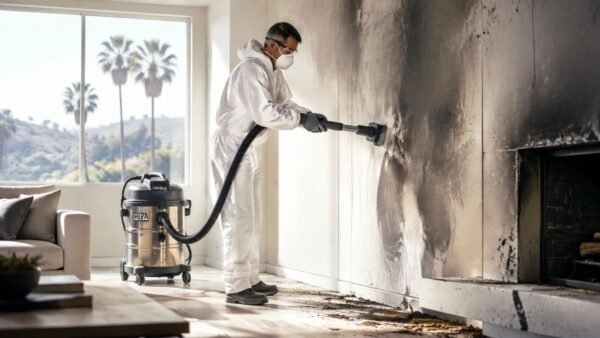
- HEPA cleaning: HEPA vacuums and detailed cleaning remove settled particulate from surfaces.
- Material removal where necessary: Drywall, insulation, baseboard, or cabinetry may need selective demolition if contamination is embedded.
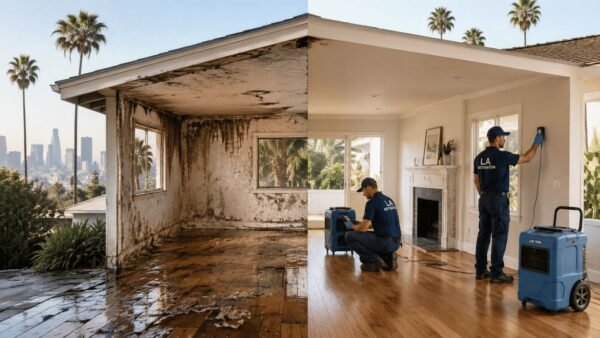
- Post-remediation verification or clearance: The property should be documented as properly cleaned and dried before rebuild.
Good remediation removes damaged material, addresses the water source, and controls airborne spread at the same time. Miss one of those, and the job isn't finished.
If your concern includes HVAC contamination, this outside resource on Purified Air Duct Cleaning mold removal gives a useful overview of why duct systems require a different standard than general housekeeping.
A short video can also help clarify what a response process looks like in the field.
When the call shouldn't wait
Call right away if any of these are happening:
- Health symptoms are active in the home
- The leak source is recent or still ongoing
- You smell mold but can't see the source
- HVAC is involved
- Multiple units or rooms may be affected
- You need documentation for an insurance claim
In Glendale, Beverly Hills, West Hollywood, and older parts of the Valley, these jobs often involve hidden moisture pathways, not just visible wall staining. That's why a fast, controlled response usually costs less disruption than repeated patch repairs.
Frequently Asked Questions About Mold and Pneumonia
Can black mold directly infect healthy lungs?
Usually, the bigger issue in a healthy person is irritation, inflammation, or an allergic-type response rather than a direct invasive fungal pneumonia. The concern rises when someone is immunocompromised, already has lung disease, or has prolonged exposure in a heavily water-damaged environment.
Can mold exposure feel like pneumonia even if it isn't?
Yes. Homeowners often describe dry cough, chest tightness, and shortness of breath that sound like pneumonia at first. The difference is that mold-related symptoms often track with time spent in the building or in one specific area of the home.
How fast does black mold become a health issue after a leak?
There's no single timeline that fits every property or person. What matters is moisture duration, the materials affected, ventilation, and occupant sensitivity. In practice, if materials stay damp and odor appears, don't wait for visible spreading before taking action.
Is all black-colored mold dangerous?
Color alone doesn't tell you enough. Homeowners often call any dark stain “black mold,” but proper assessment focuses on the moisture source, material condition, extent of growth, and exposure risk. The right question isn't just what color it is. It's whether the home has an active contamination problem.
Should I see a doctor or call a mold company first?
If someone has trouble breathing, chest pain, worsening cough, or feels acutely ill, contact a medical provider first. If you know the home has a musty odor, visible growth, or recent water damage, address the property at the same time. Medical treatment helps the person. Remediation removes the source.
Can I stay in the house during remediation?
Sometimes yes, sometimes no. It depends on the affected area, whether HVAC is involved, how well the work zone can be isolated, and whether anyone in the household is medically vulnerable. A proper site evaluation should answer that before work starts.
Will cleaning visible mold solve the problem?
Not if the material is still wet, the contamination extends behind finishes, or the HVAC system is involved. Surface cleaning alone is the most common reason homeowners think the issue is gone when it really isn't.
What should I gather for insurance if mold followed water damage?
Keep photos, notes on when the leak was discovered, plumber or mitigation reports, and any communication with your carrier. Good documentation makes the claim discussion much easier, especially when mold followed a sudden water event.
If you're dealing with a musty smell, visible growth, or recent water damage in Los Angeles, Onsite Pro Restoration can inspect the problem, document the damage, and help you move quickly toward safe remediation. Call 818-336-1800 for a free inspection.