Emergency Restoration Los Angeles: A Local Homeowner Guide
You've got water under the cabinets, soot in the vents, a sewage smell in the hallway, or smoke that won't leave the drywall. In emergency restoration Los Angeles, the right
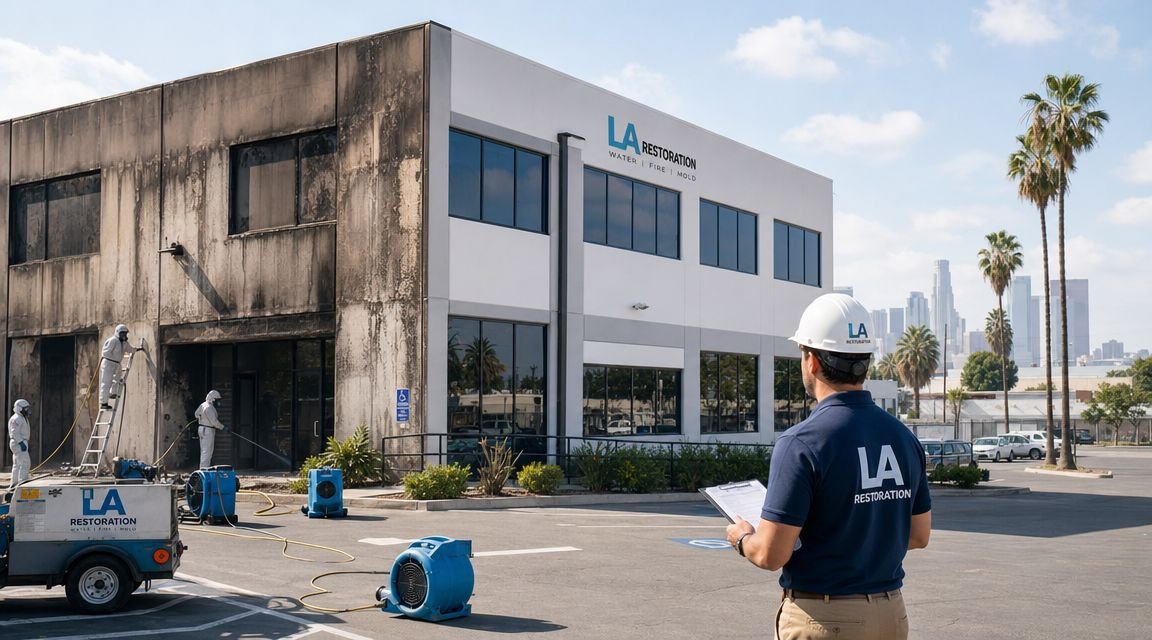
You've got water under the cabinets, soot in the vents, a sewage smell in the hallway, or smoke that won't leave the drywall. In emergency restoration Los Angeles, the right
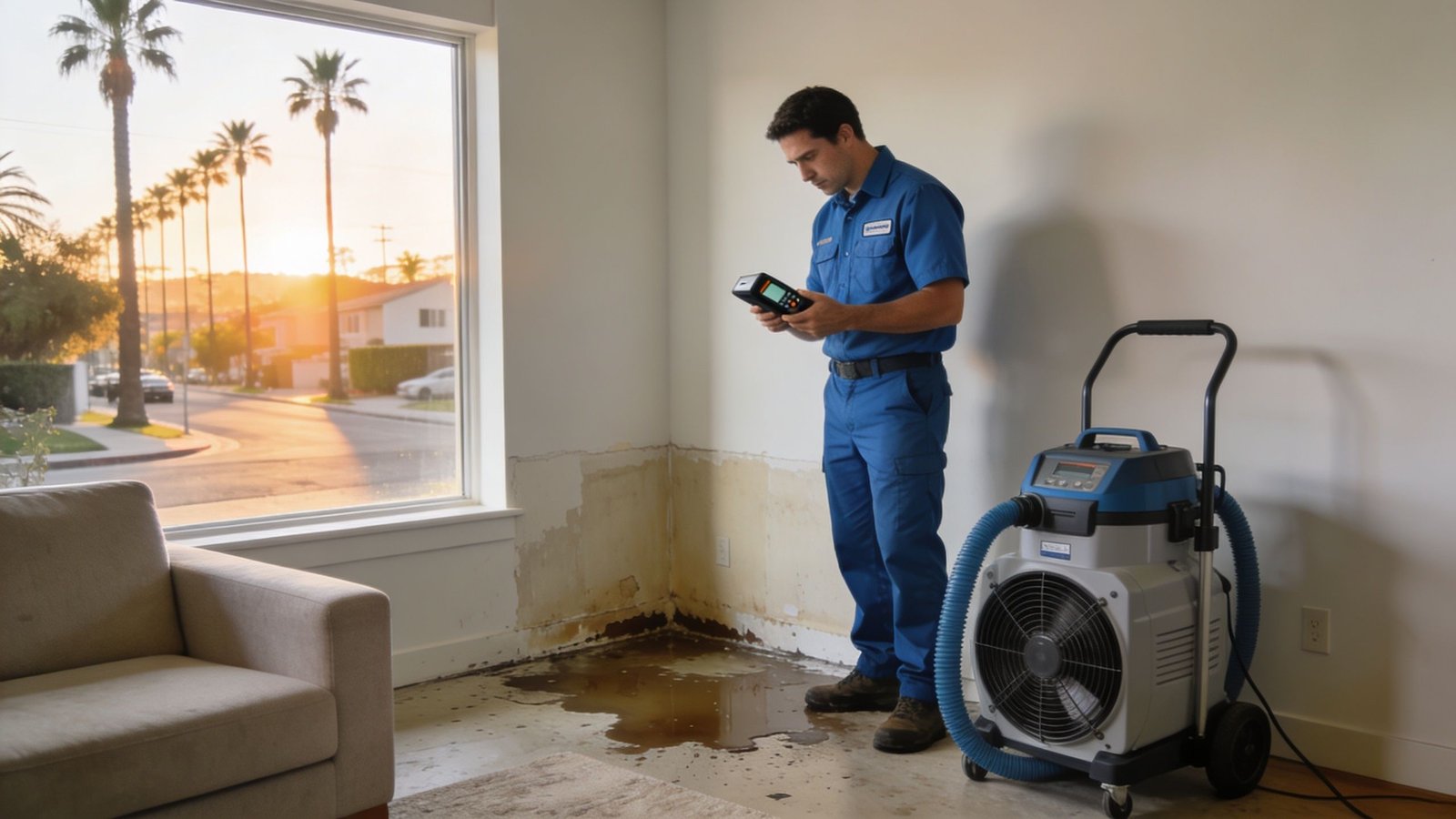
A burst pipe, a wet ceiling, or a kitchen that smells like smoke after the trucks leave can turn a normal Los Angeles morning into a race against the clock.

Commercial water, fire, mold, or sewage damage costs more to delay than to address — every hour of downtime has a revenue cost, and incomplete drying leads to mold within 48 hours. This guide covers rapid assessment, large-loss extraction, structural drying, business continuity coordination, and insurance documentation for LA businesses. Onsite Pro Restoration serves commercial properties 24/7: (818) 336-1800.

The most common basement molds in LA homes are Aspergillus, Penicillium, Cladosporium, and Stachybotrys — but the species matters less than addressing the moisture source keeping it alive. Basements should stay below 50% humidity. This guide covers how to identify each mold type visually, which carry the highest health risk, and when basement mold signals water intrusion needing professional remediation. IICRC-certified: (818) 336-1800.

If you’re searching for property restoration near me in Los Angeles, you need help now — not a long research session. This guide covers what separates a true IICRC-certified restoration contractor from a cleanup service, response time expectations, how to evaluate a company fast during an emergency, and what questions to ask before you sign anything. Onsite Pro Restoration — 24/7: (818) 336-1800.

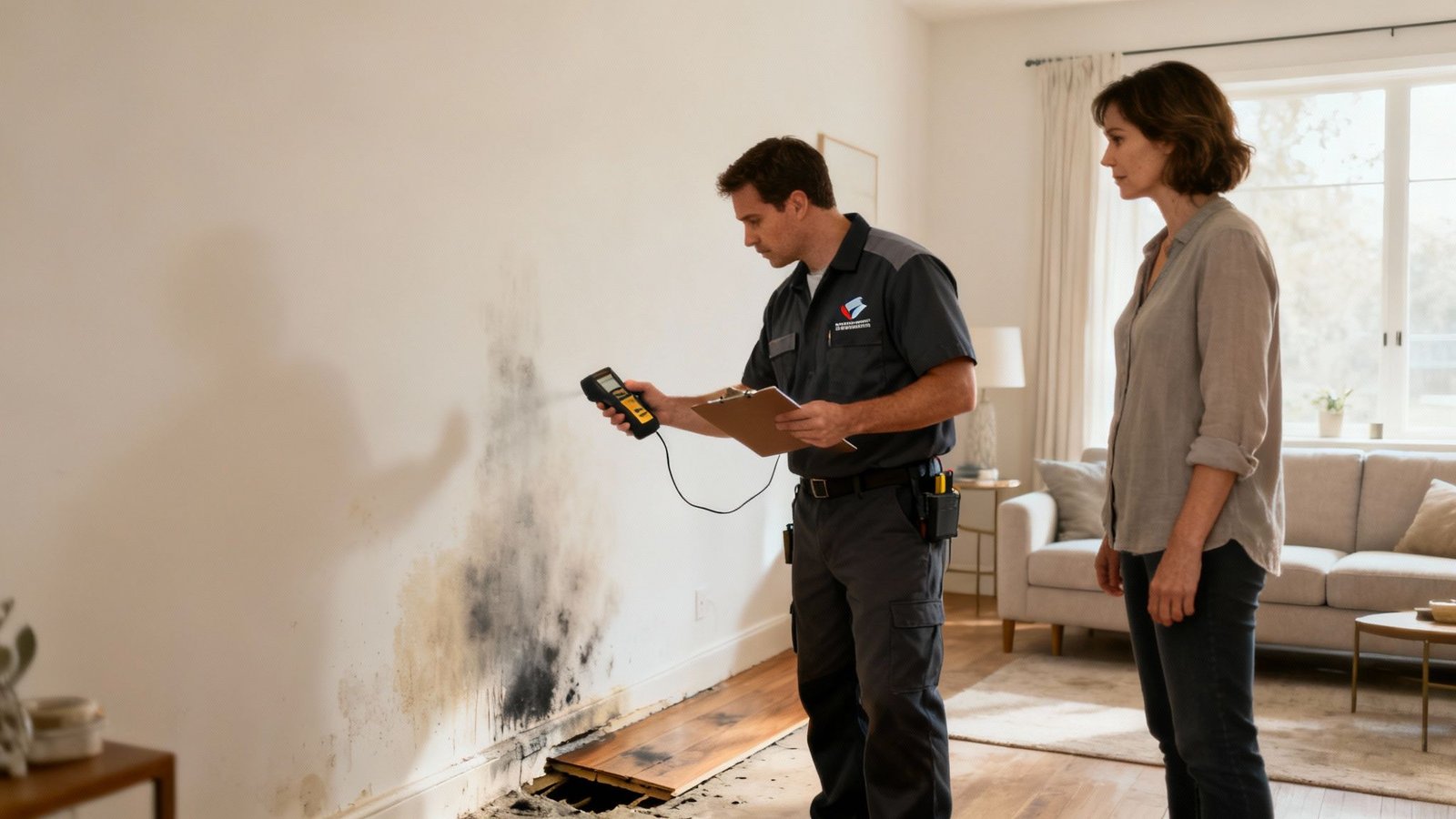
The best way to clean mold starts with assessment, not a scrub brush. Small patches on non-porous surfaces can sometimes be cleaned safely. But mold on drywall, wood framing, or anything behind a wall is a remediation job — not a cleaning job. This LA guide covers what you can safely DIY, what requires professional remediation, the EPA-recommended approach for each surface, and how to verify the job is done correctly. Call (818) 336-1800.

Black mold can begin growing within 24–48 hours of water damage when temperatures are warm, materials are organic, and humidity exceeds 60% — conditions that develop quickly in a Los Angeles home after a burst pipe or slow leak. This guide covers the growth timeline, what factors accelerate it, how mold spreads through wall cavities and HVAC systems, and the IICRC-certified remediation process. Free assessment: (818) 336-1800.

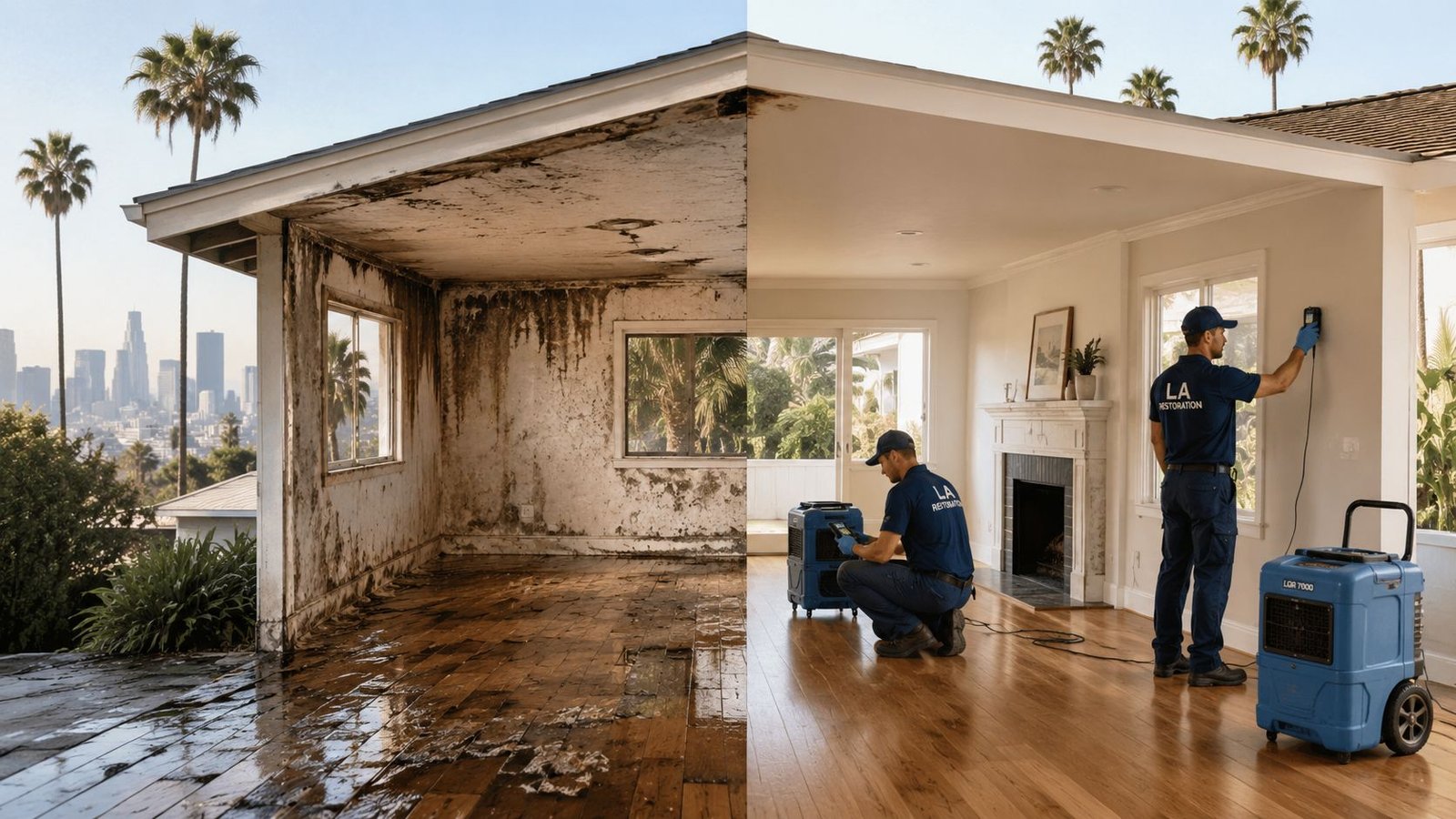
Property damage restoration returns a building to pre-loss condition after water, fire, smoke, mold, or sewage damage — not just cleanup, but drying, rebuilding, and documenting every step for your insurance claim. This Los Angeles guide covers what a complete restoration involves, the IICRC standards that govern the process, how insurance billing works, and what to look for when choosing a contractor. IICRC-certified, 24/7 response: (818) 336-1800.

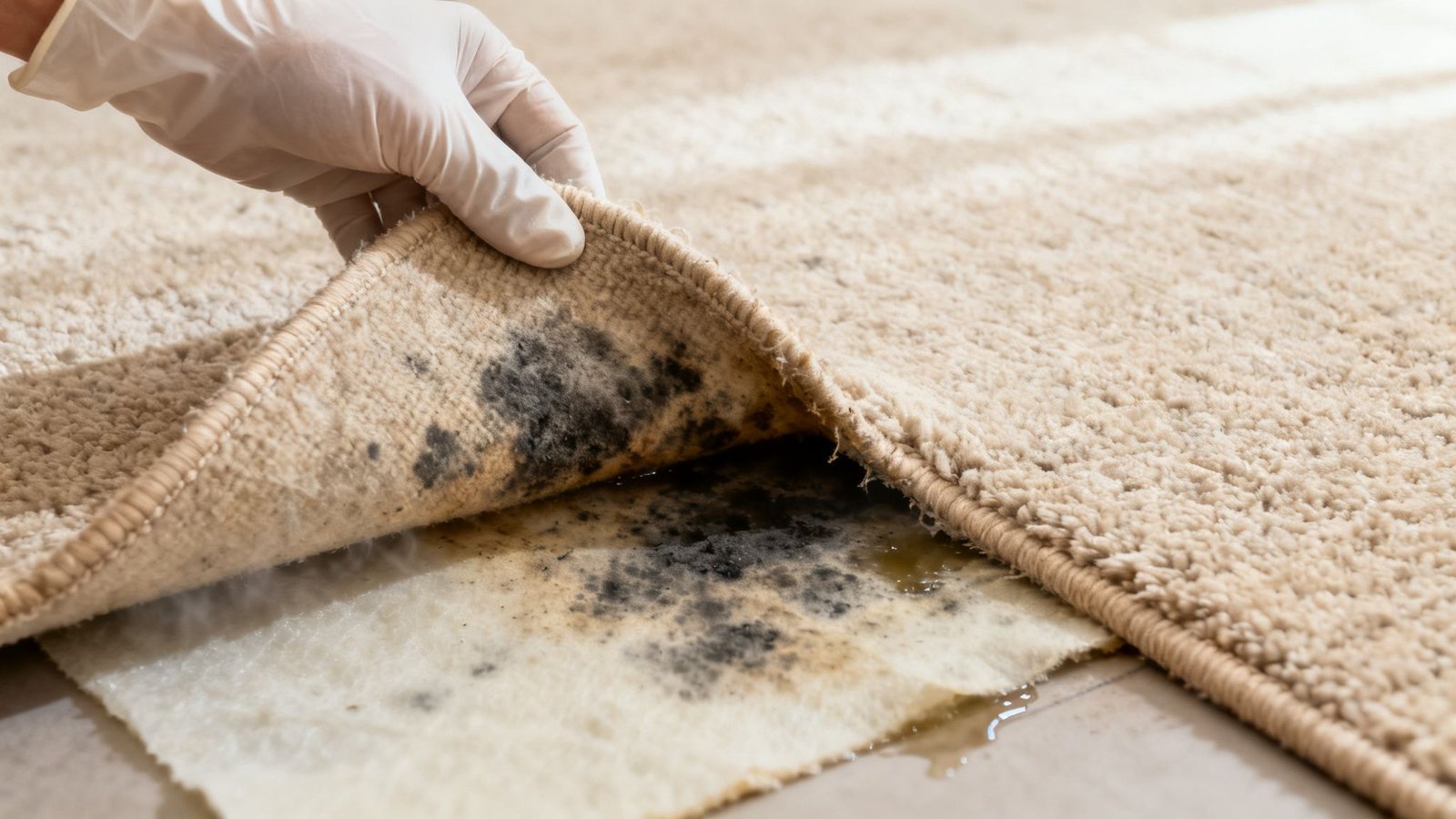
Mold on carpet is almost never just a surface issue — by the time you see it, it’s already grown through the backing and into the padding beneath. Shampooing or steam cleaning spreads contamination and adds more moisture, making it worse. This Los Angeles guide covers how mold gets into carpet, how to assess whether it can be saved or must be removed, the IICRC remediation protocol, and when the subfloor also needs treatment. Call (818) 336-1800.

Mold remediation cost in Los Angeles ranges from $500 for a small contained patch to $10,000–$30,000+ for extensive whole-structure growth — the spread depends on the affected square footage, material type, and whether mold has penetrated framing or HVAC systems. This guide covers the cost factors specific to LA homes, what insurance typically covers vs. excludes, and how to get an accurate estimate before work begins. IICRC-certified free inspection: (818) 336-1800.

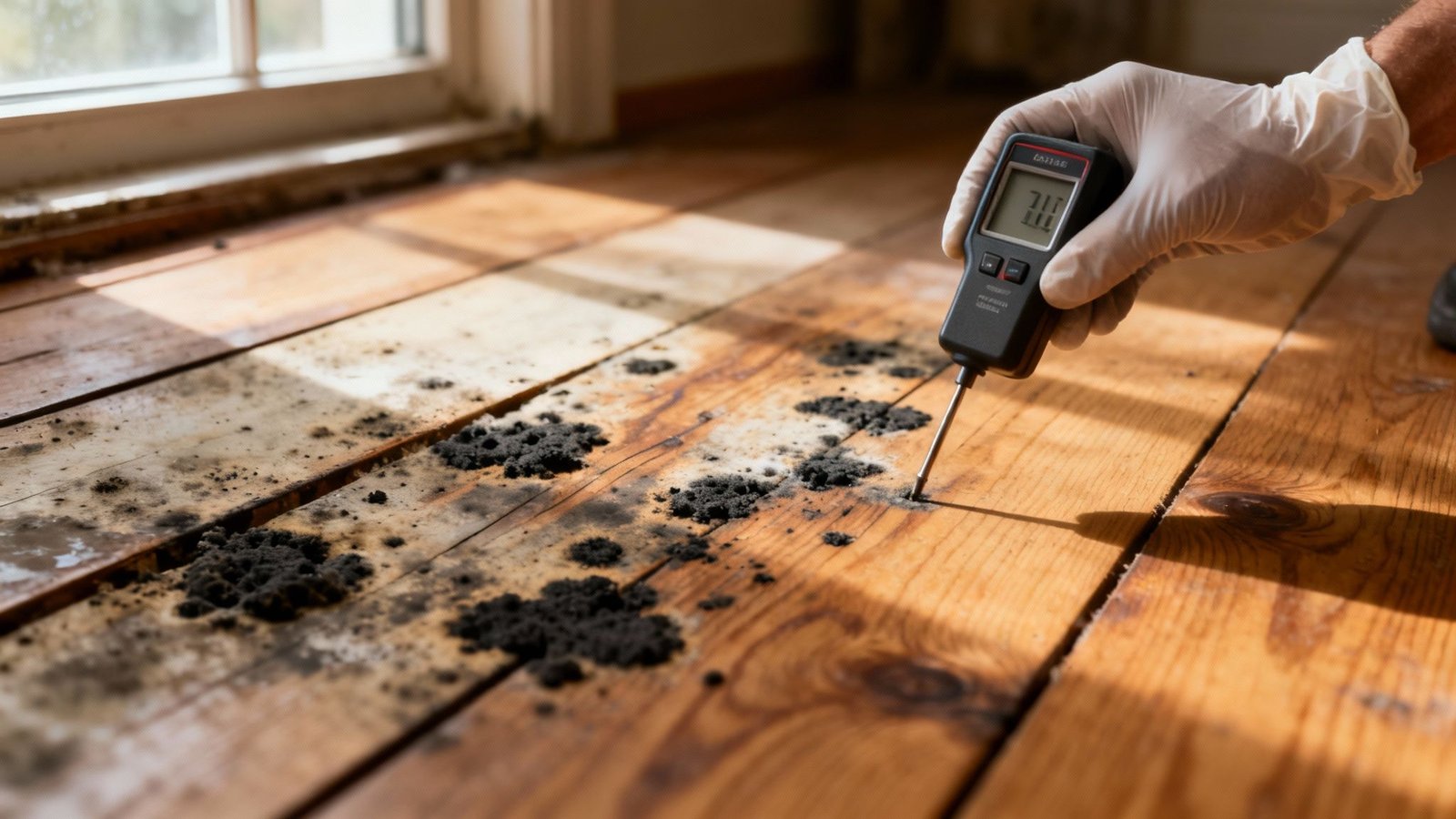
Black mold on hardwood floors is almost never just a surface issue — by the time you see dark discoloration, the mold has penetrated the wood grain and often reached the subfloor beneath. Bleaching or surface scrubbing spreads spores and rarely eliminates the growth. This LA guide covers how to assess whether flooring can be salvaged or must be removed, the IICRC remediation protocol for hardwood, and when subfloor replacement is required. IICRC-certified: (818) 336-1800.

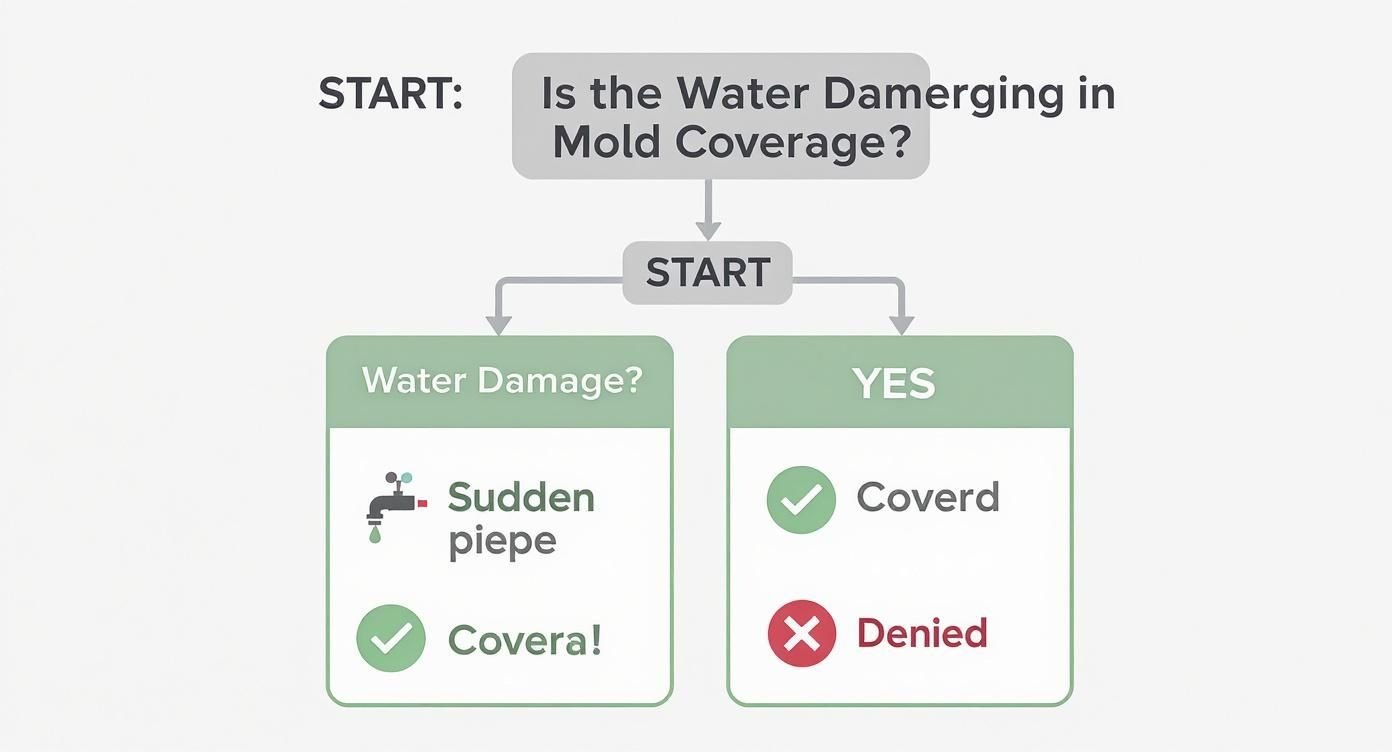
Homeowners insurance covers mold only when it results from a sudden, covered water event — a burst pipe, appliance failure, or roof damage during a storm. Mold from slow leaks, chronic humidity, or maintenance neglect is excluded. Most policies also cap mold coverage at $5,000–$10,000. This LA guide covers exactly when your policy applies, how to document the causal water event to protect the claim, and what to do when the policy cap doesn’t cover your actual remediation cost. Call (818) 336-1800.

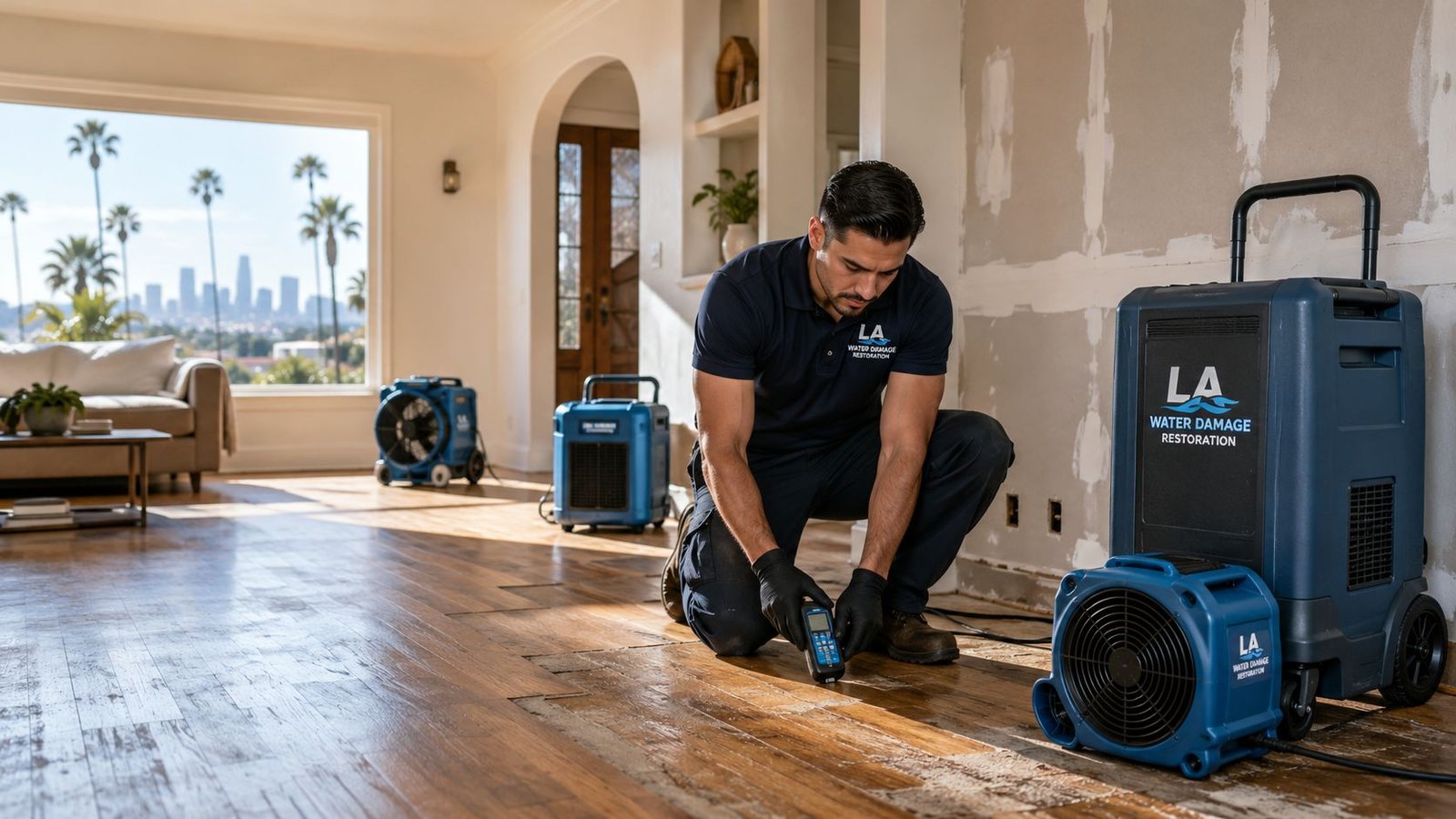
House water damage repair in Los Angeles requires immediate action — extract water, document for insurance, and begin drying within 24 hours before mold sets in. Whether it’s a burst pipe in the San Fernando Valley or a slab leak in West LA, the first minutes determine how much of your home is saved. This guide covers the complete repair process: emergency response, water classification, structural drying, material assessment, and final rebuild — with your insurance claim protected throughout. 24/7: (818) 336-1800.

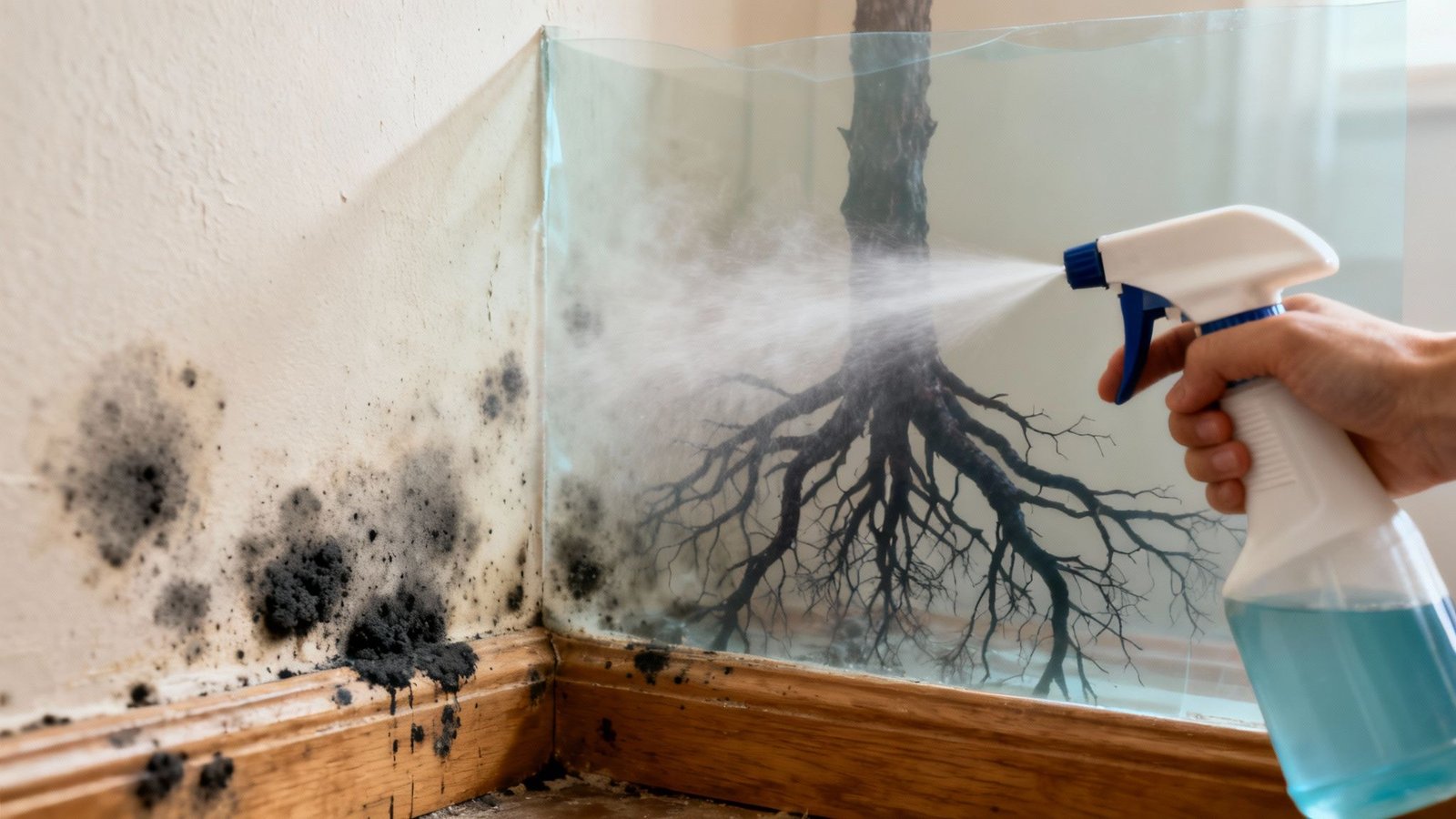
Safe mold removal starts with assessment — not bleach. Bleach kills surface mold on non-porous materials but doesn’t penetrate porous surfaces like drywall and wood where mold actually grows, and it can spread contamination if containment isn’t established first. This LA guide covers the complete safe mold removal process: size assessment, containment setup, PPE requirements, removal methods by material type, disposal protocols, and clearance testing to confirm remediation success. IICRC-certified: (818) 336-1800.

Basement water damage in Los Angeles often stems from plumbing failures, slab leaks, or surface water intrusion — and any amount of standing water in a basement demands immediate action. Water that sits for more than 24–48 hours saturates concrete, framing, and drywall and creates the conditions for mold. This guide covers how to identify the source, the correct extraction and drying sequence for basement environments, mold prevention steps, and how to document basement water damage for your insurance claim. Call (818) 336-1800.

Insurance coverage for mold in Los Angeles depends entirely on the cause — coverage applies when mold results from a sudden, covered water event like a burst pipe or appliance failure, not from slow leaks, chronic humidity, or deferred maintenance. Most policies also cap mold payouts at $5,000–$10,000. This guide covers the specific policy language that determines coverage, how to document the causal water event before cleanup begins, and what to do when your coverage falls short of remediation costs. Call (818) 336-1800.

LA mold testing identifies what species are present, at what concentration, and whether levels are elevated compared to outdoor baseline — giving you the data needed to make informed remediation decisions. A free visual inspection may spot visible growth, but air and surface sampling finds mold before it’s visible and confirms remediation was successful. This guide covers the types of mold testing used in LA homes, what results mean, and what comes next. Free inspection: (818) 336-1800.

Mold testing and removal in Los Angeles require two separate but connected steps — testing identifies species, contamination level, and hidden growth; removal eliminates the source. Skipping testing means remediating blind, with no baseline to confirm the job is complete. This guide covers the full process: when to test vs. when visible growth makes testing unnecessary, the IICRC remediation protocol, what clearance testing confirms after removal, and how insurance covers both phases. IICRC-certified: (818) 336-1800.

Safe and effective mold removal starts with containment, not cleaning — spreading spores to unaffected areas during removal is the most common mistake. Bleach doesn’t work on porous materials like drywall and wood; it kills surface mold while leaving the root structure intact. This LA guide covers the correct mold removal process: size assessment, containment setup, PPE, removal methods by material, HEPA air scrubbing, disposal, and the clearance testing that confirms success. IICRC-certified: (818) 336-1800.

Emergency mold removal is triggered when mold has spread rapidly after a water leak, flood, or hidden plumbing failure — the first hour determines how far contamination spreads. Do not disturb visible mold growth before containment is established; air movement spreads spores to unaffected areas instantly. This LA guide covers the emergency response sequence, when mold requires same-day professional intervention, how IICRC-certified containment stops cross-contamination, and what insurance covers for emergency remediation. Call (818) 336-1800.