Fire Damage Restoration Posts

Fire Damage Restoration Cost Contractor Assessment
Fire Damage Restoration Posts
Pete M.

Fire Damage Restoration Cost: Your 2026 LA Guide

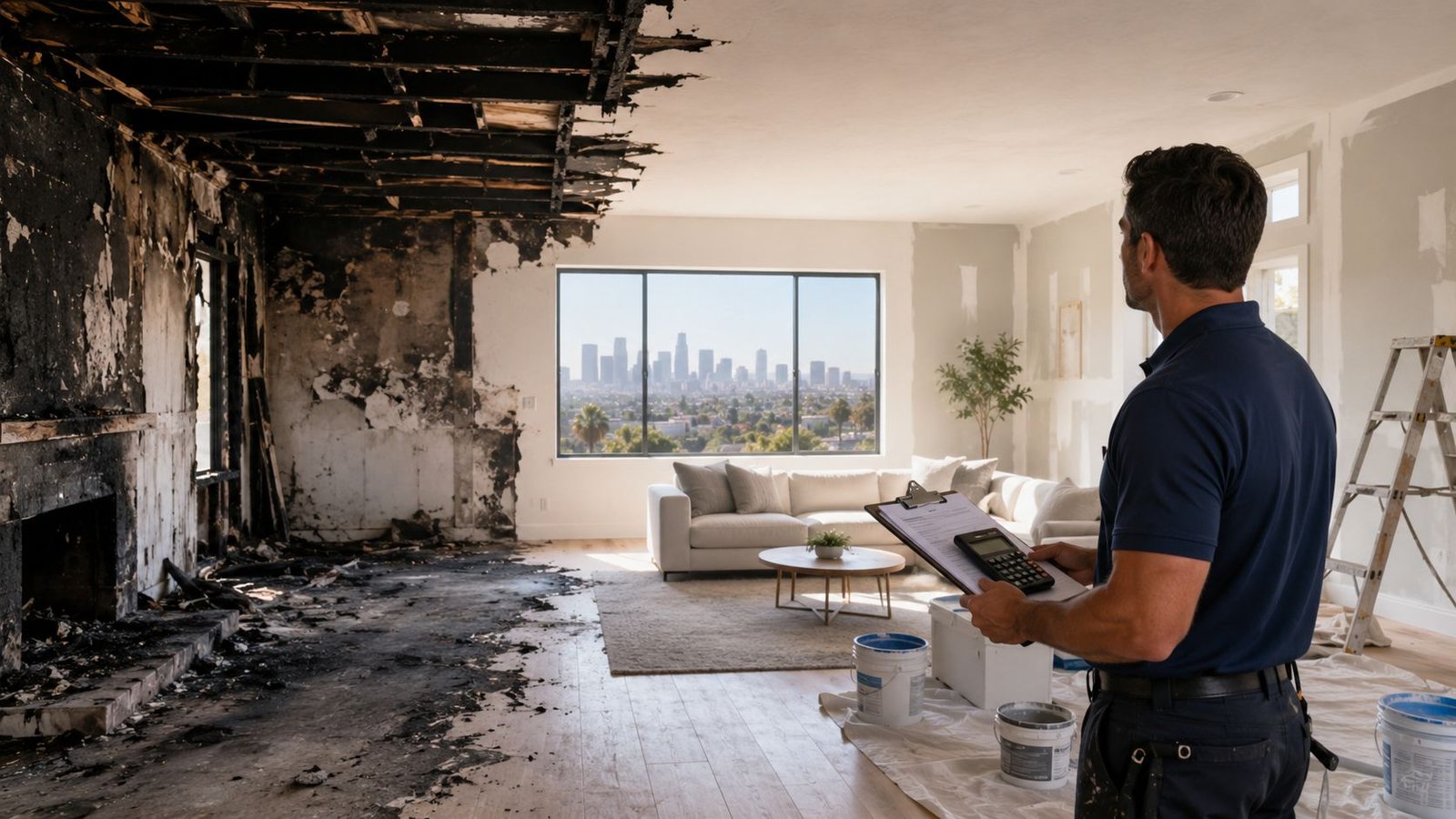
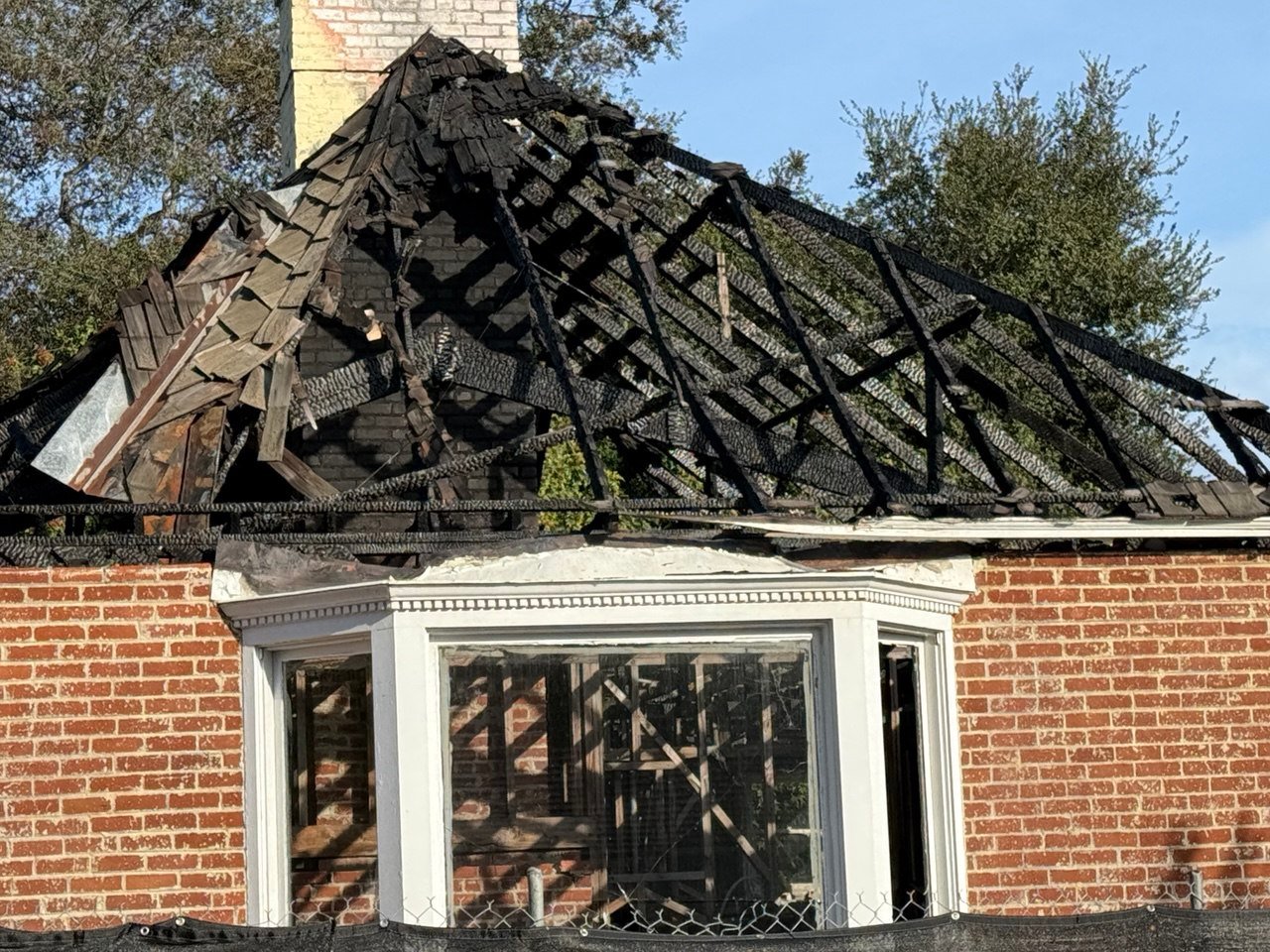
Fire damage restoration in Los Angeles costs $3,098–$52,031 on average, with full structural losses reaching $180,000. Smoke cleanup alone starts around $800. The biggest variables are structural involvement, soot type, and speed of response — delays allow soot to permanently etch surfaces and fixtures. This 2026 cost guide breaks down pricing by damage category and explains how the insurance claim process works. 24/7 response: (818) 336-1800.

Read More »
Soot From Smoke Cleaning Wall
Fire Damage Restoration Posts
Pete M.

Soot From Smoke Damage: A 2026 Los Angeles Safety & Cleanup Guide

Soot from a fire isn’t just a surface stain — it’s acidic, oily residue that keeps etching metal, glass, and finishes long after flames are out. Within hours, chrome pits and fabrics discolor permanently. This LA guide covers the types of soot different fires produce, why household cleaners make it worse, the professional cleaning sequence certified restorers use, and what your insurance claim should document. 24/7 response: (818) 336-1800.

Read More »
Put Out Fires Fire Extinguisher
Fire Damage Restoration Posts
Pete M.

How to Put Out Fires Safely in Your Home

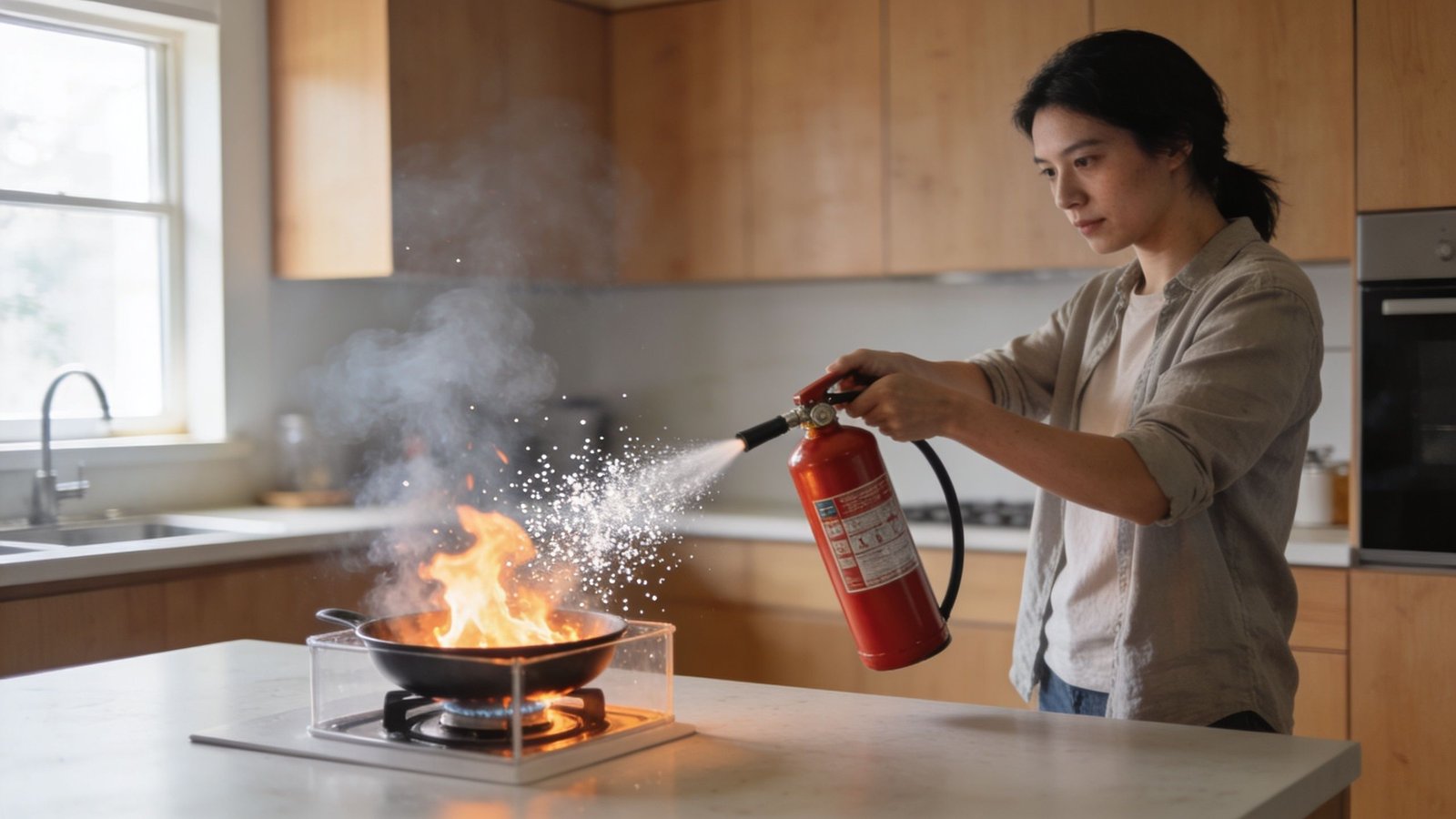
If a fire is small, contained, and no larger than a trash can, you may be able to extinguish it safely — with the right method and a clear exit behind you. If it’s larger, spreading, or filling the room with smoke, get out and call 911. This LA guide covers fire extinguisher types, the PASS technique, kitchen and grease fires, and when smoke or water damage after firefighting needs professional restoration. Call (818) 336-1800.

Read More »
Soot From Smoke Window Inspection Scaled
Fire Damage Restoration Posts
Pete M.

Soot From Smoke: A Los Angeles Homeowner’s Guide

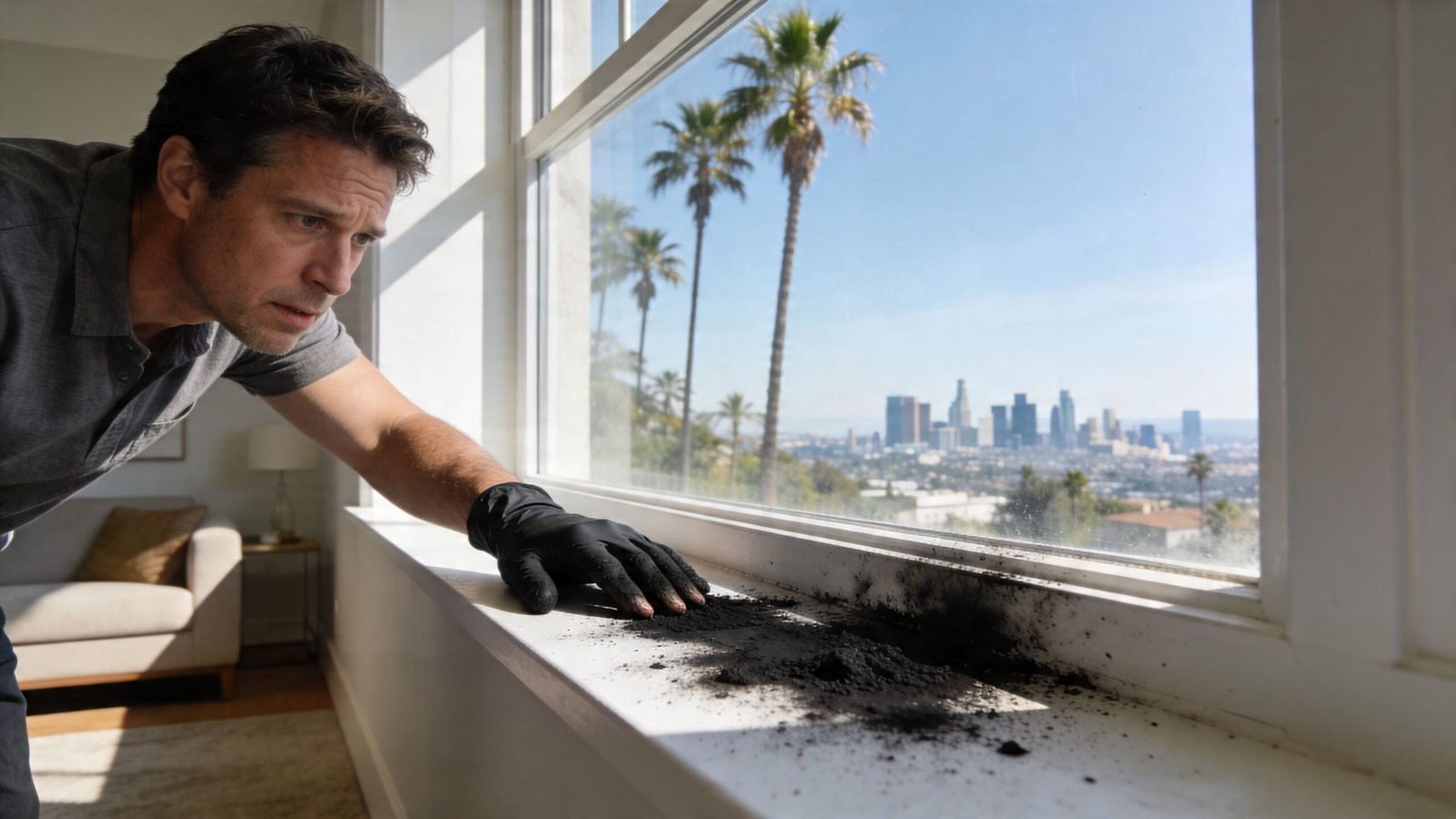
Soot from wildfire smoke, kitchen fires, or furnace puff-backs looks like dust but isn’t — it’s acidic residue that permanently etches surfaces if not removed within 24–48 hours. Wiping it wrong spreads contamination further. This LA guide covers the types of soot different smoke sources produce, the professional cleaning sequence for each surface type, and how to document soot damage for your insurance claim. 24/7 response: (818) 336-1800.

Read More »
Flood Cleanup Companies Flood Damage Scaled
Fire Damage Restoration Posts
Pete M.

Find Certified Flood Cleanup Companies

When water is coming through a ceiling or a pipe bursts in your LA home, choosing the right flood cleanup company fast determines whether flooring and drywall can be saved. This guide covers what IICRC certification means, what separates a restoration company from a cleanup crew, the questions to ask before you hire, typical response times, and how Onsite Pro Restoration coordinates directly with your insurer. Call 24/7: (818) 336-1800.

Read More »
Fire Damage Restoration Posts
Pete M.

What Is a Structure Fire? A Guide for Los Angeles Homeowners

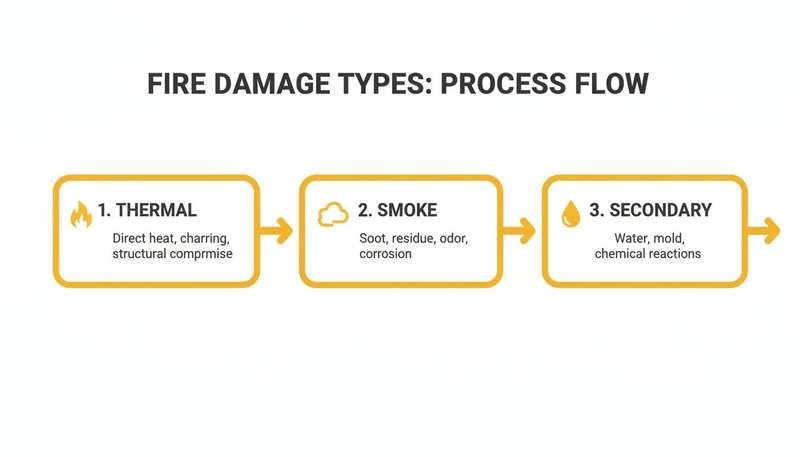
A structure fire doesn’t just burn what it touches — it generates toxic smoke that penetrates every porous material, heat damage that warps structural elements, and water damage from firefighting that must be dried before restoration begins. This LA guide covers what defines a structure fire, the category system restoration contractors use to assess damage, and the full professional remediation process. 24/7 fire damage response: (818) 336-1800.

Read More »
Burn Carpet Repair Carpet Patch
Fire Damage Restoration Posts
Pete M.

Your Guide to Professional Burn Carpet Repair in Los Angeles

A burn mark on carpet — from a curling iron, fireplace ember, or dropped cigarette — doesn’t always mean replacing the entire carpet. Small scorches can be repaired using a plug technique with fibers from a closet or remnant. This Los Angeles guide covers DIY repair for each burn size and type, when professional repair is more cost-effective, and when fire or smoke damage to the area beneath the carpet also needs to be assessed. Call (818) 336-1800.

Read More »
A medical professional in blue scrubs uses a stethoscope to check a small wooden model house.
Fire Damage Restoration Posts
Pete M.

A Homeowner’s Guide to Property Damage Restoration in Los Angeles

Property damage restoration returns a building to pre-loss condition after water, fire, smoke, mold, or sewage damage — not just cleanup, but drying, rebuilding, and documenting every step for your insurance claim. This Los Angeles guide covers what a complete restoration involves, the IICRC standards that govern the process, how insurance billing works, and what to look for when choosing a contractor. IICRC-certified, 24/7 response: (818) 336-1800.

Read More »
Smoke and soot spewing from a dirty vent on a wooden coffee table near a white sofa.
Fire Damage Restoration Posts
Pete M.

Smoke and Soot Cleanup in Los Angeles: A Homeowner’s Guide

After a fire is out, smoke and soot are the ongoing threats — acidic residue keeps etching surfaces for days, and smoke particles penetrate every porous material in the home. This LA guide covers the two-stage cleanup process, why incorrect cleaning spreads contamination, the specific methods for each surface type, when HEPA air scrubbers are required, and what your insurance claim should document. 24/7 fire damage response: (818) 336-1800.

Read More »
A diagram illustrating the 3-step fire response process: Safety, Secure, and Assess.
Fire Damage Restoration Posts
Pete M.

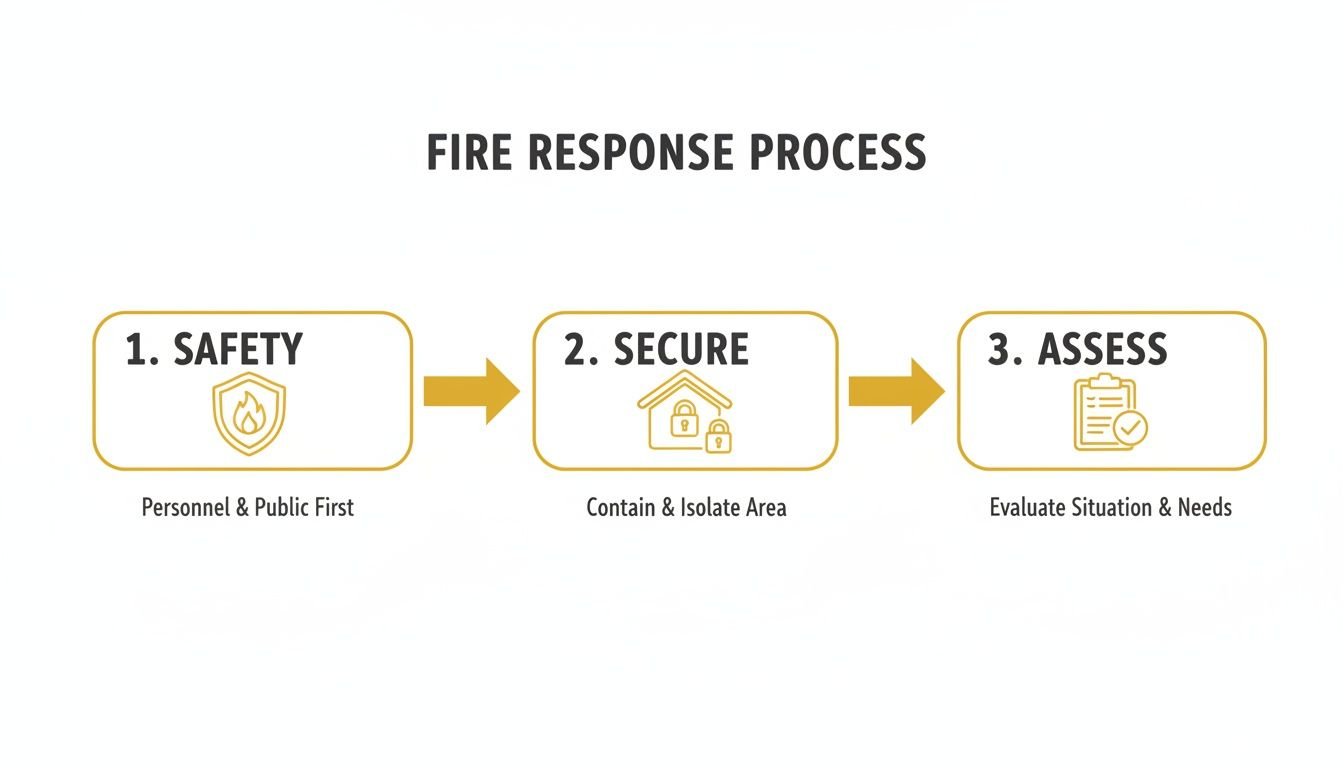
A Homeowner’s Guide to the Fire Damage Restoration Process

The first 24–48 hours after a fire are the most critical — acidic soot begins permanently etching surfaces within hours, and water from firefighting must be dried before mold develops. This LA guide covers the full fire damage restoration process: emergency board-up, soot cleanup, water extraction, odor neutralization, structural rebuild, and how to document the loss for your insurance claim from start to finish. 24/7 response: (818) 336-1800.

Read More »
A gas stove in a kitchen with a pan on it and severe soot damage on the wall and countertop.
Fire Damage Restoration Posts
Pete M.

How to Remove Soot From Walls: A Step-by-Step Guide for Los Angeles Homes

Cleaning soot off walls is a two-stage process — first remove loose particles with a dry-cleaning sponge or HEPA vacuum, then wash the greasy residual stain. Using a wet rag first drives soot into paint and drywall, turning a manageable cleanup into a permanent stain. This LA guide covers the correct step-by-step method for each wall surface and when soot coverage requires professional fire damage restoration. Call (818) 336-1800.

Read More »
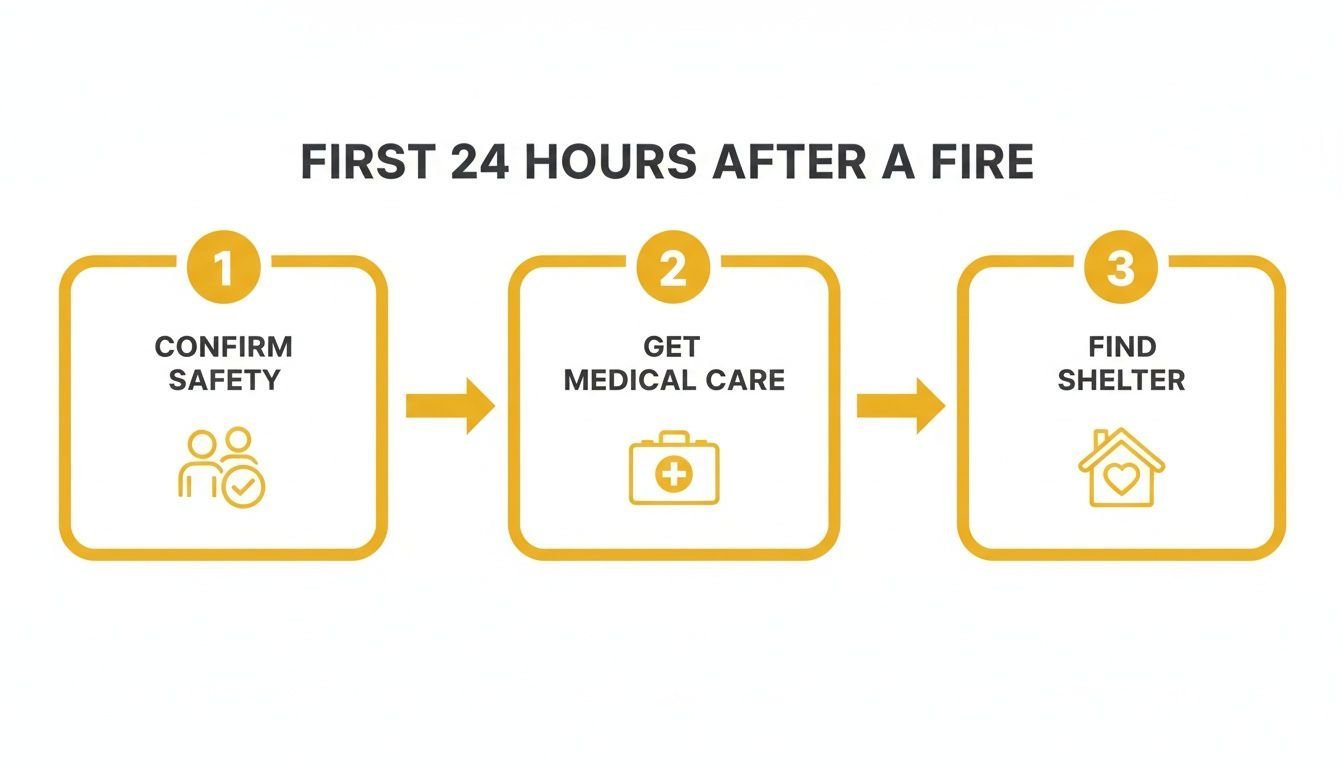
Infographic showing a three-step post-fire actions process: safety with family icon, report with phone icon, and secure with shield icon.
Fire Damage Restoration Posts
Pete M.

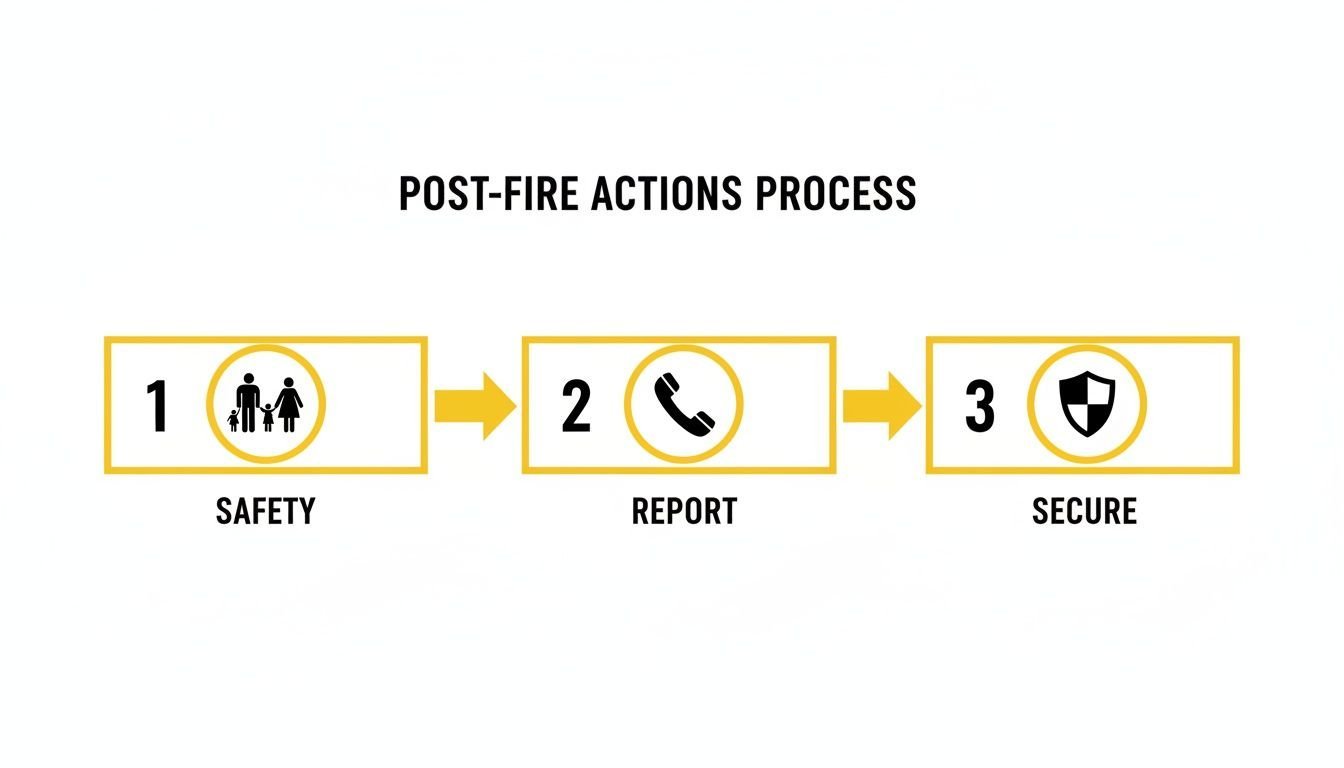
A Homeowner’s Guide to Fire Damage Insurance Claims in Los Angeles

A fire damage insurance claim in Los Angeles succeeds or fails in the first hours — before cleanup removes the evidence your adjuster needs to see. This guide covers the exact documentation steps to take immediately after a fire, how to read your policy for fire and smoke coverage, what adjusters look for vs. try to undervalue, and how working with a professional restoration contractor protects your claim. IICRC-certified. 24/7 response: (818) 336-1800.

Read More »
A person in a protective suit and mask is removing extensive black soot or mold from a white wall next to a window.
Fire Damage Restoration Posts
Pete M.

How to Remove Soot from Walls in Your Los Angeles Home: A Pro’s Guide

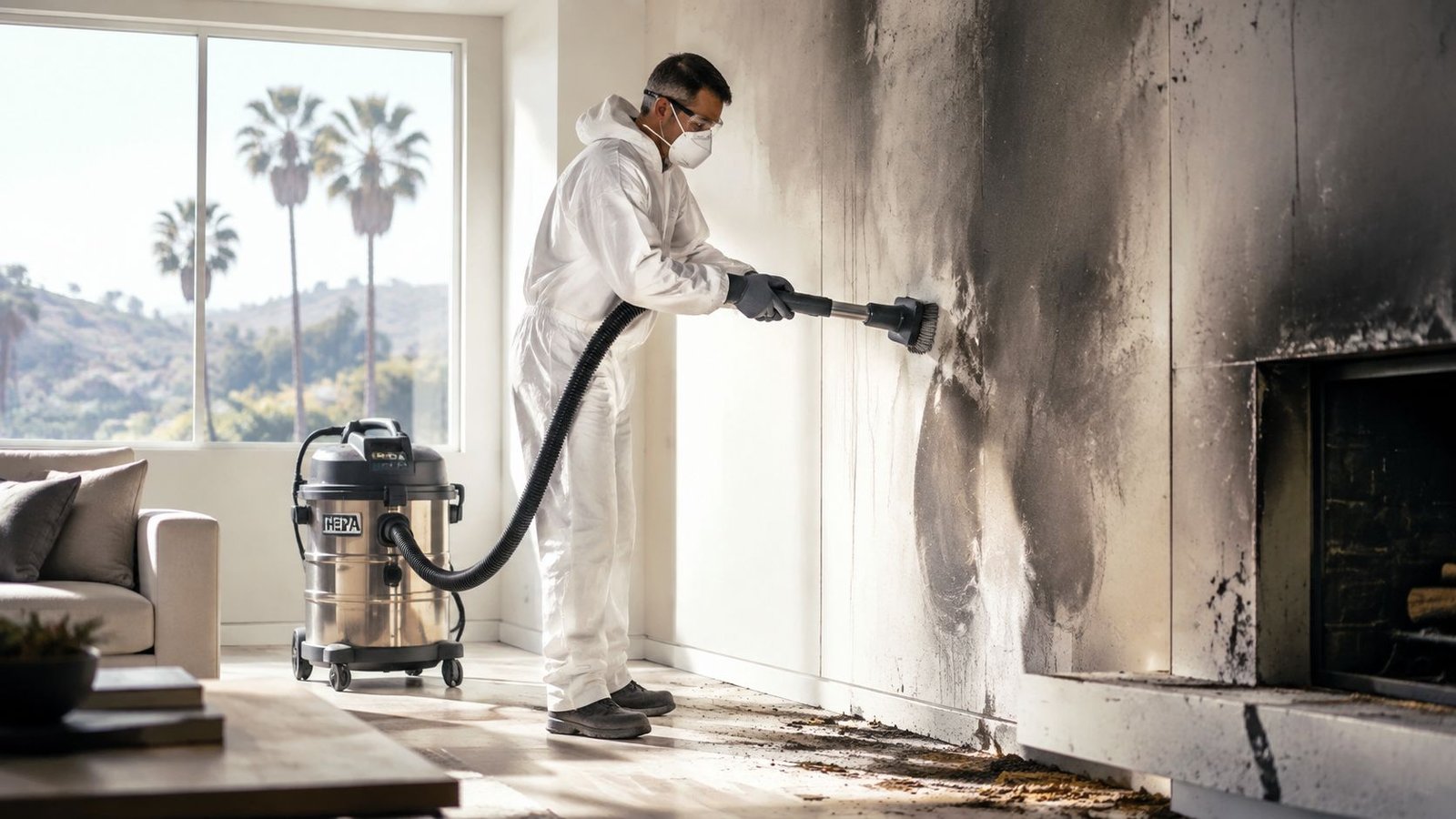
The biggest mistake when cleaning soot from walls is reaching for a wet cloth first — it drives greasy residue deeper into paint and drywall and makes it permanent. The correct process starts dry: a dry-cleaning chemical sponge or HEPA vacuum to lift loose particles before any wet cleaning begins. This LA guide covers the full two-stage process, product recommendations by surface type, and when soot damage is too extensive for DIY. Call (818) 336-1800.

Read More »
A gloved hand points to a white window sill heavily covered in black soot and debris.
Fire Damage Restoration Posts
Pete M.

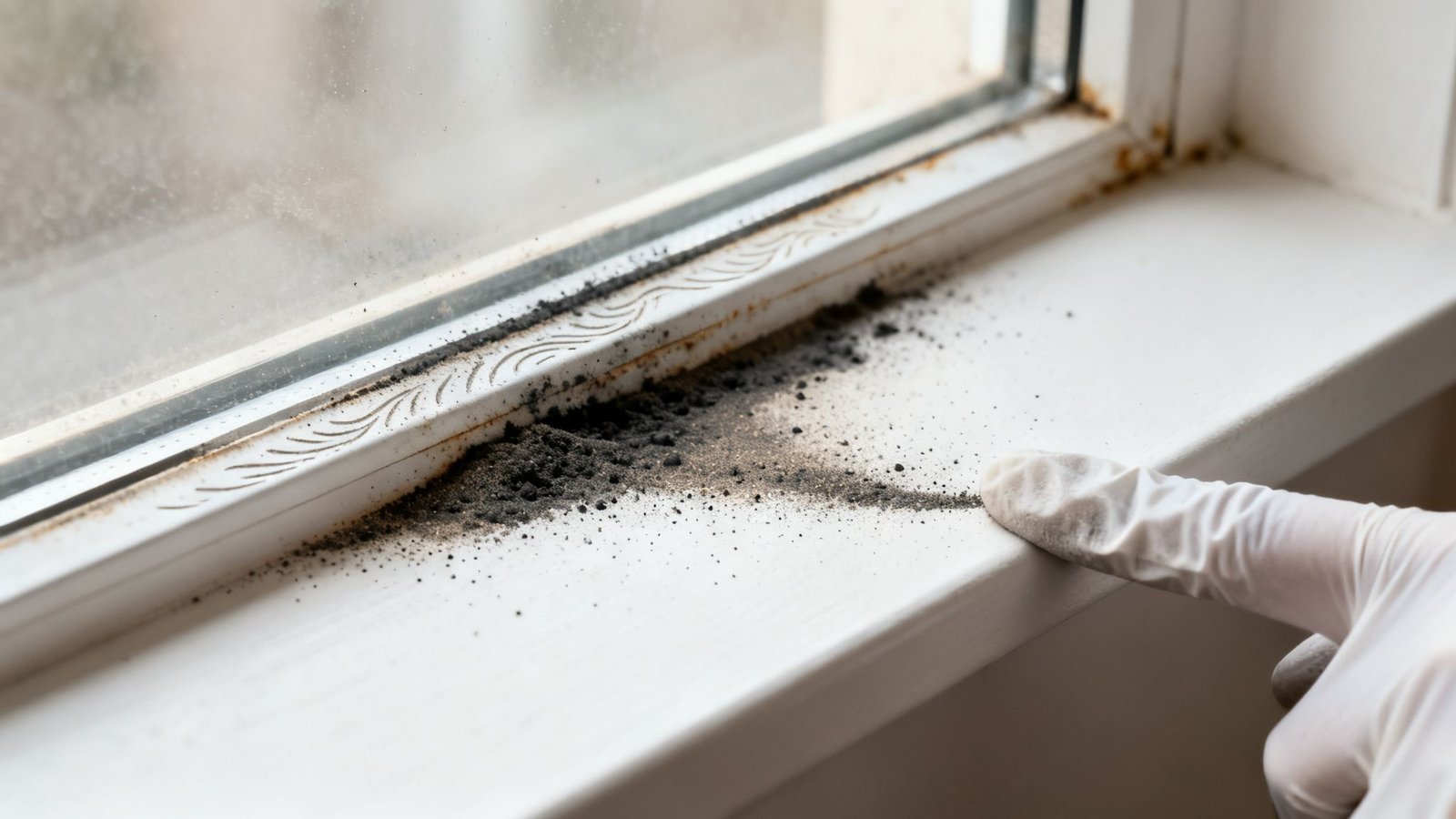
Smoke Damage Repair: A Los Angeles Homeowner’s Guide

Smoke damage repair is more than cleaning visible soot — acidic smoke particles penetrate walls, ceilings, HVAC systems, and personal belongings, causing ongoing damage and odor long after the fire is out. This LA guide covers the full smoke damage repair process: surface cleaning by material type, HEPA air scrubbing, ozone or thermal fogging for embedded odors, and how to document smoke damage correctly for your insurance claim. IICRC-certified: (818) 336-1800.

Read More »
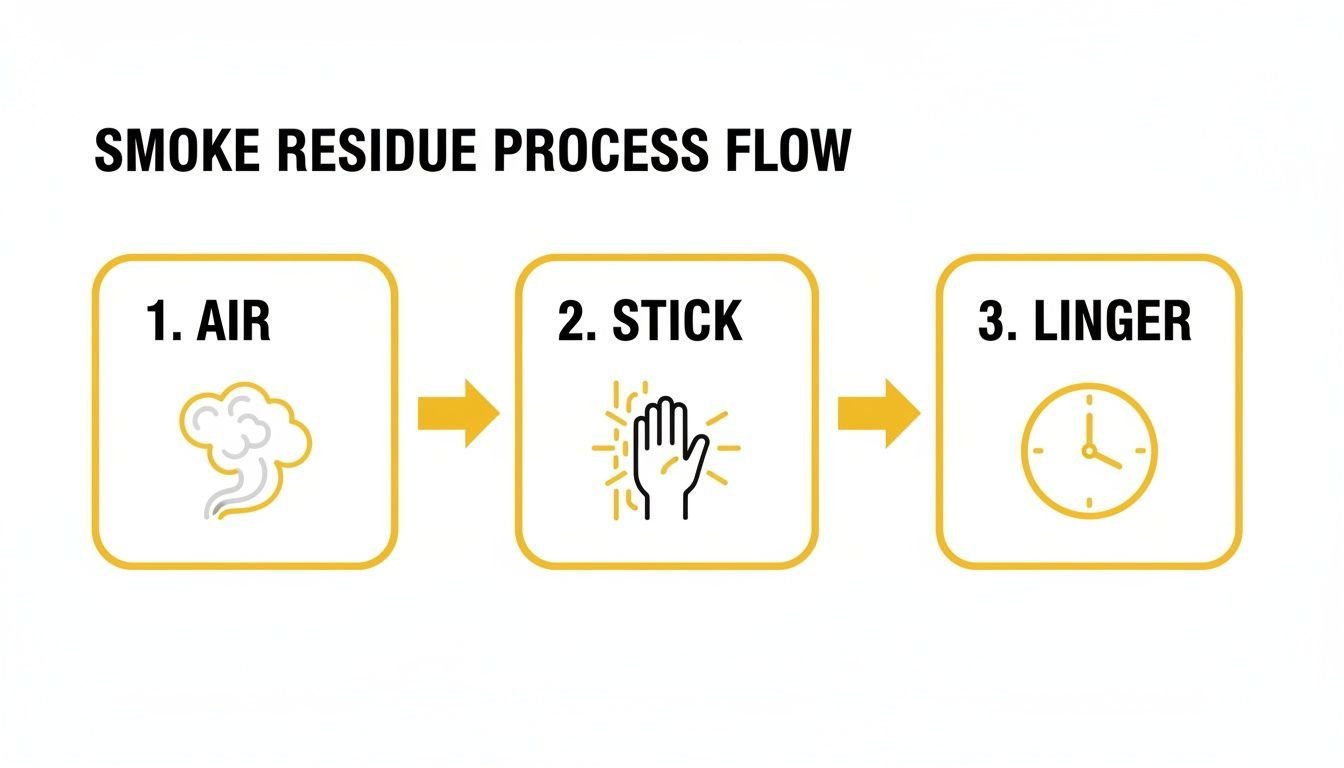
A three-step process flow diagram illustrating soot damage: acidic soot, microscopic smoke, and lingering odor.
Fire Damage Restoration Posts
Pete M.

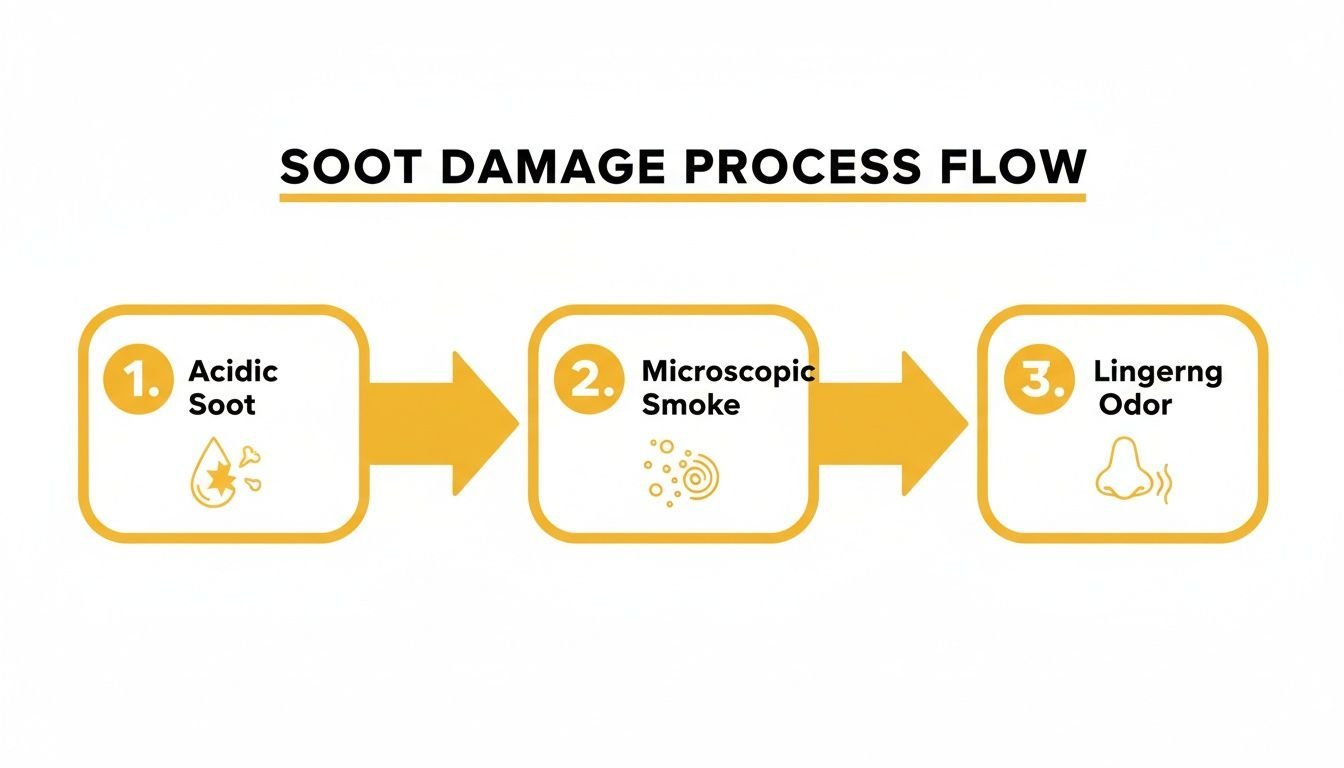
A Homeowner’s Guide to Fire Clean Up in Los Angeles

The first 48 hours of fire cleanup set the trajectory for your entire recovery — both structurally and for your insurance claim. Acidic soot keeps etching surfaces while firefighting water sits in walls. This LA guide covers the correct order of operations for fire cleanup: board-up and securing the property, documentation before touching anything, soot and smoke removal by surface type, water extraction, and how to work your insurance claim from day one. 24/7 response: (818) 336-1800.

Read More »
Walls extensively covered in black soot, showing both dry residue and wet drips.
Fire Damage Restoration Posts
Pete M.

How to Clean Soot from Walls: A Guide for Los Angeles Homes

Cleaning soot from walls starts with one critical rule: never use water first. Wet soot smears into porous surfaces and becomes permanent. The correct process uses a dry-cleaning chemical sponge or HEPA vacuum to lift loose particles before any wet cleaning begins. This LA guide covers the full two-stage soot removal process by wall type, the right products, how to treat heavy coverage, and when professional fire restoration is the only safe option. Call (818) 336-1800.

Read More »
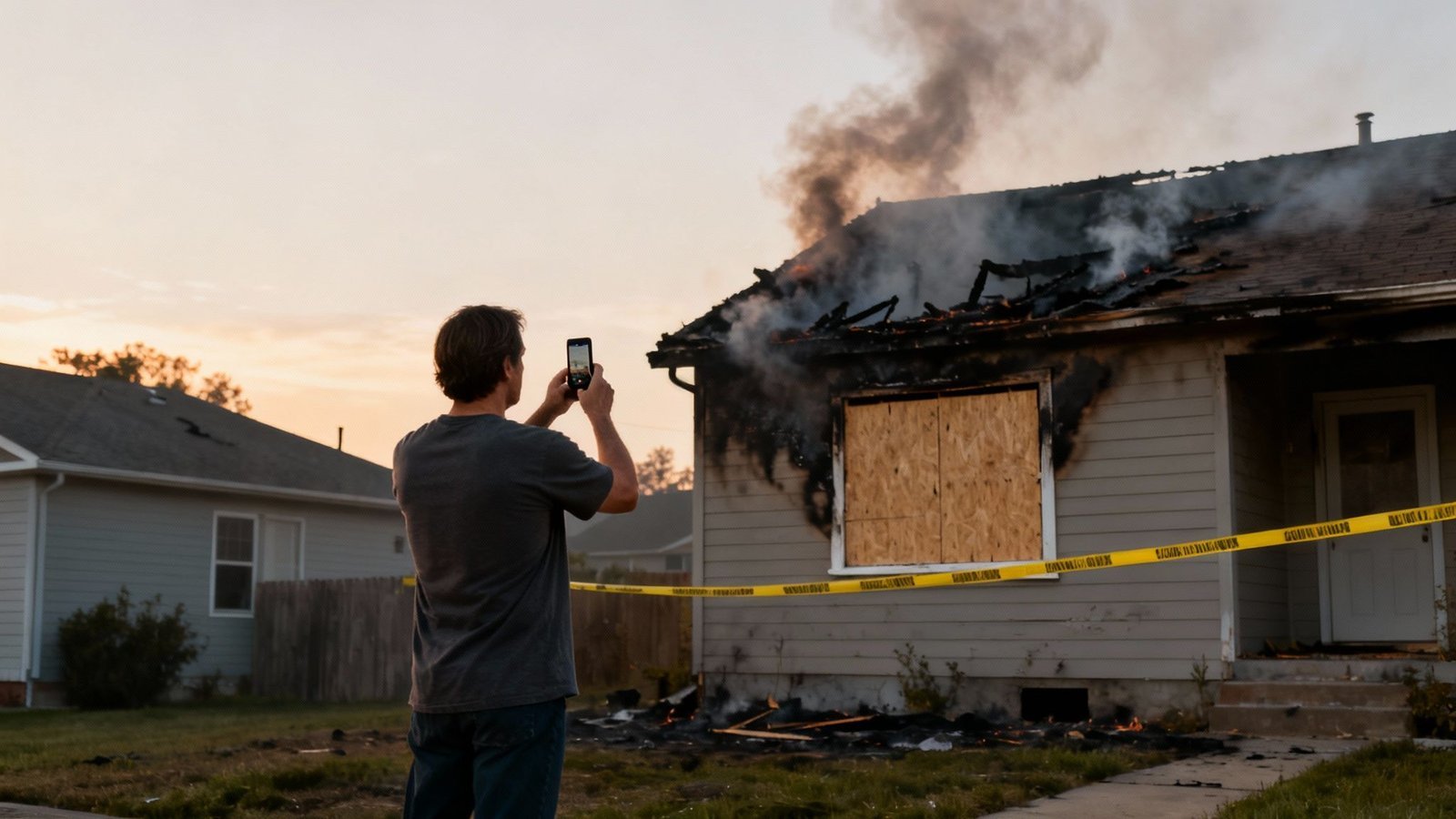
A man photographs a burning house with his phone, smoke rising from its damaged roof and boarded window.
Fire Damage Restoration Posts
Pete M.

Your Complete Guide to Fire and Smoke Damage Restoration in Los Angeles

Fire and smoke damage require two separate but parallel restoration tracks — structural fire damage and pervasive smoke contamination — and the first 24 hours after a fire determine how successfully both are resolved. Soot keeps corroding surfaces while firefighting water sits in walls. This Los Angeles guide covers the complete fire and smoke damage restoration process, from emergency board-up through final rebuild and insurance claim documentation. 24/7 response: (818) 336-1800.

Read More »
Flowchart detailing three steps for initial fire response: ventilate, safety gear, contain fire.
Fire Damage Restoration Posts
Pete M.

How to Remove Fire Smoke Smell From House: A Los Angeles Guide

Removing fire smoke smell from a house permanently means eliminating the odor at the source — not masking it. Smoke particles bond chemically to surfaces and infiltrate HVAC systems, releasing odor for months if not fully treated. This LA guide covers the complete elimination process: ventilation, surface cleaning by material type, HVAC duct treatment, and professional deodorization methods including ozone treatment and thermal fogging for embedded smoke odor. IICRC-certified: (818) 336-1800.

Read More »
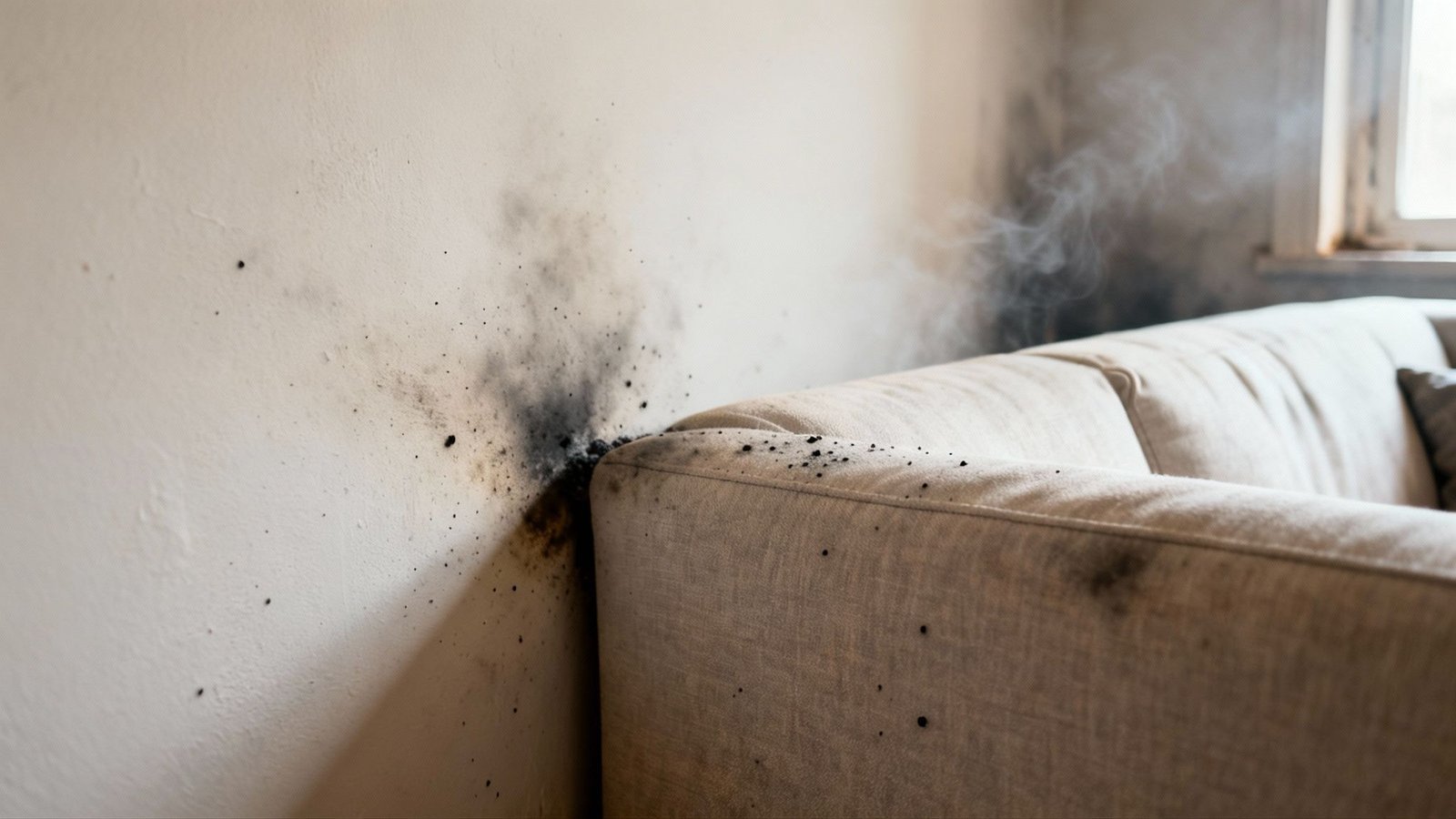
Close-up of a wall and sofa with burn marks, soot, and smoke indicating recent fire damage.
Fire Damage Restoration Posts
Pete M.

How to Eliminate Fire Smoke Odor in Your House: A Complete Guide

Eliminating fire smoke odor from a house requires physically removing smoke particles from every surface — they bond chemically to materials and embed in HVAC systems, releasing odor for months if not fully treated. This LA guide covers the complete elimination process: surface cleaning by material, air filtration with HEPA scrubbers, HVAC duct treatment, and professional deodorization methods (ozone treatment and thermal fogging) when surface cleaning alone falls short. IICRC-certified: (818) 336-1800.

Read More »
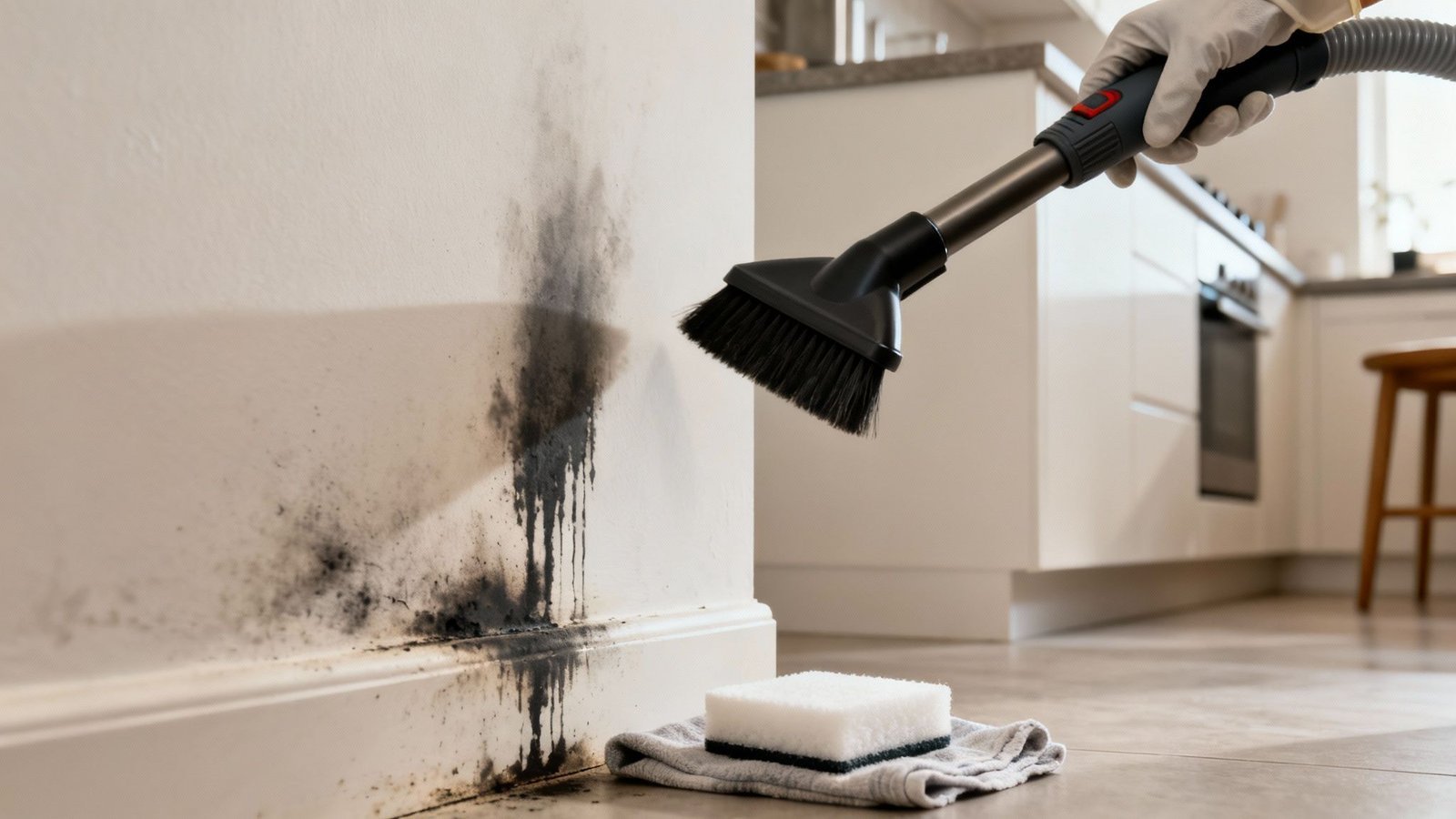
A person wearing a white glove applies a black substance to a white wall with a sponge.
Fire Damage Restoration Posts
Pete M.

How to Wash Soot Off Walls: Pro Tips for Safer, Cleaner Results

Washing soot off walls starts with one non-negotiable rule: never use a wet cloth first. Soot is greasy and powdery at the same time — water drives it into porous surfaces and makes the stain permanent. The correct sequence uses a dry-cleaning chemical sponge or HEPA vacuum to lift particles before any wet cleaning begins. This LA guide covers the full two-stage soot removal process, products by surface type, and when fire damage requires professional restoration. Call (818) 336-1800.

Read More »