Hardwood Floor Water Damage: Expert Repair 2026
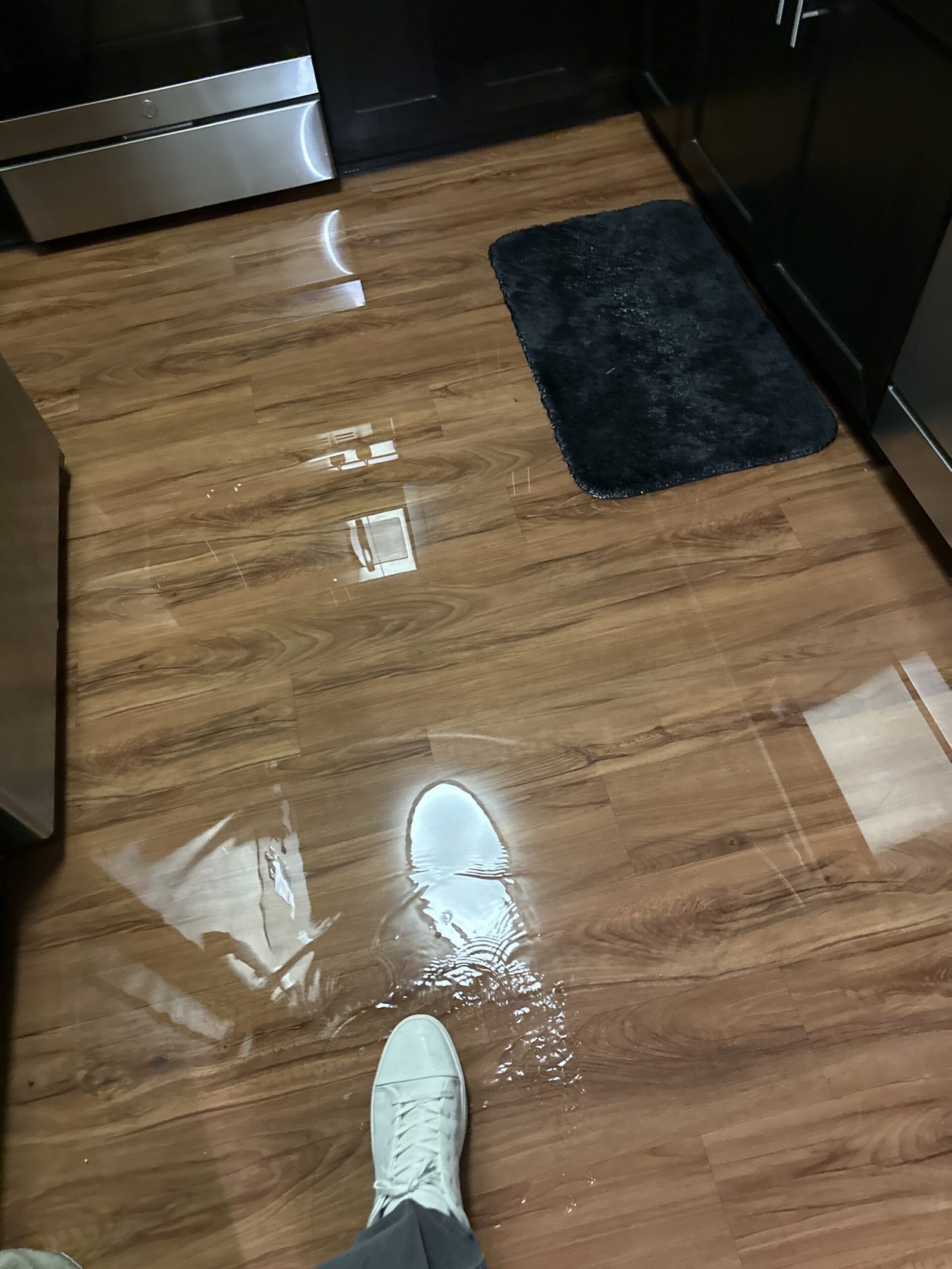
Hardwood floor water damage is a time-sensitive emergency. If water has been on your floor for more than 24 to 48 hours, the risk of

Hardwood floor water damage is a time-sensitive emergency. If water has been on your floor for more than 24 to 48 hours, the risk of

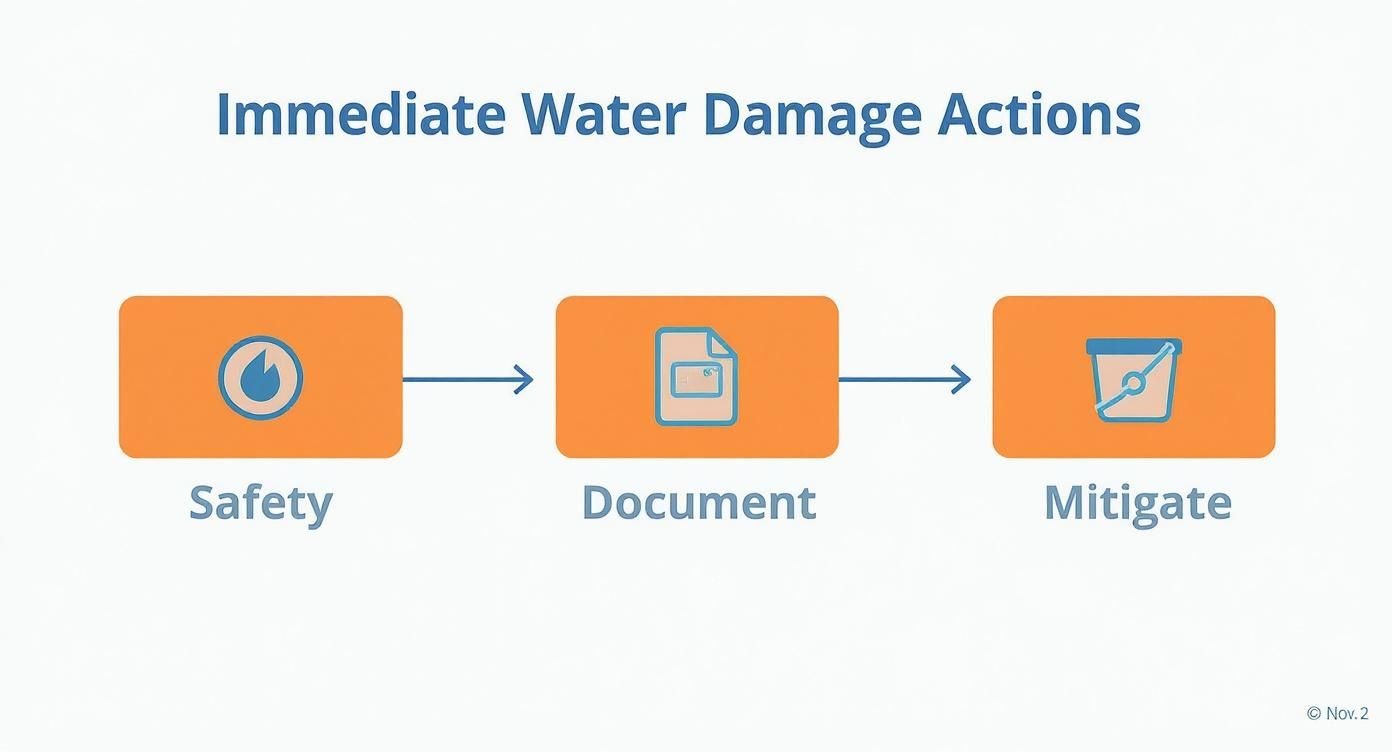
The first hour after a flood or burst pipe determines how much damage you’ll end up with. Here’s the exact sequence LA homeowners should follow to minimize losses and protect their insurance claim.

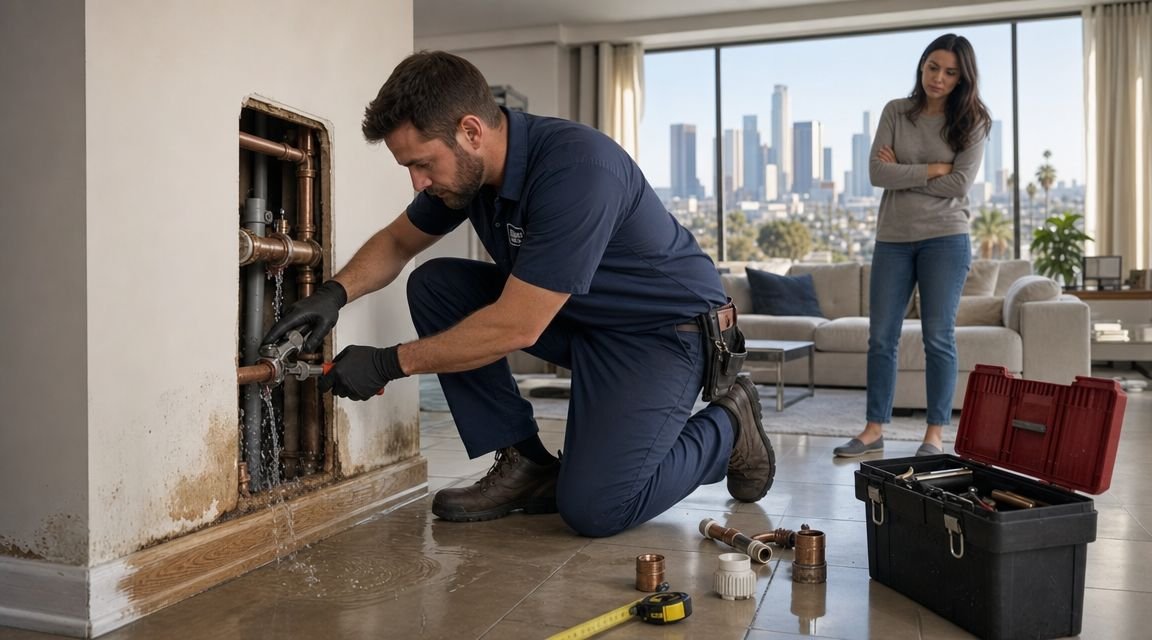
Broken pipe repair in Los Angeles costs $500–$5,000 for the plumbing fix alone — but if water reached drywall, flooring, or cabinetry, the water damage restoration bill often exceeds it. This 2026 guide breaks down cost factors by pipe type, location, and access difficulty, plus what insurance typically covers and how to document your claim. Emergency water damage response 24/7: (818) 336-1800.
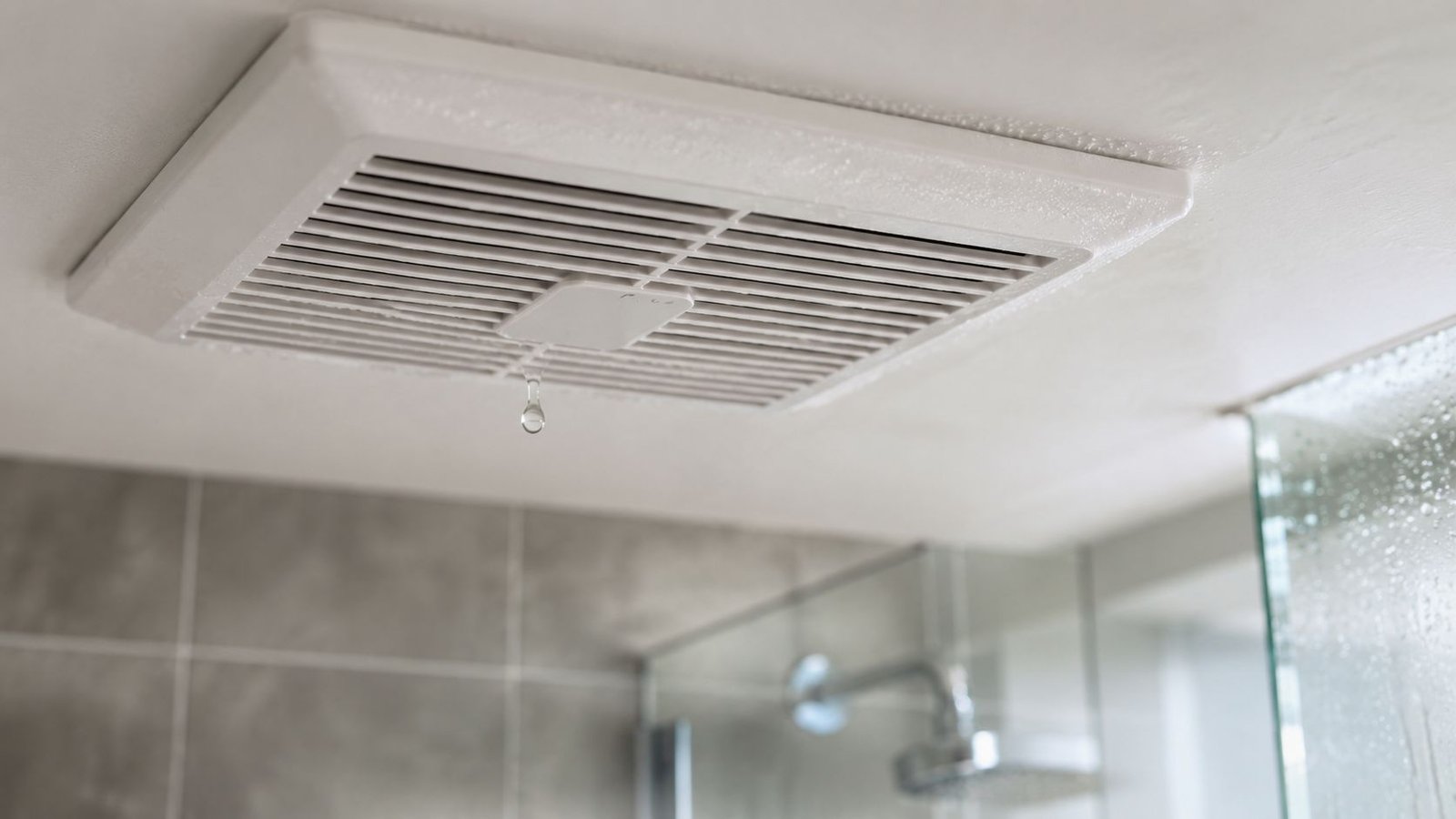
Water dripping from a bathroom exhaust fan usually means condensation in the ductwork, a roof leak above it, or a plumbing issue from an upper floor. First step: turn off the fan and circuit breaker — never run a fan actively dripping water. This LA guide identifies the three most common causes, how to diagnose each, and when the leak signals water damage that needs professional assessment. Call (818) 336-1800.

The right water extraction equipment in the first hour limits demolition, shortens drying time, and determines whether flooring and drywall can be saved. This Los Angeles guide explains the difference between consumer wet-vacs and truck-mounted extractors, how extraction capacity is matched to loss size, and what professional restoration crews deploy for residential vs. commercial water damage. Emergency response 24/7: (818) 336-1800.
Water damage repair in Los Angeles typically costs $1,383–$6,370, with a national average around $3,860 — but your actual cost depends on water type, how deep materials are soaked, insurance exclusions, and response speed. Delays that allow mold growth push costs significantly higher. This 2026 guide breaks down costs by damage category, material type, and what insurance typically covers. 24/7 emergency response: (818) 336-1800.

Plumbing repair for a burst pipe typically costs $400–$2,000, but the total bill with water extraction, drying, structural repairs, and possible mold remediation usually lands at $3,000–$15,000 or more. Underground pipes and long exposure times push costs higher. This 2026 Los Angeles guide breaks down every cost factor, what insurance typically covers, and how to document your claim. IICRC-certified emergency response 24/7: (818) 336-1800.
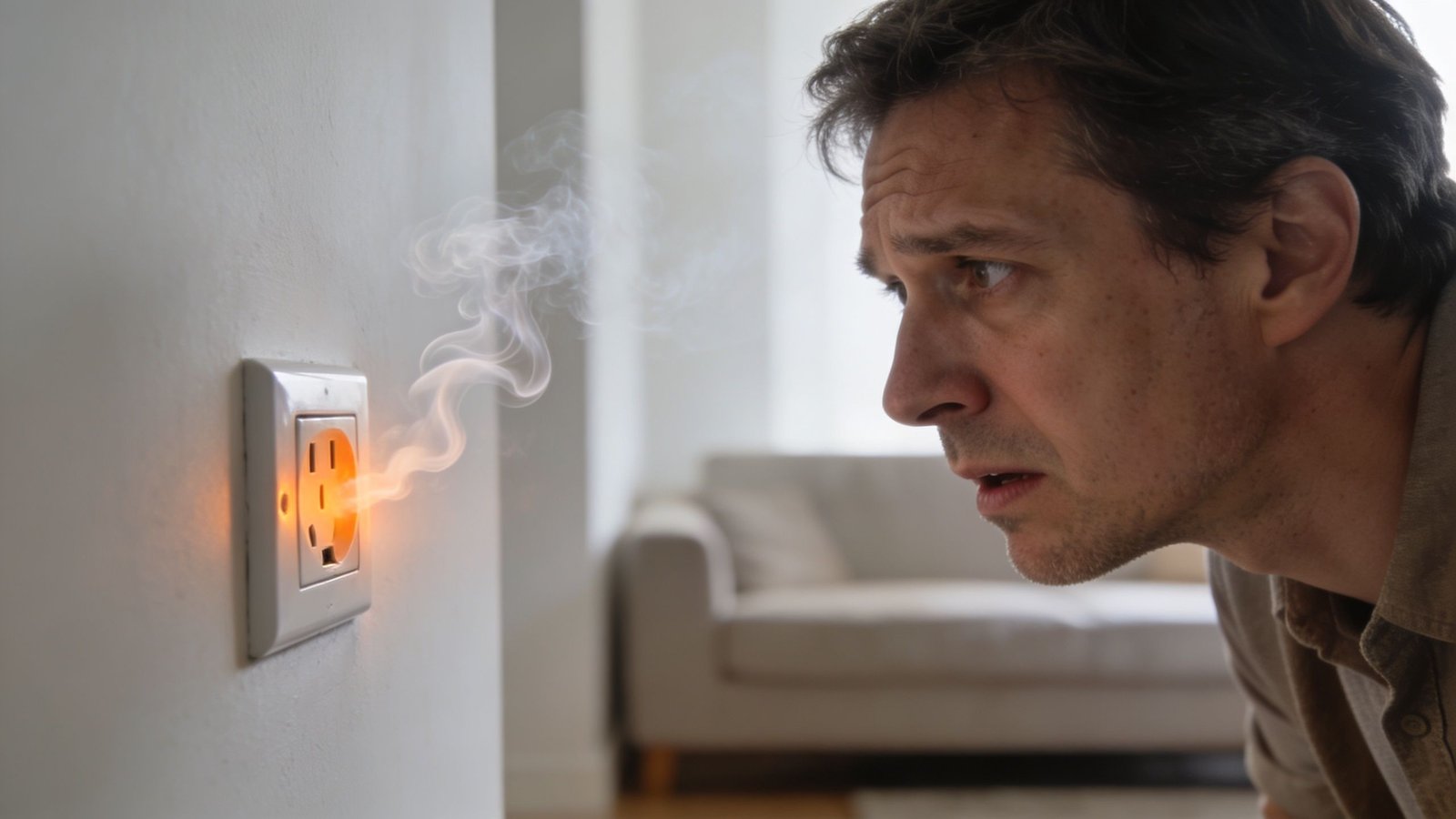
A burning electrical smell — sharp, hot, plastic-like, or oddly fishy — is a warning you can’t ignore in a Los Angeles home. It often indicates overloaded wiring, a failing outlet, or heat building inside a wall cavity. This guide covers the causes, what to do immediately, when to shut off the breaker, and how fire damage from electrical sources is assessed and restored. Emergency response 24/7: (818) 336-1800.
Water damage and mold are the same problem at different stages — wherever moisture persists for 24–48 hours, mold follows. Treating them separately leaves the underlying issue unresolved. This Los Angeles guide covers the combined remediation process: water classification, structural drying, mold testing, containment, removal, and clearance — plus how insurance claims work when both are present. IICRC-certified: (818) 336-1800.

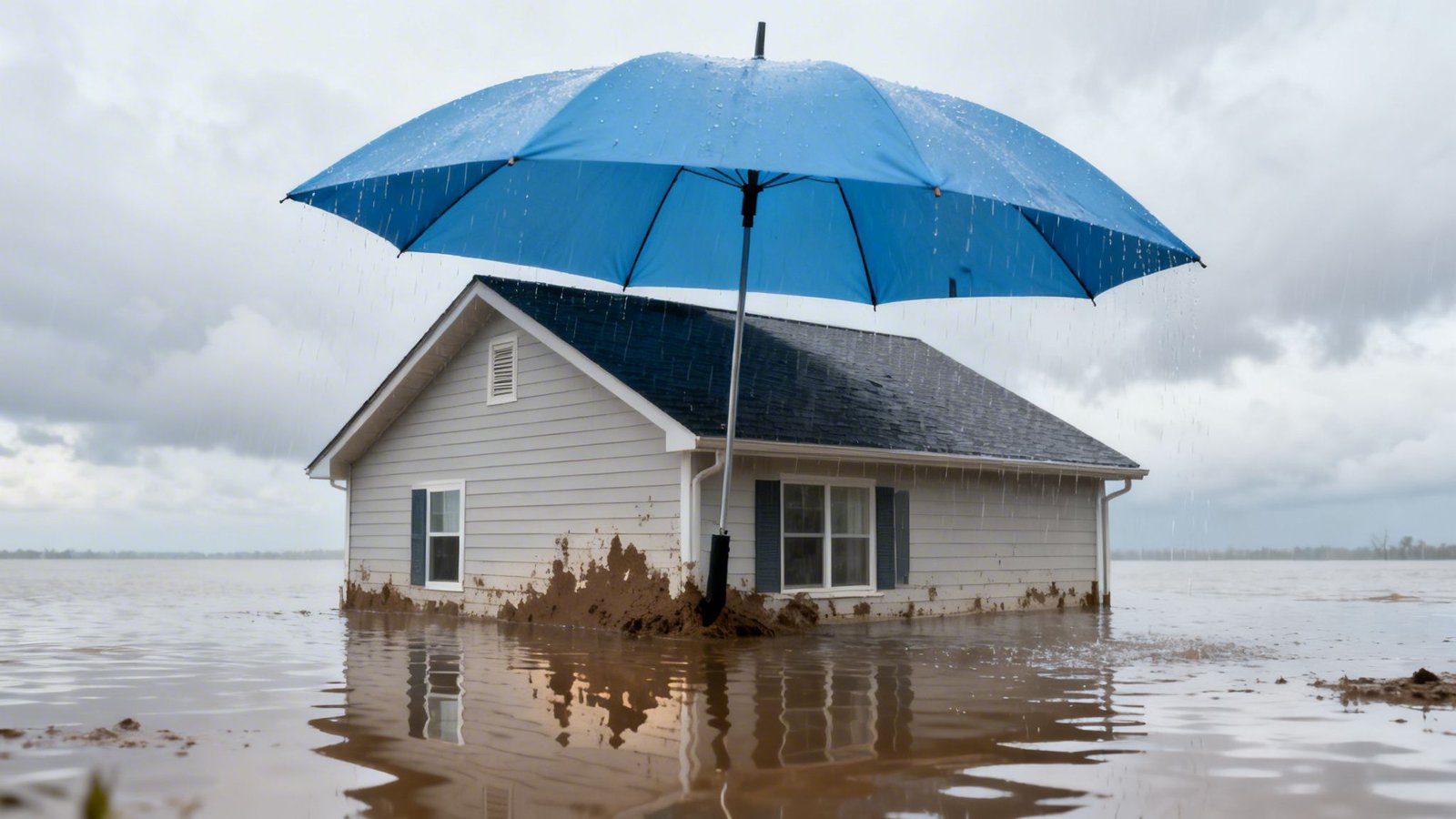
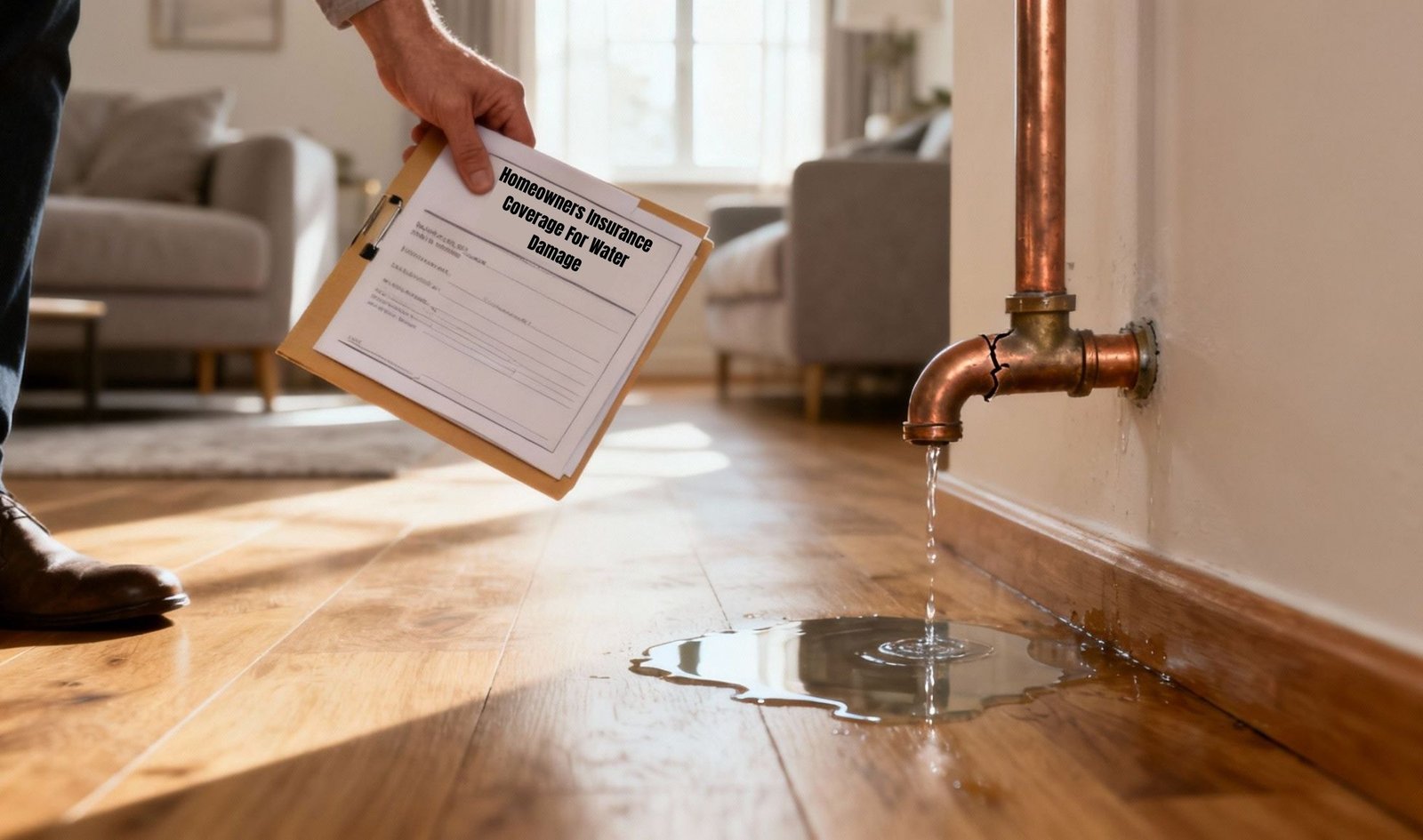
Standard homeowners insurance does NOT cover flood damage from storms or overland water — that requires a separate NFIP or private flood policy. It does typically cover sudden damage from internal sources like burst pipes. In Los Angeles, this distinction matters enormously given atmospheric river flooding risks. This guide clarifies what each policy covers, how to file a claim, and what restoration documentation your insurer will require. Call (818) 336-1800.

Property damage restoration returns a building to pre-loss condition after water, fire, smoke, mold, or sewage damage — not just cleanup, but drying, rebuilding, and documenting every step for your insurance claim. This Los Angeles guide covers what a complete restoration involves, the IICRC standards that govern the process, how insurance billing works, and what to look for when choosing a contractor. IICRC-certified, 24/7 response: (818) 336-1800.

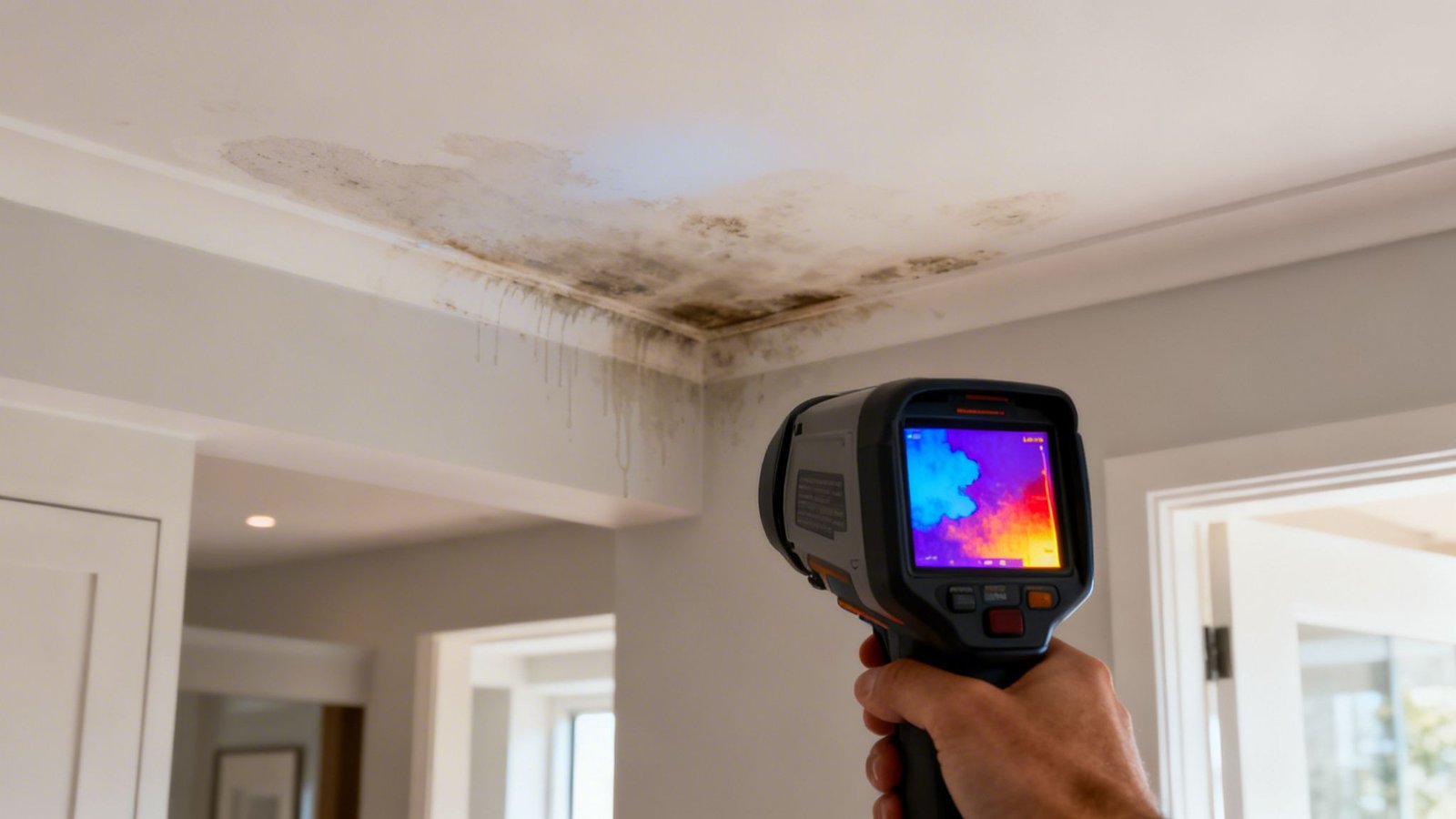
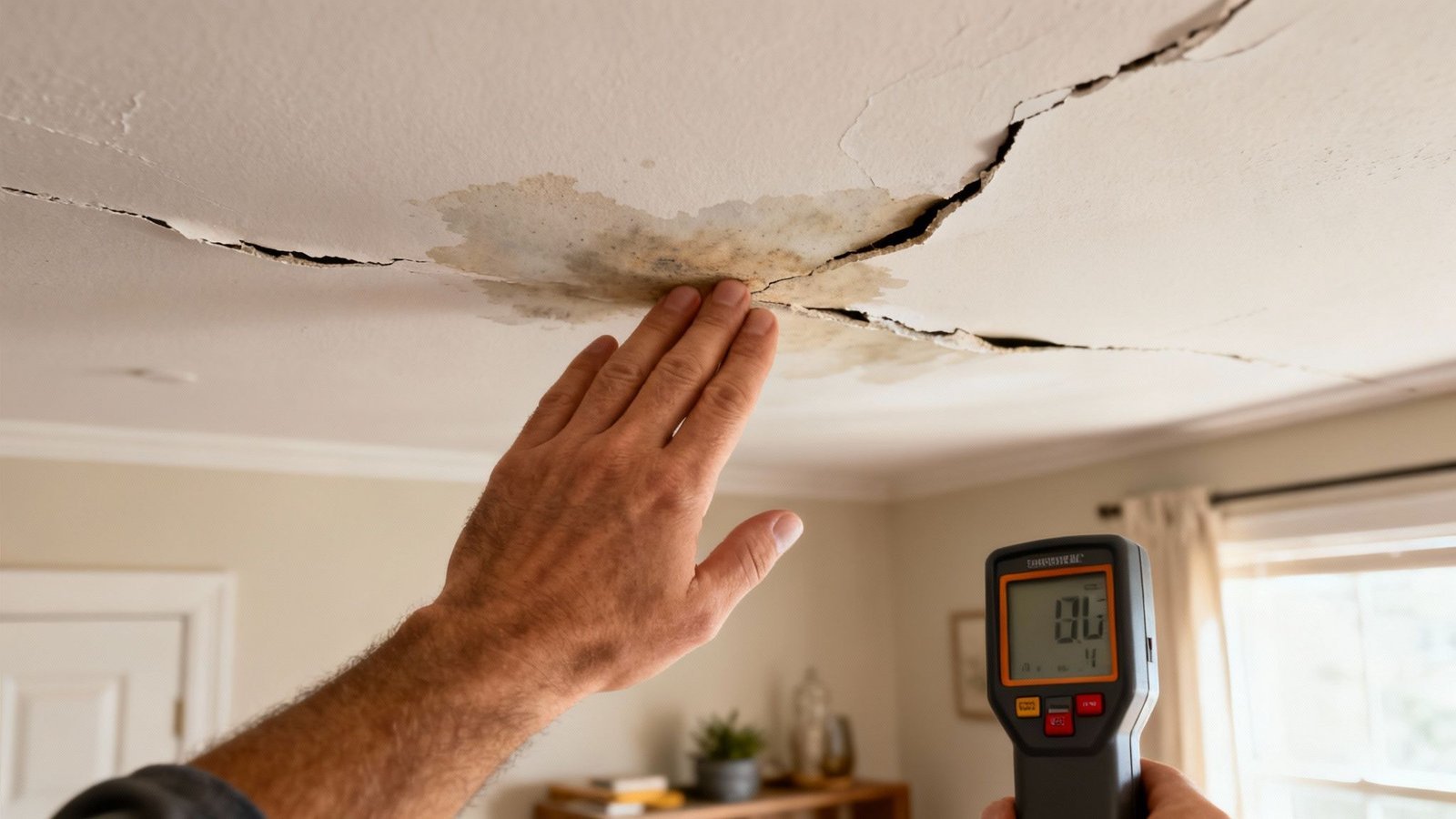
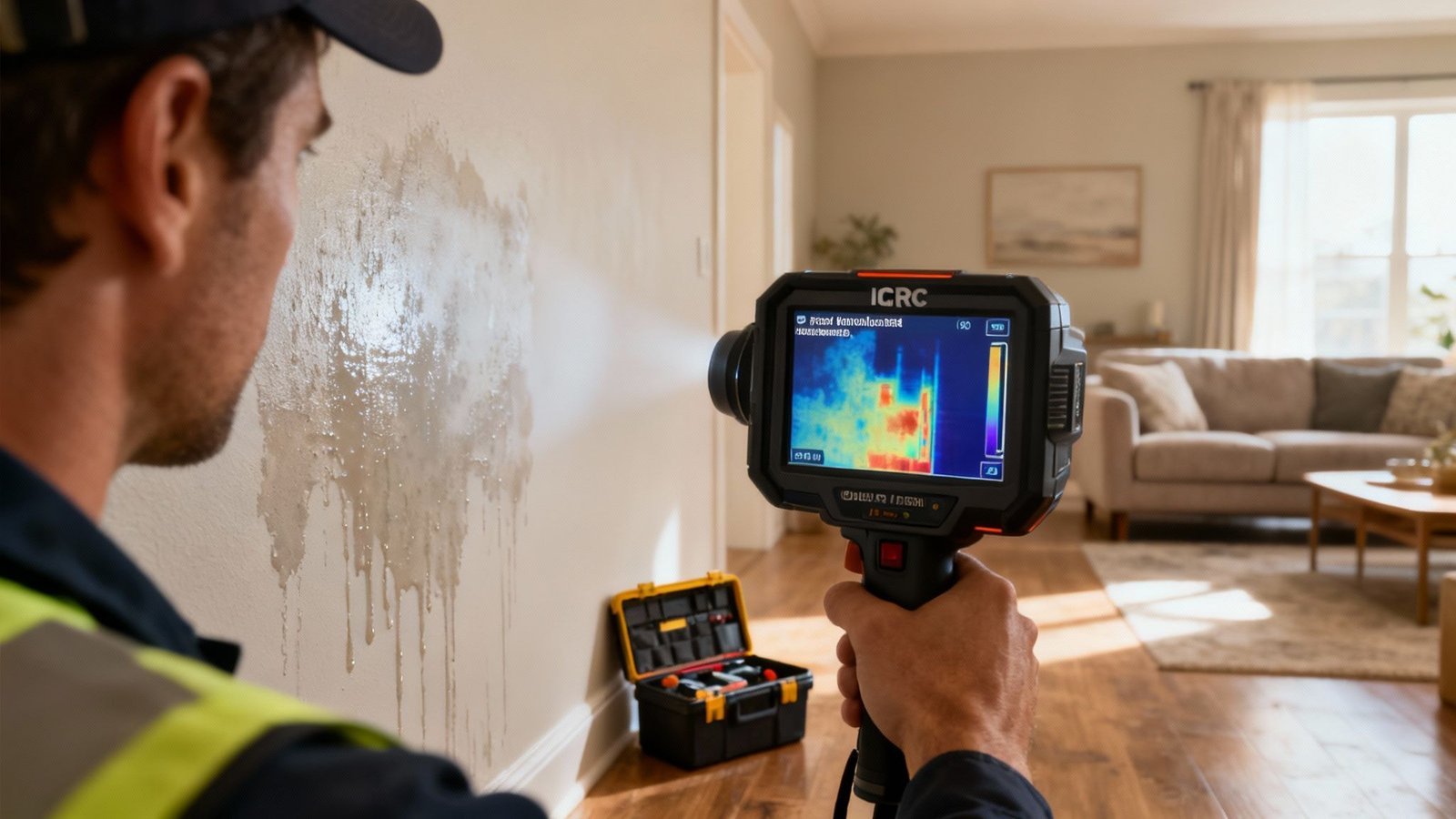
Thermal imaging finds water leaks behind walls, under flooring, and in ceilings without cutting into surfaces — by detecting temperature differences caused by evaporative cooling from moisture. A leak can travel several feet before dropping, making infrared scanning the fastest way to map the true damage boundary. This LA guide explains how the technology works, what it costs, and why professional restoration crews use it before drying begins. Call (818) 336-1800.

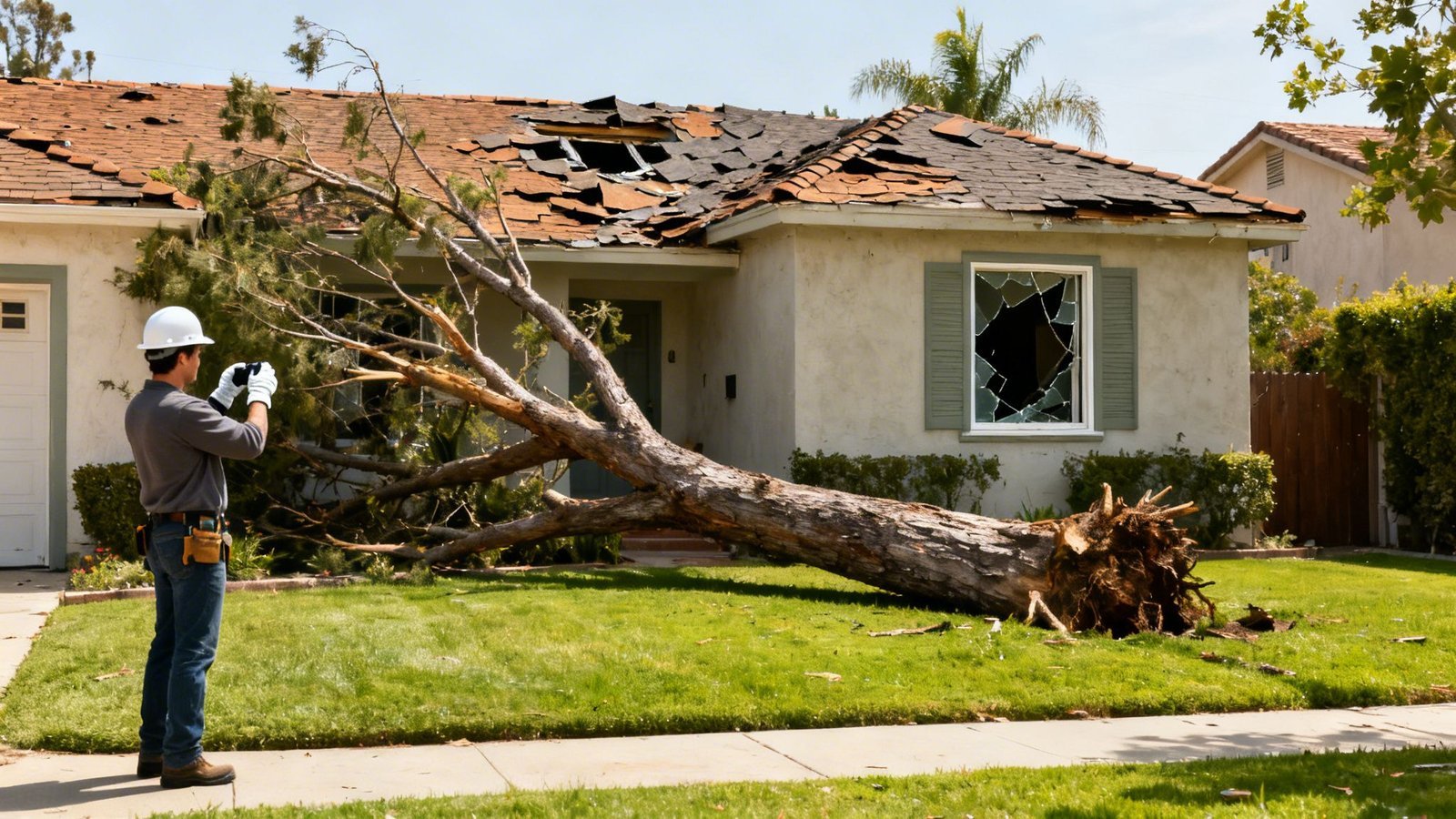
Storm damage repair in Los Angeles starts with immediate safety checks — electrical hazards, structural stability, gas leaks — before anything else. Then documentation before permanent repairs begin, so your insurance claim is protected. This guide covers the correct order of operations after a storm, how to tarp a damaged roof, what water intrusion does to walls and ceilings if not dried within 48 hours, and how to file a successful claim. 24/7 response: (818) 336-1800.

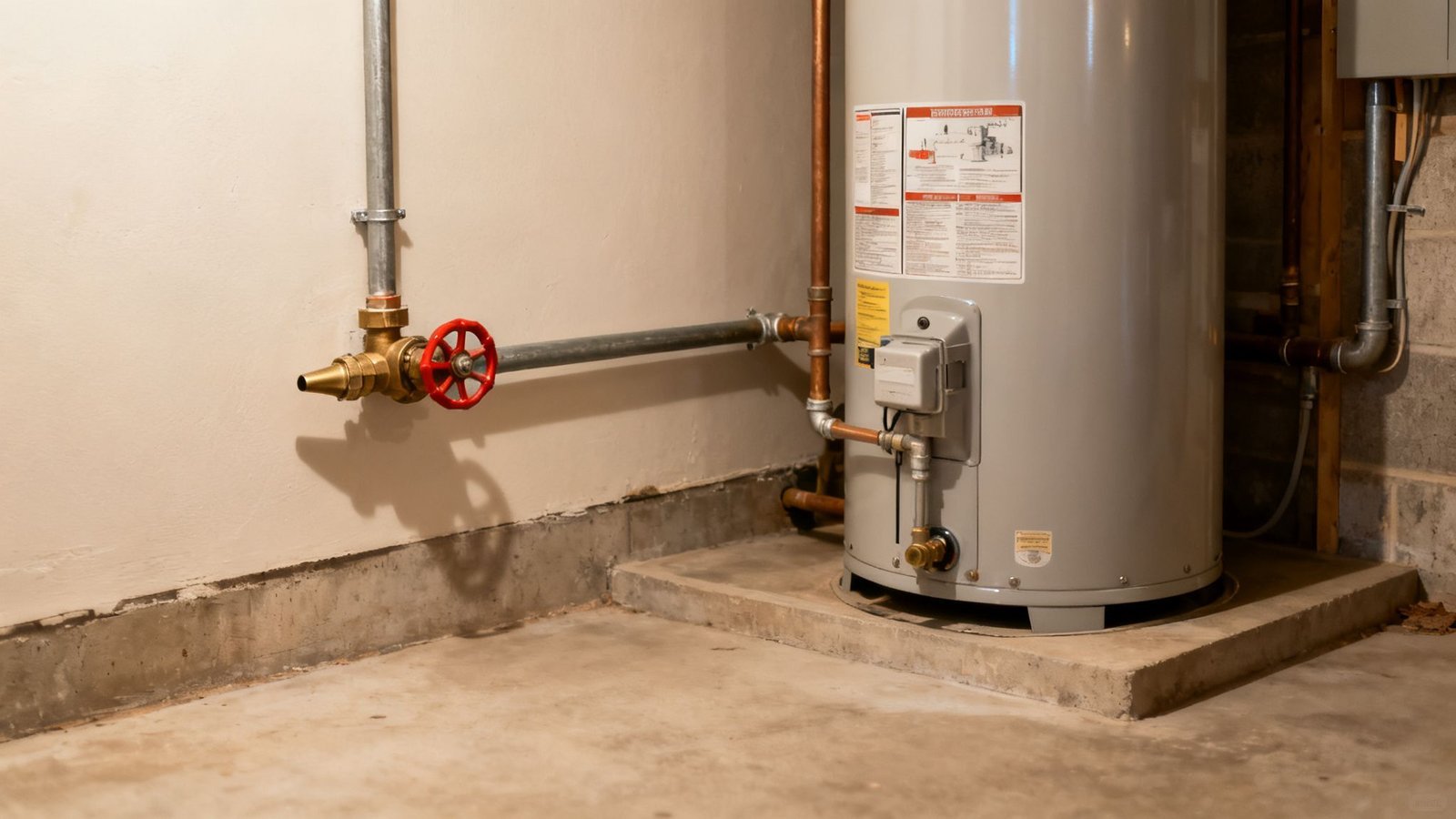
When a pipe bursts or a water heater fails, knowing where your main water shutoff valve is — and how to recognize it — can mean the difference between a minor puddle and thousands in damage. This Los Angeles guide covers what the main water valve looks like, where it’s typically located in LA homes, how to shut it off quickly, and what to do after water damage has already started. 24/7 emergency response: (818) 336-1800.

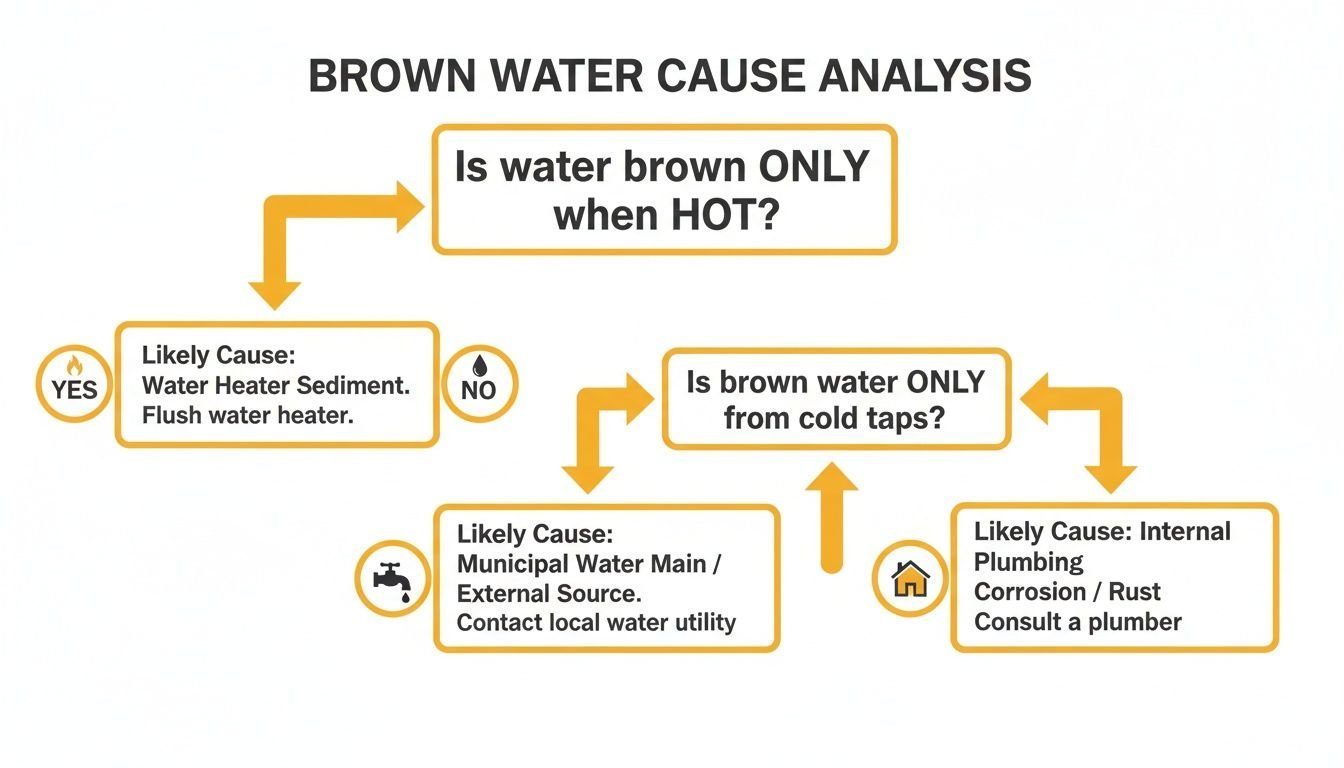
Brown water in your tub usually means one of three things: disturbed sediment from aging pipes, a corroded water heater anode rod, or a city main disturbance. In most cases it’s not a health emergency — but it signals a problem that won’t fix itself. This LA guide covers how to diagnose the cause by where in your home the brown water appears, what to do first, and when discolored water indicates a pipe failure that needs immediate attention. Call (818) 336-1800.

Most water damage insurance claims are underpaid — not because coverage doesn’t exist, but because homeowners make avoidable mistakes in the first 24 hours. This guide covers 8 practical tips for Los Angeles property owners: how to document damage before touching anything, what your policy actually covers vs. excludes, how to communicate with your adjuster to protect the claim, and why working with an IICRC-certified restoration contractor matters. Call (818) 336-1800.

Flood damage repair in Los Angeles requires stopping water intrusion, extracting standing water, and beginning structural drying within the first 24 hours — after that window, mold is almost certain. This guide covers the complete restoration process: immediate safety checks, water extraction methods, moisture mapping with thermal imaging, structural drying timelines, and how to document flood damage for a successful insurance claim. IICRC-certified. 24/7 response: (818) 336-1800.

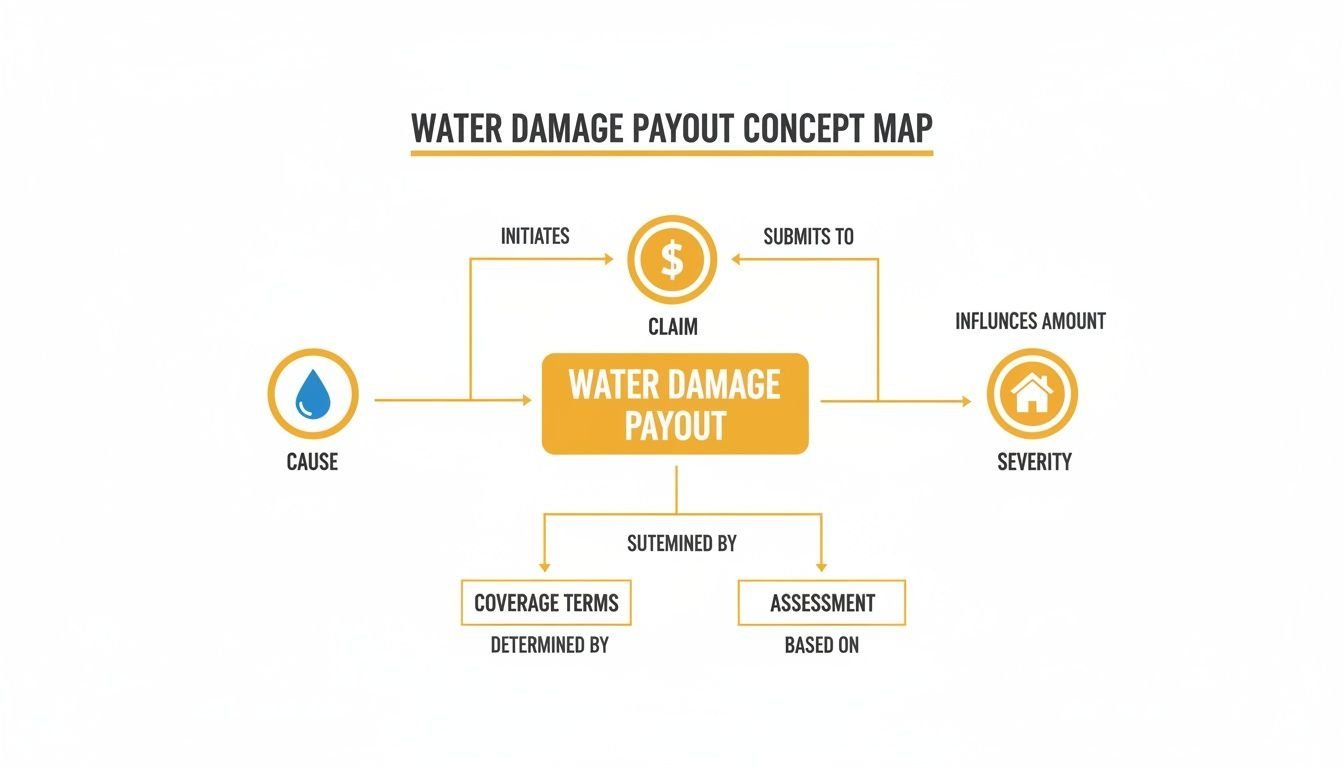
The average insurance payout for water damage nationally falls between $11,000 and $14,000 — but Los Angeles claims are often higher due to labor costs, older plumbing in many homes, and the secondary mold risk in our climate. This guide covers what determines your actual payout, what adjusters typically try to exclude, and the documentation steps that close the gap between what you’re offered and what your actual repair costs. Call (818) 336-1800.

Knowing where your main water shutoff valve is before a pipe bursts can save tens of thousands in water damage. In most Los Angeles homes it’s near the street at the property line, but the exact location varies by home age and build type. This guide covers every common shutoff location in LA homes, how to operate each valve type, what to do immediately after shutting off water, and when to call a 24/7 restoration team. Emergency response: (818) 336-1800.

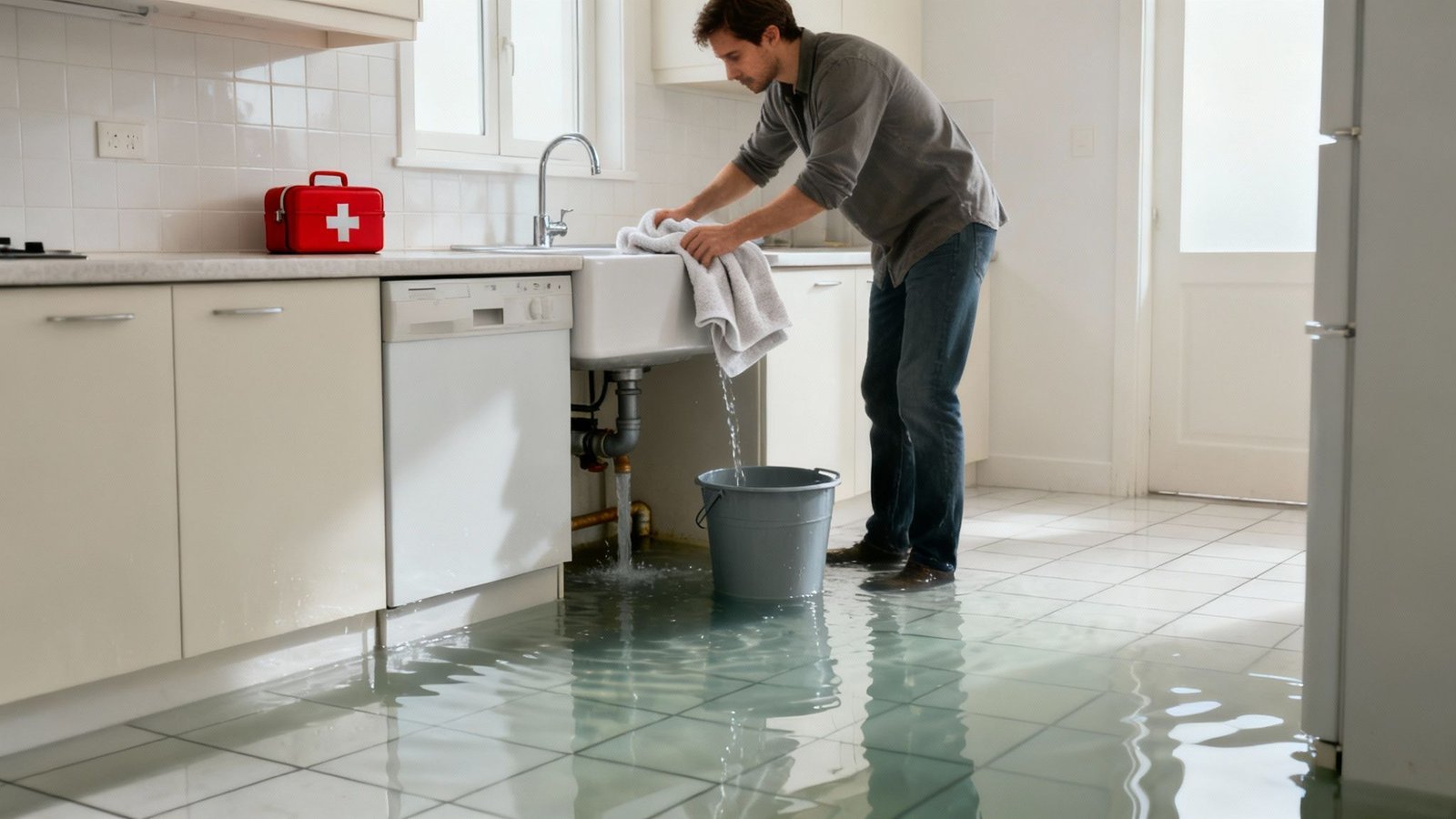
Water damage cleaning in the first 60 minutes can prevent mold, structural rot, and complete material loss — but the right sequence matters. Stop the water source, document with photos before touching anything, then extract standing water before it soaks into framing and drywall. This LA guide covers the correct cleanup sequence, what equipment is needed for effective drying, when materials must be removed vs. dried in place, and when professional restoration is required. Call (818) 336-1800.