
Emergency Water Removal Los Angeles — 24/7 Rapid Response
When flooding or burst pipes strike in Los Angeles, every minute counts. Onsite Pro Restoration delivers fast, professional emergency water removal in Los Angeles—anytime, day or night. Our IICRC-certified technicians arrive quickly with commercial-grade extraction and drying equipment to contain the damage and restore your property as fast as possible.
for immediate dispatch—our crew can be on-site within the hour.
Non-Urgent Request Form
If it’s not an emergency, please submit your request here, and one of our project supervisors will reach out to you within 24 hours.
Service Form
Why Immediate Water Removal Is Critical
In LA’s dry climate, unexpected leaks and floods—from slab leaks, appliance failures, or storm surges—can quickly soak floors, drywall, and framing. Within 24 hours, trapped moisture can lead to mold and costly structural damage. Fast, professional water extraction helps you avoid major reconstruction and keeps your indoor air safe.
Our Los Angeles emergency water removal team works 24/7 to extract, dry, and document every step—so your insurance claim moves smoothly and your home or business is safe.
Our Emergency Water Removal Process
Arrival & Safety Assessment
We begin with a full safety check—shutting off electricity if needed and locating the water source. If a plumber is required to stop an active leak, we coordinate immediately so extraction can begin without delay.
Rapid Water Extraction
Using truck-mounted or portable pumps, we remove all standing water from floors, carpet, crawlspaces, and walls. Our high-capacity vacuums extract hundreds of gallons per hour, drastically shortening drying time.
Moisture Mapping & Inspection
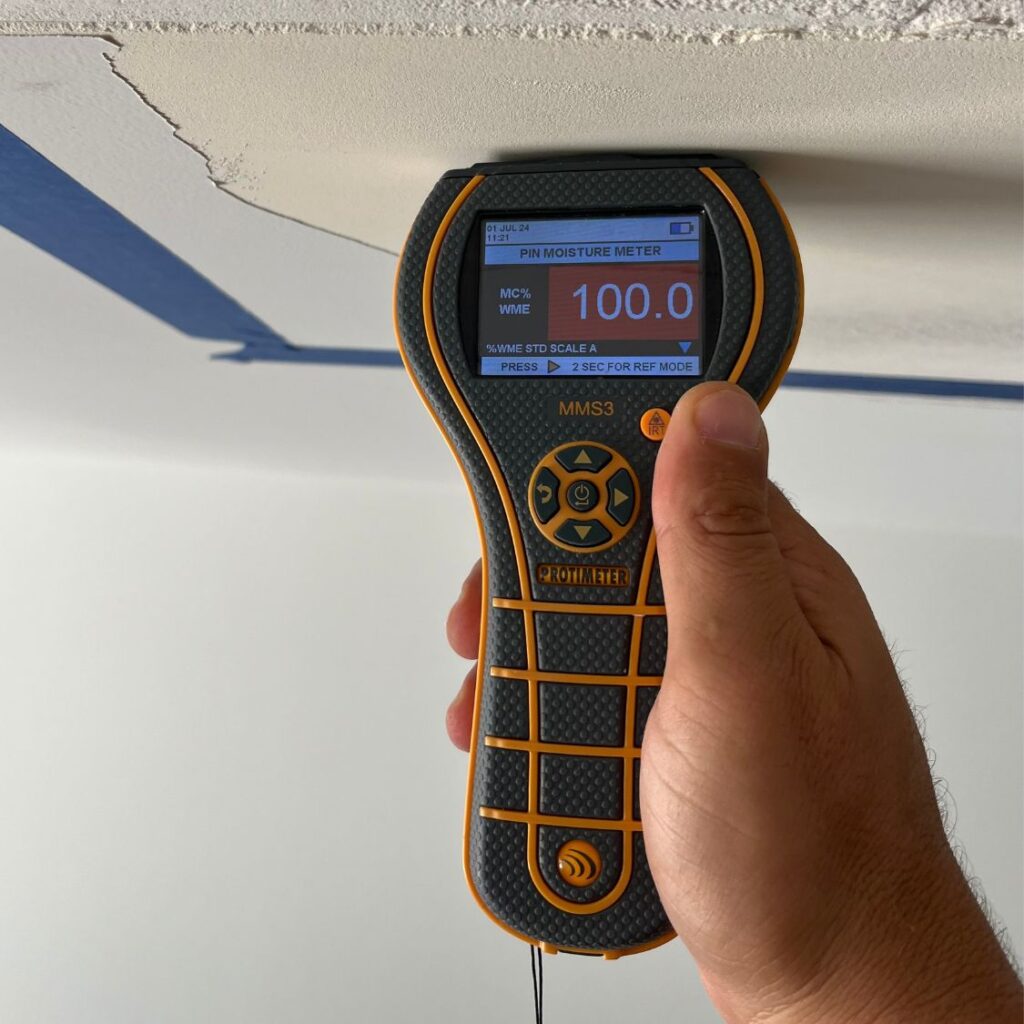
Infrared cameras and moisture meters reveal hidden dampness behind walls and under flooring. This step ensures we target the entire affected area, preventing mold and secondary damage.
Structural Drying & Dehumidification
Once visible water is gone, we place air movers, dehumidifiers, and containment barriers to draw out remaining moisture. Technicians return daily to record readings and adjust equipment until materials reach dry standard.
Cleaning & Sanitization
After drying, surfaces are cleaned and treated with antimicrobial solutions to eliminate odors and bacteria. If necessary, we perform minor demolition of unsalvageable materials to maintain healthy conditions.
Documentation & Insurance Support
Each job includes moisture logs, photographs, and drying reports that meet insurance-carrier documentation standards. We communicate directly with your adjuster or public adjuster for faster claim approval.




Why Immediate Water Removal Is Critical
In LA’s dry climate, unexpected leaks and floods—from slab leaks, appliance failures, or storm surges—can quickly soak floors, drywall, and framing. Within 24 hours, trapped moisture can lead to mold and costly structural damage. Fast, professional water extraction helps you avoid major reconstruction and keeps your indoor air safe.
Our Los Angeles emergency water removal team works 24/7 to extract, dry, and document every step—so your insurance claim moves smoothly and your home or business is safe.
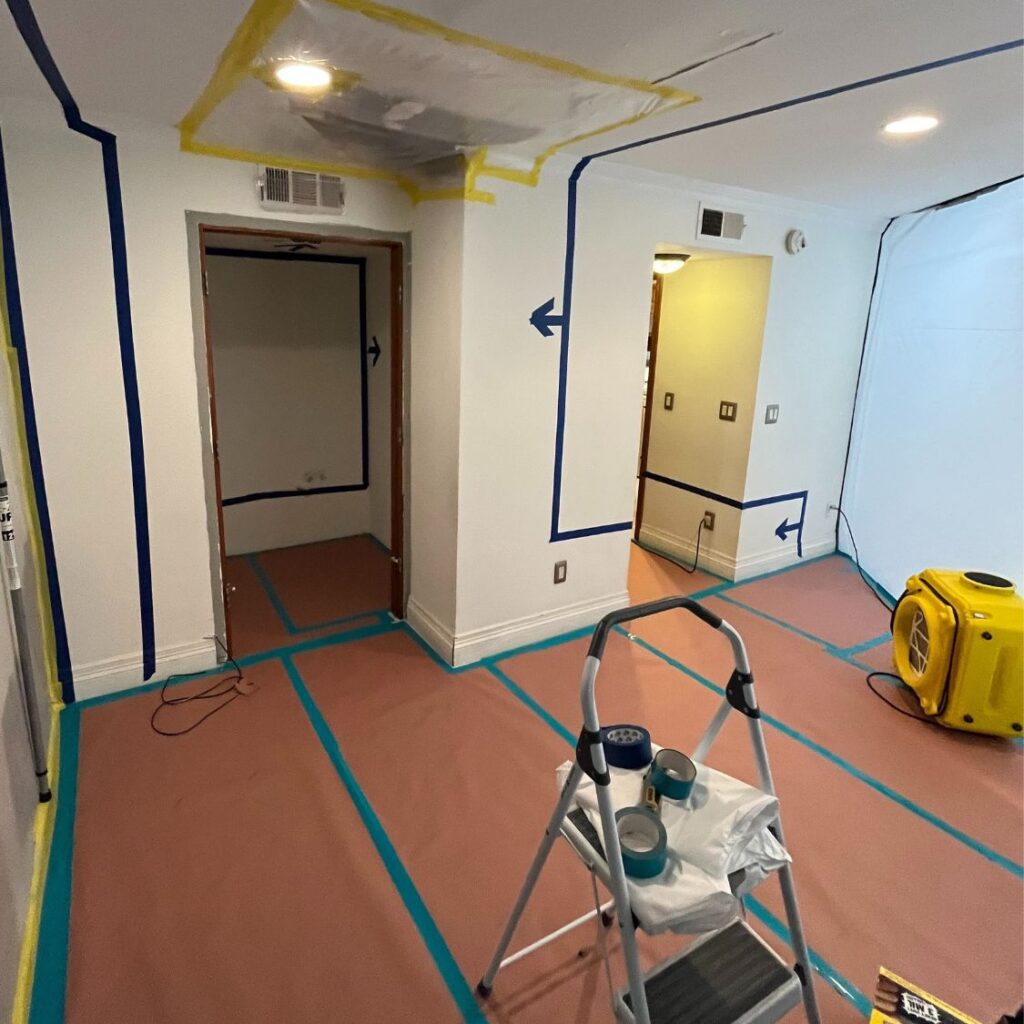
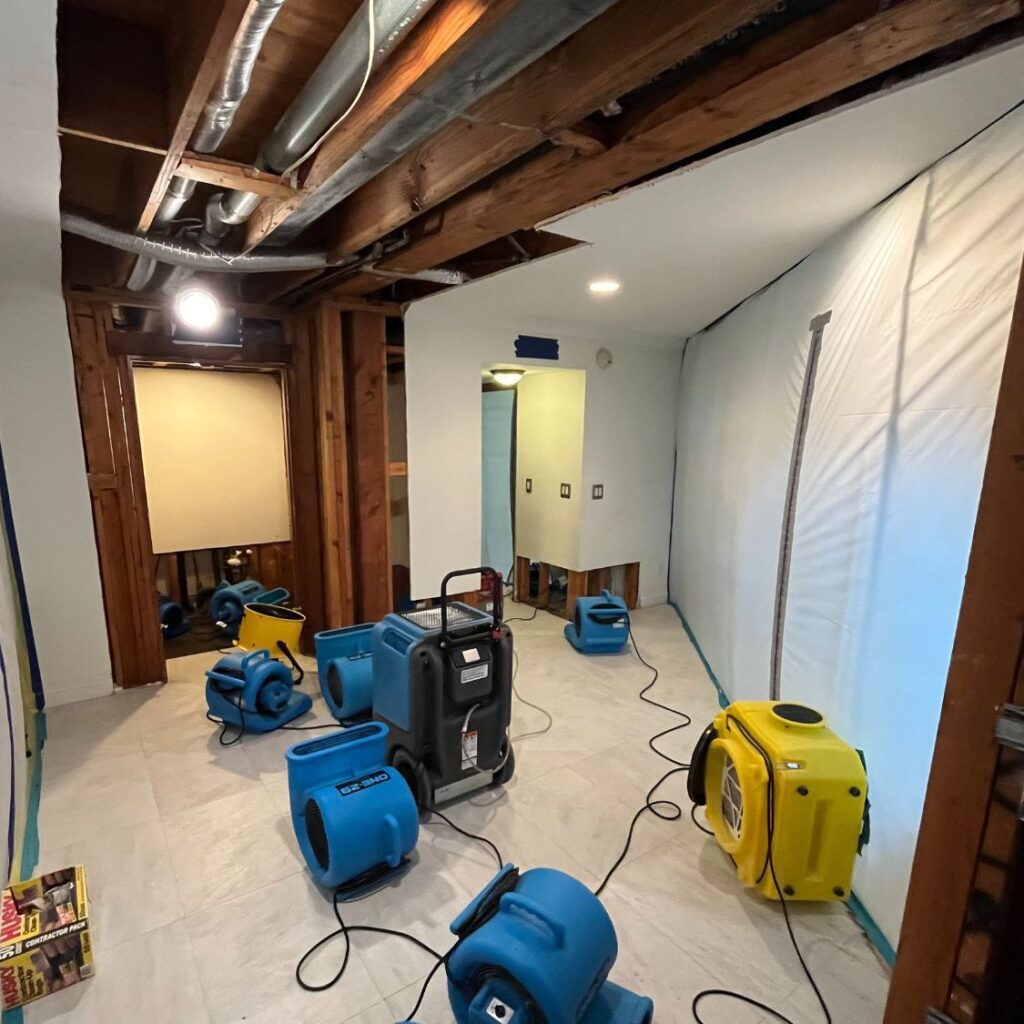
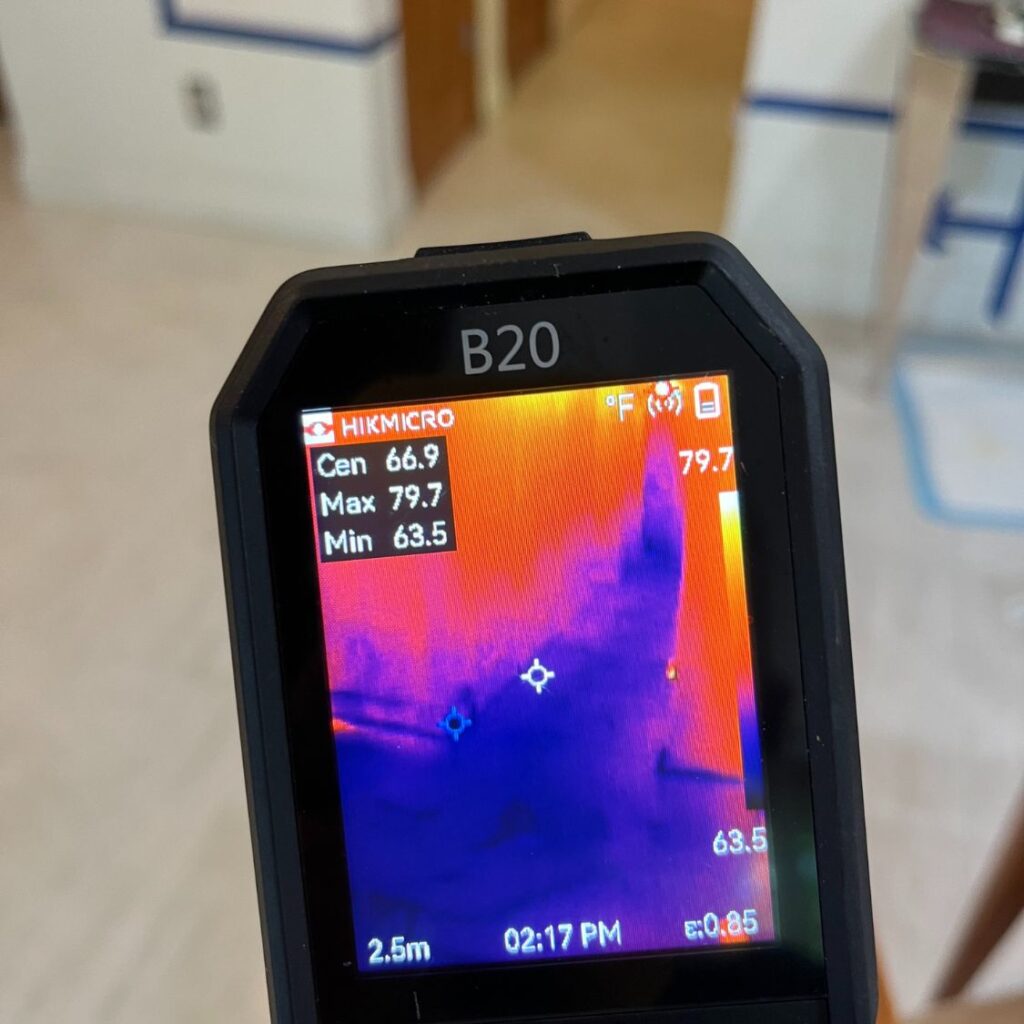
What Our 24/7 Emergency Service Includes
Immediate water extraction and pump-out
Category 1-3 (clean, gray, black) water mitigation
Targeted demolition: wet pad, baseboards, drywall
Structural drying and humidity control
Antimicrobial treatment and odor removal
Daily moisture monitoring and final verification
Debris removal and cleanup
Optional rebuild and repair after dry-out
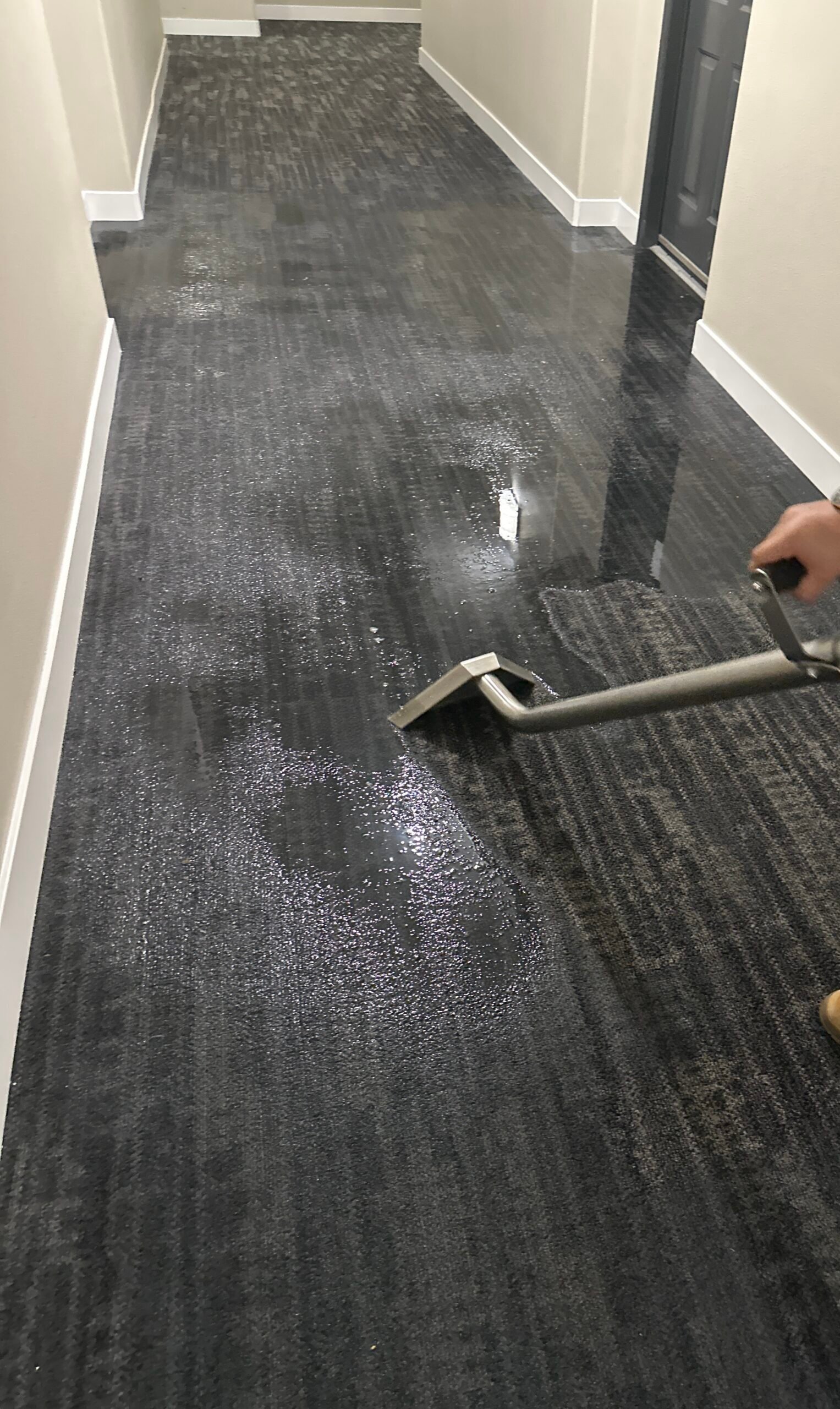
Common Causes of Water Damage We Handle
Broken or burst supply lines
Overflowed tubs, toilets, or sinks
Appliance leaks—water heaters, dishwashers, washing machines
Roof leaks and storm intrusion
Slab leaks or foundation seepage
Condo or HOA multi-unit water migration
Sewage backups requiring specialized containment
Whether the source is clean water or contaminated floodwater, Onsite Pro Restoration follows strict IICRC S500 standards to ensure your property is safe and dry.
What Makes Los Angeles Restoration Companies Trusted Leaders?
Los Angeles is home to more than just sun and surf—here, trusted restoration providers have earned a reputation for professionalism, rapid response, and results that last. But what elevates local companies above the rest?
- Local Commitment: Many leading restoration teams are locally owned and operated, so they know our neighborhoods, our quirky traffic patterns, and—most importantly—how to mobilize quickly when every minute matters.
- Industry-Leading Expertise: Top companies invest in continual training and certification. Their technicians hold IICRC and EPA credentials and stay current with best practices in water extraction, structural drying, and microbial remediation.
- Advanced Tools & Technology: Forget the old mop and bucket. Trusted pros show up with truck-mounted extractors, commercial-grade drying equipment, HEPA air scrubbers, and thermal imaging cameras—ensuring a thorough, science-backed restoration process.
- Strong Track Record: Industry leaders consistently earn five-star reviews, maintain long-standing relationships with major insurers, and back their work with transparent documentation from start to finish.
Choosing a restoration team with these strengths means your property, health, and peace of mind are in good hands—no matter the size or scope of your water emergency.
Explore our full range of restoration solutions, including services for both homeowners and commercial properties. No matter the disaster—mold, fire, or water—count on us for a rapid response and a thorough, professional restoration every step of the way.
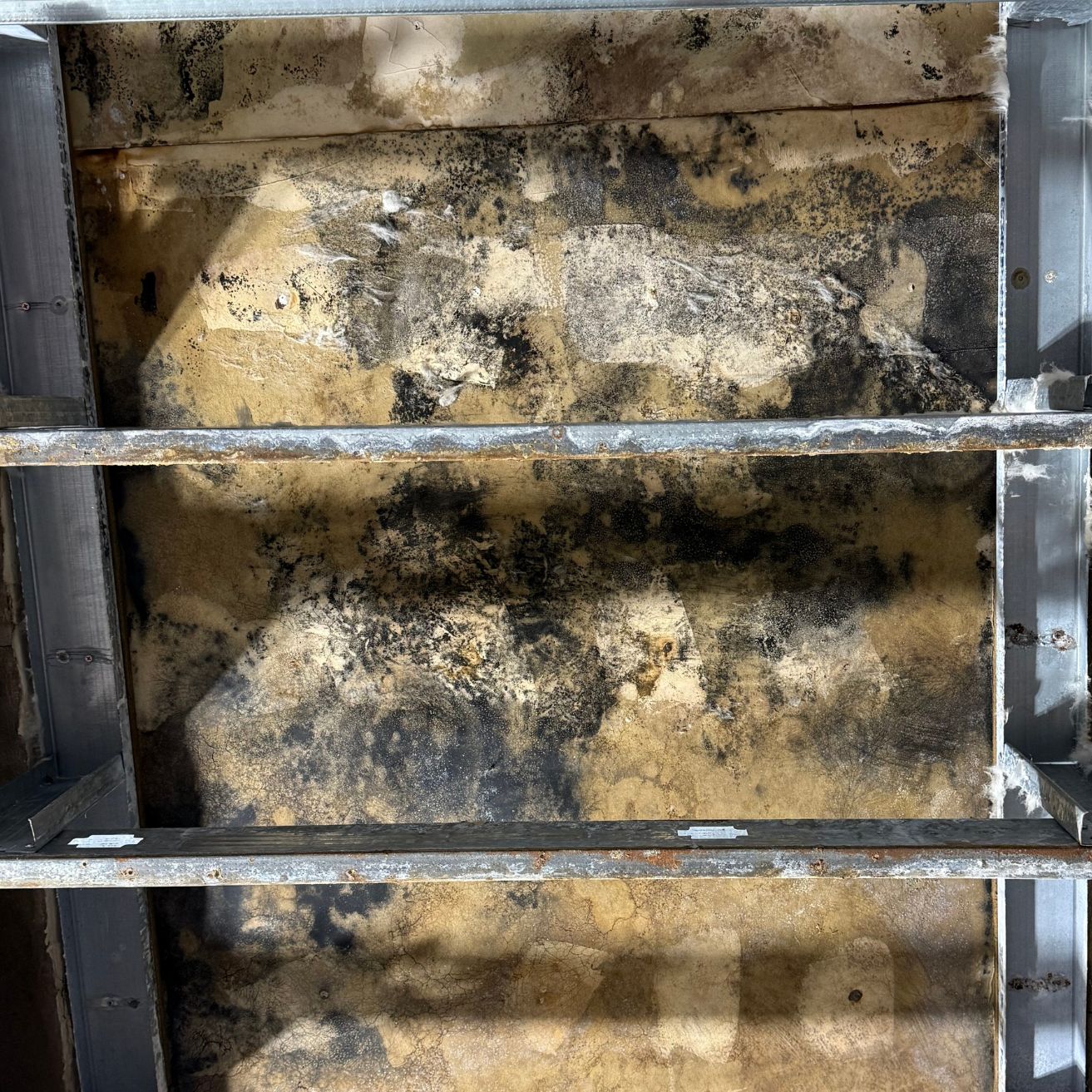
Mold Remediation
Maintain a healthy environment in your home or business by safely eliminating mold from it and preventing it from causing further issues.
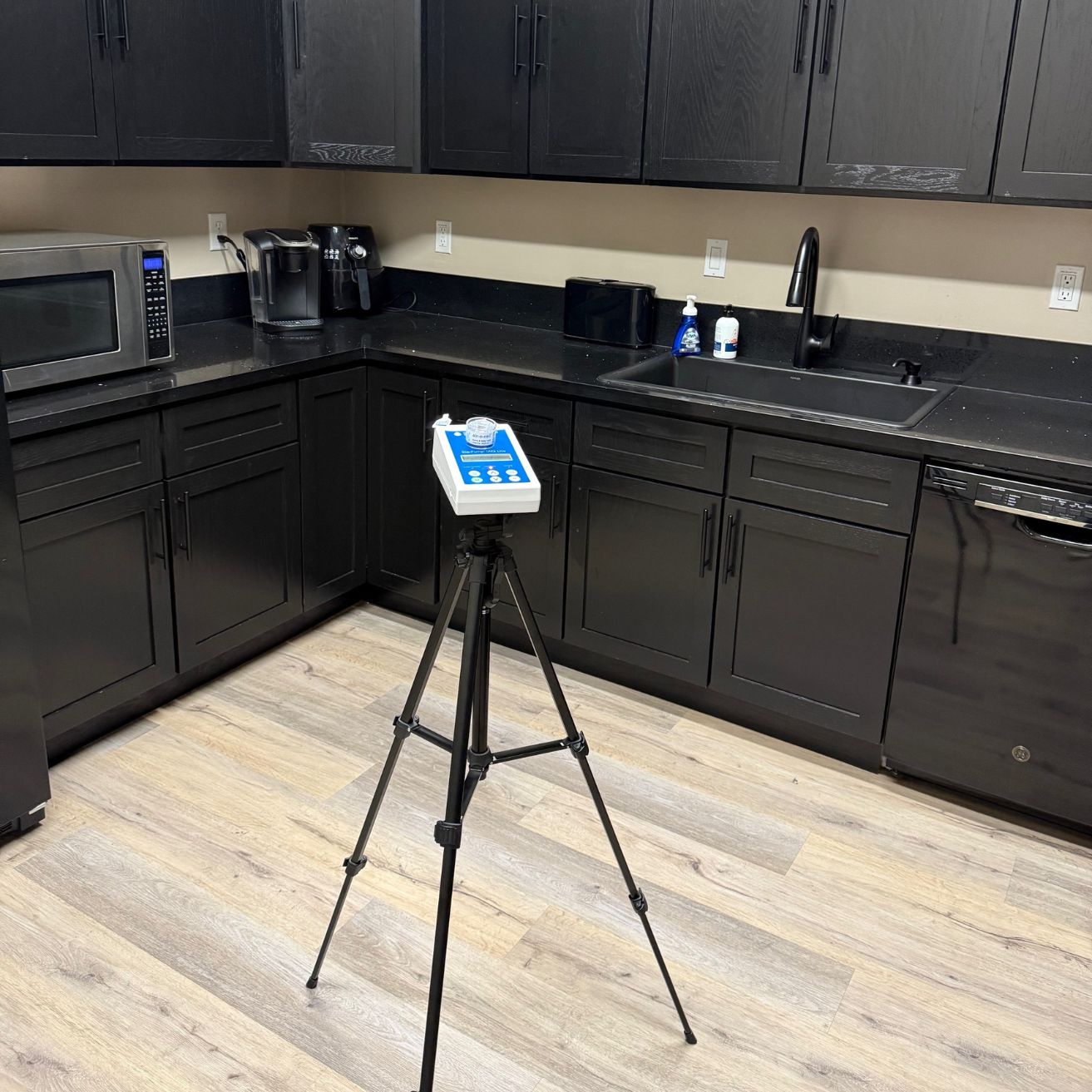
Mold Testing
Identify the presence of mold in your residential or commercial property and address its potential health risks with an air quality assessment.
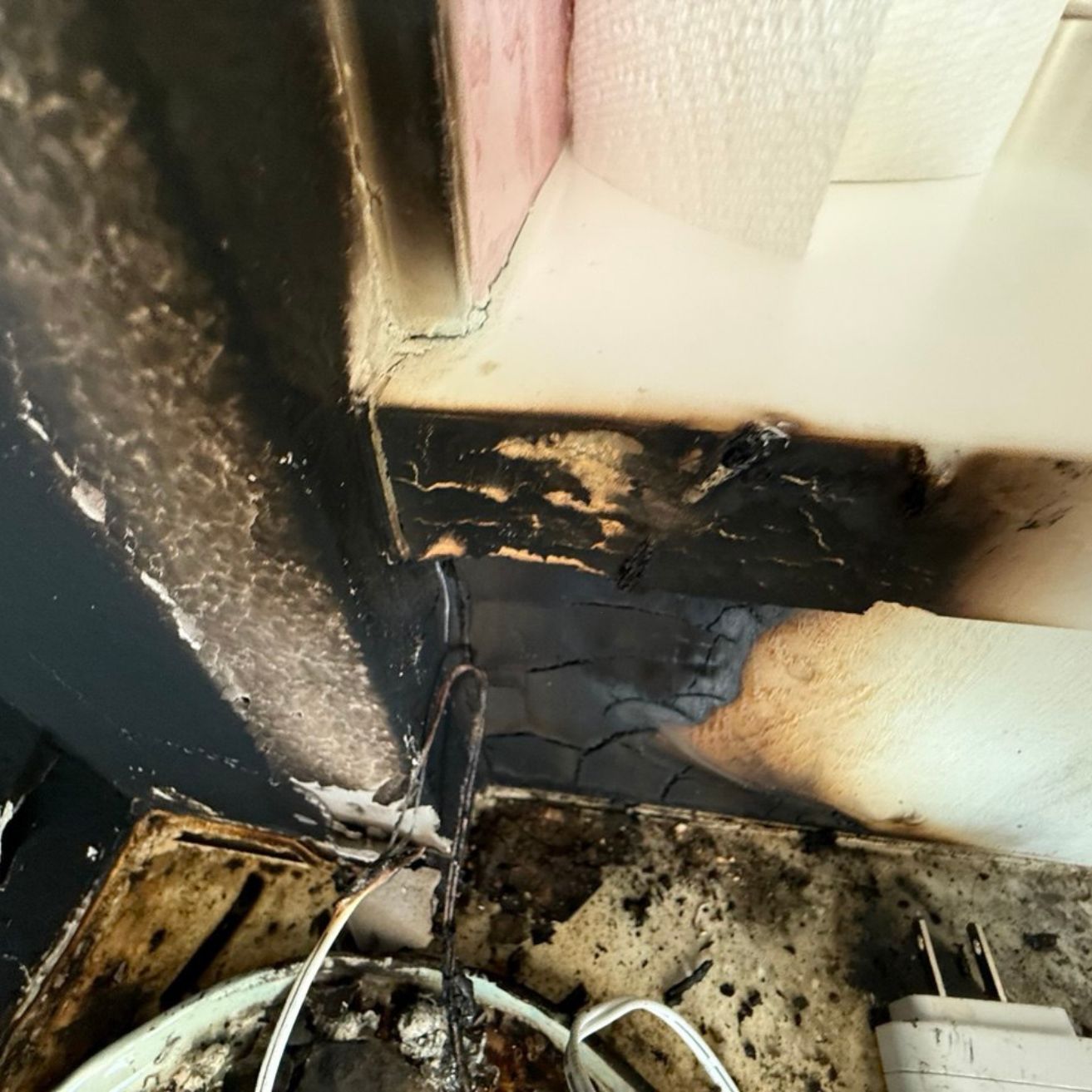
Fire Damage Restoration
Make your home or business look just like it did before a fire started in it with the most comprehensive clean-up and repair services in the industry.
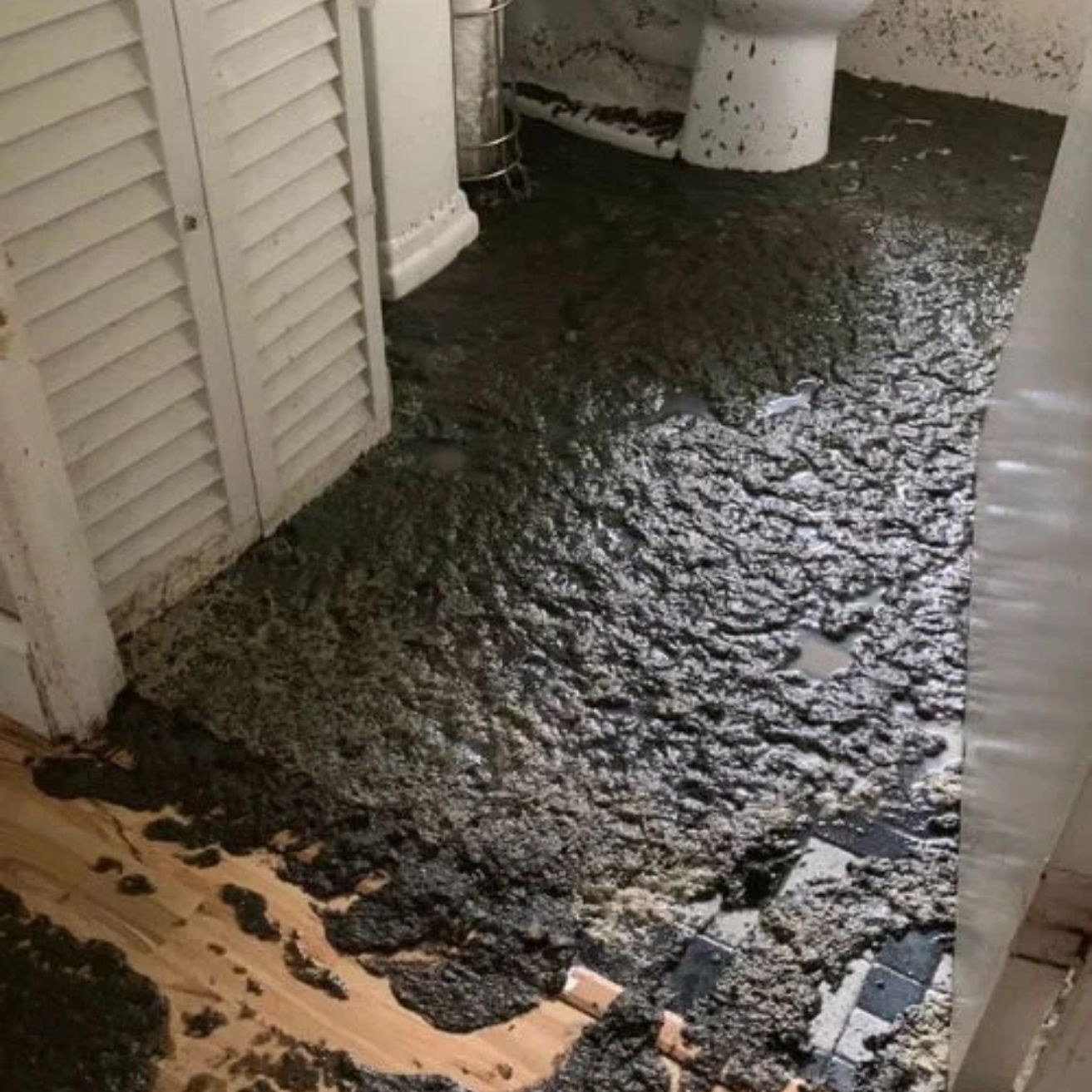
Sewer Contamination Clean-Up
Stop messy sewer backups from contaminating your home or business and damaging your health to ensure it stays safe.
Comprehensive Mold Solutions
Our team handles everything from visible mold removal to identifying hidden growth behind walls or under flooring. We use advanced containment methods, HEPA filtration, and thorough cleaning to ensure spores are removed—not just covered up. Whether it’s a small patch or an extensive infestation, we’ll restore your space to safe, pre-mold conditions.
Accurate Detection & Prevention
Our mold testing process includes both surface and air sampling to pinpoint concerns—even when they aren’t visible. We’ll provide a clear report of findings, walk you through results, and recommend practical next steps if remediation is needed. Early detection helps prevent bigger, costlier problems down the line.
Full-Service Fire Restoration
From emergency board-up and soot removal to structural repairs and odor elimination, our professionals handle every phase of fire damage recovery. We work quickly to protect your property, salvage valuables, and restore indoor air quality—minimizing disruption and helping you get back to normal faster.
Why Choose a Locally Owned and Operated Restoration Provider?
Opting for a local restoration company offers distinct advantages when disaster strikes your Los Angeles home or business:
Faster Response Times
Local providers know the area—meaning they can navigate city streets and freeways swiftly, usually beating outsiders during LA’s peak hours.
Personalized Service
You’ll work directly with community-based technicians who are invested in their reputation and your satisfaction—not just a corporate call center.
Familiarity With Local Codes
Local teams understand LA County’s unique permitting requirements, building codes, and common moisture challenges, streamlining both remediation and insurance approval.
Ongoing Support
With roots in the community, local companies stick around for follow-up—whether it’s additional repairs, warranty help, or even just honest advice.
Supporting Your Neighbors
Choosing a local business helps fuel the regional economy, providing jobs and expertise exactly where you need them most.
Whether you’re downtown or near the beaches, using a local restoration service gives your property the best shot at a quick, thorough, and hassle-free recovery.
Preventing Mold After Water Damage
If moisture remains for more than 24–48 hours, microbial growth can begin. Our technicians perform post-drying verification to ensure materials are safe. For extra assurance, pair your emergency service with professional mold testing—an air or swab test confirming indoor air quality.
If mold is detected, we handle mold remediation in-house, following IICRC S520 protocols for containment, filtration, and clearance testing.
What To Do Before Help Arrives
Turn off electricity in affected areas if safe.
Move valuables and electronics to a dry location.
Avoid walking on wet carpet to prevent spreading moisture.
Do not use household vacuums—they aren’t designed for floodwater.
Call Onsite Pro Restoration immediately at (818) 336-1800 for priority dispatch.
Serving All of Los Angeles County
We provide emergency water removal throughout Los Angeles County, including:
Burbank | Glendale | Pasadena | Sherman Oaks | Encino | Woodland Hills | Santa Monica | Downtown LA | and surrounding areas.
Wherever you are, our rapid-response vehicles are ready 24/7 to minimize damage and protect your home or business.
Contact Onsite Pro Restoration Now
Don’t wait for water damage to worsen. Contact Onsite Pro Restoration for emergency water removal in Los Angeles right now.
Call (818) 336-1800 for immediate assistance or fill out our quick contact form—our project supervisor will reach out within minutes.
Onsite Pro Restoration | Professional Water Removal & Damage Recovery — Los Angeles CA