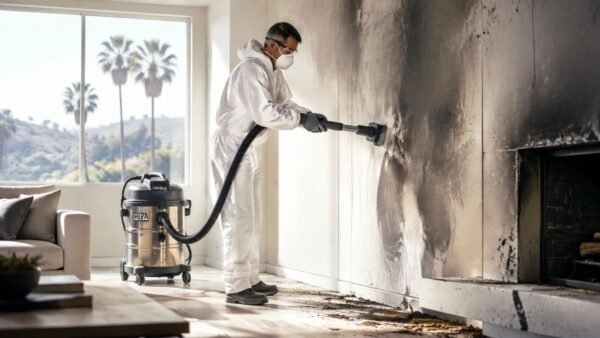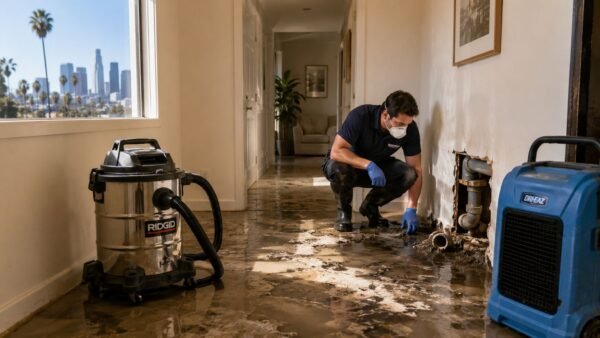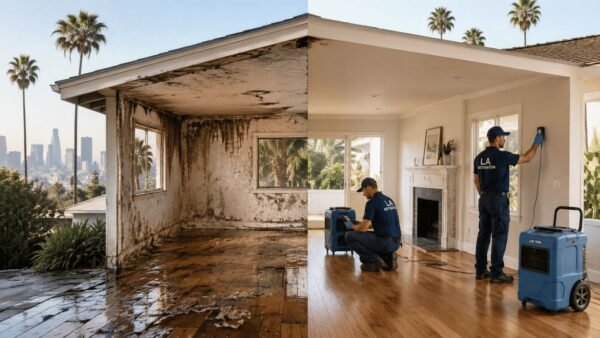

Water damage repair cost usually falls between $1,383 and $6,370, with a national average of $3,860. But for a Los Angeles homeowner, what you'll pay depends less on the national average and more on the type of water, how much materials are soaked, what your insurance excludes, and how fast you act.
If you're reading this with a wet ceiling in Burbank, warped flooring in Glendale, or a musty wall in Sherman Oaks, you probably don't want theory. You want to know whether this is a small cleanup, a major restoration job, or the kind of claim that turns into a painful out-of-pocket surprise.
That's the right question.
Most articles stop at broad price ranges. Real restoration invoices don't. They're built from the source of the loss, the contamination level, the drying plan, the demolition needed, and whether your policy treats the event as covered sudden damage or excluded maintenance, flood, sewer backup, or mold. In Los Angeles, older plumbing, slab leaks, roof intrusions, and hidden wall moisture make that gap between the quote and your final bill even more important.
Your Guide to Water Damage Repair Costs in Los Angeles
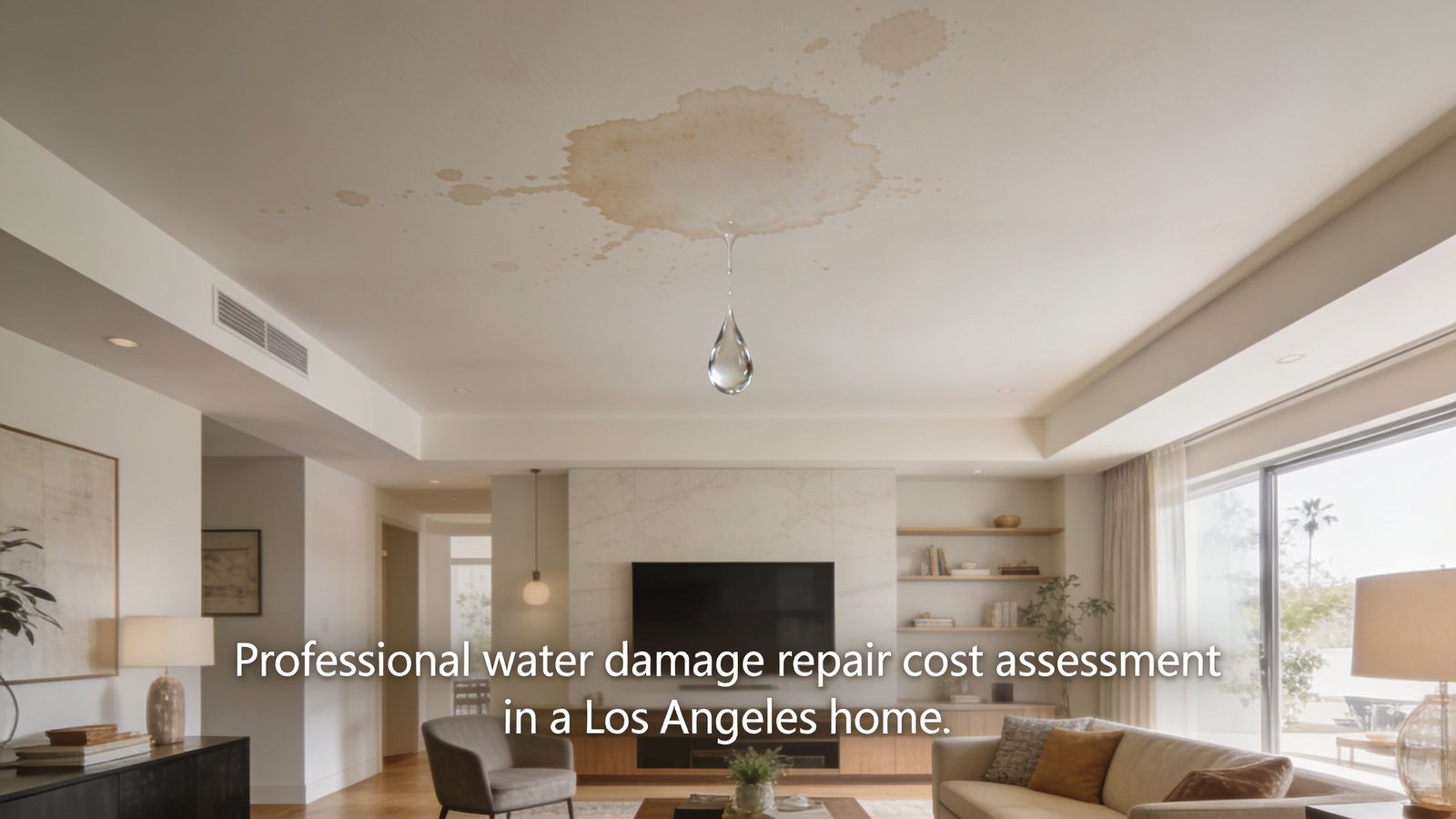
You walk into the living room and see a fresh ceiling stain, damp drywall, and water still finding its way down the wall. The first question is rarely, “What is the national average?” Los Angeles homeowners usually ask a more practical one. “What am I going to have to pay myself?”
That is the number that matters.
A repair quote and your final out-of-pocket bill are often two different things. Insurance may cover sudden pipe breaks but deny long-term leakage, mold tied to delayed reporting, floodwater, or sewer backup without the right endorsement. Deductibles, coverage caps, and excluded reconstruction items can leave a homeowner paying far more than expected, even when the mitigation crew did everything right.
Los Angeles adds its own complications. Older galvanized lines in Valley homes, slab leaks, roof intrusions after winter storms, and hidden moisture behind plaster or cabinetry can push a job from a modest dry-out into demolition, contents handling, and rebuild. Two homes can have the same wet area and very different invoices because the actual cost sits in what has to be opened, dried, cleaned, documented, and put back.
A solid estimate should separate emergency mitigation from repairs and rebuild. If that scope is blurred, homeowners tend to assume one number covers extraction, drying, drywall replacement, paint, flooring, and finish work. It often does not. For a clear look at how a project moves from water extraction to dry-out and reconstruction, review this water damage restoration process.
My rule on-site is simple. The less confusion there is in the first inspection, the fewer billing surprises show up later.
What Actually Determines Your Final Bill
A Los Angeles homeowner can have a small kitchen supply-line break and still end up with a painful bill if the water ran under cabinets, into drywall, and beneath flooring before anyone caught it. The square footage matters, but it is rarely the deciding factor. The final number usually comes down to two job variables. What touched the materials, and how far the moisture traveled.
Water category changes what can be saved
Water category affects labor, disposal, cleaning, and whether materials can stay in place at all.
Clean water starts from a sanitary source, such as a fresh supply line or a sink overflow with no contamination. If it is found quickly, crews can often dry more materials in place. That usually means less demolition, lower disposal cost, and a better chance the insurer treats the claim as straightforward.
Gray water changes that equation. Appliance discharge, toilet overflows without solids, and water that sat long enough to pick up contaminants often require more removal and more cleaning. Black water is the most expensive category because safety rules tighten immediately. Sewage, septic backup, and flood-type contamination push the job toward controlled demolition, disinfecting, bagging and disposal, and stricter clearance standards.
That is one of the biggest gaps between a quote and your out-of-pocket bill. Homeowners see wet drywall. The crew sees category, PPE requirements, disposal rules, and what cannot be safely salvaged.
Damage class drives drying time and equipment count
Category tells us how dirty the water is. Class tells us how much of the structure absorbed it.
The IICRC class system is based on the amount of wet material, the porosity of those materials, and how difficult the structure will be to dry. A low class loss may involve a limited area with minimal absorption. A higher class loss can mean saturated walls, insulation, subfloor, cabinetry toe-kicks, and trapped moisture in structural cavities. Dense materials common in Los Angeles homes, including plaster, mud-set tile assemblies, and some older finish systems, can raise drying difficulty fast.
Here is the practical version:
| Damage Class | What it usually means on-site | Cost effect |
|---|---|---|
| Class 1 | Limited wet area, few materials affected | Lower equipment and labor time |
| Class 2 | Water moved into walls, flooring, or adjacent rooms | More opening, monitoring, and drying |
| Class 3 | Extensive saturation, often including ceilings or multiple layers | Higher demolition and equipment use |
| Class 4 | Dense materials hold moisture deep inside | Specialty drying and much longer timelines |
Class 4 is where homeowners get blindsided. The visible damage can look modest while the drying plan gets expensive because plaster, hardwood, concrete, or layered assemblies hold moisture far longer than carpet and drywall.
Hidden moisture is where bills grow
On real jobs, the costly question is not "How bad does it look?" It is "What is still wet that you cannot see yet?"
That is why trained crews use moisture meters, thermal imaging, and selective checks behind baseboards, cabinets, or wall cavities. Those steps are part of a defensible drying plan, not padding. If you want a plain-language explanation of that first phase, this guide to what water mitigation involves lays it out well.
In Los Angeles, slab construction, older plumbing, layered remodels, and custom finishes create real trade-offs. Open too little and moisture gets left behind. Open too much and the rebuild cost climbs. A competent estimator tries to hit the narrow middle ground where the structure dries fully without unnecessary demolition.
Insurance also cares about these distinctions. A carrier may pay for sudden water mitigation but push back on materials damaged by long-term leakage, deferred maintenance, or excluded contamination. That is why two homeowners with similar-looking losses can pay very different amounts themselves. One has a covered clean-water event with a manageable deductible. The other has partial denial, excluded backup, or reconstruction outside the approved scope.
For a broader claims perspective outside Southern California, Bellingham property water damage help shows how claim handling can affect the amount a property owner ultimately pays.
An Itemized Breakdown of Restoration Services and Costs
A water damage invoice makes sense once you separate mitigation from rebuild. That distinction matters in Los Angeles because insurance often treats emergency dry-out differently from finish repairs, and your out-of-pocket cost usually comes from the gap between those two scopes.
Emergency extraction and dry-out
The first charges usually cover emergency service, water extraction, equipment setup, daily monitoring, and moisture documentation. That can include extractors, air movers, dehumidifiers, containment, and technician return visits to adjust the drying plan.
This phase is often the part homeowners question because the room may look better within a day, while the equipment keeps running. The reason is simple. Materials dry on their own timeline, and crews have to document that progress if the bill is going to hold up with your carrier.
In practice, this is also where a job can stay relatively controlled or start getting expensive. A quick response to a clean supply-line leak is one thing. A loss that sat for days, spread under cabinets, or reached multiple rooms usually means more equipment, more labor, and more days on site.
Sanitizing, debris removal, and selective demolition
Once technicians confirm trapped moisture or contamination, the invoice often adds demolition and cleaning charges. That may include removing baseboards, cutting wet drywall, pulling insulation, detaching toe-kicks, lifting affected flooring, bagging debris, and cleaning salvageable framing or concrete.
Selective demolition is where many Los Angeles homeowners first see the difference between the quote they expected and the bill they may owe. Insurance may approve the dry-out but dispute how much material had to be removed to access wet cavities. If the adjuster allows a two-foot drywall cut and the wall needs four feet to dry correctly, that gap can become your problem unless the documentation is strong.
For one of the most common rebuild items, this drywall repair cost guide after water damage explains why wall cuts and replacement show up so often after mitigation.
Mold, system repairs, and reconstruction
Costs rise fast once the loss moves beyond drying and light demolition. If moisture sat long enough for microbial growth, or if the water affected wiring, plumbing, insulation, cabinetry, or framing, the project shifts from mitigation into repair trades and reconstruction.
That change matters because homeowners often assume insurance will pay the full path back to pre-loss condition. Sometimes it does. Sometimes it pays for the emergency work, then pushes back on mold conditions tied to delayed reporting, long-term leakage, or materials outside the approved scope. In Los Angeles homes with older plumbing, plaster walls, custom cabinets, or layered remodels, those scope disputes are common.
Severe losses and why the final bill can feel disconnected from the first estimate
Large losses move into a different cost category quickly. Sewage, widespread category 2 or 3 contamination, and water that reaches multiple assemblies can require more containment, more protective measures, more disposal, and more reconstruction labor.
That is why the first mitigation estimate is rarely the full financial picture. The dry-out number may be only one part of what you ultimately spend. Your real out-of-pocket cost depends on deductible, coverage limits, exclusions, and whether the rebuild scope gets approved at the same level the contractor documented in the field.
For broader perspective outside California, homeowners comparing regional practices may also find Bellingham property water damage help useful because it shows how mitigation and reconstruction are separated in real project planning.
A fair estimate prices the work required to dry, remove, clean, document, and rebuild the affected area safely.
Real-World Cost Scenarios in Los Angeles Homes
Los Angeles housing stock varies wildly. A newer condo in West Hollywood behaves differently than a 1950s home in Sherman Oaks, and both differ from a lower-level finished space in Glendale.
Small condo leak in West Hollywood
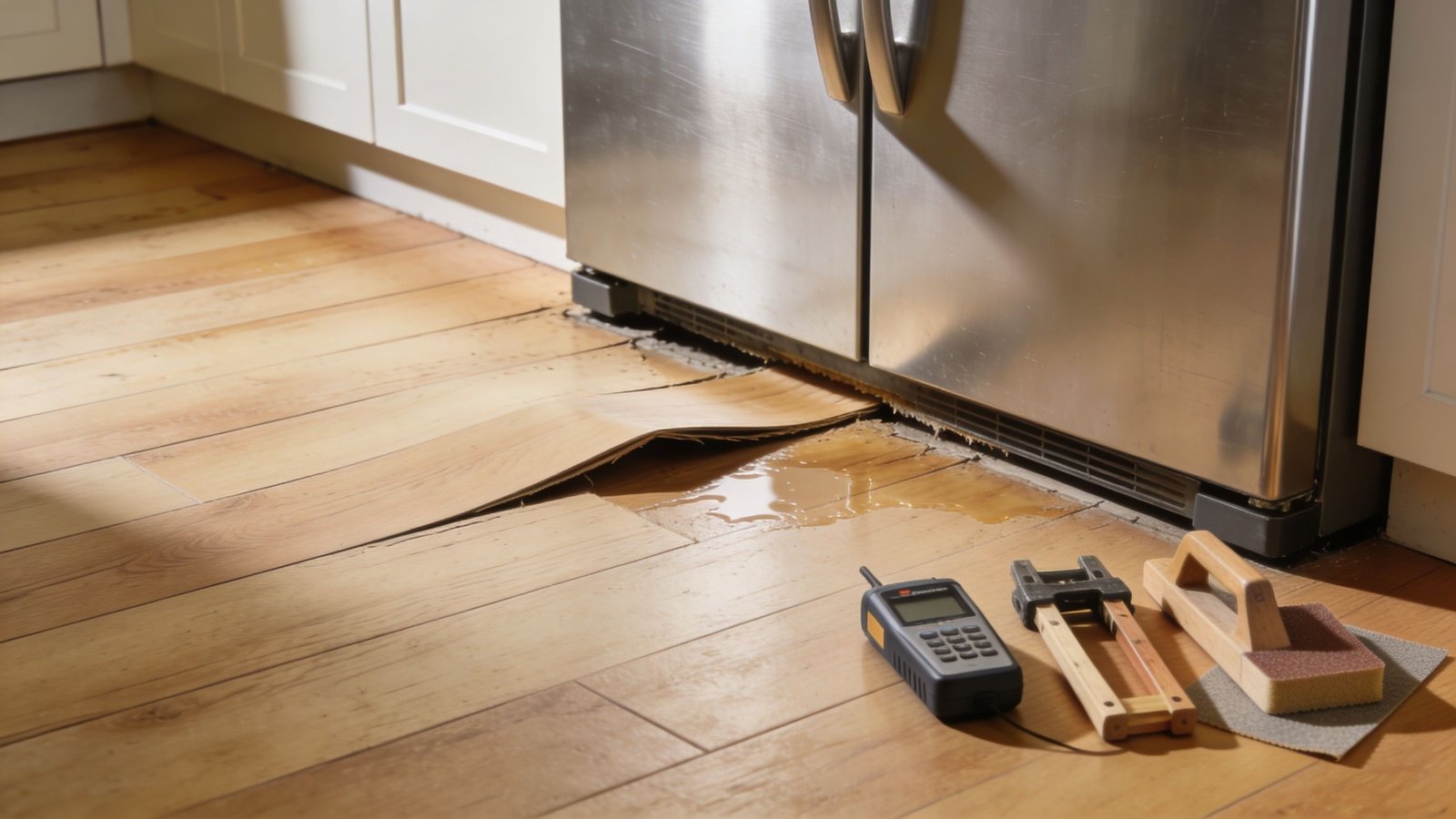
A refrigerator supply line leaks overnight onto engineered flooring and into part of one adjacent wall. The water is likely clean water, and the damage is often consistent with a lower class loss if caught early.
In that kind of situation, the project may stay near the lower end of the typical national residential range, especially if drying starts before the flooring delaminates and before moisture spreads far beyond the kitchen footprint.
Burst pipe in a Sherman Oaks wall
An older home with aging plumbing develops a supply-line break behind plaster or drywall. By the time it's found, water has moved through the wall cavity, into insulation, and under flooring in more than one room.
This often starts as a covered sudden loss, but the bill rises because the job now includes wall access, cavity drying, flooring assessment, and likely reconstruction. If the affected materials are denser or the house has older finishes, the class can rise quickly and the total can move well beyond the average range.
Failed sump or drainage issue in Glendale lower level
A finished lower-level space takes in dirty water and sits long enough that contamination and heavy absorption become part of the scope. That shifts the project toward gray or black water protocols, more demolition, more cleaning, and possible mold work if the response was delayed.
In our experience with Los Angeles-area properties, homeowners often feel sticker shock. They remember a national average they saw online. The actual invoice reflects contaminated water handling, disposal, specialty drying, and materials that can't be saved safely.
Navigating Insurance to Minimize Your Out-of-Pocket Cost
The number on the estimate is not always the number you pay. That depends on what caused the loss and what your policy excludes.
What insurance usually handles and what it often does not
A sudden pipe burst or appliance failure is often easier to place under standard homeowners coverage than floodwater entering from outside, a sewer backup, or a leak that clearly developed over time. That distinction matters more than most homeowners realize.
Streamlabs Water's coverage discussion notes that the average water damage insurance claim was $12,514 in 2021, while also warning that policies often exclude flood, sewer backup, or mold, which creates a real gap between the repair bill and what the insurer pays.
That gap is your out-of-pocket exposure.
Deductibles are only one part of the problem
Homeowners tend to focus on the deductible first. That's reasonable, but it's not the only cost issue. You may still face non-covered mold work, excluded code upgrades, or repairs tied to a maintenance dispute.
Three common surprises affect Los Angeles owners:
- Flood-related denial: Water entering from outside may fall outside a standard homeowners policy.
- Sewer backup issue: Backup losses often require separate endorsement language.
- Maintenance argument: Long-term leaks can trigger a claim dispute even when the final damage is severe.
If you need a deeper breakdown of how claims are documented and negotiated, this water damage insurance claim guide is a practical next step.
Documentation is what protects your wallet
A strong file usually includes moisture readings, affected-material mapping, photos before demolition, equipment logs, and a clear distinction between mitigation and rebuild. That's not paperwork for its own sake. It helps establish cause, urgency, and necessity.
If the carrier can't see the migration pattern and the mitigation logic, parts of the job are easier to question.
For Los Angeles property managers and landlords, this is even more important. Multi-unit losses can involve neighboring units, common walls, and disputes about where the water originated. Good documentation doesn't eliminate friction, but it gives you a much stronger footing.
The High Price of Hesitation Why You Must Act Fast
The worst financial mistake after a water loss is waiting to “see if it dries.”
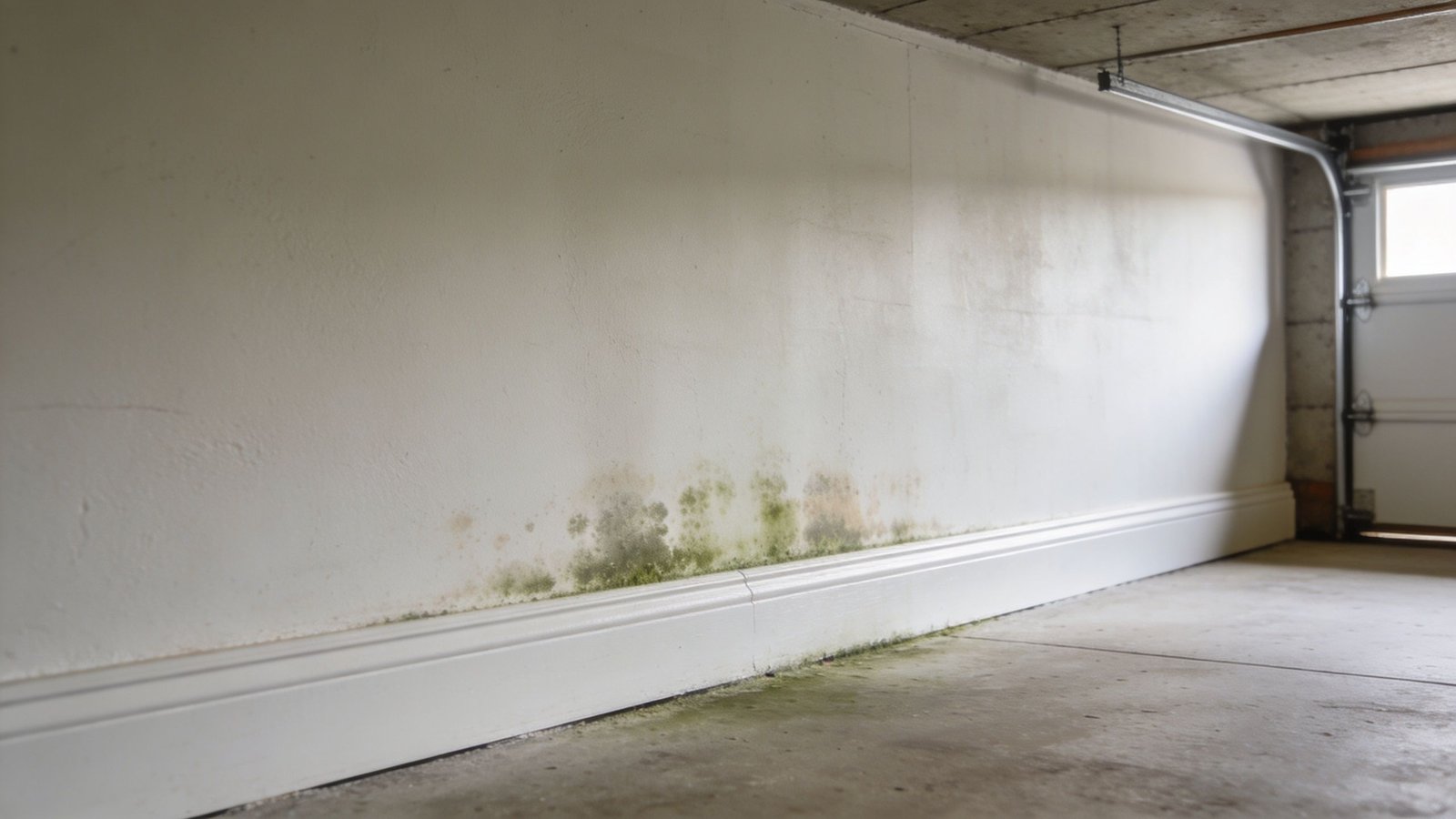
That instinct is common in Los Angeles because dry weather can make surfaces feel normal quickly. The wall may feel dry. The subfloor, insulation, or framing behind it may not be.
Rainbow Restoration's discussion of delayed mitigation states that delaying professional extraction by 24 to 48 hours can increase total repair costs by as much as three times.
What gets more expensive when you wait
The cost jump usually comes from secondary damage, not just from “more water.”
- Materials deteriorate: Drywall softens, trim swells, and flooring can cup or separate.
- Contamination risk rises: Water that started clean may no longer be treated like a simple clean-water loss.
- Mold becomes part of the project: Once microbial growth is suspected, containment and remediation can enter the scope.
The EPA's mold cleanup guidance for homeowners is a useful external reference if you're trying to understand why wet building materials need prompt attention.
Here's a short visual overview of why speed matters during mitigation:
What works and what doesn't
Opening windows, running household fans, and wiping visible water can help with immediate safety and comfort. It does not replace moisture mapping, controlled drying, or documentation.
What works is fast source control, immediate extraction, proper psychrometric drying, and verified moisture reduction before repairs begin.
Waiting feels like saving money. On water losses, waiting is often what creates the expensive version of the job.
Get a Clear Estimate and Fast Relief in Los Angeles
Understanding water damage repair cost is simple. The national average gives you a starting point, but your actual out-of-pocket cost in Los Angeles depends on the water category, the damage class, the scope of reconstruction, and what your insurance leaves behind.
Fast action keeps more losses in the manageable category. Good documentation keeps more charges defensible. Clear scoping keeps you from confusing mitigation with full repair.
If you're comparing vendors, it also helps to understand how professionals build estimates and job scopes. Even outside restoration, resources on top estimating software for contractors give useful insight into how serious contractors approach pricing consistency and documentation.
When you need local emergency help in neighborhoods like Glendale, Burbank, Sherman Oaks, or Beverly Hills, start with a team that handles both the dry-out and the claim communication. You can find local response options through water damage restoration service near me.
Frequently Asked Questions About Water Damage Costs
Is DIY water cleanup ever enough?
Sometimes for a very small, clearly contained clean-water spill that never reached walls, flooring layers, or cabinetry. Once water has moved into structural materials, DIY usually falls short because homeowners can't verify hidden moisture or document drying in a way that supports an insurance file.
That's the point where a “cheap cleanup” often turns into a more expensive repair.
How long does water damage restoration usually take?
It depends on what phase you mean. Mitigation can move quickly, but total project time expands when demolition, specialty drying, mold work, or reconstruction are involved.
The best question to ask is not “How many days?” but “Are we talking about dry-out only, or full repair too?” Those are different scopes with different timelines.
Will filing a water damage claim raise my insurance premium?
That depends on your carrier, your claim history, the cause of loss, and underwriting decisions. No honest contractor should promise that a claim won't affect premiums.
The better approach is to compare the likely covered amount, your deductible, and any exclusions before filing. For contractors in adjacent trades trying to understand how educational content shapes local lead generation, articles on strategies for roofing business growth are a useful example of how service businesses answer these decision-stage questions clearly.
If you need fast, documented help with a leak, pipe burst, overflow, or hidden moisture issue, contact Onsite Pro Restoration. They serve Los Angeles and nearby communities 24/7, provide clear estimates, and help homeowners navigate the insurance side of water losses. Call 818-336-1800 for a free inspection.