How to Prevent Basement Flooding in Los Angeles Homes

by onsitepro.org

A Los Angeles basement often floods before the owner realizes the house has been losing the water-control battle for months. The first signs are usually subtle. Damp drywall, white mineral staining on the wall, a musty smell after rain, or a sump pump that suddenly runs hard during a winter storm.

By that point, cleanup costs are already on the table.

Prevention works better when you treat the property as one connected system. Roof runoff, yard slope, foundation drainage, window wells, sump equipment, backup power, and sewer protection all affect the same outcome. If one part fails, water finds the gap. In Los Angeles, that system has to handle problems generic guides often skip, including slow-draining clay soil, runoff from hillside lots, El Niño rain patterns, and minor seismic movement that can open cracks or shift drain connections just enough to create trouble.

I see the same mistake over and over. Homeowners fix the wet spot they can see and leave the upstream cause in place. A patched wall does not solve a downspout dumping at the footing. A new pump does not help much if the power goes out during the heaviest part of the storm. If you have already noticed warning signs, learn how to detect water leaks in walls before hidden moisture turns into mold and material damage.

The goal is simple. Keep water away from the house, relieve pressure before it builds, and have a backup plan for the day one layer of protection fails.

Your Proactive Plan Starts with an Outside-In Inspection

Start at the curb and walk the property in a loop. Don’t look for “damage” first. Look for water paths.

When rain hits your roof and yard, it will always take the easiest route downhill. Your job is to find where that route turns toward the house. On many Los Angeles properties, that problem shows up as a low flower bed near the wall, a walkway that pitches inward, compacted clay that doesn’t absorb much, or a side yard where runoff from the neighbor’s lot has only one place to go.

Read the grade before you read the walls

Look for soil that has settled away from the foundation. That gap matters because water drops into it, saturates the backfill, and increases pressure along the wall. Also check for birdbaths in the soil, bare patches where water has repeatedly washed mulch away, and hardscape edges that trap runoff against the house.

Window wells deserve a close look. If they’re full of leaves, buried against the lower lip, or missing a clear drainage path, they can become collection bowls. In a heavy rain, that water doesn’t stay politely in the well.

A professional inspecting a vertical crack in the exterior wall of a residential house foundation.

Know which cracks matter

Not every crack means structural failure, but every crack is a route worth evaluating. Vertical cracks, separation around utility penetrations, and deteriorated sealant where pipes or conduit enter the wall all deserve attention. If you already suspect hidden moisture behind finishes, this guide on how to detect water leaks in walls is useful before staining or mold spread gets worse.

Practical rule: If you can trace a water path from roof or yard to foundation with your eyes, water can trace it too.

Use a hose test carefully on a dry day if needed. Wet one exterior zone at a time and watch inside. That controlled approach tells you more than waiting for the next storm and guessing.

What to note during the inspection

Keep a simple list as you walk:

  • Low spots near the wall: Areas where water can sit instead of draining away.
  • Soil pullback: Gaps between soil and foundation that let water drop next to the wall.
  • Clogged or shallow window wells: Debris buildup, no visible drain, or signs of past overflow.
  • Hardscape pitch problems: Patios, paths, and driveways that tilt toward the home.
  • Visible openings: Cracks, failed caulk, and gaps around penetrations.

Most flooded basements don’t fail because of one dramatic defect. They fail because several small ones line up during the same storm.

Master Your Yard and Foundation Grading

A Los Angeles basement can stay dry through most of the year, then take on water during one hard winter storm because runoff found the one low path your lot gives it. I see that pattern on homes below street grade, at the bottom of a slope, or beside a neighbor whose yard drains toward the property line. The basement problem starts outside.

Positive grading still matters. As a field rule, aim for about 6 inches of fall over the first 10 feet away from the foundation where the site allows it. On many Los Angeles properties, though, that rule only handles part of the job. Clay soil slows absorption, older hardscape can trap water against the house, and hillside runoff can send water toward the structure faster than surface grading alone can shed it.

When the lot works against you

Low-point homes need interception, not just reshaping.

Water can move across a driveway, follow the edge of a retaining wall, slip through a side yard, and pile up at one corner of the foundation. During El Niño years, that pattern shows up fast because long dry periods harden the soil, then concentrated rain produces more runoff than owners expect. If seismic movement has already changed slab pitch, opened small gaps at hardscape joints, or shifted a drain line, the grading plan that worked five years ago may not work now.

A newly installed concrete retaining wall terrace system surrounding the front yard of a suburban hillside home.

Regrading helps when the problem is minor and local. It does not solve uphill runoff crossing the property.

On difficult lots, the goal is to intercept water before it reaches the wall. That may mean a properly placed French drain, a shallow swale that carries sheet flow away from the house, or terrace work that breaks a long downhill run into controlled sections. Placement decides whether these measures work. A drain installed too close to the footing, too shallow, or without a real outlet often becomes an expensive gravel strip that still leaves hydrostatic pressure at the wall.

For homes with long approaches or runoff moving along the drive before it reaches the house, these gravel driveway drainage solutions can help you sort out collection points and discharge paths beyond the immediate foundation line.

Pressure at the basement wall is usually the last stage of the problem. The first stage is the way water moves across the lot.

Clay soil and seismic movement change the plan

Los Angeles soil conditions are part of the drainage system whether owners account for them or not. Clay-heavy soils hold water, swell, shrink, and crack. After a storm, that means the area beside the foundation can stay saturated longer than the yard surface suggests. During dry periods, the same soil can pull back from the foundation and leave channels that direct the next rain down the wall line.

Seismic activity adds another complication. Small shifts can alter the pitch of a walkway, patio, or side yard enough to send runoff toward the house. It does not take a dramatic earthquake. A little settlement at a slab edge or a hairline separation where concrete meets the stem wall can change flow patterns in ways owners do not notice until the next heavy rain.

Use these priorities when correcting grade around a basement:

  • Build slope with compacted fill: Loose soil settles and washes. Compacted fill holds grade longer.
  • Correct hardscape pitch: Patios, paths, and driveway edges often cause more trouble than planting beds.
  • Keep soil and mulch below siding or finish lines: Wet material against the wall hides drainage problems and increases moisture exposure.
  • Give every drain a real outlet: If discharge returns to the same saturated zone, water still ends up at the foundation.
  • Inspect after seismic events: Recheck slab pitch, retaining edges, and drain inlets after any noticeable ground movement.

A quick site test helps separate theory from reality. Go outside during rain, or right after it stops, and watch where water travels. Follow the side yard, the patio edge, the base of retaining walls, and any path coming from a neighbor's lot. If one area stays wet storm after storm, treat it as a grading or interception failure.

Area What you want to see What signals trouble
Side yard Water moving past the house Water collecting at the wall
Patio edge Runoff breaking away from foundation Water hugging slab or stem wall
Neighbor-facing slope Interception before house line Continuous flow toward your lot
Retaining wall base Controlled outlet path Saturated soil and seepage lines

If interior finishes already show dampness, odor, or staining, the exterior issue has probably been active for a while. At that point, it helps to understand the cleanup and material risks tied to basement water damage while you correct the drainage pattern outside.

Optimize Gutters and Downspouts for Heavy Rain

Your gutter system isn’t trim. It’s the roof’s drainage system.

In Los Angeles, that distinction matters because long dry periods let debris build up, then a concentrated storm asks the whole system to work immediately. If gutters overflow at the eaves, water drops straight into the soil next to the foundation and starts building pressure where you least want it.

What a reliable gutter system actually needs

Clean gutters are only the baseline. The full system has to collect, carry, and discharge roof runoff without leaking at seams or dumping at the base of the house. Check for sagging runs, loose fasteners, separated joints, and downspouts that empty too close to the wall.

The discharge point is where many homes lose the battle. A downspout that releases beside the footing area concentrates roof water into the same zone you’re trying to keep dry. Extensions and proper routing are not optional.

A maintenance routine that prevents common failures

Handle gutter upkeep as a repeatable inspection, not a one-time chore:

  • Clear roof-edge debris: Leaves, seed pods, and roofing granules can choke flow fast.
  • Flush each run with water: This shows whether pitch is adequate and whether water is escaping through a seam.
  • Check attachments: Loose hangers let sections bow and hold standing water.
  • Inspect the outlet points: Make sure downspouts discharge away from the foundation and stay connected.
  • Look below the system: Erosion, splash marks, and washed-out mulch show where overflow is happening.

A lot of homeowners still try to do this on a ladder with a hose and gloves. Sometimes that’s fine. Sometimes it’s exactly how people get hurt. This overview of the dangers of DIY gutter cleaning is worth reading if your roofline is steep, high, or awkward to access.

Gutters fail in two places most often. At the top when debris blocks collection, and at the bottom when discharge is too close to the house.

What doesn’t work

Gutter guards don’t automatically solve maintenance. Some reduce leaf buildup, but many still let fine debris and roof grit collect. Splash blocks alone also aren’t a full answer on lots with poor grading. They help, but they don’t correct a bad discharge path or a reverse slope.

If your basement has a recurring wet corner, always look up first. Roof runoff can imitate a foundation problem for a long time.

Your Sump Pump a Complete Guide

Rain is coming down hard after a dry stretch, the yard is saturated, and water is already pressing against the foundation. In that moment, the sump system is the last active line of defense inside the house. If it is undersized, poorly located, clogged, or dead during a power outage, the basement takes the hit.

A sump pump works only when the whole assembly is built correctly. That means the pit location, pump type, float switch, discharge line, check valve, power supply, and maintenance routine all need to work together. In Los Angeles, that system also has to tolerate clay soil movement, occasional El Niño rain patterns, and seismic shaking that can stress rigid piping.

A battery-powered submersible sump pump installed inside a concrete pit filled with water in a residential basement.

Choose the right pump and layout

Pump selection starts with water behavior, not shelf price. The pit should sit where groundwater or perimeter drain water naturally collects, usually near the footing and tied into foundation drains or a French drain if the house has them. For many homes, a submersible unit with an automatic vertical float switch is the better setup because it runs quieter, stays protected in the pit, and is less likely to snag on basin walls than a cheaper pedestal-style arrangement.

Discharge layout matters just as much as pump size. Water needs to leave through solid PVC piping, pass a check valve so it does not dump back into the pit, and discharge far enough from the house that it does not circle back toward the foundation. The full sizing and component guidance is laid out in Water Commander’s basement flooding prevention guide.

In Los Angeles, I also want to see some allowance for movement. A rigid discharge run that would survive for years in a stable climate can crack at a joint or loosen after seismic activity. Flexible couplings at the right connection points can prevent a small shift from turning into a failed discharge line.

Backup power is part of the system

Power failures are a common sump pump failure point because storms and outages often happen together. Homeowners tend to test the pump itself and forget the condition that matters most. Whether it still runs when the lights are out.

Battery backup covers short interruptions and gives the primary system a second layer of protection. A generator can carry the load longer, which matters for prolonged storms or for homes with a history of repeated outages. If you are comparing options, this guide to the best backup generator for home use is a useful place to start.

There is a trade-off. Battery systems are quieter and simpler to maintain, but runtime is limited. Generators provide longer support, but they add fuel, transfer, placement, and maintenance considerations. The right answer depends on how often your area loses power, how quickly water enters the pit, and whether the basement contains finished space or critical equipment.

What to inspect every quarter

Quarterly checks catch many failures before they become a cleanup job. This inspection takes a few minutes.

  • Fill the pit with water: Confirm the float rises, the pump starts promptly, and the water level drops without hesitation.
  • Listen through a full cycle: Grinding, rattling, delayed start, or short cycling usually points to wear, obstruction, or switch trouble.
  • Look inside the basin: Sediment, gravel, and debris can jam the impeller or interfere with the float.
  • Check the backup unit: Inspect battery age, terminal corrosion, charger status, and alarm function.
  • Follow the discharge route: Make sure the line is intact, the check valve is working, and the outlet is not sending water back toward the house.

Many homeowners skip one simple step. They never test the alarm. A high-water alarm will not stop flooding, but it can give you time to respond before water reaches the slab or finished flooring.

Indoor moisture control still matters after the pump does its job. Even a basement that stays dry during a storm can hold damp air, condensation, and hidden moisture around walls and stored contents. That is why I treat drainage and basement dehumidification as part of the same moisture-control plan.

A quick visual walk-through helps homeowners understand the hardware before service day:

What doesn’t work with sump pumps

A bargain pump installed as an afterthought usually fails where it matters most. Common problems include a basin that is too small, a float with no room to move freely, a discharge line with no check valve, and an outlet point that dumps water close enough to return to the foundation.

Another weak setup is a sump system installed as if the house never moves. In Los Angeles, soil expansion, settlement, and seismic activity can all stress connections over time. The pump may be fine while the piping fails.

Treat the sump pump as one piece of the basement waterproofing system. If the exterior drainage is poor, the grading is wrong, the discharge route is short, or the backup power is missing, the pump is being asked to cover mistakes it cannot reliably overcome.

Guard Against Sewer Backups and Backflow

Some of the worst basement losses have nothing to do with surface runoff. They start in the municipal line.

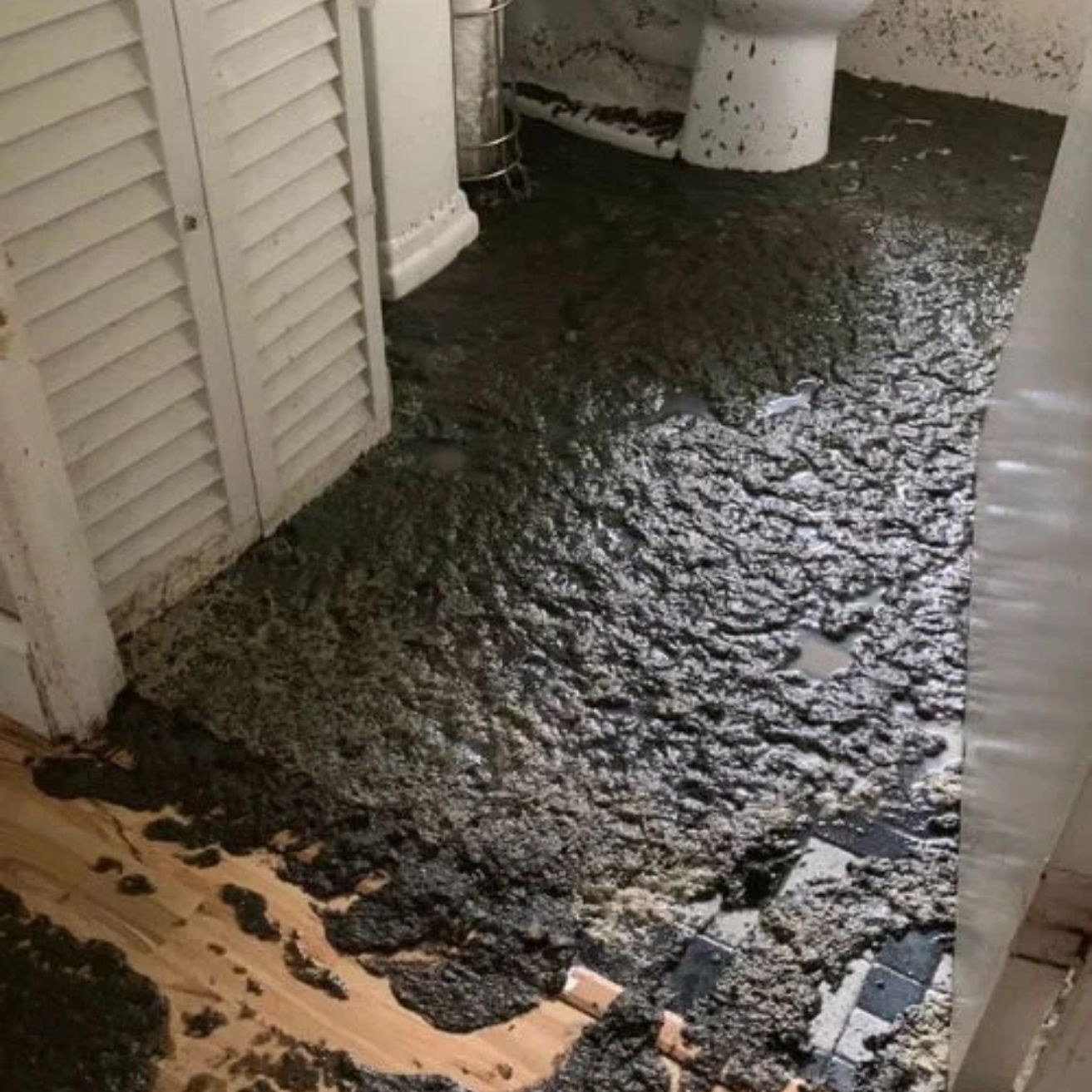
That’s why homeowners who only think about rainwater are missing a major threat. A main line backup can send contaminated water into tubs, floor drains, and lower-level fixtures fast, and once that happens, the cleanup is more complex than a simple water extraction.

Know the difference between a clog and a surcharge

A local drain clog usually affects one fixture or one branch. A sewer backup tends to show up at the lowest drains first and can involve multiple fixtures. The distinction matters because the solution changes. Snaking one toilet line won’t solve a city-side surcharge pushing wastewater back toward the house.

A backwater valve is one of the strongest defenses here. It allows flow out and blocks reverse flow back in. In homes vulnerable to municipal overload, that single device can make the difference between a close call and a contaminated basement.

Why this matters more in older cities

Sewer backups cause 25% of floods globally, and smart tech such as Wi-Fi moisture sensors can provide 24-48 hours of early warning. That matters because standard insurance policies often exclude this type of damage according to Nationwide’s basement flooding article.

That combination should change how homeowners think. If the risk is significant and insurance may not fully respond without the right coverage, passive hope isn’t a plan.

If your basement has floor drains or a bathroom below grade, sewer protection deserves the same priority as exterior drainage.

Build a layered defense

A practical sewer-backup plan includes:

  • Backwater valve installation: Best for preventing reverse flow from the main sewer.
  • Main line maintenance: A neglected lateral line can mimic city backup symptoms.
  • Smart monitoring: Moisture sensors and water monitors provide early warning before visible spread.
  • Coverage review: Confirm whether your policy includes sewer-backup protection.

If the home has recurring slow drains, gurgling fixtures, or prior sewage odors, it’s smart to address the line condition directly. Property owners dealing with that warning pattern should consider a professional clean out sewer line service before the next storm tests an already compromised system.

What doesn’t work is waiting for visible sewage to appear before acting. By that point, health risk, material loss, and documentation headaches all become harder.

A Proactive Basement Flood Prevention Checklist

Good prevention is mostly routine. The homes that stay dry usually aren’t the ones with the fanciest product list. They’re the ones where somebody checks the system before storm season and catches the small failure first.

A seasonal basement flood prevention checklist infographic providing maintenance tips for spring, summer, fall, and winter.

Seasonal Basement Flood Prevention Checklist

Season Task Notes
Spring Clear gutters and downspouts Remove leaves and debris so roof runoff can move away from the house
Spring Inspect foundation Look for cracks or openings around walls and utility penetrations
Summer Check grading Confirm soil still slopes away from the home by at least 6 inches over 10 feet
Summer Test sump pump Pour water into the pit and verify activation and discharge
Fall Disconnect outdoor hoses Reduce the chance of plumbing-related backup issues
Fall Clear storm drains Remove leaves and visible blockages near the property
Winter Manage snow melt Keep snow piles and meltwater away from the foundation
Winter Review backup power Confirm battery backup or generator readiness for outage conditions

The habits that keep this manageable

Don’t wait for one giant annual inspection. Tie tasks to seasons and weather patterns. Check gutters before winter rain, grading after irrigation changes or groundwork, and sump equipment before the first major storm cycle.

Also keep a photo log. A phone gallery of cracks, low spots, discharge outlets, and pump equipment makes it easier to notice changes over time.

When Prevention Fails Calling a Restoration Professional

Even a well-maintained property can still flood. A blocked storm drain, a failed pump during an outage, or a sewer surcharge can overwhelm prevention measures in one bad event. When that happens, speed matters more than almost anything else.

The first priority is safety. If there’s any chance the water is contaminated, especially after a sewer backup, stay out until the source is identified. Water in a basement may involve electrical hazards, hidden contamination, and soaked building materials that need controlled drying, not just mopping.

Why professional response changes the outcome

A plumber may fix the pipe. A restoration team addresses the property damage. Those are different jobs.

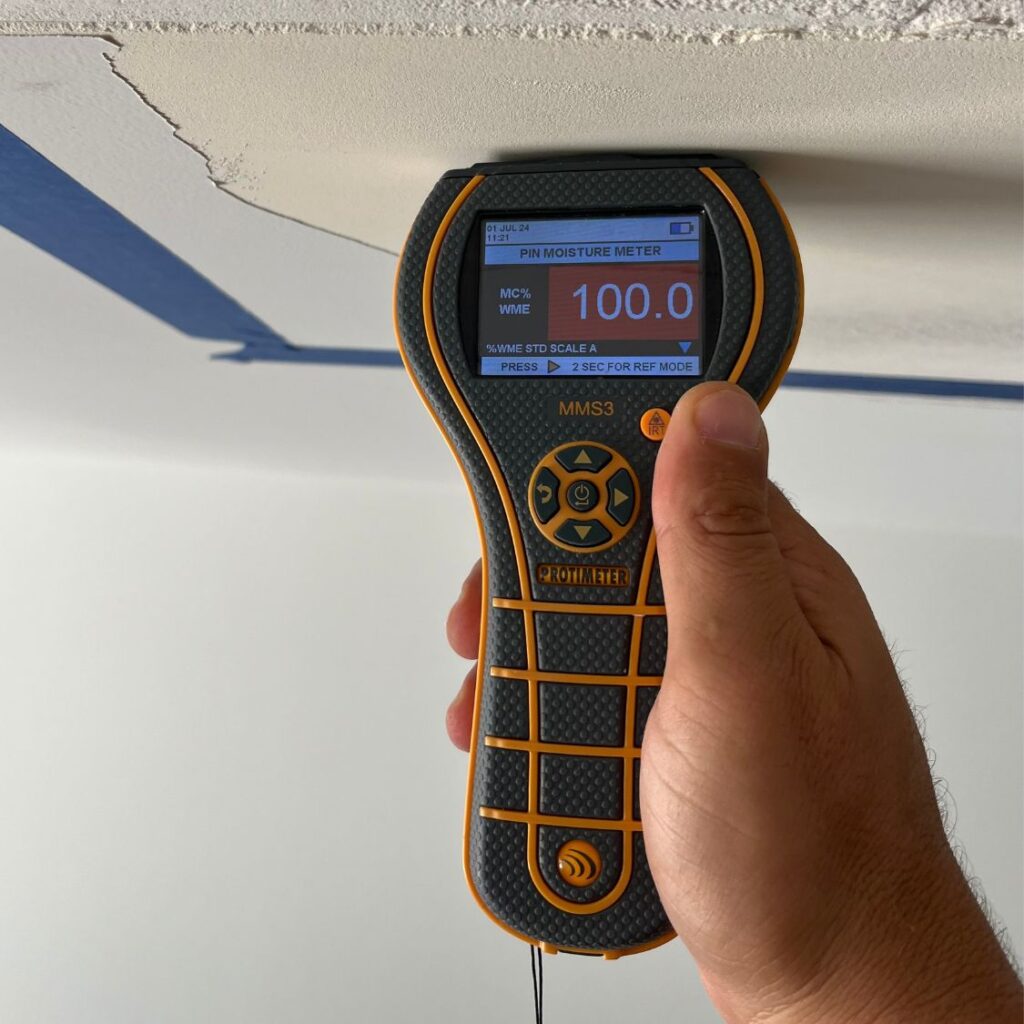
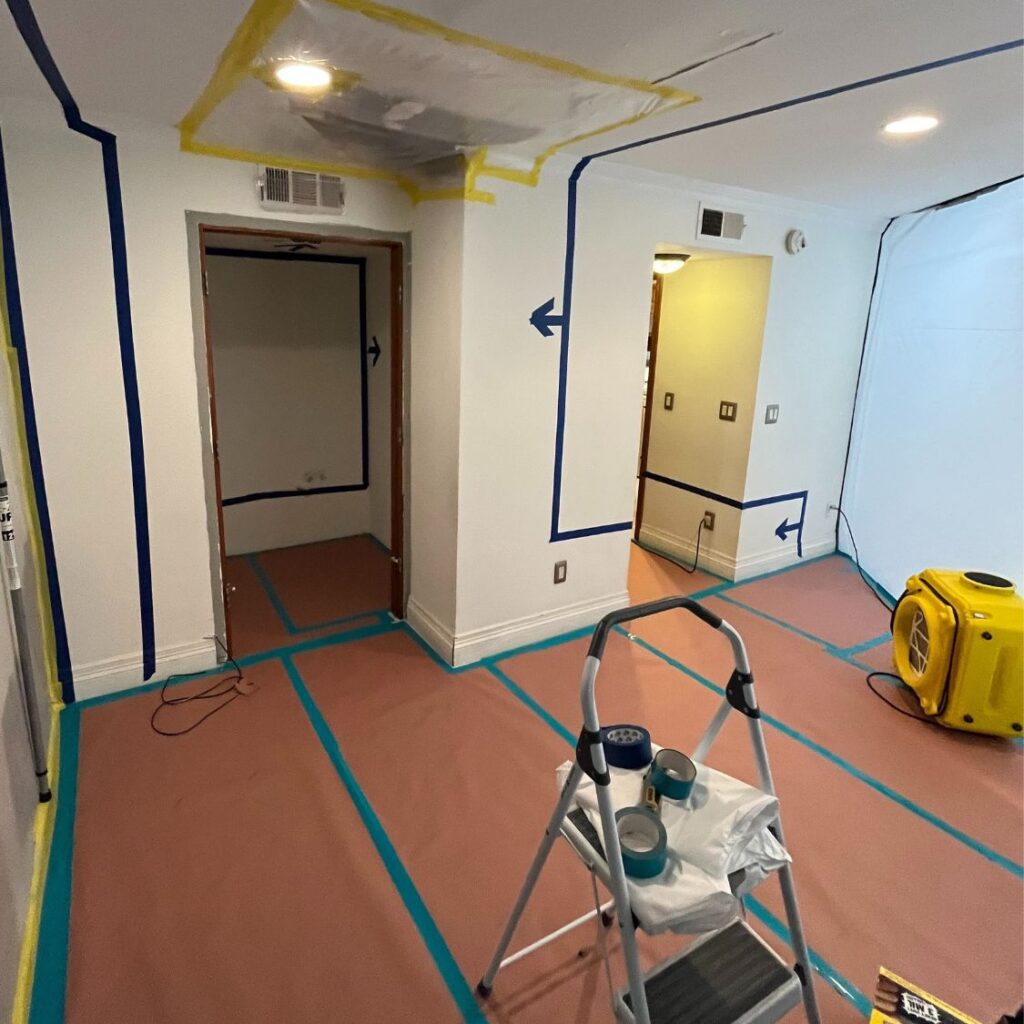
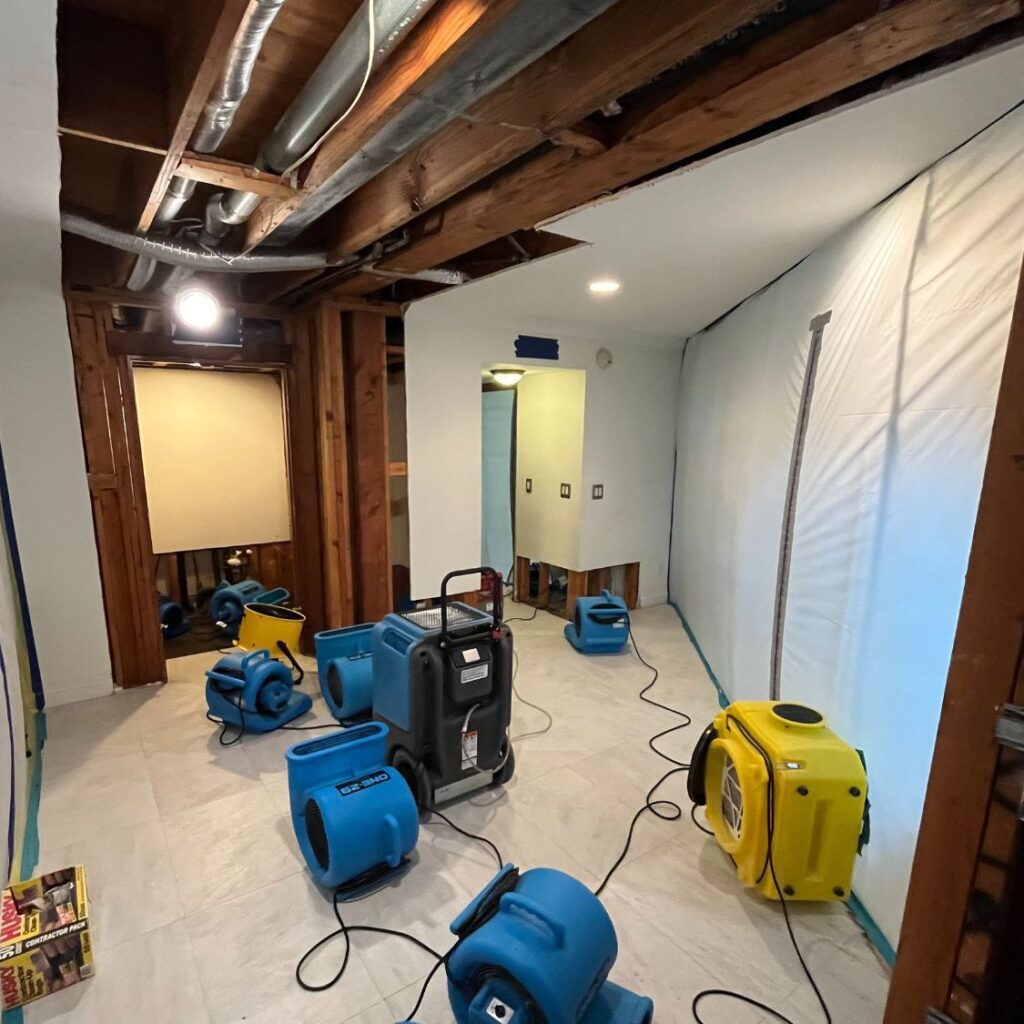
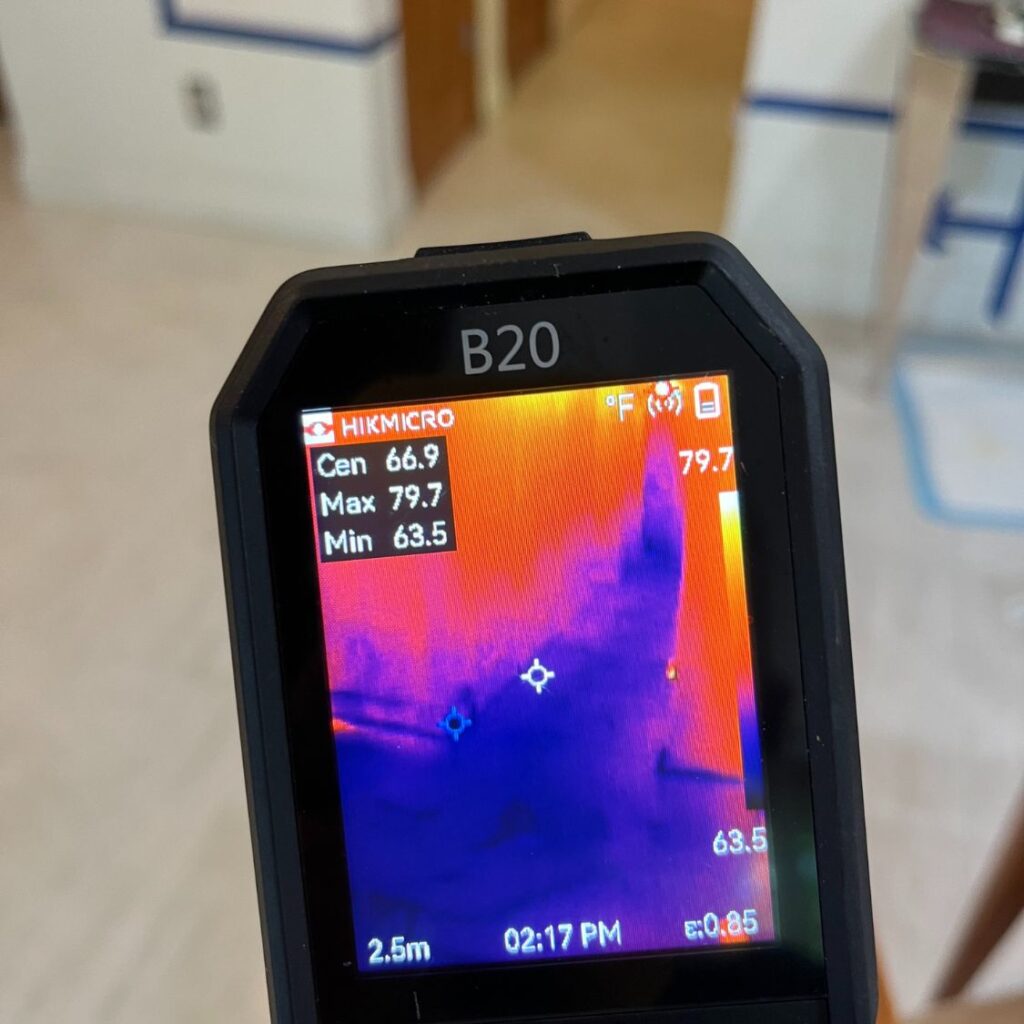
Restoration professionals handle extraction, moisture mapping, structural drying, material evaluation, sanitation when needed, and documentation for the insurance side. They also know when wet drywall, insulation, flooring, and trim can be saved and when they can’t. That judgment is what prevents lingering odor, hidden moisture, and mold growth after the visible water is gone.

What to do right away

Use this order:

  1. Stop the source if it’s safe to do so.
  2. Shut off power to affected areas if there’s any risk around outlets or equipment.
  3. Avoid contact with suspected sewage or heavily contaminated water.
  4. Photograph the damage before moving items, when practical.
  5. Call a restoration specialist for assessment and drying.

If you need to understand what that service looks like in practice, this overview of a restoration pro outlines the role more clearly than a generic contractor description.

The biggest mistake after a flood is assuming that once standing water is gone, the problem is over. Wet framing, trapped moisture behind walls, and contaminated materials can keep causing damage long after the floor looks dry.

Frequently Asked Questions About Basement Flooding

Frequently Asked Questions

Question Answer
What’s the first thing I should check if my basement only leaks during heavy rain? Start outside. Check whether gutters overflow, downspouts discharge too close to the foundation, and yard grading directs water toward the house. Rain-only leaks usually point to drainage or runoff patterns rather than an interior plumbing issue.
Are small foundation cracks worth worrying about? Yes. A small crack may not look serious, but it can still admit water under pressure. It’s best to document it, monitor it, and have it evaluated if moisture staining, seepage, or repeated dampness appears nearby.
Does a dehumidifier prevent basement flooding? No. A dehumidifier helps control residual moisture and indoor humidity after minor dampness, but it doesn’t stop liquid water entry. It supports the system after drainage and pump issues are addressed.
Do I need a sump pump if I’ve never had standing water before? Maybe. Homes with periodic seepage, a history of damp corners, footing drain connections, or low-lying lot conditions may benefit from one even without past pooling. The decision depends on how water behaves around your specific property.
Will homeowners insurance cover sewer backup damage? Not always. Standard policies often exclude sewer backup unless you’ve added specific coverage. Review your policy before there’s a loss, because assumptions here can get expensive quickly.
How often should I test my sump pump and backup system? Test the pump routinely, especially before storm season, and check the backup battery on the same schedule. The goal is to find a bad float, weak battery, or clogged pit before the weather does.

A dry basement in Los Angeles usually comes from discipline, not luck. If you want experienced help assessing runoff paths, moisture intrusion, sewer backup damage, or emergency drying, Onsite Pro Restoration provides 24/7 response for homes and buildings across the Los Angeles area.

Pete Mantizian is the dedicated owner of Onsite Pro Restoration. He is driven by a passion to improve living conditions and prevent health issues caused by improper restoration. With over 10 years in construction and 7 years in restoration, Petros has managed projects for major franchises like Serv-Pro and 911 Restoration. He holds certifications in Applied Structural Drying, Microbial Remediation, and more. Committed to excellence, Petros ensures every project is done right the first time. Outside of work, he cherishes time with his loving wife and two children, balancing his fulfilling career with creating lasting family memories.

Share

Get Started

For comprehensive damage restoration services, including biohazard mitigation, contact Onsite Pro Restoration at (818) 336-1800 or info@onsitepro.org. We’re available 24/7 to assist with all your emergency needs.

Blog Form