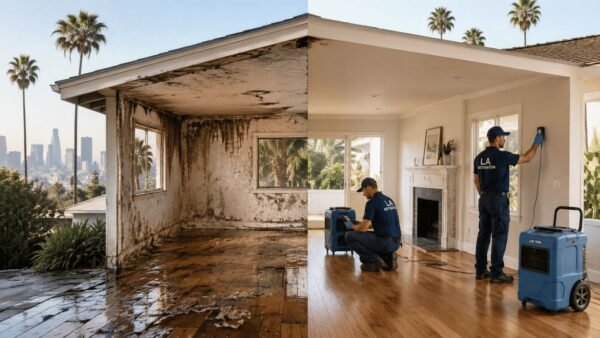

Think of your home as a patient rushed to the emergency room. Maybe a pipe bursts and floods the living room, or a small kitchen fire leaves behind a cloud of smoke and soot. That's a crisis.
Property damage restoration is the specialized medical team that sweeps in. It’s not just about mopping up the mess. It's a highly systematic service designed to diagnose the injury, stop the bleeding, and carefully bring your home back to its pre-disaster health. This guide will walk you through what property damage restoration entails for Los Angeles homeowners, from emergency response to navigating insurance.
Call Us 24/7 for Immediate Help
What is Property Damage Restoration? The ER Doctor for Your Home

A property damage restoration company truly is like an ER doctor for your house. When disaster hits, their first and most important job is to stabilize the patient—your property. This first phase is called mitigation, and its entire focus is on preventing the damage from spreading. Just like a doctor stops a patient’s bleeding before starting surgery, restoration pros get to work extracting water, boarding up broken windows, or containing hazardous soot to stop the problem in its tracks.
This immediate response is absolutely critical. For example, a simple washing machine overflow in a Burbank condo can quickly warp expensive hardwood floors. Within just 24-48 hours, it can trigger a dangerous mold outbreak. Likewise, smoke from a nearby Calabasas wildfire doesn't just stain your walls; its acidic particles corrode electronics and embed themselves deep into furniture and drywall, creating stubborn odors and serious health risks long after the fire is out.
Beyond a Simple Cleanup
This is where people get it wrong. Restoration is worlds apart from what a standard cleaning or construction crew can do. It requires a specific set of skills, scientific knowledge, and industrial-grade equipment to tackle the hidden consequences of damage.
- A Scientific Approach: Professionals don't guess. They use tools like moisture meters and thermal imaging cameras to find water trapped behind walls and under floors, ensuring every last drop is dried to prevent mold.
- Specialized Techniques: They have proven methods for removing smoke odors from the very structure of your home—something just painting over the stain will never accomplish.
- Safety and Containment: True pros create controlled environments with plastic barriers and negative air pressure to keep mold spores or contaminants from spreading to unaffected areas of your home, protecting your family.
Key Takeaway: Property damage restoration isn’t about making things look clean. It's about making them structurally sound and environmentally safe by dealing with both the visible and invisible damage.
The need for these services has never been greater. The U.S. damage restoration industry is on track to become a $7.1 billion market by 2026, a surge driven by more frequent severe weather events and our aging homes and infrastructure. With over 60,020 businesses out there, finding a certified and trustworthy partner is more crucial than ever for Los Angeles homeowners.
Ultimately, hiring a professional restoration team is an investment in protecting your home's value and your family's health. By understanding what a full onsite restoration process really involves, you'll be prepared to make the right call when disaster inevitably strikes.
The Three Most Common Types of Damage in Los Angeles
While your home can face all sorts of threats, most property damage restoration jobs in Los Angeles boil down to one of three main culprits. Getting a handle on what defines each one—and the unique risks they bring—is the first real step toward a successful recovery. Each type presents its own set of challenges, from immediate structural threats to health hazards that can linger for months.
Water Damage: The Silent Spreader
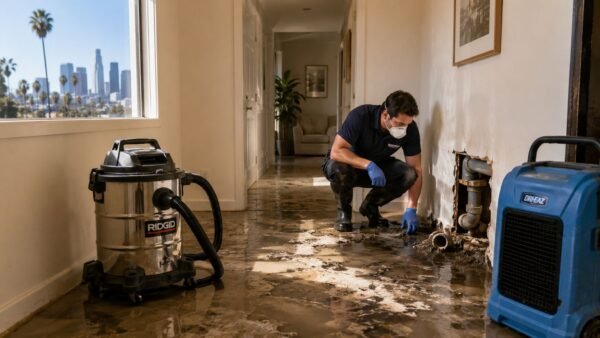
Water damage is incredibly deceptive. One day it’s a dramatic emergency, like a burst pipe flooding your West Hollywood apartment. The next, it’s a slow, hidden leak from a failing water heater in your Sherman Oaks home. It doesn't matter where the water comes from; the damage gets worse by the hour. We classify water into three categories, and that classification dictates the entire game plan.
- Category 1 (Clean Water): This is the "good" water, if there is such a thing. It comes from a sanitary source like a broken supply line or an overflowing sink. While not immediately dangerous, if you let it sit for more than 48 hours, it can easily degrade into a much bigger problem.
- Category 2 (Gray Water): Now we're dealing with contamination. This water contains chemical or biological agents, usually from an overflowing washing machine or dishwasher. Think soaps, detergents, and microbes that can make you sick.
- Category 3 (Black Water): This is the worst-case scenario. It’s grossly contaminated with pathogens, toxins, and all sorts of nasty stuff. The most common sources are sewage backflows and floodwaters from rivers or the ocean—a very real concern for coastal homes in Santa Monica or Malibu during major storms.
The crucial takeaway is that all water damage is progressive. The longer it sits, the more destruction it causes and the greater the health risk becomes. Immediate water extraction and structural drying are non-negotiable.
Fire and Smoke Damage: The Lingering Threat
When a fire hits your property, the flames are just the beginning. What’s left behind after the fire department leaves is often just as destructive. Soot and smoke are the insidious byproducts that cause the real long-term issues, a constant worry for anyone living in areas prone to regional wildfires.
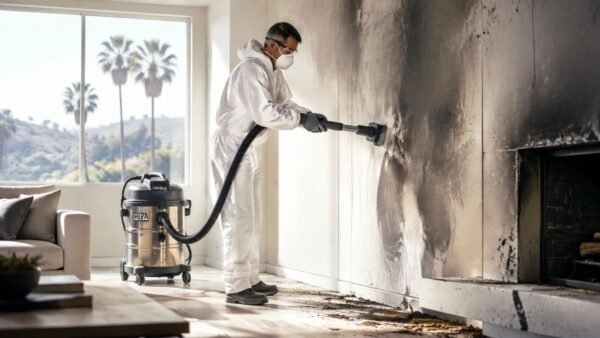
Soot is an acidic, oily residue that sticks to everything. Within days, it can permanently etch glass, tarnish metal, and stain porous materials like drywall and wood. Smoke odor is just as bad, embedding itself deep into building materials, furniture, and even your HVAC system. A fresh coat of paint won't fix it—that smell will come back.
Professional fire and smoke property damage restoration is a multi-step attack. Technicians use specialized chemical sponges to lift soot off surfaces without smearing it deeper. Then, they bring in advanced tools like thermal foggers or ozone machines to neutralize the odor molecules at their source. To get a better sense of the techniques involved, you can learn more about our comprehensive pro restoration services and see how we tackle these complex jobs.
Mold Growth: The Unwelcome Guest
Mold is water damage’s silent partner. It’s a fungus that can start growing in as little as 24-48 hours anywhere it finds moisture, a food source (like drywall or wood), and the right temperature. In Southern California’s climate, from the coastal fog in Santa Monica to inland humidity, those conditions are met all too easily, turning a small leak into a serious health hazard.
Mold loves to hide. It thrives inside wall cavities, under flooring, and above ceiling tiles. Often, the first sign isn’t seeing it, but smelling a persistent, musty odor or noticing family members having allergy-like symptoms that just won't go away.
Because of the very real health risks—from respiratory irritation to severe reactions in sensitive individuals—this is not a DIY job. Proper, professional mold remediation involves:
- Containment: The first step is always to seal off the affected area to keep spores from spreading through the rest of your home.
- Air Filtration: We use HEPA-filtered "air scrubbers" to pull airborne spores right out of the air.
- Removal: Any material that’s infested with mold has to be carefully removed and disposed of.
- Cleaning: Finally, all remaining surfaces are thoroughly cleaned and treated with antimicrobial agents to prevent regrowth.
Only a certified pro can ensure all the hidden mold is found and removed safely, protecting both your property and your family.
Get a Free Damage Assessment
The Restoration Process From Start To Finish
So, what actually happens after you make that frantic 2 AM call for help? From the outside, the world of property damage restoration can look like pure chaos. But for a certified team, it’s a highly organized, step-by-step procedure.
Knowing this workflow can take a lot of the stress out of a crisis. It turns a chaotic event into a clear, manageable plan. This breakdown will show you exactly what to expect from our crew, from the moment we arrive to the final handshake.
Phase 1: The Emergency Call and Arrival
The clock starts the second you pick up the phone. A true 24/7 restoration company doesn't use an answering service; they have a dedicated team ready to roll at a moment's notice. Your call triggers a rapid response, and the goal is always to get technicians on-site, often within an hour, to stop the damage from getting worse.
When we arrive, the lead technician will do an initial walk-through with you. Their first priority is safety—spotting any electrical hazards, structural risks, or serious contamination. This is your chance to point out what you're most worried about, and for them to give you a quick, clear overview of the immediate game plan.
Phase 2: Full Damage and Scope Assessment
Once the area is safe, the real diagnostic work begins. This isn't just a quick glance around. Our pros use specialized tools to see what the naked eye can’t, which gives us the hard data needed for an effective restoration plan and a solid insurance claim.
- Moisture Meters: These devices use probes or non-invasive sensors to get an exact reading of the moisture content in materials like drywall, wood, and even concrete.
- Thermal Imaging Cameras: These cameras are amazing. They detect tiny temperature differences, instantly showing us cold spots where water has snuck behind walls or under floors.
- Hygrometers: These measure the humidity in the air itself. This is critical for creating a drying strategy that actually works.
This detailed assessment creates a precise map of the damage. It ensures no hidden pockets of moisture are left behind to cause bigger problems down the road, like mold or wood rot.
The infographic below gives a quick look at the most common types of damage and their main effects. This helps technicians focus their assessment from the get-go.

As you can see, water damage spreads structurally, fire damage involves both intense heat and corrosive soot, and mold is all about health risks from contamination. Each one requires a different playbook.
Phase 3: Mitigation, Cleanup, and Drying
With a clear plan locked in, the hands-on work starts. This phase is all about stopping the damage in its tracks.
- Water Extraction: First things first, we get rid of the standing water. We use powerful, truck-mounted and portable extractors to pump out gallons of water, fast.
- Removal of Damaged Materials: Anything that can't be saved—like saturated drywall, soaked carpets, or charred building materials—is carefully removed. This step is crucial for speeding up the drying process.
- Drying and Dehumidification: This is where the industrial-grade equipment comes out to play. We strategically place high-velocity air movers to get moisture to evaporate, while massive commercial dehumidifiers pull all that water vapor out of the air. This one-two punch creates the perfect drying environment.
- Cleaning and Deodorizing: For fire damage, we use special chemical sponges to lift soot off surfaces. For stubborn smells, we might use thermal foggers or hydroxyl generators, which neutralize odors at a molecular level instead of just covering them up.
To get a better sense of how the tools connect to the job, here’s a quick breakdown of the technical side.
Understanding the Restoration Phases and Equipment
| Restoration Phase | Primary Objective | Key Equipment Pros Use |
|---|---|---|
| Assessment | Find and map all hidden moisture and damage. | Thermal imaging cameras, moisture meters, hygrometers. |
| Mitigation | Stop the damage from spreading further. | Truck-mounted extractors, submersible pumps, air scrubbers. |
| Drying | Remove moisture from air and materials. | LGR dehumidifiers, high-velocity air movers, axial fans. |
| Deodorization | Neutralize odors at the source. | Thermal foggers, ozone generators, hydroxyl generators. |
This table shows how each phase uses specific technology to get the job done right. It’s a scientific process, not just a cleanup job.
Phase 4: Final Repairs and Restoration
Once the property is officially dry, clean, and stable, the final phase begins. This is the reconstruction part of the job. The focus shifts from mitigation to bringing your home back to the way it was before the incident.
This can involve anything from hanging new drywall and painting to laying new floors and installing cabinets. Our team works meticulously to make sure every repair blends in seamlessly with the rest of your home.
By understanding these key stages, from the first inspection to the final walkthrough, the property damage restoration process becomes a lot less intimidating. If you want to dive deeper into the specifics of a water-related event, you might find our detailed guide on the water damage restoration process helpful.
How to Navigate Your Insurance Claim
Dealing with an insurance claim can feel more stressful than the actual damage. The phone calls, the endless paperwork, and the confusing jargon are enough to overwhelm anyone. But by taking a methodical approach, you can navigate the process with confidence and make sure you get the settlement you deserve for your property damage restoration.
The single most important thing to do is document everything before a single thing is moved or cleaned. Seriously. Use your smartphone and take hundreds of photos and videos. Get wide shots of every affected room, then move in for close-ups of the damage—the soaked carpet, the soot-stained walls, the warped floorboards. This visual evidence is undeniable proof for your adjuster.
Take Immediate and Decisive Action
Once you've documented the scene, your next call should be to your insurance company. The sooner you report the loss, the faster you’ll get a claim number and an adjuster assigned to your case. This officially gets the ball rolling.
Now, it’s critical to understand the difference between mitigation and reconstruction. They are not the same thing in your insurer's eyes.
- Mitigation: This is the emergency work needed to stop the damage from getting worse. Think water extraction, boarding up windows, and containing soot. Your policy almost certainly requires you to perform mitigation to prevent further loss.
- Reconstruction: This is the rebuilding phase that comes after the property is stabilized. This work, like replacing drywall or installing new floors, typically needs adjuster approval before it begins.
This distinction is crucial. You can—and absolutely should—hire a professional restoration company immediately for mitigation. Waiting for an adjuster’s green light to stop a flood or contain a biohazard will only lead to more expensive secondary damage, which your insurer may refuse to cover.
Your Restoration Company Is Your Greatest Asset
Partnering with a restoration company that speaks the language of insurers is a game-changer. An experienced firm knows how to provide the detailed, line-item estimates and professional documentation that adjusters require to approve a claim. This is especially true for water damage, which dominates the property damage industry with a 38.56% market share. With insured losses from weather events surging, carriers are scrutinizing claims more than ever. The right professional partner helps push approvals through and prevents costly delays.
Expert Tip: Never sign a contract that gives a contractor the right to negotiate directly with your insurer on your behalf without your final say. A reputable company works for you, providing the evidence and estimates needed to support your claim.
Dealing with property damage almost always means dealing with insurance. For a detailed guide on how to best handle your claim, especially after a storm, it's worth reading about navigating the storm damage insurance claim process.
Ultimately, a professional, detailed estimate from a certified restoration company is the key to a smoother, faster claim. It substantiates the scope of work and ensures you have the necessary funds to return your home to its pre-loss condition. For more information, check out our guide on understanding your homeowners insurance policy and how it applies to restoration work.
Choosing the Right Los Angeles Restoration Company
When you’re standing in the middle of a flooded living room or staring at a smoke-stained wall, it’s tempting to dial the first number you find. But this is one of those moments where a little bit of vetting goes a long, long way. Picking the right partner for your property damage restoration isn't just a preference—it's the single most important decision you'll make for getting your home back in one piece.

Think of it this way: you wouldn't let an unlicensed doctor perform surgery. The same logic applies here. Your home is in a vulnerable state, and you need a certified specialist to ensure the job is done right. Use this checklist to make a smart, safe choice for your Los Angeles property.
Check for IICRC Certification
The Institute of Inspection, Cleaning and Restoration Certification (IICRC) is the gold standard in our industry, period. This certification isn't just a logo for their truck; it’s proof that the company has invested in formal training and understands the science behind restoration.
An IICRC-certified technician knows why they're setting up equipment a certain way. They understand how to properly dry a structure to stop mold in its tracks, how to safely handle contaminants, and how to restore your home without causing even more damage. Always ask for proof of their certification.
Verify State Licensing and Full Insurance
A legitimate company has nothing to hide. Before letting anyone start work, make sure they hold a valid California contractor's license and carry both general liability insurance and workers' compensation. This is your safety net, protecting you from any financial liability if an accident happens on your property.
A licensed and insured contractor is a sign of professionalism and accountability. It's your first line of defense against scams or subpar work that could leave you with even bigger problems.
Look for True 24/7 Availability
Disasters don’t wait for business hours, and neither should your restoration company. When a company advertises 24/7 service, that means you should get a live person on the phone—not an answering machine—who can get a team moving immediately. When it comes to property damage restoration, every minute counts. A crew should be at your door within about an hour to start the mitigation process.
Evaluate Their Local Reputation and Experience
A solid local reputation is something a company earns, not buys. Look for real, verifiable reviews from homeowners in your area, whether you're in Pasadena, Santa Monica, or the San Fernando Valley. Local experience is a huge asset.
For instance, with the rise of climate-fueled wildfires, we're seeing more complex fire and smoke damage jobs. A contractor who understands the local landscape, such as dealing with a flat-roof leak in Sherman Oaks after a storm, also knows how to navigate the increasingly tricky insurance claims that come with it. The right team will not only do the work but also empower you to make informed decisions every step of the way.
The same principles of vetting apply to any specialist you hire for your home. Whether you need to know how to hire the right flooring contractor or find a restoration expert, doing your homework pays off. To find a qualified local team for your immediate needs, learn more about finding a water damage restoration company near you.
Frequently Asked Questions About Property Damage Restoration
Every Los Angeles homeowner facing property damage has urgent questions. Here are straightforward answers to the most common ones we hear, designed to give you clarity during a stressful time.
Q: How long does property damage restoration take?
A: There is no single timeline, as it depends entirely on the extent of the damage. A small, contained clean water leak caught quickly can often be resolved in 2-4 days (one day for extraction, a few for drying). In contrast, a major house fire with structural damage and heavy smoke could take several weeks or even months for full debris removal, cleaning, and reconstruction. A professional assessment is required for a realistic timeline.
Q: Will my homeowners insurance cover all the damage?
A: Most standard policies cover "sudden and accidental" damage, like a burst pipe or kitchen fire. However, they almost never cover issues from neglect or poor maintenance, such as a slow, known roof leak. It's also critical to know that standard policies in Los Angeles do not cover damage from floods or earthquakes; you need separate, specific policies for that protection.
Q: Can I stay in my home during the restoration process?
A: Your safety is the top priority. For minor issues in an isolated area, you may be able to stay. However, for most significant jobs, it is unsafe or impractical. The constant noise of industrial drying equipment, the containment required for mold remediation, or the biohazards from sewage damage all make relocating necessary. A certified professional will advise you based on IICRC safety standards.
Q: What should I do first if my property is damaged?
A: First, ensure everyone is safe. Then, if possible, take extensive photos and videos of all affected areas before anything is touched. This documentation is invaluable for your insurance claim. Your next call should be to a 24/7 certified property damage restoration company to begin emergency mitigation and prevent the damage from getting worse.
Q: Is it okay to clean up the damage myself?
A: While it's tempting to start mopping, it's generally not recommended for anything beyond a small spill. Water can seep into structures where you can't see it, leading to mold. Soot from fire is acidic and can be smeared deeper into surfaces if not cleaned properly. For safety and to ensure the job is done correctly, it is always best to call a professional.
If you’re facing a property emergency and need clear answers right now, **Onsite Pro Restoration** is here to help. Our certified team provides free, no-obligation assessments to give you a clear path forward.