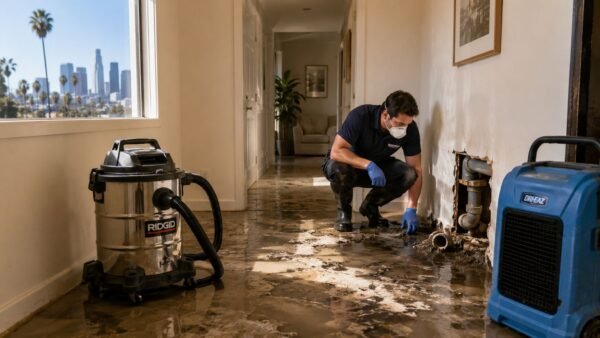

A sewer backup usually starts the same way in Los Angeles. You notice a foul smell near a shower drain, the toilet starts bubbling, or dirty water shows up where it should never appear. If you're dealing with that risk right now, sewer backup prevention comes down to three things: better daily habits, routine exterior maintenance, and the right plumbing protection before the next blockage or rain event hits.
In older LA homes, especially in places like Sherman Oaks, Glendale, and parts of Burbank, the problem often isn't one big mistake. It's a combination of aging pipes, roots, grease buildup, and stormwater getting where it doesn't belong. The good news is that most backups give you preventable pressure points to address before sewage comes back into the house.
The Unseen Threat to Your Los Angeles Home
A homeowner usually doesn't think about the sewer line until wastewater comes up through a low drain. It might start in a downstairs shower, a laundry area, or a floor drain. Then the panic sets in. Is it a clogged fixture, a broken lateral, or a city line problem?
That stress is real because sewer backups are messy, disruptive, and hard to sort out in the moment. They also aren't rare, especially in older urban areas with older pipe networks and a mix of private and public infrastructure that has aged in place for decades.
The broader system explains why this keeps happening. The Insurance Information Institute says the United States has more than 500,000 miles of sewer lines, many averaging over 30 years old, and sewer backups are increasing by about 3% annually according to its guidance on how to protect your house from sewer back-ups. In Los Angeles, that matters because many homes sit on aging laterals while the public system also carries the strain of dense development and intense rain after long dry stretches.
What prevention actually looks like
Most effective sewer backup prevention isn't one silver bullet. It works best as a layered approach:
- Inside the house: Keep grease, wipes, and debris out of the system.
- Outside the house: Protect the lateral from roots, breaks, and bad drainage patterns.
- At the pipe itself: Add physical protection where the risk justifies it.
Practical rule: Sewer backups usually aren't random. They happen when an older system gets stressed by avoidable buildup, root intrusion, improper connections, or surcharging from outside the home.
If you're already seeing warning signs like repeated slow drains or gurgling at multiple fixtures, it's smart to treat it as more than a nuisance clog. A recurring issue often points to a main-line problem, not just a fixture issue. If that sounds familiar, this guide on a clogged sewer line is a useful starting point before the next backup turns into a cleanup job.
Daily Habits to Protect Your Drains
The easiest sewer backup prevention steps happen in the kitchen and bathroom. They aren't glamorous, but they work. A lot of line blockages start with ordinary habits repeated every day.
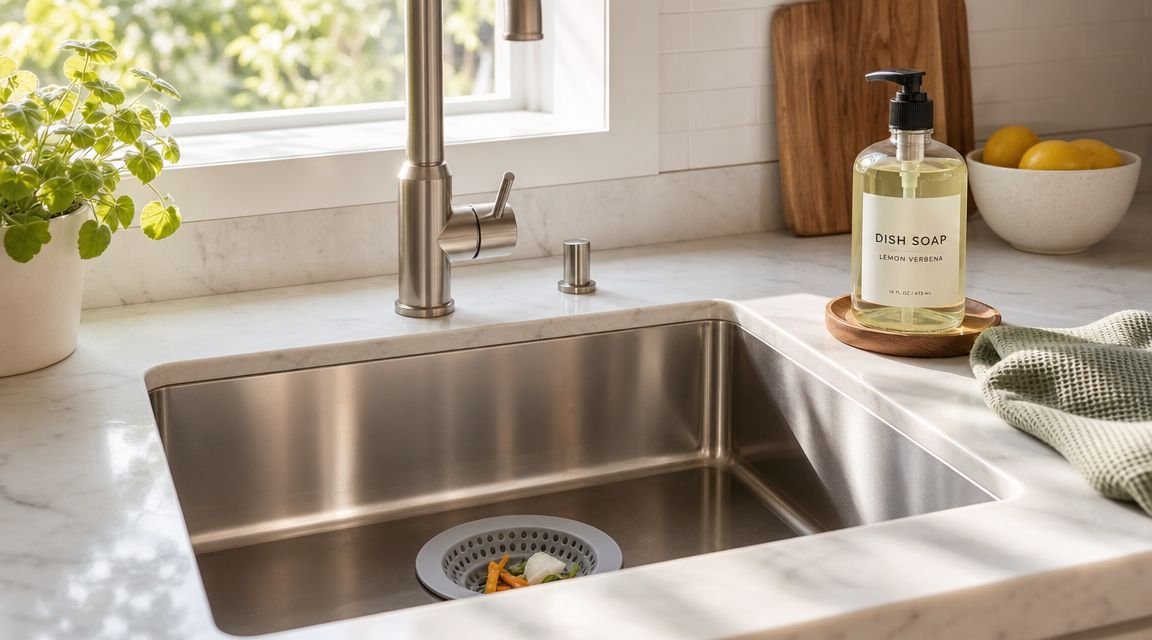
What never belongs in the kitchen drain
Grease is one of the biggest offenders in real homes. It goes down warm, then cools and sticks to pipe walls. After that, food particles catch on it and the line narrows.
A simple fix is keeping a jar or can near the stove for bacon grease, pan drippings, and cooking oil. Once it cools, throw it away in the trash instead of rinsing it down the sink.
Use the same mindset for coffee grounds, fibrous food scraps, eggshells, and starchy leftovers. A garbage disposal doesn't make those materials disappear. It just chops them into smaller pieces before they enter the drain.
For homeowners who want an outside perspective on drain-safe habits, this guide on how to prevent sewer backup in Las Vegas overlaps with many of the same basic prevention rules that apply in LA homes.
What never belongs in the toilet
"Flushable" wipes are still a problem. So are paper towels, hygiene products, cotton items, and anything else that doesn't break down like toilet paper.
When one person in the house keeps flushing problem items, the system may seem fine for a while. Then a partial obstruction forms in the branch line or main line, and the lowest drain becomes the release point.
- Stick to toilet paper only: Human waste and toilet paper are what the line is meant to carry.
- Treat wipes like trash: Even if the label says flushable, keep a trash can in every bathroom.
- Watch multiple fixtures: If the tub gurgles when the toilet flushes, that's a warning sign worth acting on early.
Older homes need extra attention
In older properties, especially remodeled homes, mixed plumbing setups create hidden weak points. You may have a floor drain, a yard cleanout, an old sump arrangement, or downspouts tied where they shouldn't be.
Municipal guidance from Western Virginia Water Authority on preventing sewer backups recommends proactive fixes such as capping basement sewer floor drains if no other fixtures are on that level. That same common-sense principle applies to vulnerable low openings in older homes. If a low drain isn't needed, it may be safer closed off than left as a future entry point.
If everyday clogs keep coming back in the same fixtures, it's usually time to move beyond store-bought cleaners and get the line evaluated. This overview of clogged drain solutions can help you tell the difference between a local blockage and a bigger sewer issue.
Essential Outdoor and Landscape Maintenance
A lot of homeowners focus on what goes down the drain and ignore what's happening in the yard. That's a mistake. In Los Angeles neighborhoods with mature landscaping, the sewer lateral often fails from the outside in.
Tree roots don't need much to get in
Roots don't break into a healthy pipe just because a tree is nearby. They exploit weak joints, cracks, and small openings where moisture escapes. Once they get inside, they trap paper, grease, and solids until the line starts backing up.
That's why established areas with older homes often see repeat problems. The trees are beautiful, but the lateral beneath the yard may have older materials, shifted joints, or previous patchwork repairs.
A good rule before planting is simple. Know where your sewer line runs before you add trees or large shrubs. If you already have aggressive roots near the line, don't guess. Get the lateral inspected.
If you're also dealing with hardscape movement or structural concerns, this explainer on foundation damage from tree roots gives a useful look at how root growth can affect more than one part of a property.
What to look for outside
Not every sewer warning comes from a toilet. Some clues show up in the yard first.
- Sunken areas in the lawn: These can suggest soil movement around a damaged line.
- Persistent soggy spots: Unusual wetness near the sewer path can point to leakage.
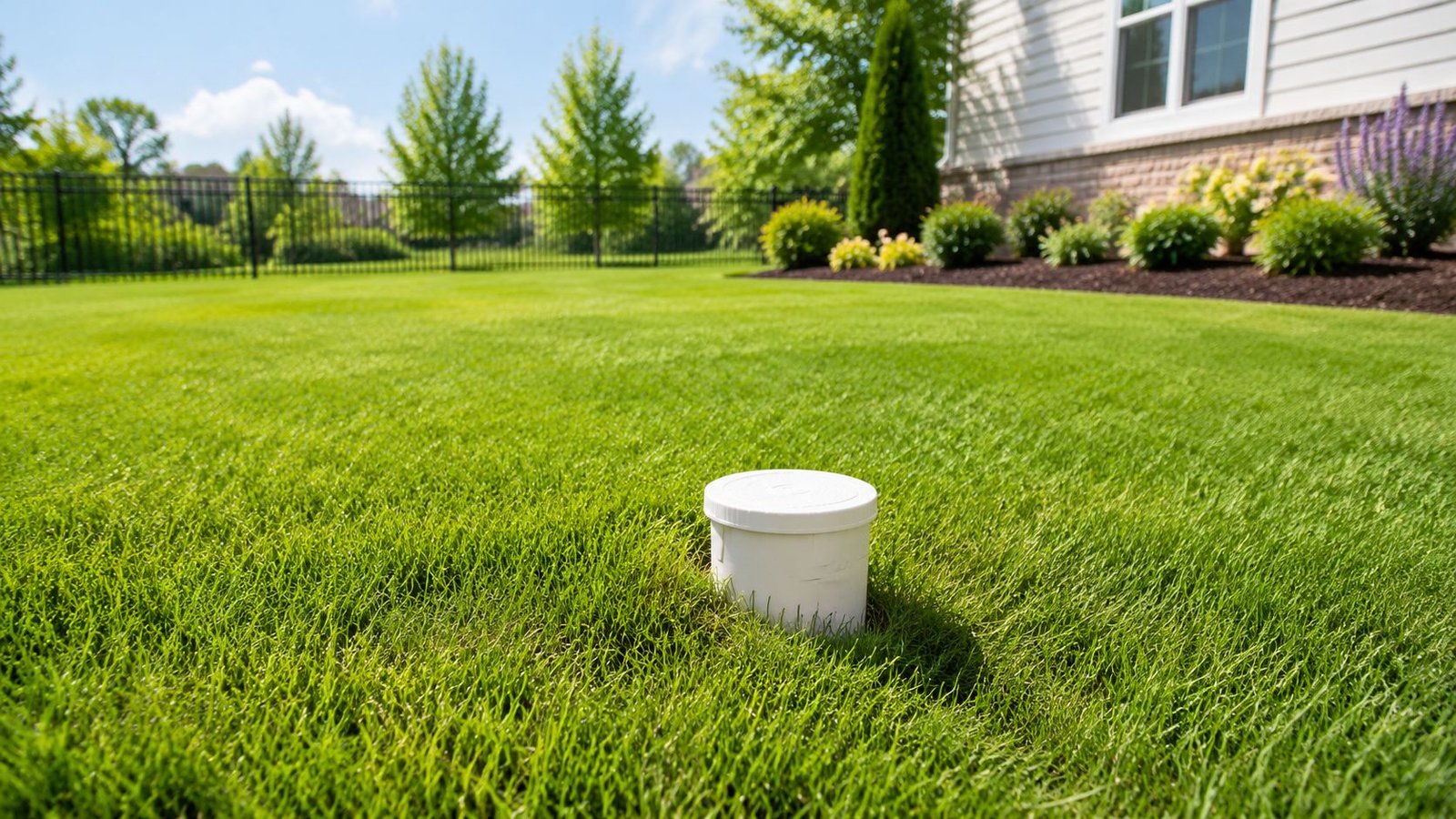
- A buried or inaccessible cleanout: If you can't reach the cleanout fast during an emergency, response gets harder.
- Downhill drainage toward the house: Surface water pressure can complicate already vulnerable plumbing.
Keep the cleanout visible, accessible, and in good condition. When a line starts backing up, fast access saves time and limits interior damage.
Camera inspections beat guessing
A professional sewer camera inspection is one of the most useful preventive services a homeowner can pay for. It answers questions that no drain cleaner or surface symptom can answer with confidence. You can see roots, breaks, offsets, bellies, and heavy buildup instead of guessing based on symptoms.
In practice, that's the point where DIY should stop. If multiple fixtures are slow, if backups repeat, or if an older home hasn't had its lateral checked, the camera inspection gives a factual baseline for what to fix now and what to watch later.
For homes vulnerable to low-entry water points and drainage problems, this guide on how to prevent basement flooding also helps because some backup risks overlap with broader water intrusion risks around the foundation and lower levels.
Installing a Backwater Valve The Right Way
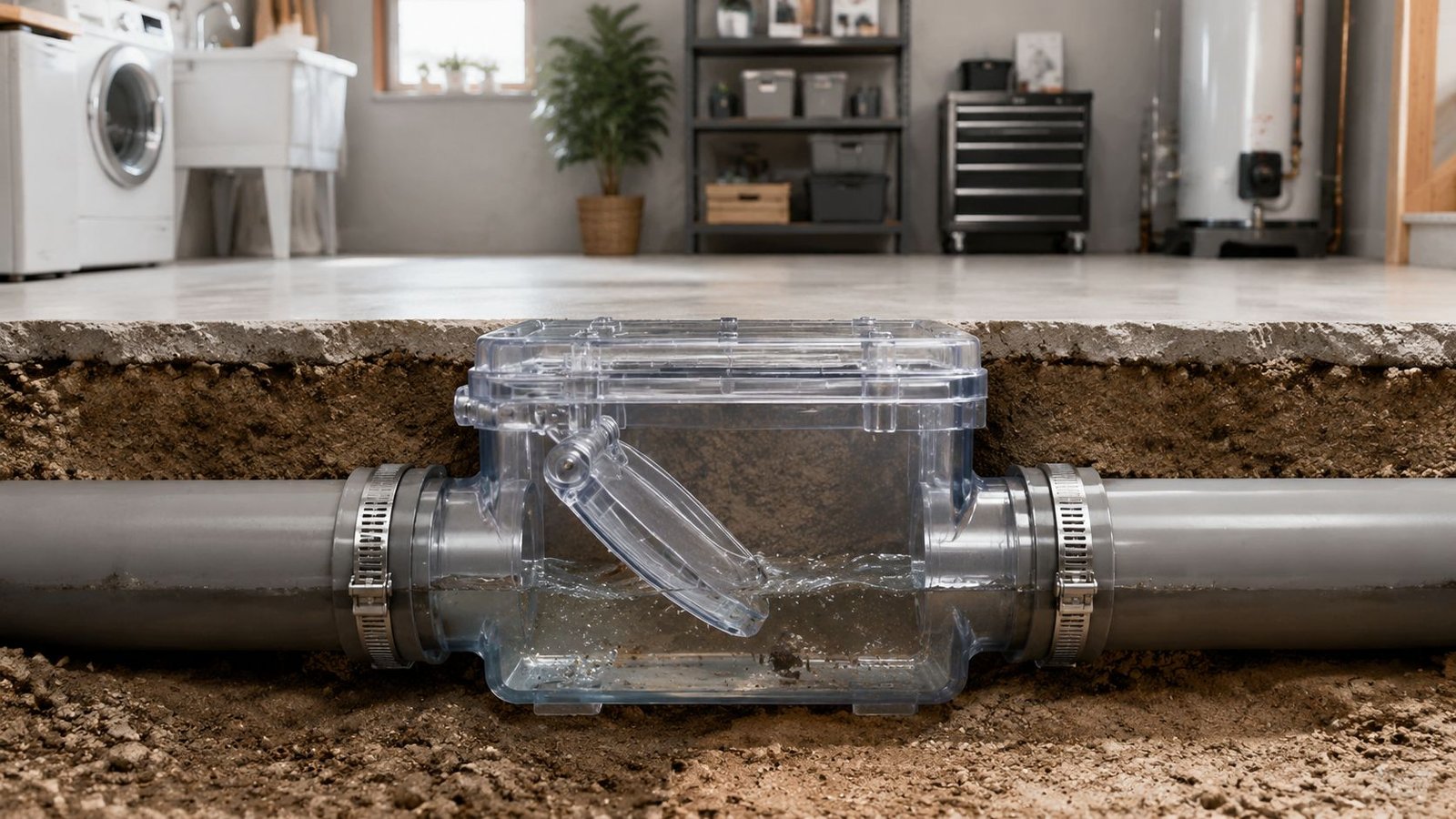
A backwater valve is one of the strongest sewer backup prevention tools available for a house that faces surcharge risk from the public line. It acts like a one-way gate. Wastewater can leave the home, but if sewage tries to reverse direction, the valve closes and blocks it from re-entering the property.
Why this upgrade matters in Los Angeles
In LA, the highest-risk homes usually share a few traits. They have older plumbing, low fixtures, a history of neighborhood surcharging, or they sit in areas where heavy rain can strain infrastructure after long dry periods.
A backwater valve is especially useful when the issue isn't just what your household puts into the pipes. It's also about what can come back from outside the property boundary during a city sewer surcharge.
Municipal rehabilitation experience supports this layered approach. The Naperville sewer backup program paper describes sewer rehabilitation that extended service life by an additional 50 to 100 years, along with a homeowner protection program using a 60/40 cost-share for internal backup-prevention devices such as modified overhead sewers and check valves. It also reports total homeowner protection program spending of $210,000 since 1981, while emphasizing that combining system work with building-level protection is a cost-effective strategy.
Why this isn't a DIY job
Backwater valve installation usually means opening the line, setting the valve at the correct location and orientation, and making sure future maintenance access is possible. In many homes, that can involve excavation or cutting into slab areas. In Los Angeles, permits and code requirements may also apply.
Mistakes prove costly. A poorly selected or badly installed valve can create maintenance issues or fail when the system is under pressure.
A backwater valve only protects you if it's the right valve, in the right place, and kept clear enough to move when it needs to move.
This walkthrough gives a visual sense of how the device functions in real plumbing setups.
The trade-off homeowners should understand
A backwater valve is strong protection, but it isn't universal protection. It doesn't fix root intrusion upstream on your lateral. It doesn't replace proper drain use. It doesn't solve bad stormwater connections by itself.
Think of it as a barrier, not a cure. The houses that benefit most are the ones where the plumbing layout, backup history, and city-side risk justify that added barrier. If you're evaluating whether your line needs cleaning, inspection, or a larger protective upgrade, this page on clean out sewer line helps frame the difference.
Whose Fault Is It? Pinpointing Backup Responsibility
One of the first questions after a sewer backup is also one of the hardest to answer under stress. Is this my line, or the city's line? The answer affects repair decisions, cleanup responsibility, insurance paperwork, and any conversation you may need to have with a public agency.
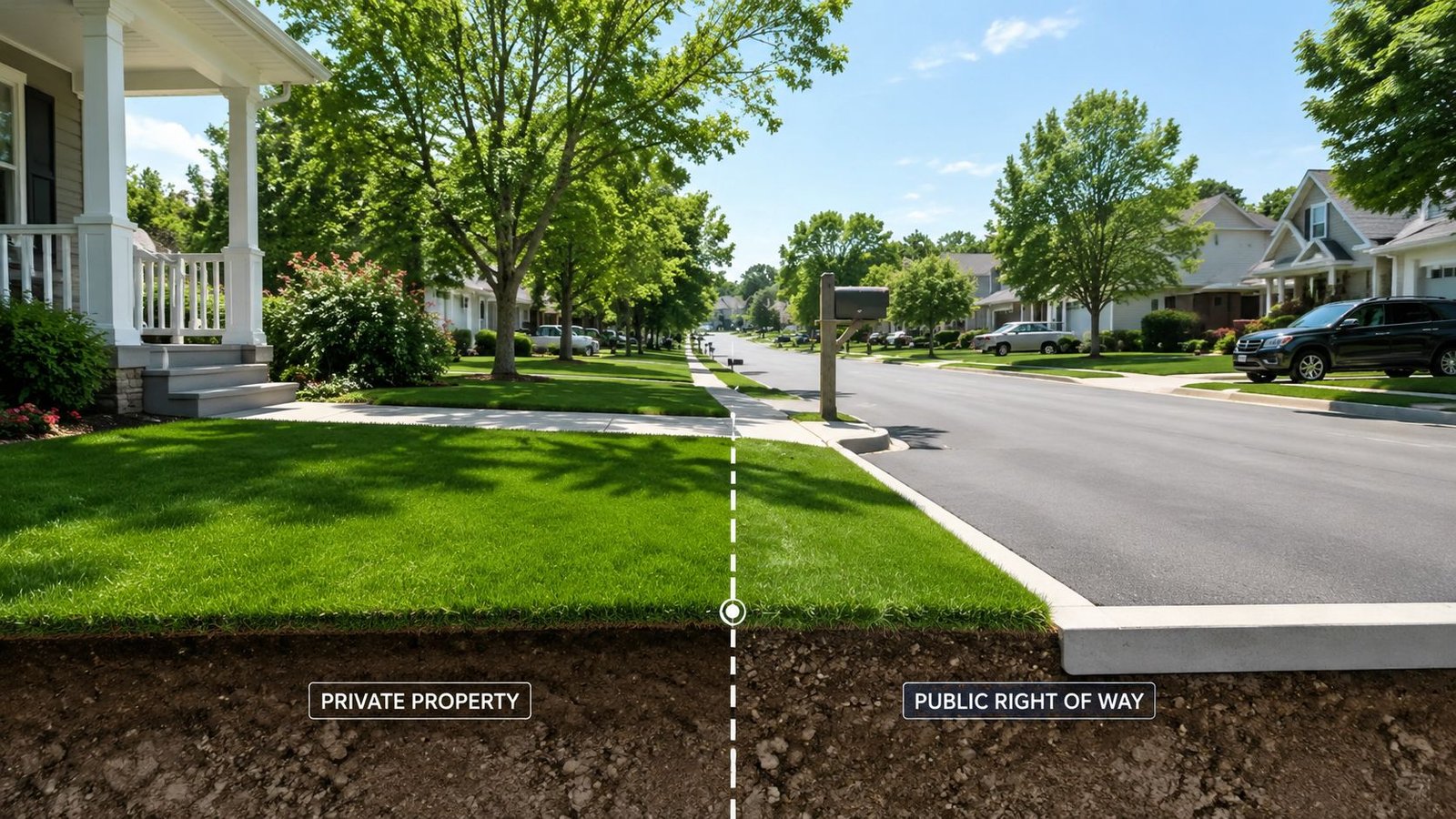
Private lateral versus city main
In most situations, the private sewer lateral runs from your house to the connection point near the public system. If the blockage, collapse, root mass, or offset is in that private section, the homeowner is usually responsible for repair outside the home as well as cleanup inside it.
If the obstruction is in the city sewer main, responsibility usually shifts toward the municipality. But that doesn't mean the answer is obvious from symptoms alone. A toilet overflow doesn't tell you where the actual failure is.
Utility guidance confirms that a professional inspection is necessary to determine whether the source is the city's sewer main or the resident's private lateral. That determination drives who pays for what, as explained in this HomeServe guidance on reducing sanitary sewer backups in your community.
What proves it
The best evidence is a professional sewer camera inspection tied to the line location. It shows where the blockage begins, where roots entered, whether there is a break, and whether the issue sits on private property or beyond it.
If you're in Glendale, Burbank, or another older-service area, don't rely on verbal assumptions. Get documentation. The footage and technician notes can help with:
- Insurance communication: Clear proof of where the loss began
- City claims or reimbursement discussions: Better support for your position
- Repair planning: Spot repair, cleaning, or full replacement decisions
- Future prevention: Knowing whether you're dealing with a one-off clog or a chronic infrastructure issue
If you can't prove where the failure occurred, you may end up arguing responsibility with no leverage.
What homeowners should do right away
When sewage is backing up, stop using all plumbing fixtures if possible. More water in the system often means more contamination indoors.
Then take these steps in order:
- Document the conditions with photos and time notes.
- Call for inspection and cleanup help if sewage entered living space.
- Ask for line-location evidence, not just a verbal diagnosis.
- Keep records of all communication with insurers, plumbers, and the city.
Insurance questions come up fast in these situations, especially when damage crosses from the yard into the house. This guide on whether homeowners insurance covers sewer backup is worth reviewing while you're sorting out responsibility.
Your LA Sewer Backup Emergency Plan
When a backup risk is building, speed matters. So does having a plan before you're standing in contaminated water trying to decide who to call.
Start with the basics. Keep grease and wipes out of the system. Know where your cleanout is. Pay attention when more than one drain starts acting up. If your home is older, or you've had repeat issues during storms, get the line inspected before the next heavy rain cycle.
When DIY makes sense and when it doesn't
A simple fixture clog at one sink may be manageable. A sewer problem usually isn't.
Call a professional instead of trying to push through it yourself when:
- Multiple fixtures are slow or backing up
- You hear gurgling in unrelated drains
- Wastewater appears at a floor drain, shower, or cleanout
- You suspect roots, a broken lateral, or a city-main issue
- Sewage has entered finished living space
In Los Angeles, quick action matters even more in neighborhoods with older construction and mixed plumbing histories. Homes in West Hollywood, Beverly Hills, Sherman Oaks, and nearby communities often need a real line diagnosis, not another temporary drain opening.
Frequently Asked Questions About Sewer Backups
What are the earliest signs of a sewer backup problem
The most common early signs are multiple slow drains, bubbling or gurgling from a nearby fixture when you use another one, sewage odor near low drains, or water showing up in a shower or floor drain first. One clogged sink may be a local drain issue. Several fixtures acting up at once usually points to the main line.
How often should a sewer line be cleaned or inspected
There isn't one schedule that fits every home. It depends on the age of the line, whether roots are present, and whether the property has a history of backups. For high-risk lines, municipal prevention guidance says they should be cleaned at least twice per year as part of a written maintenance schedule, according to the Municipal Association of South Carolina guidance on sewer backup and overflow prevention. For a homeowner, that doesn't mean everyone needs the same schedule. It means repeat-problem lines need proactive maintenance, not reaction after another backup.
Is a backwater valve enough by itself
No. A backwater valve is strong protection against sewage flowing back from outside the home, but it doesn't remove roots, repair a cracked lateral, or solve improper drainage connections. The best results come from matching the protection to the actual failure point. Some homes need line cleaning and root control. Others need layout changes at low drains. Some need both, plus a valve.
Can heavy rain cause a sewer backup even if my pipes seem fine
Yes. A home can still experience backup pressure when outside systems are overloaded. That's one reason line location, property layout, and the source of the problem matter so much. A clean private line doesn't fully protect a house from sewer surcharge conditions outside the property.
Should I use chemical drain cleaners for prevention
They're not a reliable sewer backup prevention strategy. They don't tell you whether the problem is grease, roots, a broken section, or a city-side issue. In older lines, repeated chemical use can also complicate service work. Mechanical cleaning and camera inspection give more useful information.
If you need help with cleanup, inspection support, or emergency response after a sewer incident, contact Onsite Pro Restoration. We serve Los Angeles, North Hollywood, Glendale, Burbank, West Hollywood, Beverly Hills, and nearby communities. Call 818-336-1800 for a free inspection and fast help.