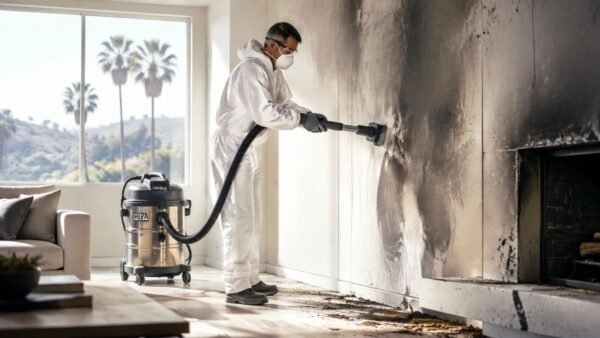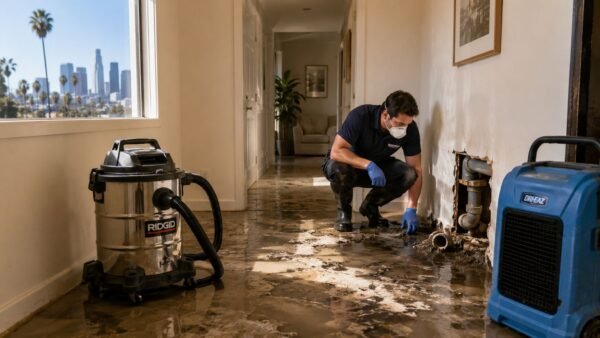

If you're managing a Los Angeles property with an onsite wastewater system, you're usually dealing with one of two situations. Either the site can't support a conventional setup, or the system has already started showing stress through odors, wet soil, slow drains, or an interior backup that turns into a restoration problem fast.
An aerobic septic tank sits right at that intersection of engineering and risk management. It can solve real site limitations, especially where soil, lot size, or groundwater conditions make a standard septic system a poor fit. It also comes with more moving parts, more oversight, and less room for neglect.
For property managers, that's the issue. The septic system itself is one responsibility. The water intrusion, contamination, odor, drywall damage, floor damage, and insurance documentation that follow a failure are a separate problem entirely.
A practical response starts with understanding how the system works, where it fits in Los Angeles, what it costs to maintain, and which warning signs mean you're no longer dealing with routine service and now need cleanup and drying.
What Is an Aerobic Septic Tank and How Does It Work
A conventional septic system relies on low-oxygen conditions and gravity. That works on the right lot with the right soil. In Los Angeles and nearby communities, those conditions aren't always available. Smaller parcels, poor percolation, and challenging site conditions push owners toward systems that treat wastewater more aggressively before it reaches the dispersal area.
An aerobic septic tank is best understood as a small treatment plant installed on private property. It doesn't just hold wastewater. It actively treats it.
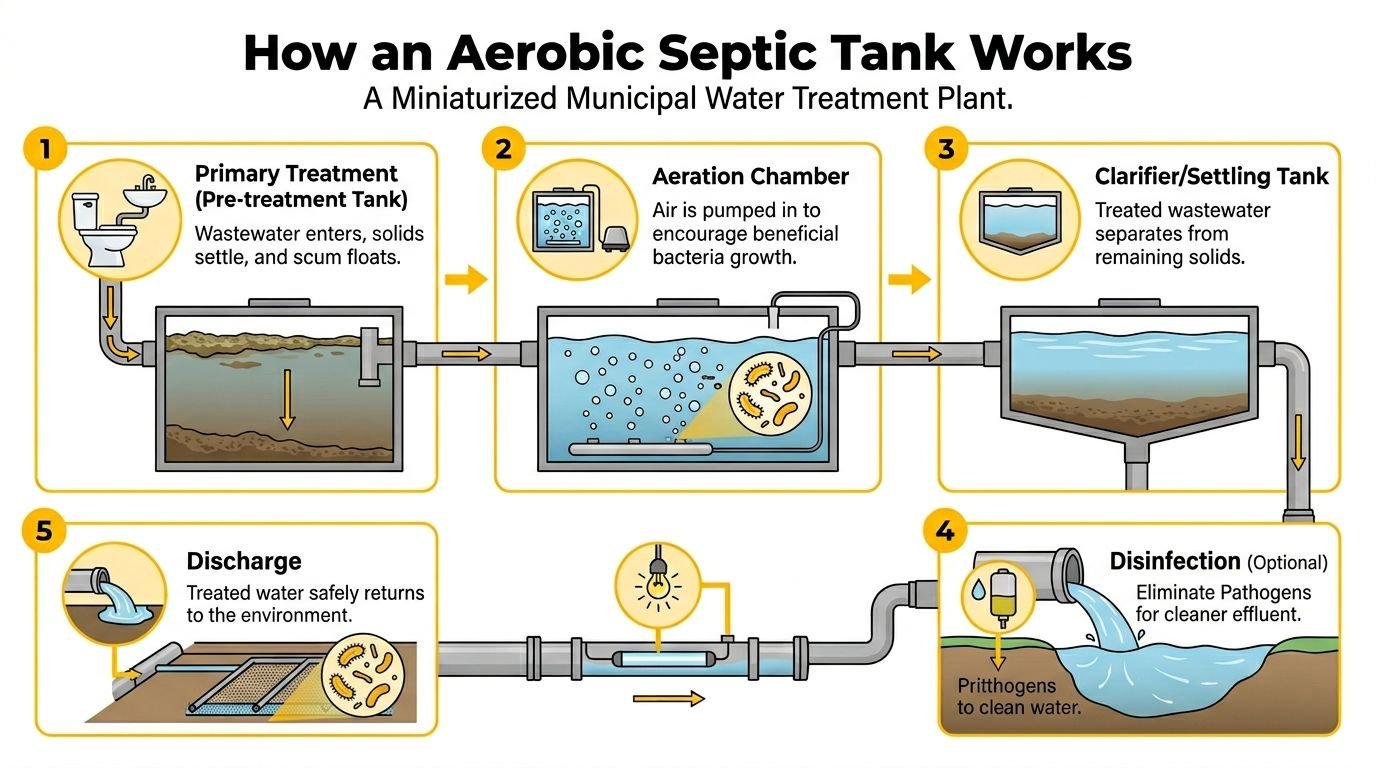
The treatment process inside the tank
Most aerobic systems move wastewater through several treatment stages.
Pre-treatment stage
Wastewater enters the first chamber. Heavier solids settle, lighter materials float, and the system separates out what shouldn't move forward quickly.Aeration stage
This is the defining feature. An aerator pump injects air into the wastewater. That oxygen supports aerobic bacteria, which digest waste much faster than anaerobic bacteria. According to JT Service's explanation of aerobic septic systems, an ATU uses an aerator pump to inject air, and this aerobic activity can break down organic matter 10 to 20 times faster than anaerobic processes while allowing drainfield sizing to be reduced by up to 50% on suitable sites.Clarification stage
After aeration, the flow moves into a settling zone where remaining solids drop out. Cleaner liquid stays above the settled material.Disinfection stage
Some systems include disinfection before final dispersal. The purpose is to improve effluent quality further before release to the drainfield or approved discharge area.Dispersal stage
Treated effluent leaves the unit and goes to the final disposal area.
Why that matters on a real property
The practical difference isn't academic. Better treatment means the downstream soil absorption area has less work to do. On a tight lot, that can make the project feasible when a conventional design won't pencil out.
Practical rule: The more constrained the site, the less forgiving the septic design. Aerobic treatment helps, but only if the air system, controls, and maintenance stay in service.
For a property manager, the weak points are also easy to identify. If aeration stops, treatment quality drops. If solids aren't managed, the system can clog. If a crack, overflow, or backup reaches occupied space, you move out of wastewater management and into biohazard cleanup for contaminated interior areas.
What works and what doesn't
Some owners assume an aerobic system is a set-it-and-forget-it upgrade. It isn't. The technology is effective because it depends on active components, microbial balance, and regular service.
What works:
- Professional design for site conditions
- Routine servicing of pumps, alarms, and chambers
- Immediate response to odors, alarms, and surfacing effluent
What doesn't:
- Ignoring the control panel
- Treating chlorine smell or soggy ground as minor
- Waiting for an indoor backup before calling anyone
Aerobic vs Conventional Septic Systems A Clear Comparison
A property manager usually needs one answer first. Which system is more likely to work on this site without turning into a maintenance problem or a cleanup claim later.
The practical comparison is simple: treatment quality, site fit, operating burden, and the way each system fails. Aerobic systems treat wastewater more aggressively because they use oxygen and active components. Conventional systems rely on settling and anaerobic digestion, which works well on the right parcel but gives you less margin when soil, lot size, or drainage conditions are poor.
Aerobic vs conventional septic system at a glance
| Feature | Aerobic Septic System | Conventional Septic System |
|---|---|---|
| Treatment method | Uses oxygen and active aeration to support aerobic bacteria | Relies on anaerobic digestion in a septic tank |
| Effluent quality | Higher treatment quality when maintained correctly | Lower treatment quality compared with aerobic treatment |
| Drainfield needs | Can allow a smaller leach field on suitable sites | Typically needs more drainfield area |
| Best fit | Challenging soils, limited space, high water table conditions | Simpler sites with favorable soil and adequate room |
| Power requirement | Requires electricity for aeration equipment | Usually simpler and less equipment-dependent |
| Maintenance burden | More frequent professional oversight | Lower complexity, but still needs pumping and inspection |
| Failure pattern | Mechanical issues and missed service can cause fast decline | Slower deterioration, but can still clog and back up |
| Restoration impact | Failure may involve odors, wet soil, and interior contamination if backups reach the building | Failure often presents as sewage backup or drainfield overload |
Where aerobic systems earn their keep
In Los Angeles-area work, aerobic treatment often solves a land-use problem, not just a wastewater problem. Tight lots, marginal soils, and sites with limited room for dispersal can make a conventional layout hard to approve or hard to trust long term.
That added treatment level also reduces the load placed on the soil absorption area. On a property with a history of wet ground, stressed drainfield soil, or previous septic trouble, that difference matters. It can be the line between a manageable system and recurring calls about odors, soggy landscaping, or wastewater near occupied areas.
I see the trade-off clearly in failure response. Aerobic systems perform well when the blower, pump, controls, and service schedule stay on track. Once those active parts are ignored, treatment quality can drop fast, and a problem that starts outside can turn into a restoration job inside.
Aerobic treatment gives the site more help. It also gives the owner more equipment to maintain.
Why conventional systems still make sense
Conventional systems still fit many properties because they are mechanically simpler. Fewer electrical parts usually means fewer component failures and fewer service visits tied to alarms, compressors, or control panels.
That simplicity has limits. If the soil is a poor match, if the drainfield is undersized, or if surface water keeps loading the area, a conventional system can back up even with a sound tank. In those cases, the response often starts with sewer line cleaning or blockage investigation and quickly expands to contamination control around the structure.
For an owner or manager, the decision is not which system sounds better on paper. It is which system matches the site, the budget for ongoing service, and the consequences of failure if wastewater reaches tenants, flooring, drywall, or crawlspace materials. Conventional systems ask less from the equipment. Aerobic systems ask less from the soil.
Is an Aerobic Septic System Right for Your Los Angeles Property
A Los Angeles property can look fine during leasing and still be a poor septic candidate once the first heavy-use period hits. I see this on hillside homes, edge-of-county rentals, and older properties with limited usable yard area. The key question is not whether an aerobic system sounds more advanced. It is whether the site, occupancy pattern, and maintenance discipline support one without turning a wastewater problem into a restoration loss.
Los Angeles County is not one septic market with one answer. Grade changes, tight building envelopes, marginal soils, wet pockets, and access limits all affect whether a conventional system will perform reliably. An aerobic system often enters the conversation when a standard septic design cannot meet treatment or dispersal needs on the available site.

Good candidates for aerobic treatment
Aerobic treatment usually fits properties where the site creates limits that a conventional system cannot solve cleanly.
Small or irregular lots
If the usable dispersal area is tight, higher-quality effluent can help support a design that would otherwise be hard to permit or hard to place.Soils that do not handle conventional effluent well
Clay-heavy or slow-draining soils can overload a standard drainfield. Better pretreatment reduces the load reaching the soil.Wet conditions or shallow groundwater concerns
Sites with seasonal saturation often need cleaner effluent before disposal.Properties with higher consequence if wastewater escapes
Tenant units, shared outdoor areas, crawlspaces, and finished lower levels raise the stakes. One backup can shift fast from a plumbing repair to disinfection, material removal, and a hard look at water damage cleanup cost after contaminated backups.
When it may be the wrong choice
Aerobic systems are a poor fit when ownership wants low involvement. They depend on power, mechanical components, inspections, and documented service. If the property has frequent outages, long vacant periods, deferred maintenance, or no realistic plan for routine oversight, the better treatment performance on paper may not hold up in practice.
I also look closely at management style. A responsive manager can keep an aerobic system in good shape. An absentee owner who ignores alarms usually ends up paying for emergency pumping, contamination cleanup, occupant complaints, and possible habitability disputes.
A practical screening checklist for Los Angeles properties
Before approving installation or replacement, ask four direct questions:
- Does the site have space, soil, slope, or wetness limits that make conventional septic unreliable?
- Can the owner support ongoing service, electrical use, and repairs to active components?
- Will the occupancy pattern produce steady use, or will the system sit neglected between tenants or bookings?
- If the system backs up, where does the wastewater go first: landscaping, a crawlspace, a garage, or occupied interior space?
That last question matters more than many owners expect.
On a tenant-occupied property, septic failure is not just an equipment problem. It can become a restoration job, a temporary displacement issue, and an insurance claim with questions about maintenance records and whether the loss was sudden or tied to long-term neglect. That full lifecycle should be part of the decision before the system goes in, not after sewage reaches the building.
Understanding Maintenance Costs and Routine Care
Aerobic systems need a service budget from day one. On a Los Angeles rental or mixed-use property, I tell managers to treat that budget the same way they treat roof maintenance or fire alarm testing. If the system depends on air delivery, controls, and disinfection to keep wastewater treated, routine care is part of operations, not an optional add-on.
As noted earlier, residential properties account for a large share of aerobic system installations, and these systems usually cost more to install and maintain than passive septic setups. That higher operating cost is the trade-off for better treatment performance on the right site. Owners who plan for inspections, parts replacement, and electrical use usually stay ahead of trouble. Owners who do not usually meet these costs during an emergency.
What routine care actually includes
Quarterly service is common because active treatment equipment needs regular eyes on it. A proper visit should confirm the aerator is running, alarms and floats are responding, sludge and scum levels are acceptable, and the disinfection stage is working as intended. The service provider should also check for signs of short-cycling, damaged diffusers, leaks at lids or risers, and poor effluent quality leaving the treatment unit.
Paperwork matters too.
A file with service tickets, pump-out records, repair invoices, and alarm history helps the next technician diagnose problems faster. It also gives the owner something concrete if a backup leads to tenant complaints, health department questions, or an insurance dispute over whether the loss was sudden or tied to poor upkeep.
According to Septic Solutions Texas, some jurisdictions require maintenance contracts for aerobic systems and can penalize owners who ignore service obligations. California rules and local enforcement differ, but the management lesson is the same. If your property uses an aerobic unit, expect to document upkeep.
Habits that shorten system life
Many failures start with ordinary operating mistakes, not one dramatic breakdown. Bleach-heavy cleaning routines, paint washout, solvents, grease, wipes, and leaking fixtures all put stress on treatment. So do overloaded weekends at short-term rentals and long stretches where a property sits vacant with nobody noticing an alarm or a tripped breaker.
Managers should also be careful not to confuse inside plumbing symptoms with septic symptoms. A blocked branch line, grease buildup, or root intrusion can look like a tank problem from the tenant side. This guide on how to fix a blocked drain is a useful reminder that not every slow fixture points to the treatment unit. The reverse is also true. Repeated drain issues across multiple fixtures can signal a failing onsite system, not just a clogged line.
Budget for service, or budget for cleanup
The financial difference between routine care and failure response is usually obvious after the first backup. Normal service costs are predictable. Sewage entering a crawlspace, garage conversion, or occupied unit is not. Once wastewater escapes the system, the bill can shift from septic work to extraction, disposal of porous materials, antimicrobial cleaning, drying, odor control, and clearance testing depending on where the loss spread.
For that reason, many managers review water damage cleanup cost factors before an incident happens. It helps frame aerobic maintenance as loss prevention. That is the practical way to look at it on income property. Regular service protects treatment performance, but it also lowers the chance that a mechanical problem turns into a restoration claim.
Early Failure Signs and When to Call for Restoration
Most septic failures don't begin with sewage erupting through a shower drain. They start small. The problem is that the small signs are easy to dismiss, especially on occupied properties where tenants report symptoms separately instead of as one pattern.
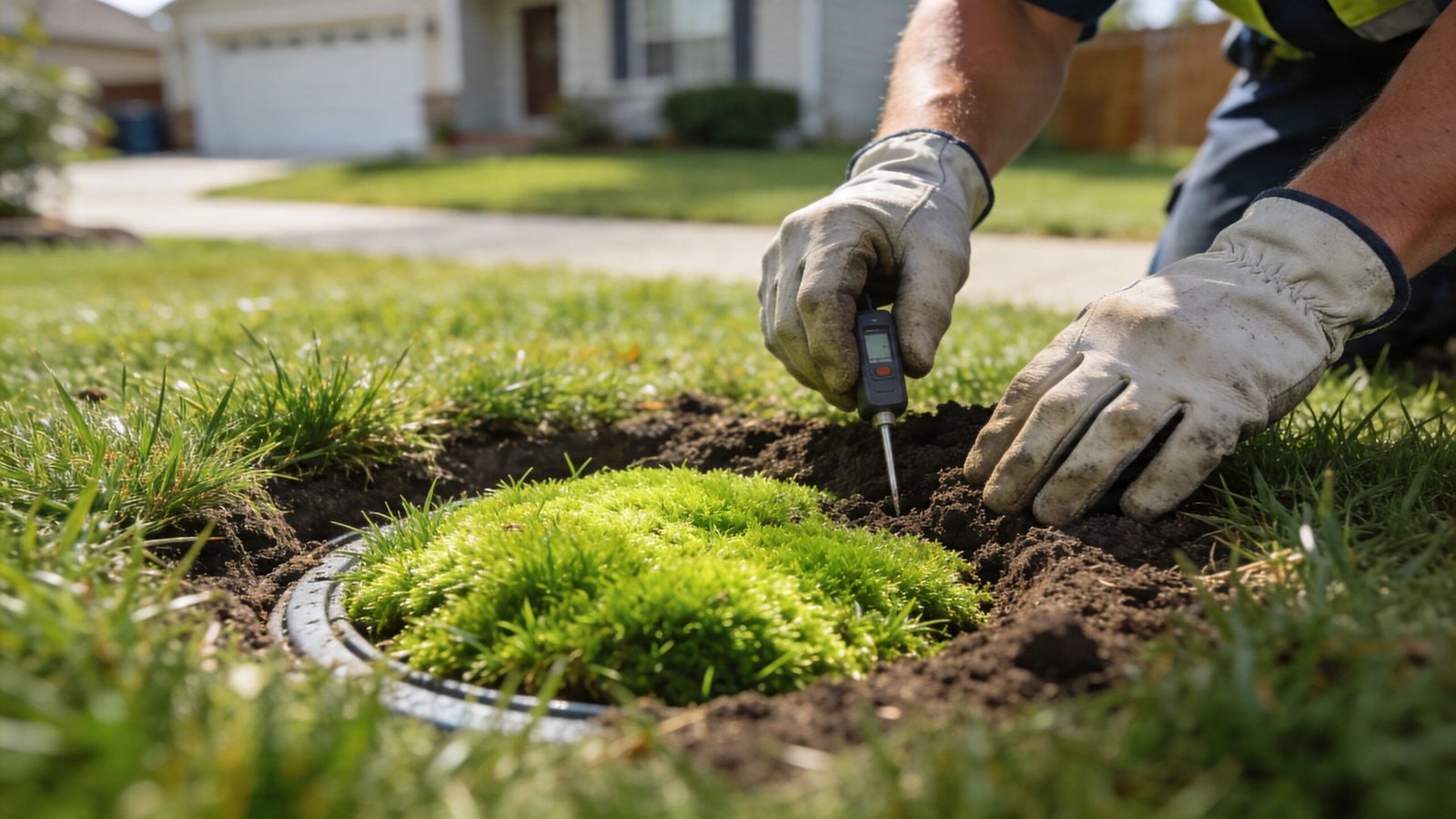
The early signs managers often miss
According to the Stanislaus County aerobic system guidance, an unusual chlorine odor can signal bacterial die-off, and persistent low water levels after pumping can indicate a tank crack. Those aren't cosmetic issues. Left alone, they can lead to backups that require professional biohazard cleanup and structural drying.
Other warning signs are less technical but just as important:
- Soggy ground or abnormally green growth over the dispersal area
- Repeated drain sluggishness in multiple fixtures
- Sewage odors indoors or around the tank area
- Control panel alarms or unexplained equipment noise
- Discolored discharge that suggests aeration isn't doing its job
Septic repair call or restoration call
Property managers lose time. They call one trade when they need two.
If the problem is contained within the treatment unit, tank, or dispersal field, call the septic service provider first. If wastewater has crossed into the building, soaked finishes, contaminated baseboards, reached cabinetry, or created lingering odor in occupied rooms, you also need a restoration crew.
A blocked interior line can mimic septic failure, so it helps to understand the basics of how to fix a blocked drain before assuming every slow drain is a full system collapse. But once sewage has entered the structure, diagnosis alone isn't enough. Contaminated water has to be removed, surfaces evaluated, and hidden moisture addressed.
What the response should look like
A solid response follows a sequence:
- Stop use of affected fixtures or units
- Isolate tenant access if contamination is inside
- Get the septic system assessed
- Start indoor mitigation and contamination control immediately
- Document all visible damage and moisture spread
This walkthrough is worth watching if you're trying to understand how quickly a septic-related condition can escalate into a property damage event.
If sewage touched flooring, drywall, insulation, or contents, you're no longer dealing with a maintenance item. You're dealing with contamination control.
When indoor exposure is involved, the restoration side typically includes extraction, removal of unsalvageable porous materials, cleaning, disinfection, drying, and odor treatment. For that phase, managers generally need a crew experienced in sewage damage cleanup for biohazard-affected areas, while the septic contractor handles the system failure itself.
Navigating Insurance Claims for Septic System Backups
Insurance questions usually arrive after the worst part has already happened. The floor is wet, the tenant is angry, and everyone wants to know whether the cleanup is covered.
The practical answer is that coverage often depends on how the loss happened, not just what got damaged. Sudden backup events may be treated differently from long-term neglect, deferred maintenance, or a known system defect that was allowed to continue.
What insurers usually want to see
Adjusters generally look for a timeline and evidence. That means:
- When the backup was discovered
- What immediate steps were taken
- Whether the owner maintained the system
- What materials were affected
- How far moisture and contamination spread
Documentation is key to changing outcomes. Photos, moisture readings, contamination mapping, service invoices, and a clear sequence of events all help distinguish a sudden loss from a preventable one.
Where septic claims get complicated
Septic-related losses often overlap categories. One part of the claim concerns the failed wastewater event. Another concerns demolition, drying, cleaning, and repairs inside the structure. If mold develops after delayed reporting or delayed mitigation, that can create a second layer of friction.
Property managers who want a broader consumer overview can review this roundup of top restoration companies and what to look for after a property damage event. The key point isn't the list itself. It's the reminder that insurer communication, scope clarity, and documentation quality affect the claim almost as much as the cleanup itself.
Claims reality: The cleaner your records are before the loss, the easier it is to show the event wasn't caused by neglect.
For a more specific breakdown of policy language and backup scenarios, this guide on whether homeowners insurance covers sewer backup is a useful starting point. For Los Angeles property managers, the operational lesson is simple. Keep maintenance records, act immediately, and don't wait for visible drying to substitute for proper mitigation documentation.
FAQs About Aerobic Septic Systems in California
Can an aerobic septic tank work well on a small Los Angeles lot
Often, yes. Aerobic systems are frequently chosen for Los Angeles properties where the site is tight, the layout is awkward, or the soil limits what a conventional system can do. Because treatment quality is higher, the dispersal area can sometimes be designed more efficiently than with a standard septic setup.
That does not mean every small lot is a good candidate. Setbacks, grading, access for service, local permitting, and how close the system sits to structures all affect whether the installation makes sense and whether future repairs will be manageable.
How long does an aerobic system last
With consistent maintenance, an aerobic system can stay in service for decades. In the field, lifespan usually comes down to four factors. Tank condition, blower and pump reliability, hydraulic loading, and how quickly minor problems are corrected.
I have seen expensive systems wear out early because alarms were ignored, solids were not managed, or surface drainage kept soaking the treatment area. I have also seen older systems keep performing because the owner kept service records, replaced worn components on time, and fixed water-use problems before they became contamination events.
Can a property manager handle maintenance without a service company
A property manager should oversee the system, track service dates, keep records, and respond fast to tenant complaints. Hands-on maintenance is a different job.
Aerobic units have electrical parts, aeration equipment, control panels, and treatment performance issues that need trained service. In many California situations, using a qualified septic professional is the practical path for both compliance and risk control. For a managed property, that matters because missed maintenance can later become part of an insurance dispute after a backup.
What happens to an aerobic system during a power outage
Aerobic treatment depends on powered aeration. If power drops, treatment quality can drop with it.
A short outage may not create an immediate indoor loss. A longer outage, repeated outages, or a failed blower after power returns can lead to odors, poor effluent quality, and stress on the disposal area. If tenants report slow drains, sewage smell, or wet soil soon after an outage, treat it as an active system issue, not a wait-and-see problem.
Does an aerobic septic tank increase property value
It can improve a property's utility when the lot would otherwise be hard to serve. For some Los Angeles sites, that is the difference between a workable wastewater solution and a property with ongoing limitations.
Buyers and insurers do not place value on the label alone. They look at condition, maintenance history, service access, and whether the system has caused interior water damage, sewage cleanup, or unresolved moisture problems. A neglected aerobic system can hurt a sale faster than an advanced system helps one.
When should I call restoration instead of waiting for the septic contractor
Call restoration as soon as wastewater reaches the building envelope, flooring, drywall, cabinets, insulation, or contents. At that point, the problem is no longer limited to treatment equipment.
A septic contractor addresses the system failure. A restoration team addresses contamination, extraction, demolition, drying, cleaning, odor control, and documentation. On a rental property, delay raises the chance of secondary damage, tenant complaints, and disputed insurance scope.
If you're dealing with an aerobic septic tank problem, sewer backup, or moisture damage inside a Los Angeles property, Onsite Pro Restoration can help assess the damage, document conditions for insurance, and handle the cleanup and drying work that follows a septic-related loss.