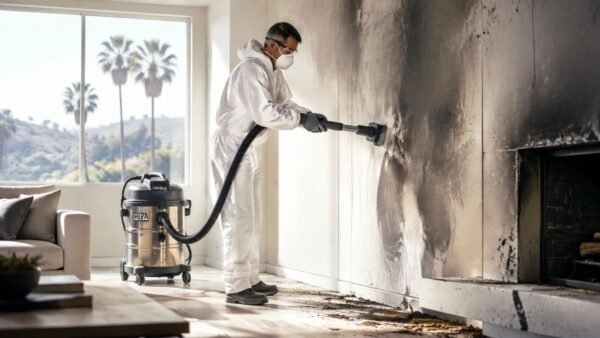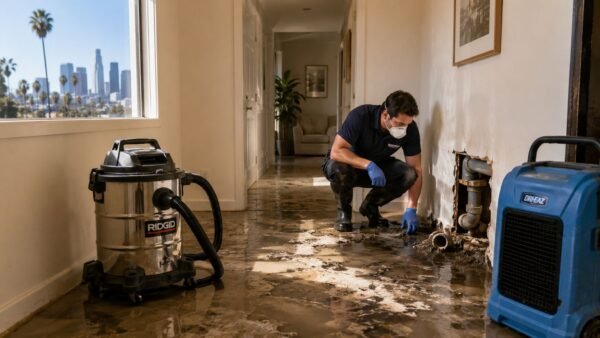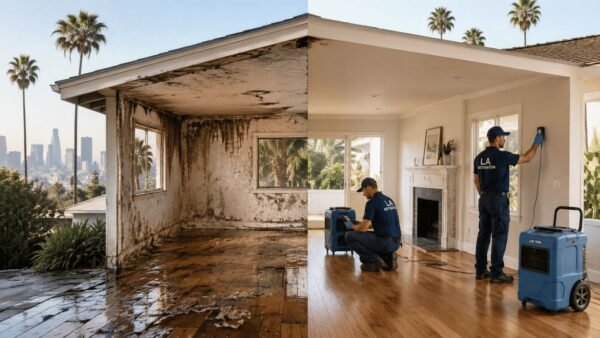

Dealing with bird droppings is one of those pesky homeowner chores that seems simple enough. But if you get it wrong, you can cause real, permanent damage. The trick to clean bird poop from your car, home, or business without scratching surfaces or leaving stains is to soften the dried-on mess first. Only then can you gently wipe it away.
For minor spots, a DIY approach works. But for larger accumulations common in Los Angeles, you may need professional help.
Schedule a Free Inspection and Assessment Now
Why You Must Clean Bird Droppings Properly
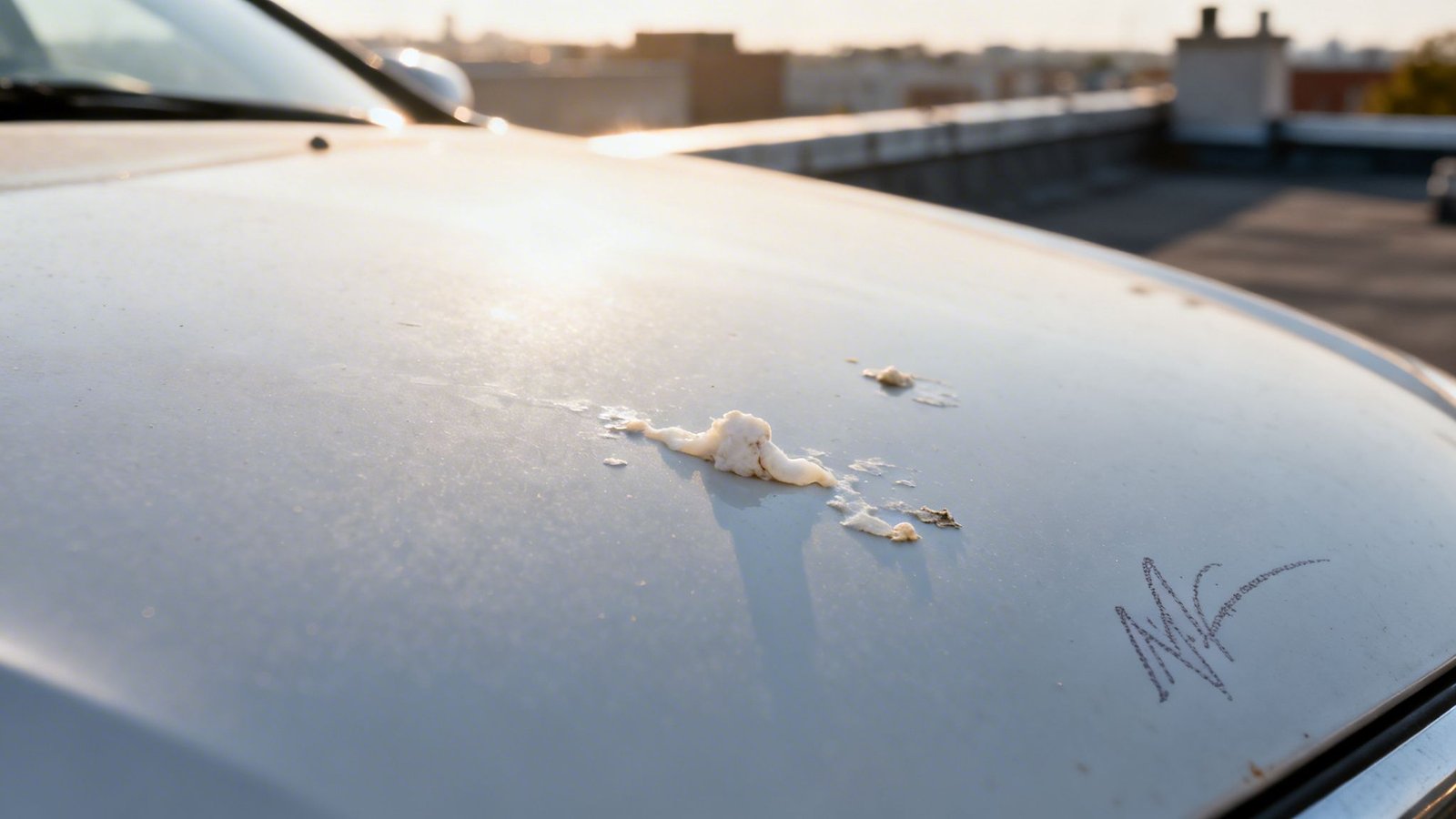
That harmless-looking splatter on your car, patio, or windowsill is a lot more than just an eyesore. It’s a nasty brew of corrosive acids and potentially dangerous pathogens. Ignoring it isn't just a matter of looks—it's a gamble with your property's condition and even your health. Learning how to clean bird poop the right way is a crucial piece of home maintenance know-how for any Los Angeles property owner.
The Corrosive Nature of Uric Acid
Here’s a fact that surprises most people: the white part of bird droppings isn't feces. It's uric acid. This substance is highly concentrated and starts eating away at surfaces almost immediately.
- On Car Paint: In the intense Los Angeles sun, the acid bakes right into the finish. It can etch through your car’s clear coat in just a few hours, leaving behind dull spots that only a professional paint correction can fix.
- On Roofing Materials: When droppings build up on a flat-roof home in Sherman Oaks, they can degrade asphalt shingles, eat through metal flashing, and compromise rooftop membranes. This often leads to leaks and expensive repairs down the road.
- On Stone and Concrete: The acid reacts with calcium carbonate, a key component in limestone, marble, and concrete. The result is permanent pitting and staining that you can't just wash away.
This corrosive effect also impacts specialized equipment. Bird droppings on solar panels, for example, can seriously cut their energy output. As this guide on Do Solar Panels Need Cleaning for Peak Performance explains, regular washing is essential to keep them efficient.
The Hidden Health Risks Linked to Bird Droppings
Beyond the physical damage, dried bird droppings create a significant health risk. Once they dry out, they turn into a fine powder that you can easily breathe in when disturbed.
The biggest concern here is Histoplasma capsulatum, a fungus that thrives in soil enriched with bird droppings. When you inhale its spores, you risk developing histoplasmosis, a respiratory infection. Symptoms can range from a mild, flu-like illness to severe lung complications, especially for anyone with a compromised immune system.
The serious risks to both health and property have fueled a growing demand for professional cleaning services. More people are aware of diseases like histoplasmosis and cryptococcosis, which can be transmitted when dried droppings get into HVAC systems and spread contaminants indoors. It's a common problem in cities like LA, where pigeons flock to commercial buildings in Downtown or homes in the Valley.
When you’re dealing with a large amount of contamination, especially inside a building, a simple wipe-down just isn't enough. These situations call for a professional approach to safely remove the biohazard risk. You can learn more about what goes into a proper https://onsitepro.org/biohazard-clean-up/ to ensure the area is truly safe and sanitized.
Your Essential Safety Gear and Area Prep
Before you even think about scraping a single bird dropping, let’s be clear: this isn’t your average weekend cleanup. The goal isn't just to get rid of the mess. It's about protecting yourself from the serious health risks we talked about earlier. Treating this like a biohazard job isn't an overreaction—it's smart.
Gearing up and prepping the area are the non-negotiable first steps.
Assembling Your PPE Kit
Your personal protective equipment (PPE) is the only thing standing between you and inhaling dangerous fungal spores or getting corrosive uric acid on your skin. Don't even think about skipping these items, even if it looks like a small job.
- N95 or P100 Respirator: A simple cloth or dust mask is useless here. You absolutely need a respirator rated to filter out microscopic airborne particles, like the spores that cause histoplasmosis. Make sure it forms a tight seal over your nose and mouth.
- Waterproof Gloves: Disposable nitrile or a pair of heavy-duty rubber gloves are mandatory. They block direct skin contact with the droppings, which are loaded with pathogens and acid that can irritate or burn your skin.
- Safety Goggles: Splashes are inevitable when you start spraying and scrubbing. Full-seal goggles are the only way to protect your eyes from getting hit with contaminated water and debris.
Pro-Tip: Before you touch a scraper or a brush, lightly mist the dried droppings with water. This is a critical step. It weighs down the dust and prevents those hazardous particles from going airborne, drastically cutting down your risk of inhalation.
Securing and Preparing the Cleanup Area
Once you're properly geared up, it's time to prep the environment. This means containing the mess and keeping others—especially pets and kids who might wander through—safely away. A well-prepped area makes the entire cleaning process safer and more efficient.
For bigger jobs with heavy contamination, it helps to understand how the pros handle containment. Our guide on hazardous materials cleanup walks through the exact protocols certified technicians use.
First, secure the area. Use caution tape, cones, or just lock the doors to keep children and pets out while you’re working. If you're cleaning a public-facing storefront in West Hollywood, it's best to schedule the work during off-hours to avoid exposing anyone.
Next, get some air moving. If you’re working in a confined space like an attic, garage, or a covered balcony in a Sherman Oaks apartment, open every window and door you can. Set up fans to create cross-ventilation, pushing air out of the space and away from the rest of the building. Never, ever try to clean a large accumulation of droppings in a sealed, unventilated room.
How to Clean Bird Poop From Common Surfaces
There's no single, universal method for cleaning bird poop. The right approach depends entirely on the surface you're dealing with. The uric acid in bird droppings is surprisingly corrosive and can quickly etch delicate materials like car paint or leave permanent stains on porous ones like concrete.
Using the wrong technique can easily do more harm than good. Below, we'll walk through the best practices for the most common surfaces around your home or business, from your patio to your car's finish.
Call (818) 336-1800 for a Free Assessment
Bird Poop Cleaning Solutions by Surface Type
This table gives you a quick-glance guide for matching the right cleaning agent and method to the material you're working on.
| Surface Material | Recommended Cleaner | Application Method | Key Precaution |
|---|---|---|---|
| Concrete/Brick | Baking soda paste or commercial cleaner | Scrape, apply paste, scrub with a stiff brush | Avoid metal scrapers that can gouge the surface |
| Wood Deck | Mild soap and water; 50/50 vinegar-water solution for stains | Soften with a wet rag, then gently lift and wipe | Never scrape dry droppings; test vinegar solution first |
| Car Paint | Dedicated bird dropping remover or quick detailer spray | Spray, let sit, then gently lift with a microfiber towel | Do not rub or wipe dry; this grinds abrasives into the clear coat |
| Glass/Windows | Glass cleaner or 50/50 vinegar-water solution | Spray generously, let soak, then wipe with a microfiber cloth | A plastic razor blade can be used for stubborn spots, but be careful not to scratch |
Think of this as your starting point. Always test any cleaning solution on a small, hidden area first to ensure it doesn't cause discoloration or damage.
Cleaning Bird Poop From Concrete and Pavers
Concrete, brick, and stone pavers might seem tough, but their porous nature makes them a magnet for bird dropping stains. The goal here is to neutralize the acid and lift the stain without scrubbing it deeper into the material.
If you catch a dropping while it's fresh, a simple scrub might be all you need. But for those dried, baked-on stains, you’ll have to be more methodical.
- Scrape Solids: Use a plastic putty knife to gently lift away any dried, caked-on material. Metal tools are a bad idea—they can easily scratch or chip concrete and pavers.
- Neutralize with a Paste: Mix baking soda and a little water until you have a thick paste. Baking soda is alkaline, which is perfect for neutralizing the uric acid left in the stain.
- Apply and Wait: Spread the paste generously over the entire stain. You need to let it sit and work for at least 15-20 minutes. This gives it time to break down the acidic components.
- Scrub and Rinse: With a stiff-bristled nylon brush (never wire), scrub the area in a circular motion. Finish by rinsing thoroughly with a hose or a bucket of clean water. A pressure washer on a low setting also works well for larger areas.
How to Safely Clean Bird Droppings From Wood Decks
Wood decks—whether stained, sealed, or painted—are especially vulnerable. The acid in bird droppings can eat right through sealants and discolor the wood itself, while aggressive scrubbing can ruin the finish.
The most common mistake I see homeowners make is letting droppings bake onto a deck in the sun. A dropping left on a deck in Santa Monica for a week in July can cause discoloration that requires sanding and refinishing to truly fix.
Your approach here needs to be gentle but effective.
First, never try to scrape a dry dropping off a wood deck. You’re almost guaranteed to take the finish right off with it. Instead, soak a rag in warm, soapy water (dish soap and water is fine) and lay it over the spot for 10-15 minutes to soften it.
Once softened, the dropping should lift away easily with a soft cloth. Always wipe from the outside of the spot inward to keep from smearing the mess. If a faint stain is left behind, a solution of equal parts white vinegar and water can help. Apply it with a soft brush, give it a gentle scrub, and rinse well with plain water.
The principles for cleaning porous wood without causing damage are similar to other restoration tasks. For more insights on lifting tough stains, our guide on how to wash soot off walls shares some related techniques for cleaning stained surfaces.
Removing Droppings From Car Paint
Speed is everything when it comes to your car. The combination of uric acid and the sun's heat can etch your vehicle’s clear coat in just a few hours.
The gear you use matters, especially if you're dealing with a large accumulation.

As this shows, a respirator, gloves, and goggles are non-negotiable for protecting yourself from airborne pathogens and corrosive materials during any significant cleanup.
Whatever you do, never use a dry towel to wipe a dropping off your car. You’re just grinding an abrasive mess into your paint, causing tiny scratches.
- Use a dedicated bird dropping remover spray or a quick detailer spray. These products are designed to neutralize the acid while lubricating the surface to prevent scratches.
- A good alternative is to place a microfiber towel soaked in warm, soapy water over the spot for a few minutes. Let it soften completely.
- Once it's soft, gently lift the dropping off the surface. Don’t rub. Fold the towel and use a clean section to wipe away any residue.
Best Methods for Cleaning Glass Windows and Doors
Glass is non-porous and highly resistant to acid, which makes it one of the easiest surfaces to clean. The main risk here is smearing the mess or accidentally scratching the glass if the dropping contains sand or grit.
Start by spraying the spot with a generous amount of glass cleaner or a 50/50 mix of white vinegar and water. Let it soak for a minute to dissolve the solids. From there, just use a clean microfiber cloth to wipe it away. If you have a particularly stubborn, dried-on spot, you can carefully use a plastic razor blade to scrape it off before cleaning.
Whether the mess is on your car, windows, or patio, knowing the right way to tackle it is key. For more detailed advice, this guide on how to clean bird poop from any surface offers a great deep dive without risking damage to your property.
The Hidden Costs of Ignoring Bird Droppings
We see it all the time. A property owner figures a few bird droppings are just an eyesore they can deal with later. But that "later" often turns into a shockingly expensive problem, as what starts as a minor cosmetic issue quickly spirals into structural and mechanical failures.
Bird droppings aren't just messy; their uric acid content is incredibly corrosive. Think of each one as a tiny, relentless chemical spill. On a car, it can permanently etch the paint in a single afternoon. On a building, the damage is far more severe and widespread.
Structural Damage and Costly Repairs
The real financial danger comes from accumulation. When droppings are left to build up on roofs, balconies, and ledges, the corrosive material eats away at everything it touches. It degrades roofing materials like shingles and metal flashing, creating weak spots that are prime targets for leaks.
A single, seemingly minor roof leak caused by corroded flashing can lead to thousands of dollars in water damage restoration, attic decontamination, and potential mold growth if not addressed immediately.
This is a scenario we encounter frequently in Los Angeles County. A client in Burbank had birds nesting near their commercial building's HVAC unit. They put off the cleanup, but the accumulating droppings eventually clogged the main air intake vent. The result was a $4,000 repair bill for the HVAC system, plus a professional biohazard cleanup to decontaminate the ductwork.
The global economic toll of invasive birds is staggering, largely due to their acidic droppings that damage stone, metal, and vehicles. Worldwide, these impacts have led to costs of approximately US$3.6 billion. In dense urban areas like Los Angeles, feral pigeons accelerate the deterioration of historic buildings and commercial rooftops. We've seen untreated properties lose 15-20% of their value from visible damage alone.
The Domino Effect of Clogged Gutters
One of the most overlooked consequences is what happens when droppings wash into your gutters. Mixed with leaves and other debris, they form a thick, heavy sludge that completely blocks the flow of water.
This single blockage triggers several costly problems:
- Water Backup: Trapped water has to go somewhere. It will spill over the gutter's edge, often seeping behind siding and directly into your home’s walls.
- Roof Damage: Trapped water can damage the edge of your roof and fascia boards.
- Foundation Issues: Water spilling over the sides saturates the ground near your foundation, which can lead to cracks and serious structural instability over time.
Perhaps the most dangerous secondary effect is mold. The constant moisture from a clogged gutter system creates the perfect breeding ground for mold inside your walls and attic. What started as a simple need to clean bird poop has now morphed into a complex and expensive mold remediation project.
Understanding what mold remediation costs really puts the value of preventative cleaning into perspective. Proactive cleanup isn't about aesthetics—it's a smart financial investment to stop massive restoration bills before they ever happen.
When to Call a Professional Biohazard Cleanup Service in Los Angeles
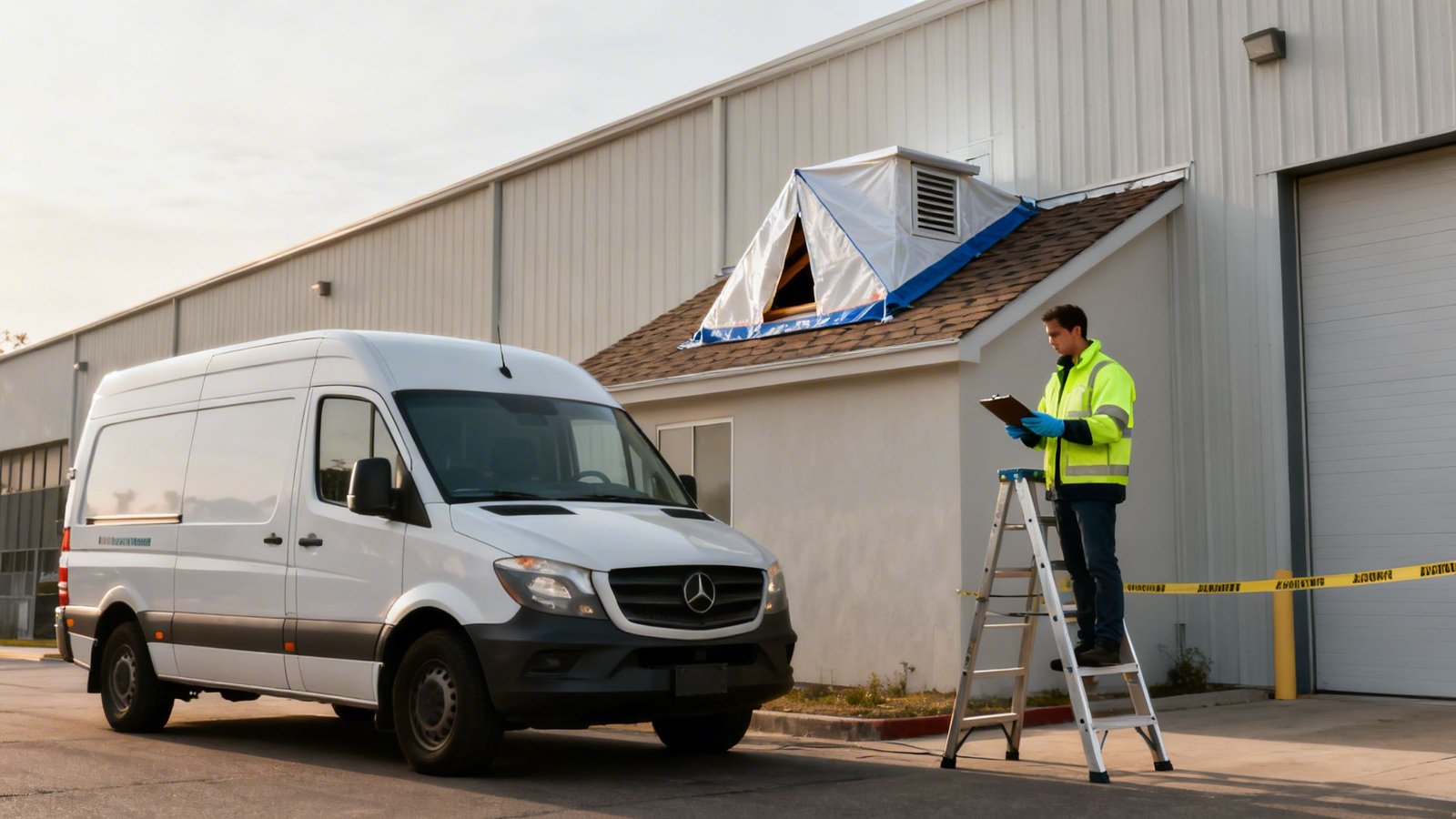
While you can handle minor bird dropping incidents with the right safety gear, some situations quickly escalate beyond a simple DIY task. Knowing when to step back and call for professional help is crucial for protecting your property and, more importantly, your health. These aren't just bigger messes; they are legitimate biohazard scenarios that demand specialized expertise.
Trying to clean bird poop from a large or complex site without proper training can expose you to dangerous pathogens and lead to cross-contamination, spreading hazardous materials throughout your home or business.
Clear Triggers for Professional Intervention
How do you know when you've crossed the line from a simple chore into a hazardous waste problem? Certain red flags are immediate signals that the job is too big or too risky to handle on your own. If you encounter any of these, it's time to call in a certified restoration company.
- Large Accumulations: A few droppings on a patio are one thing. An entire attic, balcony, or rooftop covered in inches of droppings is a different category altogether. Any accumulation covering more than a few square feet is a clear sign you need professional help.
- Poorly Ventilated Spaces: Cleaning droppings in enclosed areas like attics, crawlspaces, or boiler rooms is extremely dangerous. Without proper ventilation and containment, you risk filling the air with fungal spores and bacteria—a serious inhalation hazard.
- Contamination of HVAC Systems: If birds were nesting near an air intake vent, there's a high probability that hazardous dust has been pulled into your ductwork. This can spread pathogens throughout the entire property every time the system turns on. Only professionals can safely decontaminate an HVAC system.
- Droppings from Sick or Deceased Birds: If you find deceased birds or suspect the droppings are from a sick flock, the risk of disease transmission is significantly higher. Don't take chances.
The global market for pigeon dropping removal is projected to hit $700 million by 2033, driven by a growing awareness of hygiene standards and health regulations. This underscores a critical, recognized need for professional services when dealing with significant biohazard accumulations. You can learn more in the full research report on pigeon droppings removal service trends.
What IICRC-Certified Technicians Bring to the Job
When you hire a company like Onsite Pro, you aren't just getting a cleaning crew. You're bringing in IICRC-certified technicians trained specifically in biohazard remediation. We follow strict industry protocols to ensure the site is not just clean, but completely neutralized and safe.
Our process involves key steps a DIY cleanup simply can't replicate:
First, we conduct a site assessment to gauge the contamination's scope. We then establish a containment zone with heavy-duty plastic sheeting and negative air pressure machines. This critical step prevents airborne spores from escaping the work area and contaminating the rest of your property.
We then use professional-grade biocides. We don't use soap or vinegar; our technicians apply EPA-registered antimicrobial agents formulated to kill pathogens like Histoplasma capsulatum and Cryptococcus at the source.
All contaminated materials are then carefully bagged, sealed, and disposed of according to local and federal regulations for biohazardous waste. This isn't something you can just toss in the regular trash.
Finally, we address secondary damage. Large accumulations of bird droppings often point to other issues like roof leaks, water intrusion, or mold growth. As a full-service restoration company, we can identify and fix these related problems, providing a complete solution.
For situations involving complex or widespread contamination, our team is equipped to handle the entire process. Our expertise in hazardous waste and spill cleanup ensures that we can manage even the most challenging biohazard scenarios safely and effectively.
Your Questions About Bird Dropping Cleanup Answered
Even after you get the basics down, specific cleanup scenarios can leave you with questions. Here are the straight answers to the questions we hear most often from homeowners and property managers across the Los Angeles area.
Can I Just Hose Down Bird Droppings?
Absolutely not. Blasting bird droppings with a high-pressure hose is one of the worst things you can do, especially if you’re dealing with a large accumulation. It might look like a fast solution, but it actually creates a dangerous, aerosolized mist.
This fine spray is filled with pathogens like Histoplasma and is easily inhaled. It can drift through open windows or get sucked into your HVAC system, spreading contamination far beyond the original mess. Always pre-soak droppings gently with a low-pressure mister or spray bottle first to weigh them down before you try to remove them.
How Long Does It Take for Bird Poop to Damage Car Paint?
The clock starts ticking the second the dropping hits your car. Its uric acid immediately starts reacting with the clear coat. On a hot, sunny Southern California day, that acid can begin to etch into the paint in as little as one to two hours.
Don't make the mistake of leaving a dropping on your car for "just a week." That's often far too long. Once the acid eats into the clear coat, the damage is permanent and will take a professional paint correction service to fix. No amount of wax or ceramic coating provides indefinite protection against this kind of acidic attack, which is why getting it off immediately is so critical.
What’s the Best DIY Cleaner for Bird Poop?
For tough, non-porous surfaces like concrete, a simple paste made from baking soda and water is a great choice. Baking soda is alkaline, so it does a good job neutralizing the uric acid, which makes the droppings safer and easier to lift.
If you're cleaning more delicate surfaces like a wood deck or your car's paint, a simple mix of warm water with a few drops of pH-neutral dish soap is a much safer bet. For glass, a 50/50 solution of white vinegar and water cuts through it well. No matter what you use, always test it on a small, hidden spot first.
Is It Safe to Clean Bird Poop When Pregnant?
No, we strongly advise against it. It is not recommended for pregnant individuals to clean bird poop. The main danger is inhaling airborne fungal spores, particularly Histoplasma capsulatum, which is known to cause histoplasmosis. Other bacteria and pathogens also pose a significant risk.
Because of the potential health complications for both the mother and the developing fetus, this is a job that absolutely must be delegated to someone else or handled by a professional biohazard cleanup service.
Does the Color of Bird Poop Mean Anything?
Yes, the color and consistency of droppings can tell you a bit about the bird's diet, species, and even its health. While you can't make a formal diagnosis, here are a few things to look for:
- Green or Brown: This is the fecal matter itself. The color usually reflects what the bird has been eating, like seeds, insects, or plants.
- White: This paste-like part is the uric acid, which is the bird's version of urine. It's also the most corrosive component of the dropping.
- Brightly Colored (Red, Yellow, Purple): This is almost always a sign the bird has been feasting on berries or colorful fruits.
Keep an eye out for abnormal colors, like bright green or runny yellow droppings. These can be a sign of illness in a bird, which elevates the biohazard risk. If you see droppings like this, especially near a bird that looks sick, use extreme caution.
When Is It Absolutely Necessary to Call a Professional?
You should always bring in a professional for any cleanup that covers more than a few scattered square feet. This is especially true for accumulations in enclosed spaces like attics, crawlspaces, or commercial warehouses in the Los Angeles area. If there's any chance the contamination has reached your HVAC system, it's a non-negotiable call.
Professionals are essential for their specialized containment methods, access to EPA-registered biocides, and the legal disposal of biohazardous waste. These are critical safety steps that simply can't be replicated in a DIY job. When it comes to your property and your family's health, it’s not worth the risk.
When DIY cleanup isn't enough, you need experts who can handle hazardous situations safely and effectively. Onsite Pro Restoration provides IICRC-certified biohazard and restoration services across Los Angeles.
Schedule a Free Inspection and Assessment Now