
Cleaning soot off a wall isn't a one-step job. It's a two-stage process: first, you lift the loose, powdery particles, and then you wash away the greasy stains left behind. The right way involves a special dry-cleaning sponge or a HEPA vacuum for that first step. This approach is critical because it stops you from smearing the oily residue—a common mistake that just grinds the mess deeper into your wall. Knowing how to remove soot from walls correctly can save you from costly repairs down the road.
Dealing with the aftermath of a fire or even a minor soot issue can be overwhelming. Onsite Pro Restoration offers professional fire damage cleanup to ensure your home is safe and spotless.
Why Soot on Walls Is More Than Just a Stain

When you see those black streaks after a small kitchen fire or a candle mishap, it’s tempting to think a quick wipe with a wet rag will fix it. But that dark film is far more destructive than it looks. You have to know how to remove soot from a wall the right way, or you'll make things worse.
Soot isn't like regular household dust. It’s a greasy, acidic byproduct of something burning incompletely. Picture a forgotten pan on the stove in a Sherman Oaks kitchen—that oily smoke creates a sticky residue that clings to every surface and immediately starts to cause damage.
The Aggressive Nature of Soot Damage
Soot particles are microscopic, which is why they get into everything. They easily penetrate porous surfaces like drywall, wood, and even wallpaper. The real problem, though, is their chemical makeup.
- Acidic Properties: Soot contains acidic compounds that literally etch and discolor surfaces. In as little as 48 hours, it can cause permanent stains on paint and start tarnishing metal fixtures.
- Oily Residue: Most soot, especially from kitchen flare-ups involving grease or plastics, has an oily base. This is exactly why water is your enemy at first. It just smears the grease around, spreading the stain and pushing it deeper into the wall.
- Abrasive Texture: Those fine carbon particles act like a very fine sandpaper. If you start scrubbing aggressively, you'll scratch and ruin the finish on your walls, furniture, and fixtures.
Key Takeaway: Treating soot like it's just dirt is the single biggest mistake people make. Its oily and acidic nature means it doesn't just sit on a surface; it actively degrades it. A fast, correct response is the only way to prevent irreversible damage.
The Hidden Health Risks of Soot Exposure
Beyond the damage to your home, soot is a serious health hazard. Breathing in those tiny particles can irritate your eyes, nose, and throat. For anyone with a respiratory condition like asthma or COPD, exposure can trigger severe symptoms.
These particles are often loaded with carcinogens and other toxic chemicals, depending on what materials burned.
In a place like Los Angeles, our homes are often sealed up tight for the air conditioning. This means those particles can linger in the air and get circulated by the HVAC system, contaminating the entire house. It’s why real cleanup involves more than just washing walls; it requires professional air purification. This is a critical step that DIY efforts almost always miss.
Proper fire damage restoration isn’t just about cleaning what you can see; it’s about making sure the air you breathe is safe again. Understanding what soot really is—an aggressive contaminant that damages property and harms your health—is the first step to getting rid of it correctly.
The Essential Toolkit for Soot Removal
Before you even think about touching that wall, stop. Your first move will either set you up for success or grind that oily soot so deep into the drywall that it becomes a permanent stain. I’ve seen it countless times: a homeowner grabs a wet rag and a bottle of cleaner, and a manageable problem instantly becomes a restoration nightmare.
Proper prep and the right tools aren't just a suggestion—they're non-negotiable. This is about more than just cleaning. It's about setting up a safe, contained work area so you don't make things worse. Those tiny soot particles are nasty, and if you're not careful, they'll travel right through your HVAC system and contaminate every room in your house.
Safety First—Always
Let's be clear: your health is priority number one. Soot is packed with toxic, acidic particles that can wreak havoc on your respiratory system. Never, ever start a soot cleanup job without the right Personal Protective Equipment (PPE).
- N-95 or P-100 Respirator Mask: A simple dust mask won't cut it. You need a respirator built to filter the fine particulate matter found in soot.
- Safety Goggles: Protect your eyes from falling debris and whatever becomes airborne as you work.
- Nitrile Gloves: These do two things. They protect your skin from the acidic residue, and they stop the natural oils on your hands from smearing the soot even more.
Contain the Damage
Next, you need to isolate the room to prevent cross-contamination. This is a standard professional step that makes a massive difference in the final result.
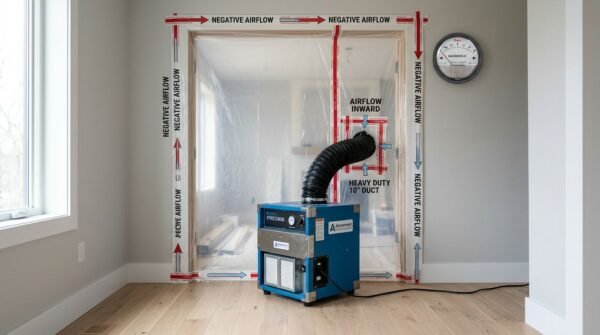
Before you start wiping anything, shut off your home’s HVAC system completely. This is critical. Leaving it on is like giving soot a free ride through your ductwork to the rest of the property. Once it's off, seal all air vents, registers, and doorways with plastic sheeting and painter's tape. You're basically creating a sealed work chamber.
Essential Soot Removal Supplies Checklist
Having the right tools is what separates a successful DIY job from a disaster. Unlike regular dirt, soot demands a specific two-phase approach: dry cleaning first, then wet cleaning. The table below outlines exactly what you'll need.
| Category | Item | Purpose |
|---|---|---|
| Dry Removal | Chemical Dry Cleaning Sponges | Made of vulcanized rubber, these are the single most important tool for the first phase. They lift loose soot off surfaces without smearing it. |
| HEPA-Filter Vacuum | A vacuum with a HEigh-Efficiency Particulate Air (HEPA) filter is crucial for safely removing loose soot without blowing it back into the air. Use a soft brush. | |
| Wet Cleaning | Trisodium Phosphate (TSP) | A powerful degreaser that breaks down stubborn, oily soot stains. Handle it with care and dilute it exactly as instructed. |
| Mild Degreasing Dish Soap | For lighter soot, a simple solution of warm water and quality degreasing dish soap works well after the dry sponge pass. | |
| General Supplies | Drop Cloths or Plastic Sheeting | Protects your floors and any furniture you couldn't move from falling soot and cleaning drips. |
| Clean Buckets | You need at least two: one for your cleaning solution and another for clean rinse water. | |
| Soft Sponges & Microfiber Cloths | Used for the wet cleaning phase to apply the solution and rinse the wall without being too abrasive. |
Think of it this way: a dry chemical sponge is your best friend here. In professional jobs, especially after structure fires in places like West Hollywood and Beverly Hills, a fast and correct response is everything. Industry data shows that a shocking 62% of facility managers who try to clean up soot themselves actually make the damage worse. Black soot from grease fires embeds fast, but a dry chemical sponge can capture up to 85% of loose particles if you use it right away.
That quick action is what prevents the "ghosting" stains we see in 75% of delayed cleanups. You get one shot to do it right.
For larger jobs, or when you can tell the air is thick with particles, you need to bring in the heavy hitters. Renting an air scrubber will dramatically improve the air quality in your contained room, trapping those microscopic particles and helping kill the odor as you work. For more on that, see our guide on when to get an air scrubber rental for your project.
How to Remove Soot From Different Wall Surfaces
Once you've got your tools and taped off the area, it's time to get to work. Knowing how to remove soot from wall surfaces isn't about scrubbing harder—it’s about using the right technique for the specific material you're dealing with. The strategy for smooth, painted drywall in a Glendale home is worlds apart from cleaning a textured ceiling in a classic Burbank bungalow.
The golden rule is to always start with dry removal methods first. If you introduce liquid cleaners too early, you’ll turn that manageable soot into a smeared, permanent stain. Trust me, this initial dry pass is the most critical step and sets you up for a successful cleanup.
Handling Painted Drywall
Painted drywall is probably what you're facing, and thankfully, it's pretty straightforward to clean if you do it right. The key here is patience and a methodical approach.
First, grab your HEPA-filter vacuum with a soft brush attachment. Gently vacuum the wall from top to bottom, but don't press the brush hard against the surface. The idea is just to lift the loosest, heaviest layers of soot without any real contact that could smear it.
Next comes the real MVP of your toolkit: the chemical dry cleaning sponge.
- Start at the very top of the wall and work your way down.
- Use straight, single-direction strokes. Whatever you do, don't scrub back and forth or in circles.
- Once a side of the sponge is black with soot, flip to a clean side. You can even slice off the dirty layer with a utility knife to get a fresh surface.
This dry-cleaning process alone might be enough to get rid of all the visible soot. But if a greasy film is left behind, you can move on to wet cleaning. Mix up a solution of warm water and a good degreasing dish soap or a specialized soot cleaner. Always test your cleaning solution on a small, hidden spot first—like behind a door or inside a closet—to make sure it won’t damage the paint.
Pro Tip: When you get to the wet cleaning stage, use two buckets. One holds your cleaning solution, and the other has clean rinse water. After wiping a section, rinse your sponge in the clean water bucket before dipping it back into your cleaner. This simple step keeps you from re-applying dirty water to the walls.
Cleaning Textured and Popcorn Ceilings
Textured ceilings, especially the "popcorn" style, are a real pain because they trap soot like nothing else. Their rough, porous surface is incredibly delicate and will get damaged if you scrub too hard. Being aggressive will just knock the texture loose and create an even bigger mess.
For these ceilings, your HEPA vacuum is your best friend. Use the soft brush attachment and gently "pounce" or dab at the ceiling instead of dragging the brush. This light dabbing motion helps lift the soot out of the nooks and crannies without breaking off the texture.
After vacuuming, use a dry chemical sponge with the same gentle dabbing motion. No long, sweeping strokes here. Just press the sponge lightly onto a section, lift it, and move to the next. It’s slow, but it’s the only way to effectively clean soot off a delicate finish without ruining it. In most cases, you should avoid wet cleaning on unpainted popcorn ceilings because moisture can literally dissolve the texture and cause it to fall.
This infographic breaks down the essential prep work before you even touch a wall.

This visual guide really drives home that safety, containment, and the initial dry clean are the three pillars of a good soot removal strategy. It’s all about preventing a bigger mess and keeping the work environment safe.
Restoring Wood Paneling and Trim
Wood surfaces need a careful touch because their finish—whether it's painted, stained, or natural—is easy to damage. Just like with other surfaces, start by vacuuming with a soft brush, always moving in the direction of the wood grain.
Follow that up with a chemical dry sponge, again wiping gently with the grain. If a greasy residue is still there, you’ll need a cleaner made specifically for wood. A mix of mild dish soap and warm water can work, but make sure you wring out your sponge until it's just damp. Too much water will warp the wood or ruin the finish.
For more complex jobs, especially on historic or delicate surfaces, new technologies are really changing the game. Innovations like BELFOR's Soot Removal Film (SRF) can cut cleanup time by up to 70%. This is a huge deal for surfaces like the stone facades on some Sherman Oaks bungalows, where old-school cleaning methods reportedly damaged 25% of surfaces. This eco-friendly film sprays on, dries in about 15 minutes, and then peels off 95% of the soot without any water. This avoids the smearing that plagues 80% of DIY efforts on porous walls. To see how these advanced methods work, you can explore professional soot removal services.
The principles stay the same no matter the surface: dry first, wet second, and always test your methods in a hidden spot. These careful steps ensure you're actually cleaning the soot, not just making it a permanent part of your home. Of course, this kind of deep cleaning is often part of a much larger project, similar in scope to a detailed post-construction cleaning service.
How to Get Rid of Lingering Smoke Odors for Good

Learning how to remove soot from wall surfaces is a huge step, but the job isn't done until you tackle the smell. After all the visible grime is gone, an invisible enemy often sticks around: that stubborn, smoky odor that makes your home feel unlivable.
That lingering smell isn’t just in the air; it's a physical problem. Microscopic smoke particles have a way of working themselves deep into porous materials—drywall, insulation, wood framing, and even your furniture and carpets.
Simply spraying an air freshener is a temporary fix at best. It just masks the issue. The smell will creep back as soon as the spray wears off because the odor-causing particles are still embedded everywhere.
Why Smoke Odors Are So Persistent
Smoke particles are incredibly tiny and carry a greasy residue, which is why they cling to and seep into just about any surface they touch. This is how a small kitchen fire can make an entire house smell like an ashtray for weeks.
These particles get trapped inside materials and slowly release odor molecules back into the air over time. It’s a process called "off-gassing," and it’s what causes that seemingly permanent smoky smell. Real deodorization isn’t about covering up the scent; it's about neutralizing or removing those trapped particles.
Key Takeaway: The only way to permanently get rid of smoke odor is to remove the microscopic particles causing it. This means deep cleaning and specialized treatments that go way beyond just wiping down surfaces.
When the odor is severe, restoration pros bring in the heavy-duty equipment. Thermal fogging, for example, heats a deodorizing agent into a fine mist that behaves just like smoke. This fog follows the same paths the smoke did, penetrating porous surfaces to neutralize odor particles at their source.
Another pro-level method is ozone treatment, which uses a generator to chemically break down odor molecules. Both of these are powerful but are absolutely not safe for DIY attempts. They require specialized training and can be hazardous to people and pets if handled incorrectly.
DIY Strategies for Fighting Lingering Smells
For less severe odor problems, you can definitely make a dent yourself. The key is a multi-pronged attack that hits fabrics, air circulation, and absorption all at once.
- Deep Clean All Fabrics: Smoke odors love to embed in soft surfaces. Wash every curtain, piece of bedding, and article of clothing with a heavy-duty detergent that can break down grease. For carpets and upholstery, you'll likely need a professional steam cleaning.
- Replace Your Air Filters: Your HVAC system's filter has been working overtime, trapping tons of smoke particles. Swap it out immediately to stop recirculating that smoky air through your house.
- Get the Air Moving: Throw open the windows and set up fans to create cross-ventilation. This helps push stale, particle-filled air outside and bring fresh air in.
One of the most effective DIY odor-fighting tools is an absorber like activated charcoal. Just place several open bowls of it around the affected rooms. The charcoal's porous structure is fantastic at trapping and absorbing odor molecules right out of the air, slowly but surely clearing the smell.
Beyond cleaning, you have to address the overall air quality. It might be worth looking into whole home air purifiers to filter out any persistent smoke particles and make your home's air healthier to breathe.
Combining these efforts is the best way to make sure your home is truly clean, from the walls right down to the air you breathe.
When to Call a Restoration Professional for Soot Cleanup
A tiny puff of soot from a single candle is one thing. That’s a simple Saturday cleanup. But when you’re facing widespread soot, it’s critical to know when to put down the sponge and pick up the phone.
Trying to tackle a major soot problem yourself can quickly make things much, much worse. Knowing how to clean soot is important, but knowing when not to is the real key to preventing a small issue from becoming a costly, long-term nightmare.
Red Flags That Demand Professional Help
Some soot jobs look deceptively simple on the surface but hide much deeper problems. If you run into any of these situations, it's a clear signal that you need an IICRC-certified professional.
- Widespread Soot Contamination: Is the soot in more than one room? If so, your HVAC system is almost certainly contaminated. Professionals have specialized tools to clean out ductwork, preventing soot from recirculating through your entire home for months to come.
- Heavy, Oily Soot Residue: Soot from a kitchen grease fire or burning plastics is a completely different beast. It’s thick, sticky, and stubborn. This "wet" soot laughs at standard cleaners and requires specific chemical solvents and techniques to break it down.
- Soot on Delicate or Porous Surfaces: Textured ceilings, unsealed wood, natural stone, or antique furniture are incredibly easy to damage permanently. One wrong move with the wrong cleaner, and the item is ruined. Restoration pros know exactly how to treat these materials without causing more harm.
- Persistent, Pervasive Smoke Odor: If that smoke smell is everywhere, it means odor particles have burrowed deep into your walls, carpets, and even insulation. DIY air fresheners only mask the problem for a little while. The smell will always come back until the source is professionally neutralized.
Important Takeaway: The damage you see is often just the tip of the iceberg. Professionals are trained to find hidden soot and smoke inside wall cavities and HVAC systems, which is the only way to truly solve the problem.
The Dangers of Delaying Professional Cleanup
DIY attempts on extensive soot often backfire, and fast. Industry data shows that within just 24 hours after a fire, acidic soot begins corroding plastics and metals. Waiting a day can increase repair costs by up to 300%.
Let that sink in. By the 48- to 72-hour mark, permanent staining starts setting into walls and upholstery. What could have been a straightforward cleanup becomes a major structural overhaul. Here in Los Angeles County, many homeowners reach for a household cleaner, but most are water-based. That’s a huge mistake with oily soot, as it just smears the mess deeper into the porous drywall common in our homes. Not only does this lock the stain in for good, but the added moisture is a perfect recipe for mold growth in our coastal climate.
The Advantages of Certified Technicians
Hiring a certified company gives you more than just an expert cleaner; you get a systematic process that protects your property and brings order to a chaotic situation. Even if you have the right tools, there are items better left to professionals.
Here’s what a professional team brings to the table:
- Specialized Equipment: We’re talking about high-powered HEPA vacuums that trap microscopic particles, air scrubbers that purify the air, and thermal foggers that hunt down and neutralize odors embedded deep within materials.
- Professional-Grade Cleaning Agents: Certified technicians have access to industry-approved solvents that are powerful enough to break down oily soot but gentle enough not to destroy the surfaces underneath.
- Insurance Claim Assistance: This is a big one. A reputable restoration company provides meticulous documentation—photos, moisture readings, and detailed reports. This professional paperwork is exactly what your insurance adjuster needs to simplify and speed up your claim.
Ultimately, calling a pro ensures the job is done right the first time, safely and completely. To see exactly what that involves, you can learn more about our professional restoration process.
Frequently Asked Questions About How to Remove Soot From Walls
Q: Can I just paint over soot stains on my walls?
A: No. Trying to paint directly over soot is a mistake. The oily, acidic residue will bleed through the new paint, creating new stains. It also traps the smoke odor, which will continue to seep out over time. The wall must be thoroughly cleaned, then primed with a high-quality, stain-blocking primer before painting.
Q: Is it dangerous to clean soot myself?
A: Yes, it can be. Soot contains toxic microscopic particles that are easily inhaled when disturbed. This can cause respiratory irritation and aggravate conditions like asthma. Professionals use N-95 respirators, eye protection, and gloves, and deploy air scrubbers to maintain safe air quality during cleanup.
Q: What is the best cleaner for soot on walls?
A: The best "cleaner" for the first step is no liquid at all. Use a chemical dry cleaning sponge (also called a soot sponge) to lift dry, loose particles without smearing. For any remaining oily residue, a solution of a powerful degreaser like Trisodium Phosphate (TSP) or a strong degreasing dish soap in warm water is effective.
Q: Why does soot keep coming back after cleaning?
A: If soot "returns," it's usually because the source of the soot hasn't been fixed (e.g., a faulty furnace or fireplace), or because the HVAC system is contaminated and is recirculating particles throughout the house. A professional cleaning should always include an inspection and cleaning of the ductwork to prevent this.
Q: How long does professional soot removal take?
A: It depends on the scale. A minor incident in a small area can take a few hours. A single room with moderate soot might take 1-2 days. Widespread damage affecting multiple rooms and the HVAC system is a multi-day project requiring a full-scale restoration team.
Q: Will my homeowners insurance cover soot removal?
A: In most cases, yes. Standard homeowners policies typically cover damage from sudden and accidental events like fires, which includes smoke and soot cleanup. Professional restoration companies can provide the detailed documentation and itemized estimates your insurance adjuster will require to process the claim efficiently.
If you're dealing with soot damage that feels like too much to handle, or you just want the peace of mind that comes with knowing the job is done right, don't wait. The team at Onsite Pro Restoration is on call 24/7 to provide a free, no-obligation assessment and get your Los Angeles home back to the way it was.
Visit us online or call us anytime at https://onsitepro.org.