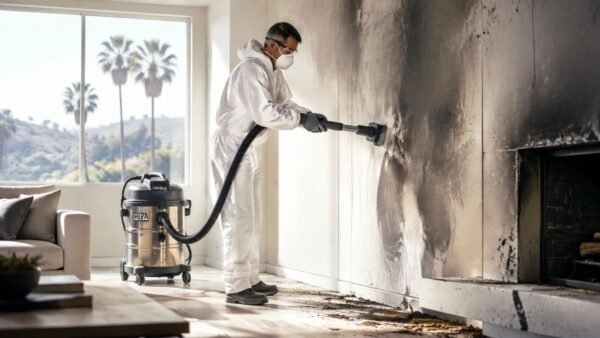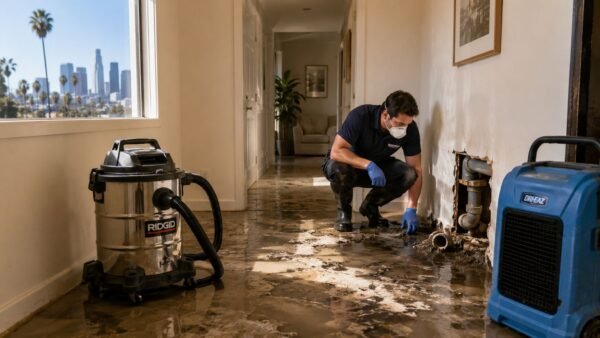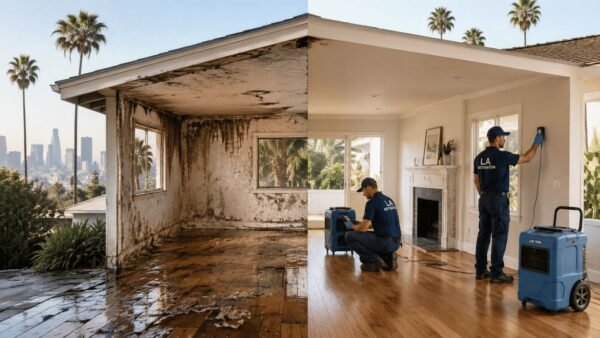

Replace every smoke alarm 10 years from its manufacture date, not the day you bought it, and replace it immediately if it's damaged, malfunctioning, or has been exposed to fire or water. A smoke alarm can still beep during a test and still fail where it matters most, because aging and contamination affect the sensor itself.
Most homeowners search when to replace smoke alarm because they want one clear rule. Here it is: if the date on the back puts it at 10 years old, it's done. If the alarm has been through a roof leak, plumbing leak, heavy smoke event, or fire, treat it as compromised and replace it now.
That matters in Los Angeles homes for a few practical reasons. Older houses in Sherman Oaks, Glendale, and Burbank often have mixed systems, some battery-only, some hardwired, some partially upgraded over the years. Post-damage jobs add another layer. After water intrusion or smoke contamination, the alarm itself may be the smallest part of the problem.
If you're building a broader home safety checklist, it also helps to keep a written emergency response plan template with your evacuation routes, utility shutoff information, and emergency contacts.
Your First Line of Defense An Introduction to Smoke Alarm Safety
Smoke alarms are simple devices, but the rule for replacement is not optional. The National Fire Protection Association guidance on installing and maintaining smoke alarms says all smoke alarms, including hardwired ones, should be replaced every 10 years because internal sensors degrade over time.
That one sentence answers the core question, but homeowners usually need more than that. They need to know what date matters, what damage counts, and what changes when the system is hardwired and interconnected.
Practical rule: Go by the manufacture date on the alarm, not the install date written on a calendar and not the date on a home improvement receipt.
In Los Angeles, I'd add one more rule from the field. If a home has had visible smoke, attic moisture, ceiling stains, or sprinkler discharge, don't assume the alarm is fine because the plastic housing looks normal. Contamination often reaches the sensing chamber before a homeowner sees anything on the outside.
What homeowners usually get wrong
A few mistakes come up again and again:
- Trusting the test button too much: The sounder can work even when the sensing element is aging.
- Replacing batteries but not the unit: Fresh power doesn't reverse sensor drift.
- Ignoring post-damage exposure: Water and smoke can affect electronics and sensing chambers in ways you can't see.
- Forgetting hardwired alarms still expire: Being wired into the house doesn't make the detector permanent.
If you own or manage a property in Los Angeles, CA, this is one of those maintenance items that has to stay on schedule. Delay doesn't save money. It just leaves a blind spot in the part of the house that's supposed to give you early warning.
Why Every Smoke Alarm Has a 10-Year Expiration Date
The 10-year rule isn't arbitrary. Smoke alarms age from the inside out. Dust, humidity, oxidation, and normal component wear reduce sensor reliability over time, which is why fire-safety authorities treat residential smoke alarms as having a limited service life.
A useful breakdown comes from this smoke alarm reliability fact sheet, which states that a smoke alarm has roughly a 3% failure rate by the end of the first year, about a 30% probability of failure by year 10, and over 50% by year 15. That's why you don't wait for complete failure.
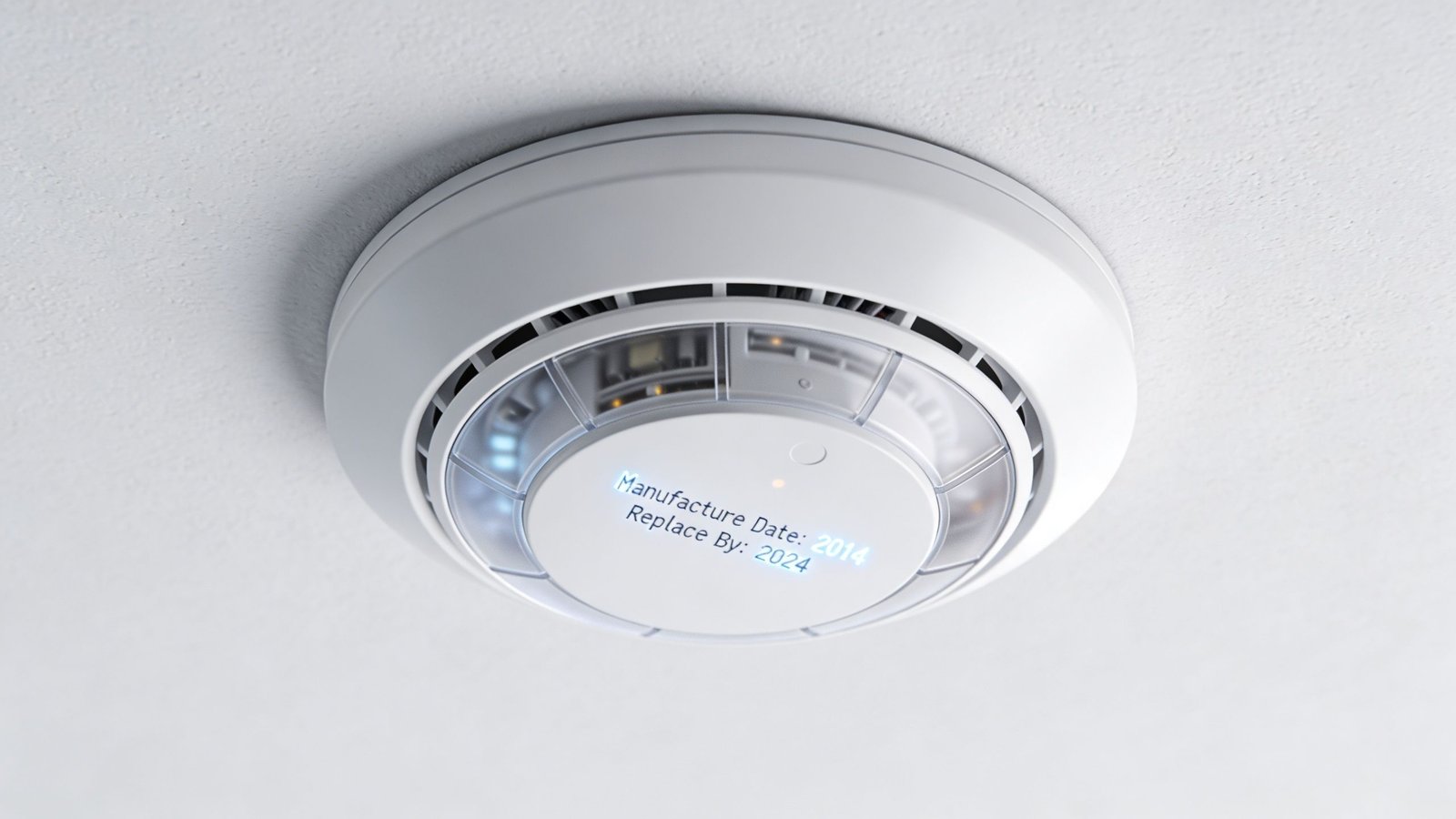
The date that matters
Homeowners often track the wrong milestone. What matters is the manufacture date printed on the back of the alarm. That date starts the service life clock.
Use this quick check:
- Remove the alarm safely according to the manufacturer's instructions.
- Find the printed manufacture date on the back or side label.
- Count forward 10 years.
- If there's no readable date label, replace the unit.
Los Angeles homes collect dust fast, especially near busy streets, older HVAC systems, and attic return paths. That doesn't change the official replacement interval, but it does make regular inspection and cleaning more important between replacements.
Why waiting for a problem doesn't work
The biggest mistake is assuming failure will be obvious. It often isn't.
An old alarm may chirp only when the battery is weak. It may stay quiet otherwise. It may even pass a button test. But sensor aging is gradual, and gradual problems are exactly the kind homeowners miss until there's a real emergency.
If your alarm is approaching the end of service life and you're also dealing with nuisance alerts, this guide on a fire alarm going off with no smoke can help you separate placement and maintenance issues from a unit that needs replacement.
An alarm that becomes less sensitive over time gives you less warning time, even if it still looks normal on the ceiling.
What works and what doesn't
Here's the practical version:
- What works: Replacing on schedule based on manufacture date.
- What works: Monthly testing and routine cleaning.
- What doesn't: Keeping a detector in service because it “still seems fine.”
- What doesn't: Assuming a hardwired model lasts longer just because it's connected to house power.
Beyond the Decade Mark Signs Your Alarm Needs Immediate Replacement
Age is the scheduled reason to replace a smoke alarm. Damage is the urgent reason.
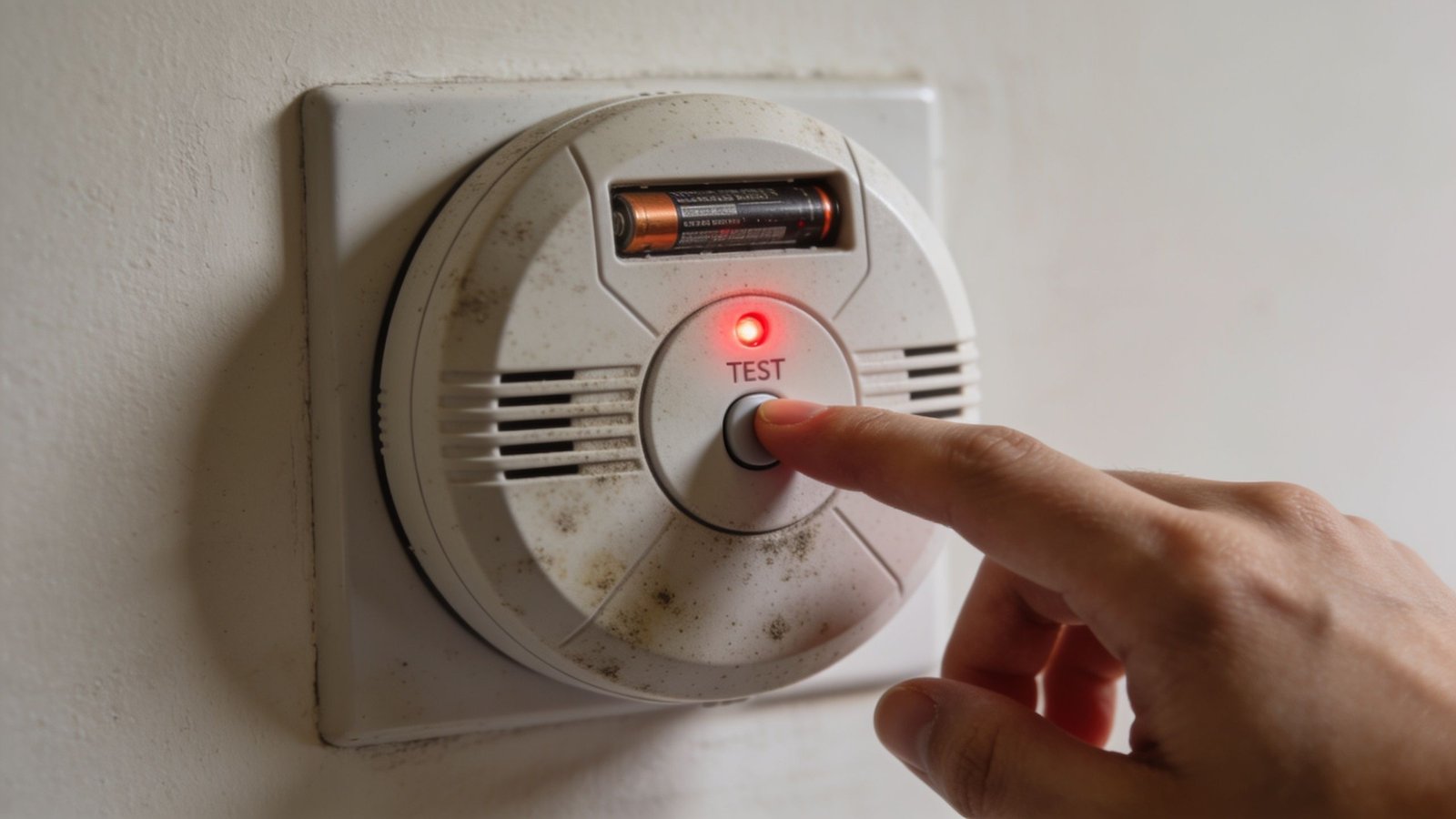
A lot of homeowners ask the wrong question after an incident. They ask whether they can keep the alarm a little longer. The better question is whether the alarm has been exposed to conditions that can compromise the sensor or electronics. If the answer is yes, replace it.
The test button is not the final answer
Many people gain false confidence because, according to this guide on how often to change smoke detectors, pressing the test button checks the battery, electronics, and horn. Nevertheless, it does not test the sensor's ability to detect smoke.
That distinction matters after years of dust buildup, after kitchen grease exposure, and especially after water or fire damage.
Replace now if you see these conditions
- Repeated nuisance alarms: If cleaning and proper placement don't solve the issue, an aging or contaminated sensor may be the problem.
- Visible discoloration or physical damage: Cracked housing, brittle plastic, or obvious aging are warning signs.
- Failed routine behavior: If the unit doesn't respond as expected during normal checks, don't keep troubleshooting indefinitely.
- No manufacture date label: If you can't verify age, don't guess.
- Exposure to smoke, soot, heat, or water: Replace it, even if the event looked minor.
In restoration work across Los Angeles, one of the most common examples is the leak that starts above the ceiling line. In homes in Sherman Oaks and West Hollywood, I've seen alarms directly below slow roof leaks or plumbing failures that never looked “flooded” from the room below. The housing looked fine. Inside, moisture had already done the damage.
If your property has had smoke contamination after a kitchen fire, electrical event, or nearby fire, review the risks involved in smoke damage repair before deciding the detector is still usable.
Fire and water change the decision
Smoke particles don't just stain walls. They get into openings, vents, and electronics. Water doesn't need to pour through the alarm to create a problem either. High humidity, leak migration, and sprinkler discharge can all affect a detector.
If an alarm has been through a fire or water event, replacement is the safe move. Inspection alone doesn't restore a contaminated sensing chamber.
For readers comparing how other regions explain replacement standards and upgrade rules, this breakdown of QLD smoke alarm laws explained is a useful outside reference on how replacement decisions connect to broader compliance requirements.
A short demonstration helps show why testing and replacement are different issues:
What not to do after damage
After a water or smoke event, homeowners often try one of these shortcuts:
- Dry it out and keep it: That doesn't prove the sensor is accurate.
- Wipe the outside and reinstall it: Surface cleaning isn't sensor restoration.
- Wait for chirping: End-of-life alerts are helpful, but damage can happen before that signal appears.
When in doubt, replace the alarm and inspect the surrounding ceiling area, wiring path, and nearby devices.
California Smoke Alarm Laws Los Angeles Homeowners Must Know
California homeowners and landlords need to think about two separate issues at once: safety and compliance. Los Angeles properties also add real-world complexity because older homes may have legacy battery alarms while newer remodels often include hardwired, interconnected systems.
For landlords, habitability questions often overlap with fire-safety maintenance. This overview of California landlord repair obligations is a practical companion if you manage rental property and need the bigger maintenance picture.
California smoke alarm requirements at a glance 2026
| Situation | Required Action |
|---|---|
| A smoke alarm reaches end of service life | Replace it with a current compliant unit |
| You're replacing a battery-only residential alarm | Use a model that meets California requirements for replacement alarms |
| The home has newer interconnected alarm requirements | Make sure replacement preserves required interconnection |
| You own rental property | Keep alarms functional and replace expired or damaged units promptly |
| A fire or water event affected the alarm area | Replace the device and inspect for related property damage |
California replacement decisions are often shaped by sealed battery requirements for many residential replacement situations, plus local code expectations around placement and interconnection. Before buying a shelf replacement, confirm what your property type requires.
What matters for Los Angeles owners and managers
In Burbank, Glendale, and older parts of Los Angeles, many homes have had piecemeal upgrades. One room gets remodeled, another stays untouched, and the result is a mix of alarm types. That's where owners get into trouble. They replace one device without checking whether the system still meets current requirements for the area being updated.
If you're also trying to understand the insurance side after a fire event, this article on whether homeowners insurance covers fire damage is worth reviewing alongside your smoke alarm replacement plan.
Local compliance problems usually start with partial upgrades, not full-system replacements.
For official public fire-safety guidance, review CAL FIRE home fire safety information and confirm any project-specific code questions with your local authority having jurisdiction or a licensed professional. In wildfire-prone parts of Los Angeles County, life-safety systems deserve the same attention as defensible space and ember-resistant upgrades.
Replacing Hardwired and Interconnected Smoke Alarms
This is where a lot of online advice falls apart. Swapping a basic battery-powered alarm is one thing. Replacing a hardwired, interconnected system is different.
According to this explanation of why fire alarms need replacement every 7 to 10 years, modern safety standards often require interconnected alarms so that when one sounds, they all sound. The same source notes that replacement involves working with the property's electrical wiring and should be handled by a licensed professional.
Why hardwired replacement isn't a casual DIY job
Hardwired alarms tie into branch wiring and often into an interconnect conductor that triggers the rest of the system. If someone installs the wrong compatible model, wires it incorrectly, or ignores a damaged electrical box after a leak, the system may not respond the way the home depends on it to respond.
That's the practical dividing line:
- Call a licensed electrician when the issue is routine end-of-life replacement on an otherwise healthy hardwired system.
- Call a restoration professional first when the alarm is being replaced because of fire, smoke, water intrusion, or ceiling damage.
- Call both when needed if the event may have affected wiring, drywall, insulation, or framing around the device.
Damage changes the scope
If an upstairs leak soaked insulation around a hallway alarm, replacing the detector alone may leave hidden moisture in the cavity. If a fire left smoke residue in multiple rooms, one alarm may be visibly affected while the rest of the interconnected network has also been exposed.
For a comparison of how another market explains upgrade and wiring requirements, this article on QLD smoke alarm regulations gives useful context on why interconnected systems need proper installation rather than guesswork.
If the alarm issue started after a burn, soot event, or electrical fire, inspect the larger loss conditions associated with fire damage restoration service rather than treating it as a simple hardware swap.
What to Do When Your Los Angeles Alarm Needs Replacement
Once you know when to replace smoke alarm in your home, the next step is deciding whether this is a simple maintenance job or a damage-related safety issue.
For a straightforward battery-operated alarm that has reached its service life, the process is simple. Check the date, buy a compliant replacement, install it in the correct location, and test it according to the manufacturer's instructions. If the unit is a combination device, verify the listed replacement timing for each function.
A practical decision path
If the alarm is old but undamaged
Replace it now. Don't wait for a chirp, and don't keep it because it still makes noise when tested.
If the alarm was exposed to water
Replace the alarm, then inspect the ceiling area, attic or floor cavity above, and any nearby fixtures or wiring paths. The detector may be signaling a bigger moisture problem.
If the alarm was exposed to fire or smoke
Replace the alarm and evaluate the surrounding area for soot, odor, heat damage, and contamination in nearby rooms. One damaged detector can be the clue that a broader cleanup is needed.
If the system is hardwired and interconnected
Don't treat it like a quick ladder job unless a licensed professional has confirmed the replacement is routine and the wiring environment is sound.
What homeowners in Los Angeles should keep on hand
A practical home file should include:
- Alarm dates: A simple list of manufacture dates by room
- Model details: Especially for hardwired or combo units
- Damage notes: Any prior leak, smoke, or fire exposure near the device
- Service contacts: Electrician, restoration company, and insurance information
That kind of recordkeeping matters in Los Angeles homes from Beverly Hills to North Hollywood, where remodel history can be uneven and systems don't always match room to room.
If your alarm replacement question started because of active property damage, the alarm itself is only one part of the safety decision. The ceiling cavity, wiring, insulation, framing, and air quality may all need attention too.
Frequently Asked Questions About Smoke Alarm Replacement
Does a chirping smoke alarm always mean it needs full replacement
No. A chirp can mean different things depending on the model, including low battery or end-of-life status. Check the label, manual, and manufacture date. If the unit is near or past the replacement age, replace it instead of chasing a temporary fix.
Can I keep a smoke alarm if it passes the test button check
That's not enough on its own. A button test confirms the horn and related electronics are working, but it doesn't prove the sensor is still detecting smoke accurately. If the unit is old or has been exposed to damage, replace it.
When should I replace a combination smoke and carbon monoxide alarm
According to Kidde guidance on when to replace your alarms, smoke and CO combination alarms are often rated for 5 to 10 years depending on the model, while standalone CO alarms are generally 7 to 10 years. Check the specific label because the replacement timing may differ by device type.
Do hardwired smoke alarms still need replacement
Yes. Hardwired alarms still age out. House power doesn't stop sensor degradation.
What if my smoke alarm got wet from a leak but still seems normal
Replace it. Moisture exposure can affect internal components even when the outside casing looks fine.
Are landlords responsible for replacing expired smoke alarms in California
In practice, landlords need to keep required life-safety equipment functional and compliant. If you manage rental property, handle expired or damaged alarms promptly and document the work.
If a smoke alarm in your Los Angeles home has reached its 10-year limit, or it's been exposed to fire, smoke, or water, don't guess. Call Onsite Pro Restoration at 818-336-1800 for a professional assessment of the affected area and the underlying property damage.
SEO title tag: When to Replace Smoke Alarm in Los Angeles
Meta description: When to replace smoke alarm? Replace every 10 years from manufacture date, or sooner after fire, smoke, or water damage in Los Angeles.
Schema opportunity: FAQ schema, LocalBusiness schema