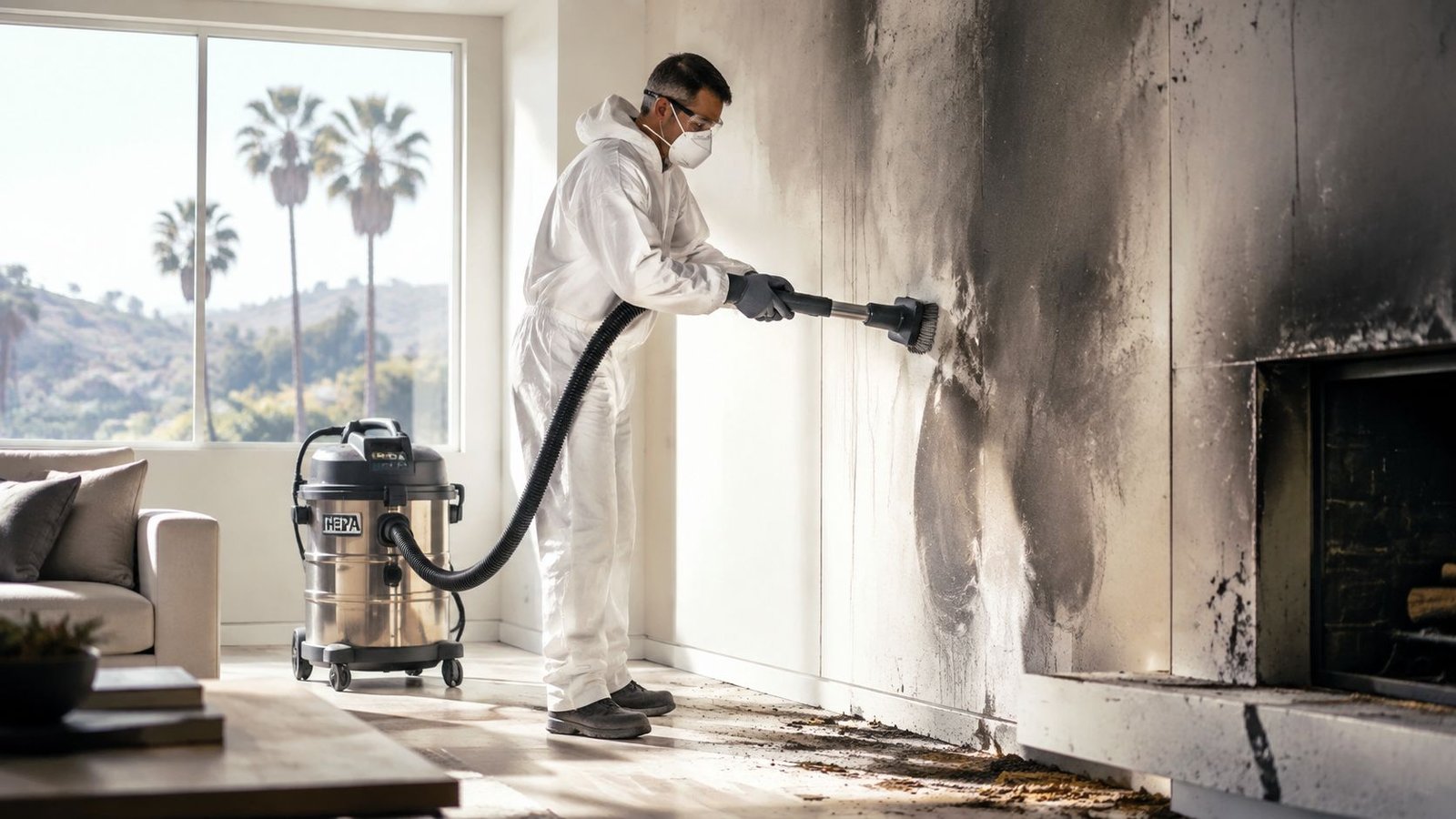
soot removal

Soot From Smoke Cleaning Wall
Fire Damage Restoration Posts
Pete M.

Soot From Smoke Damage: A 2026 Los Angeles Safety & Cleanup Guide

Soot from a fire isn’t just a surface stain — it’s acidic, oily residue that keeps etching metal, glass, and finishes long after flames are out. Within hours, chrome pits and fabrics discolor permanently. This LA guide covers the types of soot different fires produce, why household cleaners make it worse, the professional cleaning sequence certified restorers use, and what your insurance claim should document. 24/7 response: (818) 336-1800.

Read More »
Soot From Smoke Window Inspection Scaled
Fire Damage Restoration Posts
Pete M.

Soot From Smoke: A Los Angeles Homeowner’s Guide

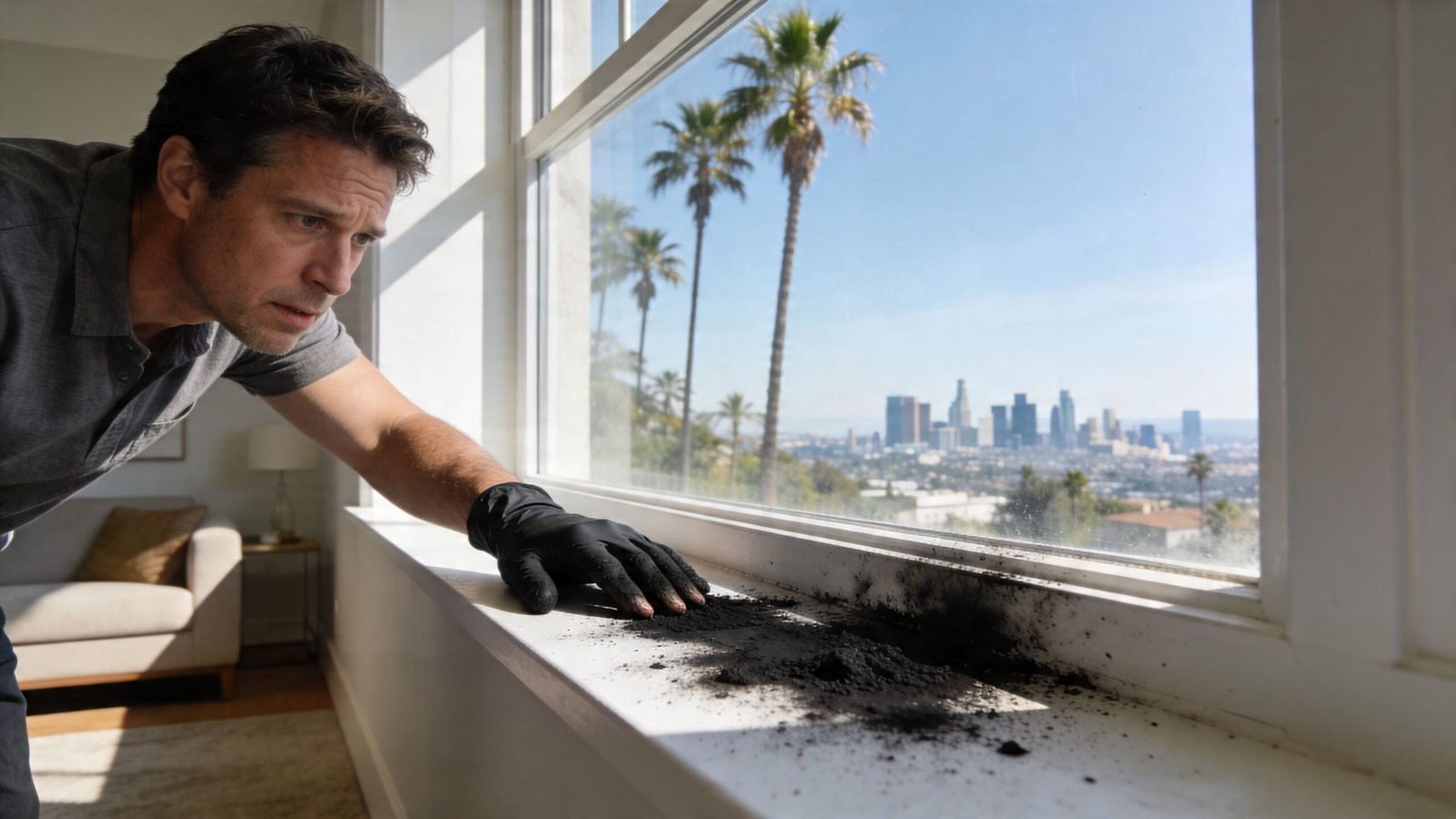
Soot from wildfire smoke, kitchen fires, or furnace puff-backs looks like dust but isn’t — it’s acidic residue that permanently etches surfaces if not removed within 24–48 hours. Wiping it wrong spreads contamination further. This LA guide covers the types of soot different smoke sources produce, the professional cleaning sequence for each surface type, and how to document soot damage for your insurance claim. 24/7 response: (818) 336-1800.

Read More »
Smoke and soot spewing from a dirty vent on a wooden coffee table near a white sofa.
Fire Damage Restoration Posts
Pete M.

Smoke and Soot Cleanup in Los Angeles: A Homeowner’s Guide

After a fire is out, smoke and soot are the ongoing threats — acidic residue keeps etching surfaces for days, and smoke particles penetrate every porous material in the home. This LA guide covers the two-stage cleanup process, why incorrect cleaning spreads contamination, the specific methods for each surface type, when HEPA air scrubbers are required, and what your insurance claim should document. 24/7 fire damage response: (818) 336-1800.

Read More »
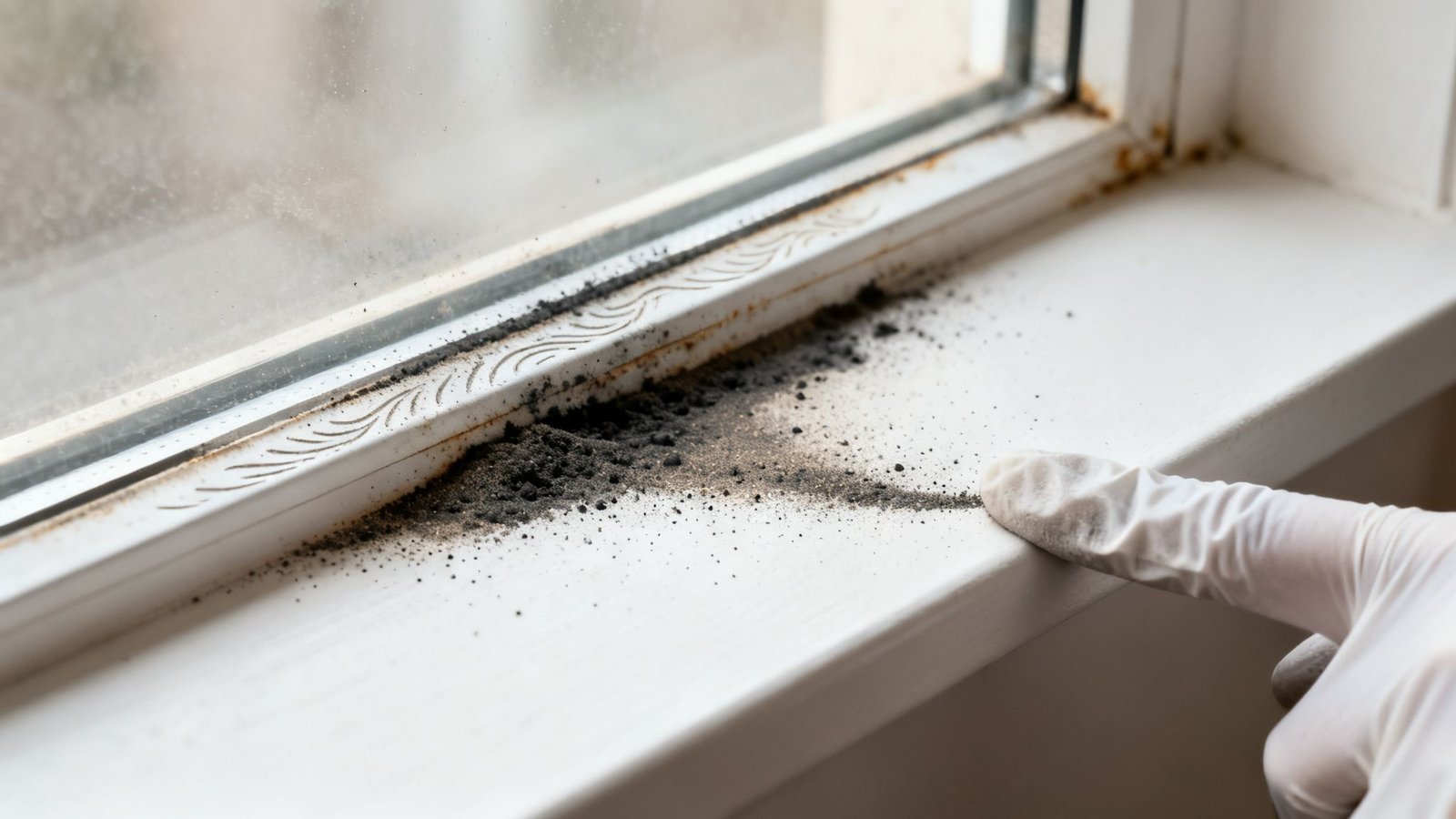
A gloved hand points to a white window sill heavily covered in black soot and debris.
Fire Damage Restoration Posts
Pete M.

Smoke Damage Repair: A Los Angeles Homeowner’s Guide

Smoke damage repair is more than cleaning visible soot — acidic smoke particles penetrate walls, ceilings, HVAC systems, and personal belongings, causing ongoing damage and odor long after the fire is out. This LA guide covers the full smoke damage repair process: surface cleaning by material type, HEPA air scrubbing, ozone or thermal fogging for embedded odors, and how to document smoke damage correctly for your insurance claim. IICRC-certified: (818) 336-1800.

Read More »
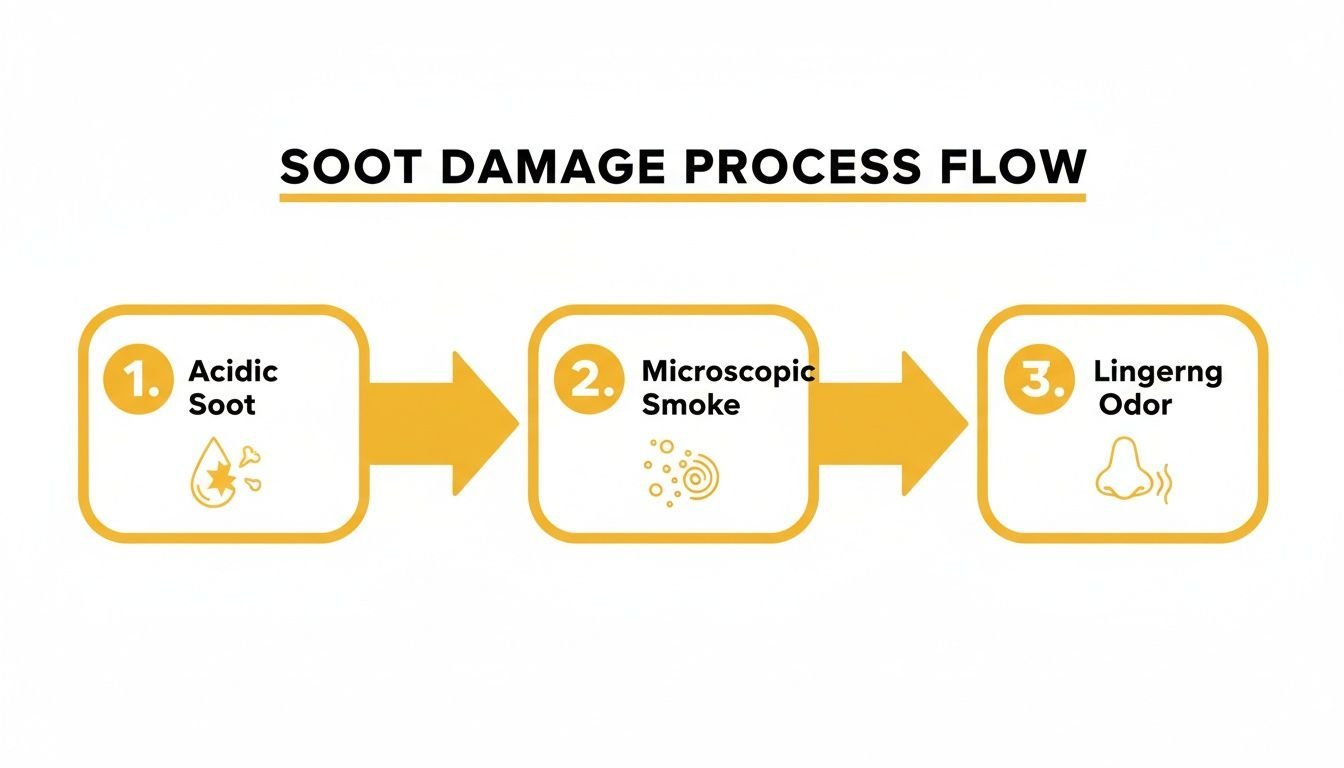
A three-step process flow diagram illustrating soot damage: acidic soot, microscopic smoke, and lingering odor.
Fire Damage Restoration Posts
Pete M.

A Homeowner’s Guide to Fire Clean Up in Los Angeles

The first 48 hours of fire cleanup set the trajectory for your entire recovery — both structurally and for your insurance claim. Acidic soot keeps etching surfaces while firefighting water sits in walls. This LA guide covers the correct order of operations for fire cleanup: board-up and securing the property, documentation before touching anything, soot and smoke removal by surface type, water extraction, and how to work your insurance claim from day one. 24/7 response: (818) 336-1800.

Read More »
Walls extensively covered in black soot, showing both dry residue and wet drips.
Fire Damage Restoration Posts
Pete M.

How to Clean Soot from Walls: A Guide for Los Angeles Homes

Cleaning soot from walls starts with one critical rule: never use water first. Wet soot smears into porous surfaces and becomes permanent. The correct process uses a dry-cleaning chemical sponge or HEPA vacuum to lift loose particles before any wet cleaning begins. This LA guide covers the full two-stage soot removal process by wall type, the right products, how to treat heavy coverage, and when professional fire restoration is the only safe option. Call (818) 336-1800.

Read More »
Flowchart detailing three steps for initial fire response: ventilate, safety gear, contain fire.
Fire Damage Restoration Posts
Pete M.

How to Remove Fire Smoke Smell From House: A Los Angeles Guide

Removing fire smoke smell from a house permanently means eliminating the odor at the source — not masking it. Smoke particles bond chemically to surfaces and infiltrate HVAC systems, releasing odor for months if not fully treated. This LA guide covers the complete elimination process: ventilation, surface cleaning by material type, HVAC duct treatment, and professional deodorization methods including ozone treatment and thermal fogging for embedded smoke odor. IICRC-certified: (818) 336-1800.

Read More »
A person wearing a white glove applies a black substance to a white wall with a sponge.
Fire Damage Restoration Posts
Pete M.

How to Wash Soot Off Walls: Pro Tips for Safer, Cleaner Results

Washing soot off walls starts with one non-negotiable rule: never use a wet cloth first. Soot is greasy and powdery at the same time — water drives it into porous surfaces and makes the stain permanent. The correct sequence uses a dry-cleaning chemical sponge or HEPA vacuum to lift particles before any wet cleaning begins. This LA guide covers the full two-stage soot removal process, products by surface type, and when fire damage requires professional restoration. Call (818) 336-1800.

Read More »
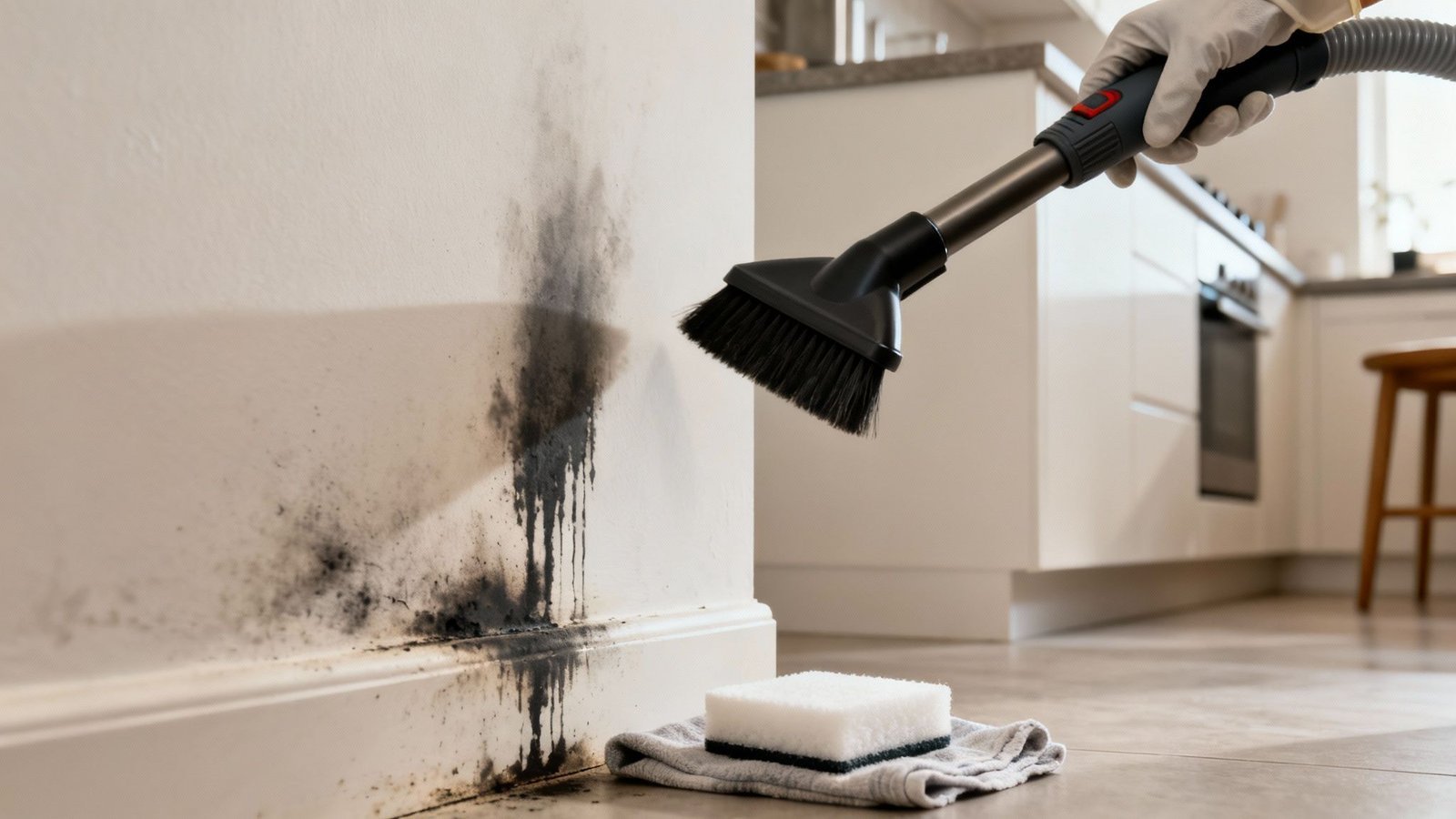
Gloved hand using a vacuum brush to clean heavy black mold and soot off a white wall.
Fire Damage Restoration Posts
Pete M.

How to Clean Soot Off Walls: A Los Angeles Homeowner’s Guide

Cleaning soot off walls requires a dry-first approach — a HEPA vacuum with a brush attachment or a dry-cleaning chemical sponge before any liquid touches the surface. Using water first is the most common mistake: it drives soot into the paint and drywall, creating permanent staining. This LA guide covers the two-stage cleaning process, how to handle different wall surfaces (painted drywall, brick, textured plaster), and when soot coverage requires professional fire restoration. Call (818) 336-1800.

Read More »