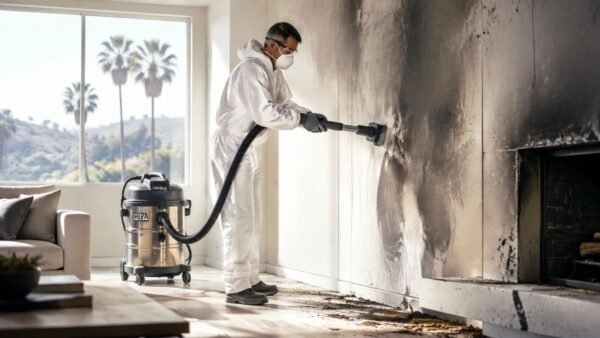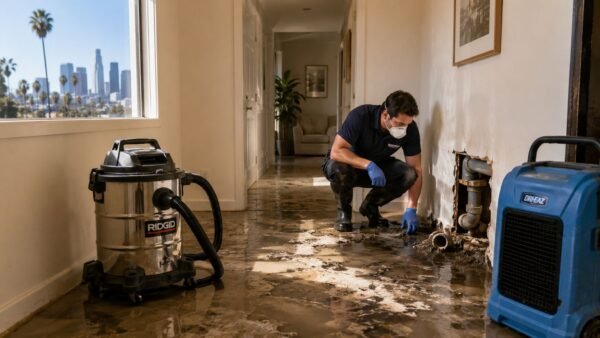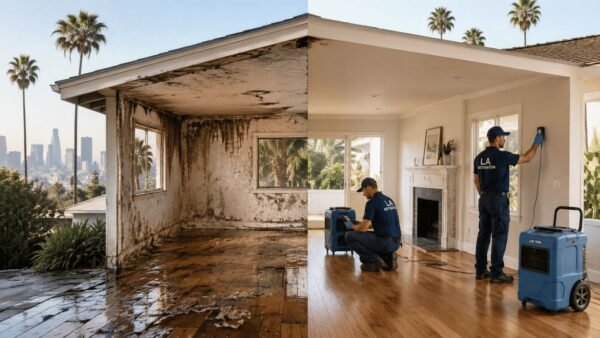

A property damage assessment is the first step after a loss because it documents what changed, what's unsafe, and what your insurance claim should include. In the U.S., about 1 in 67 insured homes had a claim for water damage or freezing, and about 1 in 430 had a claim related to fire and lightning in 2023, which is why a careful assessment matters so much after an emergency.
You walk into your Sherman Oaks kitchen and the wood floor is cupping. Or you smell smoke in a Burbank condo days after a nearby fire and can't tell whether the problem is just odor or actual contamination inside the HVAC system. Most homeowners in that moment want one answer: what exactly am I dealing with, and how do I protect my claim?
A property damage assessment is a professional evaluation of the full extent of loss for insurance documentation, safety decisions, and repair planning. It is not just someone glancing at the damage and giving you a rough opinion. It's a structured inspection designed to show the source, the spread, the affected materials, and the scope of work needed to restore the home.
Introduction When Disaster Strikes Your LA Home
In Los Angeles, damage often doesn't stay limited to what you first see. A supply line leak in an older Glendale house can travel under flooring and into wall cavities. Smoke from a wildfire event can settle into insulation, ductwork, and porous finishes even when there are no obvious burn marks. That's where a professional assessment changes the outcome.
The stress is real because damage creates two problems at once. You have a house problem and a documentation problem. If the home isn't inspected correctly, you can dry the wrong materials, miss concealed contamination, or submit an incomplete claim.
The numbers show how common this is. In homeowners insurance, property damage, including theft, accounted for 97.3% of claims in 2023, and about 1 in 18 insured homes had a claim that year according to the Insurance Information Institute homeowners claims data.
Practical rule: The first assessment should answer three questions fast. Is the property safe, what damage is event-related, and what evidence will support the repair scope?
A lot of homeowners make the same mistake. They focus on the obvious mess and not the claim file that's being built from day one. If you need emergency help after a water, fire, smoke, mold, or sewage loss, a property damage restoration assessment should create a clear record before materials are removed or discarded.
In practical terms, that means documenting the affected areas, identifying hidden damage, and translating field findings into something an adjuster can review. When that step is weak, the rest of the job usually gets harder.
What a Professional Property Damage Assessment Entails
A real assessment is systematic. It starts with safety, moves to cause and extent, and ends with measurable documentation.
It looks for visible and hidden damage
A proper property damage assessment doesn't stop at stained drywall or warped baseboards. It should inspect structural elements, interior finishes, and utility systems, then use diagnostics to identify concealed damage and root causes, as described in this property damage assessment overview.
That matters because hidden damage can change the repair scope completely. What first looks like a small ceiling stain may involve wet insulation, affected framing, electrical concerns, or moisture trapped behind cabinets.
Common tools include:
- Moisture meters: Used to check whether drywall, wood, and trim still hold excessive moisture.
- Thermal cameras: Helpful for spotting temperature differences that suggest moisture spread. If you're not familiar with the technology, this guide on how thermal imaging works in restoration explains why it's useful after water intrusions.
- Hygrometers and psychrometric readings: Used to understand drying conditions inside the home.
- Soot and residue inspection methods: Important after fire or smoke events, especially around registers, returns, and porous contents.
It focuses on a specific loss event
Homeowners sometimes confuse a post-loss assessment with a home inspection. They are not the same.
A home inspection looks at general condition. A property damage assessment asks a narrower question: what changed because of this event? That distinction drives claim decisions, habitability decisions, and repair scope.
If an inspector can't tie damage back to the actual event, the documentation usually won't be strong enough to support a clean insurance review.
It creates a record, not just an opinion
The strongest assessments produce evidence that another party can verify. That means room-by-room notes, measurements, photos, moisture maps, affected material lists, and clear descriptions of what needs repair, cleaning, drying, or replacement.
What doesn't work is vague language. “Some damage in kitchen and hallway” is not a scope. “Wet engineered flooring, affected drywall behind sink wall, high readings at lower cabinets, insulation likely impacted” is the kind of language that moves a claim forward.
The Assessment Process for Common LA Disasters
Different losses require different inspection priorities. The tools may overlap, but the logic changes based on the source and the contamination risk.
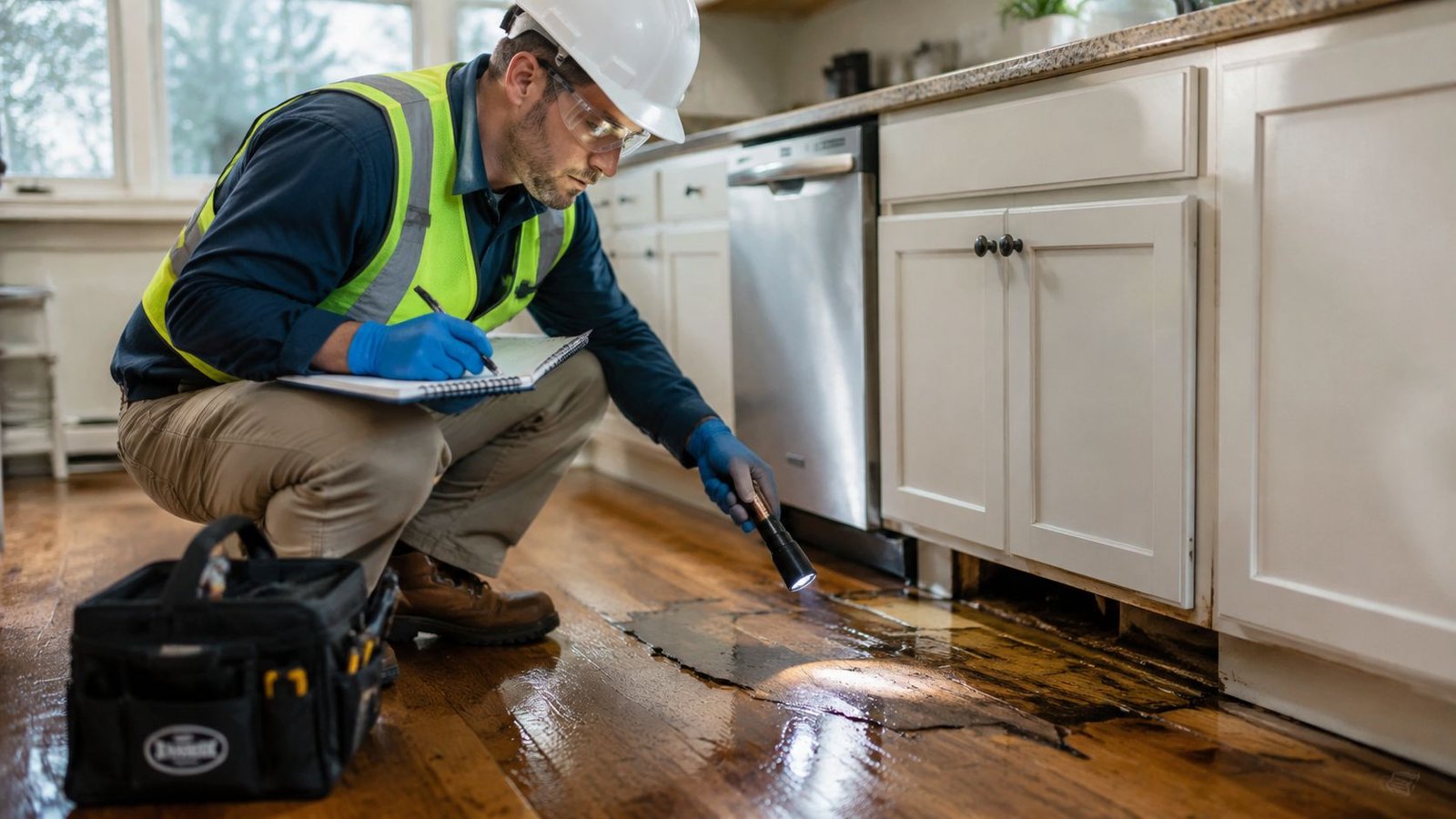
Water damage
In our experience, water losses in Los Angeles homes are often wider than the homeowner expects. A dishwasher leak in West Hollywood or a burst supply line in North Hollywood can push water under laminate, beneath vanity toe-kicks, and into adjacent rooms before anyone notices.
A water assessment usually includes:
- Source identification: Clean water, contaminated water, or a drain-related backup changes the handling approach.
- Moisture mapping: The technician checks where water migrated, not just where it appeared.
- Material evaluation: Drywall, insulation, hardwood, cabinetry, and subfloor all behave differently.
- Drying plan: Equipment placement depends on the actual wet area, not guesswork.
If the source might be below the slab or inside the plumbing system, broad water migration can mimic other failures. Homeowners trying to understand that pattern may find this resource on understanding slab leaks for Dallas homeowners useful because it shows how hidden plumbing failures can affect floors and walls before the source is obvious.
For a more detailed look at response steps after a water loss, review this water damage restoration process.
Fire and smoke damage
Fire assessments go far beyond charred materials. In LA-area smoke events, the key issue is often spread, not flame contact.
The assessment should check:
- Structural stability
- Soot travel patterns
- HVAC contamination
- Odor penetration into porous materials
- Contents exposure
A light-looking soot condition can still affect insulation, textiles, painted surfaces, and air movement systems. That's why a visual-only walk-through often misses claim-relevant damage.
Smoke damage is one of the easiest losses to underestimate because the contamination can be thin, widespread, and embedded.
Mold concerns after water intrusion
Mold assessment starts with one question: where did moisture remain long enough to support growth? The visible patch is rarely the whole issue. The inspector needs to define the affected area, likely source, and whether materials around it show extended moisture exposure.
That often means checking behind sink cabinets, inside wall cavities, around windows, and near HVAC components. In older homes in Glendale or Burbank, layered remodels can conceal previous moisture paths, which makes event timing especially important.
Sewage and contamination losses
Sewage backups are different from clean-water leaks because they involve a contamination boundary. The assessment has to define where impacted water reached, what porous materials were affected, and what can be cleaned versus removed.
These losses usually surprise homeowners because contamination may spread under flooring, behind baseboards, and into lower wall cavities even when the visible standing water looked limited.
How field notes become an insurance-ready scope
Insurance-grade assessment output should be itemized and measurable, including material lists, quantities, measurements, floor plans, photos, and trade-by-trade repair scopes, as outlined in this insurance-grade assessment guidance.
That's the bridge between the site visit and the claim. Adjusters need something they can review line by line. Rough opinions create friction. Itemized scopes create decisions.
Your Homeowner Documentation and Insurance Checklist
Right after a loss, homeowners often make the claim harder without realizing it. They clean too much, throw away damaged materials too soon, or describe old issues as if they were part of the new event. A better approach is to document first and sort later.
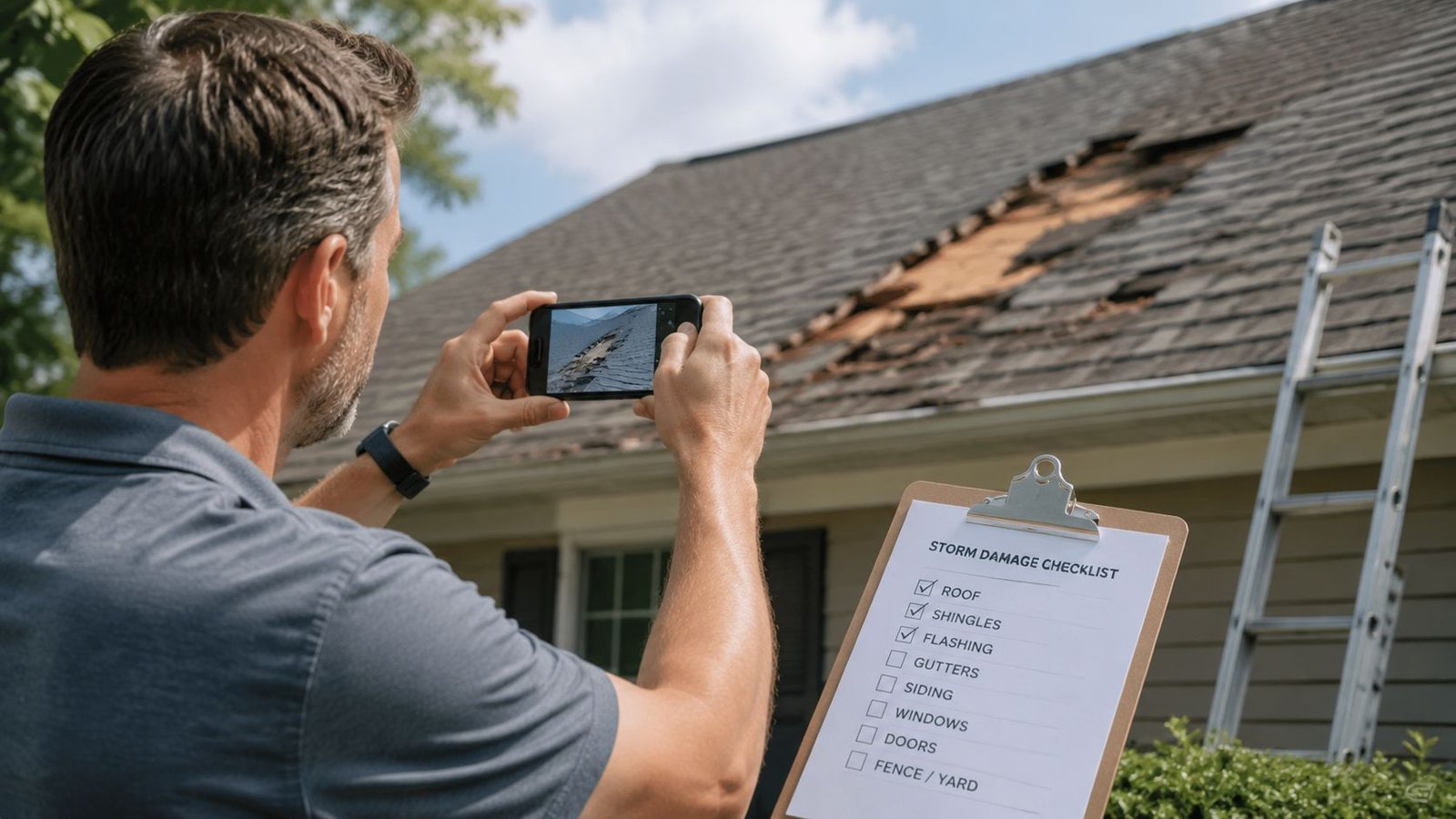
What to document before cleanup starts
Start with your phone. Take wide photos, then medium shots, then close-ups. Record video as you walk the affected rooms and narrate what you're seeing.
Use this checklist:
- Photograph the source: If a pipe failed, a roof leaked, or a toilet overflowed, document the origin point before repairs alter it.
- Capture room context: Stand in each doorway and take photos that show the full room, then the affected materials.
- Document contents: Furniture, rugs, electronics, clothing, and stored items should be photographed where they were found.
- Save damaged items when possible: Don't discard materials until they've been documented and the carrier or contractor has advised you.
- Track your actions: Keep a simple log of when the loss was discovered, who you called, and what emergency steps were taken.
If hardwood flooring is involved, this Buff & Coat water damage guide gives homeowners a useful visual reference for how water can affect wood surfaces differently depending on exposure and timing.
The issue that causes many claim disputes
A key part of any property damage assessment is separating new loss from pre-existing damage or deferred maintenance. Public field guidance tells assessors to report only disaster-related damage, not long-term wear, old leaks, or unresolved deterioration, as explained in this damage assessment field guidance.
Homeowners often find this part challenging. A stained ceiling may have old discoloration and new moisture. A bathroom floor may have long-term wear plus a recent overflow. The claim question isn't whether the area looks bad. The question is which portion of the condition was caused by the reported event.
Important distinction: A visible defect is not automatically claim-related damage. The assessment has to show what changed because of the event.
That's also why “I've had that issue for a while, but it got worse this week” needs careful documentation. Say exactly what happened and when you noticed the change. Don't guess. Don't broaden the story. Precision helps more than emotion.
If you want a clearer view of how this fits into insurer review, this guide to the home insurance claim process is worth reading before your adjuster call.
This video gives a useful visual reminder of what organized documentation should look like before major cleanup begins.
A simple claim file that works
Keep one folder, digital or paper, with:
- Timeline notes: Date discovered, who was present, and immediate conditions.
- Media files: Photos and videos grouped by room.
- Communication records: Emails, claim numbers, adjuster names, and call notes.
- Emergency invoices: Mitigation, tarping, board-up, dry-out, or temporary housing if applicable.
- Repair scope documents: Estimates, moisture maps, and room-by-room findings.
This doesn't have to be fancy. It has to be complete.
Choosing a Certified Restoration Contractor in Los Angeles
Choosing the right restoration contractor affects more than repair quality. It affects whether your insurance file clearly shows what the recent event caused, what was already there, and why the scope of work makes sense. In Los Angeles homes, that distinction gets missed often, especially in older properties with past leaks, layered repairs, smoke residue, or long-standing wear.
A qualified contractor should be able to inspect the loss, explain the findings in plain language, and document the difference between new damage and pre-existing conditions without overstating either one. That is one reason homeowners should start with IICRC certification and what it means. Certification does not guarantee a good contractor, but it does show formal training in restoration standards, contamination control, drying, and documentation.
Local experience matters too. Homes in Glendale, Sherman Oaks, and Burbank often include older building materials, additions from different decades, and concealed problem areas behind cabinets, flooring, or plaster. After a water or smoke loss, an inexperienced crew may treat every visible defect as part of the current claim. That can create trouble with the adjuster later if the file does not separate old issues from event-related damage.
Onsite Pro Restoration is one local company that provides assessments, mitigation, and insurer-facing documentation for residential losses in the Los Angeles area. The company matters less than the standard of the work. The contractor you hire should produce a clear scope, support it with evidence, and avoid making promises no one can control.
Questions worth asking before you sign
Price matters, but assessment discipline matters more at this stage.
Ask questions like these:
- How do you identify hidden damage? Look for specific methods such as moisture readings, thermal imaging, containment planning, and room-by-room inspection notes.
- How do you separate older issues from damage caused by this event? A careful answer here can prevent claim disputes.
- What documentation will I receive? You want photos, measurements, written findings, and an itemized scope of work.
- Who communicates with the adjuster? One informed point of contact usually keeps the claim process cleaner.
- What emergency work do you recommend right now, and what will you document before starting? Good contractors protect the property without destroying evidence.
Red flags that usually lead to trouble
Be cautious if a contractor:
- Starts pushing demolition before documenting conditions
- Gives only a verbal estimate
- Avoids direct answers about certification or training
- Promises your claim will be covered
- Bundles old staining, cracks, or wear into the current loss without support
Good restoration contractors do not need to inflate the claim. They need to show what happened, what changed, and what the property now requires.
That matters when a homeowner is under pressure and wants the house dried out or cleaned up fast. Fast response is important. Poor documentation at the start can remove the evidence your insurance carrier needs to connect the damage to the reported event.
Conclusion Your First Step to Recovery
A property damage assessment is not paperwork for later. It's the decision point that protects your home, defines the repair scope, and supports your insurance claim while the facts are still fresh. In Los Angeles, where water intrusion, smoke contamination, mold growth, and older building conditions often overlap, the difference between a rough look and a real assessment is significant.
If you're comparing bids for exterior or storm-related work, it also helps to understand how to compare roofing contractor estimates so you can spot vague scopes and missing line items before repairs begin.
If your home in Los Angeles, Glendale, Burbank, or Sherman Oaks has suffered water, fire, smoke, mold, or sewage damage, call Onsite Pro Restoration at 818-336-1800 for a free inspection and immediate help documenting the loss correctly.
Frequently Asked Questions About Damage Assessments
How long does an initial property damage assessment take
It depends on the size of the property, the cause of loss, and whether the damage is limited to one area or spread through multiple rooms. A small, contained loss can be assessed fairly quickly. A larger loss involving moisture mapping, smoke spread, or contamination boundaries takes longer because the inspector needs enough time to produce usable documentation.
Does a property damage assessment cost money
Many restoration companies include the initial assessment as part of the inspection and estimating process for a potential restoration job. If the loss is complex, involves specialty testing, or requires separate expert analysis, costs can vary. The key is to ask in advance what is included in the inspection, what written documentation you'll receive, and whether any testing is billed separately.
Can I do my own assessment for insurance purposes
You should still document everything yourself, but a DIY assessment usually isn't enough for an insurance claim. Homeowners can photograph damage and keep records, but they often miss hidden moisture, contamination spread, or the distinction between old conditions and new event-related damage. Insurance reviews move more smoothly when the file includes professional, itemized documentation.
What should I do before the adjuster arrives
Protect the property from further damage if you can do so safely. Photograph the source and all affected areas. Don't throw out damaged materials too soon. Keep receipts for emergency steps. Most important, avoid making broad guesses about what caused every condition in the house. Stick to what you observed and when you observed it.
If you need a documented property damage assessment for water, fire, smoke, mold, or sewage loss in Los Angeles, contact Onsite Pro Restoration. The team can inspect the damage, help organize the evidence your claim needs, and explain the next steps clearly. Call 818-336-1800 for a free inspection.