
Figuring out how to get rid of an odor starts with finding the source. Once you know what you're dealing with, you can clean the area and use the right products to neutralize what’s left behind. For minor issues like a bit of mildew from coastal fog in Santa Monica or a small spill, DIY methods often do the trick. But for heavy hitters—smoke, sewage, or widespread mold—you’re going to need professional help to protect your property and health.
Schedule a Free Odor Assessment Now
Why That Bad Smell Is More Than Just a Nuisance
That musty, foul, or sharp smell you can’t seem to get rid of? It's your home's way of sending up a flare, signaling a bigger, hidden problem. In many Los Angeles homes, where older plumbing and flat roofs often hide leaks, a stubborn odor is usually the first clue you have an issue with mold, water damage, or smoke residue that’s soaked deep into the walls.
Trying to cover it up with air fresheners is like putting a bandage on a wound that needs stitches. You're just masking the symptom while the real problem gets worse. What smells a little musty today could be a full-blown mold infestation next month.
The Real Cost of Lingering Odors
A bad smell is more than just unpleasant—it has real consequences for your health and your wallet. Those untreated odors are often tied to conditions that can tank your property value and create serious health risks. That musty scent from a slow leak, for instance, is a classic sign of mold growth, which is notorious for triggering allergies and respiratory problems.
The numbers don't lie. Stubborn odors from water damage, mold, or fire can seriously cut into a property's value. In the U.S., water damage hits over 14 million homes every year, and if it's not handled by a pro, you're often left with a smell that just won't quit.
In fact, for deep-seated problems like smoke residue or what is category 3 water damage, DIY methods fail 70-80% of the time. It’s why professional services are so often the only real solution.
A persistent odor is a symptom, not the disease. The smell is your cue to investigate the source, whether it's a leaky pipe behind a wall in your West Hollywood apartment or a poorly ventilated bathroom in your Sherman Oaks home.
This guide is about getting past the quick fixes. We’ll break down the real reasons your home has a lingering smell and give you a clear roadmap to find the source. You’ll get actionable steps for different types of odors and learn exactly when it’s time to call in the pros to protect your health and your property.
How to Get Rid of an Odor by Pinpointing the Source
Effective odor removal is all about detective work. Before you can even think about how to get rid of an odor, you have to trace it back to its origin. "My house smells weird" is a dead end. But "there's a musty smell under the kitchen sink" gives you a clear target and a path to a real solution.
This process means trusting your nose and keeping your eyes open for clues. Different problems create distinct smells, and the location is often your biggest hint. That earthy, damp funk you only smell in the bathroom is a classic sign of mold. A sharp, greasy scent that just won't leave the kitchen after a cooking mishap? That's almost certainly soot and smoke residue clinging to surfaces.
A Systematic Checklist for Odor Investigation
Start your search in the usual hotspots. The key is to be methodical—don't just wander around sniffing. Go through this list and physically inspect each area to rule out the common culprits one by one.
- Under Sinks and Around Toilets: Get a flashlight and check for slow drips, water stains, or soft, spongy spots in the wood or drywall. A tiny, consistent leak is all it takes for mold and mildew to take hold.
- Appliance Drip Pans: Your refrigerator, dishwasher, and washing machine all have drip pans that are notorious for collecting stagnant, smelly water. It’s the perfect breeding ground for bacteria.
- HVAC System: Your air conditioning unit can be a huge source of odors. Clogged filters or moisture trapped in the ductwork can circulate musty or dusty smells through the entire house every time the system kicks on.
- Attics and Basements: These spots are out of sight, out of mind, making them prone to ventilation issues, pest problems, and hidden leaks. Look for animal droppings, water stains on rafters, or damp, compressed insulation.
To help you connect the dots, here’s a quick reference table I put together based on years of field experience. It breaks down what certain smells usually mean and where to look first.
Common Odor Sources and Their Telltale Signs
| Odor Type | What It Smells Like | Common Locations | Potential Cause |
|---|---|---|---|
| Musty & Earthy | Damp socks, wet cardboard, or dirt | Basements, bathrooms, under sinks | Mold or mildew from excess moisture |
| Rotten Eggs | Sulfur or sewage | Near drains, bathrooms, or outdoors | Sewer gas leak, P-trap issue, or natural gas leak |
| Acrid & Smoky | Burnt plastic, wood, or greasy residue | Kitchen, near outlets or appliances | Soot from cooking, electrical short, or fire residue |
| Ammonia | Strong, chemical-like urine smell | Attics, walls, crawl spaces | Pest infestation (rodent urine) or old pet stains |
| Fishy | A distinct, fish-like odor | Near electrical outlets or light fixtures | Overheating electrical components (a serious fire risk) |
| Sweet & Syrupy | A strangely sweet, chemical scent | Garage, utility room, near the furnace | Leaking ethylene glycol from an HVAC unit or radiator |
This table should give you a solid starting point. Once you have a likely suspect, you can move on to a more focused investigation.
Visualizing Your Odor Removal Strategy
The goal is to fix the problem, not just hide it. Masking an odor with air fresheners is like putting a bandage on a broken bone—it does nothing to solve the underlying issue and usually allows it to get worse.
This decision tree shows the right way to think about it.

As you can see, following the scent and investigating leads to a permanent fix.
What if your search comes up empty? If you can't find an obvious source, the problem is likely hidden from view. I've seen countless cases where the culprit was a small, slow leak behind a wall. Understanding how to detect water leaks in walls is often the next critical step. A persistent smell with no clear origin almost always points to something hidden.
By narrowing down the possibilities, you can move from diagnosis to action. This focused approach ensures you’re using the right solution for the right problem, whether that’s a simple DIY cleaning job or a call to a professional.
Tackling Minor Odors with DIY Solutions
For many of those low-level, annoying smells, the best tools are probably already in your kitchen pantry. Knowing how to get rid of an odor yourself is less about masking it with chemical sprays and more about using the right natural solution for the right problem. These methods actually neutralize the source.

Before you jump in, a quick word on safety. Always make sure the area is well-ventilated—crack a few windows or get a fan running. And this is critical: never mix cleaning chemicals, especially bleach and ammonia. Doing so can create toxic chlorine gas. Stick to one method at a time.
Schedule a Free Odor Assessment Now
Neutralizing Musty Mildew Smells
That old, damp, musty scent is the classic sign of mildew, a surface fungus that loves dark, damp spots. The fix is surprisingly simple: a 50/50 mix of white vinegar and water in a spray bottle.
Vinegar is a mild acid, which is perfect for killing mildew spores and breaking down the gunk they feed on. Just spray the affected surface, let it sit for an hour or so, and then give it a good scrub with a brush before wiping everything clean. The real trick to keeping it from coming back is making sure the area dries out completely.
For a more detailed breakdown, our guide on how to get rid of mildew smell has you covered.
Tackling Stubborn Pet Odors
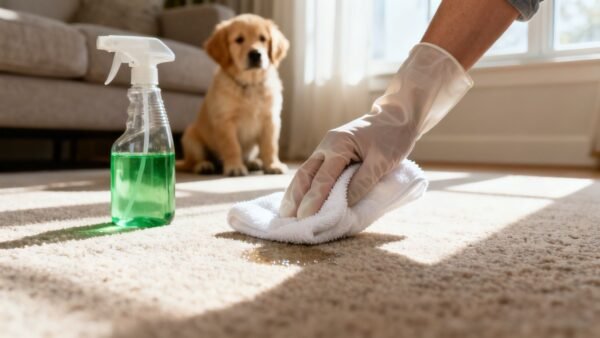
We love our pets, but accidents happen. The problem is that pet urine contains uric acid crystals, which don't dissolve in water. That’s why you can scrub with soap and water, and the smell just comes roaring back as soon as it dries.
The only real solution here is an enzymatic cleaner. These products are packed with special enzymes that literally eat the proteins in the organic waste, destroying the odor at its source.
Here’s the process that works for us:
- First, blot up as much of the fresh urine as you can with a clean, dry towel. Don't rub, just press firmly.
- Next, completely saturate the spot with the enzymatic cleaner. You need to use enough to soak down into the carpet padding or upholstery fabric—wherever the urine went.
- Cover the spot with a damp towel and let it sit for at least 24 hours. This gives the enzymes time to do their job.
- Finally, remove the towel and let the area air dry. This can take a few days, so be patient.
If you’re dealing with a really strong, persistent animal smell, it might be a sign of territorial marking. Understanding why cats spray and how to stop it can be a game-changer for solving that particular challenge.
Eliminating Lingering Kitchen Odors
The kitchen is ground zero for all kinds of smells, from last night's fish fry to that garlic that just won't quit. Here are a few tried-and-true tricks to clear the air:
- Simmer Pot: Grab a small pot, fill it with water, and toss in some citrus peels (lemon works great), a couple of cinnamon sticks, and some cloves. Let it simmer on the stove for an hour. It creates a wonderful, natural fragrance that pushes out the bad smells.
- Coffee Grounds: This one is simple. Put a bowl of fresh, dry coffee grounds on the counter and leave it overnight. Coffee is fantastic at absorbing airborne odors.
- Activated Charcoal: While baking soda is good, activated charcoal is even better. Its massive surface area makes it incredibly effective at trapping odor molecules. Place a few bags in the fridge, under the sink, or near your trash can.
DIY solutions are incredibly powerful for recent, surface-level odors. But they have their limits. If a smell is deeply embedded in drywall, widespread through the house, or keeps returning no matter what you do, it's a sure sign the source is hidden or too severe for household products to handle.
When to Call a Los Angeles Odor Removal Expert
While DIY methods are fantastic for tackling minor odor issues, some smells are a clear signal that you're in over your head. These aren't just unpleasant; they’re often hazardous and deeply embedded in your home's structure, rendering consumer-grade products totally ineffective.
Knowing when to put down the scrub brush and call a certified professional is critical. It's about protecting your health, your safety, and preventing permanent damage to your property.
Post-Fire Smoke and Soot
After a fire—even a small kitchen flare-up—the battle is far from over once the flames are extinguished. Smoke and soot particles are microscopic, acidic, and can worm their way into nearly any porous material you can think of: drywall, insulation, wood framing, and upholstery. This is what creates that persistent, acrid smell that you just can't wipe away.
Think of soot like millions of tiny sponges soaked in nasty chemicals. Simply painting over a smoke-stained wall in a Glendale home won't cut it. The soot will eventually bleed through the new paint, and the odor will remain trapped underneath.
Professionals use specialized equipment like thermal foggers. This technology heats a deodorizing agent into a vapor that mimics the behavior of smoke, allowing it to penetrate the same deep crevices to neutralize the odor molecules at their source.
Widespread Mold Contamination
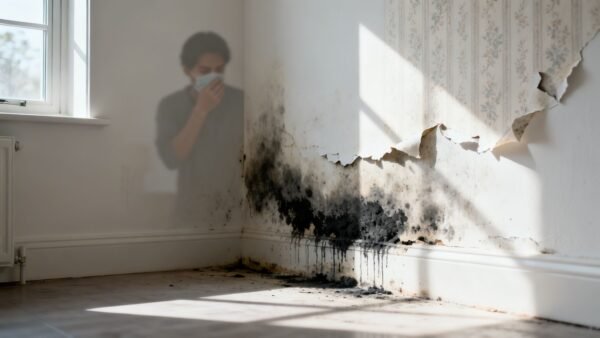
If you discover a patch of mold larger than 10 square feet or notice a musty smell that seems to permeate your entire home no matter how much you clean, you're likely dealing with a systemic problem. Widespread contamination is a red flag that mold has probably infiltrated your HVAC system, insulation, or the hidden spaces behind your walls.
Trying to clean this up yourself is not only ineffective but dangerous. Disturbing a large mold colony can release a massive cloud of spores into the air, spreading the contamination to other areas and creating a serious respiratory hazard for your family.
A professional team will set up containment barriers, use negative air pressure machines, and deploy HEPA vacuums to safely remove the mold and, just as importantly, fix the underlying moisture issue that caused it. This is a non-negotiable scenario for calling for professional restoration services.
Sewage and Biohazard Contamination
Let me be direct: there is no safe way for a homeowner to handle a sewage backup. Raw sewage is teeming with dangerous bacteria, viruses, and parasites that can cause severe illness. The odor is overwhelming, but the health risk is the real emergency. A burst pipe in a West Hollywood apartment that releases contaminated water requires immediate professional intervention.
Technicians trained in biohazard cleanup wear full personal protective equipment (PPE) and use EPA-registered disinfectants to safely clean, sanitize, and deodorize the affected area, making sure it's truly safe for you to occupy again.
Key Takeaway: If an odor is overwhelming, tied to a hazardous event like a fire or sewage leak, or just keeps coming back no matter what you try, it's time to call an expert. Your health and your property are far too valuable to risk.
Stubborn Odors With Unknown Sources
Sometimes, the most frustrating odor is the one you just can't trace. You’ve followed every step, checked every corner, but a foul smell lingers. It's likely originating from an inaccessible area like inside a wall cavity, under the foundation, or deep within your ductwork.
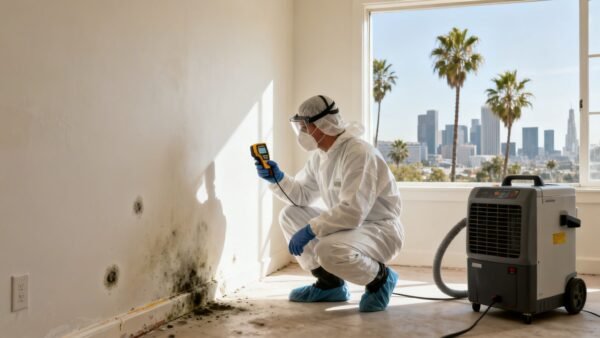
In these situations, unresolved pest issues are a very common culprit. It's often more effective to hire a professional pest control service to get to the root of the problem. Restoration pros also have advanced diagnostic tools, like moisture meters and thermal imaging cameras, to pinpoint hidden problems without having to tear your home apart. This saves you a ton of time, money, and frustration in the long run.
What to Expect from a Professional Odor Removal Service
So, you've decided to call in the pros. Smart move. Hiring a certified team to tackle a serious odor isn't just about making things smell better—it’s about permanently fixing the problem at its source. It's a scientific process, and knowing what to expect can make all the difference.
Here’s a look at what actually happens when a professional restoration crew shows up at your door.

It always starts with a thorough investigation. A good technician won’t just start spraying. They’ll come equipped with tools like moisture meters and thermal imaging cameras to pinpoint exactly where the smell is coming from. This is a critical step because it confirms if you’re dealing with something obvious or a hidden issue, like a slow leak behind a wall or contaminated insulation in the attic.
Containment and Source Removal
Once the source is nailed down, the first priority is stopping it from spreading. Professionals will immediately set up containment barriers with plastic sheeting and often create negative air pressure. This keeps odor particles, mold spores, or other contaminants locked in one area instead of circulating through your entire home via the HVAC system.
With the area secured, the team gets to work on physically removing whatever is causing the odor. This isn't a surface-level cleaning. It could mean cutting out moldy drywall, pulling up soot-damaged carpet and padding, or properly disposing of biohazardous materials. You can't just clean a source like that; you have to eliminate it.
Advanced Deodorization Technology
This is where professional-grade equipment really shines. Unlike store-bought sprays that just cover up smells, this technology is designed to destroy odor molecules for good.
- Air Scrubbers: These are high-powered air filtration machines. They use multi-stage filters, including a HEPA filter, to literally pull microscopic particles, allergens, and smelly compounds right out of the air. You can learn more about how an air scrubber rental works on smoke and mold jobs.
- Ozone Generators: For really tough odors in unoccupied spaces, ozone is a powerful tool. Ozone (O₃) is an unstable gas that attacks odor molecules through oxidation, chemically changing them so they no longer smell. This is serious stuff and requires the property to be vacant during treatment.
- Thermal Fogging: This is the gold standard for fire and smoke damage. A deodorizing agent is heated into a super-fine mist that acts just like smoke, penetrating deep into porous materials like wood and drywall to neutralize trapped odors.
Documentation for Insurance Claims
A reputable, IICRC-certified restoration company knows the insurance game. They will meticulously document everything—detailed photos, moisture maps, equipment logs, and records of every action taken. This professional-level documentation is your best asset for getting an insurance claim approved quickly and fairly.
Think about it: the horrific smells from sewer backups are caused by things like hydrogen sulfide gas and bacteria. Restoration industry studies show that while DIY methods fail and odors return in 65% of cases, professionals using HEPA filtration and enzyme treatments have a 98% success rate.
In a place like Los Angeles, where pipe bursts affect roughly 1 in 50 properties annually, a fast professional response can cut secondary damage costs by 30-50%. Insurers typically cover 80% or more of the bill for certified restoration work, and the company's existing relationships can often get your claim pushed to the front of the line.
Los Angeles Odor Removal FAQs
How much does professional odor removal cost in Los Angeles?
The cost to get rid of an odor depends entirely on the source, severity, and size of the affected area. Minor, localized deodorization might cost a few hundred dollars. However, complex jobs involving smoke, widespread mold, or sewage backups can range from $1,000 to over $10,000 due to the need for specialized equipment, labor, and material removal. A professional assessment is required for an accurate quote.
Will my homeowners insurance cover odor removal?
Typically, yes, if the odor is a direct result of a covered peril. For example, smoke odor from a house fire or musty smells from a sudden pipe burst are usually covered. Insurance generally does not cover odors from lack of maintenance, long-term neglect, or pets. A certified restoration company provides the necessary documentation to prove the odor is linked to a covered loss, which helps your claim get approved.
How long does it take to remove severe smoke odor from a home?
The timeline for removing smoke odor depends on how deeply the smoke particles have penetrated porous materials. A small, surface-level issue may take a few hours. A severe fire requires a multi-day process that includes deep cleaning all surfaces, sealing them with special primers, and running air scrubbers and hydroxyl generators continuously to ensure the odor is permanently eliminated and does not return.
Are professional deodorization chemicals safe for my family and pets?
Yes, when used by IICRC-certified technicians. Professionals use EPA-registered, industry-approved products designed for residential use. They are trained in safe application methods to protect occupants. For powerful treatments like ozone generation, the property must be vacant during the process. Technicians will always inform you of safety protocols and confirm when it is 100% safe to re-enter the home.
If a stubborn odor is making your house feel less like a home, don't just live with it. The experts at Onsite Pro Restoration have the tools and firsthand experience to track down the source and eliminate it permanently.