
Discovering a dark, suspicious-looking patch growing in a damp corner of your home can be alarming. Your mind immediately jumps to the worst-case scenario: black mold. But what does actually black mold look like? It’s a critical question for Los Angeles homeowners, as our diverse microclimates—from coastal fog in Santa Monica to older, leak-prone homes in Sherman Oaks—create ideal breeding grounds.
Let’s be honest, most dark-colored mold looks pretty similar at a glance. But Stachybotrys chartarum, the infamous "toxic black mold," has a few tell-tale signs that can help you make an initial assessment. Knowing them is the first step toward protecting your property and your family's health.

This guide will walk you through the visual cues, common hiding spots, and the critical differences between Stachybotrys and other common household molds. Understanding what black mold looks like helps you spot a potential problem early, before it becomes a major health and structural issue.
The Telltale Appearance of Black Mold
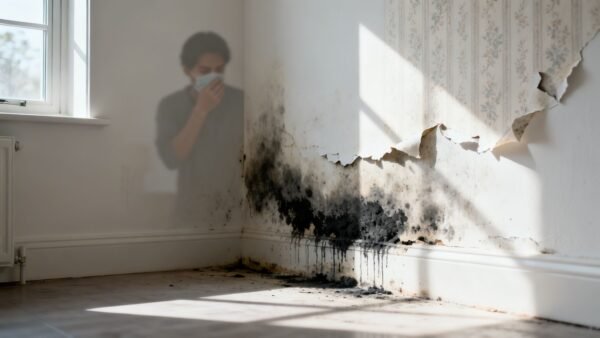
When you discover a suspicious dark patch under a leaky sink or behind peeling wallpaper, your first question is likely about what you're seeing. The appearance of black mold can vary depending on its age and moisture levels, but there are several signature visual cues to watch for. Knowing them helps you spot a potential problem early, especially in Los Angeles homes where materials like drywall and wood are prime real estate for mold.
Just remember, not all mold that’s black is the black mold. But understanding the common characteristics of Stachybotrys gives you the knowledge you need to proceed with caution.
The Signature Look and Feel
One of the most telling signs is its texture. Active, growing black mold is often slimy or wet to the touch. This slick, gelatinous layer is a biofilm that protects the colony while it feeds on moisture-soaked materials.
But what if the water source dries up? In that case, the mold can become dormant. When this happens, its appearance shifts from slimy to dry and sooty, looking more like a dark, powdery smudge that could be easily disturbed.
You'll also notice it often grows in circular patterns. Over time, these individual spots can merge into larger, irregular patches that look splotchy as they spread out from the original moisture source.
How Quickly It Can Show Up
Mold needs very little time to get started. Under the right conditions—think chronic moisture and an organic food source like drywall paper or wood—black mold can appear in as little as 24 to 48 hours.
After a leak or flood, it's not uncommon to see those distinctive dark black or greenish-black slimy patches start to form. And once it starts, it spreads fast if you don’t address the underlying water problem. This rapid growth is why we stress immediate action after any water event, whether it's a burst pipe in a Sherman Oaks condo or persistent dampness from coastal fog in Santa Monica.
Even a small, nagging issue like condensation can quickly become a serious breeding ground. If you find black mold on hardwood floors, for instance, it's often a sign of a deeper, more widespread moisture issue. You might find our guide on how to handle black mold on hardwood flooring helpful.
Quick Visual Cues For Identifying Potential Black Mold
Use this table as a quick reference guide to recognize the common visual and sensory signs of potential black mold growth in your home.
| Characteristic | Description |
|---|---|
| Color | Ranges from dark greenish-black to jet black or even dark gray. |
| Texture (Active) | Typically slimy, wet, or gelatinous to the touch. |
| Texture (Dormant) | Can become dry, sooty, or powdery if the water source is removed. |
| Growth Pattern | Often starts as circular spots that merge into larger, blotchy patches. |
| Location | Thrives in chronically damp, dark areas with poor ventilation. |
| Smell | Gives off a strong, distinct musty or earthy odor, like dirt or rotting leaves. |
While these signs are strong indicators, the only way to be 100% certain you’re dealing with Stachybotrys is through professional sampling and lab analysis. But if what you’re seeing checks these boxes, it’s time to call in a professional for an inspection.
Where to Look: Common Hiding Spots For Mold In Los Angeles Homes
Knowing what black mold looks like is only half the battle. You also need to know where to look. Mold is a master of hiding in plain sight, thriving in the dark, damp, and often-overlooked corners of your home where moisture collects unnoticed.
Think of mold as an opportunist. It’s always searching for an environment with consistent moisture, organic material to feed on, and poor airflow. A slow drip from a pipe, condensation on a window, or even just high humidity is an open invitation for a colony to take root.
The Usual Suspects: Bathrooms and Kitchens
Bathrooms are the most obvious starting point for any mold inspection. Check around the base of your toilet, under sinks where tiny leaks can go unnoticed, and in the grout lines of your shower. In Los Angeles, especially in older apartments in areas like West Hollywood, poorly ventilated bathrooms create a perpetually damp environment just perfect for mold.
Kitchens are another hotspot. Be sure to look for signs of mold in these areas:
- Under the kitchen sink where plumbing leaks are all too common.
- Behind and underneath the refrigerator, especially where condensation pans can overflow.
- Inside dishwashers and around their rubber seals, which trap moisture after every cycle.
- In the back of pantries or cabinets where food spills or hidden leaks have occurred.
Beyond The Obvious: Basements, Attics, and More
While less common in some LA homes, basements and crawl spaces are prime real estate for mold. These areas are naturally cooler and more prone to dampness, creating an ideal breeding ground. Pay close attention to corners, areas near foundation cracks, and anywhere around sump pumps.
Attics are another critical inspection point, especially after heavy rains like those that can hit Sherman Oaks in the winter. A leaky roof or poor ventilation can trap hot, moist air, leading to condensation on the underside of the roofing materials and insulation. Finding mold inside your walls requires a more detailed inspection, and our guide on how to check for mold in walls provides deeper insights into this process.
The musty, earthy smell of mold is often the first and most reliable sign of a hidden infestation. If a room consistently smells damp even when it's dry, trust your nose—it’s likely pointing you toward a concealed mold problem behind drywall or under flooring.
Don't forget to check window sills and frames. Condensation is a frequent issue, especially with older, single-pane windows that don't insulate well. Since window sills are such common sites for moisture, understanding how to prevent mold on window sills is crucial for keeping your home healthy.
Finally, your HVAC system can become a distribution network for mold spores. Inspect the air vents for any dark specks or a musty odor when the system kicks on. If mold gets into your ductwork, it can quickly spread contaminants throughout your entire property, turning a small problem into a major one.
Is It Black Mold? Understanding That Not All Dark Mold Is Toxic
When you spot a dark, ugly patch of mold on a wall, it’s natural to feel a jolt of panic. The words “toxic black mold” immediately come to mind. But here’s something I’ve learned after years in the field: not every mold that looks black is the infamous Stachybotrys chartarum.
Frankly, several common household molds can show up as dark green, brown, or black, which can cause a lot of unnecessary stress. The color is just one clue. Other species, like Cladosporium and certain types of Aspergillus, can look surprisingly similar but often have different textures and growth patterns that set them apart.
Distinguishing Between Common Dark Molds
While only a lab test can give you a definitive answer, you can often pick up on visual cues right away. Stachybotrys, for example, is notorious for its slimy, wet appearance, especially when it has a steady water source. Other dark molds just feel different to the touch and have distinct looks.
- Cladosporium: This one often has a powdery or suede-like texture. You’ll find it on everything from fabrics and wood to painted walls, usually showing up as olive-green to black spots.
- Aspergillus: While some species are lighter, many can be very dark. Aspergillus tends to look more fuzzy or powdery, a lot like the stuff you’d see on old food in the back of the fridge.
- Alternaria: Super common in damp spots like showers or under leaky sinks, this mold has a velvety feel with dark green or brown hairs.
So, while you might be tempted to self-diagnose, visual identification is tricky at best. True black mold typically appears as irregular, shiny black spots with a slimy sheen, thriving on water-soaked, cellulose-rich materials like drywall or insulation.
This map shows the usual suspects—the high-moisture zones where mold loves to hide.

As you can see, bathrooms, kitchens, and attics are prime real estate for all kinds of mold, not just one specific type. To help you get a better sense of what you might be looking at, here’s a quick comparison of the most common household molds that can appear black.
Comparing Common Household Molds That Can Appear Black
This table breaks down the key differences between Stachybotrys and other common dark molds, giving you a clearer picture of the potential risks involved.
| Mold Type | Common Appearance | Typical Location | Primary Risk Factor |
|---|---|---|---|
| Stachybotrys | Slimy, wet, and black; can appear greenish-black. | Water-damaged drywall, wood, paper, and insulation. | Produces mycotoxins, which can cause severe health issues. |
| Cladosporium | Powdery or suede-like; olive-green to black spots. | Painted surfaces, wood, textiles, and damp window sills. | Common allergen; can trigger asthma and respiratory issues. |
| Aspergillus | Fuzzy or powdery; can be black, brown, green, or yellow. | HVAC systems, insulation, food, and dusty areas. | Can cause allergic reactions and serious lung infections in immunocompromised individuals. |
While this table offers a good starting point, remember that mold can look different depending on the environment and food source.
Why Professional Testing Is Essential
Because so many molds look alike, trying to remove it yourself is a huge gamble. You might be dealing with a less harmful species, or you could be unknowingly disturbing a toxic Stachybotrys colony, sending millions of spores flying through your home. A lot of people reach for bleach, but that’s a classic mistake that rarely fixes the underlying issue. For more on that, check out our guide on why bleach is not the answer for killing black mold.
Professional mold testing and inspection are the only ways to accurately identify the mold species you're dealing with and determine the true extent of the contamination. This ensures the correct remediation strategy is used to protect your property and your family’s health.
The Hidden Dangers And Health Symptoms Of Mold Exposure
Beyond its ugly appearance, the real reason to get mold handled is its impact on your home's health—and your family's. When mold spores go airborne, a simple property issue becomes a serious health problem, degrading the air you breathe every single day. This is why a fast, professional response is so important.
The effects of mold exposure aren't a one-size-fits-all problem. For some people, the first signs feel just like seasonal allergies: a nagging cough, constant sneezing, a scratchy throat, or a runny nose. Others might get a skin rash or itchy, red eyes. These symptoms are your body’s alarm system, telling you it’s fighting off an airborne irritant.
When Symptoms Become More Serious
For the most vulnerable among us, the health risks are far greater. Children, the elderly, and anyone with a weakened immune system or existing respiratory issues like asthma are hit the hardest.
In these groups, what starts as a minor annoyance can quickly escalate into something much more serious:
- Increased Asthma Attacks: Mold spores are a well-known trigger for asthma, often leading to more frequent and severe attacks.
- Respiratory Distress: Many experience wheezing, shortness of breath, and a constant tightness in their chest.
- Chronic Sinus Infections: If you're dealing with sinus problems that just won't go away, persistent mold exposure could be the culprit.
- Long-Term Fatigue: Some people report feeling drained, tired, and plagued by headaches when living in a home with mold.
It’s crucial to connect the dots. If your "allergies" or breathing problems flare up at home but seem to get better when you're out, that's a huge red flag pointing to an environmental trigger like mold.
The Importance Of Air Quality
The presence of mold is a direct assault on your home’s environment. It's not just about what you can see; understanding how mold wrecks your indoor air quality standards is key to protecting your family's health. Those tiny spores can get into your HVAC system and circulate from one isolated spot throughout the entire house.
This is exactly why we tell everyone not to touch or disturb a mold colony on their own. Trying to scrape it, sand it, or even pointing a fan at it can launch millions of spores into the air. You could accidentally turn a small, contained issue into a widespread health hazard.
While our job is to identify the mold and get rid of it for good, you should always talk to a doctor about any health concerns. We restore the health of your home; your doctor's job is to look after yours. Getting rid of the mold isn't just a home repair—it's a health priority.
Your Immediate Action Plan for Suspected Mold
Finding what you think is black mold in your home can set off alarm bells, but your best defense is a calm, strategic response. Panicking and acting rashly can actually spread the problem, turning a contained issue into a house-wide contamination.
Instead, think like a first responder: your goal is to contain the scene and prevent further damage until the experts arrive.

The number one rule is to keep the spores from getting into the air. That means you have to fight the urge to touch, scrub, or disturb the moldy area in any way. Even a small poke can release millions of microscopic spores, which will happily hitch a ride on air currents to new parts of your home.
Critical Safety Steps to Take Right Now
If you've spotted something suspicious, here’s what to do immediately to protect your home and your family:
Isolate the Area: Shut the door to the room where you found the mold. If you want to be extra careful, you can use plastic sheeting and painter's tape to seal off air vents and the gaps around the door. This creates a basic containment zone.
Turn Off Your HVAC System: This is a big one. Shut down your heating, ventilation, and air conditioning system completely. An active HVAC unit is the fastest way to suck spores out of one room and blow them into every other corner of your house.
Document Everything: Get your phone out and take clear, well-lit photos and videos of the area. Get different angles and distances. This documentation is gold for an insurance claim and gives our technicians a heads-up on what we’re walking into.
Common Mistakes to Avoid at All Costs
What you don’t do right now is just as critical as what you do. So many well-intentioned DIY attempts end up making the contamination far worse.
A classic mistake is grabbing a spray bottle of bleach. Bleach might kill a little surface mold and it definitely removes the color, but it doesn't get to the roots growing deep inside porous materials like drywall or wood. It gives you a false sense of security while the problem continues to grow just beneath the surface.
And whatever you do, never point a fan at a damp, moldy area to "dry it out." You might as well be using a leaf blower to scatter the spores. The only safe way to understand the true scope of the problem is with a professional inspection. You can learn more about why accurate identification is so crucial by checking out our guide to professional mold testing in Los Angeles.
Why Professional Mold Remediation Is Your Safest Choice
There’s a world of difference between wiping down a surface and professionally remediating a mold problem. When you’re staring at what looks like black mold, a DIY approach is like putting a small bandage on a serious wound—it covers the visible part but completely ignores the infection festering underneath.
True peace of mind only comes from eliminating the problem at its source, not just cleaning what you can see.
Simply spraying a store-bought cleaner on a patch of mold won't get you very far. The mold's root-like structures, called hyphae, often burrow deep into porous materials like drywall and wood. While the surface might look clean for a bit, the colony underneath is very much alive and will just reappear.
Professional remediation, on the other hand, is a systematic process designed to permanently remove the contamination and stop it from coming back. It’s a meticulous, science-based approach that deals with both the visible growth and the invisible spores in the air.
The Professional Remediation Process Explained
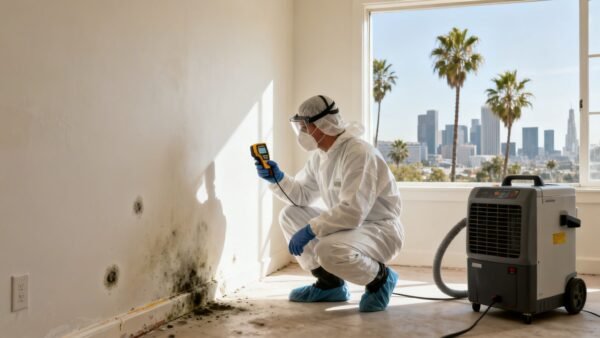
A certified team doesn't just clean; they contain, remove, and restore. The process involves highly specialized equipment and strict adherence to industry standards, like those set by the IICRC (Institute of Inspection, Cleaning and Restoration Certification). This ensures the problem is handled safely and effectively, without cross-contaminating other areas of your home.
Key steps in professional remediation include:
- Containment Barriers: Technicians seal off the affected area with thick plastic sheeting. This creates a negative air pressure environment, making sure any disturbed spores are trapped within the work zone instead of spreading throughout your home.
- HEPA Air Scrubbers: High-efficiency particulate air (HEPA) filters are used to continuously scrub the air. These machines capture microscopic mold spores, dust, and other contaminants, purifying the air to safe levels.
- Safe Removal of Contaminated Materials: Porous materials that can’t be saved, such as insulation and drywall, are carefully removed, bagged, and disposed of according to regulations. This step is critical for eliminating the mold’s food source for good.
- Antimicrobial Treatment: All remaining surfaces, like wood framing and concrete, are thoroughly cleaned and treated with EPA-approved antimicrobial agents to kill any lingering mold and prevent it from returning.
Surgery Versus a Bandage
Think of it this way: a DIY cleaning is the bandage. Professional remediation is surgery. It goes beyond the surface to remove the entire problem, ensuring it doesn't come back.
Our experts are trained to find the hidden moisture source fueling the growth and address it, which is the only way to achieve a lasting solution. Attempting this yourself without the right training and gear can expose you and your family to a massive release of toxic spores, turning a localized issue into a whole-house contamination.
For a full breakdown of the steps involved, you can learn more about our professional mold remediation services. When it comes to something as serious as black mold, hiring a certified professional isn't just an option—it's the only safe choice.
Frequently Asked Questions About Black Mold
When you find something that looks like black mold, a million questions pop into your head. Here are the straight-up answers to the ones we get asked most often by Los Angeles homeowners.
Q: Can I Just Paint Over Black Mold?
A: Absolutely not. This is one of the most common—and dangerous—mistakes we see. Slapping a coat of paint over mold might hide the ugly stain for a little while, but the living, breathing colony underneath keeps on growing. It will continue to eat away at your drywall and pump spores into your home, all while being hidden from view. The only real solution is to fix the moisture problem and have the mold properly removed.
Q: What does black mold smell like?
A: Black mold has a very distinct, hard-to-ignore smell. Most people describe it as musty, earthy, or like damp, rotting logs. If you catch a whiff of that persistent odor in a basement, bathroom, or laundry room, trust your nose. It's a huge red flag for hidden mold growth, even if you can't see a single spot.
Q: How quickly can black mold spread in a home?
A: Faster than most people think. In the right conditions—a steady source of moisture and something to eat, like drywall or wood—black mold can take hold in as little as 24 to 48 hours. From that point, it can spread surprisingly fast. This is exactly why jumping on a water leak or flood damage immediately is so critical. A small problem today can become a massive infestation in a week.
Q: Is a small spot of black mold dangerous?
A: Any mold in your home is a problem that needs to be addressed seriously. Even one small, visible spot can release enough spores to impact your home's air quality and trigger health issues for sensitive individuals. More importantly, that little spot is often just the tip of the iceberg, signaling a much larger, hidden colony behind a wall or under the floor. A professional assessment is the only way to know the true extent of the problem.
If you're dealing with a potential mold issue in your Los Angeles property, waiting is the worst thing you can do. The IICRC-certified experts at Onsite Pro Restoration have the training and equipment to safely inspect and remove mold, restoring your home for good.
Contact us today to get the peace of mind that comes with knowing your property is safe for you and your family. https://onsitepro.org