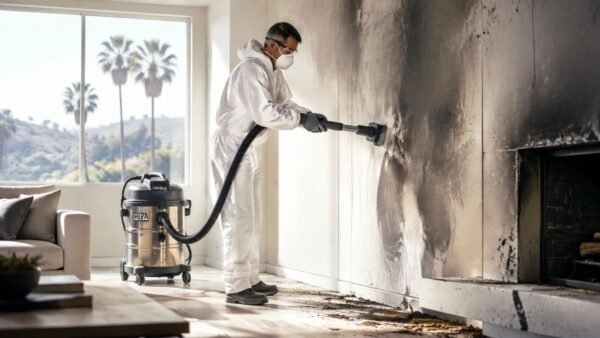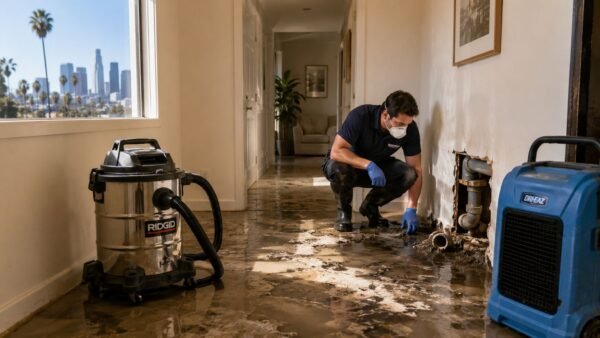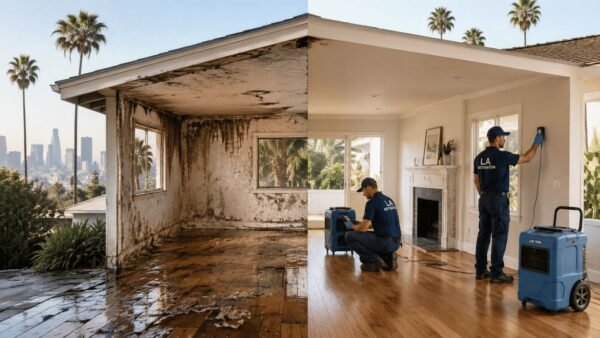

That smell in your car usually feels simple at first. You spray an air freshener, wipe the dash, crack the windows, and the odor fades for a day or two. Then it comes back the moment the cabin heats up or the AC turns on.
For a car odor removal service near me in Los Angeles, the important question isn't who can make the car smell better for an hour. It's who can find and remove the source so the odor doesn't keep returning from the seat foam, carpet backing, vents, or insulation.
Your Guide to Professional Car Odor Removal in Los Angeles
A proper car odor removal service near me should do more than perfume the cabin. It should identify where the smell is living, clean or remove that contamination, and use the right deodorization method for what caused it.
In Los Angeles, convenience has changed this market. Mobile and on-site odor services have expanded in major metro areas, and one San Diego provider advertises ozone odor removal starting at $39.95 for a half-hour treatment on its service site. That low entry point explains why more drivers try professional help before they consider replacing interior materials.
What professional odor work actually means
Standard detailing can help with light, recent smells. Severe odor problems are different. Smoke, mildew, pet contamination, and bio-related odors often move past the visible surface and into porous materials.
That's where restoration-grade thinking matters. A technician has to ask questions a cosmetic detailer may skip:
- What caused the odor
- Where did it travel
- What materials absorbed it
- Can those materials be cleaned, or do they need removal
For severe odor situations, one option to review is Onsite Pro's odor removal service, which is relevant when the problem goes beyond simple interior detailing and into smoke, mold, or contamination concerns.
Practical rule: If the smell returns after the cabin heats up, after rain, or when the blower motor runs, the source is usually still inside the vehicle.
If you want a quick consumer overview of mobile treatment options, this guide to fast mobile odor relief gives useful context on what local providers typically offer.
Los Angeles drivers in Burbank, Glendale, Sherman Oaks, and West Hollywood usually aren't dealing with a theoretical problem. They're dealing with a used car purchase that still smells like smoke, a spill that soured under the seat, wet floor mats after a leak, or wildfire odor that settled into the HVAC system. Those aren't fragrance problems. They're contamination problems.
Why That Smell Lingers and When to Call a Professional
The reason car odors are stubborn is simple. Vehicle interiors trap contamination in layers.
Fabric, carpet, seat foam, headliners, and ducts all hold odor residues differently. A light wipe-down only reaches the surface. The smell remains below it.
Source control is the whole job
Effective odor removal starts with source control. Professionals have to physically remove odor reservoirs from carpets, seat foam, and HVAC ducts before using deodorizers, because trapped residue will keep releasing odor after a surface clean, as noted in this odor removal guidance.
That matters in Los Angeles more than many drivers realize. A small roof leak or wet shoes during a damp weather stretch can turn into mildew in the padding. Wildfire smoke can spread through the cabin and settle into vents, fabric, and headliner materials. Food spills can wick downward and stay active long after the visible stain is gone.
What usually doesn't work
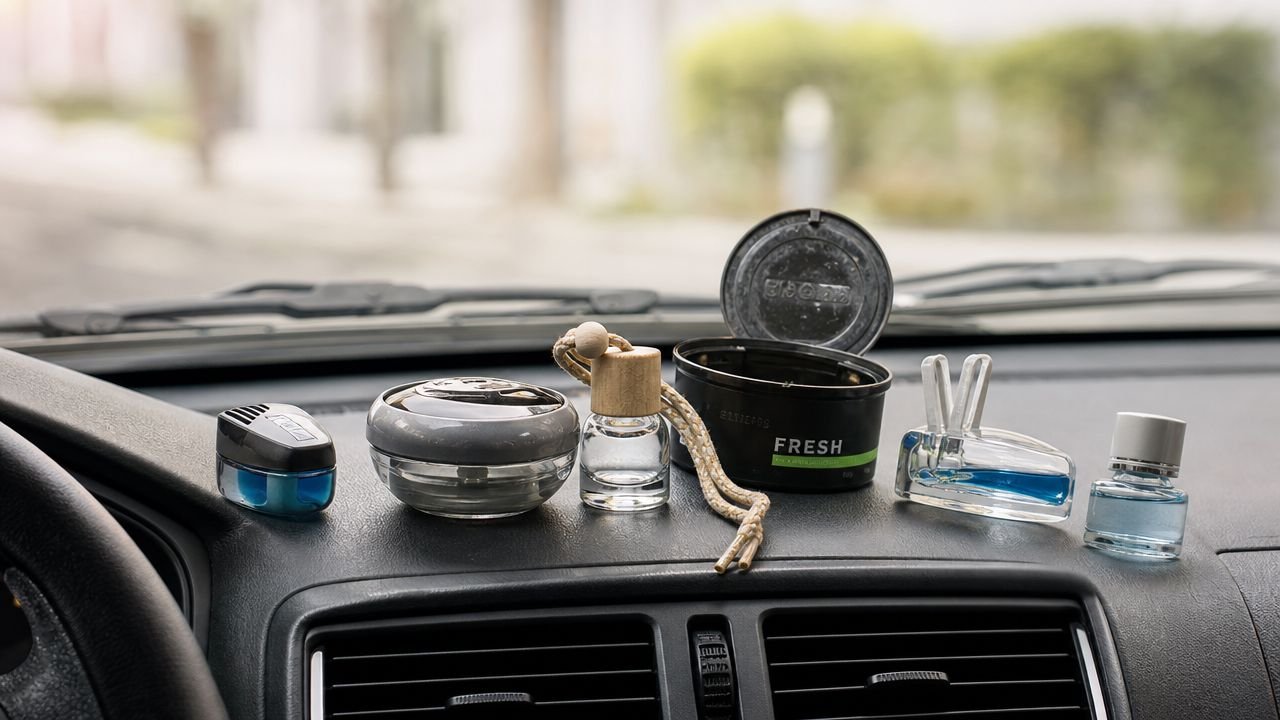
Air fresheners, vent clips, and most spray deodorizers don't remove contamination. They compete with it.
Even some detail packages sound stronger than they are. If the process doesn't include deep cleaning of porous materials, vent attention, and a plan for the actual source, you're paying for temporary improvement.
A practical outside resource on effective car detailing for smoke odor can help you understand why smoke is especially difficult. Smoke doesn't just sit on one surface. It spreads as a residue problem.
The nose often finds the symptom first. The technician has to find the reservoir.
When DIY stops making sense
Call a professional when any of these are true:
- The odor returns quickly: That usually means contamination remains below the surface.
- The smell changes with AC or heat: Vents, ducts, or the cabin filter area may be involved.
- The source was dirty water, mold, smoke, or a bio event: Those problems need more than cosmetic cleaning.
- You're selling or returning the vehicle: Lingering odor can become a disclosure, resale, or lease issue.
If you want to understand the problem from a remediation angle, this article on how to get rid of odor gives a broader look at why smells persist in enclosed spaces.
In practice, the dividing line is easy to spot. If you're trying to make a clean car smell fresher, detailing may be enough. If you're trying to correct contamination that has penetrated materials, you need remediation logic.
Comparing Professional Odor Remediation Methods
One of the biggest consumer frustrations is not knowing which treatment fits which odor. Many providers list ozone, enzyme, steam, or deodorizing options, but they don't clearly explain what each one is for, how long it tends to hold up, or when material replacement is the only honest answer. That's a real gap in the market, and it's reflected in this odor removal overview.
Odor removal method vs odor source
| Method | Best For | How It Works |
|---|---|---|
| Hot-water extraction | Spills, pet contamination, food residue, dirty carpet and cloth seats | Flushes contamination out of fabric and carpet layers rather than treating only the top surface |
| Steam sanitation | Seams, plastics, trim, light residue in tight areas | Uses controlled heat and moisture to loosen residue in hard-to-reach areas |
| Enzyme treatment | Organic odors such as food, pet accidents, and other biological residue | Targets organic contamination after cleaning, where odor source is still chemically active |
| HVAC deodorizing | Musty vent smell, smoke spread through airflow, recurring AC odor | Cleans and treats the ventilation path so the system stops reintroducing smell |
| Ozone treatment | Widespread residual odor after source cleaning, especially smoke or embedded cabin odor | Oxidizes odor compounds in the air path and exposed materials |
| Chlorine dioxide treatment | Severe persistent odor cases where broad-space deodorization is needed | Reaches areas standard wiping cannot, after source control work is complete |
| Material replacement | Saturated foam, mold-damaged padding, unrecoverable contamination | Removes the odor reservoir entirely when cleaning can't restore the material |
What works best for different odor categories
For pet and food odors, extraction usually does the heavy lifting. If organic residue soaked into cloth seats or carpeting, the job is to rinse contamination out, not cover it up.
For smoke odor, multiple methods may be necessary. Surface cleaning addresses residue on hard and soft materials. HVAC treatment handles recirculation points. Oxidation-based treatment may come later to address what remains after cleaning.
For mold or mildew odor, caution matters. If the smell is tied to active moisture intrusion or contaminated underlayment, deodorization alone won't solve it. You have to correct the moisture source and address affected materials thoroughly.
What I tell customers: The strongest deodorizer in the shop still loses if the source is left in the car.
The trade-offs most shops don't explain
Ozone and chlorine dioxide can be useful tools, but they are finishing tools, not a substitute for cleaning. If a shop wants to skip inspection and jump straight to gas treatment, that's a warning sign.
Steam is useful, but it isn't universal. Delicate materials and hidden saturated padding can limit what steam can safely do.
Extraction is effective for many soft-surface issues, but some contamination goes so deep that the material itself becomes the problem. That's when replacement moves from optional to necessary.
If you're trying to understand how upholstery cleaning fits into this process, Titan Coatings' auto upholstery cleaning is a practical reference for how deep seat cleaning works before deodorization even begins.
For jobs involving severe airborne residue, filtration and containment tools can matter too. That's why equipment such as air scrubbers often comes up in restoration settings, especially when smoke or contamination is part of a broader cleanup plan.
Typical Costs and Timelines for Vehicle Deodorizing
Most drivers want two practical answers. How long will this take, and how expensive is it likely to get?
Time first. Professional car odor removal is often a same-day service, but actual labor commonly falls in the 2 to 6 hour range depending on severity, vehicle size, and contamination type, according to this San Jose odor removal reference. The same verified market data also notes that another provider describes some odor removal work as roughly 90 minutes, which shows the difference between light deodorization and deeper remediation.
What affects the timeline
A simple odor job moves faster when the source is recent and shallow. Think light food odor, minor pet smell, or a vehicle that just needs vent treatment and interior cleaning.
Longer jobs usually involve one or more of these conditions:
- Embedded contamination: Odor has moved into padding, foam, or the headliner.
- HVAC involvement: The smell returns when the system runs.
- Multiple odor sources: Smoke plus spills, or mildew plus pet contamination.
- Drying needs: Some cleaning steps require proper drying before final deodorization.
What affects the price
The market has a low-cost entry point for simple treatments, but that doesn't mean every odor problem is simple. A basic oxidizing treatment may be affordable. A full remediation-style job can involve inspection, extraction, vent cleaning, deodorization, and sometimes parts replacement.
That's why broad price shopping can mislead people. One company may be pricing a quick deodorizer application. Another may be pricing source removal.
Ask what the quote includes before you compare the number. Cleaning the source and fogging over the source are not the same service.
If you want a general baseline for how cleaning service pricing is structured, this page on cleaning services cost helps frame the labor side of professional cleanup work.
For Los Angeles scheduling, same-day availability matters because heat can reactivate odor quickly. A car parked in the sun in Glendale or North Hollywood can make a mild odor feel much worse by late afternoon, so early treatment usually gives better control over the job.
How to Choose the Right Odor Removal Service in Los Angeles
If you're comparing a car odor removal service near me in Sherman Oaks, Burbank, Glendale, or West Hollywood, don't start with the fragrance promise. Start with the diagnosis.
Consumers often miss two issues that matter a lot: safety and documentation. Standard detailing pages rarely explain whether a treatment is safe to use immediately after service, whether it was appropriate for an occupied vehicle, or how remediation can be documented for resale, lease return, or insurance questions. That gap is noted in this car odor removal discussion.
Questions worth asking before you book
- What is your process for finding the source? If the answer starts and ends with ozone, keep looking.
- Do you handle smoke, mold, or bio-related odors differently from normal detailing? You want a provider who understands contamination categories.
- Are you insured for this work? Severe odor jobs can overlap with restoration, not just detailing.
- What are the re-entry and airing-out instructions? This matters for oxidizing treatments.
- Can you document what was found and what was treated? That can help with resale or claims.
- When do you recommend replacing materials instead of treating them? Honest shops know cleaning has limits.
A contact page should make it easy to explain the odor history and schedule an inspection. This is the kind of information form that helps start the conversation clearly.
Why certification and restoration experience matter
An IICRC-certified mindset changes the conversation. Instead of asking how to make the cabin smell nicer, a trained technician asks what category of contamination is present, what materials were affected, and whether the problem crosses into health or remediation territory.
That distinction matters after wildfire smoke exposure, mold-related odor, sewer-related contamination, or decomposing organic matter in hidden areas. A detailer may improve the smell. A restoration-trained professional is more likely to evaluate whether the problem is safe, cleanable, and documentable.
For a quick visual overview of odor treatment thinking, this video is useful:
Frequently Asked Questions About Car Odor Removal
Can cigarette smoke be removed permanently from a car
Sometimes yes, but only if the source is fully addressed. Smoke residue can settle into fabric, plastics, headliners, and the HVAC path. If residue remains in those materials, the odor can return. In severe cases, replacement of heavily contaminated materials may be the only lasting fix.
Will the smell come back after treatment
It can if the original source wasn't removed. That's why real odor remediation focuses on cleaning, extraction, and source control before deodorizing. If new contamination occurs later, that's a separate problem.
Is ozone treatment safe
The practical question isn't whether ozone exists as a tool. It's whether the provider uses it correctly, with proper vacancy, treatment control, and airing-out guidance. Ask when the vehicle is safe to re-enter and whether the treatment is appropriate for your specific odor problem.
How do I know if I need remediation instead of detailing
If the odor involves mold, smoke, sewer-related contamination, hidden moisture, or a recurring smell from the vents, you're past routine detailing. Those cases need diagnosis and a source-removal plan.
Can a provider document the work for resale or insurance
Some can, and you should ask before booking. Documentation can matter when you're selling a vehicle, turning in a lease, or trying to show that a contamination issue was professionally addressed.
For additional common questions, Onsite Pro's odor removal FAQ is a useful reference.
If your vehicle still smells after wipes, sprays, and detailing, the issue usually isn't the air. It's the material holding the contamination. For help assessing a severe odor problem in Los Angeles, contact Onsite Pro Restoration or call 818-336-1800 to discuss smoke, mold, moisture, or other persistent odor conditions.