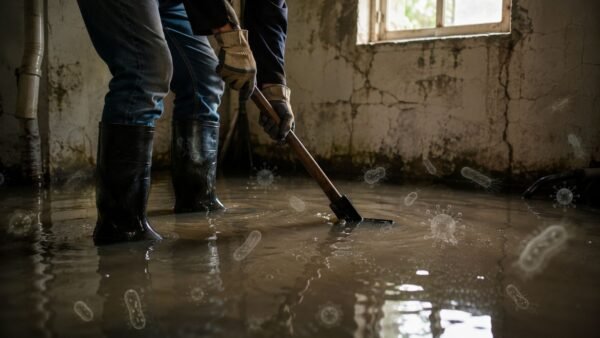

Floor water damage needs immediate action because even 1 inch of water can cause over $25,000 in damage in a home, and the average water-damage insurance claim payout has been reported around $13,954 (water damage statistics). Start by stopping the water source, removing standing water safely, and getting a professional assessment, because hidden moisture under the floor is what turns a manageable leak into mold, subfloor damage, and a much larger repair.
If you're reading this with wet socks, a humming dishwasher, or a warped wood plank in your kitchen, slow down and handle it in the right order. In Los Angeles homes, floor water damage often starts with something that looks minor. A failed ice maker line in Glendale, a slab leak in Sherman Oaks, an overflowing upstairs bath in Burbank, or condensate from an AC line in an older bungalow can all send water into places you can't see.
The mistake homeowners make most often is treating this like a surface cleanup problem. It isn't. Floors trap water in seams, underlayment, and subfloors. What looks dry on top can still be wet where significant damage is happening.
What to Do When You Find Water on Your Floor
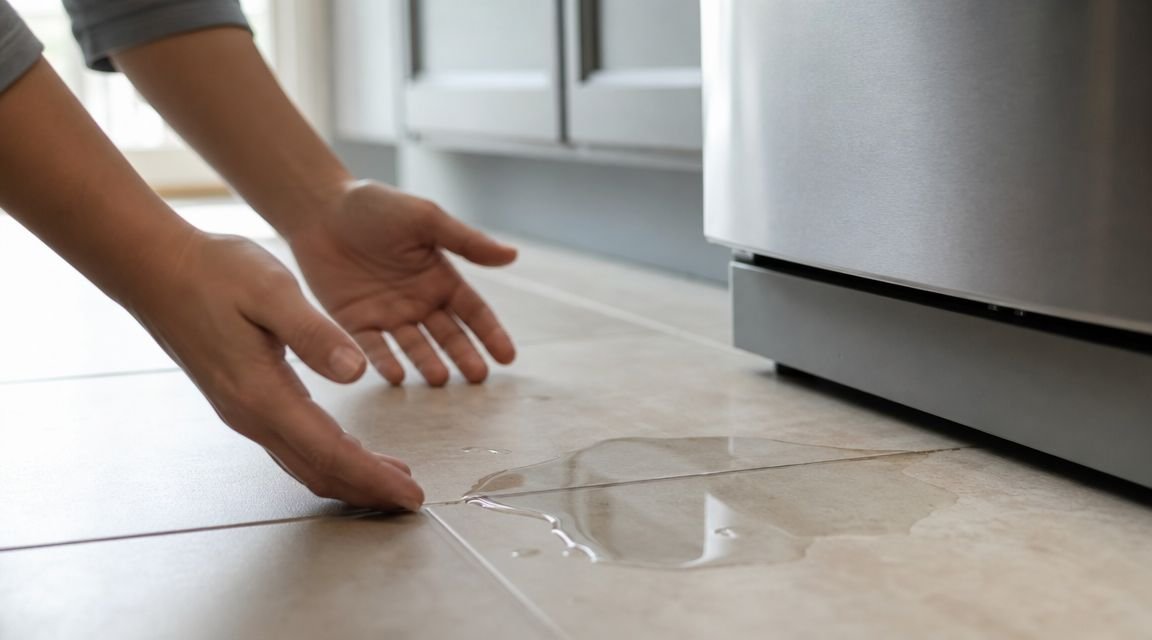
The first few minutes matter. If you walk into your kitchen and see water spreading from under the dishwasher, or you feel wet carpet near a hallway wall, take three steps in order: stop the source, make the area safe, and get the floor evaluated.
Start with safety and control
If water is near outlets, cords, appliances, or baseboard heaters, don't stand in it while touching anything electrical. If you can safely access your panel, shut off power to the affected area. Then stop the water source. That may mean closing the dishwasher supply valve, shutting off a toilet stop, or turning off the home's main water line.
After that, remove what you can from the wet area:
- Lift rugs and mats: They hold moisture against the floor and can stain finished surfaces.
- Move furniture legs out of standing water: Wood furniture bleeds tannins and upholstery wicks water upward.
- Blot or extract surface water: Use towels, a mop, or a wet/dry vacuum if the area is safe.
Know when it's already beyond DIY
A small spill is one thing. Floor water damage from a leak is different because the water usually keeps traveling after you stop seeing it. In LA properties with floating laminate, glue-down vinyl, and hardwood over crawlspace or slab transitions, water can move farther than homeowners expect.
Practical rule: If water came from a plumbing line, appliance, wall, or unknown source, assume it reached below the finish floor until proven otherwise.
If you need immediate help with extraction and drying, a local emergency water cleanup service is the right next call. If the issue began with an active plumbing failure and you want a plain-language example of how emergency plumbing response is typically handled, this 24/7 emergency plumbing Sydney guide gives a useful breakdown of what to do first while a leak is still active.
Common Causes and Types of Floor Water Damage
Not all water losses are equal. The source of the water changes both the health risk and the restoration approach. A clean dishwasher supply leak isn't handled the same way as a toilet overflow or storm runoff that entered through a door threshold.
In Los Angeles, the cause often ties back to the building type. Older homes in neighborhoods like West Hollywood and parts of Glendale often have aging supply lines, cast iron drains, and bathrooms that have been patched multiple times over decades. Slab-on-grade homes in the Valley can hide slow plumbing leaks under the floor until the finish starts lifting. In condos and multifamily properties, water may originate in a unit above and show up first as bubbling plank flooring or damp carpet near an exterior wall.
Understanding Water Damage Categories
| Category | Water Source Examples | Health Risk | Restoration Approach |
|---|---|---|---|
| Clean | Supply line leak, sink overflow without contaminants, appliance feed line | Lower initial risk | Fast extraction, drying, moisture mapping, material evaluation |
| Gray | Dishwasher discharge, washing machine waste water, toilet overflow without solid waste | Elevated risk | Controlled removal, cleaning, drying, and closer material decisions |
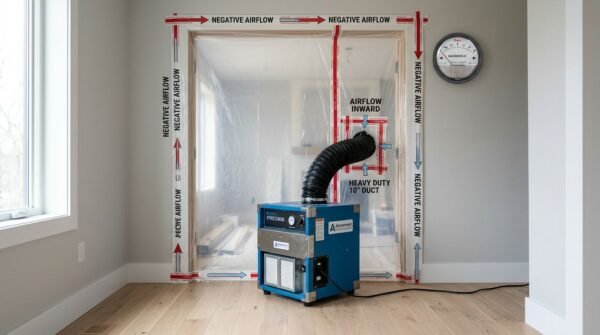
| Black | Sewage backup, floodwater, heavily contaminated standing water | Serious risk | Containment, removal of affected materials, sanitation measures, and more demolition |
Common causes in LA homes
A few causes show up again and again in local restoration work:
- Appliance failures: Dishwasher leaks, refrigerator lines, washing machine hoses, and water heater pan overflows often damage kitchen and laundry room floors first.
- Slab leaks: These are especially tricky in slab-on-grade homes because the floor can feel only slightly warm or damp at first.
- Bathroom overflows: Water travels under baseboards and into adjacent rooms surprisingly fast.
- AC and condensate issues: In Los Angeles, long cooling seasons mean blocked condensate lines can create hidden moisture around hallways and bedrooms.
- Older plumbing systems: Galvanized lines, old angle stops, and aging drain assemblies are common failure points in older bungalows and duplexes.
The source tells you what the floor was exposed to. That determines whether you're drying materials, cleaning them, or removing them.
This is why "the floor got wet" isn't enough information. A wood floor hit by a clean supply leak may be partially salvageable. The same floor hit by contaminated overflow water is a different job entirely.
How to Assess the Severity of the Damage
A homeowner can do a useful first check, but the goal isn't to declare the floor safe. The goal is to spot signs that the water has moved below the surface and changed the repair plan.
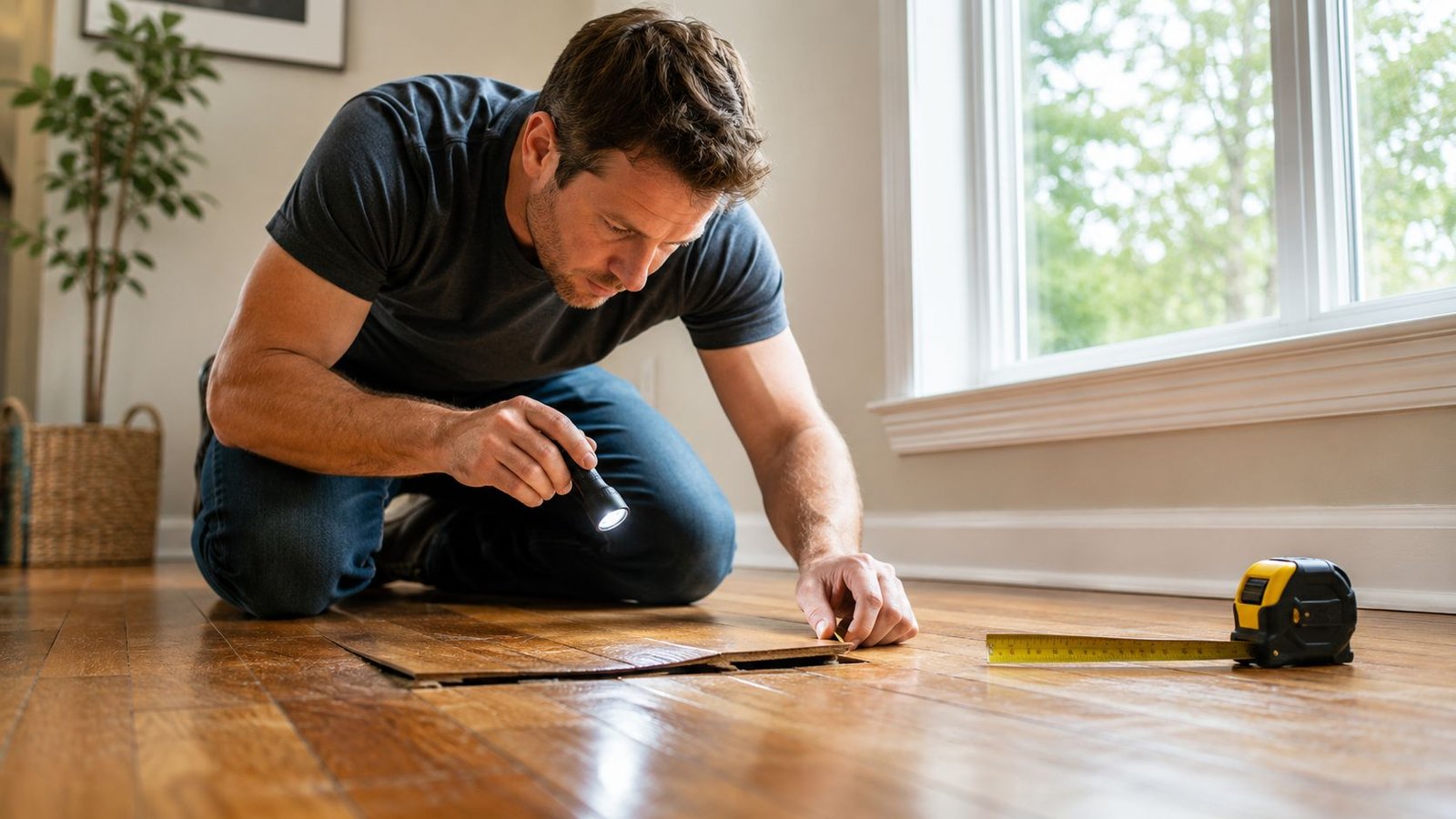
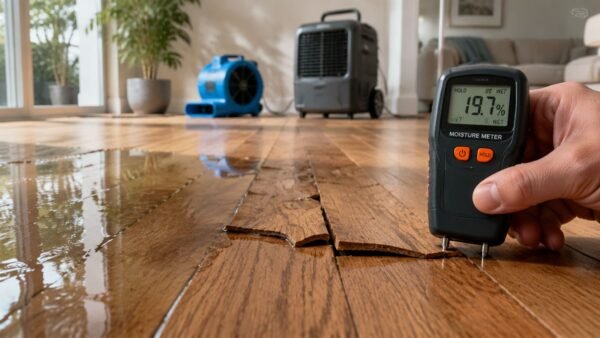
In our experience treating water damage in LA homes, the biggest mistake is assuming a dry surface means a dry subfloor. That's how a kitchen leak turns into a flooring replacement weeks later. Floor water damage becomes materially more severe when moisture reaches the subfloor. Visible surface drying is not enough; technicians should verify moisture content in the flooring body and subfloor with a calibrated meter. Signs like squishing at seams or board lift indicate the entire floor assembly is compromised (subfloor and flooring moisture guidance).
Check by flooring type
Different materials fail in different ways.
- Hardwood: Look for cupping, crowning, edge lift, dark staining, or gaps that changed quickly.
- Laminate: Check for swollen seams, bubbling, soft spots, and planks that no longer sit flat.
- Luxury vinyl plank or sheet vinyl: Look for lifted edges, movement underfoot, or adhesive failure.
- Tile: Check for dark grout lines that stay dark, loose tiles, or dampness at baseboards.
- Carpet: Press with your hand or foot. If the pad feels spongy or musty, the moisture likely went deeper.
Look for hidden signs
Use a flashlight and get low to the floor. You're looking for what changed, not just what looks wet.
A practical homeowner checklist:
- Trace the edges: Water often spreads under cabinets, under toe kicks, and along baseboards.
- Check transitions: Doorways and flooring changes reveal swelling and hidden movement.
- Listen as you walk: Squishing, crackling, or hollow sounds matter.
- Smell the room: A musty odor usually means moisture stayed longer than it should have.
- Inspect nearby walls: Soft drywall, swollen base trim, and peeling paint often confirm spread.
If you're trying to understand whether your readings mean trouble, this guide on how to read moisture meter readings helps explain what technicians are checking.
What usually means removal is likely
Some conditions strongly suggest the floor assembly has been affected, not just the finish layer.
If water is pushing up through seams, boards are lifting, or the floor feels soft under a waterproof surface, the problem is usually underneath.
That shows up often with laminate and LVP in Los Angeles condos. The top layer may still look decent while the underlayment or subfloor stays wet.
Here's a short visual on what that inspection process can look like in practice:
Immediate Steps to Mitigate Damage Safely
Once you've identified the problem, the next job is mitigation, not repair. You're trying to stop further spread and reduce how much material has to be removed later.
Do the safe work first
Handle these in order:
- Shut off electricity if needed: If outlets, appliances, or wiring may be affected, don't keep working in a wet area until power is safely off.
- Stop the water source: Valve off the fixture, appliance, or main line if necessary.
- Remove standing water: A wet/dry vacuum is useful for hard surfaces and low-pile carpet if the water isn't contaminated.
- Create airflow: Open interior pathways, run fans if it's safe, and reduce humidity if you have a dehumidifier.
- Move contents: Get boxes, furniture, rugs, and anything absorbent off the wet floor.
What helps and what doesn't
Some homeowner actions are useful. Others just make the damage harder to diagnose.
Helpful:
- Surface extraction
- Air movement
- Lifting lightweight items off wet materials
- Documenting the affected areas as you go
Not helpful:
- Running AC alone and assuming it will dry the floor
- Leaving rugs over damp spots
- Using heat aggressively on hardwood
- Sealing over damage with new flooring before the subfloor is dry
Drying the top surface is not the same as drying the assembly.
Time-to-dry is critical because prolonged moisture exposure drives secondary damage. Industry guidance recommends immediate extraction, high-velocity air movement, and dehumidification. Once water wicks into underlayment or framing, the repair scope expands from surface cleanup to structural remediation (guidance on the long-term effects of water exposure on flooring).
When to stop DIY and call in equipment
Commercial drying equipment changes the outcome because it moves more air, removes more moisture, and lets technicians track whether materials are drying. If water ran under cabinets, under floating floors, into carpet pad, or into wall cavities, home fans won't tell you whether the hidden materials are still wet.
If that describes your situation, emergency water extraction is the next step. Extraction buys time. Correct drying protects the floor, the subfloor, and the rooms connected to it.
For basic mold prevention guidance while waiting on a restoration team, the EPA mold cleanup guidance is a solid reference.
The Professional Water Damage Restoration Process
Most homeowners don't know what happens after the first emergency call, so they end up judging the job by noise and equipment count. The core work is diagnosis, controlled drying, and verification.
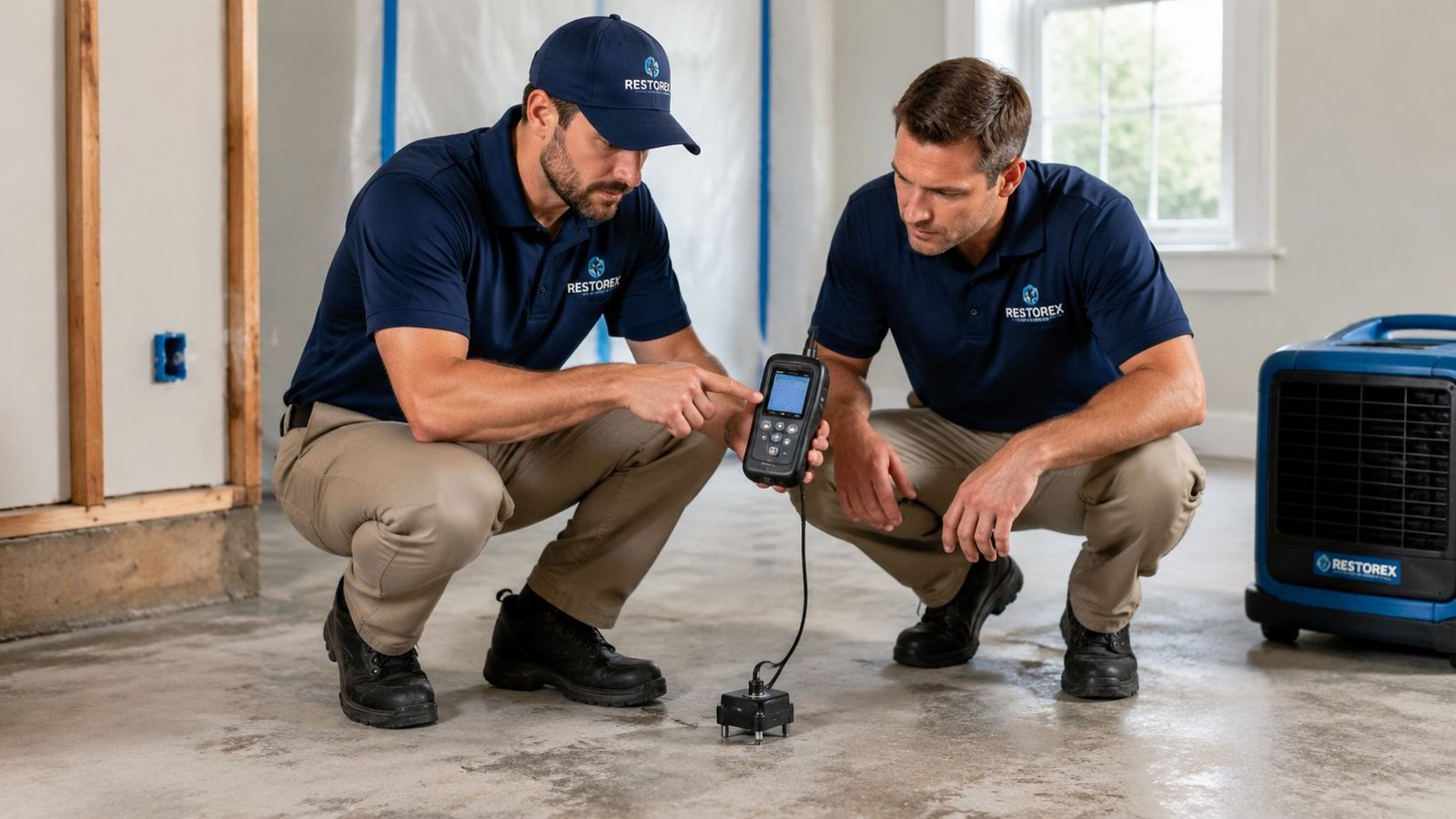
Inspection and moisture mapping
A proper project starts with identifying where the water came from, what materials it touched, and how far it migrated. Technicians use moisture meters and often infrared tools to map wet areas beyond what the eye can catch. In a Los Angeles bungalow with hardwood near a kitchen, that often means checking under cabinets, behind toe kicks, and into the dining room transition even if only the kitchen looks wet.
Careful consideration helps prevent many poor choices. If the subfloor is salvageable, drying may be enough. If contamination is involved, or if the floor trapped water underneath, selective removal may be the cleaner and safer option.
Controlled demolition and structural drying
Not every job needs flooring removed. Some do. The right call depends on material, installation method, and whether the trapped moisture can be released without opening the assembly.
A typical process includes:
- Targeted removal: Baseboards, underlayment, pad, or sections of flooring may come up to expose wet layers.
- Extraction and cleaning: Standing water and residue are removed before drying begins in earnest.
- Air movers and dehumidifiers: These create the drying conditions needed for structural materials.
- Daily monitoring: Moisture is tracked so equipment can be adjusted instead of just left running.
One local option for that workflow is Onsite Pro Restoration's water damage restoration process, which describes the inspection, drying, and documentation steps used on emergency losses in Los Angeles properties.
Good restoration isn't guesswork. A technician should be able to show you what is wet, what was removed, and what readings support the drying plan.
Final verification before rebuild
The job isn't done when the floor looks better. It ends when the affected materials have dried to an acceptable range and the rebuild scope is clear. That may mean reinstalling salvaged components, replacing damaged boards, or handing the job off for finish repairs once the structure is dry.
For homeowners, this stage matters because it prevents the common callback: "the floor looked fine for a week, then it started lifting again."
Understanding Costs and Insurance Coverage
In Los Angeles, two floor water losses can look similar on day one and price out very differently by day three. A condo leak in West Hollywood may involve access limits, HOA coordination, and damage from an upstairs unit. A slab-on-grade home in the Valley may show only a few cupped boards at first, then reveal moisture migrating under glued-down flooring across a much wider area.
Cost usually turns on four things. Where the water came from, how far it traveled, what materials are affected, and what has to be opened to dry the assembly correctly. Tile over slab, original hardwood in an older bungalow, laminate over underlayment, and engineered wood over a raised wood subfloor all carry different labor and replacement decisions.
Here is what commonly changes the price:
- Cause of loss: A clean supply-line break is handled differently from toilet overflow, sewer backup, or storm-related intrusion.
- Floor assembly: The surface material matters, but so do the layers below it, including underlayment, adhesive, subfloor, and baseboards.
- Hidden migration: Water under kitchen cabinets, vanities, or partition walls expands demolition, drying time, and rebuild scope.
- Property type: Older LA bungalows often have patchwork repairs and mixed materials. Condos add access rules, parking constraints, and neighbor-related documentation.
- Salvage versus replacement: Drying and saving a floor can cost less up front, but not if the boards are already swelling, delaminating, or trapping contaminated water.
Insurance coverage usually comes down to cause and timing. Many homeowners policies cover sudden, accidental water events such as a burst angle stop, a failed dishwasher line, or an overflowing supply hose. They often limit or deny claims tied to long-term seepage, deferred maintenance, repeated leakage, or rising groundwater. In LA, that distinction matters a lot in slab homes where a slow leak may stay hidden until flooring starts reacting weeks later.
Documentation affects the claim almost as much as the cleanup. Insurers and adjusters want a clean timeline. What failed, when it was discovered, what materials were wet, and what was done right away to prevent more damage. If the loss started in another unit, condo owners should also save HOA emails, plumber reports, and any notice from property management.
Do this early:
- Photograph the source and all affected rooms
- Save plumber invoices, emergency call logs, and mitigation records
- Keep samples or removed materials if the adjuster has not inspected yet
- Record conversations with the carrier, HOA, and neighboring unit owner
- Ask for moisture maps or drying notes from the restoration company
If you need a baseline before authorizing work, this guide to water damage repair cost factors gives homeowners a useful starting point.
One more cost issue gets missed during flooring replacement. Water resistance on the product label does not erase the risk below the surface. If you are comparing replacement materials after a loss, review resilient hybrid flooring options with the subfloor and room layout in mind, especially in kitchens, condo entries, and slab-on-grade rooms where future leaks may travel sideways before they show.
Cheap scope decisions create expensive callbacks. I see that most often when someone replaces the visible finish floor but skips wet underlayment, misses moisture under cabinets, or files a claim without clear documentation tying the damage to a sudden event.
Preventing Future Floor Water Damage in Your LA Home
Prevention is less glamorous than emergency drying, but it's where homeowners save the most trouble. Los Angeles homes have a mix of risk factors. Older bungalows in Sherman Oaks and Glendale often hide aging valves and supply lines. Slab-on-grade homes can mask plumbing issues until flooring starts reacting. Condo owners in West Hollywood and Beverly Hills have the added risk of water coming from neighboring units.
A practical prevention routine looks like this:
- Check appliance hoses and shutoff valves: Especially at dishwashers, refrigerators, washing machines, and water heaters.
- Inspect around tubs, toilets, and shower enclosures: Failed caulk and loose fixtures let water travel into adjacent flooring.
- Watch AC condensate lines: Long cooling seasons in LA mean a slow drain issue can become a hidden flooring problem.
- Look at exterior drainage: Heavy rain isn't constant here, but when it comes, poor grading and blocked drains still push water toward doors and foundations.
- Choose materials with your layout in mind: If you're replacing flooring in a leak-prone area, it helps to compare resilient hybrid flooring options and think about how they perform when water gets below the surface, not just on top of it.
If you have active floor water damage in Los Angeles, don't wait for the floor to "finish drying on its own." Call 818-336-1800 and get the source, moisture spread, and subfloor condition checked before the repair gets larger.
Frequently Asked Questions About Floor Water Damage
Can a wet floor dry on its own?
A floor can look dry and still hold moisture below the surface. In Los Angeles homes, I see this often with floating laminate over slab, engineered wood over underlayment, and carpet in bedrooms where the pad stayed wet long after the top felt dry.
Watch for swelling at seams, soft spots, musty odor, or trim that starts to expand a day or two later. Those are signs that moisture moved into the floor assembly, not just across the surface.
Can warped hardwood be saved?
Sometimes, yes. Light cupping from a clean water loss may settle down after controlled drying if the subfloor did not stay wet too long.
Buckling, black staining, split boards, and sewage or toilet overflow contamination usually point toward replacement. In older LA bungalows with original oak, the salvage decision also depends on whether matching material is available and whether the floor can be sanded again after drying.
Is laminate usually repairable after a leak?
Usually only in limited areas. Once the fiberboard core swells, it rarely returns to its original shape.
If the leak was caught early and the affected section is small, a targeted repair may work if matching planks are still available. In condos and newer apartments, the bigger problem is often water trapped under a large floating floor, where the visible damage is smaller than the wet area underneath.
How do I know if water got under tile?
Tile can stay intact while the mortar bed, subfloor, or adjacent materials take on water. Common clues are grout lines that remain dark, swollen baseboards, a damp smell that lingers, or tiles that sound hollow or start loosening after the event.
In bathrooms, kitchens, and entries, water often escapes at the perimeter first. That means the tile may look fine while the drywall at the wall base or the neighboring wood floor is already reacting.
Can I use household fans and a dehumidifier instead of calling a pro?
You can start with them, and early air movement helps. The problem is verification.
A box fan does not tell you whether water reached the underlayment, subfloor, cabinet toe kicks, or the bottom of the drywall. In slab-on-grade LA homes, trapped moisture can stay hidden longer because there is no crawlspace below to inspect. Moisture meters and mapping are what separate surface drying from real drying.
Will homeowners insurance cover floor water damage?
Sometimes, but the floor itself is only part of the claim. Coverage questions often turn on where the water came from, whether the policy excludes repeated leakage, and whether you are responsible for the full loss or only your portion of it.
That matters a lot in Los Angeles condos and duplexes. A unit owner may have flooring damage from an upstairs neighbor, while the HOA policy, the neighbor's policy, and the owner's policy each handle different parts of the loss. I also tell homeowners to read the flooring language closely. Some carriers pay for damaged materials in the affected area, but matching issues across connected rooms can become a dispute.
For claims, document the cause, the first visible damage, the spread to nearby rooms, and every emergency step taken to prevent more loss. Good photos and drying records help when the carrier asks why part of the floor was removed.
What should I photograph for a claim?
Start wide, then go tight. Photograph the whole room, the water source if you can identify it, damaged flooring, swollen trim, affected walls, and any contents sitting on the floor.
Take follow-up photos as conditions change. If planks begin to lift, grout darkens, or baseboards swell, capture that progression. In my experience, insurers respond better when the timeline is clear and the photos show how the damage spread from the source.
When is floor removal more likely?
Removal is more likely when the floor traps water and cannot dry evenly in place. That includes swollen laminate, LVP with water under the planks, hardwood that has lifted off the subfloor, and assemblies affected by contaminated water.
It is also common after slab leaks in single-story homes, because moisture can migrate farther than owners expect before it shows at the surface. By the time the floor feels soft or starts separating at the seams, the underlayment and subfloor have often been wet for longer than anyone realized.
If your home or rental property in Los Angeles has active floor water damage, Onsite Pro Restoration can inspect the source, map hidden moisture, document the loss, and handle extraction and structural drying. Call 818-336-1800 for a free inspection and immediate help.