
Renters insurance can cover mold damage, but only when the mold comes from a sudden, covered event like a burst pipe or an overflowing appliance. It usually does not cover mold caused by gradual leaks, neglect, poor ventilation, or long-term humidity, and many policies limit mold payouts to $5,000 to $10,000.
If you're reading this after finding a musty smell in a North Hollywood apartment, dark spotting around a window in Santa Monica, or staining under a sink in Sherman Oaks, your first problem isn't just the mold. It's figuring out who pays, what your policy covers, and how to protect yourself before the insurer or landlord points the finger somewhere else.
That confusion is common. Tenants often assume any mold issue is an insurance claim, while landlords sometimes treat every mold complaint as a housekeeping issue. Neither view holds up in real claims. What matters is the cause of the moisture, how quickly it was reported, and whether the mold affects your belongings, the building, or both.
A practical first move is learning how to identify warning signs before you start cleaning or throwing things away. This guide on how to detect mold in a house is useful if you're still trying to confirm whether you're dealing with active growth, past staining, or moisture damage that hasn't turned visible yet.
The Renter's Dilemma Finding Mold in Your Apartment
A tenant usually notices mold in one of three ways. There's a damp odor that won't go away. A wall starts bubbling or staining. Or furniture, shoes, or clothing near an exterior wall suddenly smells earthy even though the room looks clean.
In Los Angeles, I see renters get tripped up by the same question over and over. They focus on the mold itself, when the coverage decision usually turns on the water event behind it. A bathroom ceiling stain after an upstairs overflow is a different insurance story than mildew building up for months in a poorly ventilated room.
Practical rule: Don’t start with “Is mold covered?” Start with “What caused the moisture, and when did it begin?”
That answer shapes everything that follows. It affects whether your insurer will open a claim, whether your landlord has to repair the building, and whether your damaged couch, rug, mattress, or clothes might fall under personal property coverage.
Three decisions matter right away:
- Protect your evidence: Take photos before you wipe, paint, spray, or discard anything.
- Separate building damage from personal property: Your renters policy may address belongings, but it doesn't insure the unit's walls, ceilings, or framing.
- Report fast: Delayed reporting gives both insurers and landlords room to argue the problem became worse because no one acted.
Renters also need to think beyond the visible patch. A closet wall near a bathroom, swollen baseboards under a kitchen sink, and a musty HVAC return can point to different moisture sources. The same mold complaint can involve a plumbing failure, condensation problem, roof intrusion, or long-term maintenance issue. If you don't sort that out early, you can lose time chasing the wrong party.
The Golden Rule of Coverage Sudden and Accidental Damage
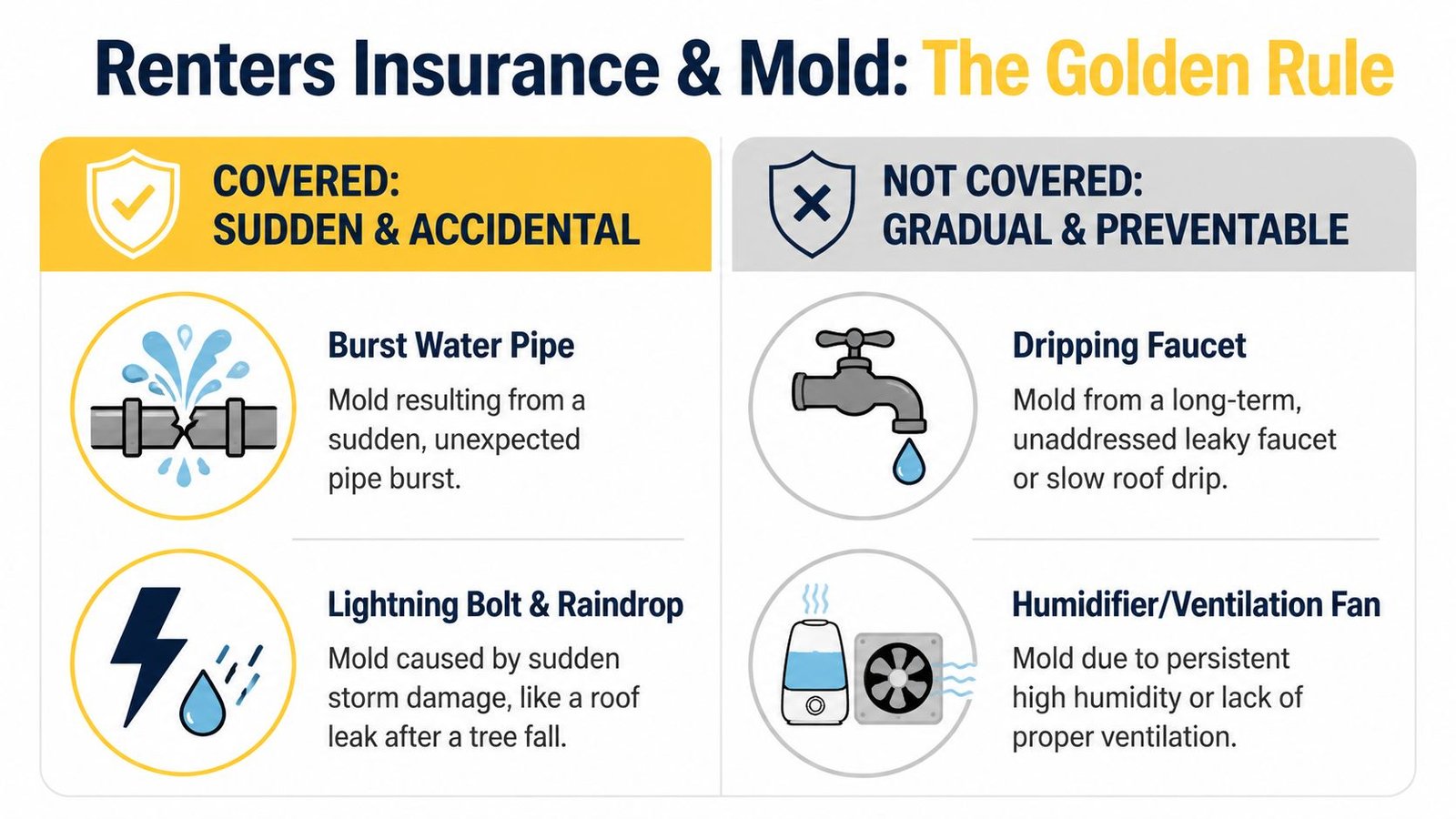
The central answer to "does renters insurance cover mold damage" is simple, but the application isn't. Coverage usually exists only when the mold results from a sudden and accidental covered peril, not from a condition that developed slowly.
According to Farmers' explanation of renters insurance and mold, renters insurance covers mold damage only when it results from a sudden and accidental covered peril, such as a burst pipe or overflowing appliance, while excluding gradual growth from neglect or poor ventilation. That same source notes that most policies cap mold-related payouts at $5,000 to $10,000, and that this kind of loss falls under the Insurance Information Institute's water damage and freezing category.
What sudden and accidental looks like in real life
A covered event is usually abrupt, unexpected, and easy to place on a timeline.
Examples include:
- A burst supply line under the sink: Water floods the cabinet and nearby flooring overnight.
- An overflowing washing machine hose: Water spills across the laundry area and into adjacent rooms.
- A plumbing failure inside the wall: Moisture appears quickly, and the damage clearly ties to a recent event.
In those cases, the insurer isn't paying because mold exists. It's paying because a covered water loss caused conditions that led to mold.
If that water event is active, getting the leak stopped immediately matters. For tenants dealing with a live plumbing emergency before the restoration side even starts, getting expert help for plumbing emergencies can prevent a small covered loss from turning into a much larger dispute.
What gradual damage looks like
Now compare that to a slow drip under a kitchen trap that has been wetting particleboard for weeks. Or a bathroom with no effective ventilation where condensation collects every day. Or a window track that has been taking on moisture for a season.
Those situations usually trigger denial language tied to maintenance, neglect, or preventable conditions. Insurers often view them as problems someone should have noticed and reported before mold spread.
A useful way to think about it is this:
| Moisture event | How insurers often see it | Typical direction |
|---|---|---|
| Pipe bursts overnight | Sudden and accidental | Potentially covered |
| Appliance overflows unexpectedly | Sudden and accidental | Potentially covered |
| Slow leak under sink | Ongoing condition | Often excluded |
| Bathroom humidity and poor ventilation | Preventable moisture issue | Often excluded |
Why the source matters more than the stain
Tenants often call after seeing dark growth on drywall and ask whether the mold test result will decide coverage. In practice, the more important question is usually where the water came from.
If the source was a burst pipe, it helps to preserve proof of the event and the cleanup response. If the source was a known leak that lingered, the claim gets harder very quickly. This is why emergency mitigation reports, moisture readings, and photos taken early can make or break a file. If your situation began with a water line failure, burst pipe cleanup documentation and mitigation steps help show how these losses should be handled from day one.
Mold is often the visible result. The claim decision usually turns on the invisible timeline.
The trade-off is straightforward. Renters insurance can be very useful when a covered water event damages your belongings and mold follows. It is much less useful when the mold points to a long-running building problem. In that second category, the landlord issue usually becomes more important than the policy.
Common Policy Exclusions That Lead to Denied Claims
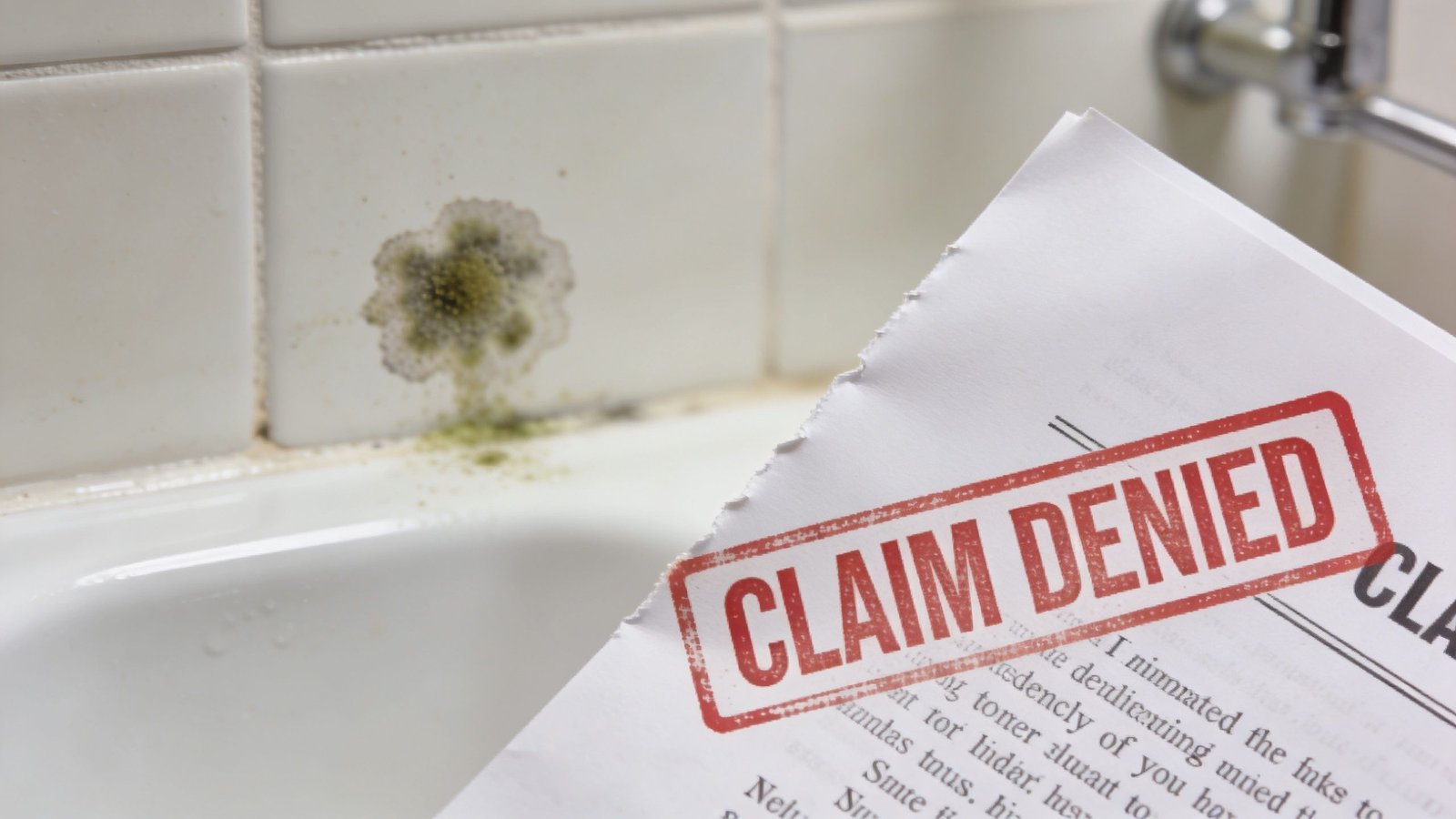
Most denied mold claims aren't denied because the mold wasn't real. They're denied because the insurer says the cause wasn't covered.
That distinction frustrates renters, especially when the apartment does have a mold problem. The unit can be unsafe, your belongings can be damaged, and you can still end up outside the policy if the moisture source falls under an exclusion.
Gradual leaks and delayed reporting
A classic denial starts with a leak that wasn't sudden. The tenant notices a damp cabinet, puts down towels, and waits for maintenance. Weeks later, the cabinet backing, baseboard, or wall cavity shows visible growth.
From the insurer's perspective, that doesn't look accidental anymore. It looks ongoing.
What works better is immediate written notice to the landlord and prompt notice to the insurer if you believe a covered event may be involved. If you want a broader look at how insurers frame these distinctions, this article on homeowners insurance mold coverage is useful because the same covered-versus-excluded logic often appears across property claims.
Humidity, poor ventilation, and everyday moisture
This is common in coastal areas and older buildings. A bathroom in Santa Monica with persistent condensation, weak exhaust, and damp grout may develop visible mold even when no pipe has failed. That doesn't automatically create a renters insurance claim.
Typical non-covered patterns include:
- Persistent bathroom steam: Moisture collects daily because the fan doesn't clear the room effectively.
- Window condensation: Water forms repeatedly on colder surfaces and feeds mold around frames or sills.
- Closet stagnation: Limited airflow traps moisture against exterior walls and stored fabrics.
These are real mold problems. They're just not usually insured mold problems under a renters policy.
Pre-existing conditions and structural issues
If the mold was there before move-in, hidden behind furniture, under old paint, or inside wall cavities from a prior roof leak, your renters insurance still won't cover the building damage. Structural materials belong to the property owner, not the tenant's policy.
That's the part renters need to understand early. Your policy may help with covered damage to your belongings. It does not insure the apartment itself.
A practical reference point is this guide to insurance coverage for mold, which helps separate personal property issues from structural and liability questions.
If mold is tied to the building envelope, plumbing inside walls, roofing, or long-term maintenance, your argument usually shifts from “my insurer should pay” to “the owner needs to act.”
Flood-related mold
Another common misunderstanding involves outside water. If flooding from rising water or a broader flood event caused the moisture, standard renters coverage usually won't address it. Flood-related mold typically requires a separate flood policy.
That catches tenants off guard after heavy rain, drainage backups, or ground water intrusion. They assume "water damage" is one category. It isn't. Policy language treats burst pipes, overflow events, humidity, neglect, and flooding very differently.
Navigating Landlord vs Tenant Mold Responsibilities in LA
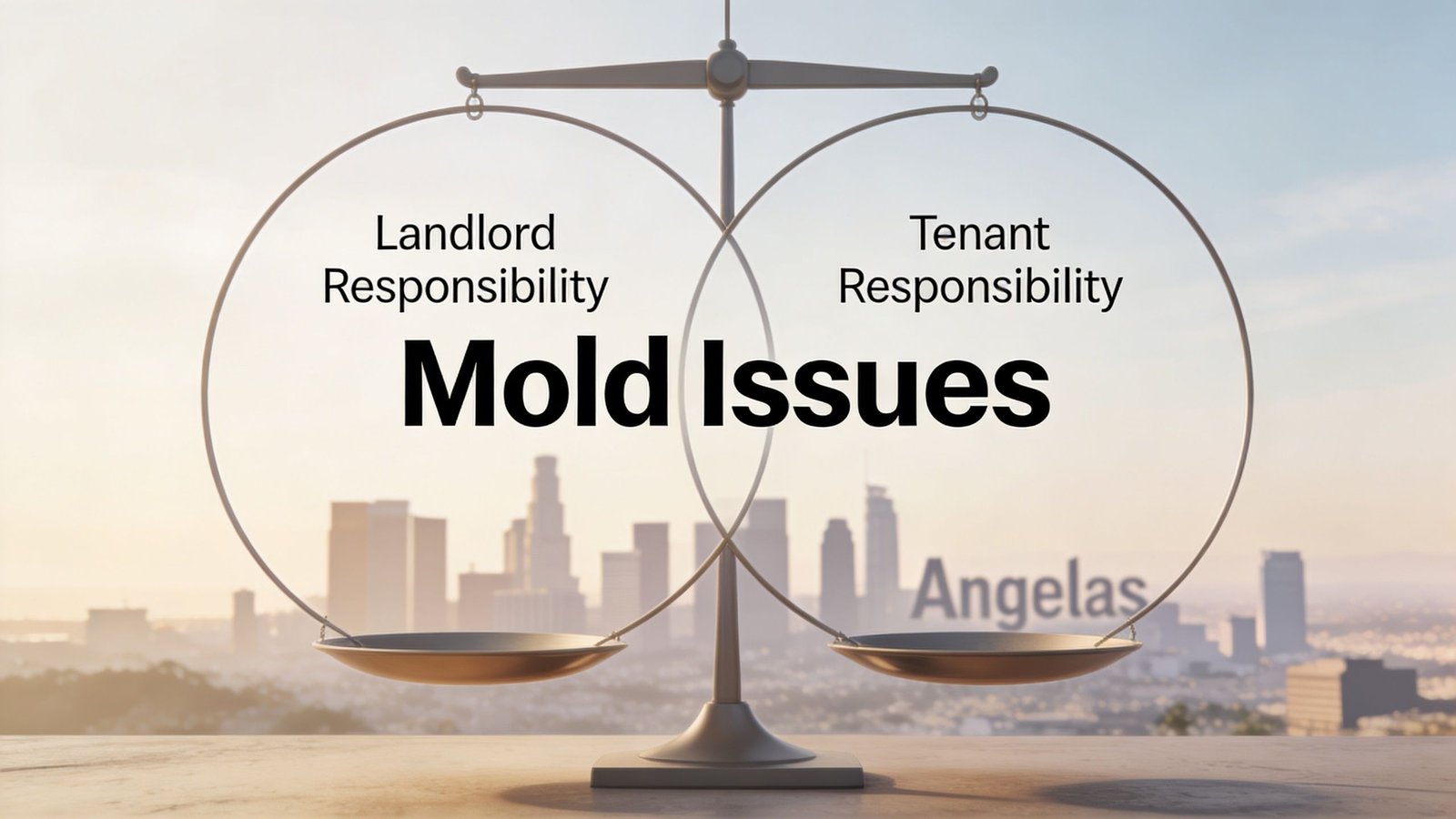
For many renters in Los Angeles, the most important question isn't whether the policy covers mold. It's whether the landlord is legally responsible for fixing the condition that caused it.
California law matters here. According to Lemonade's summary of renters insurance and mold, California Civil Code §1941.1 requires landlords to remediate mold resulting from maintenance failures. The same source notes that 25% of LA renters faced mold issues in 2023-2024, yet only 15% were resolved through insurance because liability disputes got in the way.
Where the landlord's duty begins
If mold came from a roof leak, plumbing inside the wall, failed waterproofing, window intrusion, or another building maintenance issue, the landlord generally owns that problem. That includes the repair to the structure and the underlying condition that allowed mold growth.
In practical terms, landlord responsibility often includes:
- Fixing the moisture source: Leak repair, roof correction, plumbing repair, or ventilation correction.
- Repairing affected building materials: Drywall, insulation, trim, and other structural components.
- Restoring habitability: Addressing conditions that make the unit unsafe or unsuitable to occupy.
Your renters policy doesn't replace that duty. It sits beside it, and only for covered personal property losses or related benefits tied to covered events.
Where tenants can get into trouble
Tenants aren't automatically blameless. If a renter ignores a visible leak, never reports it, blocks ventilation, or creates moisture conditions through preventable behavior, that can complicate the claim and the legal dispute.
A landlord will often argue one of these points:
| Landlord argument | Why it matters |
|---|---|
| You didn't report the leak promptly | They may say delayed notice made damage worse |
| The problem came from housekeeping or ventilation habits | They may try to shift fault away from maintenance |
| The mold affected only your belongings | They may resist structural responsibility until proof is documented |
That doesn't mean the landlord is right. It means you need evidence, not just complaints.
What tenants in LA should do when the landlord delays
A mold complaint needs to move from informal conversation to documented notice quickly. Text messages help, but formal written notice is stronger. Include the location, when you first noticed it, whether there's an active leak or odor, and whether your belongings have been affected.
California habitability law gives tenants advantage when a landlord fails to address serious maintenance-based mold after notice. Depending on the facts, renters may be able to pursue remedies such as rent withholding or small claims action. Those are legal decisions, so tenants should consider qualified legal guidance when the dispute turns serious.
For a plain-language breakdown of how property policies divide building and contents responsibilities, this overview of what property insurance covers is a useful companion.
A mold dispute in a rental usually gets resolved by documentation of cause, notice, and habitability impact. Not by whoever speaks the loudest first.
In Los Angeles, that matters more than people expect. A bathroom ceiling opening from an upstairs leak in West Hollywood, a recurring bedroom window intrusion in Beverly Hills, and a slab-adjacent moisture issue in an older Valley building all raise different responsibility questions. The tenant who documents the source, timeline, and damage usually has the stronger position.
Your Step-by-Step Guide to Documenting a Mold Issue
When mold shows up in a rental, documentation needs to start before cleanup. Good records don't just support an insurance claim. They also show your landlord when the problem started, how it spread, and whether the source appears structural or sudden.
Step one protect yourself and the scene
Don't start scrubbing aggressively, sanding drywall, or running random sprays into a wall cavity. That can spread contamination and destroy evidence of the moisture pattern.
Do this first:
- Limit disturbance: Keep kids and pets away from visibly affected areas.
- Reduce new moisture if possible: If there's an active overflow or accessible shutoff, stop the water if you can do it safely.
- Preserve damaged items: Don't throw away mold-affected property until you've photographed it and confirmed what your insurer wants.
A solid renter-facing checklist like this mold inspection checklist can help you avoid missing obvious evidence points.
Step two document like you're building a case
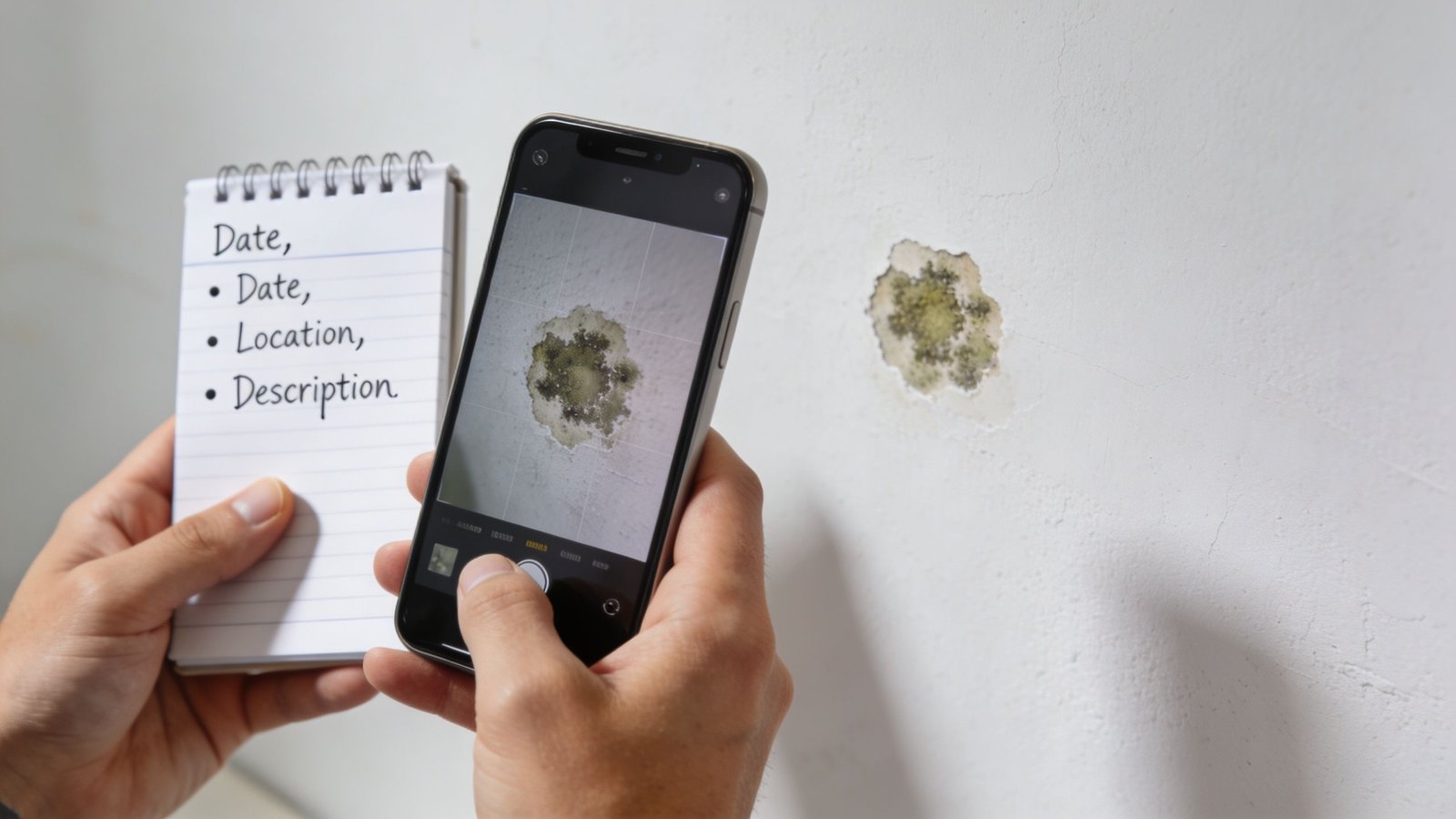
Take wide photos first, then medium shots, then close-ups. Show the entire room, the affected surface, and any nearby source such as a supply line, window, ceiling stain, warped baseboard, or damaged personal property.
Your photo set should capture:
- Context: Room corners, doors, windows, cabinets, and ceilings so the location is clear.
- Damage progression: Staining, bubbling paint, warped materials, visible growth, and damp contents.
- Belongings: Furniture, clothing, rugs, shoes, electronics cases, or boxes affected by moisture or odor.
Use video too. Narrate the date, room, odor, and what you're seeing. If water is active, capture dripping, pooling, or wet material while it's happening.
Photograph the source if you can identify it, but also photograph what the source damaged. Claims often turn on both.
Step three build a written timeline
Memory gets messy fast in property disputes. A simple written log is stronger than trying to reconstruct events later.
Create a timeline with entries for:
- First notice of odor, staining, leak, or visible growth
- Every report made to the landlord or property manager
- Any response from maintenance, adjusters, or contractors
- Changes in condition such as spread, worsening odor, or uninhabitable areas
Keep screenshots of emails, text messages, portal submissions, and voicemails if available. Save them in one folder, not across multiple devices.
This walkthrough covers the general process visually and is helpful if you want to compare your notes against a real-world inspection flow:
Step four notify the right people in the right order
Once you've documented the condition, give formal written notice to the landlord or property manager. Be specific. Include where the mold is, what you believe caused it if known, and whether any belongings have been affected.
Then notify your insurer if there's any chance a covered water event caused the damage. Don't wait for the landlord to decide that for you.
A clean notice often includes:
- Date first observed
- Exact location in the unit
- Known or suspected water source
- Photos attached
- Request for prompt inspection and repair
Step five avoid common mistakes
Tenants often weaken their own position by trying to "be easy to work with." They clean too much, speak only by phone, or accept vague promises without written confirmation.
Avoid these errors:
| Mistake | Why it hurts you |
|---|---|
| Cleaning before documenting | Removes visual proof |
| Reporting only verbally | Leaves no timeline |
| Throwing away damaged items early | Undercuts contents claim |
| Waiting for visible mold to spread | Makes causation harder to pin down |
The strongest files are boring, organized, and time-stamped. That's exactly what you want.
How a Restoration Pro Strengthens Your Position
A certified restoration professional doesn't just remove mold. In a disputed rental situation, the right assessment helps establish cause, scope, and urgency.
That's valuable because insurers and landlords tend to argue from different angles. The insurer asks whether the event was sudden and covered. The landlord asks whether the issue was structural, maintenance-related, or tenant-caused. A qualified inspection helps answer both.
What professional documentation actually does
A good field assessment usually includes visual inspection, moisture mapping, source tracing, and a written record of affected materials. In practice, those pieces matter more than a generic statement that "there's mold in the apartment."
A useful professional report can help by:
- Identifying the likely moisture source: plumbing leak, exterior intrusion, condensation pattern, or prior unresolved damage
- Separating contents from structure: what belongs to the tenant's claim versus what belongs to the property owner
- Showing current conditions clearly: wet materials, hidden migration, and areas requiring containment or demolition
Why timing changes the outcome
The earlier a professional sees the problem, the easier it is to determine where water traveled and what failed. Once a wall has dried, been repainted, or partially demolished without records, the causation fight gets harder.
That matters in rentals because both sides can shift positions. A landlord may say the tenant caused the moisture. An insurer may say the problem was long-term. Objective field notes narrow that space for argument.
In mold disputes, the party with the clearest cause analysis usually has the leverage.
Safe handling matters too
Tenants sometimes try to solve a bigger contamination issue with bleach, store-bought foggers, or by opening the wall themselves. That's a mistake. It can spread debris, worsen cross-contamination, and make later inspection less reliable.
Professionals follow containment and remediation methods designed to remove affected material safely and reduce spread to unaffected rooms. Even when insurance coverage is uncertain, that kind of early involvement can preserve evidence and protect occupants.
If the mold is minor and clearly surface-level, the dispute may stay simple. If it's inside drywall, tied to an ongoing leak, affecting multiple rooms, or creating a habitability issue, professional documentation stops the problem from becoming a pure argument of opinion.
Frequently Asked Questions About Renters Insurance and Mold
Some mold questions only come up after the first calls have already happened. These are the situations that tend to catch renters off guard.
FAQ on Renters Insurance and Mold Coverage
| Question | Answer |
|---|---|
| What if mold spread into my unit from a neighbor's leak? | Treat it like any other water-loss investigation. Document where the damage appeared, report it to your landlord immediately, and notify your insurer if your belongings were affected. Responsibility may involve the building owner, the neighbor, or an insurer depending on the source and how the policies apply. |
| Can renters insurance pay for damaged furniture and clothes even if the landlord fixes the wall? | Potentially, yes. Building materials are the landlord's side of the loss. Your policy may address covered damage to personal property if the mold followed a covered water event and falls within your policy terms and limits. |
| If my apartment becomes unlivable after a covered water event, will renters insurance help with temporary living costs? | Some policies may include additional living expense coverage when a covered loss makes the unit temporarily uninhabitable. The key issue is still whether the underlying event is covered. Confirm this directly with your carrier and ask what documentation they require. |
| What should I do if mold is discovered during move-out? | Document the condition immediately, request a written inspection summary, and gather any prior notices you gave during the tenancy. If the issue ties back to building maintenance or a previously reported leak, those records matter. Don't accept blame verbally before the cause is evaluated. |
A few nuanced points renters miss
If you're comparing policies in different states or trying to understand how regional insurance advice varies, resources like Professional Insurance Advisors on Florida renters insurance can be helpful for policy shopping context, but always bring the language back to your own California rental, your own endorsements, and the actual moisture source involved.
Another overlooked issue is timing after discovery. A tenant may think, "I'll wait until I know whether it's serious." That's rarely the best move. Late notice weakens both insurance and landlord positions because it blurs when the damage began and who had the chance to stop it.
The best mold claim file isn't dramatic. It's organized, prompt, and tied to a clear cause.
If you're stuck between an insurer saying it's maintenance and a landlord saying it's your problem, focus on records. Photos, written notice, damaged-item inventory, and an independent moisture assessment usually carry more weight than arguments about what "should" be covered.
If you've found mold in a Los Angeles rental and need clear documentation before the situation turns into an insurance or landlord dispute, Onsite Pro Restoration can help assess the damage, identify the likely moisture source, and provide the kind of professional reporting that supports faster action.