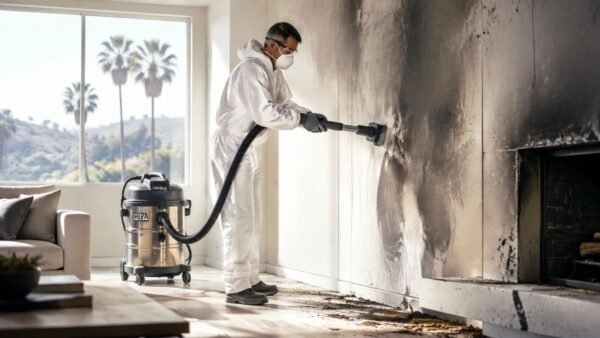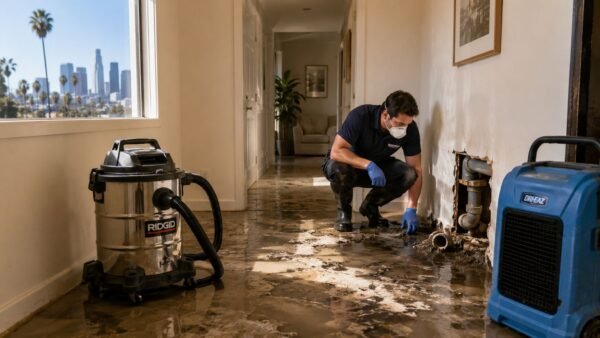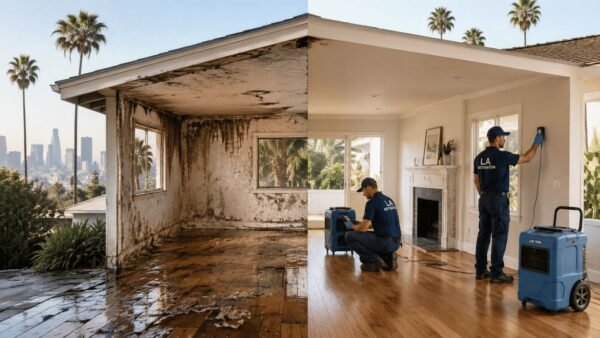

A Los Angeles property manager gets this call all the time. A tenant smells moisture after a winter storm. Flooring starts to cup. Paint lifts at a lower wall. The question is rarely just “basement or crawl space?” The true question is how much hidden damage is building below the unit, how expensive it will be to dry and repair, and whether the insurance carrier will treat it as a sudden loss, long-term seepage, or deferred maintenance.
That foundation choice shapes the whole claim.
In Los Angeles, the stakes are different from colder markets that treat basements as standard. Here, older properties in areas like Pasadena, Hancock Park, and parts of the Valley can still have basements or crawl spaces, but they sit in a region with seasonal rain, expansive and shifting soils in some neighborhoods, and earthquake exposure that changes how water intrusion shows up after a structural shift. A basement can turn one plumbing failure into a large contained loss with drywall, contents, and flooring involved. A crawl space can hide the same leak for weeks, rot framing, support mold growth, and leave you arguing with a carrier over when the damage first occurred.
Access matters. Drying matters. Documentation matters.
From a restoration standpoint, basements and crawl spaces fail in different ways and cost money in different ways. Basements usually make inspection easier, but once water gets in, the affected area is often larger and more expensive to return to pre-loss condition. Crawl spaces usually cost less to build and give access to utilities, but they create more hidden-risk jobs. We find soaked insulation, microbial growth on subflooring, rusted hangers, rodent activity, and duct contamination in spaces that looked minor from the living area above.
That is why this comparison matters for property owners and managers in Los Angeles. The right foundation is not just about construction style or square footage. It affects leak detection, seismic crack monitoring, mold exposure, pest pressure, repair scope, tenant disruption, reserve planning, and the odds that a water loss stays small instead of becoming a six-figure restoration project.
Understanding the Fundamentals of Your Foundation
A tenant reports a musty odor after the first winter rain. The unit looks clean. The walls look dry. The key question is below the floor line, because a basement and a crawl space turn that same complaint into two very different investigations, repair scopes, and claim files.
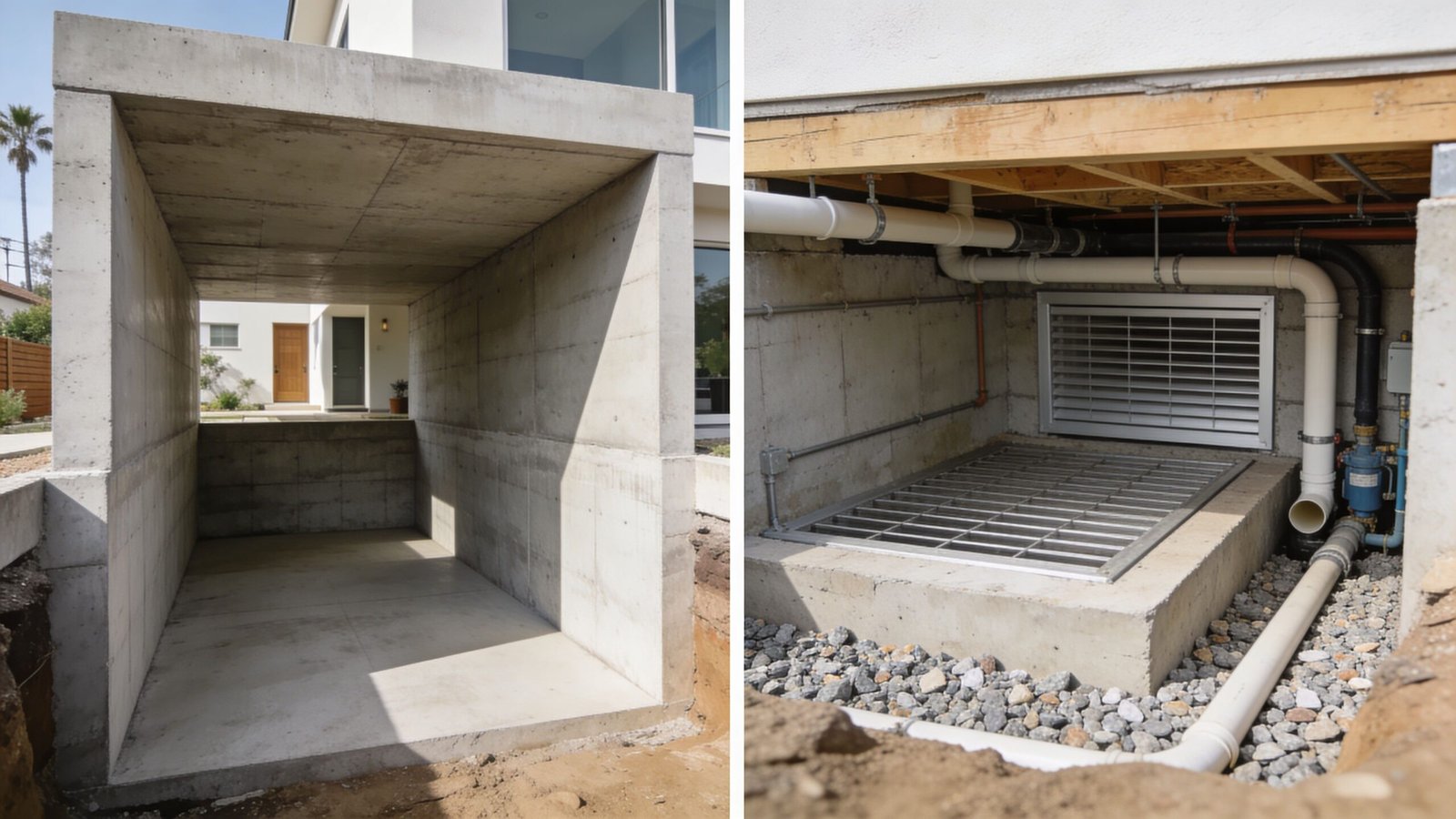
A basement is a full-height level below or partly below grade. It can hold mechanical systems, storage, or finished space, and it behaves like another enclosed floor of the building. In loss work, that matters. Once water enters, you are often dealing with drywall, flooring, contents, insulation, and a larger area that has to be documented and dried.
A crawl space is a shallow service area between the ground and the framing above. It exists to give access to plumbing, wiring, and ductwork. It also creates blind spots. Small leaks, chronic soil moisture, and rodent activity can sit there long enough to stain subflooring, swell framing, and trigger mold work before anyone sees damage inside the unit. That is why property managers end up needing a realistic mold remediation cost breakdown after what started as a “minor” underfloor issue.
Why Los Angeles properties look different
Los Angeles foundations reflect local conditions, not a cold-climate template. Newer construction here often favors slabs, while many older properties in Pasadena, Hancock Park, Mid-City, and parts of the Valley still carry basements or crawl spaces from an earlier building stock.
That distinction matters because LA adds three pressures that change how these spaces perform over time. Seasonal rain sends water toward weak drainage paths. Expansive and shifting soils in some neighborhoods put stress on walls, piers, and utility penetrations. Seismic movement opens cracks and turns a previously quiet seepage point into an active intrusion path.
Older basements in Los Angeles often show trouble at wall penetrations, cold joints, window wells, and perimeter drainage details that have not been updated in decades. Older crawl spaces usually fail in less apparent ways. I see torn ground covers, disconnected ducts, abandoned plumbing patches, low clearances that discourage inspection, and long-term moisture cycling under kitchens and baths.
What each type means in day-to-day management
For a property manager, the foundation type sets the maintenance burden long before a loss occurs.
- Basements are easier to enter and inspect. You can usually see active leaks sooner, check structural cracks more easily after a quake, and document affected materials faster for a claim. The trade-off is loss size. A basement leak often affects more square footage and more finish materials.
- Crawl spaces limit visibility. Utilities stay accessible in theory, but low clearance, debris, and poor lighting delay inspection in practice. A slow waste line leak or supply line pinhole can keep damaging framing and insulation long after the upstairs unit appears normal.
- Basements carry higher contents exposure. Owners and tenants use them for storage, which increases pack-out, cleaning, and contents inventory costs after water intrusion.
- Crawl spaces carry higher hidden-condition exposure. Carriers often examine whether damage was sudden or long term, especially where rot, corrosion, or microbial growth appears around an older leak path.
Treat both as active risk areas.
The long-term difference is simple. Basements usually produce larger, more visible losses. Crawl spaces usually produce slower, more disputed losses. In Los Angeles, with seismic movement, aging housing stock, and rain that exposes weak points fast, that distinction affects reserve planning, inspection frequency, and how hard a claim is to prove.
A Deep Dive into Construction and Cost
The upfront price difference between a basement and a crawl space is real, and it’s not a minor spread. A basement foundation typically costs about $33 per square foot to build, compared with about $13 per square foot for a crawl space, based on Dry Otter Waterproofing’s cost comparison.
That gap exists because a basement requires much more than digging a little deeper.
Why basements cost more
A basement usually means deeper excavation, more soil handling, more concrete, more structural wall work, and more waterproofing. You’re creating a full-height below-grade structure, not just enough clearance to run utilities.
The expensive parts aren’t glamorous:
- Excavation depth
- Concrete walls and slab floor
- Waterproofing system
- Drainage details
- More involved engineering and structural sequencing
In Los Angeles, those costs can become more sensitive when access is tight, neighboring structures are close, or the lot sits on a slope. Even before restoration is part of the conversation, the construction side has already set the property’s long-term risk profile.
Why crawl spaces cost less, but not “cheap” if neglected
A crawl space needs less excavation and less concrete. That’s why the build cost is lower. But low initial cost doesn’t mean low consequence later. A crawl space that’s hard to enter, poorly sealed, or left with exposed soil can become expensive in a completely different way. You save on foundation construction, then spend more on leak detection, odor complaints, damaged insulation, and subfloor deterioration.
That’s especially relevant when owners compare bids without thinking about the downstream cost of a wet, dirty, inaccessible service area. If you’re already pricing out moisture-related work, it helps to look at related remediation budgeting through a mold remediation cost guide so the foundation decision isn’t viewed in isolation.
Cost needs context, not just a bid number
A basement can make sense when the property benefits from lower-level space and the owner is prepared to maintain drainage, waterproofing, and humidity control. A crawl space can make sense when utility access matters and the site doesn’t justify full excavation.
The wrong comparison is “Which one is cheaper to build?” The better comparison is “Which one can this property support without turning into a recurring water claim?”
That’s the line property managers should care about. Initial construction cost matters. Lifetime moisture behavior matters more.
Moisture Mold and Pest Risk Comparison
Water behaves differently in a basement than it does in a crawl space, but both can create serious restoration conditions. The difference is how the failure starts, how long it stays hidden, and how difficult it is to clean up once contamination sets in.
Crawl spaces can have 2 to 3 times higher rates of undetected leaks because access is poor, while basements in high-water-table zones face a 40% higher flood risk, according to The Crawl Space Kings moisture comparison.
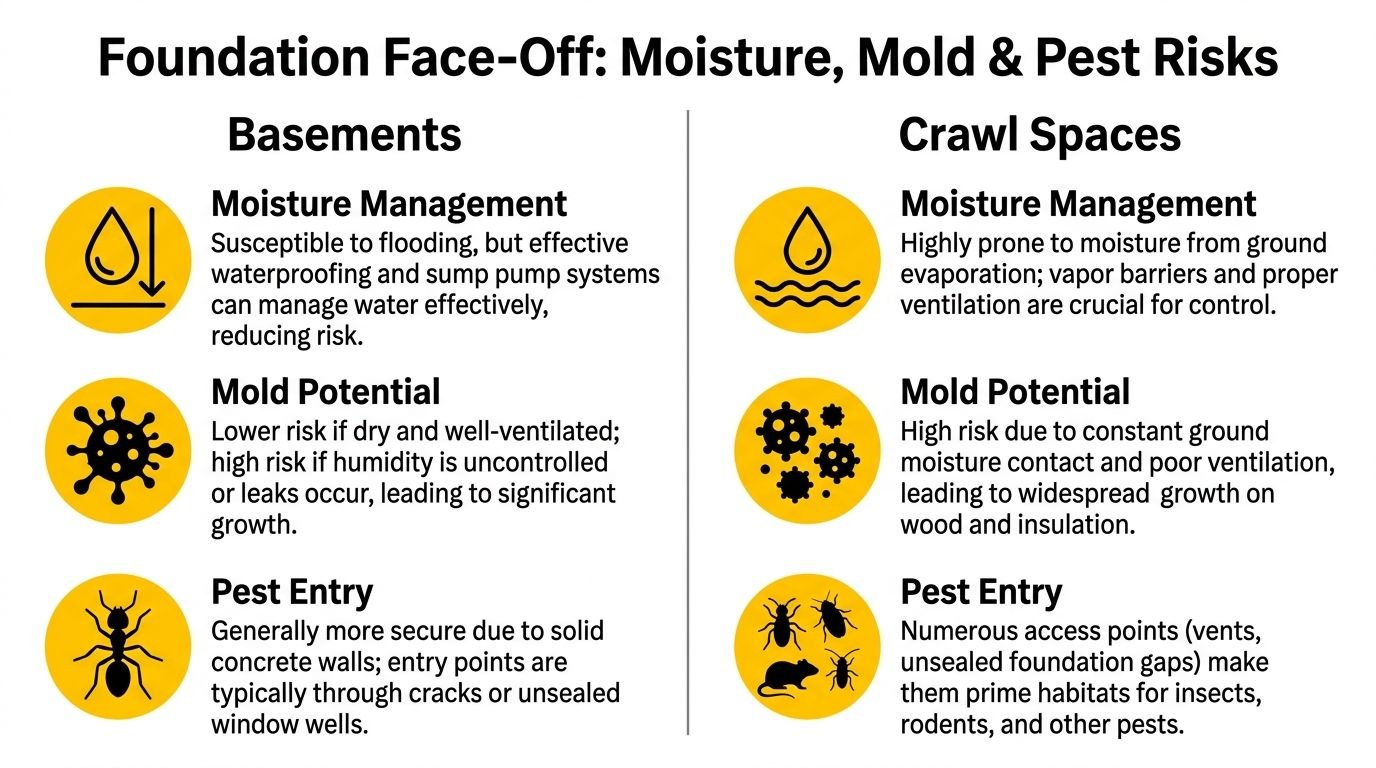
Basement risk profile
A basement is easier to enter, inspect, and dry. That’s an advantage. But once water gets in, the affected volume is larger and the contents exposure is often worse. Finished walls, flooring, stored boxes, furniture, and mechanical equipment can all sit in the same loss area.
In Los Angeles, basement problems usually show up after exterior drainage failure, plumbing leaks, or prolonged humidity mismanagement in older homes. Mild climate doesn’t eliminate basement moisture. It just changes the pattern. Instead of constant snowmelt pressure like colder markets, LA properties often get episodic rain, drainage defects, and long-neglected waterproofing details.
For owners trying to reduce preventable growth, this guide on how to prevent mold in your basement is useful because it focuses on moisture control habits that stop minor dampness from becoming a remediation project.
Crawl space risk profile
Crawl spaces fail unnoticed. That’s the issue.
A leaking drain line under a bathroom, a supply line seep at a pier area, condensation around ductwork, or ground moisture rising through exposed soil can go unnoticed for far too long. By the time a manager gets called, there may already be wet insulation, fungal growth on framing, rodent activity, and odor migration into living areas.
In LA, coastal moisture near Santa Monica behaves differently than drier inland conditions, but the same rule applies. If humid air, ground vapor, and poor sealing meet under a house, the crawl space becomes a reservoir for persistent moisture.
Side-by-side practical comparison
| Risk factor | Basement | Crawl space |
|---|---|---|
| Leak detection | Easier because access is better | Harder because access is limited |
| Flood behavior | More obvious when water enters | Often slower to notice unless severe |
| Mold pattern | Can spread across drywall, contents, framing | Often affects joists, subfloor, insulation, soil-facing materials |
| Pest pressure | Usually lower if structure is tight | Common issue if vents and gaps are unsealed |
| Odor transfer | Often localized unless HVAC involved | Frequently migrates upward into living space |
If a crawl space already has active or suspected microbial growth, specialized cleanup matters more than cosmetic treatment. Surface spraying without correcting moisture won’t hold. In those cases, targeted crawl space mold remediation is usually the correct path because the problem is hidden within the structure, not sitting out in the open.
A musty odor above a crawl space is rarely “just stale air.” It usually means the materials below the floor have been absorbing moisture for longer than anyone realized.
Usable Space and Long-Term Property Value
The basement vs crawl space comparison extends beyond only a risk discussion. Space has value, especially in Los Angeles, where every functional square foot matters.
A basement can deliver something a crawl space never will. Finished basements can provide about 890 to 1,128 square feet of additional living area, while crawl spaces remain non-livable service areas, according to Crawl Pros’ comparison of foundation use and value.
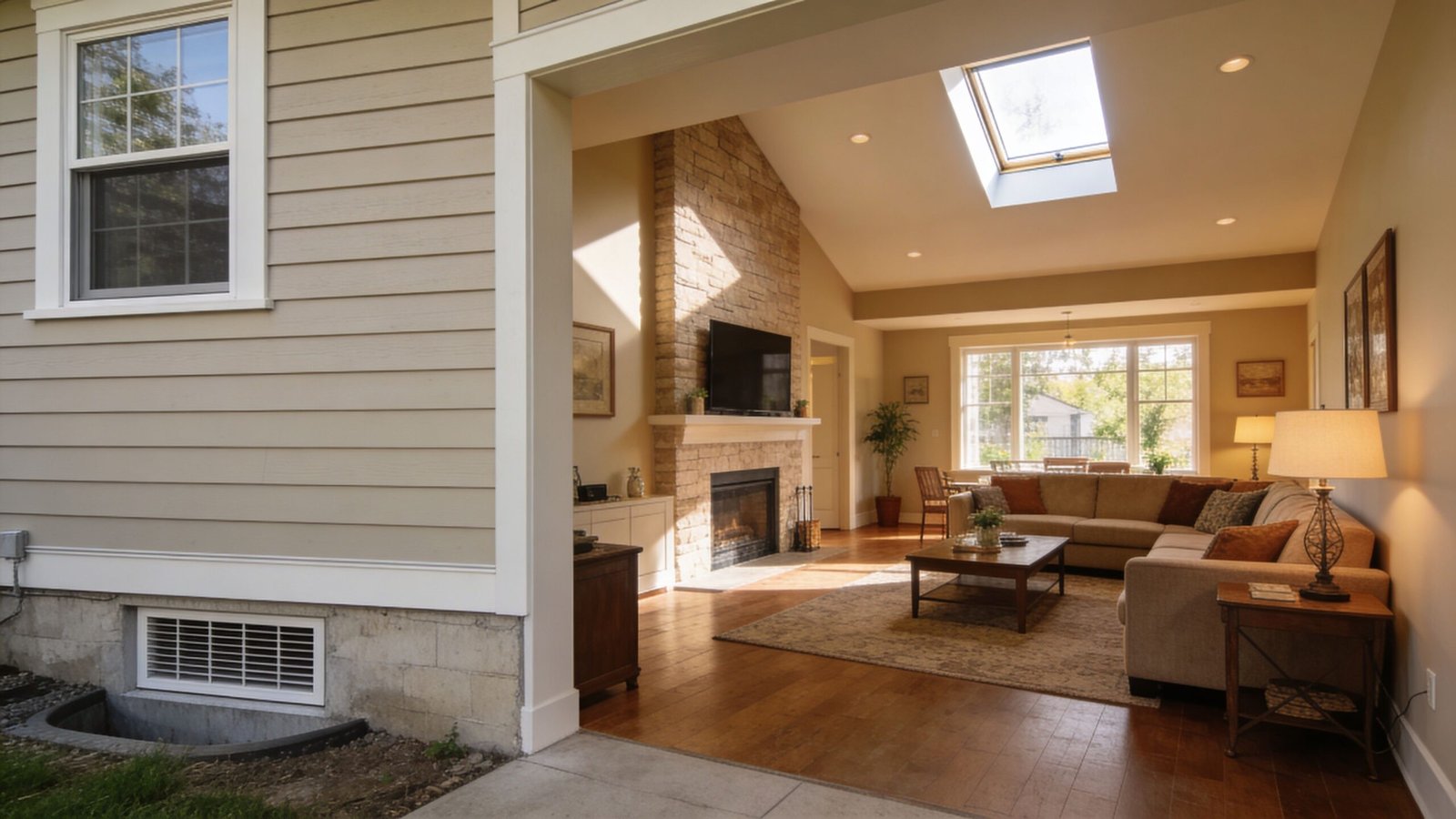
What a basement can do that a crawl space can’t
That added lower-level area can become a family room, office, guest suite, gym, media room, or storage zone that supports how the property functions. In a market where usable area influences both rentability and resale appeal, that matters.
A crawl space contributes differently. It supports the building. It gives access to utilities. It may improve serviceability compared with a slab. But it won’t become a legal or practical living area through basic upgrades.
That doesn’t make crawl spaces unimportant. It makes them a different kind of asset. Their value is operational, not lifestyle-driven.
The Los Angeles angle
Basements are uncommon in newer LA construction, but when they exist in older homes or hillside layouts, they can be unusually valuable because they provide flexibility without expanding the footprint outward. In some hillside properties, a lower level functions more like a daylight basement and can feel integrated into the home rather than hidden under it.
Humidity control becomes part of protecting that value. A usable lower level loses appeal fast if occupants smell dampness, see staining, or deal with recurring condensation. That’s why ongoing basement dehumidification planning isn’t cosmetic. It protects finishes, contents, and marketability.
Value isn’t only appraised value
Property managers should think about three layers of value:
- Functional value from extra usable area
- Operational value from easier access to systems
- Risk-adjusted value based on how likely the space is to create claims
Some owners overrate the first and ignore the third. That’s where trouble starts. A finished basement that isn’t protected from moisture becomes expensive space. A crawl space that’s kept dry, sealed, and inspectable can be boring in the best possible way.
A quick visual helps if you’re weighing utility against risk.
Owner mindset that works: treat below-grade or below-floor space as part of the property’s income and liability profile, not as leftover square footage.
Maintenance Inspection and Upkeep Checklists
Most expensive foundation problems start as neglected routine maintenance. Not dramatic failures. Not storms of the century. Just small issues no one checked.
For property managers, the right checklist is less about perfection and more about frequency. Basements and crawl spaces both need repeatable inspection habits, but the inspection priorities aren’t the same.
Basement upkeep checklist
A basement gives you visibility, so use it. If staff can walk the space easily, there’s no reason moisture warning signs should sit unnoticed.
Use this checklist during regular property walks:
- Test the sump system: If the basement has a sump pump, confirm it activates properly and check the discharge path. A pump you assume works is the one that fails during the worst weather.
- Look for wall changes: New staining, flaking surface residue, darkened concrete, and fresh cracking all deserve follow-up.
- Check lower wall finishes: Baseboards, drywall bottoms, and flooring edges often show water first.
- Review humidity control: If a dehumidifier is installed, confirm it’s operating and draining correctly.
- Inspect around penetrations: Utility entries, window wells, and pipe openings are common weak points.
Crawl space upkeep checklist
A crawl space requires more discipline because nobody enjoys going under a house. That’s exactly why issues get missed.
When inspecting a crawl space, focus on conditions, not just components:
- Inspect the vapor barrier: Tears, displacement, or missing sections let ground moisture keep feeding the space.
- Look for plumbing leaks: Even small drips matter because they often continue unnoticed.
- Check framing and subfloor surfaces: Discoloration, softness, microbial growth, and damp insulation tell you the space hasn’t been stable.
- Watch for pest evidence: Droppings, nesting, chewed material, and disturbed insulation all change the restoration picture later.
- Assess air movement strategy: If the crawl space is vented, make sure vents aren’t blocked. If it’s sealed, confirm the sealing system still holds.
What to document during inspections
The biggest maintenance mistake isn’t only missing a condition. It’s failing to record what was seen and when.
A basic inspection log should include:
- Date and weather conditions
- Photos of any staining, leaks, or material damage
- Notes on odor, humidity, or visible microbial growth
- Whether conditions are new, worsening, or unchanged
For teams that use moisture meters during routine checks, understanding the readings matters as much as taking them. This guide on how to read moisture meter readings helps property managers avoid false confidence from isolated numbers that aren’t interpreted correctly.
If your inspection process doesn’t create a written record, you’re not really managing risk. You’re hoping memory will hold up during a claim.
The Restoration Perspective When Disaster Strikes
A burst supply line in a basement and a sewage intrusion in a crawl space are both water losses. On paper, they can look similar. In the field, they are completely different jobs.
The foundation type changes access, safety, labor, equipment placement, documentation, and what the insurer will need to understand about scope.
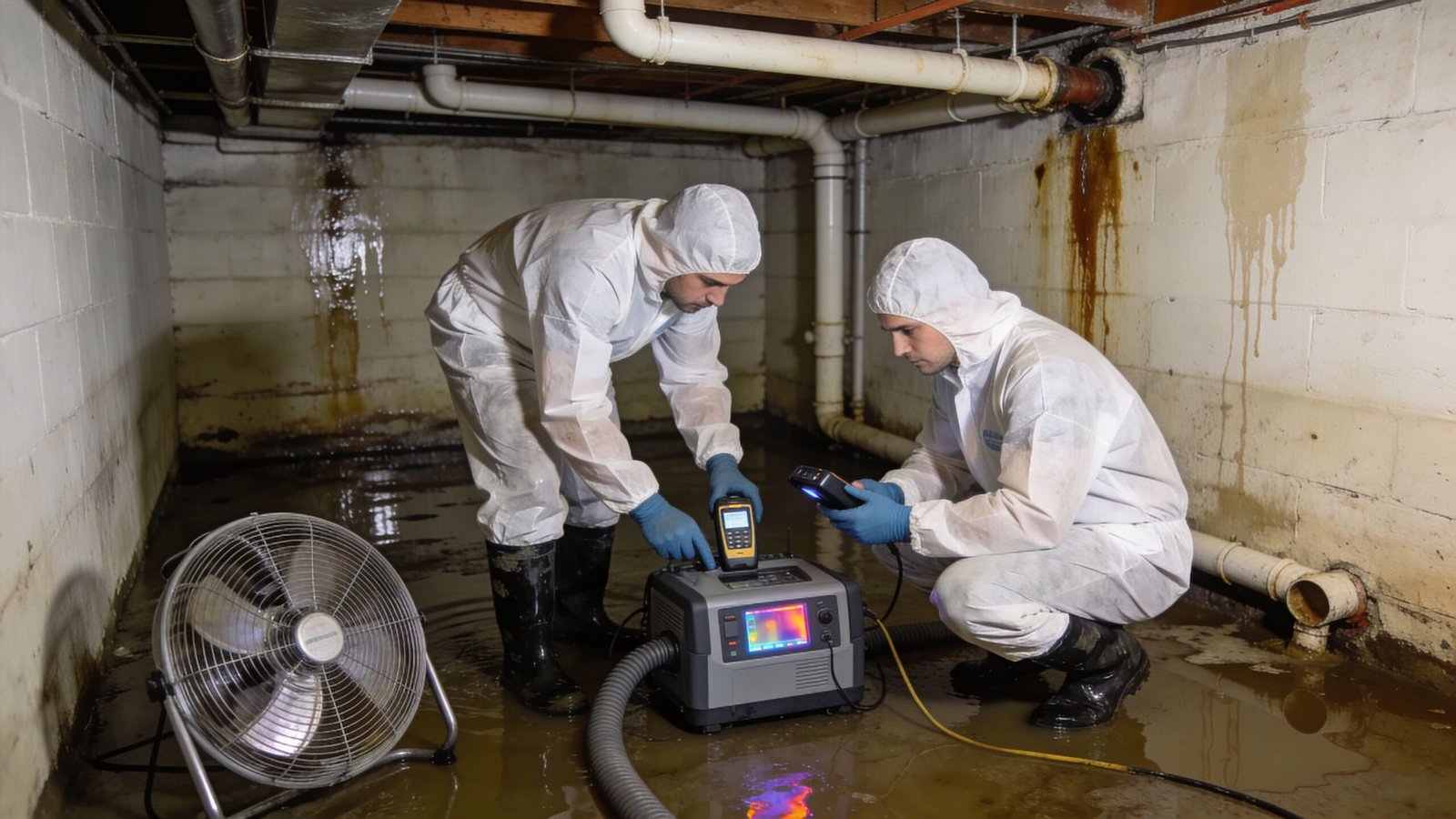
What a basement loss looks like
A basement loss is often easier to inspect quickly because the affected materials are visible. Technicians can walk the area, map moisture spread, identify salvageable contents, and set drying equipment with fewer access barriers.
That doesn’t make the loss small. It just makes it more workable.
In a finished basement, the response usually includes extraction, moisture mapping, removal of unsalvageable porous materials if needed, air movement, dehumidification, and close monitoring of wall cavities and flooring assemblies. If the water source involved contamination, the cleanup scope changes immediately.
For managers dealing with active water in a lower level, the most useful starting point is often a dedicated flooded basement cleanup resource so they can understand what needs to happen first and what documentation should be preserved for the claim.
What a crawl space loss looks like
Now compare that to a crawl space. The technician may be working in confined access, around low framing, wet soil, damaged insulation, sharp debris, and active contamination. Every movement takes longer. Every inspection photo takes more effort. Every removal step is more physically constrained.
That’s why crawl space losses often feel deceptively severe. The visible footprint upstairs may look small while the actual underfloor condition is broad and dirty.
Common crawl space restoration obstacles include:
- Tight entry points
- Low clearance for extraction and cleaning
- Contaminated insulation and vapor barriers
- Odor retention in porous framing
- Delayed leak discovery
- Pest-compromised materials
If a property already has evidence of insect activity, it’s smart to understand how pest pathways overlap with moisture pathways. This essential guide to termite and pest inspection is useful because infestations and hidden dampness often reinforce each other under raised-floor homes.
Why insurance handling differs
Insurance carriers want cause, category, affected materials, mitigation steps, and proof that the response matched the conditions. Basement claims are often easier to explain visually. Crawl space claims require stronger documentation because much of the damage is hidden from ordinary view.
That means photos, moisture records, access limitations, and material-by-material notes matter more than owners expect. A badly documented crawl space loss can look smaller on paper than it is, even when labor and contamination complexity are higher.
The harder an area is to access, the more important documentation becomes. If a carrier can’t see the problem clearly, someone has to explain it clearly.
Converting Your Foundation in Los Angeles The Real Story
A lot of owners ask whether they should convert a crawl space into a basement. The easy answer is usually “that’s expensive.” The more accurate answer is “it depends on the property, the goals, and whether you’re prepared for structural, code, drainage, and insurance consequences.”
The pricing alone makes this a serious decision. Converting a crawl space to a basement can cost about $100 to $200 per square foot, and the same source notes costs are often 30% higher in Los Angeles because of labor and seismic retrofit requirements. It also states California’s 2025 seismic mandates have driven a 35% surge in these conversions in the source material from The Crawlspace Ace.
Why the simple “never do it” advice falls short
That blanket advice ignores real cases where a conversion may make sense. On a constrained lot, adding usable lower-level area can be one of the few ways to materially change how a property functions. That matters in neighborhoods where expanding outward or upward is difficult.
But the project only works when the owner understands what’s underneath the dream:
- excavation
- structural shoring
- drainage design
- waterproofing strategy
- seismic requirements
- access logistics
- post-construction moisture management
If one of those gets under-scoped, the conversion can create exactly the kind of chronic water and mold problem the owner hoped to avoid.
What Los Angeles owners tend to underestimate
In LA, seismic considerations change the discussion. So do hillside conditions, older foundations, limited access, and neighborhood-specific permitting complexity. Many owners focus on excavation and finish costs, then underestimate the importance of drainage and waterproofing after conversion.
That’s a mistake. A new lower level is only as good as the water management system protecting it.
When conversion can make sense
A conversion can be reasonable when the property has strong value upside, the site can support the work, and the owner is budgeting for the entire foundation ecosystem rather than only the dig-out. It makes less sense when the plan depends on cutting corners in waterproofing, access, or code compliance.
This is one of those decisions where optimism causes losses. If the project goes forward, the foundation has to be treated as a water-management system first and a finished room second.
Frequently Asked Questions About LA Foundations
Q: Are basements a bad idea in Los Angeles?
Not automatically. They’re uncommon in newer LA housing, but that doesn’t make them a mistake. A basement can work well when drainage, waterproofing, ventilation, and humidity control are handled properly. Problems usually come from deferred maintenance, poor exterior water management, or older construction details that were never upgraded.
Q: Why do crawl spaces create so many odor complaints?
Because they can hold moisture, damaged insulation, rodent contamination, and organic debris below occupied rooms. Occupants don’t need to see the problem for it to affect indoor conditions. Air movement through floor penetrations, duct leakage, and pressure differences can carry those odors upward into the living space.
Q: Which foundation type is easier to inspect after a leak?
Basements are generally easier because technicians and managers can physically enter the area, trace staining, inspect finishes, and place drying equipment with fewer obstacles. Crawl spaces slow down every part of the process. Access is worse, visibility is worse, and hidden damage is more common.
Q: Should a property manager proactively inspect a crawl space even if tenants haven’t reported issues?
Yes. Waiting for a tenant complaint is the wrong trigger. Crawl spaces often develop plumbing leaks, microbial growth, and pest conditions before anything becomes visible inside the unit. Routine inspection is cheaper than reactive remediation and far easier to defend during an insurance claim.
Q: Does a crawl space always need encapsulation?
Not every property needs the same approach, but many crawl spaces perform poorly when they’re left dirty, exposed, and loosely managed. The right decision depends on moisture behavior, ground conditions, ventilation pattern, and building use. The key is matching the system to the property rather than assuming a vented crawl space is fine because it’s common.
Q: What should I do first after discovering water in a basement or crawl space?
Stop the source if it’s safe to do so. Protect occupants. Document the condition with photos and notes before moving too much material. Then get a restoration team involved early, especially if the water may be contaminated or the damage reaches structural materials, insulation, or finished surfaces. Early containment and documentation often make the difference between a controlled claim and a drawn-out one.
If you’re dealing with a wet basement, a damp crawl space, hidden mold, or an insurance claim tied to foundation-related damage, Onsite Pro Restoration serves Los Angeles with 24/7 emergency response, IICRC-certified restoration, and documentation that helps move claims forward with less confusion. For property managers and homeowners who need fast answers, not guesswork, it’s a practical place to start.