
Mold Remediation in Venice, CA | Inspection, Removal, Prevention
Venice sits in a coastal microclimate. Marine-layer humidity, salty air, and frequent fog keep indoor surfaces damp longer. Older bungalows, canal-adjacent homes, and mixed-use buildings near Abbot Kinney and the Boardwalk see recurrent moisture in baths, attics, and crawl spaces. Onsite Pro Restoration delivers certified inspections, controlled removal, and prevention built for Venice conditions.
Get Started
Service Form
Signs You May Need Mold Remediation
Musty Odor, Spots, or Recurring Stains
A persistent musty smell, speckling on drywall, or stains that return after cleaning indicate trapped moisture in cavities or behind finishes.
Symptoms That Ease Outdoors
If congestion or eye irritation improves when you leave the house, indoor moisture or growth is likely.
After Leaks, Condensation, or Fog-Heavy Weeks
Flat-roof intrusions, slow plumbing leaks, or weeks of heavy marine layer push RH up. Porous materials stay damp long enough for mold to colonize.
Why Mold Happens in Venice Homes and Buildings
Crawl Spaces Near Landscaping
Irrigation against stucco and low airflow raise crawl space humidity. Moisture wicks into lower wall plates and toe-kicks.
Coastal Humidity and Marine Layer
Morning fog and ocean air keep relative humidity high. Bathrooms, laundry rooms, and poorly ventilated kitchens accumulate moisture even without a visible leak.
Roof Decks, Flat Roofs, and Parapets
Decks over living space, scuppers, and parapet details are common from the Canals to Main Street. Membrane failures and ponding wet ceilings and insulation below.
Aging Windows, Stucco, and Salt Exposure
Wind-driven rain exploits hairline stucco cracks and older window assemblies. Salt accelerates corrosion at fasteners and flashing, opening micro-paths for water.
Older Plumbing and Tight Utility Closets
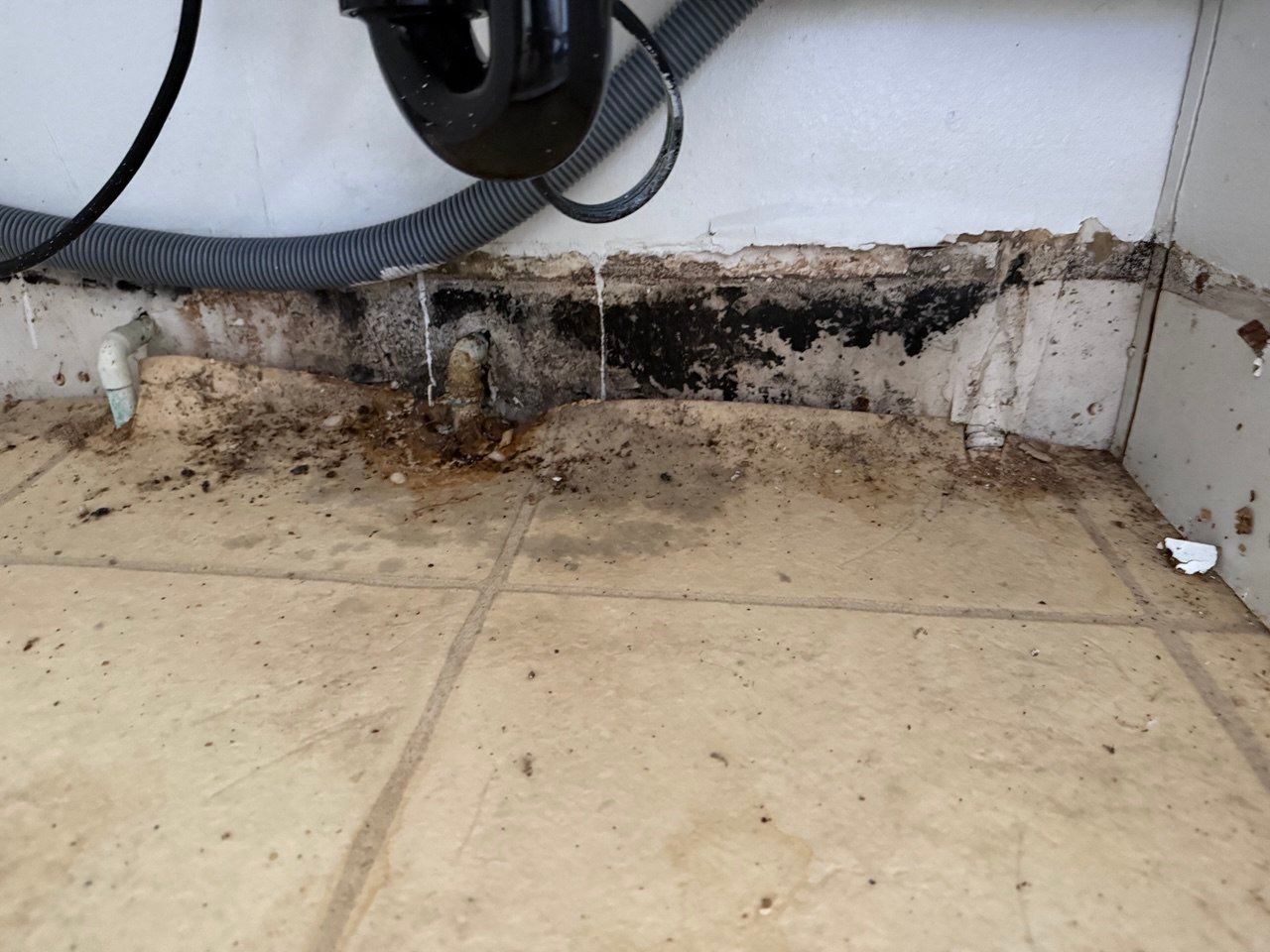
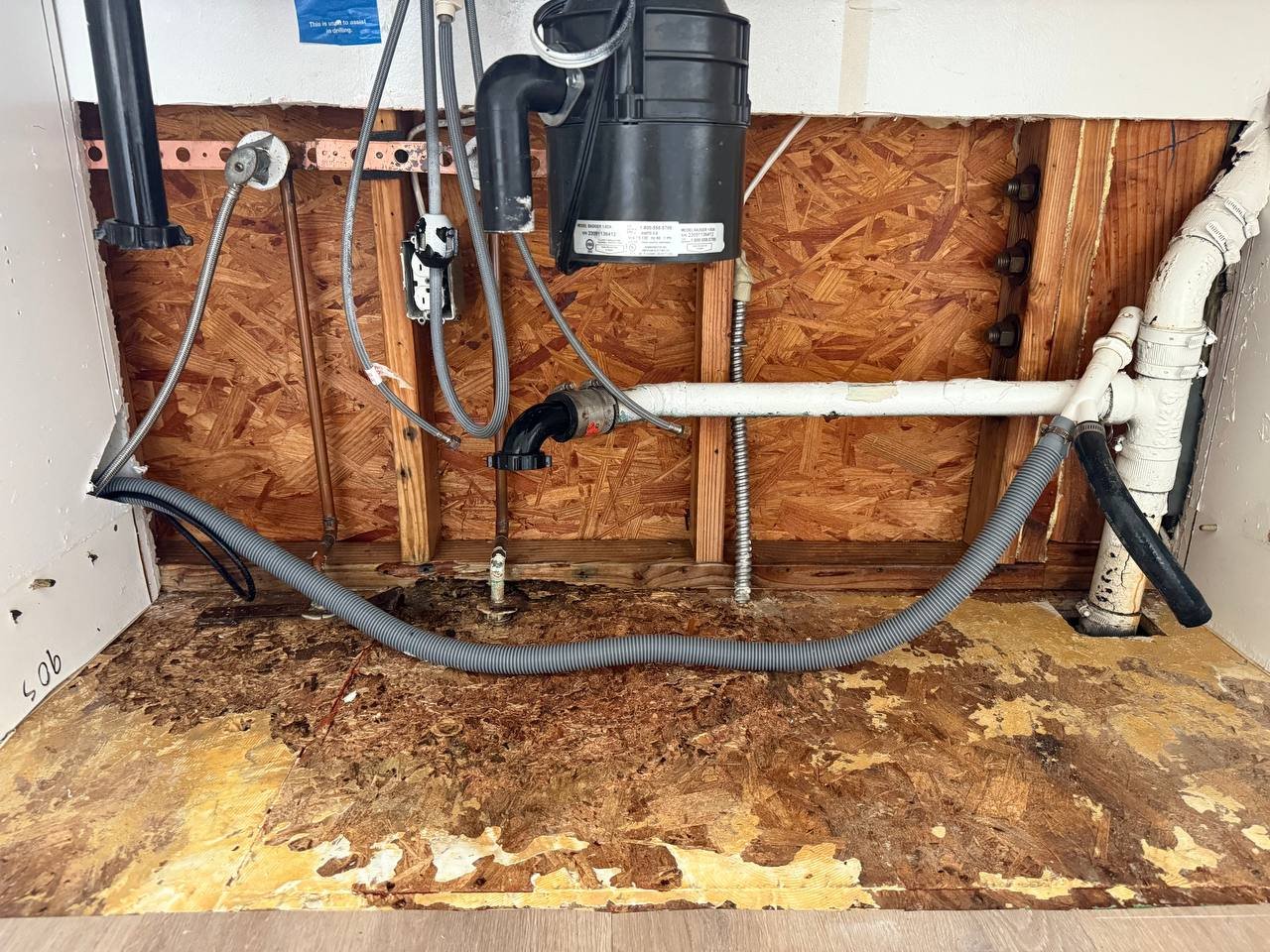
Galvanized or aging copper lines and under-sink valves drip behind cabinets. Small closets around water heaters trap humidity and odor.
Our IICRC S520 Mold Remediation Process
Inspection and Moisture Mapping
We locate sources with pin/pinless meters and thermal imaging. Scope aligns with IICRC S520. Sampling is used only when it changes scope, satisfies HOA or lender rules, or verifies clearance.
Source Control
We coordinate roof, deck membrane, window, plumbing, or ventilation fixes. Mold returns if the source remains. In coastal zones, ventilation upgrades often pay off.
Containment and Negative Pressure
We isolate work areas with poly or rigid containment and zipper doors. HEPA-filtered negative air maintains pressure differentials so spores and dust do not migrate. HVAC supplies/returns in the zone are sealed. Floors and pathways are protected.
Removal of Contaminated Materials
Colonized drywall, carpet pad, and wet insulation are removed. We expose framing as needed for cleaning and dry-down. We avoid unnecessary demolition and keep clean areas clean.
HEPA Cleaning and Detail Work
We HEPA vacuum, mechanically agitate, and detail clean affected surfaces. Targeted antimicrobial supports cleaning. It never replaces source removal.
Controlled Drying to Targets
Dehumidifiers and directed airflow bring materials to target moisture. We set baseline, daily, and clearance readings. No early closure.
Post-Remediation Verification (as needed)
For larger jobs, HOAs, short-term rentals, or sensitive occupants, a third-party assessor performs PRV. Passing criteria include clean visuals, odor-free conditions, and project-appropriate sampling.
Documentation and Handover
You receive photos, containment layout, moisture and equipment logs, and a line-item scope in Xactimate. Adjusters see the logic, which reduces delays.
Click Here
Specialty Care for Coastal and Older Venice Assemblies
Plaster, Lath, and Historic Trim
Plaster retains moisture longer than drywall. We use lower-stress airflow, selective opening, and careful sanding with HEPA capture. Historic trim and millwork are protected and, where feasible, saved.
Hardwood, Engineered, and Salt-Exposed Finishes
Salt air and humidity increase cupping risk. We stage dehumidification and floor-drying mats. Engineered boards with swollen cores are documented for replacement. We verify subfloor moisture before reinstalling.
Tile and Stone Over Mortar Beds
We manage vapor to limit efflorescence. Non-destructive meters confirm sub-surface drying. Relief points are planned where assemblies trap water.
Cabinets and Built-Ins
Toe-kick removal improves airflow. If panels delaminate, we plan sectional removal and preserve doors/faces where possible.
HVAC Closets and Laundry Niches
Condensate clogs and vent restrictions are common. We remediate, service lines, add float switches or leak alarms, and specify proper exterior venting.
Venice Case Study:
Deck Membrane Leak Near Abbot Kinney
Situation
A two-story home had a rooftop deck over the living room. After heavy marine-layer weeks and a short storm, ceiling staining appeared. Moisture mapping found wet insulation and ~260 sq ft of affected drywall. A nearby bath exhaust terminated in the attic, raising humidity.
Containment and Removal
We built room containment with a HEPA negative-air machine, sealed registers, and protected floors. Saturated insulation and limited ceiling drywall were removed under control.
Cleaning and Drying
Framing was HEPA vacuumed, mechanically cleaned, and treated with targeted antimicrobial. Dehumidifiers and air movers established a closed system. Daily moisture logs were shared with the owner and insurer.
Outcome
Dry goals met on day 4. Odor gone by day 2. PRV passed due to clean visuals, odor-free conditions, and normal comparative samples. Roofing contractor corrected the deck membrane and scupper detail. Bath exhaust was vented to exterior with a humidity fan.
Lesson
In coastal neighborhoods, combined membrane and ventilation issues often drive recurrent problems. Fix both or expect recurrence.
Cost Factors (Typical Ranges, Not a Quote)
Actual pricing depends on size, materials, access, and verification needs:
Containment and protection: $150–$600 per chamber based on complexity.
Selective demolition: drywall removal/haul-off $2.50–$5.50 per sq ft; wet insulation removal $1.50–$3.50 per sq ft; baseboard/toe-kick R&R $6–$12 per linear ft.
HEPA negative-air (per day): $95–$165 per machine.
Air movers / dehumidifiers (per day): $25–$45 and $75–$125.
Detail cleaning + antimicrobial: $0.20–$0.50 per sq ft treated.
PRV by third party (if used): billed separately by the assessor and lab.
Policies often cap mold coverage. Many still cover the sudden and accidental water loss that caused it. Our documentation ties cause, extent, and dry-down to policy terms.
Prevention After Remediation
Roof and deck membranes: inspect seams, penetrations, and scuppers; keep drains clear before storms.
Ventilation: vent baths and laundry to exterior; use humidity-sensing fans or timers; improve make-up air in tight rooms.
Windows and stucco: seal cracks, maintain flashing, and check sills after wind-driven rain.
Indoor RH control: keep 40–50% when possible; use portable dehumidifiers during fog-heavy weeks.
Plumbing upgrades: replace aging angle stops and supply lines; add leak alarms under sinks, washers, and water heaters.
Crawl spaces: redirect irrigation, improve grading, and add vents or mechanical drying if needed.
Post-event verification: after any leak, verify target moisture before closing walls or refinishing floors.
Insurance Support
Xactimate estimates that mirror carrier formats.
Evidence package with photos, moisture maps, equipment logs, and scope notes.
Direct adjuster communication to reduce re-inspections and speed decisions.
Timeline
Inspection and scope: same day.
Containment, removal, initial cleaning: 1–2 days for a bathroom or closet; longer for multi-room or ceilings below decks.
Drying and PRV: typically 2–4 additional days depending on materials and humidity.
Rebuild: after moisture targets and, if used, PRV pass. Typical scopes: drywall/texture, insulation, paint, trim.
We serve Venice, the Canals, Marina Peninsula, Oakwood, and adjacent Westside neighborhoods including Santa Monica and Mar Vista. Dispatch is 24/7.
Explore More Restoration Services in Venice
Venice Water Damage Cleanup
Rapid water extraction and drying.
Venice Fire Damage Restoration
Complete fire and smoke cleanup.
Venice Sewer Damage Cleanup
Safe sewer and biohazard cleanup.
Venice Hub Page
Explore all restoration services in Venice.