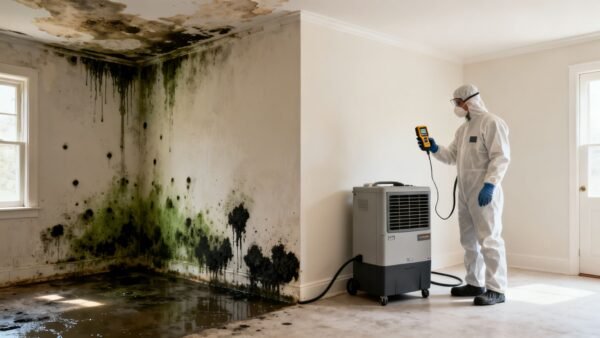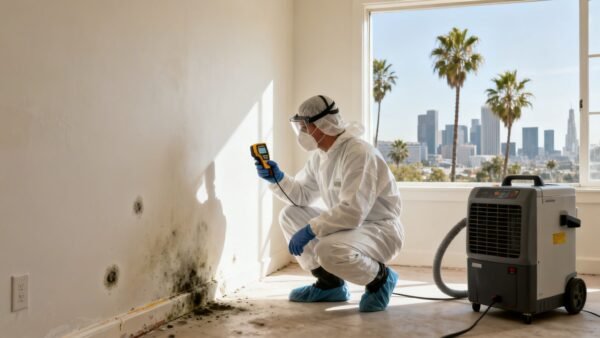

When a major storm tears through Los Angeles, the aftermath can be overwhelming. You might see a few downed branches or some missing roof shingles, but the real threat often lies hidden. Professional storm damage restoration isn't just a simple cleanup; it’s a critical emergency service designed to protect your home from the escalating, secondary damage that severe weather leaves in its wake.
This guide will walk you through exactly what storm damage restoration entails, from the first crucial steps after the storm to navigating the complex insurance process.
Get a Free Damage Assessment Now
What Storm Damage Restoration Really Means For Your Home
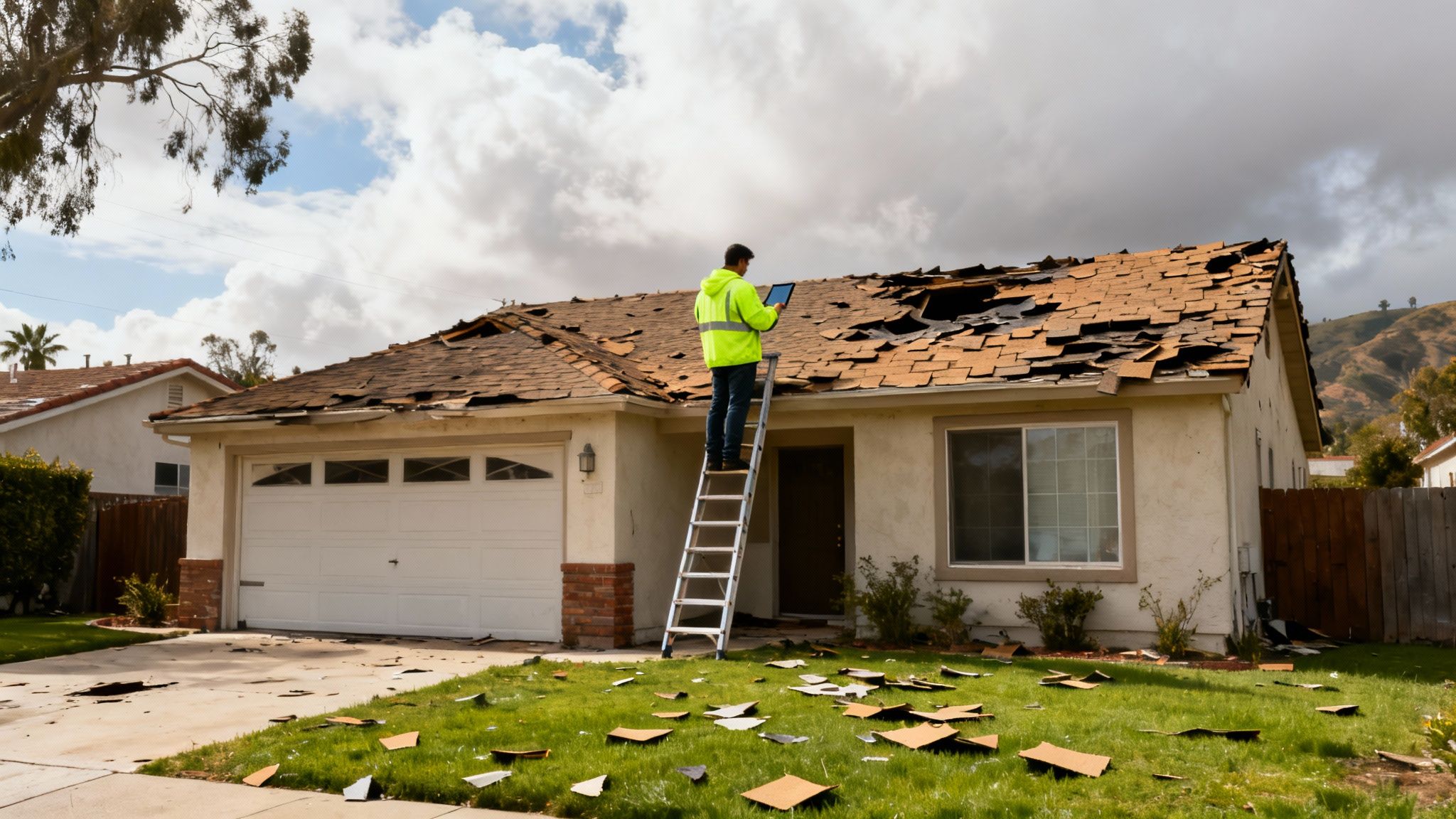
After a storm rips through Los Angeles, the obvious damage is often the least of your worries. The real problem is what happens next. Think of a certified restoration team as first responders for your property. Their job isn't just to make things look good; it's to stop a domino effect of secondary damage before it can even start.
This immediate action is crucial because storm damage gets worse by the hour. A small roof leak from wind-damaged flashing over your San Fernando Valley home can quietly soak your attic insulation, creating a perfect breeding ground for mold in just 24-48 hours. Heavy rains in West LA can seep into your foundation, compromising its integrity or creating dangerous electrical hazards.
The True Scope of Storm Damage
Professional restoration dives deep into issues that a typical handyman or general contractor just isn't equipped to handle. The ultimate goal is to bring your home back to its safe, healthy, pre-storm condition.
We focus on the complete picture, which includes:
- Water Intrusion: This isn't just mopping up. It's about finding the source of the leak, extracting every bit of standing water, and then professionally drying the structure itself.
- Structural Weakness: High winds and falling debris can damage your home’s bones—the roofing, framing, and foundation. We assess and repair this damage to ensure your home is sound.
- Mold Growth: After a storm, moisture is everywhere. We find and eliminate the resulting mold to protect your family’s health and your indoor air quality.
- Debris Removal: Safely clearing away fallen trees, shattered glass, and other hazards is the first step to making your property safe again.
Of course, the best way to handle a disaster is to prepare for one. Taking proactive steps can make a huge difference. For instance, homeowners in our area can reduce risk by pruning trees for hurricane ready growth and reinforcing their homes.
Ignoring the hidden issues after a storm is a huge gamble. A tiny, unseen leak today can easily spiral into a massive structural and health crisis down the road.
Ultimately, getting professional help isn't a luxury; it's a necessity. You can see how our comprehensive restoration services are designed to protect your home. It’s the only way to be certain your property has fully recovered, safeguarding your investment and giving you back your peace of mind.
Your First Steps Immediately After A Storm
The moments after a severe storm are disorienting. Wind, rain, and debris can leave a mess behind, and it’s easy to feel overwhelmed. But what you do in that first hour is critical—for your safety and for a smooth storm damage restoration journey.
Taking the right actions right away prevents the damage from getting worse and lays the groundwork for a successful recovery.
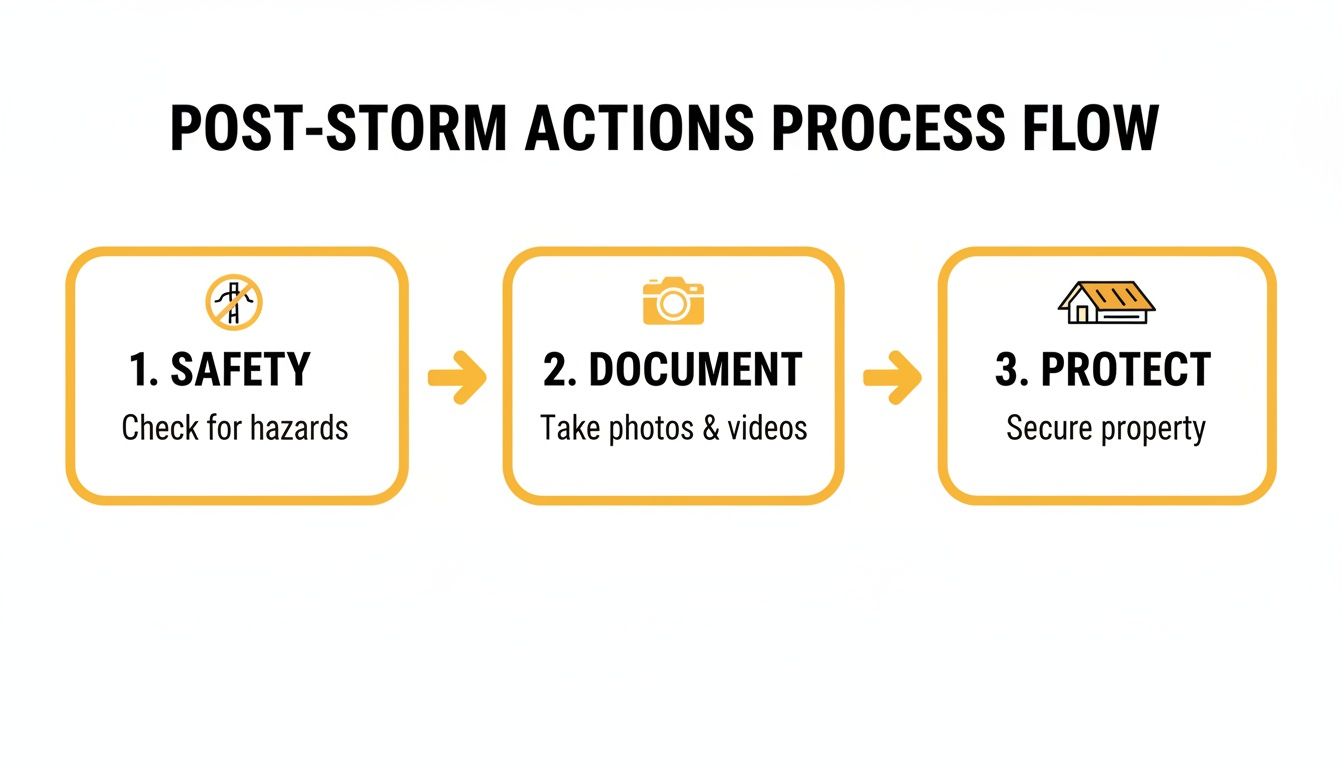
Prioritize Safety Above All Else
Before you even think about stepping outside, your first priority is a safety check from indoors. Look out the windows for immediate dangers like downed power lines, splintered tree limbs hanging precariously, or the smell of gas. If you spot any of these, stay put and call emergency services immediately.
If it looks clear, move with caution. Always wear sturdy, closed-toe shoes and protective gloves. The last thing you need is an injury from shattered glass or a stray nail hidden in the debris.
Once you're sure the outside is safe, turn your attention to your home's utilities. If you smell gas, see sparks from outlets, or find significant flooding near your electrical panel, it's time to shut things down. You'll want to turn off the main gas, water, and electricity supplies right away. Knowing where these shut-offs are before a storm hits is a game-changer. For a little help, you can check out our guide on how to find your home’s main water shut-off valve.
Document Everything Before You Clean
With the area secured, your next role is that of a detective. Before you move a single piece of furniture or throw anything away, you need to document all of the damage for your insurance company. This evidence is gold and can make or break your claim.
Grab your smartphone and start taking photos and videos of everything. Don’t just take one picture; capture the scene from multiple angles. Get wide shots to show the overall scope of the problem and then zoom in for close-ups on specific issues.
Here’s a quick checklist to make sure your documentation is solid:
- Exterior Damage: Get pictures of any damage to your roof, siding, windows, and gutters.
- Interior Damage: Record any water stains on your ceilings or walls, flooding, and any visible structural harm.
- Personal Property: Make a list of your damaged belongings, noting what they are and their condition.
- Source of Entry: If you can tell where the water got in—like through a broken window or a hole in the roof—make sure you get clear photos of that spot.
Important: Do not throw away any damaged items until your insurance adjuster has seen them. Tossing them out too soon can be viewed as destroying evidence, which could seriously jeopardize your claim.
Take Steps to Mitigate Further Damage
While you shouldn't start any major repairs yourself, your insurance policy does expect you to take reasonable steps to prevent the damage from spreading. This is called "mitigation," and it's a standard requirement for homeowners.
If it’s safe to do so, here are a few temporary measures you can take:
- Cover Openings: Use tarps or plywood to cover holes in the roof or broken windows. This keeps more wind and rain from getting inside.
- Move Valuables: Get furniture, electronics, and important papers out of wet areas to protect them from further water damage.
- Remove Excess Water: If you only have minor puddles, you can use mops and buckets to get some of the standing water out. Do not use a regular vacuum or household fans for this—it can create a serious electrical hazard.
Taking these initial steps helps protect your property and shows your insurance company that you're acting responsibly. Once you've handled these immediate tasks, your next call should be to a certified storm damage restoration professional who has the right expertise and equipment to take over.
Storm Damage Emergency Action Checklist
| Priority | Action Item | Important Note |
|---|---|---|
| 1. Safety First | Check for downed power lines, gas leaks, or major structural risks before exiting. | If you see any immediate hazards, stay inside and call 911 immediately. |
| 2. Assess Utilities | If you smell gas or see flooding near electrical panels, shut off main utilities. | Know where your shut-off valves are located before an emergency happens. |
| 3. Document Damage | Take extensive photos and videos of all damage before moving or cleaning anything. | This is crucial evidence for your insurance claim. Don't skip this step. |
| 4. Mitigate Damage | Cover holes with tarps and move undamaged valuables away from wet areas. | Your policy requires you to prevent further damage if it's safe to do so. |
| 5. Contact Insurer | Notify your insurance company to start the claims process and get a claim number. | The sooner you report it, the sooner they can assign an adjuster. |
| 6. Call a Pro | Contact a certified storm damage restoration company like Onsite Pro Restoration. | Professionals have the right equipment and training to handle the cleanup safely. |
Following this checklist can bring a sense of order to a chaotic situation, ensuring you’ve covered the most important bases for both your safety and your financial recovery.
The Professional Storm Damage Restoration Process
Once you’ve made the call for help, the storm damage restoration process kicks into gear. This isn't just a cleanup job; it's a systematic, multi-step operation designed to bring your home back to the way it was before the storm hit. Think of it as a strategic recovery mission where every step builds on the last, ensuring nothing gets missed.
Knowing how this works gives you a clear roadmap and helps set realistic expectations for the road ahead. It demystifies what we’re doing on your property and highlights why you need a certified pro for a true recovery.
The global storm damage restoration market was valued at $15 billion in 2025 and is expected to climb to $25 billion by 2033. This spike is a direct result of the more frequent and intense storms we're seeing. You can read the full research on restoration market trends to get a sense of the scale.
Emergency Response and Site Assessment
The second our team hits your property, our priorities are safety and figuring out what we're dealing with. We start with a full inspection to spot any immediate dangers, like live electrical wires, unstable structures, or contaminated water. Safety first, always.
Then we map out the damage. Using specialized gear like moisture meters and thermal imaging cameras, we can see exactly where the water went. This tech lets us look behind walls and under floors to find those hidden pockets of moisture that would otherwise turn into mold and rot down the line. This initial assessment is the blueprint for the entire job.
Water Extraction and Structural Drying
With the site safe, it’s time for aggressive water removal. We bring in powerful, truck-mounted extraction units and submersible pumps to get thousands of gallons of standing water out fast. Getting the bulk of the water gone is the first big win in stopping the damage from getting worse.
But getting rid of the visible water is only half the battle. The real work is drying out the structure itself—the framing, drywall, and subfloors that soaked up all that moisture like a sponge.
Just opening a few windows or using box fans won't cut it. Saturated building materials can stay wet for weeks, creating the perfect breeding ground for mold. Professional drying is a science, and it’s what prevents that from happening.
To do this right, we set up an army of high-volume air movers and commercial-grade dehumidifiers. These machines work together to create a powerful drying vortex, pulling moisture out of the materials and sucking it out of the air. We check our progress every single day with moisture readings until your property is back to its normal, dry state. If you want a deeper dive into this first critical step, check out our guide on what water mitigation is and why it's so important.
Debris Removal and Sanitization
Once everything is dry, we switch gears to cleanup. This means hauling out all the storm debris and any building materials that are too damaged to save, like warped flooring or soggy, contaminated drywall.
This isn't just about tidying up; it’s about making the space safe again. Floodwater can be nasty stuff, full of bacteria and other contaminants. That's why we thoroughly clean and sanitize every affected surface with EPA-approved antimicrobial agents. We make sure the area is completely safe for your family before we even think about rebuilding.
Complete Structural Repairs and Reconstruction
The final step in professional storm damage restoration is putting your home back together. This is where the magic happens, transforming a disaster zone back into the place you love. The work here is tailored completely to what your property needs.
Our reconstruction services can include a whole range of tasks:
- Replacing drywall and insulation that had to be removed.
- Installing new flooring, whether it's carpet, tile, or hardwood.
- Painting walls and ceilings to give your home a fresh, clean finish.
- Repairing or replacing the roof and siding that the storm tore up.
- Rebuilding structural components like framing that might have been compromised.
Our job is to manage this entire process from start to finish, coordinating every trade and making sure the quality is top-notch. From that first emergency call to the final brush stroke, we handle every detail to restore not just your property, but your peace of mind too.
Navigating Storm Damage Restoration Costs and Insurance
After the storm is over and your home is finally secure, the two biggest questions hit you hard: "How much is this going to cost?" and "Will my insurance even cover it?" Let's be honest—the financial side of storm damage restoration can feel just as overwhelming as the physical damage itself.
Getting a handle on what drives the final price and how your insurance policy fits in is the key to a smoother recovery. The final bill isn't some arbitrary number; it's a careful calculation of the labor, materials, and specific services needed to put your home back together exactly as it was.
Breaking Down Restoration Costs
The cost of storm damage restoration is all over the map because every situation is unique. Think of it like a car repair—fixing a small dent is worlds away from a complete engine rebuild. The same idea applies to your home.
Several factors will determine the final estimate:
- Type and Extent of Damage: A minor roof leak that only affected the attic is a much simpler (and cheaper) fix than a basement flooded with several inches of water that needs full extraction and structural drying.
- Water Category: Not all water is the same. Clean water (Category 1) from a simple pipe break is one thing. Greywater (Category 2) or contaminated blackwater (Category 3) from a sewer backup is another beast entirely, requiring specialized gear and sanitization.
- Required Services: The more complex the job, the higher the cost. If the project spirals into needing mold remediation, asbestos abatement, or significant reconstruction, the price will reflect that extra level of expertise.
- Materials and Finishes: Rebuilding with standard-grade drywall and carpet costs less than trying to restore custom cabinetry, high-end hardwood floors, or specialty tile work.
With severe weather events on the rise, these costs are climbing. For homeowners right here in LA County, from Glendale to Beverly Hills, that means the average cost for post-storm restoration can easily fall between $10,000 to $50,000 or more.
How a Restoration Company Helps with Insurance
Trying to navigate an insurance claim feels like a full-time job you never signed up for, especially when you’re already stressed out. This is where a professional restoration company becomes your most important ally. We don’t just fix the damage; we go to bat for you with the insurance company.
A professional restoration team speaks the same language as insurance adjusters. We use industry-standard software like Xactimate to create detailed, line-item estimates that leave no room for ambiguity, ensuring your claim is documented correctly from the start.
A huge part of storm damage restoration involves successfully managing insurance claims. Our job is to make that process as painless and straightforward for you as we can.
Here’s how we step in to help:
- Comprehensive Documentation: We document everything. We take photos, videos, moisture readings, and detailed notes to create an undeniable record of the loss that your insurer can’t argue with.
- Direct Communication: We get on the phone directly with your insurance adjuster. We’ll walk them through the damage site, explain why every step in our restoration plan is necessary, and answer their technical questions.
- Fair and Accurate Estimates: Our estimates are built on standardized industry pricing. This ensures you get the full and fair coverage you're entitled to under your policy. We fight to make sure nothing gets overlooked.
By acting as the bridge between you and your insurer, we lift that administrative weight off your shoulders. It lets you focus on what really matters—your family—while we handle the nitty-gritty of restoring your home and getting your claim approved. If you want to dive deeper into this, you can learn more about filing a water damage insurance claim in our guide.
Why A Certified Restoration Contractor is Non-Negotiable
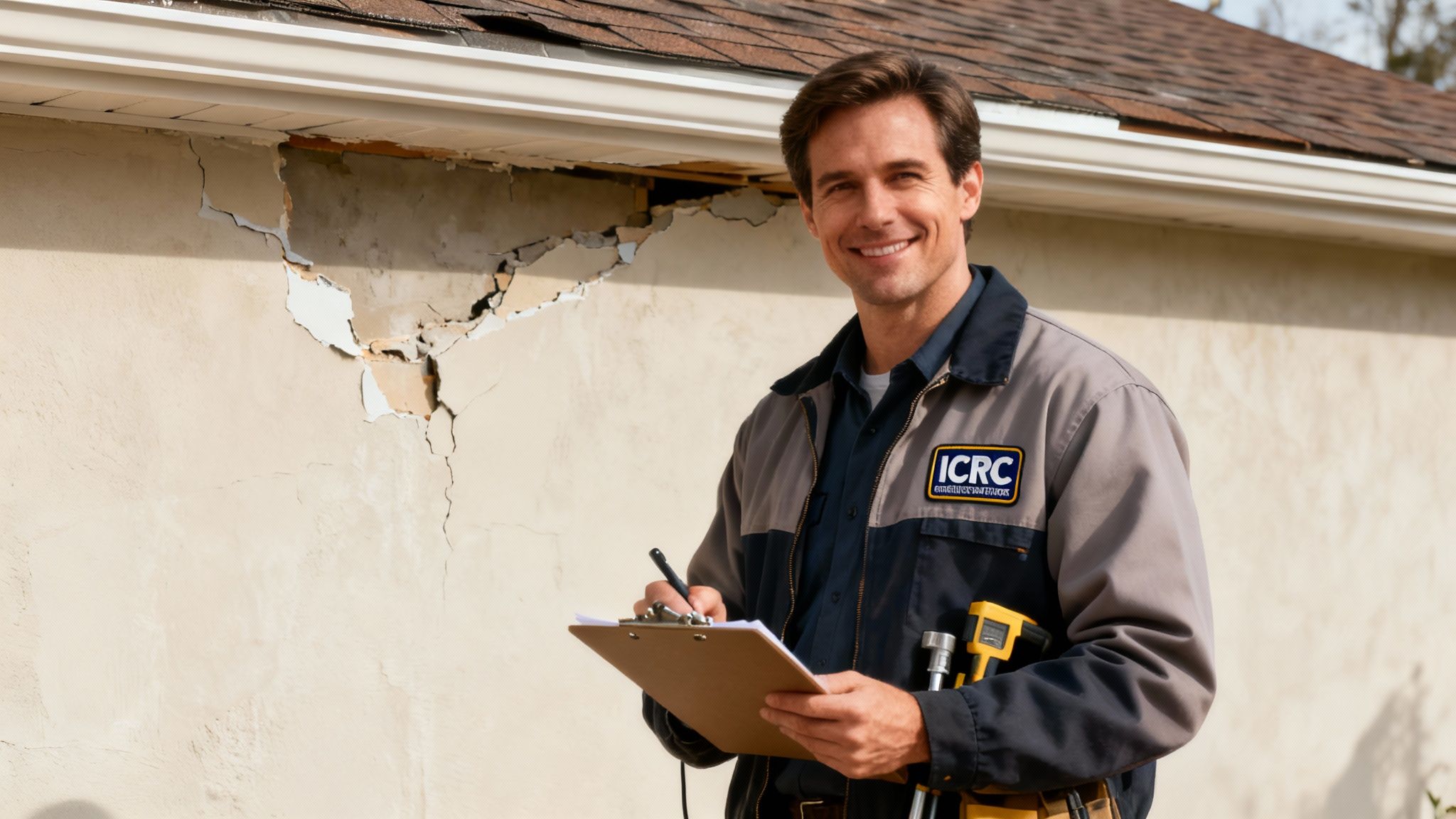
After a storm hits, the single most important call you'll make is to the team you hire to fix the damage. It’s tempting to look for a general handyman to save a few bucks, but this is one area where cutting corners can lead to disastrous long-term consequences. Professional storm damage restoration isn't just cleanup; it's a science. Trusting it to an uncertified crew is a massive gamble with your property's future.
The gap between a handyman and a certified specialist is huge. A certification from an organization like the IICRC (Institute of Inspection, Cleaning and Restoration Certification) is far more than a piece of paper. It signifies rigorous, ongoing training in the complex science of psychrometrics (the study of air and moisture), structural drying, mold remediation, and critical safety protocols.
The Dangers Of An Uncertified Crew
Hiring an unqualified contractor can easily create more problems than the storm itself. An uncertified team might make the surfaces look clean, but they almost always miss the hidden dangers lurking just out of sight.
The risks are both significant and costly:
- Incomplete Drying: They simply don't have the specialized equipment, like thermal cameras, to find moisture trapped behind walls or under floors. This is a direct path to hidden mold and wood rot.
- Improper Techniques: Using the wrong cleaning agents or drying methods can permanently ruin materials or fail to properly sanitize areas contaminated by floodwater.
- Voided Insurance Claims: Most insurance companies require that restoration work be done by certified professionals. Hiring an uncertified crew could give them grounds to deny your claim, sticking you with the entire bill.
An uncertified contractor treats the symptoms; a certified restoration professional cures the disease. One mops the floor, while the other scientifically eliminates the moisture that caused the problem in the first place.
Demand for true professionals is soaring. As storms become more frequent and costly, the U.S. post-storm restoration market is expected to grow into a $20.6 billion industry globally by 2027. You can discover more insights about post-storm restoration market growth on datainsightsmarket.com to see the full scope of this trend.
Your Checklist For Hiring The Right Team
Choosing the right partner for your storm damage restoration is an investment in your home’s future and your family's health. To protect yourself, make sure any company you consider meets these non-negotiable standards.
A qualified, trustworthy contractor will always have:
- IICRC Certification: This is the absolute gold standard in our industry. Always ask to see their credentials to verify their technicians are properly trained and up-to-date.
- Proper Licensing and Insurance: A legitimate company must be licensed to work in California and carry both general liability and workers' compensation insurance. This protects you from any liability if an accident happens on your property.
- Local Los Angeles Experience: Look for a company with a proven track record right here in LA. Ask for examples of local jobs, from handling wind damage in Sherman Oaks to fixing water intrusion in West Hollywood. Local experience means they know our climate and our building codes.
Ultimately, choosing a certified expert ensures the job gets done right the first time. You can also browse a list of top-rated restoration and water damage companies near you to compare local options. This decision doesn't just repair the immediate damage—it restores your safety and peace of mind for years to come.
Your Top Storm Damage Restoration Questions Answered
Even after you've made the first few calls, the aftermath of a storm is a stressful time filled with uncertainty. It's completely normal to have questions. Here are the honest, straightforward answers to the things we're asked most often by homeowners here in Los Angeles.
How long does the restoration process take?
The timeline is tied directly to the extent of the damage. For a minor incident with limited water intrusion, the drying and repair process might only take 3-5 days. However, for severe damage involving major structural repairs, significant reconstruction, and mold remediation, the project could extend to several weeks or even months. A professional restoration company will provide a detailed timeline after a complete on-site assessment.
Will my homeowners insurance cover all the storm damage?
Generally, most standard homeowner's policies will cover damage from wind, hail, and rain that gets into your house through a storm-created opening—like a tree branch punching a hole in your roof. What standard policies almost never cover is flooding from rising groundwater. That requires a separate flood insurance policy, typically from the National Flood Insurance Program (NFIP). It’s crucial to review your policy and speak with your agent to understand your specific coverages.
Can I stay in my home during the work?
This depends entirely on safety and the scope of work. For minor repairs contained to a single area, you can often stay. For major damage involving structural issues, widespread contamination, or the use of loud industrial drying equipment, it is typically unsafe and impractical. In these cases, temporary relocation is the best option for your family's health and comfort.
What should I do about standing water in my house?
If you have significant standing water, especially near electrical outlets or appliances, do not attempt to remove it yourself. The risk of electric shock is severe. Your first calls should be to shut off your home's electricity (if safe to do so) and to a professional restoration company. They have the proper safety gear and specialized equipment, like submersible pumps, to remove the water safely and quickly.
What happens to my damaged belongings?
Professional restoration teams offer "pack-out" services. We carefully inventory, pack, and transport salvageable items to a secure, climate-controlled facility for specialized cleaning, deodorizing, and restoration. For items damaged beyond repair, we create a detailed list and document them for your insurance claim, helping you recover their value.
When disaster strikes, you need a team that moves with speed, skill, and genuine care. Onsite Pro Restoration is IICRC-certified and on call 24/7 to secure your property and start putting the pieces back together.