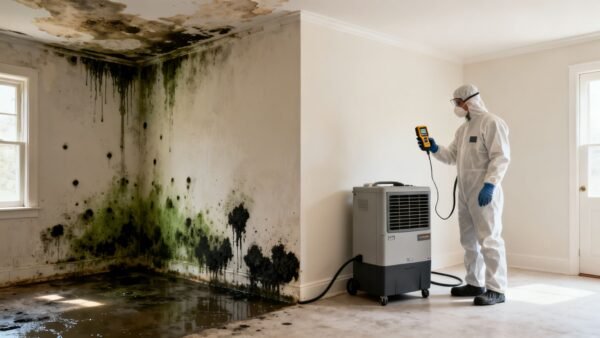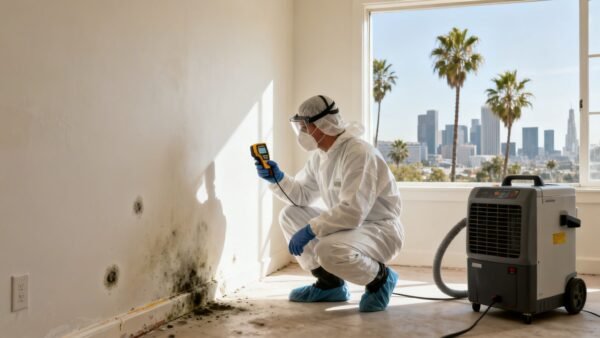

When disaster strikes your home or business, the immediate aftermath is chaotic. Whether it's a burst pipe, a kitchen fire, or the discovery of mold, the first hours are critical. This is where onsite restoration becomes the most important call you can make. It's not just a cleanup service; it’s an emergency response designed to mitigate damage, protect your property, and begin the recovery process immediately, right where the damage occurred.
Think of it as first responders for your property. A swift, professional onsite restoration team arrives with a clear mission: stop the damage from getting worse, salvage everything possible, and lay the groundwork for a full recovery. This guide will walk you through what that process looks like, why it’s so crucial, and how to choose the right team for the job.
If your property has been damaged by water, fire, or mold, don't wait. Every minute counts.
Get a Free Onsite Restoration Assessment Now
What Is Onsite Restoration? The Core Mission Explained
The primary goal of onsite restoration is to stabilize the environment and prevent further loss. Like a paramedic stopping the bleeding before a patient gets to the hospital, a restoration crew's first job is to contain the immediate threat. A burst pipe in a Sherman Oaks home can cause mold in just 24-48 hours, and acidic soot from a fire in a Glendale bungalow can permanently etch surfaces if left untreated.
This rapid intervention is the difference between a manageable repair and a catastrophic, expensive rebuild.
Mitigating Further Loss
Damage control is always priority number one. The first step for any professional crew is to identify the source of the problem—be it a hidden leak, a faulty appliance, or a structural weakness—and neutralize it.
This initial mitigation may include:
- Emergency water extraction using powerful truck-mounted pumps.
- Boarding up broken windows or tarping a damaged roof to protect against weather.
- Setting up specialized air scrubbers to filter harmful soot and smoke particles from the air.
Every action is taken to protect what remains of your property and prevent secondary damage, saving you significant money and stress in the long run.
Onsite restoration is the practice of bringing your property back to its pre-loss condition by performing mitigation, cleanup, and repairs directly at the site of the damage. The focus is always on salvaging as much as possible and minimizing the disruption to your life.
Securing the Property and Its Contents
After an emergency, your property is vulnerable. A professional restoration team will immediately secure the site to prevent theft and further damage from the elements. This could mean tarping a roof damaged by a fallen tree or boarding up windows after a fire.
Simultaneously, trained technicians begin the careful process of content assessment. They have the expertise to determine what can be salvaged and what is a loss. Their skills in cleaning, sanitizing, and restoring everything from furniture to family photographs are a critical part of the process, often providing a much-needed sense of hope during a difficult time.
The disaster restoration industry is growing rapidly, underscoring its importance. The global market, valued at roughly USD 42.93 billion in 2025, is projected to reach USD 55.53 billion by 2030, growing at 5.28% annually. This growth reflects a greater public understanding of how a fast, professional response minimizes long-term financial impact. You can read more about disaster restoration service market trends on Mordor Intelligence.
By acting fast, professionals pave a safer, more efficient path back to normalcy, protecting both your property and your peace of mind.
The Onsite Restoration Process from Start to Finish
Facing property damage is overwhelming. However, understanding the structured process professionals follow can bring a sense of order to the chaos. While every situation is unique, the onsite restoration process is a methodical sequence of steps designed to stabilize your property, prevent further harm, and begin the rebuilding phase.
Here’s what you can expect from the moment you make that emergency call. A reputable team will often arrive in under an hour, knowing that every minute counts.
Step 1: Initial Assessment and Safety Inspection
Before any work begins, the team leader conducts a thorough damage and safety assessment. They identify the source of the problem—like a leaking pipe behind a wall—and map the extent of the damage.
During this critical first phase, they will:
- Identify Safety Hazards: Look for electrical risks from standing water, structural instability, or airborne contaminants like mold spores. Safety is the top priority.
- Document Everything: Take extensive photos and videos of all affected areas and damaged items. This documentation is crucial for your insurance claim.
- Create a Plan of Action: Based on their findings, they develop a clear restoration plan outlining immediate steps, required equipment, and a projected timeline.
This initial inspection is the strategic foundation for the entire onsite restoration project.
Step 2: Emergency Mitigation and Damage Containment
With a plan in place, the crew immediately begins mitigation—stopping the damage from spreading.
Depending on the disaster, this may involve:
- Water Extraction: Using industrial-grade pumps and vacuums to remove all standing water from the property. See a full breakdown in our guide to the complete water damage restoration process.
- Soot and Smoke Control: For fire damage, using thermal fogging to neutralize odors and specialized cleaning techniques to prevent soot from causing permanent damage.
- Containment Barriers: In cases of mold or biohazards, sealing off the affected area with plastic sheeting and using negative air pressure to prevent cross-contamination.
This proactive stage is essential for protecting the rest of your property and keeping final repair costs down.
This infographic breaks down the three core goals that guide every action a professional restoration team takes.
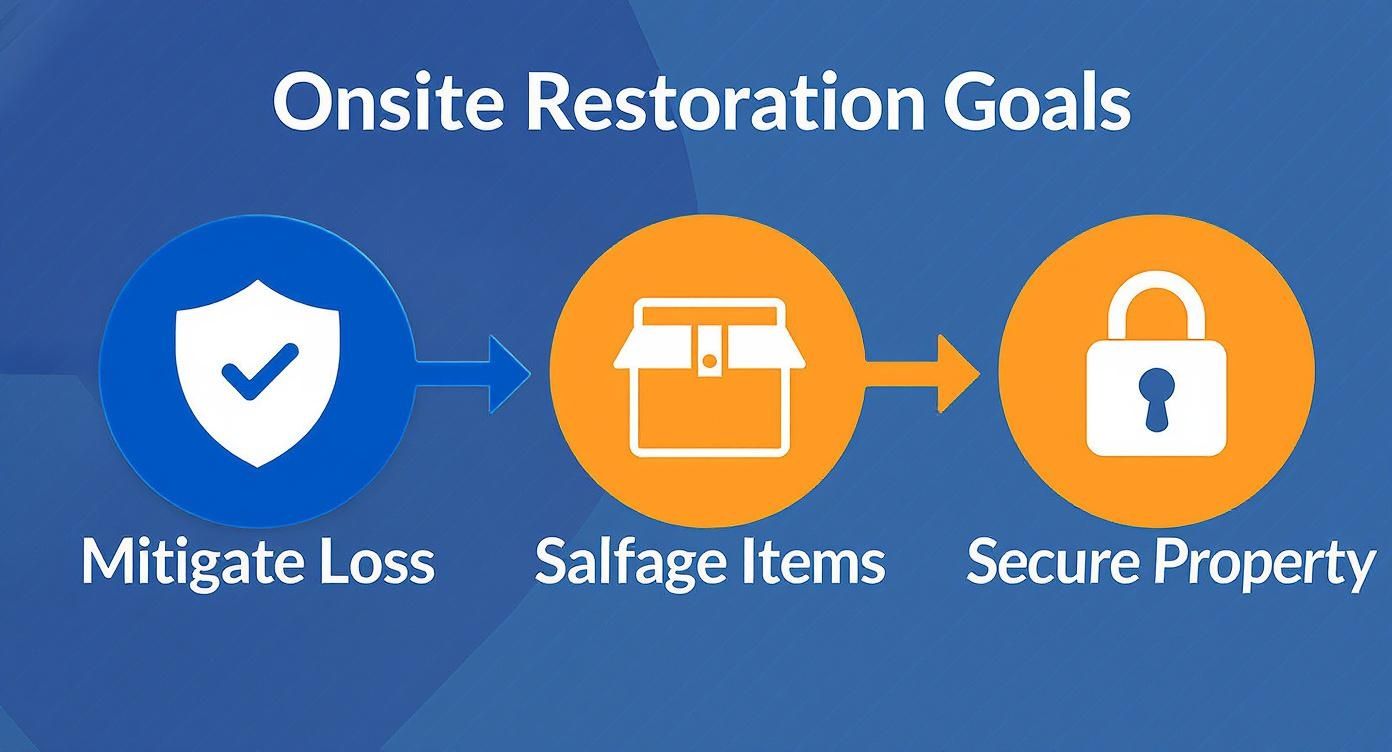
As you can see, it's a balance of mitigating the immediate loss, salvaging everything possible, and making sure the property is secure.
Step 3: Cleaning, Sanitizing, and Deodorization
Once immediate threats are neutralized, the deep cleaning begins. This goes far beyond standard cleaning, using specialized equipment to remove unseen contaminants.
Technicians will utilize:
- Air Scrubbers and Dehumidifiers: High-efficiency particulate air (HEPA) scrubbers remove microscopic particles from the air, while commercial dehumidifiers extract moisture from drywall, wood, and other structural materials to prevent mold.
- Antimicrobial Treatments: Surfaces are treated with EPA-approved antimicrobial agents to kill bacteria and inhibit mold growth.
- Contents Cleaning: Salvageable personal items are carefully cleaned, which may involve ultrasonic cleaning for delicate objects or specialized laundering for smoke-damaged textiles.
This phase transforms a hazardous space back into a safe, healthy environment.
Step 4: Demolition and Preparation for Reconstruction
The final step in the emergency phase is the careful removal of materials too damaged to be saved, such as warped flooring, saturated drywall, or charred structural elements.
Important Note: This is not a chaotic demolition. It is a precise, surgical process where technicians remove only what is absolutely necessary, preserving the home’s structural integrity and creating a clean slate for the rebuild.
Once damaged materials are removed and the area is confirmed to be clean, dry, and structurally sound, the emergency onsite restoration work is complete. Your property is now ready for the reconstruction team to make it feel like home again.
Handling Different Types of Onsite Restoration
A professional onsite restoration company understands that each type of disaster requires a unique approach. The strategy for a flooded basement in Sherman Oaks is completely different from cleaning up after a kitchen fire in a Glendale home. Specialized knowledge and equipment are essential for a successful outcome.
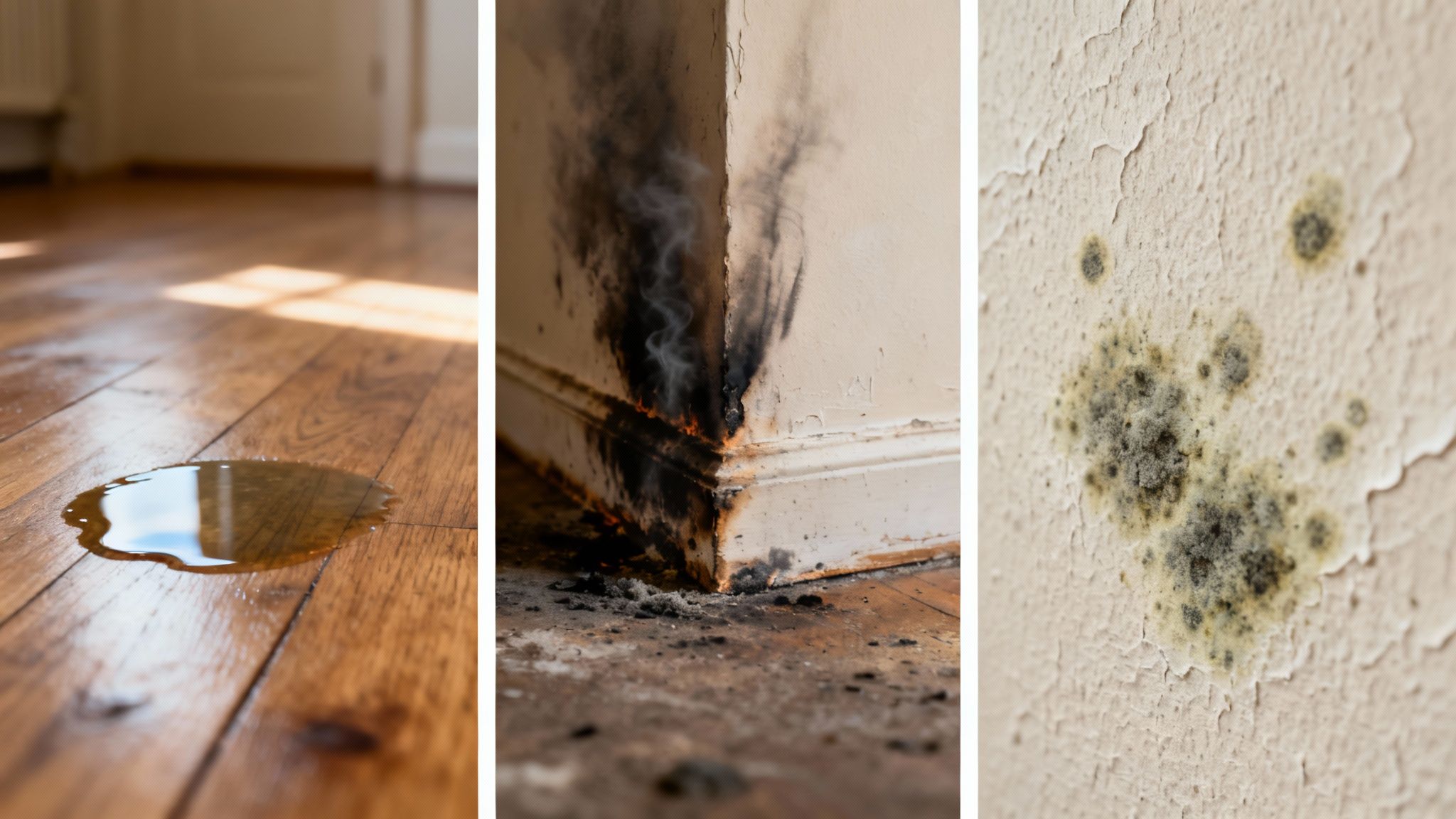
Restoring Your Property After Water Damage
Water damage is deceptive. A small puddle can hide widespread moisture that has soaked into subflooring and wall cavities. The true goal of water damage restoration is not just to mop up visible water but to thoroughly dry the entire structure.
Technicians use a scientific approach:
- Extraction: All standing water is removed using powerful, truck-mounted extraction units.
- Evaporation: High-velocity air movers are strategically placed to sweep air across wet surfaces, accelerating evaporation.
- Dehumidification: Large commercial dehumidifiers are used to pull moisture from the air, preventing it from being reabsorbed by other materials.
This "applied structural drying" method is the only way to prevent secondary damage like wood rot, crumbling drywall, and mold growth.
The Complexities of Fire and Smoke Damage
Recovering from a fire involves much more than repairing burned materials. Smoke and soot are the primary enemies, as they are invasive, acidic, and can cause irreversible damage if not addressed quickly.
Microscopic soot particles can travel through an HVAC system, coating every surface. The acidic nature of soot will corrode metal, glass, and stone over time. Odor molecules embed deeply into porous materials, and standard cleaning methods will not remove the smell. Learn more about our detailed fire damage restoration service.
Key Takeaway: Fire restoration is a scientific process of deep cleaning, decontamination, and deodorization to make a property safe and habitable again. It is not just about rebuilding.
Professional Mold Remediation Onsite
Mold is a biological contaminant that poses serious health risks and cannot simply be wiped away. Professional mold remediation is a meticulous process focused on safe removal and addressing the underlying moisture issue.
The process includes:
- Containment: The affected area is sealed off with plastic sheeting to prevent spores from spreading.
- Air Filtration: HEPA air scrubbers run continuously to capture airborne mold spores.
- Removal: Porous materials infested with mold, like drywall and insulation, are carefully removed, bagged, and disposed of according to regulations.
- Cleaning: Non-porous surfaces are cleaned with antimicrobial agents.
- Prevention: The original moisture source—such as a leaky pipe or roof—is permanently repaired.
Understanding how to prevent mold is crucial. Simple actions like taking preventative measures against mold on window sills can prevent major problems down the line.
The demand for these specialized services is growing. The residential restoration market, a significant part of onsite restoration, was valued at USD 35.1 billion in 2024 and is expected to reach USD 60 billion by 2035.
How Technology Is Revolutionizing Onsite Restoration
The onsite restoration industry has evolved far beyond basic tools. Today, it is a science-driven field that leverages advanced technology to make the recovery process faster, more precise, and safer. These tools allow professionals to detect hidden damage, eliminate microscopic threats, and restore properties with scientific accuracy.
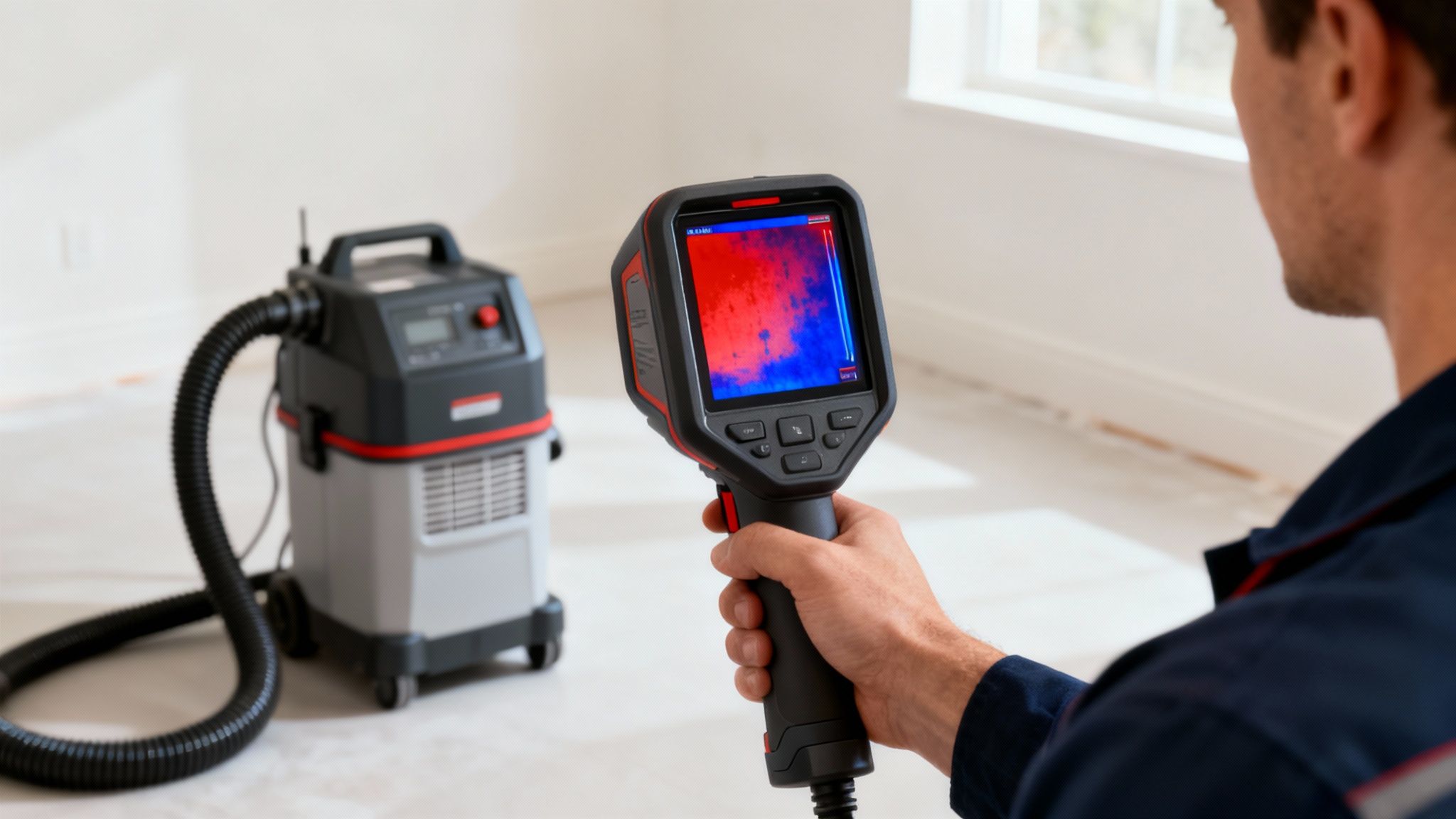
This technology isn’t just for show; it delivers better results that protect your property and your health.
Advanced Moisture Detection Tools
One of the greatest challenges in water damage is hidden moisture trapped behind walls or under floors. If left undetected, it leads to mold growth and structural rot.
Thermal imaging cameras are indispensable for this task. These devices detect minute temperature differences on surfaces, creating a visual map that reveals hidden moisture. A wall that appears dry to the naked eye might show up as a cold blue area on the camera, indicating a leak. This allows technicians to target their drying efforts precisely where they are needed.
High-Efficiency Air Purification
After a fire or mold incident, the air in your home can be filled with invisible hazards like soot, mold spores, and volatile organic compounds (VOCs).
Professional crews use High-Efficiency Particulate Air (HEPA) air scrubbers to address this. These powerful machines:
- Pull contaminated air from the room.
- Force it through a series of filters, including a HEPA filter that captures 99.97% of particles as small as 0.3 microns.
- Exhaust clean, purified air.
Running these units is non-negotiable for creating a safe working environment and ensuring healthy air quality upon your return. You can learn more about the role an air scrubber rental plays in this process.
Specialized Drying Systems
Drying areas like wall cavities or complex flooring systems requires specialized equipment. Technicians use tools like injectidry systems for these hard-to-reach places.
This technology involves drilling small, discreet holes into wet materials and pumping warm, dry air directly into the cavity. This targeted airflow forces trapped moisture out, significantly reducing drying times and often saving materials that would otherwise need to be replaced.
The shift toward high-tech solutions is happening across the entire construction and restoration industry. For example, the global concrete restoration market is projected to grow from USD 24.84 billion in 2024 to USD 38.37 billion by 2030, driven by smarter, technology-based methods. You can find more details on these global growth trends in concrete restoration on GlobeNewswire.
Navigating Your Insurance Claim with Confidence
Dealing with property damage is stressful enough without the added complexity of an insurance claim. For many Los Angeles homeowners, the paperwork and negotiations with adjusters can feel like a second disaster.
The good news is that with a clear understanding of the process and a professional team on your side, you can navigate the claim and secure the coverage you need for your onsite restoration.
Your first and most critical step is to document everything. Before anything is moved or cleaned, use your phone to take extensive photos and videos of all damage from multiple angles. This visual evidence is your most powerful tool.
Understanding Mitigation vs. Reconstruction
Insurance companies typically categorize restoration work into two distinct phases, which affects how your claim is processed and paid.
- Mitigation: This is the emergency response phase—the immediate work done to prevent further damage. It includes water extraction, boarding up windows, and setting up drying equipment. Your policy requires you to take these "reasonable steps" to mitigate the loss.
- Reconstruction: This is the rebuilding phase that follows mitigation. It involves repairing and replacing damaged materials, such as installing new drywall, flooring, or cabinets.
These two phases are often covered under different parts of your policy. A professional restoration company understands this distinction and knows how to document and bill for each phase correctly, streamlining the insurance process.
The Role of Your Onsite Restoration Company
A reputable onsite restoration company acts as your advocate with the insurance company. They speak the same technical language as adjusters and provide the detailed documentation required to justify the work performed.
A professional restoration team provides meticulous, line-item estimates and comprehensive reports that detail every step taken. This professional documentation is often the deciding factor in getting a claim approved quickly and in full.
Their expertise ensures that hidden damage, like moisture behind a wall detected by a thermal camera, is properly documented and covered. This partnership bridges the gap between the damage you've suffered and the compensation you deserve. For more details, our guide on homeowners insurance coverage for water damage is a great resource.
How to Choose the Right Onsite Restoration Company
The company you hire for onsite restoration will have a massive impact on your recovery. A fast, informed choice is crucial to protecting your property and finances.
First, verify credentials. The most important certification is from the IICRC (Institute of Inspection, Cleaning and Restoration Certification). This is the industry's gold standard, ensuring technicians are trained to handle water, fire, and mold remediation to the highest safety and quality standards.
Verify Licenses and Insurance
Never hire a company without confirming they are properly licensed and insured. A valid contractor's license ensures they are legally permitted to work in your area, and adequate insurance protects you from liability if an accident occurs on your property.
Look for a company with strong local roots and positive reviews from homeowners in areas like Glendale or Sherman Oaks. Ask for local references you can call. Hearing directly from past clients provides invaluable insight into a company's professionalism and quality of work.
Red Flag Warning: Be cautious of any company that uses high-pressure sales tactics, demands large upfront cash payments, or provides vague, non-itemized estimates. A professional process is transparent and should make you feel confident, not pressured.
Rapid Response and Clear Communication
In a property emergency, time is of the essence. A top-tier onsite restoration company should guarantee a rapid response, often arriving onsite within 60-90 minutes. This immediate action is critical for minimizing secondary damage.
Once on site, communication should be clear and continuous. The project manager should explain their initial assessment, outline the plan of action, and be available to answer your questions. It's helpful to have a list of questions ready, similar to these crucial questions to ask any service provider.
Finally, a qualified team should understand the insurance claim process and offer to work directly with your adjuster, providing all necessary documentation. This partnership is a hallmark of excellent service. For a complete overview, explore our guide to professional pro restoration services.
Frequently Asked Questions About Onsite Restoration
When your property is damaged, you have questions. Here are clear, straightforward answers to what Los Angeles homeowners most frequently ask about the onsite restoration process.
Q: How long does onsite restoration take?
A: The timeline depends entirely on the type and extent of the damage. A small, contained water leak might take only 2-4 days for drying and mitigation. However, a major fire or significant flood could require several weeks for the initial mitigation phase alone, before reconstruction can even begin. A professional team will provide a detailed projected timeline after their initial assessment.
Q: Can I stay in my home during the restoration process?
A: The answer depends on safety. For a minor issue contained to one room, you may be able to stay in an unaffected part of the house. However, for most situations involving major water damage, fire restoration, or mold remediation, we strongly recommend relocating temporarily. This protects you from potential health hazards and allows our crew to work efficiently, which speeds up the entire process.
Q: Will my insurance cover the full cost of restoration?
A: Most standard homeowners insurance policies cover sudden and accidental events like burst pipes or kitchen fires. However, coverage is subject to your policy limits and deductible. It's also important to note that certain events, like floods, typically require separate insurance policies. A reputable onsite restoration company will work directly with your insurance adjuster, providing detailed documentation to ensure all covered services are properly billed and justified to maximize your claim.
Q: What is the difference between restoration and remodeling?
A: This is a common question. Onsite restoration focuses on one goal: returning your property to its pre-damage condition. It is about repairing, cleaning, and salvaging what was affected by the disaster. Remodeling, on the other hand, involves making intentional upgrades or changes, like creating an open-concept kitchen. While some homeowners choose to remodel during the reconstruction phase, the initial emergency service is strictly focused on restoration.
Facing property damage in the Los Angeles area? Don't wait. The experts at Onsite Pro Restoration are available 24/7 to provide a free, no-obligation assessment and start the recovery process immediately.