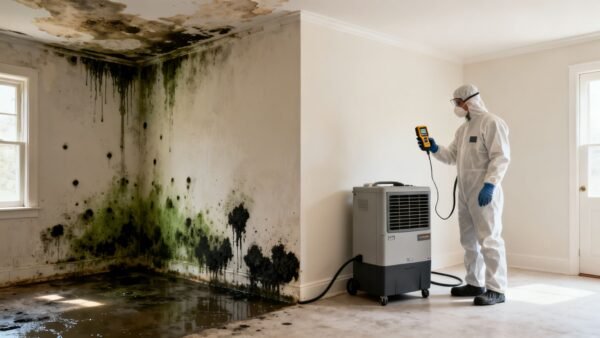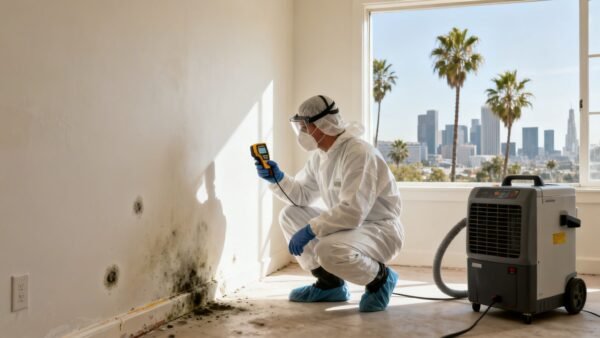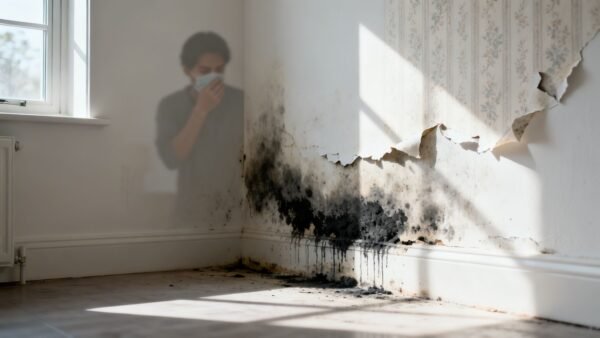

When it comes to mold, an ounce of prevention is worth a pound of cure—especially in the unique climate of Los Angeles. The best way to deal with a mold problem is to make sure it never gets a chance to start. For Los Angeles homeowners, learning how to prevent mold really boils down to three simple ideas: control moisture, keep the air moving, and check on things regularly. This hands-on approach is far less expensive—and a whole lot less stressful—than discovering a major infestation that’s already been quietly damaging your property.
Dealing with a persistent musty smell or visible mold growth? Don't wait.
Get a Free Mold Inspection
Why Proactive Mold Prevention Matters in Southern California
Let’s be clear: mold isn't just an ugly spot on the wall. It’s a direct threat to your home's structure and, more importantly, your family’s health. From the coastal fog in Santa Monica that elevates humidity to a leaky flat roof in a Sherman Oaks mid-century home, Southern California has its own unique challenges.
The moment mold spores find what they’re looking for—a damp, dark place with something organic to eat like drywall, wood, or even dust—they can start growing in as little as 24 to 48 hours. That tiny, forgotten leak behind a washing machine or a bit of condensation on a window can explode into a huge problem, tanking your indoor air quality and leading to repairs that can drain your bank account.
Shifting to a preventive mindset means you stop reacting to problems and start creating an environment where mold can't survive. It’s not only more effective, but it’s also a smarter financial move. Professional remediation can easily run into the thousands, while most of the preventive steps we’re about to cover are cheap or completely free.
The Pillars of Mold Prevention
To really get a handle on this, you need to master three key areas. Get these right, and you’ll fortify your home against any unwanted growth.
- Moisture Control: This is the big one. Mold needs water to live, period. If you eliminate excess moisture from leaks, spills, and high humidity, you’ve won half the battle.
- Good Ventilation: Stagnant, humid air is basically a welcome mat for mold. Proper airflow dries out damp surfaces and pushes moist air out before it settles in and causes trouble.
- Routine Inspections: You can't fix a problem you don’t know you have. Regularly checking the usual suspects—basements, attics, under sinks—lets you catch small issues before they turn into disasters.
The main takeaway here is simple: a dry home is a healthy home. When you focus on keeping your property free from unchecked moisture, you're tackling the root cause of almost all indoor mold growth.
This guide gives you a practical game plan for stopping mold before it ever gets a foothold. We'll break down each of these pillars with actionable steps to protect your most valuable asset.
Key Mold Prevention Strategies at a Glance
| Prevention Strategy | Primary Goal | Key Areas to Monitor |
|---|---|---|
| Moisture Control | Eliminate the water source mold needs to survive. | Basements, crawl spaces, bathrooms, under sinks, attics, around windows. |
| Humidity Management | Keep indoor humidity below 50% to create an inhospitable environment. | Kitchens (during cooking), bathrooms (during showers), laundry rooms, basements. |
| Ventilation & Airflow | Promote air circulation to dry out damp surfaces and exhaust humid air. | Closets, areas behind large furniture, bathrooms without exhaust fans. |
| Regular Inspections | Catch leaks, condensation, and early signs of growth before they escalate. | Plumbing fixtures, HVAC drip pans, roof flashing, window seals, exterior grading. |
| Smart Landscaping | Prevent water from pooling against the foundation and seeping inside. | Gutters and downspouts, soil slope around the foundation, sprinkler head placement. |
Think of this table as your cheat sheet. By keeping these goals in mind and regularly checking the problem areas, you'll be well on your way to maintaining a mold-free home. Now, let's get into the details of how to put each of these strategies into action.
Mastering Moisture Control in Your Home
When it comes to preventing mold, there’s one golden rule that trumps all others: control moisture. Mold spores are everywhere, but they can't take hold and grow without water. That means cutting off their water supply is the single most effective thing you can do.
Even a seemingly small issue, like a slow drip under a sink or persistent condensation on a window, is enough to create the perfect breeding ground.
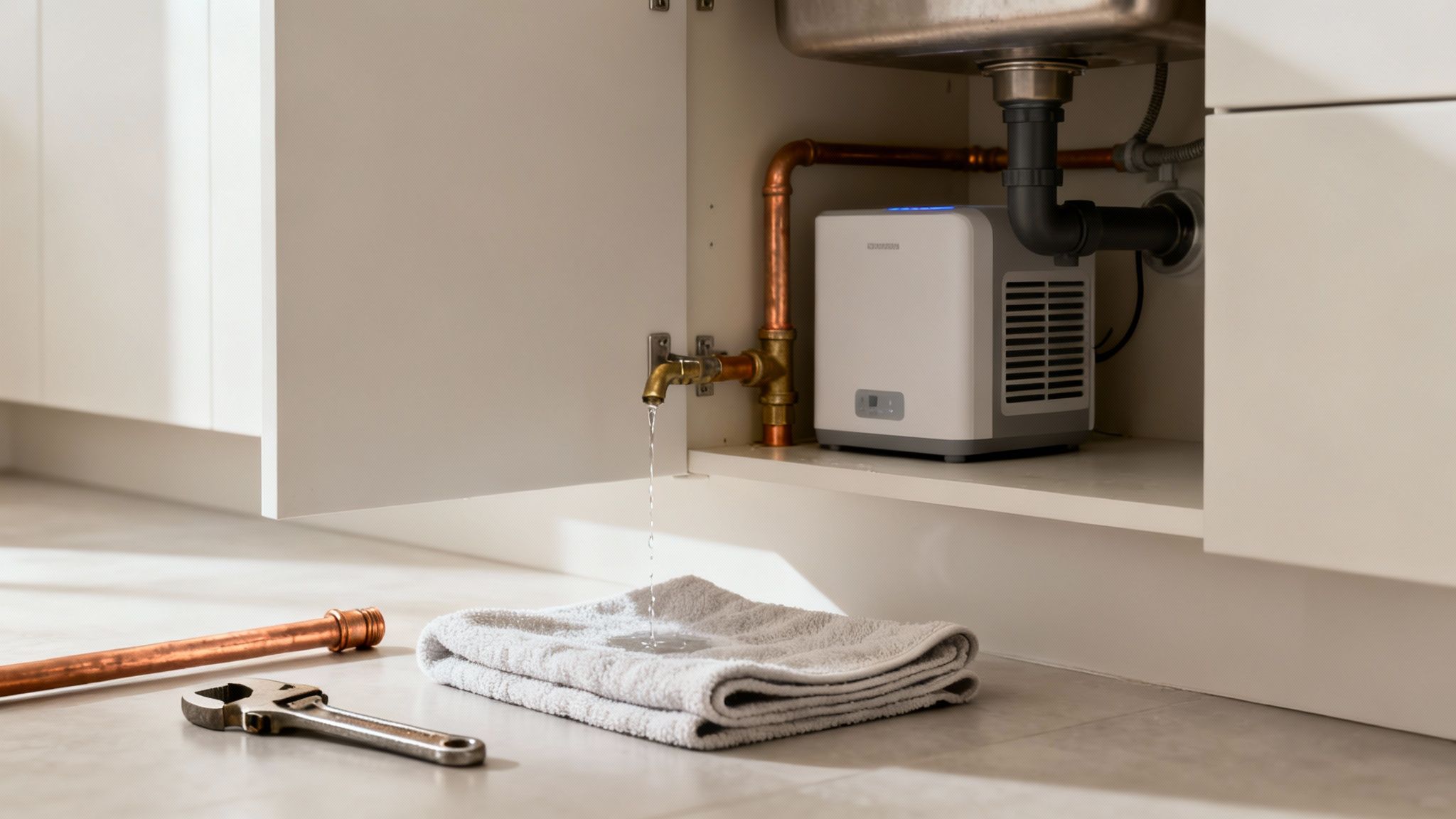
This section is your playbook for hunting down and eliminating moisture where it hides. It’s less about reacting to a big flood and more about proactively finding those hidden water sources that give mold a foothold.
Pinpointing and Repairing Leaks
Leaks are the obvious villain, but they have a knack for hiding in plain sight—or completely out of sight. A tiny, constant drip is far more dangerous than a one-time spill because it provides the steady dampness mold needs to thrive.
You have to be methodical with your inspection. Start with the usual suspects:
- Under Sinks: Check every sink in the house—kitchen, bathrooms, laundry room. Look for active drips, but also pay attention to subtle water stains or discoloration on the cabinet floor. That's a huge red flag.
- Around Toilets and Tubs: Look for cracked or missing caulk, flooring that feels soft or spongy, or water stains appearing on the ceiling of the room below.
- Appliance Connections: Pull out the fridge and washing machine. Inspect the hoses connected to your dishwasher, icemaker, and washer. These rubber and plastic fittings degrade over time and are notorious for starting slow, destructive leaks.
A classic example we see all the time in Los Angeles homes is a tiny pinhole leak in an icemaker line. It can silently soak the drywall and subfloor behind a refrigerator for months, leading to widespread rot and a massive mold problem that requires a full-scale remediation crew.
Managing Indoor Humidity Levels
Beyond active leaks, the moisture floating in your air—the humidity—plays a huge role. For mold prevention, the sweet spot for indoor humidity is between 30% and 50%. Once you consistently creep above 60%, you’re practically rolling out the welcome mat for mold.
A hygrometer is a cheap, simple tool that measures the humidity in a room. I recommend getting at least two: one for your basement and one for your main living area. It gives you real data so you aren't just guessing.
Certain areas of the home are always going to be humidity hotspots:
- Basements and Crawl Spaces: These below-ground spaces are naturally cool and damp from the surrounding soil.
- Bathrooms: All that steam from hot showers has to go somewhere.
- Kitchens: Boiling pasta or simmering soup releases a surprising amount of moisture into the air.
In these areas, a dehumidifier isn't a luxury; it's a necessity. For a chronically damp basement, investing in a high-capacity unit is one of the smartest moves a homeowner can make. Our guide to basement dehumidification walks you through choosing the right size and where to place it for the best results.
Preventing Groundwater Intrusion
Moisture doesn’t just come from leaky pipes inside; it often seeps in from the outside, especially in basements and homes with slab-on-grade foundations. Taking a hard look at effective basement waterproofing solutions is a critical step for protecting your home long-term.
Be on the lookout for tell-tale signs like dark, damp patches on concrete walls, a white, chalky substance called efflorescence, or a persistent musty smell you can’t quite place.
Sometimes the fix is as simple as sealing foundation cracks with an epoxy injection. Other times, the solution is outside, like re-grading the soil so it slopes away from your foundation, directing rainwater where it belongs.
This intense focus on moisture is a growing trend. The global mold remediation market is expanding as homeowners finally grasp the seriousness of the issue. When you hear that roughly 1 in 5 U.S. homes has a mold problem, it really drives home the importance of being proactive.
Improving Ventilation to Keep Air Fresh and Dry
If controlling moisture is the first commandment of preventing mold, then improving your home's ventilation is a very close second. Stagnant, humid air is basically an open invitation for mold spores to settle in and start a colony.
Think of proper ventilation as your home's respiratory system—it has to breathe to stay healthy. Good airflow is essential for pushing out the damp, heavy air that builds up in certain rooms. Without it, the steam from a hot shower or a boiling pot of pasta has nowhere to go. It just lingers, condenses on cool surfaces like walls and windows, and creates the perfect environment for mold to thrive.

Prioritizing High-Moisture Areas
Some rooms in your home are just natural moisture factories. Your kitchen, bathrooms, and laundry room produce a ton of humidity every single day. This is where mechanical ventilation becomes non-negotiable for anyone serious about how to prevent mold.
- Bathroom Exhaust Fans: Get in the habit of running the fan during every single shower and leaving it on for at least 20-30 minutes afterward. It’s a game-changer. This simple step pulls steam and moist air directly out of the room before it has a chance to condense.
- Kitchen Range Hoods: You should always use your range hood when cooking, especially when boiling water or frying. It does a fantastic job of capturing steam, grease, and moisture right at the source.
Here’s the critical part: these fans absolutely must vent to the outdoors. A common—and disastrous—mistake I see is having fans that just terminate in the attic. That doesn't solve the problem; it just moves it. You're pumping warm, moist air into a space where it condenses on rafters and insulation, creating a hidden mold farm right above your head.
Leveraging Your HVAC System
Your home's heating, ventilation, and air conditioning (HVAC) system is one of your most powerful allies in the fight against mold. It’s already designed to circulate air, and with a few smart practices, you can optimize it for moisture removal.
First, try running your system’s fan even when the heat or AC isn't actively on. Many modern thermostats have a "circulate" setting that periodically kicks the fan on to keep air from getting stagnant. It’s a small step that makes a big difference in evening out temperature and humidity levels throughout your home.
Pro Tip: Don't forget about your ductwork. It's a good idea to have your HVAC ducts inspected for any signs of condensation or microbial growth, especially if you notice a musty smell when the system first turns on. Leaky or poorly insulated ducts can be a major hidden source of moisture.
Also, using high-quality air filters and changing them regularly can help trap airborne mold spores, which reduces their ability to spread and find a new place to grow. If you're dealing with stubborn air quality issues after a water event or during a renovation, you might even consider an air scrubber rental to really pull those fine particulates and spores out of the air.
Enhancing Natural Airflow
Beyond the mechanical systems, never underestimate the power of simple, old-fashioned natural ventilation.
- Open Your Windows: Whenever the weather allows, open windows on opposite sides of your home to create a nice cross-breeze. This is one of the fastest and most effective ways to exchange stale indoor air for fresh outdoor air.
- Use Fans: Place a few portable or ceiling fans in rooms with poor circulation, like stuffy corners or closets, to keep the air moving.
- Create Space: Avoid pushing big pieces of furniture right up against the walls. Leaving just a few inches of space allows air to circulate behind things like dressers and headboards, which prevents moisture from getting trapped and causing problems.
Using Smart Materials and Modern Prevention Tech
Routine maintenance is your first line of defense, but today's building science gives us powerful new tools to get ahead of mold for good. Investing in advanced materials and a few smart home devices can completely transform your home's ability to resist moisture, creating an environment where mold simply can’t get a foothold. It's about building a smarter, more resilient home from the inside out.

If you're renovating a bathroom, finishing a basement, or even just fixing a leaky laundry room, your choice of materials is a game-changer for long-term mold prevention.
Fortifying with Mold-Resistant Building Products
Think about upgrading from standard materials to those specifically engineered to fight moisture and inhibit mold growth. It's a small upfront cost for major peace of mind.
- Mold-Resistant Drywall: You’ve probably seen it—often called "green board" or "purple board." This stuff has a non-paper facing and a core treated with antimicrobial agents. It's a no-brainer for any wall that might see high humidity.
- Paints and Primers with Mildewcide: Modern paints can do more than just add color. Many are formulated with additives that stop mold and mildew from ever growing on the paint film. Use them in kitchens, bathrooms, and basements for an extra layer of invisible protection.
- Waterproof Membranes: When you’re tiling a shower or finishing a basement floor, a waterproof membrane installed behind the tile or under the flooring is critical. It creates a truly impermeable barrier, preventing water from ever reaching the structural materials behind it.
While no product is 100% "mold-proof," these materials make it incredibly difficult for spores to thrive. This buys you crucial time to find and fix the root cause of any moisture issue.
Deploying Smart Home Technology for Moisture Detection
Smart home tech isn't just for convenience anymore; it's become an essential part of protecting your property. These little devices are your 24/7 watchdogs against water damage.
A strategically placed smart water leak detector—costing as little as $30—can send an instant alert to your phone the second it senses moisture. That tiny alert can be the difference between wiping up a small spill and dealing with a catastrophic flood from a burst appliance hose.
I tell all my clients to place these sensors near the usual suspects: behind toilets, under sinks, next to water heaters, and beneath refrigerators.
Even smarter, modern thermostats with built-in humidity sensors can automatically run your HVAC system to keep indoor humidity in the ideal range. Some can even integrate with whole-home dehumidifiers for seamless, hands-off moisture control. This technology is a core part of learning how to prevent mold in today's world. Managing tough spots like crawl spaces is also key; you can see our detailed guide on crawl space dehumidification for more targeted solutions.
The demand for this kind of proactive tech is exploding. Just look at the anti-mold sticker market—a small but telling industry segment—which was already valued at USD 1.2 billion in 2023. This isn't just a trend; it's a fundamental shift in how homeowners are tackling mold before it ever becomes a problem.
Your Seasonal Home Inspection Checklist for Mold Prevention
Keeping mold out of your home isn't a one-and-done job—it's about staying vigilant through every season. The smartest way to get ahead of moisture problems is to have a routine. Think of it as a year-round game plan for a healthy, mold-free house.
Breaking down the tasks by season makes the whole process feel less overwhelming and way more effective. This is how you catch the small stuff before it turns into a massive headache.
To make this even easier, here’s a quick-glance checklist you can follow.
Seasonal Mold Prevention Checklist
| Season | Interior Inspection Points | Exterior Inspection Points |
|---|---|---|
| Spring | Inspect attic for leaks or dark stains. Check basement for musty smells or damp spots after snowmelt. | Check roof for damaged shingles. Clear gutters of winter debris. Ensure downspouts direct water 6+ feet from the foundation. |
| Summer | Service the HVAC unit and change filters. Test bathroom and kitchen exhaust fans. Look for condensation on windows and pipes. | Inspect for pooling water after heavy rains. Trim back vegetation touching the house to improve airflow. |
| Fall | Check seals around windows and doors; re-caulk if needed. Inspect under sinks for slow drips before the holidays. | Clean gutters again. Shut off and drain exterior faucets to prevent freezing. Check that soil still slopes away from the foundation. |
| Winter | Do a monthly check of the basement/crawl space. Look behind toilets and under sinks for any leaks. Open closets to air them out. | After storms, look for ice dams on the roof edge. Check for any new foundation cracks caused by freeze-thaw cycles. |
This checklist is your roadmap to staying proactive and protecting your property from the conditions that allow mold to thrive.
Spring: The Great Thaw
Once winter finally lets go, it's time to check for any damage the cold months left behind and gear up for spring showers. This is a crucial time for an outside-in inspection.
- Roof and Attic: Get a good look at your shingles. Are any missing, loose, or cracked? Inside the attic, use a flashlight to scan the underside of the roof deck for dark water stains or insulation that looks damp or compressed.
- Gutters and Downspouts: Winter winds and snow can pack your gutters with leaves and gunk. Clean them out completely. More importantly, make sure your downspouts are aimed at least six feet away from the foundation. Water dumping right next to the house is a recipe for a wet basement.
- Foundation and Grading: Take a slow walk around your home's perimeter. Look for any new cracks in the foundation. Make sure the ground still slopes away from the house, so rainwater flows away, not toward your walls.
Summer: Humidity and HVAC Check
Summer brings the heat and, more importantly, the humidity. Your A/C unit and ventilation systems are working overtime, so the focus needs to shift to controlling indoor air.
- HVAC System: This is the perfect time for a professional tune-up. At a minimum, clean or replace your air filters. Find the condensate drain line and make sure it’s not clogged—a backup can spill water right into your home.
- Condensation Watch: On those sticky, humid days, look for "sweating" on windows, cold water pipes, and HVAC ducts. A little might be normal, but excessive condensation is a red flag that your indoor humidity is too high.
- Exhaust Fans: Flip the switch on every exhaust fan in your bathrooms and kitchen. Do they sound strong? Do they actually pull steam and moist air out? A weak or dead fan is useless.
Fall: Preparing for Winter
Before the cold weather locks in, your mission is to button up your home to keep wind, rain, and snow on the outside. It's all about sealing entry points.
- Windows and Doors: Inspect the caulking and weatherstripping. If you see cracking or gaps, scrape out the old stuff and apply a fresh bead. This is one of the easiest ways to block both drafts and moisture.
- Landscaping: Trim back any tree branches that hang over your roof or shrubs that are touching the siding. This stops them from dripping water onto the house and keeps falling leaves out of your freshly cleaned gutters.
- Exterior Water Lines: Don't forget this one. Shut off the water to your outside faucets and sprinkler systems, then drain the lines completely to prevent pipes from freezing and bursting over the winter.
Winter: Indoor Monitoring
With your house sealed tight, moisture generated inside has nowhere to go. Winter is prime time for indoor humidity issues, so your focus should be on early detection inside.
- Basement and Crawl Space: Once a month, do a quick walkthrough. Sniff the air for any musty odors and look for damp spots on concrete walls or floors.
- Plumbing Check: Peek under every single sink and look behind your toilets for any signs of slow drips or water stains. These sneaky, hidden leaks are often the first signs of water damage that feed a mold problem.
- Poorly Ventilated Areas: Don't forget about closets, pantries, and storage rooms. These spots have terrible airflow. Just opening the doors for a while when you're home can help circulate the air and prevent stale, damp conditions.
Call (818) 336‑1800 Now for a Free Estimate
Frequently Asked Questions About Mold Prevention
Even with a great game plan, questions pop up. Here are answers to some of the most common questions Los Angeles homeowners ask about preventing mold.
Q: What should I do if I find mold behind drywall?
A: Immediately stop using the area, avoid disturbing the mold, and contact a licensed restoration company to assess the risk. Mold behind drywall often indicates a larger, hidden problem with a moisture source like a pipe leak that needs professional attention.
Q: What is the ideal indoor humidity level to prevent mold in Los Angeles?
A: The ideal indoor humidity is between 30% and 50%. In coastal areas like Santa Monica or Malibu where outdoor humidity is higher, using a dehumidifier is crucial to keep indoor levels in this safe range and prevent mold growth. A simple hygrometer can help you monitor it.
Q: Can mold really grow on any surface in my home?
A: Yes, if a material is organic and moisture is present, mold can grow. This includes common building materials like wood, paper, drywall, carpet, and insulation. Mold can also grow on non-organic surfaces like concrete or tile by feeding on the thin layer of dust and organic debris that builds up over time, which is why regular cleaning is a key part of prevention.
Q: Are "mold-resistant" building products completely mold-proof?
A: No, they are not a silver bullet. Products like mold-resistant drywall or paint have antimicrobial agents that inhibit growth, but they are not foolproof. If these materials are exposed to a chronic moisture problem, mold can still grow on the surface grime. They are an excellent layer of defense but not a substitute for proper moisture control.
Q: What's the real difference between mold and mildew?
A: Mildew is a specific type of mold that tends to be powdery and grow on flat surfaces, often appearing as white or gray patches in a damp bathroom. Other molds can be fuzzy or slimy and come in various colors. While mildew is generally less destructive, both are fungi that thrive in dampness and signal a moisture problem that needs to be addressed.
A significant factor driving the industry is the heightened public awareness of mold-related health risks. This knowledge has fueled a shift from reactive cleanups toward a more proactive approach to detection and prevention. You can find out more about the evolving market for mold remediation services.
At the end of the day, being proactive is your best strategy. If you spot something that looks beyond a simple cleanup job or can't shake that persistent musty smell, it's time to call in a professional. Getting expert LA mold testing will tell you exactly what you're dealing with and how widespread the problem is, giving you a clear path to fixing it for good.
If you've discovered mold or are dealing with the aftermath of water damage in the Los Angeles area, don't wait for the problem to get worse. The certified experts at Onsite Pro Restoration are available 24/7 to help. Call us now at (818) 336‑1800 for a free assessment and restore your peace of mind. https://onsitepro.org