
That alarming sight of moisture on your ceiling isn't always a sign of a roof leak. Think of it like a cold glass of water on a hot summer day—it starts to "sweat." Your condensation on ceiling is doing the exact same thing. It’s a simple reaction that happens when the warm, humid air inside your home meets the cooler surface of your ceiling, causing tiny water droplets to form.
You’ve seen it before: damp patches or little beads of water clinging to the ceiling, usually right after a hot shower or while you're cooking up a storm in the kitchen. Your mind immediately jumps to a catastrophic (and expensive) roof leak, but more often than not, the real culprit is just condensation.
Condensation is a clear sign that your home's indoor environment is a bit out of whack. This guide will walk you through exactly why this happens, especially in Los Angeles homes, and what you can do to fix it for good.
First, let's get the science out of the way. Condensation forms whenever a surface temperature drops below the air's dew point. The dew point is just the temperature where water vapor floating in the air gets cool enough to turn back into liquid water.
If you're seeing signs of water damage or mold, don't wait for the problem to get worse. Our team is ready to come out and assess the situation right away. Get a Free Moisture Assessment Now
What Is Really Happening on Your Ceiling
Several factors are usually working together to create this problem. According to the World Health Organization, warm, moist air sneaking in from outside can condense on cooler indoor surfaces. On the flip side, during colder weather, warm and moist indoor air escaping into ceiling cavities or the attic can cause the same issue from the inside out. You can learn more about how to read moisture meter readings to figure out just how serious the moisture problem is.
This guide will break down the three main culprits behind ceiling condensation:
- Poor or inadequate ventilation
- Insufficient attic insulation
- Everyday household activities that create humidity
By understanding these core issues, you can stop putting temporary band-aids on the problem and start finding real, lasting solutions. We'll give you a clear path to getting your home dry and healthy again.
Condensation vs. a Leak: How to Spot the Difference
Before you can fix the moisture on your ceiling, you have to know exactly what you’re dealing with. Is it a relatively simple issue of condensation, or are you looking at a much more serious water leak from a pipe or the roof?
Guessing wrong here can cost you. You could waste time and money chasing a fix that doesn’t address the real root of the problem. The good news is, a quick visual inspection is usually all it takes to tell them apart. They leave behind very different clues.
Visual Clues and Telltale Signs
Think of condensation as a fine, uniform mist or small droplets spread across a large area of the ceiling. It’s almost like the ceiling is sweating. You’ll often spot it first in corners where walls meet the ceiling, since those spots tend to be colder and have less air circulation. It almost always gets worse after activities that generate a lot of steam, like a long, hot shower or boiling pasta on the stove. This is a common issue in Sherman Oaks homes with older, less efficient bathroom fans.
A leak, on the other hand, is usually more focused and aggressive. It creates a distinct, discolored stain—often yellow, brown, or even a dark grey. If you touch the area, the drywall might feel soft, spongy, or even start to bubble and sag under the weight of trapped water.
Key Takeaway: Condensation is widespread, situational moisture on the surface. A leak is a localized, structural problem that causes stains and physical damage within the drywall itself.
To make it even easier, this decision tree can walk you through a simple diagnostic process for your ceiling moisture issue.

This flowchart boils it down to the essentials: Is there a stain, and where is it? Following these steps will point you toward the correct diagnosis.
Comparing the Symptoms
Understanding the subtle differences is the key to taking the right next steps. If the signs are pointing toward a leak, you need to investigate further—and fast. For a deeper dive, check out our guide on how to detect water leaks in walls, as the source often isn’t directly above the visible damage.
To help you distinguish between the two, here’s a quick guide comparing their common signs head-to-head.
Condensation vs. Leak Quick Identification Guide
Use this table to quickly compare the common signs of ceiling condensation against those of a water leak to help identify the source of moisture.
| Symptom | Likely Condensation | Likely a Leak |
|---|---|---|
| Appearance | A fine mist or small, evenly spread water droplets. | A distinct, localized water stain, often with rings. |
| Color | The moisture is clear, like sweat on a cold glass. | The stain is typically yellow, brown, or grayish. |
| Timing | Appears during or after high-humidity activities (showering, cooking). | Present constantly and may worsen during rain or after using plumbing. |
| Texture | The ceiling surface feels damp to the touch but remains firm. | Drywall may feel soft, spongy, or begin to sag and bubble. |
| Location | Often found in corners or near exterior walls and windows. | Can appear anywhere, often directly below plumbing or roof fixtures. |
By checking your ceiling against these symptoms, you can get a much clearer picture of what you’re up against. An accurate diagnosis is the first and most critical step in getting your home dry and safe again.
Uncovering the Root Causes of Ceiling Condensation
Ceiling condensation isn’t some random, unlucky event. It’s your home sending a clear signal: there’s an imbalance, and too much moisture is trapped with nowhere to go. Think of it as your property’s cry for help. Once you get to the bottom of the core issues, you can stop patching the symptoms and start implementing a real solution.

This condensation on ceiling problem almost always traces back to one of three culprits: poor ventilation, shoddy insulation, or an HVAC system that isn't pulling its weight. Let’s break down exactly how each one contributes.
The Role of Poor Ventilation
By far, the most common reason for moisture on a ceiling is a lack of proper ventilation. Everyday life—showering, boiling pasta, even just breathing—pumps gallons of water vapor into your indoor air. In a home that can breathe, this humid air gets cycled outside without a second thought.
But when ventilation is blocked or nonexistent, especially in high-moisture zones like kitchens and bathrooms, that steam has nowhere to escape. It rises, makes contact with the cooler ceiling, and condenses right back into water droplets. If your bathroom exhaust fan is underpowered, clogged with dust, or just isn't there, you’re creating the perfect recipe for condensation after every single shower. We frequently see this in older Beverly Hills properties where ventilation systems haven't been updated.
Inadequate Attic Insulation
Your attic insulation does more than just keep your home warm or cool; it’s a critical line of defense against condensation. Good insulation acts as a thermal barrier, keeping the surface of your ceiling much closer to your room's air temperature.
When that insulation is old, compressed, or missing altogether, you get cold spots on the ceiling below. These chilly patches are like magnets for moisture. As warm, damp air from inside your home drifts up and hits these cold surfaces, it cools down fast, forcing the water vapor to turn back into liquid. Often, this whole mess starts with poor attic ventilation, which is essential for a healthy roof. You can dig deeper into why Attic Ventilation Key To Healthy Roof is so important for keeping your entire home in balance.
A poorly insulated attic is an open invitation for moisture problems. Even a small gap can create a persistent damp spot on the ceiling directly below it, which is the first step toward bigger issues like mold and rot. If you're seeing signs of this, our guide to attic mold removal explains the risks you could be facing.
HVAC System Problems
Finally, let’s look at your HVAC system. Its job isn't just to heat and cool; it's also supposed to manage indoor humidity. When it's not working right, it can make condensation problems significantly worse.
A classic issue we see in Los Angeles homes is an oversized air conditioner. It blasts cold air so effectively that it shuts off before it runs long enough to actually dehumidify the space. You're left with air that feels cool but is still heavy and damp, just waiting to condense on your ceilings. Likewise, something as simple as a clogged filter or dirty ductwork can restrict airflow, hobbling your system's ability to pull that excess moisture out of your home.
The Hidden Dangers of Ignoring Ceiling Moisture
That little bit of dampness on your ceiling might seem like a small cosmetic problem you can get to later. But in reality, ignoring that persistent condensation on ceiling is like putting a piece of tape over the check engine light on your car's dashboard. It’s a clear signal of deeper issues that can snowball into serious, expensive, and even hazardous outcomes for your home and family.
Persistent moisture creates the perfect breeding ground for mold, and it happens faster than you might think. Within just 24-48 hours, mold spores can start colonizing damp drywall, insulation, and the wood framing hidden behind your ceiling. Once they take hold, these colonies release microscopic spores into the air, tanking your home's indoor air quality.
From Structural Weakness to Health Risks
The damage goes far beyond what you can see. While you’re going about your day, that constant dampness is silently weakening your home's structure from the inside out.
- Drywall Degradation: Gypsum board acts like a sponge. When it gets saturated with moisture, it turns soft and crumbly, losing all its structural integrity.
- Wood Rot: The wooden joists and beams holding up your ceiling will soak up this moisture, leading to rot and decay that can compromise the safety of the entire structure.
- Paint and Finishes: Peeling paint, bubbling finishes, and stubborn stains are the first visible clues that the materials underneath are failing.
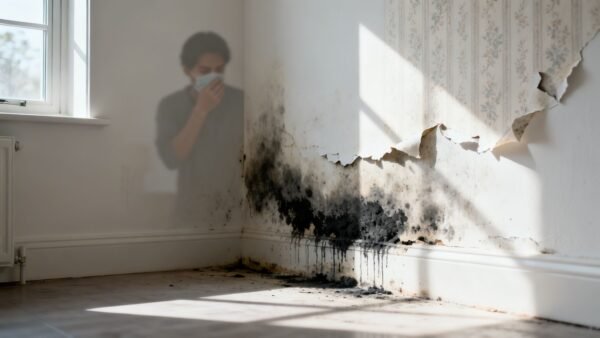
Beyond the structural damage, ongoing ceiling moisture almost always leads to mold growth, which brings its own set of significant health risks. It's incredibly important to recognize the symptoms of mold toxicity if you suspect a problem, as exposure can trigger allergic reactions, respiratory issues, and other chronic health concerns.
The longer moisture is allowed to sit, the more extensive the damage becomes. What starts as a simple condensation problem can quickly escalate into a full-blown mold remediation project and require significant structural repairs, turning a small issue into a major financial burden.
Protecting Your Property Value
At the end of the day, unaddressed moisture problems can hammer your property's value. Stains, musty odors, and any signs of structural sagging are huge red flags for potential buyers and can make your home incredibly difficult to sell.
Dealing with ceiling condensation promptly isn’t just about routine maintenance; it's a critical step in protecting your investment. By tackling the issue early, you safeguard both your family’s health and the long-term value of your Los Angeles property. Ignoring it simply isn't worth the risk.
Your Action Plan for a Dry and Healthy Home
Pinpointing the cause of condensation on ceiling is a great first step, but what you do next is what really protects your home. Let's walk through a practical plan, starting with quick fixes for immediate relief and moving on to the long-term strategies that will solve your moisture problems for good.
This is how you turn your home from a moisture trap back into a dry, healthy space.

Immediate Steps for Quick Relief
When you spot condensation, your first job is to get that moisture out of the air—fast. These are simple, temporary moves that make a big difference and stop the problem from getting worse while you figure out a permanent fix.
- Boost Air Circulation: This is the easiest one. Open some windows and get your ceiling or portable fans running. Moving that stagnant, humid air around helps moisture evaporate instead of settling on your cool ceiling.
- Run a Dehumidifier: If you have one, place it in the room with the worst condensation. These machines are workhorses, literally pulling excess water vapor right out of the air and making it much harder for condensation to form.
- Use Exhaust Fans Religiously: Your bathroom and kitchen fans are your best friends here. Make it a rule to run them during a shower or while cooking, and for at least 15-20 minutes after you're done. This shoots that steam and humid air directly outside before it ever gets a chance to spread through your home.
Long-Term Solutions for a Permanent Fix
Quick fixes are great for managing the symptoms, but they don't solve the underlying problem. To eliminate chronic ceiling condensation for good, you need to dig a little deeper.
Your attic is the first place to look. Think of proper attic insulation as a thermal barrier that stops your ceiling from getting cold enough to attract moisture in the first place. If your insulation is old, squashed down, or just plain insufficient, you'll have cold spots that are magnets for condensation.
Next up is ventilation. A well-ventilated attic can breathe, pushing out the hot, moist air that gets trapped up there and would otherwise bake down onto your ceiling. A good system of soffit and ridge vents is crucial for this.
Finally, you have to hunt down and seal air leaks. You'd be surprised how much warm, moist air can sneak into a cooler attic through tiny gaps around recessed lights, ceiling fixtures, or the attic hatch. When that warm air hits the cold roof sheathing, it condenses. Sealing these gaps with caulk or weatherstripping can make a massive difference. You can find more in-depth strategies in our guide on how to prevent mold, since stopping moisture is the key to a mold-free home.
Indoor humidity is the biggest factor here. Research from the U.S. Department of Housing and Urban Development showed that homes in coastal climates like Los Angeles often have indoor humidity levels over 50% and are leakier than homes elsewhere. This combo seriously raises the risk of chronic condensation. You can dive into the full study findings on indoor moisture if you want to see the data.
By tackling the problem with both immediate actions and these long-term upgrades, you can take back control of your home's moisture levels and say goodbye to ceiling condensation once and for all.
Need help figuring out the right long-term solution? Call (818) 336-1800 to speak with a moisture control expert.
Knowing When to Call for Professional Help
While improving airflow and running a dehumidifier can definitely help with minor condensation on ceiling issues, some situations are clear signals that you’re dealing with a much deeper problem. Knowing when to put down the DIY tools and call in a professional is the key to preventing serious, long-term damage to your home.
Think of it like this: if the condensation keeps coming back no matter what you try, or if a musty, damp smell just won’t go away, your house is telling you something. There's hidden moisture that your surface-level fixes simply can't reach. These are red flags you can’t afford to ignore.
When DIY Isn't Enough
The most urgent sign is seeing any visible mold growth. Even a small spot of mold means the material underneath has been wet long enough for spores to take root and colonize. At that stage, you've moved past a simple moisture issue and into a potential health hazard that requires professional remediation.
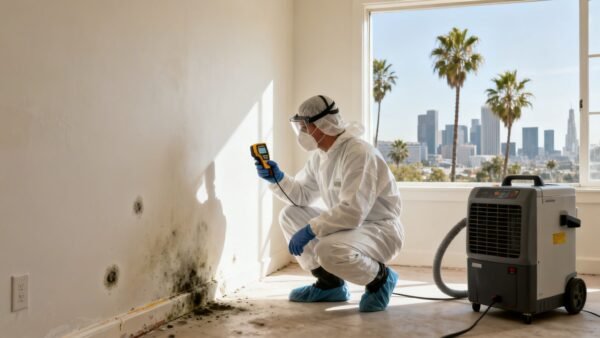
Crucial Tip: A professional assessment goes far beyond a quick visual check. Certified technicians use specialized tools like thermal imaging cameras and non-invasive moisture meters to find hidden dampness inside your walls or ceiling cavities without tearing anything apart.
This kind of advanced diagnostic work pinpoints the true source and full extent of the moisture, ensuring the entire problem gets fixed—not just the symptoms you can see.
The Value of an Expert Assessment
Calling a professional restoration company guarantees a comprehensive solution. An expert can figure out if the problem is a structural flaw, a hidden plumbing leak, or a major insulation failure—issues that demand specialized knowledge and equipment to fix correctly. For homeowners in Los Angeles, this means getting a definitive answer and a solid plan to protect your property for good.
If you even suspect the moisture problem is more than you can handle, exploring professional restoration pro services is the smartest and safest next step. It's the only way to be certain your home is truly dry, healthy, and structurally sound.
Your Ceiling Condensation Questions Answered
Here are a few of the most common questions we hear from homeowners dealing with surprise moisture on their ceilings. Let’s clear up some confusion so you can make the right call for your property.
Q: Can I Really Get Ceiling Condensation in a Dry Climate Like Los Angeles?
Yes, absolutely. People are often surprised by this, but even in sunny LA, your indoor environment is a different story. Daily life—showering, boiling pasta, running the dishwasher, even just breathing—pumps a lot of moisture into the air inside your home.
When that warm, humid air hits a cooler ceiling (especially on a chilly night or right under a cold attic space), it condenses. Without proper ventilation to move that moist air out, you’ve got a perfect recipe for ceiling sweat, a problem we see from the San Fernando Valley to the coast.
Q: Does Painting Over a Damp Spot Fix the Problem?
Definitely not. Slapping a coat of paint over a watermark is one of the worst things you can do. It’s a purely cosmetic band-aid that traps moisture behind it, creating a dark, damp pocket that mold and wood rot absolutely love.
You’re essentially hiding the evidence while making the underlying problem worse. The only real solution is to fix the source of the condensation on ceiling first, let everything dry out completely, and then handle the cosmetic repairs.
Q: Is a Dehumidifier a Permanent Solution for Condensation?
A dehumidifier is a fantastic first-aid tool. It does a great job of pulling excess moisture out of the air for immediate relief, and we often use them during the restoration process.
But it’s not a permanent fix. Think of it as bailing water out of a boat with a hole in it. It helps, but it doesn't patch the hole. If the root cause is poor insulation or a ventilation breakdown, the condensation will be back the second you turn the machine off. It treats the symptom, not the cause.
Q: Does Homeowners Insurance Cover Damage From Condensation?
This is where things get tricky. Insurance coverage for condensation is a gray area because most policies are written to cover damage from "sudden and accidental" events, like a burst pipe.
Since condensation builds up over time, insurers often classify it as a maintenance issue that the homeowner could have prevented. As a result, claims are frequently denied. Your best bet is to have a professional restoration company document the source and extent of the damage to build the strongest possible case for any potential claim.
If you're seeing persistent moisture, spotting mold, or smelling musty odors in your Los Angeles home, don't just watch it get worse. The team at Onsite Pro Restoration has the diagnostic tools to pinpoint the real cause and deliver a solution that lasts.
Give us a call. We’ll come out, take a look, and give you a clear assessment with no strings attached.