
Think of a board up service as the emergency first responder for your property. It’s a structural first-aid kit—a fast, professional solution that seals vulnerabilities like shattered windows, broken doors, or gaping holes in your roof. This immediate action stops further damage from weather or unwanted visitors, stabilizes the scene, and sets the stage for a proper restoration. When your home or business is exposed, calling for a professional board up is the single most important first step toward recovery.
Need to secure your property now? Call our 24/7 emergency team at Onsite Pro Restoration.
Why a Board Up Service is Your First Line of Defense

When disaster hits—a fire in your North Hollywood home, a break-in at your Glendale shop, or storm damage in Sherman Oaks—your property is suddenly exposed. This is precisely when a professional board up service becomes non-negotiable. It’s about more than just covering a hole; it's a strategic move with several critical goals.
The main objective is to put up a secure barrier against any outside threats. This is a temporary but tough solution designed to hold things together until you can get permanent repairs done. Professional teams are on call 24/7 because they know that every minute a property stays open, the risk of something else going wrong skyrockets.
In Los Angeles, a number of all-too-common events can leave a property exposed. Here’s a quick look at when you’d need an immediate board up.
Common Scenarios Requiring an Emergency Board Up
| Scenario | Primary Threat | Why Board Up Is Essential |
|---|---|---|
| Fire Damage | Structural Weakness, Weather, Vandalism | Secures the building, protects from elements, and prevents unauthorized entry while awaiting assessment. |
| Vandalism or Break-In | Repeat Entry, Theft, Public Safety | Deters criminals from returning and protects remaining assets. It also signals the property is monitored. |
| Storm Damage | Rain, Wind, Debris | Prevents catastrophic water damage, mold growth, and further structural harm from high winds. |
| Vehicle Impact | Structural Instability, Liability | Stabilizes the opening, keeps people out of a dangerous area, and limits the owner's liability. |
| Vacant Property | Squatting, Vandalism, Weather | Secures all potential entry points to prevent illegal occupation and deterioration during vacancy. |
Each of these situations creates an urgent need to control the environment and re-establish security, which is exactly what a professional board up accomplishes.
Why Professional Window and Door Boarding is Critical
A proper board up does a lot more than just cover an opening. It’s a multi-faceted defense.
Keeps Weather Out: An open window or a damaged roof is a direct invitation for rain and wind. This can quickly lead to devastating water damage, ruined interiors, and mold, turning a localized issue into a full-blown crisis.
Secures Against Intruders: A visibly damaged building is a magnet for theft, vandalism, and squatters. Boarding up entry points is a strong deterrent that protects whatever is left inside.
Satisfies Your Insurance Policy: Most insurance policies require you to take "reasonable steps" to prevent further damage after an incident. If you don't, you could put your entire claim at risk. A professional board up is documented proof that you did your part.
Limits Your Liability: An unsecured property is a huge liability risk. If someone wanders in and gets hurt, you could be held responsible. Sealing the site protects you from messy legal problems down the road.
The Bottom Line: An emergency board up isn’t just a simple patch-up; it's a critical damage control tactic. It's the one action that stops a bad situation from spiraling into something far worse by securing the site and giving you back control.
Whether you're reacting to an emergency or taking proactive steps to keep vacant homes safe and secure, this service provides the stability you need to tackle the next steps in the restoration journey.
The Critical Role After Fire or Flood Damage

When a disaster like a fire or flood hits, your property is left in its most vulnerable state. New openings from the damage expose the interior to a whole host of new threats, turning a bad situation into something much, much worse. In these moments, an immediate board up service isn't just a good idea; it's a critical, non-negotiable first step toward getting things back to normal.
After a fire, the damage is rarely just what the flames touched. Windows get shattered by the intense heat or broken by firefighters gaining access. Doors might be forced open. These new weak points become a direct invitation for bad weather, animals, and even opportunistic thieves to get inside and compound the original damage.
It's a similar story with floods. Whether it's a burst pipe in a Glendale office or a brutal storm, the building is left dangerously exposed. Securing the property is the top priority to protect what's left and allow the all-important drying process to start without any interruptions.
Containing the Aftermath of a Fire
Picture a home in Sherman Oaks right after a kitchen fire is put out. The flames are gone, but a whole new set of risks has just emerged. This is exactly where a professional board up service plays its most important role—containing the damage and securing the scene.
First and foremost, you have to keep the weather out. Rain coming through a broken window will mix with soot-covered surfaces, creating a nasty, acidic sludge that causes permanent staining and etching. Wind can blow embers and debris right back into the home, creating new hazards.
By sealing the property, a board up service creates a controlled environment. This is absolutely essential for stopping the spread of hazardous soot and that pervasive smoke odor throughout the rest of the building. It's a key first step in keeping cleaning costs and health risks down.
A properly secured site is also vital for the fire department and insurance investigators. It preserves the scene, preventing contamination and ensuring they can make an accurate assessment. That documentation is the bedrock of a smooth and successful insurance claim.
Securing Your Property During Water Mitigation
When you’re dealing with water damage, the clock is ticking to prevent secondary problems like mold growth and structural decay. A board up is often needed to create a safe, stable environment where the water mitigation process can actually work. This is especially true if doors or windows were damaged in the event or had to be removed to get equipment inside.
Effective water mitigation depends on powerful industrial equipment, including:
- Air Movers: These are high-velocity fans that blast air across wet surfaces to speed up evaporation from carpets, drywall, and furniture.
- Dehumidifiers: Commercial-grade dehumidifiers are workhorses, pulling huge amounts of moisture from the air so it doesn't get reabsorbed into other materials.
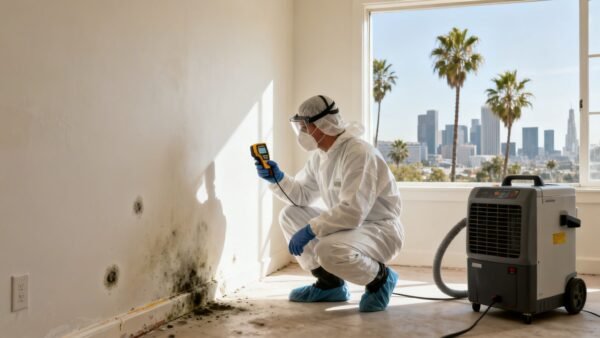
- Moisture Meters: Our technicians use these tools to find hidden pockets of water and make absolutely sure the structure is bone-dry.
Running this equipment can take days, and leaving the property unsecured during that time is a huge liability. Boarding up the openings prevents anyone from just walking in, which protects not only your remaining belongings but also the expensive restoration equipment on-site. It also helps stabilize the indoor climate, making the whole drying process faster and more efficient.
Securing Your Property After a Break-In or Vandalism

Unlike a storm or a burst pipe, a break-in or act of vandalism feels deeply personal. It’s a violation that leaves property owners feeling exposed and unsafe long after the initial shock wears off. The damage isn't just a broken window; it's a shattered sense of security.
In these moments, an emergency board up service is the first, most critical step toward taking back control. It’s about much more than just covering a hole.
The immediate goal is to re-establish a secure perimeter. A kicked-in door or a smashed storefront is basically an open invitation for more trouble, turning one bad event into a recurring nightmare. We get that. Professionals respond fast to lock down the property, protecting what’s left inside and stopping anyone else from getting in.
More Than Just Plywood—A Powerful Deterrent
When our technicians arrive at a scene—say, a retail store in West Hollywood after a smash-and-grab—our approach is miles away from a DIY patch job. Sure, anyone can nail a sheet of plywood over a hole. But a professional board up service uses specific materials and methods designed for real security.
It's like the difference between a simple padlock and a deadbolt. One is a suggestion; the other is a serious barrier.
- Heavy-Duty Materials: We use thick, high-grade plywood or Oriented Strand Board (OSB) that won’t give way to a kick or a crowbar. This is a far cry from the flimsy sheets you'd find at the local hardware store.
- Specialized Fastening Methods: Instead of nails that can be easily pried out, we use heavy-duty screws or carriage bolts. The key is securing the boards from the inside whenever possible. This leaves no exposed fasteners for a criminal to attack.
- Damage-Free Installation: Our whole process is designed to avoid making things worse. We brace boards against the building’s structural frame, which means we don't have to drill into delicate window casings or stucco. That saves you from more repair work down the line.
A professional installation sends a loud and clear message: this property is secured, it's being watched, and it is no longer an easy target. It's a powerful visual deterrent that makes would-be looters or vandals move on to find a softer target.
A professional board up restores more than just physical security—it restores control. It allows property owners to take a breath, focus on dealing with law enforcement and insurance, and begin the emotional and logistical process of recovery.
Dealing with the Aftermath
Sometimes, the scene of a break-in involves more than just broken glass. Biohazards like blood can be present, and that requires extreme care. For a closer look at how pros handle these challenging situations, check out our guide on safe and compliant biohazard cleanup.
Making sure the property is not only secure but also safe is crucial for everyone involved in the investigation and repairs. This integrated approach is essential for moving smoothly from crisis back to normal.
The Professional Board Up Process: What to Expect
When your property is damaged, the feeling of not knowing what comes next can be completely overwhelming. Having a clear picture of the exact steps a professional team will take brings immense relief. A true board up service isn't just about nailing plywood over a hole; it's a fast, systematic process built for safety, security, and setting you up for a smooth recovery.
From the second you make that emergency call to the moment they hand you the final paperwork, every action is precise. It’s all geared toward protecting your property right now and preparing you for the full restoration to come.
Step 1: 24/7 Emergency Dispatch and Rapid Arrival
Disasters don't stick to a 9-to-5 schedule. That's why a real emergency board up service is on call 24/7, including weekends and holidays, ready to respond instantly. The moment your call is answered, a team is dispatched to your property in the Los Angeles area.
The goal is to be on-site fast, typically within 60 to 90 minutes. This speed is non-negotiable. It drastically shrinks the window of vulnerability, protecting your property from further weather damage, theft, or vandalism. A quick arrival is the first and best sign you’ve called a reliable crew.
Step 2: Comprehensive On-Site Safety Assessment
Before a single board goes up, the first priority is always safety. The technicians will perform a thorough walk-through of the site, identifying immediate hazards like downed power lines, broken glass, or parts of the structure that might be unstable.
This step is crucial for keeping you, your family, and the crew safe. During this assessment, they’ll also start documenting the initial damage with photographs, which is vital for your insurance claim. This careful evaluation sets the stage for a secure and effective board up.
Step 3: Precise Measurement and Custom Cutting
There’s no such thing as a one-size-fits-all solution when it comes to securing a damaged building. Professionals take exact measurements of every single opening, from a shattered bedroom window to a sprawling commercial storefront.
Using these precise measurements, they custom-cut high-grade plywood or Oriented Strand Board (OSB) right there on-site. This guarantees a snug, secure fit with no gaps for wind, rain, or intruders to exploit. It’s this tailored approach that separates a professional board up service from a shoddy DIY patch job.
Key Takeaway: The use of properly sized, professional-grade materials is essential. Unlike thin plywood that can warp, these thicker boards provide a formidable barrier, crucial for both short-term security and long-term peace of mind while you await permanent repairs.
Step 4: Damage-Free Installation Techniques
A major concern for homeowners is whether the board up itself will cause even more damage. Professional technicians are trained to use specialized installation methods that are designed to protect your property’s existing framework.
Instead of drilling directly into your home's delicate window frames, siding, or stucco, they often use a tension-based system. This involves bracing the boards securely against the building's structural frame from the inside out. It creates a powerful seal without leaving behind new screw holes or cracks. This meticulous technique preserves your property’s integrity, saving you from expensive secondary repairs down the road. You can learn more about our commitment to careful and effective property damage restoration.
Step 5: Thorough Documentation for Your Insurance Claim
This final step is arguably one of the most critical for your financial recovery. The crew will provide you with detailed documentation of all the work they performed, including:
- Photographs: Before-and-after photos showing the secured areas.
- Itemized Invoice: A clear, detailed breakdown of all labor and material costs.
- Service Report: A summary of the damage found and the mitigation actions taken.
This packet of paperwork is essential for your insurance claim. In fact, 98% of standard homeowners' policies cover emergency board-up under the "reasonable repairs" clause, and having professional documentation makes the approval process far smoother. What’s more, boarded-up properties experience 35% less structural drying time after a flood, a statistic that insurance adjusters pay close attention to. For more insights, you can explore the disaster restoration services market and insurance trends. This thorough record-keeping proves you acted responsibly to mitigate further loss—a key requirement of your policy—and paves the way for a much less stressful claims experience.
Understanding Board Up Costs, Insurance, and Regulations
After an emergency hits your property, the last thing you want to do is wade through a swamp of complex costs, confusing insurance policies, and local red tape. But getting a handle on these details upfront can bring a ton of peace of mind when you need a board up service. The financial and logistical side of things is just as critical as physically securing the building.
Worrying about the next steps is normal. But a professional emergency service is designed to be straightforward—from the initial phone call to a fully secured property, the process is built for speed and simplicity.

The key takeaway here is that a fast, simple process is exactly what your insurance company wants to see. When they see you've acted quickly to prevent more damage, it makes the whole claim process smoother.
Breaking Down the Cost of a Board Up Service
There’s no "one-size-fits-all" price for an emergency board-up. The final cost really comes down to a few key variables specific to your situation in Los Angeles. Any reputable company will give you a clear, upfront estimate before a single screw goes in.
Here’s what drives the cost:
- Number and Size of Openings: This is the biggest factor. Securing one broken window is going to be a lot cheaper than boarding up an entire storefront after a fire. It all comes down to materials and labor time.
- Accessibility: A ground-floor door is a quick job. A second-story window on a steep hill? That might require ladders, extra safety gear, and more time, which will be reflected in the price.
- Time of Call: Just like any 24/7 emergency service, a call at 2 AM on a holiday weekend will naturally come with a higher service fee than one made during regular business hours.
- Type of Materials: While high-grade plywood is the standard, some situations call for something tougher. You might need thicker boards or specialized bracing, which can influence the final cost.
Navigating Your Insurance Claim
Here’s the good news: an emergency board up service is almost always covered by standard homeowner and commercial property insurance. Why? Because insurers see it as a critical act of loss mitigation. It’s a required step you take to stop the initial damage from getting any worse.
Acting fast is everything. After property damage, you're faced with a tough choice: repair first or document first? There's a right way to approach it, and you can learn more about how to decide if you should Repair First or Document First After Property Damage?. A professional board-up company handles both by providing detailed photos and itemized invoices—exactly the proof your insurance adjuster needs to approve the claim without a headache.
The entire disaster restoration market, which includes board-up services, was valued at a massive US$41.30 billion in 2023. Insurers are a big part of that because they know that securing a property quickly can slash total restoration costs by up to 30% by preventing further harm from weather, pests, or theft. For a deeper look at the numbers, you can read the full research about the disaster restoration market. To see how this applies specifically after a fire, you might find our guide on whether homeowners insurance covers fire damage helpful.
Key Insight: Your insurance provider wants you to board up your property. It’s proof that you’re a responsible owner actively working to minimize their total payout, which makes everyone’s life easier.
Los Angeles and California Regulations
Even though a board-up is a temporary fix, local rules still apply—especially if the boards will be up for a while. Many cities in Los Angeles County have ordinances to prevent urban blight, often limiting how long a property can stay boarded up to 30 to 90 days before permanent repairs must start.
More importantly, California law is very clear: any work on a property valued over a certain amount has to be done by a state-licensed contractor. Hiring an unlicensed handyman might seem cheaper, but it can lead to shoddy work, create huge liability issues for you, and even get your insurance claim denied. Always, always verify that the company you hire is licensed, insured, and knows their way around local Los Angeles regulations.
How to Choose the Right Board Up Company in Los Angeles
When your property is damaged, every minute feels like an hour. In the middle of the chaos, you have to make a fast, smart decision about which board up service to call. Choosing the right company means more than just getting someone to show up; it’s about hiring a team that brings speed, reliability, and real expertise to an already stressful situation.
Making the wrong choice can lead to even more headaches—further property damage from a shoddy installation, insurance claim nightmares, or a false sense of security. To cut through the noise and vet companies quickly, you need a plan. Asking the right questions will instantly tell you if you're dealing with a true professional or just a guy with a truck and some plywood.
The Essential Vetting Checklist
When you call a potential board up service, have these five critical questions ready. Their answers will tell you everything you need to know to protect your Los Angeles property.
1. Are You Available 24/7 with a Guaranteed Response Time?
Emergencies don’t wait for business hours. A true professional service operates around the clock. Ask for their guaranteed response time to your specific area, whether it's Sherman Oaks or Downtown LA. A reliable company should be on-site in 60-90 minutes.
2. What Are Your Installation Methods?
This is a deal-breaker. Ask them straight up: "Do you use techniques that prevent further damage to my window frames, siding, or stucco?" A professional team will use damage-free methods, like bracing boards from the inside, to avoid drilling new holes into your property and creating more repair work down the line.
3. Are Your Technicians IICRC Certified?
The Institute of Inspection, Cleaning and Restoration Certification (IICRC) is the gold standard in our industry. Technicians with this certification are trained in the best practices for securing properties safely and effectively, especially after fire or water damage. It’s a clear sign of professionalism and expertise.
4. Do You Handle Insurance Billing Directly?
Navigating an insurance claim is stressful enough. A top-tier board up service will work directly with all major insurance carriers, providing the detailed documentation, photos, and itemized invoices needed for a smooth claim process. This service saves you a massive amount of time and headaches.
5. What Materials Do You Use?
Not all plywood is created equal. Ask if they use professional-grade, weather-resistant materials of adequate thickness (typically at least 1/2-inch or 5/8-inch). This ensures the boards won't warp or fail, providing a truly secure barrier against weather and intruders.
In a market as large as North America's, which is home to over 60,000 damage restoration businesses, these questions help you pinpoint a quality provider. Promptly securing a property can reduce secondary water damage by 40-50%, a statistic that underscores why 24/7 availability and rapid response are non-negotiable. For a closer look, you can discover more insights about the disaster restoration market on mordorintelligence.com.
For a broader perspective on vetting restoration providers, check out our guide on choosing the best water damage and restoration companies.
Frequently Asked Questions About Board Up Services
When your property is damaged, your mind is racing with questions. It's a stressful time, and you need clear, straightforward answers. Here are some of the most common things people ask us about our emergency board up services.
Q: How long can I leave the boards on my property?
A: Think of a professional board up as a strong, temporary shield—not a permanent fix. While it’s built to last, most cities in Los Angeles County have ordinances that limit how long it can stay up, usually between 30 to 90 days. These rules exist to ensure neighborhoods stay safe and properties are restored in a timely manner. We’ll always inform you of specific regulations for your area.
Q: Will boarding up my windows cause more damage?
A: Absolutely not—when done by a professional. Our experts use specialized, damage-free techniques to secure your home. Instead of drilling into delicate window frames, siding, or stucco, we use tension-mounted frames and brace boards from the inside. This provides rock-solid security while keeping your property's integrity intact for final repairs.
Q: Is a board up service the same as a handyman putting up plywood?
A: Not at all. A professional board up service is a specialized emergency response performed by IICRC-certified technicians. We are trained for speed, safety in hazardous situations (like after a fire), and use the exact materials and methods your insurance company requires. A handyman lacks the 24/7 readiness, specialized gear, and critical documentation process needed for a successful insurance claim.
Q: Do I need to be present at the property for the board up?
A: It is always best if you or a trusted representative can be on-site. However, we understand this isn't always possible, especially if the property is unsafe. Our teams are trained to coordinate directly with the fire department or law enforcement to gain access and secure the building. We will provide you with a full update, including photos and a detailed report, as soon as the property is secured.
When disaster strikes, you need a team that’s ready to act immediately. The experts at Onsite Pro Restoration provide 24/7 emergency board up services across Los Angeles to protect your property and give you peace of mind. Get immediate help by calling us now.