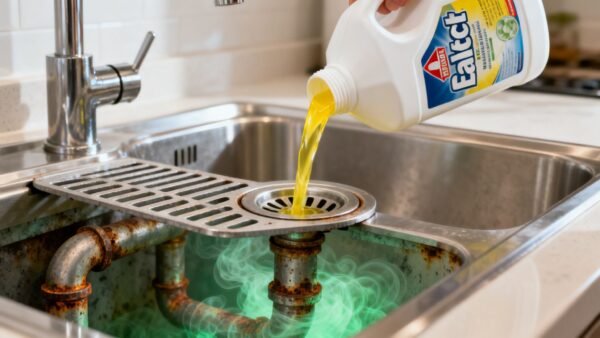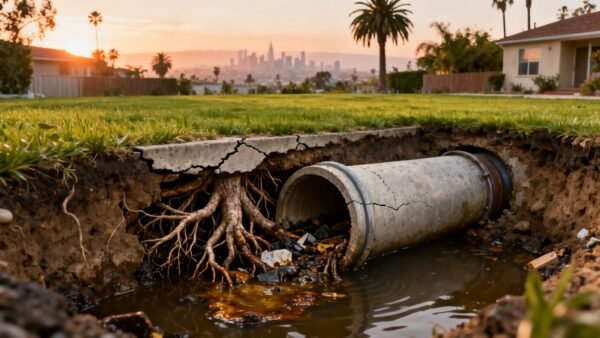

When a sink starts to smell or a drain runs slow, it’s tempting to reach for a bottle of bleach. It seems like a quick, powerful fix. Many Los Angeles homeowners think it’s a standard part of cleaning, but the reality is far more damaging.
But here’s some advice from the field: you should almost never pour bleach down the drain. This common household habit can cause serious, expensive damage to your home’s plumbing, your health, and even the local Los Angeles environment.
If you’re dealing with a stubborn clog or a foul odor that won’t go away, don't reach for the bleach. Instead, contact our team for a professional assessment. We offer 24/7 emergency services for drain and sewer issues.
The Hidden Dangers of Pouring Bleach Down Your Drain
Think of your home's plumbing as its circulatory system—a delicate network of pipes, seals, and for many homes, a living septic ecosystem. Pouring a harsh chemical like bleach into this system is a shock to the system. While it might feel like you're blasting away grime, you're often setting the stage for bigger problems down the line, from a simple pipe leak in a Sherman Oaks condo to a full-scale septic failure in an Agoura Hills property.
The truth is, bleach is a corrosive agent, not a clog remover. The dangers of pouring bleach down the drain are very real:
- It Eats Away at Your Pipes: Bleach is incredibly hard on plumbing materials. It can make PVC pipes brittle and accelerate corrosion in older metal pipes, leading to cracks and hidden leaks inside your walls.
- It Kills Septic Systems: If you have a septic tank, bleach is its worst enemy. It wipes out the essential bacteria needed to break down solid waste, causing your tank to fail and require a costly pump-out or repair.
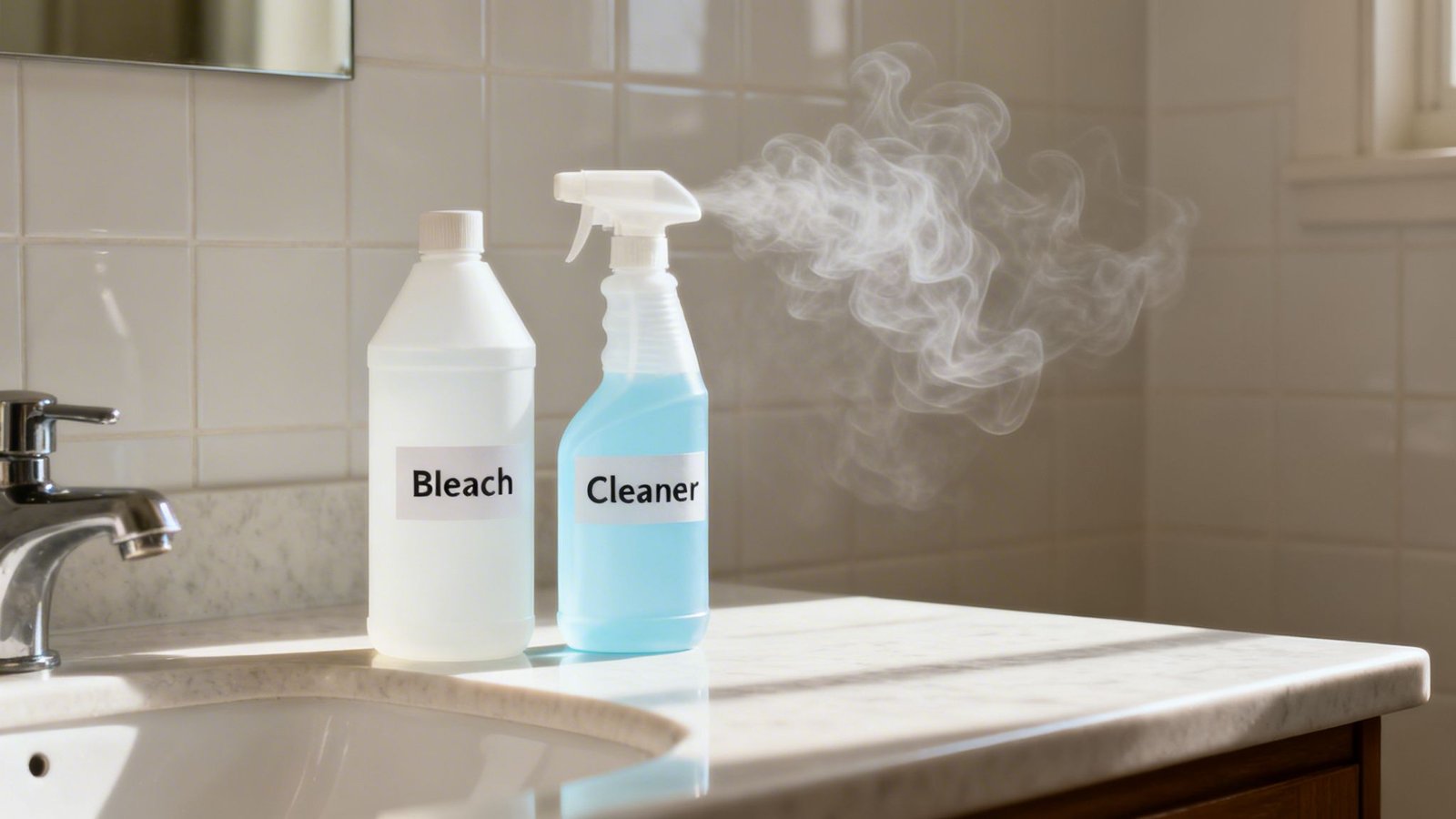
- It Can Create Toxic Gas: This is the most immediate danger. If bleach mixes with other common cleaners—especially those containing ammonia—it can create poisonous chloramine gas right in your sink.
This infographic gives you a quick visual of just how damaging this one action can be.
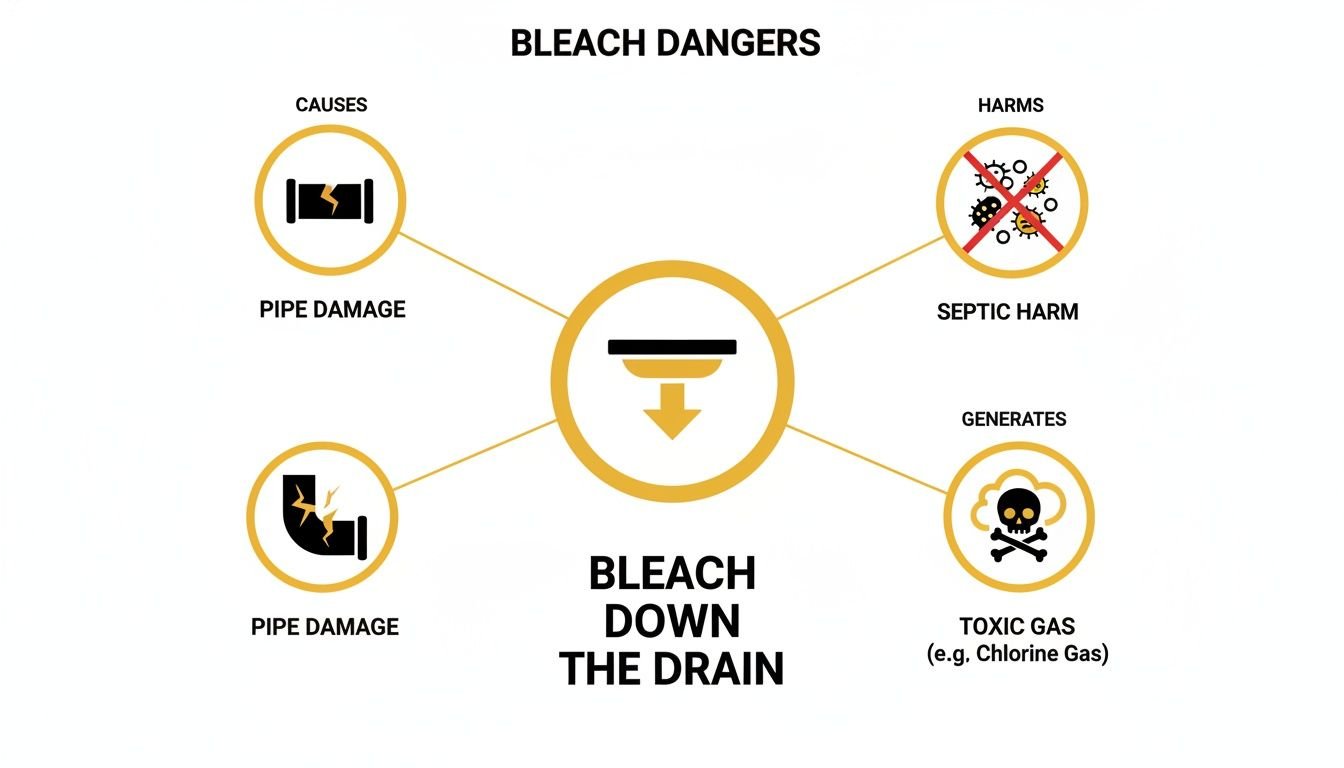
As you can see, what starts as a simple attempt to clean a drain can quickly spiral into a series of expensive and hazardous issues.
To give you a clearer picture, here’s a quick summary of the risks you're taking when you use bleach in your drains.
At-a-Glance Risks of Using Bleach in Drains
| Area of Concern | Specific Risk | Why It Matters to Los Angeles Homeowners |
|---|---|---|
| Plumbing Pipes | Corrosion and embrittlement of PVC, metal pipes, and rubber seals. | Can cause hidden, slow leaks that lead to major water damage, mold, and expensive wall or floor repairs. |
| Septic Systems | Kills the beneficial bacteria responsible for breaking down waste. | Leads to septic tank failure, sewage backups into your home, and the need for emergency pumping and repairs. |
| Sewer Lines | Contributes to the formation of toxic compounds in municipal systems. | Can damage shared sewer infrastructure and introduces pollutants into the local water treatment process. |
| Household Health | Creates toxic chloramine gas when mixed with ammonia-based cleaners. | Poses an immediate respiratory hazard, causing coughing, shortness of breath, and irritation to the eyes and throat. |
| Environment | Forms harmful disinfection by-products (DBPs) in wastewater. | These toxins can harm marine life when discharged into waterways like the Pacific Ocean from Santa Monica Bay. |
Each of these outcomes carries consequences far more severe than the minor clog or bad odor you were trying to fix in the first place.
The Environmental Toll on Los Angeles Waterways
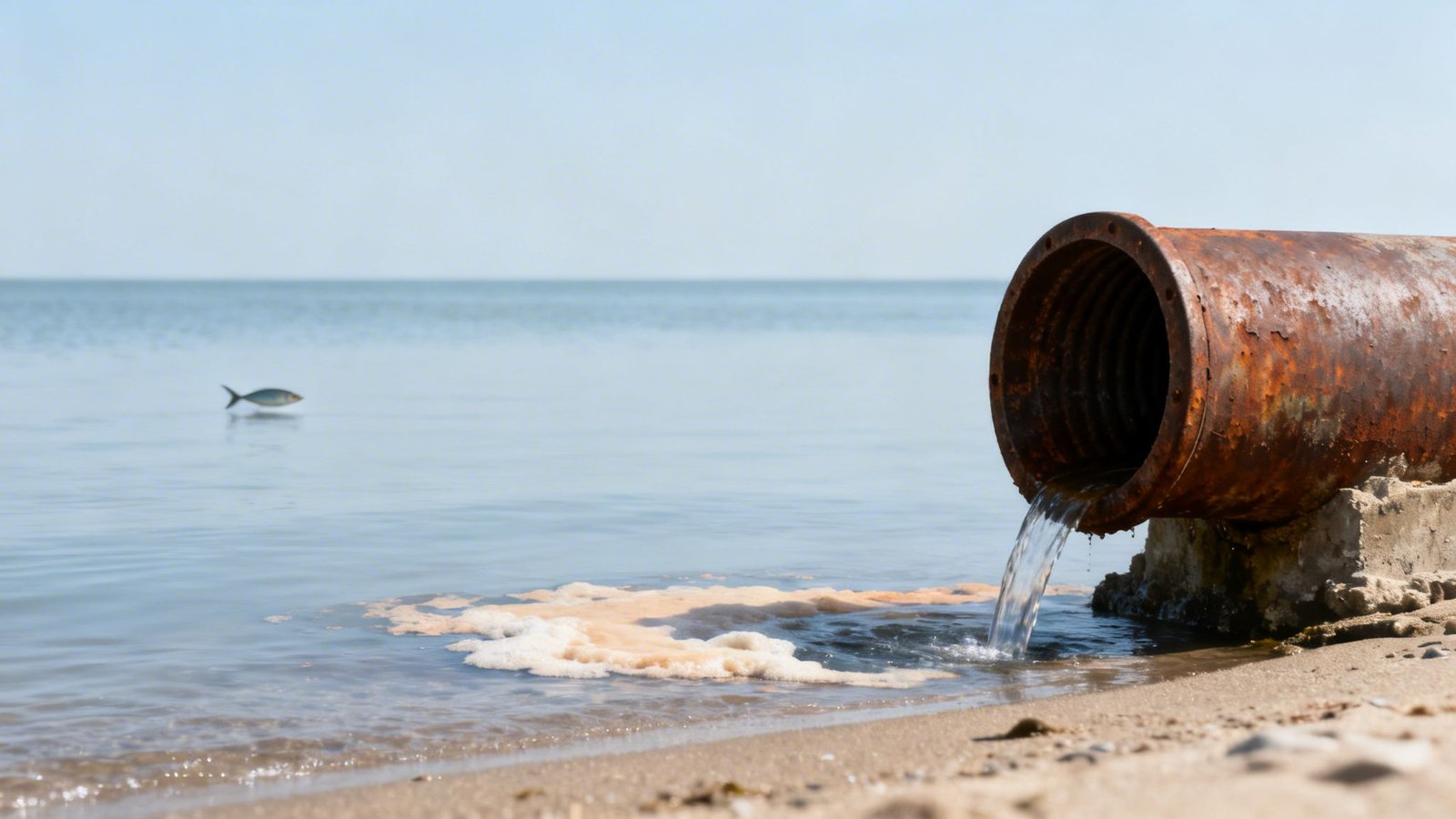
The problem doesn't stop at your property line. When chlorine bleach goes down drains across Los Angeles, it enters the sewer system and reacts with organic matter to form disinfection by-products (DBPs).
These toxic compounds are a serious environmental concern because they can survive wastewater treatment. For homeowners in areas from North Hollywood to Sherman Oaks, that wastewater eventually finds its way to the Pacific Ocean, where DBPs can harm marine ecosystems. Managing these chemical residues is a critical part of our job, and our team is trained in safe biohazard cleanup protocols to handle them responsibly during restoration work.
Key Takeaway: The short-term convenience of bleach isn’t worth the long-term risk of corroded pipes, a dead septic system, or toxic fumes in your home. The problems bleach is used for—clogs and odors—are usually symptoms of a bigger issue that bleach can’t solve and will likely make worse.
How Bleach Corrodes Your Pipes From The Inside Out
It's a common belief that home plumbing is built to last forever, but the truth is, your pipes are under constant threat from chemical damage. Pouring bleach down the drain, even if you only do it once in a while, starts a slow but steady attack that weakens your entire plumbing system from the inside. Bleach, or sodium hypochlorite, is a potent oxidizing agent.
In simple terms, this means it rips electrons away from the materials it touches, causing them to degrade and break down. Think of it as a super-aggressive form of rust that doesn’t just target iron but also goes after plastics and rubber. The damage adds up. Each time you use bleach, you’re causing a small amount of irreversible harm that eventually leads to a major plumbing failure.
The Attack on Metal and Plastic Pipes
Most Los Angeles homes have a mix of plumbing materials, and bleach has a different way of damaging each one. If you live in an older home in a neighborhood like Hancock Park, especially one built before the 1970s, you likely have cast iron or galvanized steel pipes. These metals are incredibly vulnerable to bleach’s oxidizing effects, which speeds up corrosion, thins out the pipe walls, and leads to pinhole leaks or even a total collapse.
Newer homes are typically plumbed with PVC (polyvinyl chloride). While PVC stands up to corrosion better than metal, it’s far from immune to bleach. Over time, sodium hypochlorite attacks the chemical bonds in the plastic, making it stiff and brittle. This embrittlement is a ticking time bomb, making pipes much more likely to crack from everyday vibrations, like running the garbage disposal or the expansion and contraction from hot water.
Picture this: A homeowner in Sherman Oaks gets into the habit of pouring a cup of bleach down their kitchen sink every week to keep odors away. Over a few years, the bleach makes the PVC P-trap under the sink dangerously brittle. One day, a gentle bump from a cleaning bottle is all it takes to form a hairline crack. The result is a slow, hidden leak that causes thousands of dollars in water damage and black mold inside the kitchen cabinet.
Why Seals and Gaskets Are the First to Fail
Long before a solid pipe gives way, the weakest links in your plumbing system will be the first to go: the rubber seals, gaskets, and wax rings. These parts are made to be soft and flexible to create watertight connections. Bleach absolutely destroys them.
It strips the plasticizers out of the rubber and wax, causing them to dry out, harden, and shrink. Once that happens, they can no longer form a proper seal.
- Toilet Wax Rings: Those bleach tablets you drop in the tank? The constant exposure slowly eats away at the wax ring at the toilet's base, eventually causing sewer gas to leak into your bathroom and water to silently rot your subfloor.
- Faucet and Drain Gaskets: The small rubber seals inside your sink drains and faucets will become brittle, leading to those annoying drips that often go unnoticed until it's too late.
- Garbage Disposal Seals: Bleach corrodes the disposal’s metal housing and ruins its internal rubber seals, drastically shortening its lifespan and causing leaks into the cabinet below.
This gradual breakdown of seals is usually the first red flag that you’re using harsh chemicals too often. What starts as a tiny drip can quickly become a full-blown water damage catastrophe, requiring professional restoration to fix the water damage and get rid of the mold. The cost to repair the hidden damage from a slow leak almost always dwarfs the cost of the fixture itself. Protecting these small but critical parts is the key to a healthy, leak-free plumbing system.
The Unseen War Bleach Wages on Septic and Sewer Systems
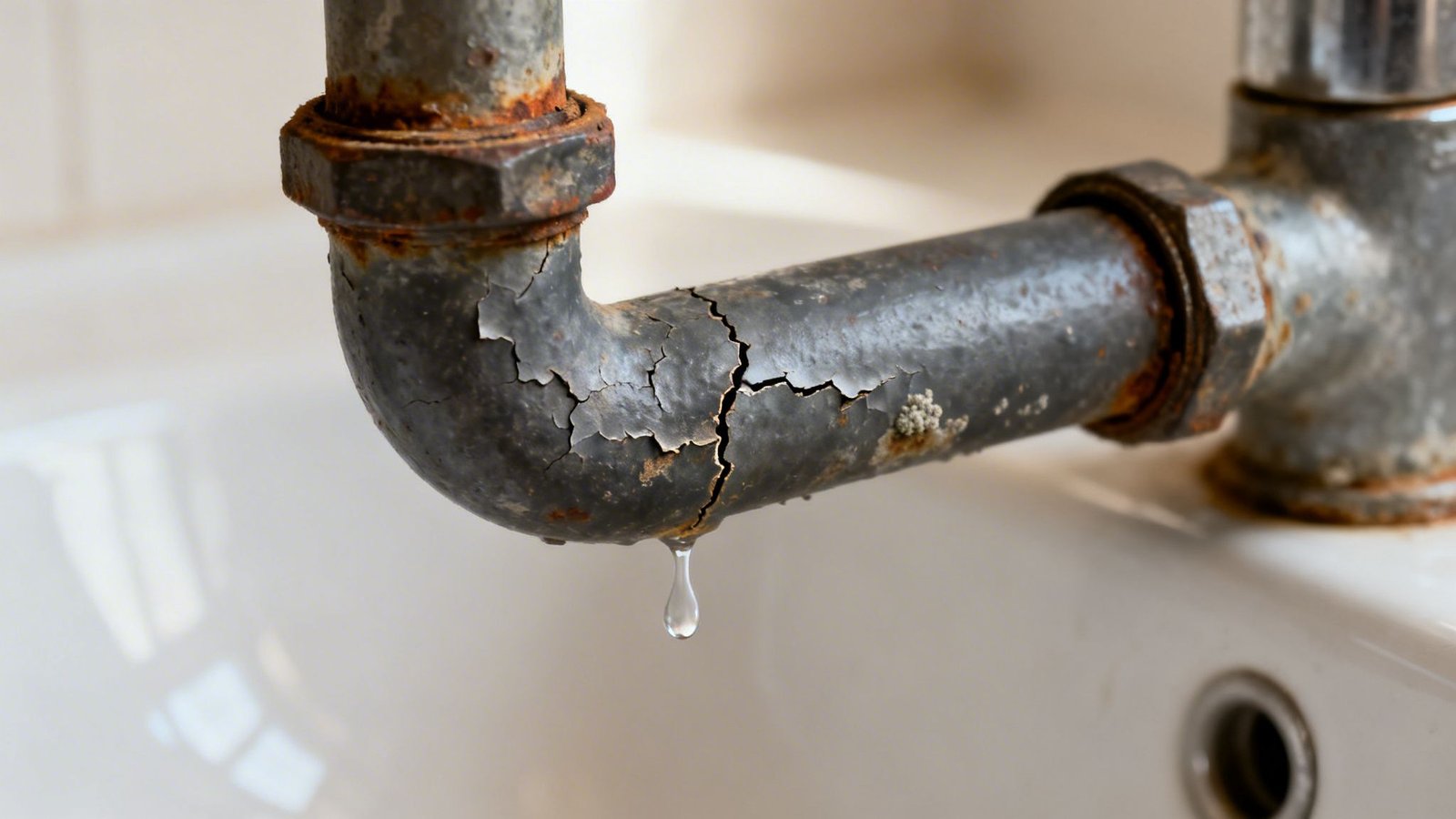
While bleach is busy corroding the pipes inside your home, it’s fighting a completely different—and just as destructive—war once it leaves your property. The damage from pouring bleach down the drain looks different depending on whether you’re on a city sewer line or a private septic system. Neither outcome is good.
For homeowners across much of Los Angeles County, from Burbank to West Hollywood, your wastewater heads into a massive municipal sewer system. But in other communities like Malibu or Topanga Canyon, homes rely on their own self-contained septic tanks. Bleach is a major threat to both.
How Bleach Destroys Private Septic Systems
If your home has a septic system, you need to think of it as a living thing. Your tank is a delicate ecosystem filled with billions of beneficial bacteria. Their only job is to digest and break down the solid waste that flows into the tank, turning it into liquid effluent that can safely drain out into the leach field.
Bleach is an indiscriminate killer. Its powerful disinfecting chemistry doesn't know the difference between a bad germ and the essential bacteria your septic system needs to function.
When you pour bleach down the drain, you are essentially sterilizing the one part of your home that needs to be alive. Killing these bacteria stops the waste decomposition process cold, leading to a fast and dangerous buildup of solid sludge in the tank.
This is a direct path to system failure. The tank overfills, the outlet clogs, and raw sewage backs up right into your home—a serious biohazard that requires immediate professional cleanup. A single gallon of bleach can wipe out the entire bacterial colony. It can take weeks and expensive treatments to restore that delicate balance. Understanding the components, like a 500-gallon septic tank, makes it clear how vulnerable these systems are to harsh chemicals.
The Problem with Bleach in City Sewer Lines
For those of us connected to a city sewer, the problem is a bit more subtle but just as serious. You may not have a personal tank of bacteria to worry about, but bleach still causes big problems for the larger municipal system and our local environment.
A common myth is that bleach will dissolve clogs. It absolutely will not. Bleach has zero effect on grease, hair, and soap scum—the gunk that causes most blockages in your home. Instead of helping, it often makes the situation worse.
As restoration experts, we've seen countless sewer backups where a homeowner tried to "fix" a clog with bleach. Not only did it fail to clear the blockage, but it turned the cleanup into a far more dangerous job for our technicians. The backed-up water is no longer just sewage; it's a toxic chemical soup. If you want to understand what it takes to clear these lines correctly, check out our guide on how to clean out a main sewer line.
The Environmental Damage to Los Angeles Waterways
The danger doesn’t stop at the treatment plant. When bleach gets into the Los Angeles sanitation system, it reacts with organic matter in the wastewater and forms new chemical compounds called disinfection by-products (DBPs).
Many of these chlorinated compounds are toxic and simply can’t be filtered out completely by conventional wastewater treatment. From there, the "treated" water—still carrying these harmful DBPs—is discharged directly into the Pacific Ocean.
This has a devastating effect on marine ecosystems:
- Toxicity to Marine Life: DBPs are poisonous to fish, invertebrates, and the tiny organisms that form the very base of the aquatic food web.
- Altering Water Chemistry: A constant flow of these chemicals contributes to imbalances that harm our sensitive coastal habitats.
- Long-Term Contamination: These compounds don't just disappear. They persist in the environment, building up in sediment and inside marine animals over time.
Every time you pour bleach down the drain, you're contributing to this unseen environmental damage. An act that seems so small in your kitchen or bathroom has far-reaching consequences for the health of our local waterways and the Pacific Ocean.
Creating Toxic Gas in Your Home with a Simple Mistake
Pipe corrosion and septic damage are definitely serious long-term risks, but the most immediate danger of pouring bleach down the drain is something else entirely: creating toxic gas right inside your home. This isn't some rare lab accident; it's a tragically common household mistake that can have severe, instant health consequences.
The danger comes from a basic chemical reaction. Bleach, which is sodium hypochlorite, should never be mixed with other cleaning chemicals. When it is, your sink or toilet can instantly become a chemical weapon, filling your home with poisonous fumes.
The Most Common Deadly Combination: Bleach and Ammonia
By far, the most frequent—and dangerous—household mix is bleach and ammonia. The problem is, ammonia is an ingredient in countless common products, including glass cleaners, some floor cleaners, and even certain drain clog removers.
Imagine this all-too-common scenario. You're frustrated with a slow bathroom sink, so you pour a chemical drain cleaner down it. When the clog doesn't clear, you reach for the bleach, thinking a little extra power will do the trick. Instead, you've just created chloramine gas.
Chloramine gas is a highly toxic lung irritant. Within seconds of its formation, it can cause severe respiratory distress. This isn't a minor inconvenience; it's a genuine chemical emergency occurring right inside your home.
The symptoms of chloramine gas exposure are immediate and frightening:
- Intense coughing and wheezing
- Watery, burning eyes and nose
- Shortness of breath and chest pain
- Nausea and irritation of the throat
In high concentrations, especially in a small, poorly ventilated space like a bathroom, chloramine exposure can lead to fluid in the lungs and other life-threatening conditions.
The Danger of Mixing Bleach with Acids
Ammonia isn't the only chemical to watch out for. Mixing bleach with acidic cleaners is just as hazardous. Many common toilet bowl cleaners, for instance, are acid-based and contain chemicals like sodium bisulfate.
When bleach mixes with an acid, the reaction produces pure chlorine gas. This is the same chemical infamously used as a weapon in World War I. Even at low levels, chlorine gas is extremely corrosive to the eyes, throat, and lungs.
The health effects are similar to those from chloramine but can be even more severe. Exposure causes a burning sensation throughout your respiratory tract, difficulty breathing, and blurred vision. This is why it's absolutely critical to never use multiple chemical products at once to tackle a clog or clean a surface.
These chemical reactions can turn a simple cleaning task into a situation requiring professional intervention. Our teams are equipped to handle these exact scenarios, offering expert hazardous materials cleanup to safely ventilate and decontaminate affected areas. Understanding how different factors contribute to an unhealthy living space is key, which is why it's also helpful to know what is indoor air pollution and how it affects your home.
If you accidentally mix chemicals, evacuate the area immediately, get to fresh air, and call for help if you experience any symptoms. The risk of creating these toxic gases is one of the single most compelling reasons to stop using bleach as your go-to drain cleaner.
Safe and Effective Alternatives for Keeping Drains Clean
So, we’ve confirmed pouring bleach down the drain is a bad idea. Let's talk about what actually works. Keeping your drains clear and odor-free isn’t about using harsh chemicals; it’s about smart, proactive habits and using safer methods when clogs start to form.
These alternatives are not only better for your pipes and the environment, but they’re far more effective against the real culprits: grease, hair, and soap scum. Bleach doesn't dissolve that stuff anyway. Moving away from bleach is simply a smarter strategy for the long-term health of your home’s plumbing.
Experiencing a clog that DIY methods can't fix? Don't risk damaging your pipes. Call Onsite Pro at (818) 336-1800 for immediate, professional help.
Proactive Drain Maintenance
The best way to handle clogs is to stop them before they even start. A few simple, consistent habits are your strongest defense against slow drains and nasty odors.
- Use Drain Strainers: This is the single best investment for your plumbing. A good mesh strainer in every sink, shower, and tub drain catches hair, food, and other gunk before it ever enters your pipes.
- Regular Hot Water Flushes: Once a week, pour a gallon of boiling water straight down each drain. This simple trick helps melt and wash away greasy buildup from soaps and kitchen oils that slowly line your pipes.
- Be Smart About Grease: Never pour cooking grease, fats, or oils down the kitchen sink. As these liquids cool, they solidify into stubborn, sticky clogs that trap everything else. Instead, pour grease into an old can, let it harden, and toss it in the trash.
DIY Solutions That Actually Work
When you notice a drain slowing down, there's a powerful and safe DIY remedy you can turn to. The classic combination of baking soda and vinegar works wonders through a simple mechanical process, not a chemical one.
- Start by pouring a pot of boiling water down the drain to loosen any surface-level gunk.
- Next, pour about one cup of baking soda directly into the drain opening.
- Follow it with one cup of white vinegar. The mixture will immediately fizz and bubble—that's the reaction you want.
- Cover the drain opening with a plug and let it work for 15-30 minutes. The fizzing action physically scrubs the inside of the pipes, breaking up grime.
- Finish by flushing everything out with another pot of boiling water.
This method is completely safe for all plumbing types and is a great first-line defense.
Comparing Drain Cleaning Methods
Not all drain cleaning methods are created equal. Understanding the differences in how they work, their safety, and their impact on your plumbing is key to making the right choice for your home.
| Method | How It Works | Best For | Safety & Plumbing Impact |
|---|---|---|---|
| Boiling Water | Melts and flushes away grease and soap scum. | Regular maintenance and minor grease buildup. | Safe for most pipes, but use caution with PVC to avoid warping. |
| Baking Soda & Vinegar | Creates a fizzing action that physically scrubs pipe walls. | Loosening minor clogs and neutralizing odors. | Completely safe for all pipes and septic systems. Non-corrosive. |
| Enzymatic Cleaners | Uses beneficial bacteria and enzymes to digest organic waste. | Ongoing maintenance and slow-moving drains caused by organic matter. | Very safe. Non-corrosive and beneficial for septic systems. |
| Chemical Cleaners (Bleach, Lye) | Generates heat and chemical reactions to dissolve clogs. | Severe clogs (use with extreme caution). | High Risk. Corrosive to pipes, harms septic systems, and creates toxic fumes. |
As you can see, the methods that rely on physical action or natural digestion are far safer for your home's infrastructure than harsh chemical solutions.
Choosing the Right Commercial Product
If a DIY approach doesn't cut it, don't reach for a chemical drain opener. Your next step should be an enzymatic drain cleaner. These products work in a completely different—and much safer—way.
Enzymatic cleaners use specific strains of beneficial bacteria and enzymes to "eat" organic waste like hair, grease, and food particles. Instead of burning through a clog with acid, these cleaners digest the blockage, turning it into liquid that can be flushed away safely.
These are the products professionals often recommend for maintenance because they are not only effective but also good for septic systems—they actually replenish the bacteria needed to break down waste. And while many people reach for bleach to handle mold, it's not a real solution; our guide on whether bleach can truly kill black mold explains why safer, more effective methods are needed.
When to Call a Professional for Drain and Sewer Issues
DIY fixes have their place for minor upkeep, but some drain and sewer problems are a whole different beast. Trying to force a major blockage with store-bought chemicals—or worse, pouring bleach down the drain on a severe clog—is a recipe for disaster. It can lead to cracked pipes, toxic fumes, and thousands in property damage.
Knowing when to step back and call a pro is one of the most important decisions a homeowner can make. If you’re facing a plumbing emergency, don't wait. Our 24/7 response team is ready to handle everything from the initial assessment to full restoration.
Red Flags That Signal a Professional Is Needed
Certain symptoms are more than just a nuisance; they're your plumbing system screaming for help. These signs almost always point to a serious issue deep in your pipes, often in the main sewer line itself. Ignoring them is gambling with a destructive sewage backup.
Watch for these serious warning signs:
- Recurring Clogs: If you’re constantly clearing the same drain, your DIY fix is just poking a small hole in a much bigger blockage. A professional has the tools to obliterate the entire obstruction for good.
- Multiple Drains Backing Up: Is your toilet, shower, and sink all draining slow at the same time? The problem isn't the individual fixtures. This is the classic signature of a main sewer line clog.
- Gurgling Sounds: Hearing strange bubbling or gurgling from a toilet or drain, especially when you use another fixture, means air is trapped by a blockage. Your system can't breathe.
- Persistent Foul Odors: A constant sewer gas smell that cleaning can't touch is a major red flag. It often means you have a crack in the sewer line or a critical ventilation failure.
- Signs of Water Damage: Unexplained damp spots on floors, water stains on the ceiling below a bathroom, or warped baseboards are tell-tale signs of a hidden leak from a compromised drain pipe.
Professional Insight: A single slow drain is an inconvenience; multiple slow drains are an emergency in the making. This is your plumbing system’s final warning before a full-blown sewer backup occurs.
Our Comprehensive Emergency Response
When you’re dealing with a serious drain or sewer issue, you need more than a standard plumber. A sewer backup floods your home with highly contaminated "Category 3" black water, and cleaning it requires specialized training and equipment to make the area safe again.
This is exactly where our expertise comes in.
Onsite Pro Restoration provides the complete solution for these crises. Our IICRC-certified technicians don't just clear the clog; we restore your property to its pre-loss condition. We manage the entire process, from safe and thorough sewage backup cleanup to water extraction, structural drying, and professional mold remediation if secondary damage has set in. We also work directly with your insurance company to make a chaotic situation as smooth as possible.
Frequently Asked Questions About Bleach and Drains
We hear these questions all the time from Los Angeles homeowners. When it comes to something as common as bleach, there’s a lot of bad advice floating around. Let's clear up the confusion and give you the straightforward, safe answers you need to protect your plumbing.
Q: Is Pouring a Small Amount of Diluted Bleach Down the Drain Really That Bad?
A: Yes. While a single, tiny pour probably won't cause your pipes to burst overnight, it's the cumulative effect that does the real damage. Think of it as a slow, corrosive habit. Even small, diluted amounts of bleach gradually eat away at PVC pipes, gaskets, and seals. For homes with septic systems, it's even worse—bleach kills the beneficial bacteria your system needs to break down waste. For the long-term health of your plumbing and our local LA ecosystem, it's a habit you need to break completely.
Q: Can I Use Bleach to Kill Mold I See Inside My Sink Drain?
A: No. This is one of the biggest misconceptions we see. Bleach is a poor tool for mold, especially in a drain. It might zap the color from the surface mold, making you think it’s gone, but it does not kill the roots tangled deep inside the biofilm and gunk lining your pipes. The mold will be back, and fast. The right way to handle it is to physically scrub the drain with a long-handled brush to remove the gunk, then follow up with a good enzymatic drain cleaner. Those enzymes actually digest the organic matter that mold feeds on. If you see mold spreading out from the drain, that's your cue to call for a professional inspection.
Q: What Should I Do If My Drain Is Clogged and I Already Used Bleach?
A: Your first and only priority here is safety. DO NOT pour any other chemical down that drain. Mixing bleach with common drain cleaners that contain ammonia or acids can create highly toxic chlorine gas in your home. Immediately get fresh air moving. Open windows, turn on exhaust fans, and get the area ventilated. Give it several hours for the bleach to flush through on its own. If the clog is still there, your only safe move is to call a professional plumber or a restoration team like ours. Make sure you tell them bleach is in the line so they can protect themselves.
Q: Are 'Drop-In' Toilet Tablets with Bleach Safe for My Plumbing?
A: We strongly advise against these. They seem convenient, but they release a constant stream of corrosive bleach into your toilet's tank with every flush. This steady chemical exposure is notorious for destroying the rubber flapper, gaskets, and bolts inside the tank. It’s a leading cause of silent, slow leaks that can waste thousands of gallons of water and rot your subfloor before you even know there's a problem. That same corrosive action is also slowly damaging your drain lines over time.
If you're facing a nasty clog, a foul sewer odor, or any other plumbing emergency, put the bleach bottle down and call in the experts. The team at Onsite Pro Restoration provides 24/7 emergency services, from professional drain cleaning to full-scale sewage backup restoration. Contact us for a free assessment at https://onsitepro.org.