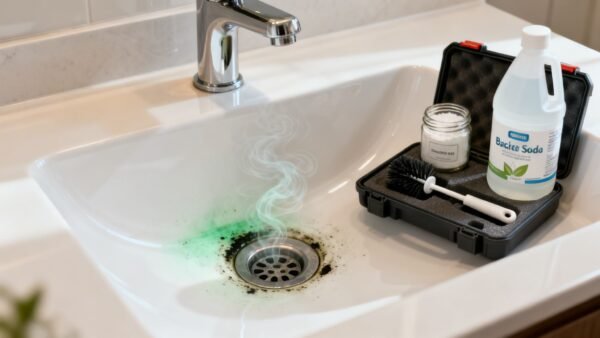

That funky smell coming from your bathroom sink isn't just you. It's one of the most common complaints we get from homeowners all over Los Angeles, and the culprit is almost always the same: biofilm.
This is the slimy, black gunk that builds up inside your drain pipes. It’s a lovely mixture of old soap scum, stray hairs, toothpaste, and skin cells. Bacteria love to feast on this organic matter, and as they do, they release gases that smell like rotten eggs. The good news? It's a very fixable problem.
Get a Free, No-Obligation Assessment Today
The Real Reason Your Bathroom Sink Smells Like Rotten Eggs
Picture this: you walk into your otherwise spotless Los Angeles bathroom, and a foul, rotten-egg odor hits you right in the face. It’s coming from the sink. That smell is a huge red flag.
It's hydrogen sulfide gas, a byproduct of bacteria breaking down all that gunk in your drain. In fact, plumbing experts estimate that 70% of household drain odors are caused by this exact issue. This problem pops up everywhere, from Santa Monica condos where coastal humidity accelerates bacteria growth to homes in Sherman Oaks where the summer heat does the same.
While biofilm is the usual suspect, it's not the only possible cause. The first step is to play detective and figure out where the smell is really coming from.
Decoding the Odor Source: Why Does My Sink Smell?
The specific type of smell is your biggest clue.
If you’re dealing with a distinct “rotten egg” stench, your prime suspect is biofilm. It’s a clear sign that organic gunk is decaying inside your drainpipe or, very commonly, in the sink’s overflow hole.
What if the smell is more like raw sewage? This often points to a dry P-trap. That’s the U-shaped pipe under your sink designed to hold a small water barrier, blocking sewer gases from sneaking into your home. If a guest bathroom sink isn't used for a few weeks, especially during a hot, dry spell in Burbank, that water can evaporate. This leaves an open invitation for sewer gas to come right up the drain.
Key Takeaway: A 'rotten egg' smell usually means biofilm buildup, while a 'sewer' smell often points to a dry P-trap. Differentiating between them helps you choose the right solution.
A quick way to diagnose the problem is to match the smell to its likely source. This table breaks down the most common culprits we see in the field.
Common Sink Odors and Their Likely Causes
| Odor Description | Most Likely Cause | Common in Los Angeles because… | Initial Action |
|---|---|---|---|
| Rotten eggs, sulfur | Biofilm in the drain | The warm climate and humidity create a perfect breeding ground for bacteria in pipes. | Run hot water, then use a baking soda and vinegar mixture. |
| Raw sewage, sewer gas | Dry P-trap | Infrequently used guest bathrooms allow water barriers to evaporate, especially during dry spells. | Run water for 30-60 seconds to refill the trap. |
| Musty, earthy, damp soil | Mold or mildew | High humidity in bathrooms and hidden leaks under vanities create ideal mold growth conditions. | Inspect the cabinet under the sink for any signs of water stains or visible mold. |
| General foul odor from multiple drains | Main sewer line clog or vent stack issue | Older plumbing systems and invasive tree roots are common issues in established neighborhoods. | Check if other drains are slow or gurgling. Do not use chemical drain cleaners. |
Paying close attention to the smell is the fastest way to figure out your next move, whether it's a simple DIY fix or a sign of something bigger.
Beyond the Drain Pipe
Sometimes the issue isn't the drain itself but something nearby. A persistent musty or earthy odor is a classic symptom of a hidden water leak. A slow drip inside the vanity cabinet is all it takes for mold to start growing, especially in the humid environment of a bathroom. If you catch a whiff of that, it’s worth learning more about finding mold in the bathroom to tackle it safely.
If the smells are affecting multiple drains in your home and you hear gurgling sounds, the problem is likely bigger than your sink. This could point to a blocked plumbing vent on your roof or a clog developing in your main sewer line. Our guide on how to clean out your sewer line offers more insight into these larger-scale problems. Knowing the true cause is the only way to get a fix that actually lasts.
Step-by-Step Guide to Fixing Bathroom Sink Smells
Not all funky bathroom sink smells are the same. After years in the field, I can tell you that learning to identify the specific aroma is the single most important first step. It saves you time, frustration, and keeps you from trying fixes that won’t work.
A pungent, rotten egg smell almost always points straight to biofilm—that slimy, black gunk that builds up from soap scum, toothpaste, and skin cells. But if you’re getting a distinct and frankly alarming sewer gas odor, the issue is likely with your P-trap, which is the U-shaped pipe under the sink.
This quick visual can help you start your diagnosis.
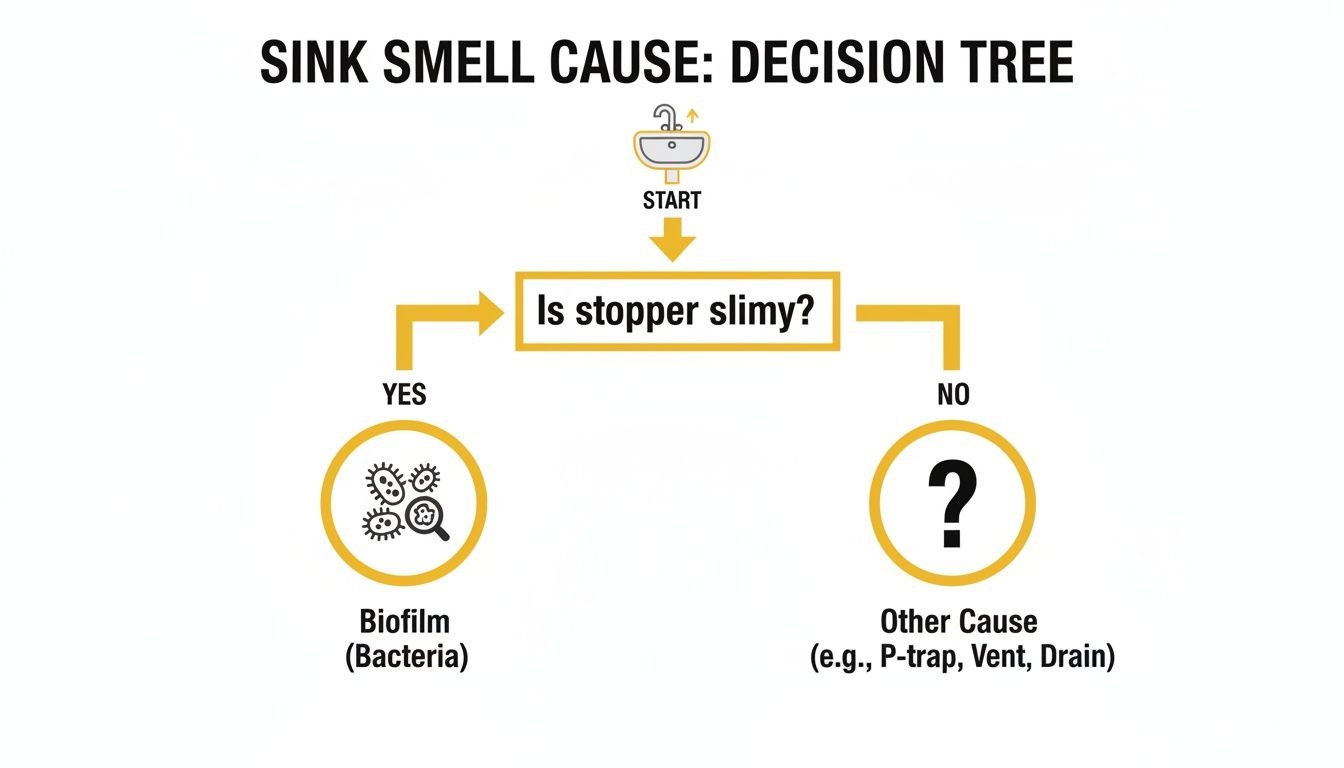
The idea is simple: a slimy sink stopper is a dead giveaway for a biofilm problem. If the stopper is clean, you’re probably looking at a plumbing issue like a dry P-trap or a vent problem.
Actionable Tests to Pinpoint the Cause of the Smell
Before grabbing tools or chemicals, run through these quick tests. They’ll help you narrow down the source of the bathroom sink smells with confidence.
- The Sniff Test: Get right up to the drain and take a whiff. Now, do the same thing at the overflow hole (that small opening near the top of the sink basin). If the smell is stronger from the overflow, biofilm has taken over that hard-to-reach channel.
- The P-Trap Check: For a suspected dry trap in a guest bath in a place like Glendale, just run cold water for 30 to 60 seconds. This refills the water barrier. If the sewer smell is gone within an hour, you've found your culprit. Simple as that.
- The Visual Inspection: Pull out the sink stopper and look at it. Is it coated in black, slimy goo? If yes, you've got a confirmed biofilm problem. While it’s out, shine a flashlight down the drain to check for any obvious hair clogs or other blockages.
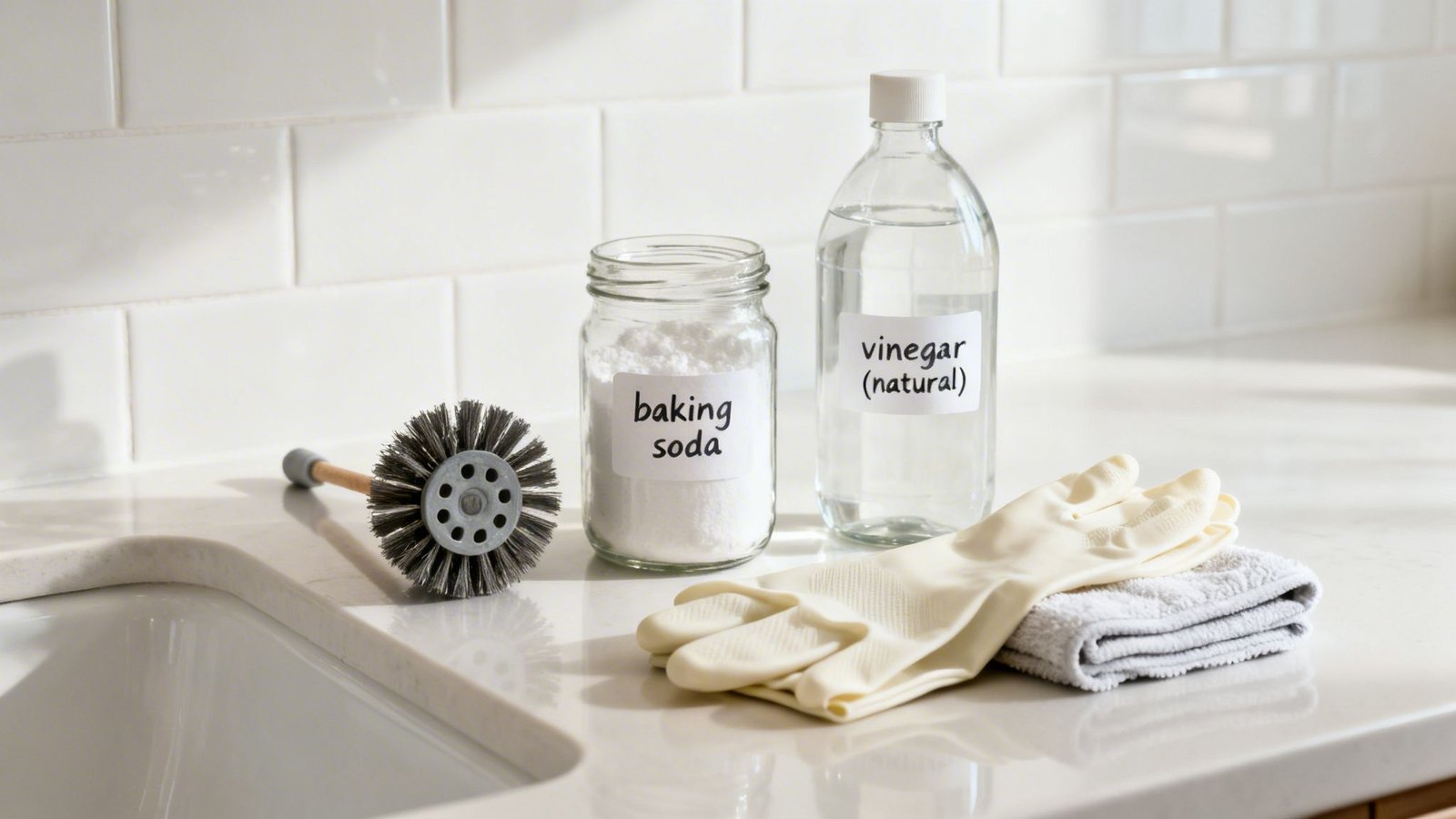
Alright, time to roll up your sleeves and tackle that nasty sink smell. Before you dive in, a little pro-tip: you’re about to deal with some seriously unpleasant gunk. Trust me, you’ll want to wear gloves and get some air moving by opening a window or flipping on the exhaust fan.
We're going to skip the harsh chemical drain cleaners. Those things can eat away at your pipes over time and, if you accidentally mix them, can create some truly toxic fumes. Instead, we’ll focus on proven methods that are safe, effective, and get the job done right. I've broken this down by the most common culprits so you can get straight to the fix.
Fixing a Dry P-Trap
This is by far the easiest fix on the list. If you're getting a whiff of sewer gas from a guest bathroom or a sink you rarely use, the water in the P-trap has probably just evaporated.
The solution is simple: run the cold water for about 60 seconds. That’s all it takes to refill the U-shaped pipe, restoring the water barrier that keeps sewer gas out of your home. The smell should be gone within an hour.
Clearing Biofilm From the Drain and Stopper
If you're dealing with a rotten-egg smell and a slimy film on the drain stopper, you've got a classic case of biofilm. This gunk is a living colony of bacteria, and this natural, bubbling reaction is perfect for breaking it down.
Here’s what you’ll need:
- Baking soda: About 1 cup.
- White vinegar: About 1 cup.
- A kettle or pot of boiling water.
- A small, stiff brush (an old toothbrush is perfect).
First, slowly pour the boiling water down the drain. This helps loosen up the top layer of grime. Follow that by dumping the baking soda directly into the drain opening.
Now for the fun part. Pour in the vinegar. You'll hear a very satisfying fizz—that’s the reaction at work, dissolving the greasy, stinky buildup. Let it sit and work its magic for at least 15-20 minutes.
While that mixture is bubbling away, take your brush and give the sink stopper and the rim of the drain a good scrub to get rid of any visible black gunk. Once your timer goes off, flush everything down with another pot of boiling water.
Get a Free, No-Obligation Assessment Today
Cleaning the Forgotten Overflow Channel
Sometimes, the most stubborn smells aren't coming from the main drain at all. They're hiding in the overflow hole—that small opening near the top of your sink. It’s a dark, damp channel and a prime spot for biofilm to thrive.
A Word of Caution: Never, ever mix different chemical cleaners. For example, mixing bleach and ammonia creates chloramine gas, which is highly toxic. Stick to one method at a time, or better yet, use the safe, natural solutions we're outlining here.
To clean the overflow, you can use the same baking soda and vinegar combo. A small funnel makes it easy to pour the mixture directly into the overflow hole. Let it fizz and sit, then flush it thoroughly by pouring hot water straight into the overflow. For an even deeper clean, a flexible drain brush can get inside the channel to scrub the walls.
These DIY methods are powerful first steps for most common sink odors. If the smell hangs around, however, it might signal a more serious problem with your plumbing's vent system or even the main sewer line. Whenever you're tackling a home project and air quality becomes a concern, knowing your options, like using an air scrubber for rental, helps ensure your home environment stays safe and clean from start to finish.
When Your Bathroom Sink Smells Point to a Bigger Problem
You’ve done everything right. You’ve scrubbed the drain, cleared the P-trap, and even tried the old baking soda and vinegar trick. But that awful smell from your bathroom sink just keeps coming back, sometimes in a matter of hours.
When this happens, it’s a sure sign the problem is bigger than a simple clog or some gunk in the pipe. Persistent bathroom sink smells aren't just an annoyance; they're a warning. Ignoring them can lead to serious property damage and even health risks from what’s lurking in your plumbing.
Red Flags That Signal a Deeper Problem
DIY methods are great for day-to-day upkeep, but they have their limits. If you’re seeing any of these signs, it's time to step back and call a professional. The issue is likely far beyond the sink itself.
- The Smell Returns Almost Immediately: You clean the drain, the odor vanishes, but it’s back the next day. This means you’re only treating a symptom, not the source.
- Gurgling Sounds from Other Drains: Does flushing a toilet make your sink drain gurgle? That’s a classic symptom of negative air pressure in your drain lines, often from a blocked plumbing vent.
- Slow Drainage in Multiple Fixtures: If your shower, tub, and sink are all draining slowly, the problem isn’t a single P-trap. It’s a blockage much further down the main line.
- Odor from Multiple Drains: The smell isn't just in one bathroom. When you notice it coming from other drains, you're dealing with a system-wide issue.
Expert Insight: That distinct "rotten egg" smell is the calling card of sewer gas, specifically hydrogen sulfide. It’s created when bacteria break down organic waste stuck in your pipes, usually due to a clog or poor ventilation. Here in Los Angeles, our mix of new and aging infrastructure makes this a frequent issue. In fact, plumbing surveys show sewer line blockages affect up to 25% of homes built before 1980, often thanks to grease buildup and invasive tree roots.
Common Culprits Beyond the P-Trap
When your efforts fail to fix the smell for good, the investigation needs to go deeper. Two main suspects usually emerge, and both require a professional because they involve your home's main sewer line or the vent system running to your roof.
1. A Clogged Main Sewer Line
Every drain in your house—sinks, toilets, showers—feeds into one main sewer line that connects to the city’s system. When that line gets clogged by roots, grease, or other blockages, the wastewater has nowhere to go. It backs up, forcing foul-smelling, toxic sewer gas up through the easiest exit points, like your bathroom sink drain.
What starts as a bad smell can quickly escalate into a full-blown sewage backup, which is a serious biohazard. If you suspect a main line clog, it's critical to get professional sewage damage cleanup to handle the contamination safely and effectively.
2. A Blocked Plumbing Vent
Look up at your roof—you’ll see a pipe sticking out. That’s a plumbing vent. Its job is to safely release sewer gases outside and regulate the air pressure in your drain system so water can flow smoothly.
In neighborhoods across Los Angeles with beautiful, mature trees, these vents are magnets for leaves, twigs, and even bird nests. When the vent gets blocked, it creates a vacuum in the pipes. This suction can pull the water right out of your P-traps, breaking the seal that normally blocks sewer gas from entering your home.
When DIY Fails: Calling in the Pros for Stubborn Sink Odors
So, you’ve tried every trick in the book. You’ve poured boiling water, used baking soda and vinegar, and even cleaned the P-trap, but that nasty smell from your bathroom sink just won’t quit. When a foul odor keeps coming back, it’s a big red flag. It usually means the problem isn’t just a simple clog but something deeper in your plumbing system that needs an expert eye.
A recurring smell isn't just annoying; it’s a symptom. Ignoring it can lead to bigger headaches like pipe damage, hidden leaks, or serious mold growth. This is the point where our IICRC-certified team comes in to hunt down the source and get rid of it for good.
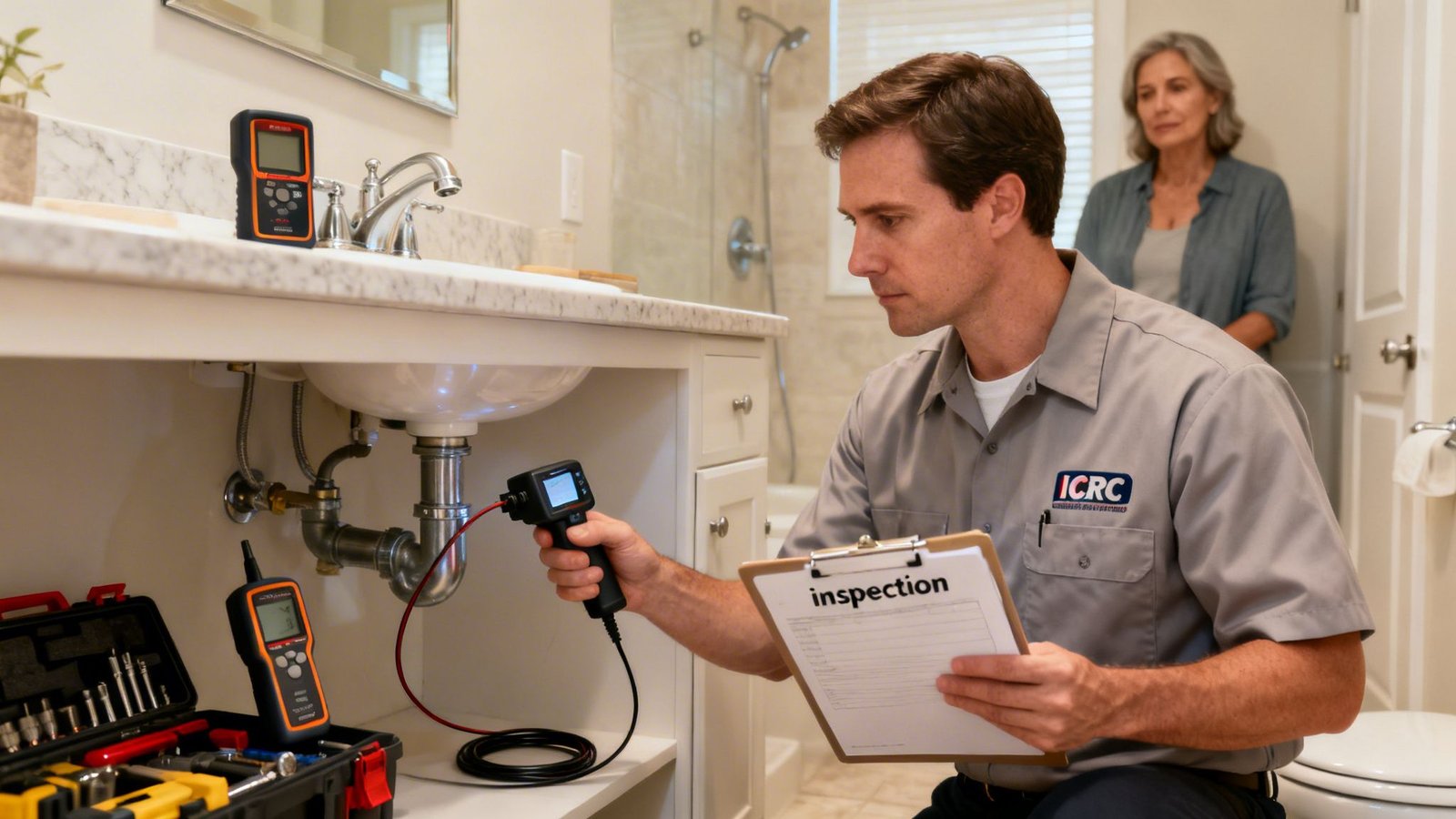
We don't just mask the smell. We diagnose the root cause with precision, because you can't fix what you can't see. When bathroom sink smells hint at a more serious issue, we leave no stone unturned.
Beyond the Visual Check: Our Advanced Inspection Process
Our first step is always a full diagnostic inspection. We bring advanced tools that let us see inside your pipes and walls without having to tear anything apart.
While we start with a visual check, we quickly get to the high-tech gear:
- Borescope Cameras: We feed these tiny, flexible cameras right into your drain lines. This gives us a live video feed of your pipes, letting us spot the exact location of heavy biofilm, hidden clogs, or even small cracks you’d never find otherwise.
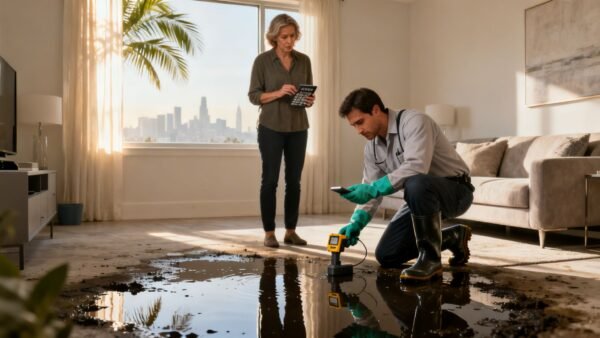
- Moisture Meters: If we suspect that musty smell is from a hidden leak, we use non-invasive moisture meters. These tools detect elevated moisture levels behind drywall or under your flooring, pinpointing water damage that’s likely feeding mold.
This detailed assessment is everything. It guarantees we’re targeting the real problem, saving you from wasting time and money on fixes that don't work.
Getting Rid of the Smell at its Source
Once we’ve pinpointed the cause, we bring in the heavy-duty solutions. For issues beyond a simple drain snake, it's wise to contact professional plumbers who have the right tools to diagnose and resolve complex plumbing problems that cause those stubborn odors.
For severe blockages and years of biofilm buildup, we often turn to hydro-jetting. This process blasts high-pressure water through your pipes, scouring the inside walls clean. It’s worlds more effective than a mechanical snake, which just punches a small hole through a clog.
Think of hydro-jetting like pressure washing the inside of your pipes. It removes every last bit of sludge and biofilm that odor-causing bacteria feed on, leaving the pipe looking almost new.
After a thorough cleaning, we follow up with professional-grade enzymatic cleaners. These aren’t harsh chemicals. Instead, they use beneficial bacteria to consume any leftover organic matter, effectively starving the source of the smell without risking damage to your plumbing.
Final Deodorization and Helping with Insurance
Eliminating the source is the main goal, but we’re not done yet. We finish with a professional deodorization process, using safe agents that neutralize any lingering odor molecules in the air. Your bathroom is left smelling truly clean, not just covered up with fragrances.
If our inspection finds related water or mold damage, things can get complicated fast—especially when insurance gets involved. Our team has years of experience documenting damage for claims. We provide the detailed reports, photos, and moisture readings that adjusters need to approve your claim, helping you get the coverage you deserve for the restoration. We work with all major insurance carriers to make a stressful situation as smooth as possible.
FAQ: Your Top Questions About Bathroom Sink Smells
Over the years, we've heard just about every question there is when it comes to weird smells coming from a bathroom sink. Here are the answers to the questions Los Angeles homeowners ask us most, based on what we see out in the field every day.
Q: Are chemical drain cleaners a good idea for smells?
A: No, we tell every client to steer clear of harsh chemical drain cleaners. In Los Angeles, with many older homes, these caustic chemicals can eat away at aging pipes, turning a simple smell problem into a costly leak. They don't remove the slimy biofilm where odors start. A mix of baking soda and vinegar is a safer first step; for a lasting fix, professional hydro-jetting is the only real solution.
Q: How can I stop bathroom sink smells from returning?
A: Consistent, simple maintenance is key. Flush the drain with hot water for 30-60 seconds daily to wash away soap and toothpaste. Once a month, use a baking soda and vinegar solution to break down early-stage buildup. If you have a guest bathroom, run the water for a minute every couple of weeks to prevent the P-trap from drying out, especially during hot L.A. summers.
Q: What if the smell is coming from my hot water, not the drain?
A: If you only notice a rotten egg smell when the hot water is running, the problem is your water heater, not the drain. A reaction between the anode rod and bacteria in the water creates hydrogen sulfide gas. A drain smell is constant near the sink, while a water heater issue affects all hot water taps. This requires a qualified plumber to fix.
Q: I'm a renter in Los Angeles. What should I do about sink smells?
A: As a renter, start with safe DIY fixes like baking soda and vinegar. If the smell persists, especially if it smells like sewer gas or the drain is slow, the problem is likely deeper and is your landlord's responsibility. California Civil Code 1941.1 requires landlords to maintain habitable conditions, including working plumbing. Notify your landlord in writing (email is great for a paper trail) to get the issue resolved.
Q: Why does my sink smell musty or earthy?
A: A musty, earthy smell, like a damp basement, is a classic red flag for a hidden water leak and the mold or mildew growth that follows. If the smell gets stronger when you open the vanity cabinet, grab a flashlight and inspect under the sink for dampness or water stains. This is a smell you should never ignore, as it can indicate a more serious water damage problem. You may want to read up on how to get rid of that persistent mildew smell to understand the next steps.
Q: I've tried everything. When should I call a professional?
A: You should call a professional if the smell returns quickly after cleaning, you hear gurgling sounds from other drains, multiple drains are slow, or the odor is coming from more than one fixture. These are signs of a larger issue, like a clogged main sewer line or a blocked plumbing vent, that DIY methods cannot fix. It's also important to know when a problem is beyond your scope, much like learning whether bleach can truly kill black mold is often a job for experts.
If you’ve tried the DIY steps and that foul bathroom sink smell just won't quit, it's time to call a professional. Onsite Pro Restoration is available 24/7 for emergency help with stubborn odors, hidden leaks, and any resulting water damage.