
If you live in Los Angeles and you've started noticing dusty vents, stale air, pet smells that keep coming back, or lingering wildfire odor after a bad smoke week, it's reasonable to ask about the benefits of duct cleaning. The short answer is simple: duct cleaning can help in the right conditions, but it isn't something every home needs on a routine schedule.
That honest answer matters. The EPA's guidance on air duct cleaning says duct cleaning hasn't been shown to prevent health problems, and it recommends cleaning as needed, not automatically. For homeowners in Sherman Oaks, Burbank, Glendale, and older neighborhoods across LA, that means value usually shows up after contamination events, not as a generic upsell.
A lot of homeowners also want a second opinion before hiring anyone, and that's smart. If you want additional trusted advice for homeowners on what duct cleaning can and can't do, it helps to compare guidance before making a decision. If odor is the main issue, this guide on how to get rid of odor can also help you think through whether the smell is coming from the duct system or somewhere else in the house.
Introduction What Are the Real Benefits of Duct Cleaning
The benefits of duct cleaning depend on why the ducts are dirty and what's in them.
If the issue is ordinary household dust, routine duct cleaning often gets oversold. If the issue is wildfire residue, rodent activity, mold related to moisture, or debris after water damage or renovation, professional cleaning can become part of a proper corrective plan. That distinction is where a lot of marketing falls apart.
Where homeowners in Los Angeles get misled
In LA, homeowners often hear broad promises about cleaner air, lower bills, and fewer allergies. Some of those outcomes are possible, but they're not automatic.
Older homes in neighborhoods like Glendale and parts of North Hollywood may have aging duct runs, leaky returns, and years of settled debris. Homes near recent fire zones or heavy smoke events may also have fine particulate residue inside the HVAC system. In those cases, cleaning can make practical sense because there's a contamination source to remove.
Practical rule: If a company says every home needs duct cleaning on a fixed schedule, be cautious. Duct cleaning makes the most sense when there's visible contamination, restricted airflow, moisture history, pests, or persistent odor tied to the HVAC system.
What actually counts as a benefit
A real benefit is something tied to a real condition. For example:
- Contamination removal: Removing debris, soot residue, or dust buildup after a specific event.
- Airflow support: Helping the system move air more freely when buildup is heavy enough to interfere.
- Odor reduction: Addressing smells that have settled into the system, especially after smoke exposure, moisture issues, or pest problems.
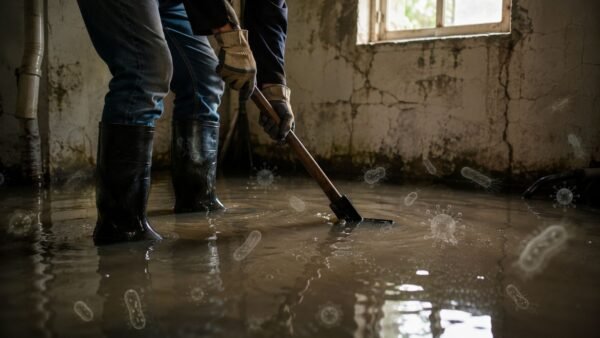
- Source control after damage: Preventing the HVAC system from continuing to distribute contaminants through the house.
That's the practical lens Los Angeles homeowners should use. Not “Will duct cleaning improve everything?” but “Is my duct system acting like a reservoir for something I don't want circulated?”
Key Improvements From Professional Duct Cleaning
Some of the most talked-about benefits of duct cleaning are cleaner indoor air, better airflow, less system strain, and odor reduction. Those benefits are most credible when the ducts or HVAC components are contaminated.
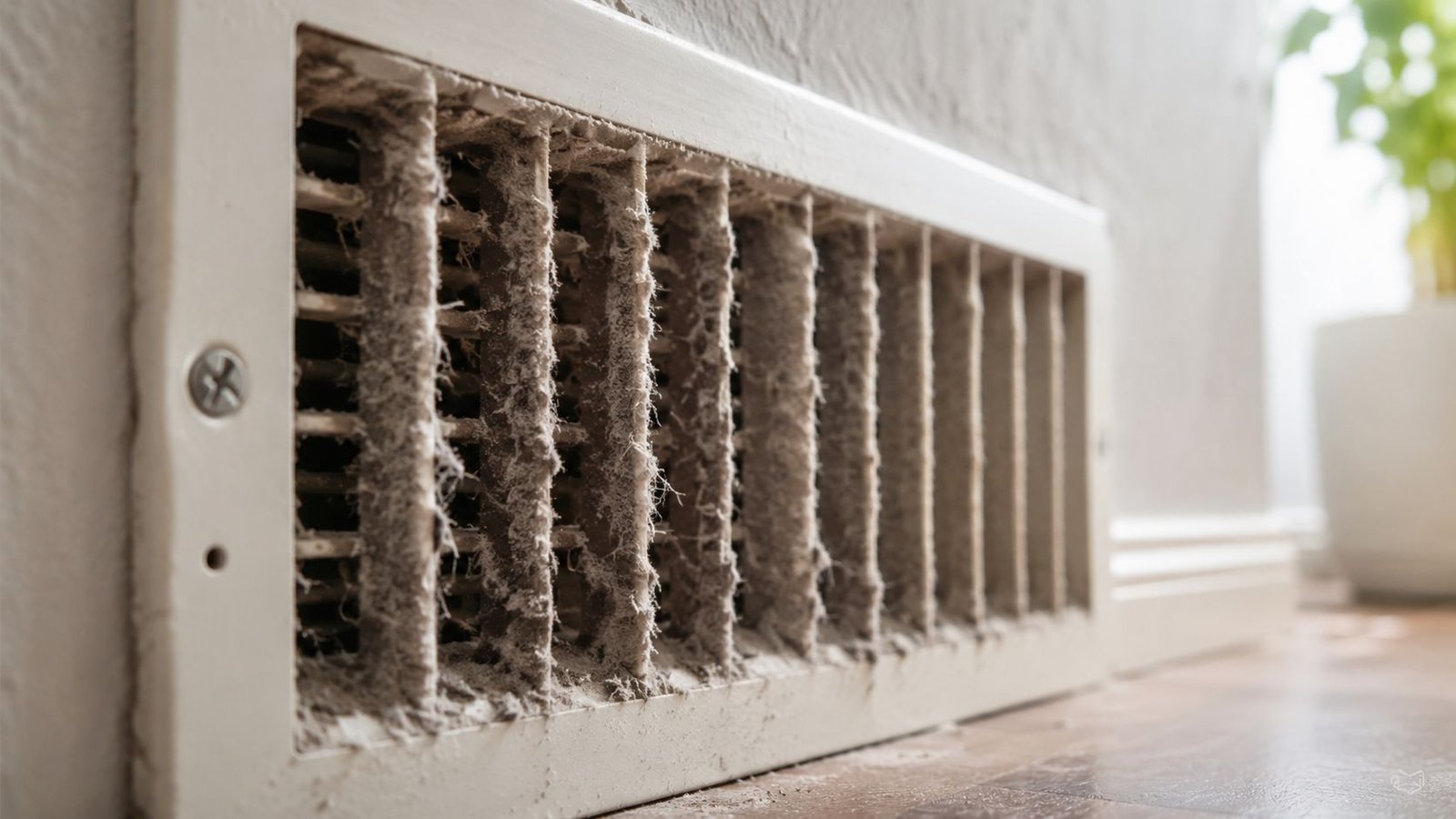
Cleaner circulation when contamination is present
When debris sits inside supply and return runs, the system can keep redistributing that material whenever it cycles on. In Los Angeles, that can matter after wildfire smoke intrusion, nearby construction dust, pet dander buildup, or long periods of deferred maintenance in older homes.
This doesn't mean duct cleaning is a cure-all for allergies or respiratory symptoms. It means contaminated ducts can contribute to a dirty air path, and cleaning removes that reservoir when it's genuinely there.
A common example is the home that still smells stale even after filters have been changed and surfaces have been cleaned. In cases like that, the problem may be deeper in the system. If you're working through that kind of issue, this article on how to get rid of musty smell is a useful companion because musty odor often points to moisture, microbial growth, or hidden contamination rather than simple dust.
Potential efficiency gains when ducts are heavily soiled
Energy savings are one of the biggest selling points in duct-cleaning ads, but it's important to consider the nuances.
The U.S. Department of Energy home energy audit guidance says 25% to 40% of the energy used for heating or cooling a home is wasted, and contaminants in the heating and cooling system make it work harder and shorten system life. That doesn't mean every duct cleaning will cut bills. It does mean that when ducts or system components are visibly dirty, cleaning may improve efficiency by reducing obstruction and strain.
For LA homeowners, that matters most during long cooling seasons. If your system is already pushing hard through Valley heat, heavy buildup gives it one more thing to fight through.
Odor removal that actually lasts
Odor control is one of the more practical reasons to clean ducts. Smoke, pet odor, old moisture events, and pest contamination can settle into porous dust and debris inside the system.
Cleaning won't solve every smell problem. If the source is inside insulation, wall cavities, wet framing, or a crawlspace, the odor often comes back. But when the duct system is holding onto the odor load, cleaning can be an important step in getting the house to smell normal again.
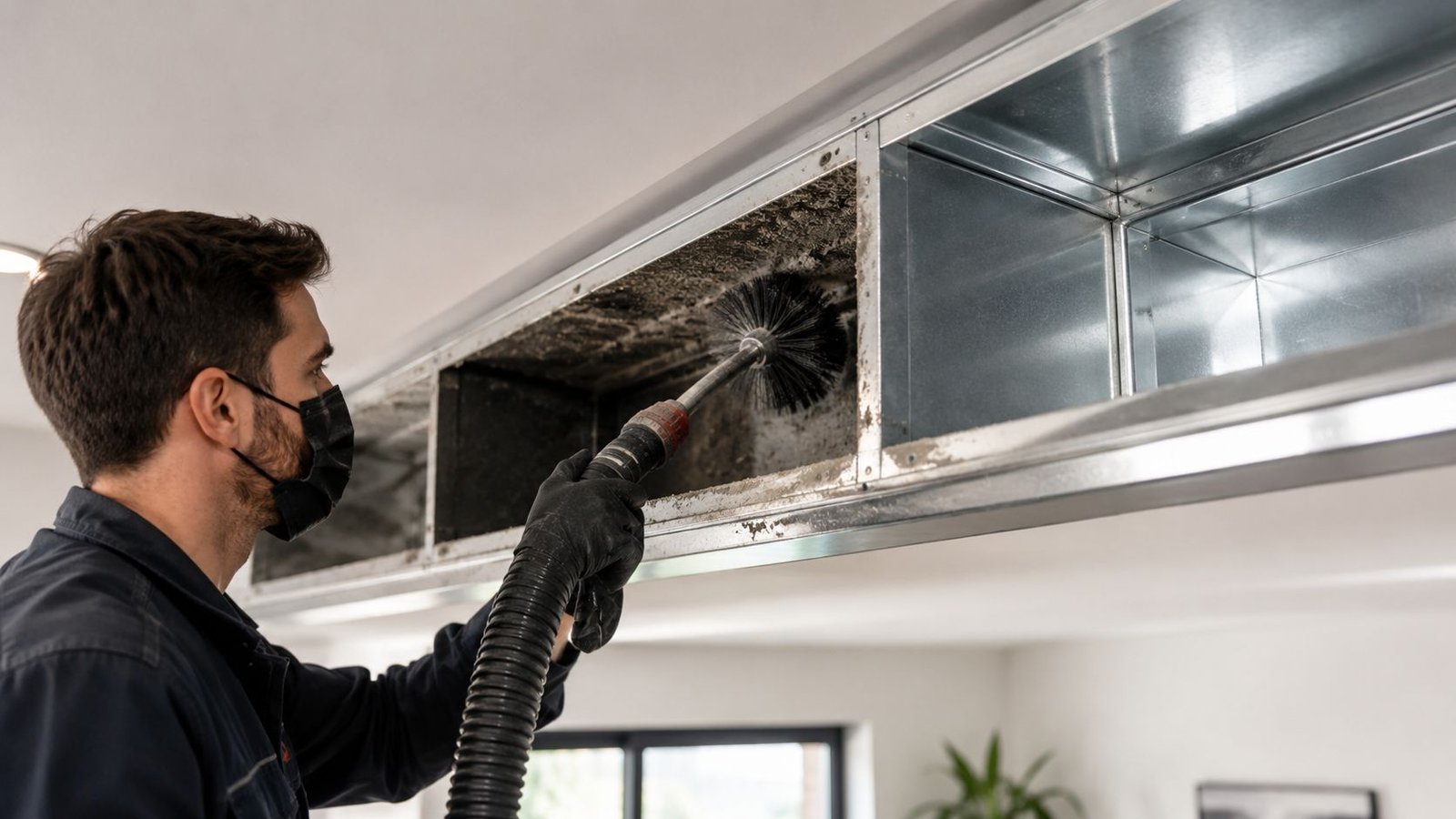
Here's a helpful visual on what contamination inside ductwork can look like in the field.
Dirty ducts aren't always the main problem. Sometimes they're the delivery system for a larger problem elsewhere in the house.
Clear Signs Your Air Ducts Need Cleaning
Duct cleaning becomes less of a maybe and more of a clear recommendation. The strongest case for cleaning is specific contamination, not routine housekeeping.
The NIH/ORS HVAC duct cleaning fact sheet states that routine duct cleaning has insufficient evidence for broad claims about health or energy savings, but it is appropriate when there's persistent water damage, visible microbial growth, or debris buildup that restricts airflow. That's the standard worth using.
The signs that matter most
If any of these conditions are present, the value of professional cleaning goes up fast:
- Visible growth around vents or inside duct interiors: If you see suspicious buildup near registers or inside accessible duct sections, the system needs inspection, not guesswork.
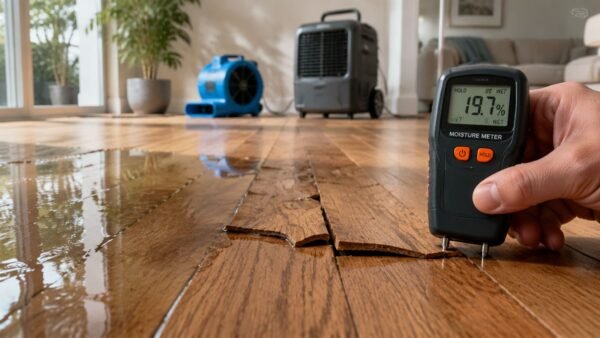
- Water history affecting the HVAC system: A roof leak, overflow, slab leak, or burst pipe can leave moisture where it doesn't belong.
- Debris blowing from vents: Dust puffs, black residue, or visible particles when the system starts are red flags.
- Pest activity: Rodent or insect contamination inside ductwork changes this from a cleaning issue to a sanitation issue.
- Post-renovation dust: Drywall dust and construction debris can get pulled into returns and distributed through the system.
- Persistent smoke odor after wildfire exposure: This is especially relevant in Los Angeles, where smoke can infiltrate homes even miles from the burn area.
Why older LA homes often need closer evaluation
A lot of homes across Los Angeles were built long before modern indoor air expectations. In older properties, it's common to find a mix of aging sheet metal, patched duct runs, flex duct additions, and long-term dust accumulation.
In our experience providing mold remediation in older Los Angeles homes, we often find that the HVAC system has cross-contaminated the property. One moisture event in one part of the home can end up affecting multiple rooms because the system keeps circulating fine debris and odor.
If mold is part of the concern, this guide on mold in air conditioning ducts is worth reading before anyone starts cleaning. Cleaning without addressing moisture first is incomplete work.
Cases where cleaning is probably not the answer
Not every symptom points to duct cleaning.
A house that feels dusty may have leaky windows, poor filtration, attic bypasses, or dirty carpets. A system that doesn't cool well may need HVAC repair, not duct cleaning. A musty smell may come from wet materials under the flooring or inside a wall cavity.
If the contamination source is still active, cleaning the ducts alone won't hold. The source has to be identified and corrected first.
That marks the dividing line. Duct cleaning works best as a targeted remediation step after the cause is known.
What a Professional Duct Cleaning Service Involves
A proper duct cleaning job is controlled, methodical, and focused on the entire air path, not just the vent covers you can see.
What the process should include
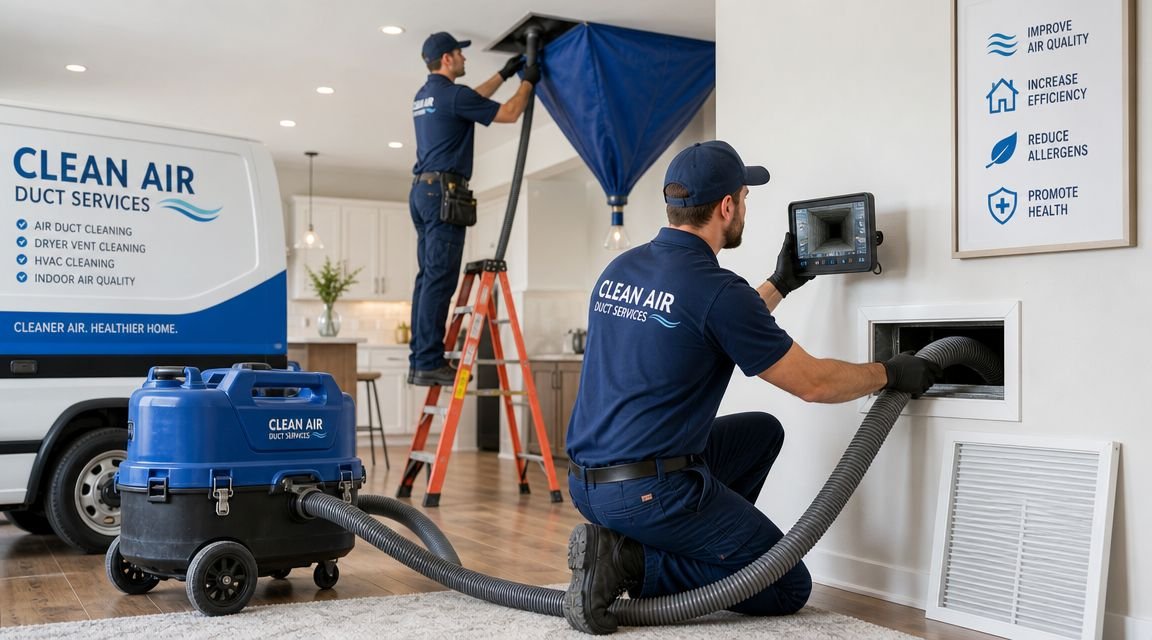
A competent crew typically starts with an inspection of the supply ducts, return ducts, registers, air handler area, and accessible mechanical components. The goal is to confirm what kind of contamination is present and whether there's any sign of moisture, damage, or disconnected sections.
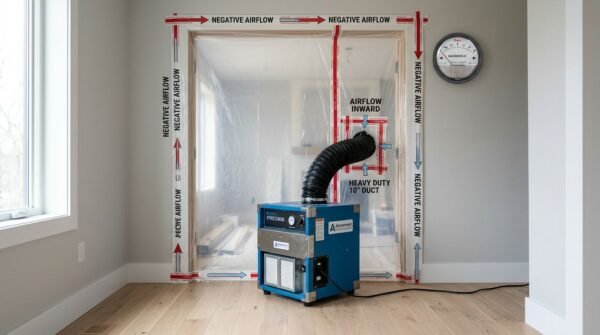
Then the crew places the system under negative pressure using professional vacuum equipment. That matters because it keeps loosened debris from blowing back into the living space. Agitation tools such as brushes, whips, or compressed-air tools are used to dislodge material from duct walls so the vacuum can capture it.
A thorough service usually includes:
- Supply and return cleaning: Both sides of the system need attention.
- Register and grille cleaning: These are cleaned, not just wiped quickly.
- Mechanical component cleaning: The blower area, coil area, and drain components may need cleaning depending on contamination.
- Containment practices: Technicians should protect floors, isolate work areas when needed, and control debris during the process.
What separates real work from a cheap coupon job
Low-cost duct cleaning offers often focus on speed, not results. If a provider spends very little time on site, doesn't inspect the system, or only vacuums around vent openings, you're not getting a full cleaning.
One of the biggest signs of a better process is whether the company understands broader air cleaning and contamination control. For homeowners dealing with post-smoke, mold, or water damage conditions, even temporary equipment like an air scrubber rental for indoor air cleanup can be part of a more complete strategy than duct cleaning alone.
A professional cleaning should leave the system cleaner without turning the house into a dust cloud during the work.
DIY Dangers and Choosing a Certified LA Professional
DIY duct cleaning sounds straightforward until someone opens a register, sticks in a shop vacuum hose, and realizes they can't reach much of the system at all. Worse, they stir up contamination without capturing it.
That's especially risky in Southern California homes with older duct layouts or fragile flex duct. Aggressive brushing can tear duct material, loosen connections, or scatter debris deeper into the system. If microbial growth is present, a DIY approach can disturb contamination without fixing the moisture problem that caused it.
Why DIY usually falls short
Most homeowners don't have the equipment needed to create proper negative pressure through the duct system. They also can't inspect hidden sections well enough to know whether they're dealing with dust, rodent contamination, water damage residue, or possible mold.
The bigger issue is misdiagnosis. A homeowner may think the ducts are the problem when the actual issue is an active roof leak, a dirty evaporator coil, a disconnected return, or contaminated insulation nearby.
How to vet a company in Los Angeles
Use a short screening checklist before booking anyone:
- Ask about certification: A company should be able to explain its training and restoration standards. If you're not sure what that means, review what IICRC certification means for restoration work.
- Ask what equipment they use: You want a real negative-pressure setup and agitation tools, not just a household vacuum attachment.
- Ask whether they clean components or only ducts: A partial job can miss the places where contamination sits.
- Ask how they handle mold or moisture findings: Cleaning shouldn't start as if every problem is just dust.
- Be wary of bait pricing: Very low teaser pricing often turns into upsells once the crew is inside the home.
In Los Angeles, where wildfire smoke, older housing stock, and hidden moisture issues are common, experience matters as much as the machine.
Frequently Asked Questions About Duct Cleaning
How much does professional duct cleaning typically cost in Los Angeles
Pricing varies by home size, duct layout, contamination level, accessibility, and whether the service includes HVAC components beyond the ducts. A simple system costs less than a large home with multiple zones, older ductwork, or contamination after smoke or water damage.
The best estimate comes after inspection. If a company gives a firm price without asking about the system or the condition, that's usually a warning sign.
How often should I have my ducts cleaned
For most homeowners, as-needed is the right standard. If there's no contamination issue, no moisture history, no pest activity, and no airflow restriction, routine cleaning may not be necessary.
If you've had wildfire smoke intrusion, a leak affecting the HVAC system, renovation dust, or visible debris coming from vents, inspection makes sense sooner.
Is the process noisy or disruptive
Yes, it can be noisy because professional vacuums and air tools are powerful. A proper crew should still keep the work controlled, protect the home, and explain what parts of the system they're accessing.
Most homeowners can stay home during the work, but you should expect equipment noise, technician movement between vents, and temporary access to HVAC areas.
If you suspect your duct system is carrying smoke residue, mold-related contamination, water damage debris, or persistent odor, contact Onsite Pro Restoration for a professional inspection in Los Angeles, CA. Their licensed, IICRC-certified team handles the larger problem, not just the symptom. Call 818-336-1800 for help.