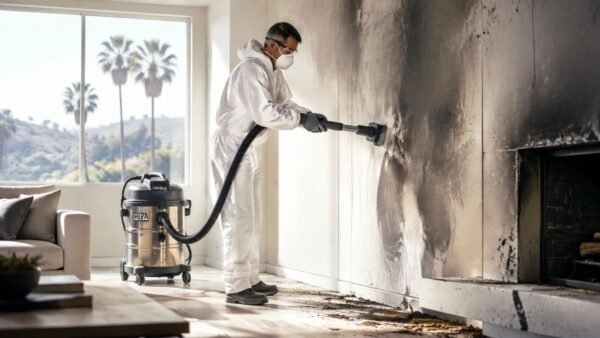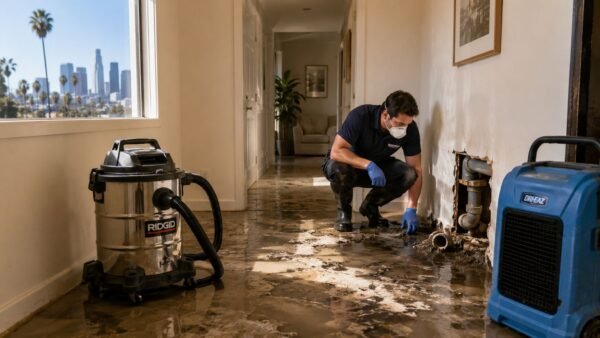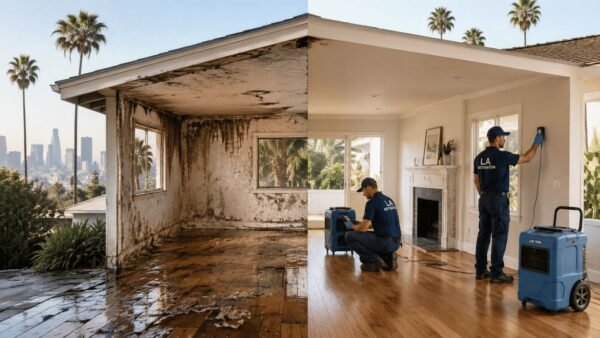

When you hear the term trauma scene cleanup, it’s natural to picture a crime scene. While that’s part of it, this essential service is much broader and more complex than most people realize. It’s the highly specialized process of cleaning, sanitizing, and fully restoring a property after a traumatic event like a violent crime, accident, or an unattended death.
This isn’t housekeeping. It’s a hazardous materials response focused on safely removing all biological contaminants—blood, bodily fluids, and other potentially infectious materials—to make a space safe and livable again. When dealing with a situation in Los Angeles County, from a warehouse accident in the Valley to an unattended death in a West Hollywood apartment, professional trauma scene cleanup is not optional—it's essential.
If you're a property owner facing this difficult situation, you don't have to handle it alone. Our certified team provides immediate, discreet, and compassionate service across Los Angeles.
Call (818) 336-1800 Now for an Immediate Response
What Is Trauma Scene Cleanup and Why Is It Essential?

After a traumatic event, the visible aftermath is often just the tip of the iceberg. The real danger lies in what you can't see. Trauma scene cleanup is the critical service that addresses these invisible hazards, ensuring a property is returned to a safe, sanitary, and livable state. It’s less like janitorial work and more like a tactical, scientific operation.
Standard cleaning methods and household chemicals are completely ineffective against dangerous bloodborne pathogens. Worse, attempting to clean a scene without proper training and Personal Protective Equipment (PPE) exposes you to serious, life-altering health risks. This is why professional intervention isn't just a good idea—it's absolutely essential for protecting anyone who enters the space, now or in the future.
Situations Requiring Professional Intervention
While crime scenes get the most attention, the need for professional biohazard remediation comes up in a surprisingly wide range of situations. For property owners, especially in densely populated areas like Los Angeles, these scenarios are more common than you might think.
- Unattended Death: When a person passes away and isn't found for days or weeks, the natural process of decomposition creates a severe biohazard environment that seeps into building materials, a situation we've handled in single-family homes in Sherman Oaks and apartment complexes in Koreatown.
- Violent Crimes and Homicides: These scenes almost always involve extensive blood and bodily fluid contamination that requires meticulous, regulated cleanup.
- Accidents and Injuries: A serious accident at home or in a business—like an industrial incident in a warehouse in Commerce—can leave behind blood and other biological materials that must be professionally removed and disposed of.
- Suicide: The emotional and physical aftermath requires a response that is not only technically proficient but also compassionate and discreet to restore the environment for those left behind.
More Than Just Cleaning
The goal of professional trauma scene cleanup is complete restoration. It's a multi-step process involving containment, deep cleaning, sanitation, and deodorization. Technicians don't just wipe down surfaces; they use EPA-approved, hospital-grade disinfectants and specialized equipment to eradicate pathogens from both porous and non-porous materials.
You can learn more about the broader field of hazardous material remediation, which provides the scientific foundation for these specialized services.
At its core, trauma scene cleanup is a public health service. It stops the spread of infectious disease, protects property value, and allows families and communities to begin the process of recovery without facing the physical and emotional burden of the cleanup itself.
Ultimately, hiring a certified team gives you peace of mind. It’s the only way to be certain that every trace of the incident—not just the visible signs, but the microscopic dangers as well—is gone for good. This professional approach is the only way to guarantee a truly safe environment after a tragedy.
The Unseen Health Risks in a Trauma Scene
After a traumatic event, what you can see is often far less dangerous than what you can’t. A trauma scene is loaded with microscopic threats that can cause severe illness or long-term health problems if they aren’t handled correctly. This is why professional trauma scene cleanup is a matter of public health, not just making a space look clean again.
The biggest danger comes from bloodborne pathogens—infectious microorganisms in human blood that can make you sick. Think of them as invisible landmines scattered across the area, posing a serious risk to anyone who walks in without the right training and gear. Even a tiny amount of biological material can be a breeding ground for dangerous viruses and bacteria.
Dangerous Pathogens That Linger on Surfaces
It surprises most people to learn just how long these pathogens can survive outside the body. They can linger for days or even weeks on common household surfaces like carpets, drywall, and countertops, creating a long-term risk long after the event is over.
Some of the most significant threats include:
- Hepatitis B (HBV): This virus is incredibly resilient. It can remain infectious on surfaces for up to a week, even in dried blood, and poses a serious risk of liver infection and chronic disease.
- Hepatitis C (HCV): Another tough one, this virus can survive on surfaces for several weeks under the right conditions. If transmitted, it can lead to serious long-term liver problems.
- Human Immunodeficiency Virus (HIV): While not as hardy as hepatitis, HIV can still stay viable in dried blood for several days, presenting a clear and immediate danger to anyone exposed.
Beyond these well-known viruses, bacteria like MRSA (Methicillin-resistant Staphylococcus aureus) can also be present, making the decontamination process even more complex. Your average household cleaners simply aren't designed to kill these biohazards. Trying to use them can create a false sense of security and may even spread contaminants by making them airborne, which makes the situation far worse.
The Problem with DIY Cleanup Attempts
Trying to clean a trauma scene yourself is not only incredibly dangerous but also emotionally devastating. The psychological weight of confronting a scene like that, especially when it involves someone you know, can be profound and lead to lasting trauma. That’s a burden no family member or property owner should ever have to carry.
On top of that, improper cleanup creates huge liability. If a future tenant or even a visitor in your Los Angeles property gets sick from pathogens left behind, the property owner could face serious legal and financial trouble. The biohazard and crime scene cleanup industry has grown into a $2.5 billion annual market for this very reason—the need for IICRC-certified professionals who know how to handle bloodborne pathogens and eliminate risks like hepatitis transmission is critical.
The greatest risk in a trauma scene is underestimation. Assuming a surface is clean just because it looks clean can have devastating consequences for your health, your family, and your legal standing as a property owner.
This is exactly why certified technicians follow such strict protocols. We treat every scene as if it contains the most dangerous pathogens possible to ensure total eradication. The risks are similar in complexity to those in other biohazard situations, like the ones addressed in professional sewage damage cleanup, where specialized knowledge is essential to prevent cross-contamination and protect people's health. Hiring a professional is the only way to be certain the job is done right.
What a Professional Trauma Scene Cleanup Actually Involves
When certified professionals arrive at a trauma scene, they don’t just grab a mop and bucket. Instead, they execute a meticulous, multi-phase process designed to contain hazards, eradicate pathogens, and restore the property to a safe, livable condition. This methodical approach to trauma scene cleanup is what separates a certified expert from a standard cleaning service—it’s about eliminating every microscopic threat, seen and unseen.
The entire process is built on science, safety, and strict regulatory protocols. Each step serves a critical purpose, from protecting the technicians themselves to guaranteeing the long-term safety of anyone who enters the property later.
Site Assessment and Safety Protocols
The very first step is never cleaning; it’s assessment. Our technicians conduct a thorough evaluation of the scene as soon as they arrive. They identify the scope of contamination, locate all affected areas (including those that are hidden), and determine the specific biohazards present.
This initial walkthrough dictates the entire strategy. Based on what they find, our team establishes a containment zone. They use plastic sheeting and negative air pressure systems to prevent cross-contamination to other parts of the property. Think of it like creating a secure, isolated "operating room" right inside the home or business.
For anyone tackling trauma scene cleanup, knowing how to use personal protective equipment the right way is non-negotiable. Our teams don full-face respirators, biohazard suits, and multiple layers of gloves, creating an impermeable barrier against dangerous pathogens.
Professional Cleanup vs. DIY Attempts: A Safety Comparison
| Aspect | Professional Trauma Cleanup (IICRC-Certified) | DIY Cleanup Attempt |
|---|---|---|
| Equipment | Full PPE (respirators, bio-suits), EPA-registered disinfectants, specialized tools. | Household gloves, bleach, paper towels, regular cleaning supplies. |
| Safety | Technicians are trained in bloodborne pathogen safety and cross-contamination prevention. | High risk of exposure to HIV, Hepatitis, and other pathogens. Contamination can easily spread. |
| Efficacy | Scientific methods (ATP testing) verify sanitization. All hidden and porous materials are addressed. | Surface cleaning only. Hidden moisture and bio-material are missed, leading to odor and bacteria growth. |
| Disposal | Biohazardous waste is legally transported and incinerated by licensed carriers. | Improper, illegal disposal in regular trash poses a serious public health risk. |
| Outcome | Property is verifiably safe and restored. Full peace of mind for occupants. | Lingering odors, persistent health hazards, and potential for structural damage from missed contamination. |
As the table shows, the differences are stark. Attempting this work without proper training and equipment doesn't just fall short—it creates significant, lasting risks.
Biohazard Removal and Disposal
Once the site is secured, the physical removal of all biological material begins. This includes blood, bodily fluids, and any items that have been contaminated, such as carpeting, furniture, drywall, and personal belongings. Porous items that can’t be decontaminated, like a mattress or sofa, are carefully cut out, sealed in specially marked biohazard containers, and prepared for lawful disposal.
All biohazardous waste is handled according to strict local, state, and federal regulations. It is transported by a licensed carrier to an approved facility for incineration, ensuring it never poses a threat to public health or the environment.
This isn't just about what you can see. Time is a critical factor.

As the infographic shows, what starts as a surface issue quickly multiplies into a microbial hazard. This is precisely why swift, professional intervention is so crucial.
Deep Cleaning and Disinfection
With the bulk biohazards gone, the real deep cleaning can start. This phase targets the microscopic threats left behind. Technicians use a multi-step process with proprietary cleaning agents that break down any remaining biological residue.
After cleaning, the area is treated with EPA-registered, hospital-grade disinfectants. These are powerful chemical agents formulated to kill a broad spectrum of pathogens, including HIV, Hepatitis B and C, and resilient bacteria like MRSA. The application is methodical, ensuring every square inch of the affected zone—from subflooring to ceiling fixtures—is fully sanitized.
Deodorization and Final Restoration
The final stage tackles lingering odors and gets the space ready for any necessary repairs. Unpleasant odors are often caused by microscopic organic particles that have soaked into porous materials.
To eliminate them, we use advanced deodorization techniques:
- Ozone Generators: These machines release ozone (O₃), a powerful oxidizing agent that breaks down odor-causing molecules at their source.
- Thermal Fogging: This process disperses a fine mist of deodorizing agents that penetrates deep into materials, just like the odor did in the first place.
After deodorization, we conduct a final inspection and use ATP (adenosine triphosphate) testing. This scientific method measures for any remaining biological matter, giving us verifiable proof that the area is clean and safe. Once confirmed, we can coordinate any necessary repairs, like replacing drywall or flooring, to complete the https://onsitepro.org/onsite-restoration/ and return the property to its pre-loss condition.
Navigating Legal and Regulatory Requirements
When you're dealing with the aftermath of a traumatic event in Los Angeles, the last thing you need is a legal nightmare piled on top of everything else. That's why it's so important to understand the laws that govern trauma scene cleanup. This isn't the Wild West; it’s a highly regulated field designed to protect public health, keep workers safe, and shield property owners from serious liability.
Trying to cut corners can lead to heavy fines and legal trouble. This is exactly why hiring a certified company isn't just a good idea—it’s the only way to ensure you're fully compliant and protected, both legally and financially. While the regulations are complex, they really come down to a few key areas every property owner should know.
OSHA and Worker Safety Standards
The main federal agency in charge here is the Occupational Safety and Health Administration, or OSHA. Their most critical rule for this work is the Bloodborne Pathogens Standard (29 CFR 1910.1030). This standard lays out exactly how employers must protect their teams from exposure to blood and other potentially infectious materials.
Think of it as the official safety playbook for anyone performing trauma scene cleanup. It dictates everything from the specific Personal Protective Equipment (PPE) technicians must wear to the intensive training they have to complete.
Here are some of the key OSHA requirements:
- Exposure Control Plan: Every certified company is required to have a detailed, written plan that outlines exactly how they minimize or eliminate their team's exposure to biohazards.
- Mandatory Training: Technicians can't just show up and start working. They must receive annual training on bloodborne pathogens and safe work practices.
- Hepatitis B Vaccination: Employers must offer the full Hepatitis B vaccine series to any employee who might be exposed to biohazards on the job.
- Proper PPE: At all times, workers must use the right gear for the job. This includes full biohazard suits, respirators, and multiple layers of specialized gloves.
When you hire a certified company, you're not just hiring their cleanup skills; you're hiring their commitment to these rules. An untrained person trying to handle a cleanup not only puts themselves in grave danger but also violates these federal standards, which can create significant liability for the property owner who allowed it to happen.
State and Local Waste Disposal Regulations
Once biohazardous materials are collected and contained, you can't just toss them in the dumpster. California has very strict laws for how "regulated medical waste" must be handled, transported, and ultimately destroyed. These rules are enforced by state and local agencies like the California Department of Public Health (CDPH) and the Environmental Protection Agency (EPA).
The process is methodical and tracked from start to finish:
- First, all contaminated materials are carefully sealed inside leak-proof, clearly labeled biohazard containers.
- Next, a manifest document is created to track the waste from your property all the way to its final destination. It's like a chain of custody for biohazards.
- The waste must then be transported by a carrier officially licensed to handle biohazardous materials.
- Finally, it's delivered to a designated facility where it is completely destroyed, usually through incineration.
Proper disposal is non-negotiable. Illegally dumping biohazardous waste can bring severe penalties, including steep fines and even criminal charges. This entire framework is in place to make sure that the contaminants from a trauma scene never pose a risk to the community or the environment.
This need for strict, professional compliance is precisely why the industry is growing. The global crime scene cleaning services market was valued at US$72.3 million in 2023 and is projected to keep expanding, driven by tough OSHA regulations and the increasing demand for certified response teams. You can read the full market report to learn more about the industry’s growth and the standards that are shaping it.
Understanding Cleanup Costs and Insurance Coverage
After a traumatic event, the last thing anyone wants to think about is money. You're dealing with immense emotional and logistical stress, and the cost of making your home safe again shouldn't add to that burden. The good news is, in most cases, it doesn't have to.
The majority of homeowners and commercial property insurance policies cover professional trauma scene cleanup. A certified restoration company does more than just the physical work—we become your ally, helping you manage the financial side of things so you can focus on what truly matters.
Facing cleanup costs? Let us help. We work directly with all insurance carriers to streamline your claim and minimize your out-of-pocket expenses.
Factors That Determine Cleanup Costs
There’s no "one-size-fits-all" price for trauma cleanup. The cost is highly specific to the scene, much like a medical procedure depends on the complexity of the situation. It’s all about what’s required to make the property fully and safely restored.
The final cost comes down to a few key variables:
- Scope of Contamination: How large is the affected area? Did the contamination spread from a single room to other parts of the property, or even different levels?
- Type of Materials Affected: Cleaning non-porous surfaces like tile is straightforward. But when porous materials like drywall, carpet, or subflooring are involved, they often need to be completely removed and replaced.
- Time and Duration: The longer a scene sits unattended, the more severe the contamination becomes. This directly impacts the amount of labor and resources needed to remediate the damage.
- Level of Structural Damage: If building materials like flooring, drywall, or studs must be cut out and removed, the cost will include that demolition and proper disposal.
Because every situation is unique, a reputable company like Onsite Pro Restoration will always begin with a free, no-obligation onsite assessment. This allows us to give you a detailed, transparent estimate before any work begins.
How Insurance Covers Trauma Scene Cleanup
Here’s the part that brings most homeowners relief: trauma scene cleanup is almost always considered a necessary part of restoring property damage. It’s not some special "add-on" but a fundamental service needed to return your home to a safe, livable condition.
To get started, it’s helpful to have a basic understanding of insurance benefits. Your policy is there to protect you from unexpected events that damage your property, and biohazard contamination is a perfect example of that. You can also review our guide on how to read your homeowners insurance policy to get a better handle on your specific coverages.
Key Takeaway: Never assume you have to pay for this service out of pocket. In the vast majority of cases, the cost is a covered peril. An experienced restoration team can talk directly with your insurance adjuster to confirm coverage and get the cleanup process approved and started immediately.
The trauma cleaning industry is growing, with projections showing a 6.6% CAGR from 2025 to 2031, largely due to stricter regulatory standards. In the U.S., the insurance system typically covers between 80-100% of cleanup costs for policyholders. This is why working with licensed professionals is so important—it ensures compliance and helps us get quick approvals from your insurer.
Navigating the Insurance Claims Process
Working with an experienced trauma cleanup company makes the claims process incredibly simple for you. We know what insurance carriers need, and we document everything meticulously from the moment we arrive.
Our role is to act as your advocate:
- Providing Detailed Documentation: We give your insurance carrier everything they need—comprehensive reports, photos, and moisture readings—to justify the scope of our work.
- Direct Communication with Adjusters: We speak the language of insurance. We'll communicate directly with your adjuster to explain the necessary steps and get your claim approved quickly.
- Billing Directly to Insurance: Whenever possible, we bill your insurance company directly. This minimizes your upfront financial burden and out-of-pocket expenses.
This partnership ensures your claim is handled correctly and efficiently, freeing you to focus on your family and your own well-being.
Why You Should Always Hire a Certified Professional

After a traumatic event, deciding who handles the cleanup is one of the most critical choices you'll make. This isn't just about cleaning; it’s a decision that directly impacts the safety of your property, the health of your family, and your own emotional recovery. The gap between a certified professional and an untrained person isn't just a matter of quality—it's one of profound consequence.
Imagine this: a well-meaning but untrained individual tries to manage a trauma scene cleanup. They grab some household bleach and scrub the visible stains, but they don't have the right protective gear or equipment. Meanwhile, unseen pathogens are seeping deeper into the subfloor, and aerosolized contaminants get pulled into the HVAC system. The area might look clean, but it's become a hidden health hazard, leaving behind odors and putting everyone who enters at risk.
Now, contrast that with a professional response. A certified team arrives, immediately contains the affected area, and systematically removes all biohazards according to strict, established protocols. They use scientific testing to verify that the area is sanitized and work with the discretion and compassion the situation demands. The result is a space that isn't just visibly clean, but verifiably safe.
The Non-Negotiable Qualifications
Choosing the right team boils down to one thing: verifying their credentials. True professionals are defined by their qualifications, which guarantee they have the expertise to handle this work safely and correctly. These aren't just suggestions; they are absolute must-haves for anyone you entrust with such sensitive work.
Key qualifications include:
- IICRC Certification: The Institute of Inspection, Cleaning and Restoration Certification (IICRC) is the gold standard in our industry. This certification proves a technician has completed rigorous training in biohazard remediation and follows established protocols.
- Adherence to Regulations: A professional company operates in full compliance with all OSHA, EPA, and California state laws for handling and disposing of biohazardous waste. This is what protects you from legal liability down the road.
- Proper Insurance: Any legitimate company will carry comprehensive liability and workers' compensation insurance. This is your safeguard from financial risk in the unlikely event of an accident on your property.
- Experience with Insurance Carriers: A seasoned team knows exactly how to document the loss and communicate directly with insurance adjusters, making your claims process as smooth and stress-free as possible.
Protecting Your Health, Property, and Peace of Mind
Ultimately, hiring a certified team for trauma scene cleanup is an investment in certainty. It ensures that the physical reminders of a tragedy are completely and safely removed, allowing you and your family to begin the emotional healing process without the added burden of cleanup or the fear of lingering hazards. It also protects your property's value by making sure the job is done right the first time, preventing long-term issues like structural damage or persistent odors.
Choosing a professional is a crucial decision to protect the health of your family, the value of your property, and your own peace of mind. It turns a moment of crisis into a managed process of restoration, led by experts who bring both technical skill and genuine compassion.
When you need an expert, finding a team that meets all these criteria is paramount. For those looking for more insight into what defines a top-tier service, our guide to finding a true restoration pro can help you make an informed choice. Your safety is too important to leave to chance.
Frequently Asked Questions About Trauma Scene Cleanup
Q: What should I do immediately after a traumatic event at my property?
A: Your first priority is safety. Ensure the property is vacated by anyone not authorized by law enforcement. Do not touch or attempt to clean anything. Once police have released the scene, call a certified trauma scene cleanup company immediately. The sooner professionals can assess the situation, the better.
Q: How long does a trauma scene cleanup take?
A: The duration depends entirely on the situation's complexity. A small-scale incident might take a few hours, while a more extensive scene, such as an unattended death that has gone undiscovered for some time, could take several days to fully remediate, decontaminate, and deodorize. We provide a clear timeline after our initial onsite assessment.
Q: Will my homeowners insurance cover the cost of trauma scene cleanup?
A: In most cases, yes. The majority of homeowners and commercial property insurance policies cover the cost of professional trauma scene cleanup because it's considered necessary to restore the property to a safe and livable condition. We can communicate directly with your insurance provider to help expedite your claim.
Q: Is the cleanup process discreet?
A: Absolutely. We understand the sensitive and private nature of these situations. Our teams arrive in unmarked vehicles and conduct their work with the utmost professionalism and discretion to protect your family's privacy from neighbors or public attention.
Q: Can you really get rid of the odor?
A: Yes. Odor is a primary concern, especially in cases of unattended death. We use a multi-step process that includes removing the source material, deep cleaning with specialized enzymatic agents, and employing advanced deodorization technology like ozone generators and thermal foggers to permanently eliminate odors from the structure.
Q: What if I'm a property manager? What are my legal obligations?
A: As a property manager or landlord in California, you have a legal duty to provide a safe and habitable environment for your tenants. Attempting a DIY cleanup or hiring an uncertified service exposes you to significant liability if contamination remains. Hiring a certified company like ours ensures you meet your legal obligations and provides documentation that the property is verifiably safe.
If you're in a difficult situation and need immediate, professional help, Onsite Pro Restoration is here for you. Our IICRC-certified technicians are ready to restore your property with the safety and discretion you deserve.