
Pulling back the shower curtain to find murky, brown water filling your tub is a jarring sight for any Los Angeles homeowner. That clean, white basin is suddenly anything but. Your mind immediately starts racing—is this a health hazard? Are my pipes about to burst? Understanding the cause of brown water in tub is the first step.
Most of the time, the culprit is rust, sediment, or minerals like iron that have been stirred up somewhere along the line. It could be something as simple as city maintenance down the street in Glendale, or it could be a sign of a failing water heater in your Beverly Hills home. The key is to stay calm and play detective. The color and source of the water tell a story, helping you figure out if this is a minor headache or a major emergency.
First thing's first: don't use the water. No bathing, cooking, or laundry until you know what you're dealing with.
What to Do When You First See Brown Water
Your initial goal is to isolate where the problem is coming from. A few simple checks can give you a massive clue.
Start by walking over to a different sink—your kitchen faucet is a great choice—and turn on only the cold water. Let it run for a minute. If that water is perfectly clear, the issue is almost certainly limited to your hot water system. But if that sink also spits out brown water, the problem is bigger, affecting your entire home or even coming from the municipal supply itself.
This simple test is the fork in the road for your diagnosis.
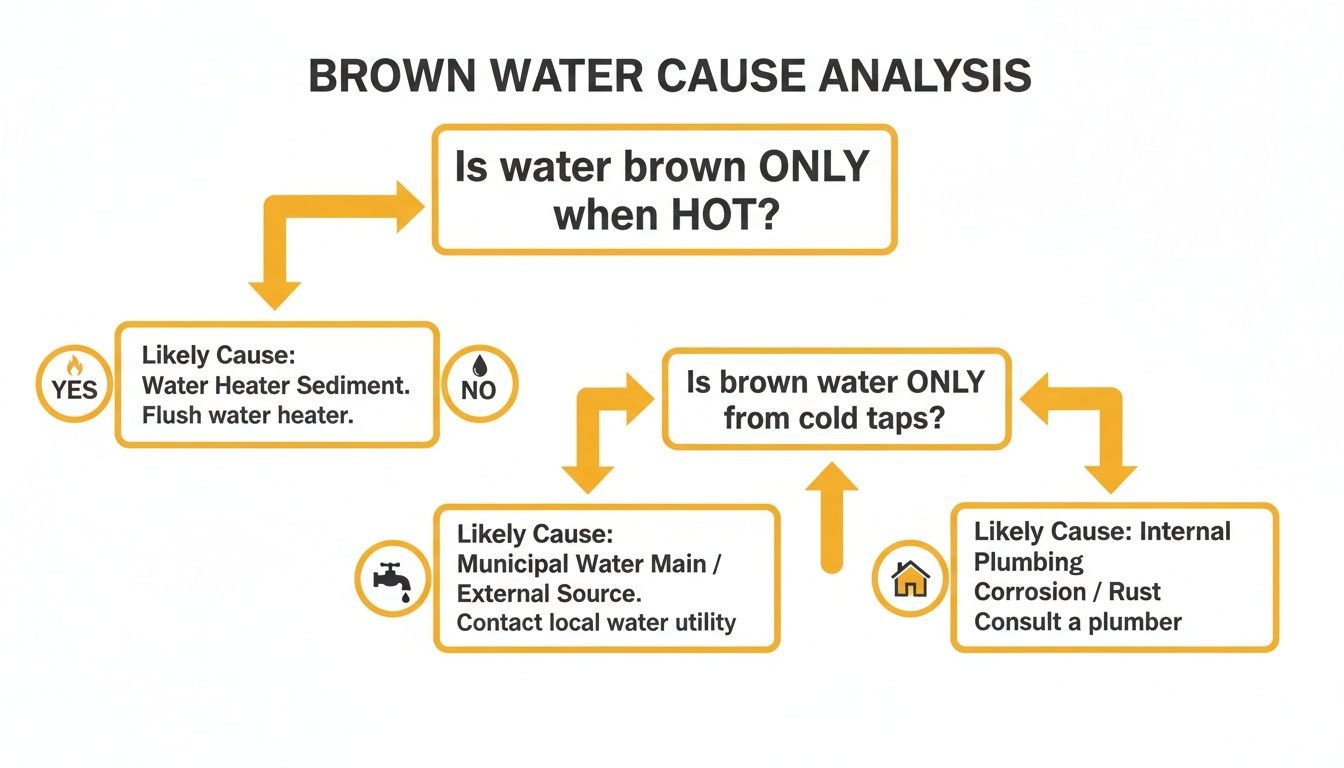
As the chart shows, if only the hot water is discolored, your water heater is the prime suspect. If both hot and cold taps are running brown, the issue is further down the line.
To make this even easier, here's a quick checklist to help you narrow down the source based on what you're seeing.
Quick Diagnosis Checklist for Brown Bathtub Water
Use this table to quickly identify the potential source of your brown water problem based on common symptoms.
| Symptom | Likely Cause | Recommended First Step |
|---|---|---|
| Only hot water is brown | Water Heater Sediment/Corrosion | Drain and flush your water heater. |
| All faucets have brown water (hot & cold) | Main Water Line Issue or City Work | Check with neighbors or the local water authority. |
| Water is brown only in the morning | Corroded Pipes (rust settled overnight) | Run the taps for a few minutes until the water clears. |
| Water turns brown after a period of non-use | Sediment in Pipes | Let the water run to flush out the loosened particles. |
This checklist gives you a solid starting point for your investigation and helps you decide on the right next move without jumping to conclusions.
When to Take Immediate Action
Sometimes, brown water is a symptom of something much more urgent. You need to act fast if you see these red flags:
- A sudden, dramatic drop in water pressure
- Strange gurgling or banging noises coming from your pipes
- New water stains appearing on walls or ceilings
These are classic signs of a burst pipe or a serious leak. This is no longer a DIY diagnosis—it's an emergency.
Every homeowner should know exactly where to find the main water shut off for their property. Being able to kill the water supply in seconds can be the difference between a manageable repair and a catastrophic flood that causes thousands in damages. If you suspect a major leak, shutting off that valve should be your very first move.
Once the water is off, your next call should be to an emergency water damage restoration company. For situations like these, a 24/7 team like Onsite Pro Restoration is built to handle the immediate response needed to prevent further damage.
Common Culprits Behind Brown Water in Your Tub
To solve the mystery of brown water in your tub, you first have to figure out where it's coming from. The problem could start miles away from your Los Angeles home or right inside your own walls. Knowing the usual suspects helps you diagnose the issue faster and take the right steps.
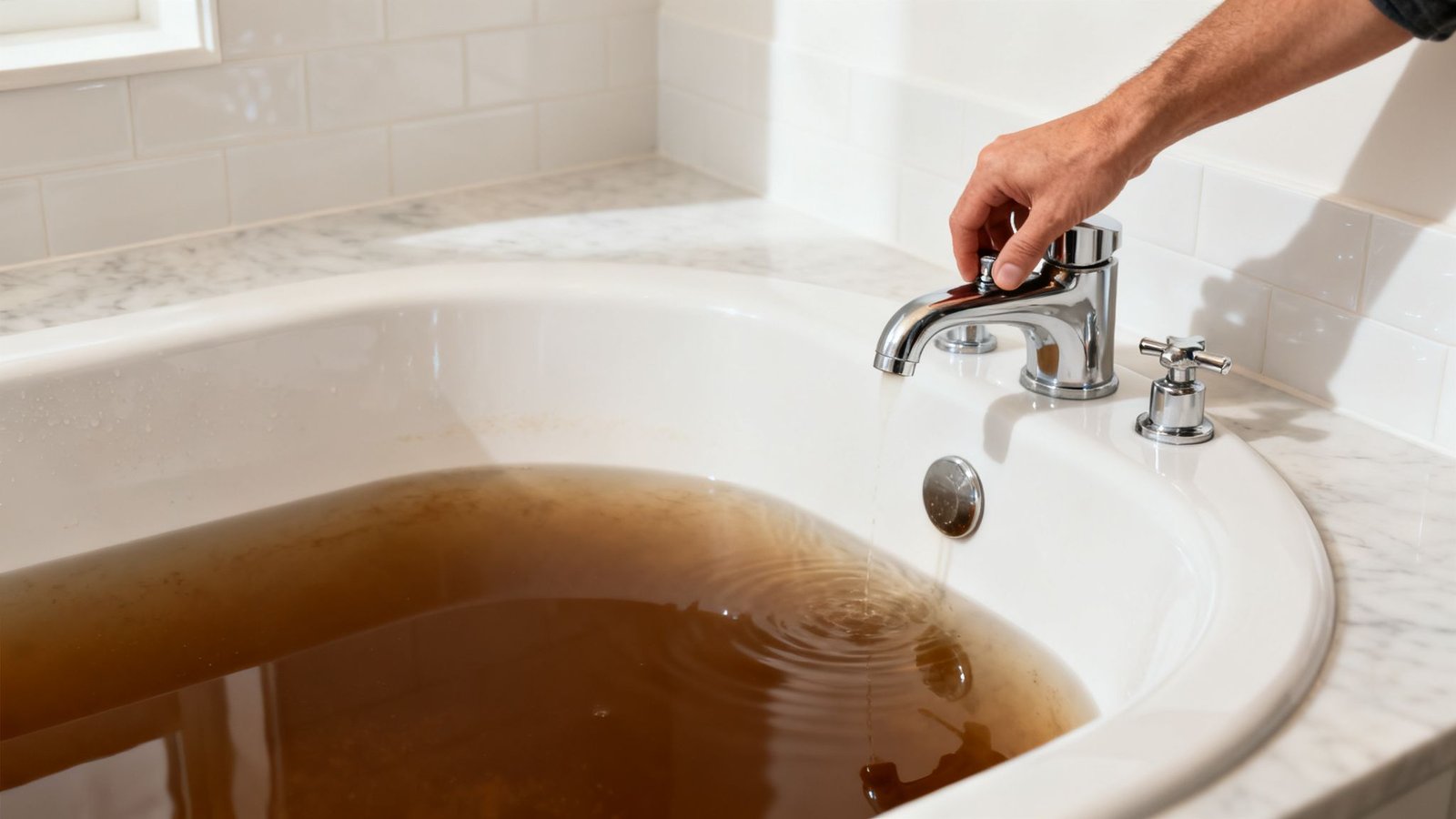
Often, the cause is temporary and harmless. City-wide maintenance can stir up trouble without anyone ever setting foot on your property.
Municipal Water Main Work
Public water mains, especially the older ones, naturally collect sediment over time. When the Los Angeles Department of Water and Power (LADWP) does routine flushing, repairs a main break, or even when firefighters tap a nearby hydrant, the sudden change in pressure can kick up all that settled gunk.
This rush of particles flows right through the system and into your home, giving you temporarily discolored water. If your neighbors in Sherman Oaks are seeing it too, this is almost certainly the reason.
Aging Galvanized Pipes and Rust
If the brown water is a "just you" problem—especially in an older home in a historic neighborhood like West Hollywood or Pasadena—your own plumbing might be the culprit. Many homes built before the 1960s were put together with galvanized steel pipes.
Over decades, the protective zinc coating on these pipes wears thin, exposing the steel to water and letting it rust from the inside out. Think of it like plaque building up in an artery; rust particles break off and travel with the water, creating that distinct brown or reddish-orange tint. This is often most noticeable first thing in the morning after water has been sitting in the pipes all night.
Key Insight: If brown water comes out of every faucet in your home but clears up after running for a few minutes, corroding galvanized pipes are a strong possibility. It’s not an immediate emergency, but it's a loud-and-clear sign your plumbing is on its last legs.
Sediment Buildup in Your Water Heater
What if the brown water only shows up when you turn on the hot tap? In that case, the prime suspect is your water heater. Over time, minerals and sediment from the water supply settle and build up at the bottom of the tank.
This sludge can lead to rust and corrosion inside the tank. When you call for hot water, you're stirring up all that rusty sediment and sending it straight to your tub. Draining and flushing the water heater often solves this, but if the corrosion is bad, it might be time for a replacement.
Natural Minerals Like Iron and Manganese
Even with perfect pipes, the water itself can be the source. Groundwater can naturally have high concentrations of minerals like iron and manganese.
- Iron: This gives water a reddish-brown, rusty color and a metallic taste. It’s notorious for leaving stubborn stains on your bathtub and laundry.
- Manganese: This creates a darker brown or even blackish tint and can leave behind greasy-feeling black stains.
While these minerals aren't typically a health hazard, they are a nuisance that can damage fixtures and appliances over the long haul.
Sewer Line Backups: A Critical Emergency
This is the most serious—and most hazardous—cause of brown water. A blockage in your main sewer line can force raw sewage to back up through your home's drains, including your bathtub. The water won't just be brown; it will be murky, smell foul, and may contain solid waste.
This is a Category 3 water contamination event, a severe biohazard that requires immediate professional help. If you even suspect a sewer backup, stop using all your plumbing right away. You'll need an emergency restoration company to safely clean, disinfect, and restore the area. Trying to figure out how to clean out a sewer line is a job that should only be handled by certified professionals.
The damage restoration industry is growing fast to meet these challenges. The US market is projected to hit $7.1 billion in 2025, driven by events like LA’s intense El Niño rains and seismic activity that puts a strain on aging pipes. This trend highlights the growing need for expert emergency response to keep small problems from turning into major disasters.
Understanding the Health and Property Risks
Finding brown water in your tub is more than just an ugly surprise; it's a clear signal that something is wrong. While some causes are fairly minor, others can put your family’s health and your home's structure at serious risk. The first step is figuring out if you're dealing with a simple stain-maker or a genuine hazard.
Not all brown water is the same. If it’s just from old, rusty galvanized pipes, the biggest issue is usually high iron levels. It’s annoying—it can stain your tub and your laundry—but it's mostly a nuisance. That all changes, however, if the source is a sewer backup.
The Hidden Health Hazards
When contaminated water gets into your home, it brings a whole mess of invisible dangers with it. This is especially true for sewer backflows, which push dangerous pathogens right into your living space.
- Bacterial Contamination: Water from a sewer line is loaded with nasty bacteria like E. coli, Salmonella, and Legionella. Any exposure can lead to serious gut illnesses, skin infections, or respiratory problems.
- Viral Threats: On top of bacteria, sewage can carry viruses like norovirus and rotavirus. These are incredibly contagious and can cause major health issues, particularly for kids, the elderly, or anyone with a weakened immune system.
- Parasites and Pathogens: Microscopic parasites like Giardia and Cryptosporidium can also be swimming in that water, leading to long, miserable illnesses if you're exposed.
This kind of contamination is a serious biohazard. You can get the full picture by reading our guide on what is Category 3 water damage. Trying to clean this up yourself without the right protective gear and professional-grade antimicrobial treatments is a huge risk.
Protecting Your Property From Lasting Damage
Beyond the immediate health threat, brown water often points to a problem that’s actively damaging your property. Water damage is progressive—the longer it sits, the worse it gets, leading to some seriously expensive and complicated repairs down the road.
The global market for water damage restoration is expected to hit USD 6.036 billion by 2031 for a reason. Water damage strikes one out of every 50 insured homes each year, and the average claim often tops $10,000. Acting fast with professional help is the only way to keep those costs down and protect your investment.
But the biggest long-term threat from any kind of water intrusion is mold.
Critical Timeline: Mold growth can start in as little as 24 to 48 hours after a surface gets wet. A slow, hidden leak from a corroding pipe behind a wall creates the perfect dark, damp breeding ground for mold to flourish long before you ever see a single spot.
Once mold takes hold, it pumps spores into the air that trigger allergies, asthma attacks, and other breathing issues. It's smart to learn how to prevent mold in your home to keep both your property and your family safe.
A sudden pipe burst can flood a bathroom in minutes, soaking the drywall, flooring, and the subfloor underneath. This is an emergency that demands immediate water extraction and structural drying to stop permanent damage in its tracks. This is exactly when you need to call in the pros. The IICRC-certified technicians at Onsite Pro Restoration are experts in safe biohazard cleanup, water removal, and mold prevention, making sure your Los Angeles home is brought back to a safe and healthy state.
A Step-by-Step Guide for Homeowners
Seeing your tub fill up with murky brown water is jarring. But before you panic, a few quick, methodical checks can tell you almost everything you need to know. Taking the right steps in these first few moments can save you a ton of stress, time, and money on repairs you might not even need. The goal here is to gather intel safely and figure out what’s going on.
First things first: your top priority is safety. Don't use that water for anything—no drinking, cooking, or bathing—until you know the source. It’s a simple precaution that keeps your family safe while you play detective.
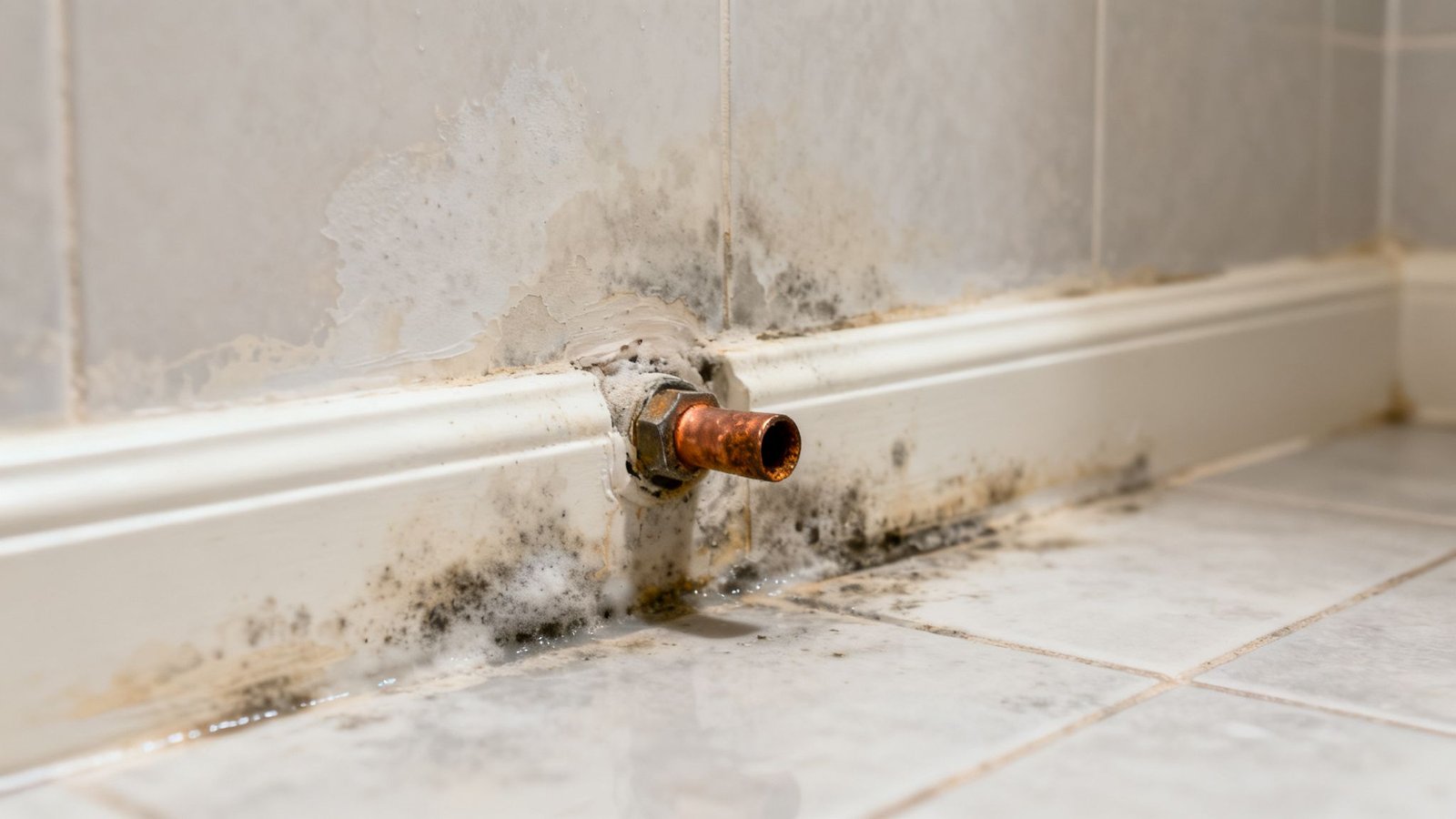
Initial Diagnostic Checks
Your mission is to figure out if this problem is stuck in one bathroom, hiding somewhere in your home’s plumbing, or coming from the city’s main supply. These steps will help you pinpoint the cause of the brown water in your tub.
Check Another Faucet: Walk over to a sink in another part of the house, like your kitchen. Turn on the cold water only and let it run for about a minute.
- What It Means: If the water runs perfectly clear, the issue is likely isolated to the bathtub's plumbing or—more commonly—your hot water system. If that cold water is also brown, the problem is affecting your entire house.
Test the Hot Water: If the cold water was clear, stay at the kitchen sink and now run only the hot water.
- What It Means: If the hot water comes out brown, you've almost certainly found your culprit: the water heater. It’s a classic sign that rust and sediment have built up in the tank.
Ask a Neighbor: Is both your hot and cold water brown? This might be bigger than just your property. Pop next door and ask your neighbor if they're seeing the same thing.
- What It Means: If their water is discolored too, the problem is likely municipal. It could be from recent maintenance, a water main break, or even firefighters using a nearby hydrant, which kicks up sediment in the city pipes.
Homeowner Tip: Document everything. Snap a quick photo or video of the brown water on your phone. Jot down the time you first noticed it and which faucets are affected. This kind of information is gold when you talk to a professional.
When DIY Stops and Professional Help Begins
These initial checks give you powerful information. Running a faucet or checking with a neighbor are simple, safe ways to diagnose the problem. But there's a clear line you shouldn't cross.
You need to call for professional help immediately if you notice any of these red flags:
- A major drop in your water pressure.
- The water has a foul smell, which could point to a sewer backup.
- You see physical signs of water damage, like stains spreading on your ceilings or walls.
Trying to fix corroded pipes, service a water heater without the right experience, or handle potentially contaminated water is a recipe for disaster. It can be dangerous and often leads to much more expensive damage. If your detective work points to a serious issue, it's time to call in the experts. For situations involving major leaks or contamination, understanding the emergency water cleanup process is key to protecting your home.
Plumber vs. Restoration Company: Who Should You Call?
When you find brown water in your tub, the first wave of confusion is often followed by a second, more practical question: who do I even call for this? It’s a common dilemma for homeowners. Do you need someone to fix the pipe, or someone to clean up the mess the water caused?
The answer all comes down to one simple thing: whether the water is contained or has already escaped.
Think of it like this: a plumber is the mechanic for your home’s circulatory system—the pipes. A restoration company, like Onsite Pro Restoration, is the emergency response team you call when that system fails and starts damaging the house itself.
The Plumber: Your First Call for Contained Issues
A licensed plumber is your expert for anything happening inside the plumbing system. Their job is to find the source of the problem and fix it, making sure water flows cleanly and, most importantly, stays where it's supposed to.
You should call a plumber when:
- The brown water is only coming from the hot water tap. This almost always points to an issue with your water heater, a job squarely in a plumber's wheelhouse.
- You suspect your home has old, rusty galvanized pipes. A plumber can assess their condition and talk you through your options, from a simple repair to a full repipe.
- The problem is a clog or a small, contained leak. If you've got a slow drip under a sink or a toilet that's acting up, a plumber has the tools to get it sorted.
Basically, if the water—brown or not—is still confined to your faucets, drains, and pipes, a plumber is who you need to stop the problem at its source.
Onsite Pro Restoration: Your 24/7 Emergency Response
The moment water gets out of the plumbing system and starts soaking into your home, the situation changes. It's no longer just a plumbing problem; it's a water damage emergency that demands a totally different set of skills and equipment.
This is when you call an IICRC-certified restoration company like Onsite Pro Restoration. Our entire focus is on handling the consequences of water damage—mitigating further harm and restoring your property to how it was before the incident. We’re the specialists for the cleanup and repair of the home itself.
You need to call us when:
- A pipe has burst and is flooding your bathroom. We bring in powerful extraction equipment to get the standing water out immediately, preventing it from saturating your subfloor and walls.
- You've had a sewer backup. This is a serious biohazard. Our team uses specialized protective gear and antimicrobial treatments to safely clean, sanitize, and deodorize the entire area.
- You see water stains on your walls or ceiling. This is a clear sign that a hidden leak has already caused damage. We use moisture detection tools to find the wet spots and start the structural drying process to stop mold before it starts.
Crucial Distinction: A plumber fixes the pipe. A restoration company fixes the house. If a burst pipe soaks your drywall, the plumber stops the leak, but we're the ones who dry out, repair, and restore the wall.
Plumber vs. Restoration Expert: Who to Call for Your Water Issue
Still not sure? This table breaks it down. Understanding the key differences ensures you call the right professional for your specific situation, saving you time and money.
| Scenario | Call a Plumber | Call Onsite Pro Restoration |
|---|---|---|
| Brown water only in the tub | ✔ Yes, to diagnose the plumbing source. | ✘ No, unless the tub has overflowed and soaked the floor. |
| Burst pipe actively flooding | ✔ Yes, to shut off the water and repair the pipe. | ✔ Yes, immediately for water extraction and drying. |
| Sewer line is backed up | ✔ Yes, to clear the main line clog. | ✔ Yes, for biohazard cleanup, sanitation, and odor removal. |
| Water heater is leaking | ✔ Yes, to repair or replace the unit. | ✔ Yes, if water has damaged the surrounding floor or walls. |
| Water stains on the ceiling | ✔ Yes, to find and fix the hidden leak. | ✔ Yes, to dry the structure and repair the ceiling. |
| Musty smell after a small leak | ✘ No, this is now a potential mold issue. | ✔ Yes, for moisture detection and mold inspection/remediation. |
In many emergencies, like a burst pipe, you'll actually need both. A plumber stops the source, and we handle the immediate aftermath and total restoration.
The Damage Restoration Services industry is massive, with 60,020 businesses operating in the U.S. as of 2025—a number that's grown 4.2% since 2020. For Los Angeles homeowners in areas from North Hollywood to Beverly Hills, this expertise is crucial. A fast response from a certified team is what keeps a manageable problem from turning into a catastrophic, mold-infested nightmare. You can explore the market data on IBISWorld to learn more about why professional restoration is so critical.
How to Handle Insurance Claims for Water Damage in Los Angeles
Finding yourself with a burst pipe or a messy sewer backup is stressful enough. The last thing you want to be doing is fighting with an insurance company to cover the repairs. Navigating a homeowner’s insurance claim for water damage can feel overwhelming, but a little know-how can make all the difference.
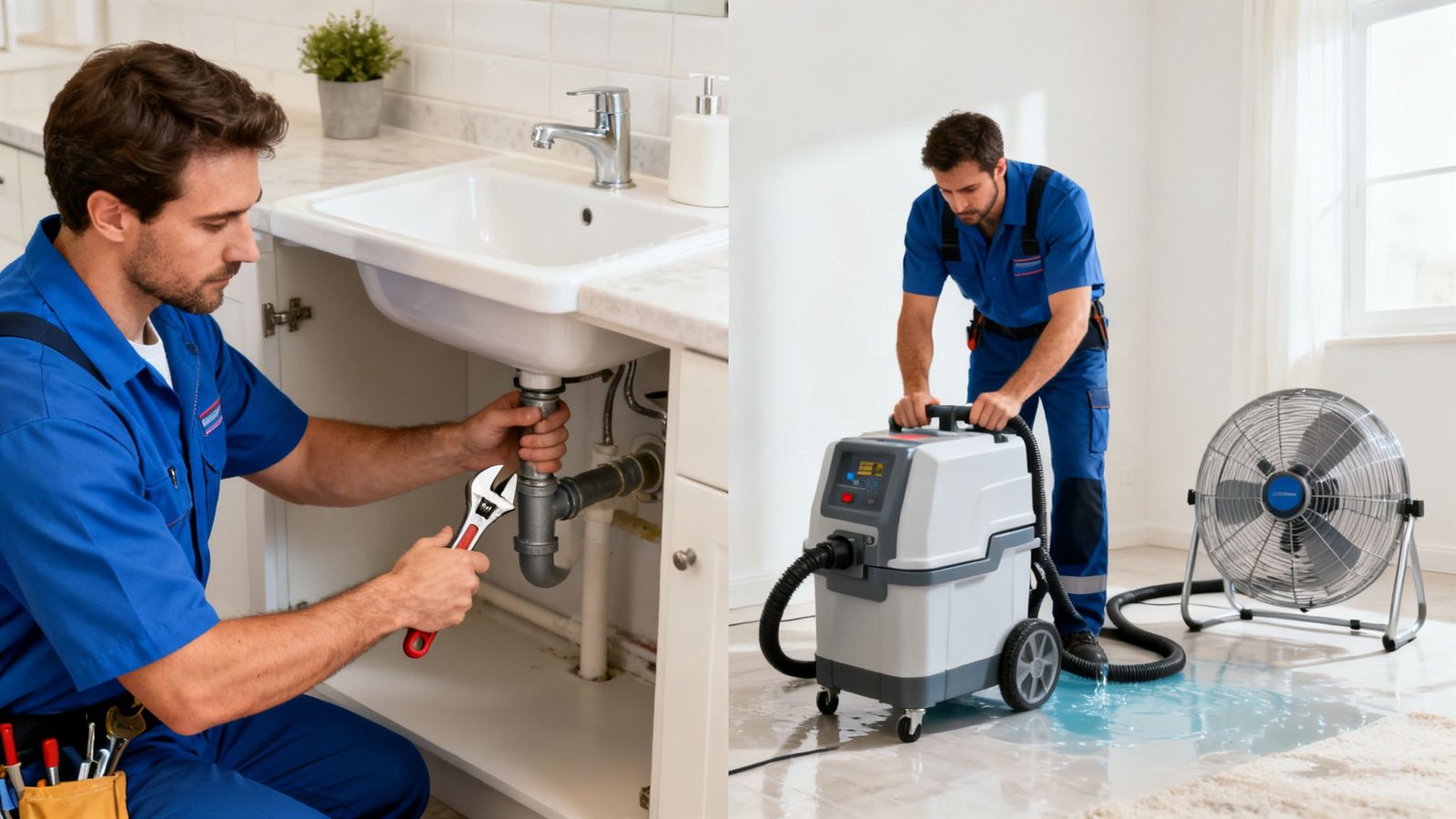
Most standard homeowner policies in California cover damage from events that are "sudden and accidental." In simple terms, this means if a pipe unexpectedly bursts and soaks your bathroom, the resulting damage to your floors, walls, and cabinets is usually covered. Where it gets tricky is with gradual issues—think a slow, ignored leak or problems that stem from poor maintenance. Insurance companies often exclude those.
What Your Insurance Policy Typically Covers
When you're hit with a covered event, your policy is there to help with the costs of getting things back to normal. This generally includes:
- Water extraction and completely drying the structure
- Repairing or replacing damaged drywall, flooring, and cabinets
- Mold remediation if it's a direct result of the covered water damage
- Cleanup and sanitization, which is critical after a sewer backup
If your brown water in tub situation turns into serious property damage, knowing what your policy covers is step one. Our team is here to help you sort through the details—check out our guide on filing an insurance claim for water damage.
How Onsite Pro Restoration Partners With You
This is where having a seasoned restoration company in your corner is a game-changer. At Onsite Pro Restoration, we do more than just fix the mess. We step in and help manage the entire claims process for you. Our whole goal is to take that weight off your shoulders so the claim is handled correctly and fairly.
We become your advocate with the insurance company from day one. Here’s what that looks like:
- Thorough Documentation: We create a detailed record of the damage using photos, videos, moisture readings, and professional reports. This evidence is absolutely crucial for proving your claim.
- Direct Communication: We already have working relationships with the major insurance carriers in Los Angeles. We speak directly to your adjuster, handing them all the necessary paperwork and professional estimates to get your claim moving.
- Advocacy and Support: We fight for you, making sure you get a fair settlement that covers the full scope of the work needed. We know the language of insurance, which helps prevent frustrating misunderstandings or disputes.
Our Commitment: We turn a chaotic, stressful event into a manageable project. By handling the insurance logistics, we let you focus on what truly matters—getting your home and your life back on track.
If your water problem has created bigger issues, knowing how to handle the fallout is key. For instance, getting professional help with water damage floor repair is often a vital part of a complete restoration. We coordinate all these moving parts to ensure your recovery is seamless from start to finish.
Frequently Asked Questions About Brown Water
Even when you think you've figured out the source, seeing brown water in your tub can leave you with some nagging questions. Here are the answers to the most common concerns we hear from homeowners across Los Angeles.
Is it safe to shower in brown water?
It's best to avoid it. While brown water from rust or mineral sediment isn't usually a direct health hazard, you can't be sure that's the cause without a proper diagnosis. If a sewer line issue is the culprit, that water is contaminated with bacteria and pathogens you definitely don't want anywhere near your skin. Until you know for certain the source is harmless, hold off on showering or bathing.
How long will it take for brown water to clear?
This depends entirely on the cause. If the LADWP is doing work in your area, it should clear up within a few hours. If the cause is old, rusty pipes, the problem will persist until a plumber addresses it. Water from a corroded water heater will not clear up on its own and requires professional flushing or replacement.
Can brown water stain my bathtub?
Absolutely. Iron and manganese are notorious for leaving behind ugly reddish-brown or black stains on porcelain and fiberglass. The longer the discolored water sits in the tub, the tougher those stains will be to remove. Acting quickly to solve the source of the brown water is the best way to prevent permanent staining. Do not use chlorine bleach on rust stains, as it can cause a chemical reaction that sets them permanently.
Will my homeowners insurance cover this?
It depends on the source. Most policies cover damage that is “sudden and accidental,” like a burst pipe. However, they almost always exclude problems from gradual deterioration or lack of maintenance, like old, rusty pipes. Sewer backup is typically only covered if you have a specific add-on or "rider" on your policy.
If you're dealing with property damage from a plumbing failure or need a hand with a complicated insurance claim, don't try to handle it alone. Onsite Pro Restoration offers 24/7 emergency services across Los Angeles to get your home—and your life—back to normal.