
When you hear a freeze is coming, the simplest things can make the biggest difference. The trifecta of immediate action for anyone wondering how to prevent pipes from bursting is to let faucets drip slowly, open cabinet doors under sinks, and keep your thermostat set to at least 55°F.
It's not actually the ice itself that bursts your pipes. The real enemy is the massive water pressure that builds up between a frozen blockage and a closed faucet. These small steps are all about relieving that pressure and keeping your plumbing safe during a sudden cold snap, a critical first step for any homeowner in colder climates.
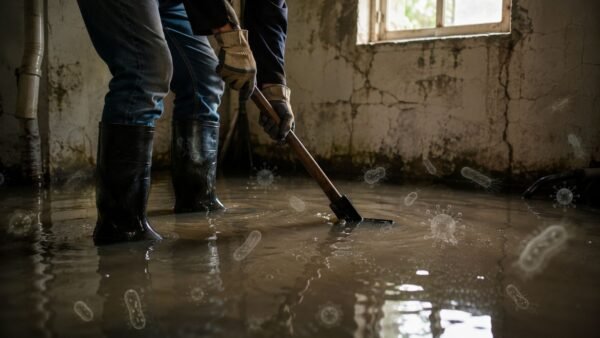
If the worst does happen and you come home to a flood, you need to act fast. Call (818) 336‑1800 now for professional help. Getting immediate emergency water cleanup can stop the damage from getting worse and prevent secondary problems like mold.
The Science Behind Why Pipes Burst
Most people think ice expands and shatters a pipe from the inside out, but that’s not quite how it works. The real danger is a bit more subtle and relates to immense pressure, not just expanding ice.
When water freezes inside a pipe, it forms a solid ice plug. The problem starts between that ice dam and your closed faucet. As more water from your main line flows toward the blockage, it gets trapped with nowhere to go. The pressure builds and builds until the pipe itself fails. It's this incredible hydraulic pressure, not the ice, that causes the rupture.
Understanding this is key because it explains why simple fixes work so well. That slow drip from a faucet? It acts like a pressure relief valve, giving the trapped water an escape route. It’s a tiny action that can prevent a catastrophic failure and thousands of dollars in water damage.
What to Do During a Sudden Freeze
Imagine this scenario: you get back from a long weekend, and the first thing you hear is the sound of running water. An uninsulated pipe in an exterior wall froze solid, the pressure built up, and it finally gave way, flooding your basement. The damage is devastating, but it was almost entirely preventable. For a deeper dive, this guide on how to prevent frozen pipes in winter offers some great additional advice.
Key Takeaway: The goal isn't necessarily to thaw a frozen pipe right away. It's to relieve the immense pressure that causes it to burst. Even a tiny drip can be the difference between a normal winter night and a major home disaster.
The moment you hear a freeze warning on the news, you need an immediate action plan. These steps cost you nothing and can save you everything.
To make it easy, here’s a quick reference table for what to do the moment temperatures start to drop.
Immediate Actions to Prevent Frozen Pipes
| Action Item | Why It Works | Best For |
|---|---|---|
| Let Faucets Drip | Creates constant water movement and acts as a pressure relief valve, preventing pressure buildup behind an ice blockage. | Faucets on exterior walls, in unheated basements or garages, and in crawl spaces. Both hot and cold lines. |
| Open Cabinet Doors | Allows the warmer air from inside your home to circulate around the pipes under sinks, keeping them above freezing. | Kitchen sinks, bathroom vanities, and any plumbing located in uninsulated cabinets, especially on outside walls. |
| Maintain Consistent Heat | Keeps the ambient temperature in your walls, ceilings, and floors from dropping low enough for pipes to freeze. | The entire house, especially if you plan to be away for a day or more. Never set below 55°F. |
These aren't long-term solutions for poorly insulated homes, but they are incredibly effective first-aid measures for any homeowner facing an unexpected cold front. They buy you time and protection when you need it most.
How to Prevent Pipes From Bursting with Insulation
Your home’s first and most effective line of defense against a burst pipe is good insulation. Think of it as a winter coat for your plumbing. Pipes tucked away in unheated areas like basements, attics, crawl spaces, and along exterior walls are the most exposed and at the greatest risk when temperatures plummet.
Identifying and protecting these vulnerable spots is a proactive step that can save you from thousands of dollars in water damage. Insulating pipes is also one of the most cost-effective preparations a homeowner can make. The investment in materials is tiny compared to the cost of emergency repairs and cleanup.
Choosing the Right Insulation Materials
When it comes to DIY pipe insulation, you have a few excellent choices. Your selection will depend on the location of the pipes and how much access you have to them.
- Foam Pipe Sleeves: These are the most common and user-friendly option. Made of polyethylene or rubber foam, they come pre-slit down the side, so you can easily snap them over your pipes. They offer great thermal resistance and are perfect for long, straight runs.
- Fiberglass Pipe Wrap: This material looks like rolls of thick tape and is wrapped directly around the pipes. It’s ideal for insulating tight corners, valves, and joints where rigid foam sleeves just won't fit. You'll need gloves and a mask when working with fiberglass.
Sealing air leaks around your pipes is just as important as the insulation itself. Use caulk or spray foam to fill any gaps where pipes enter your home or pass through walls. This simple step stops cold drafts from reaching the plumbing in the first place.
The following graphic outlines a few immediate actions you can take, which work hand-in-hand with good insulation to prevent pipes from bursting.
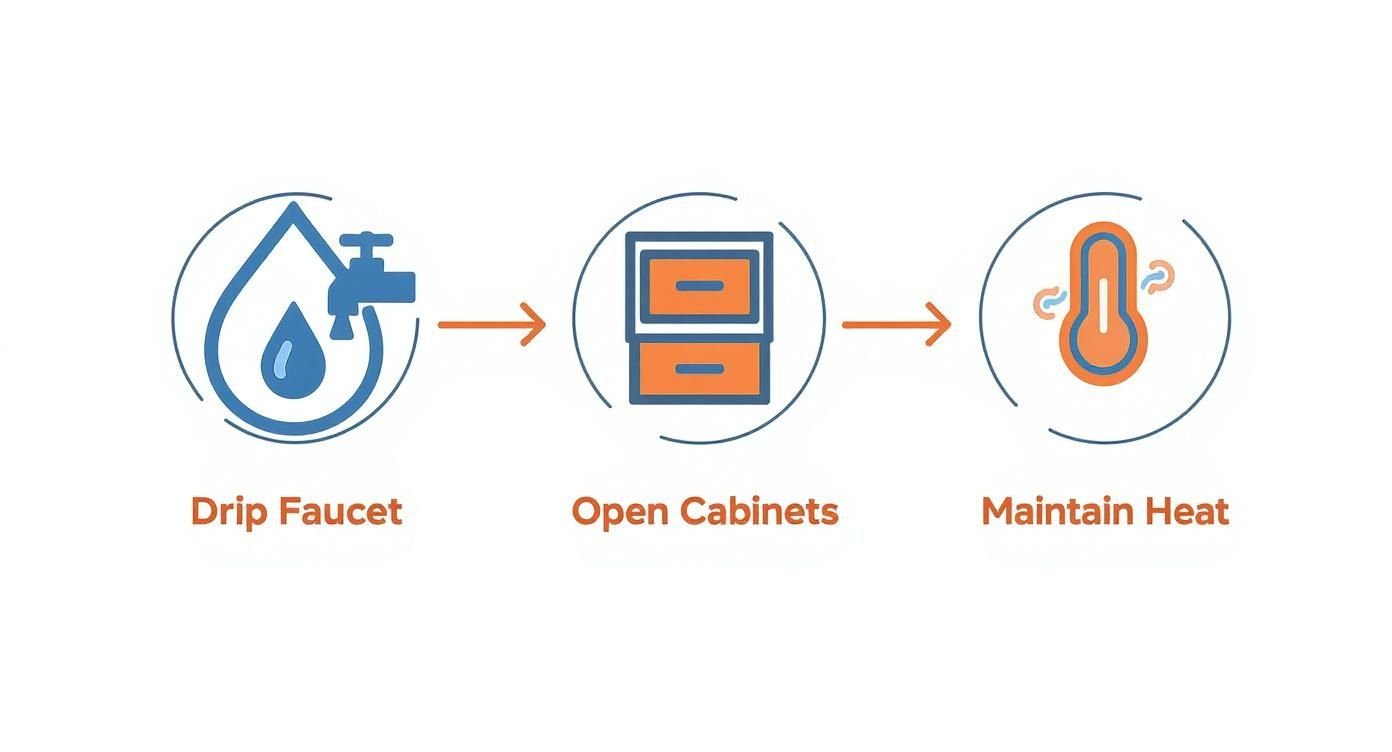
This visual guide reinforces that combining simple habits like dripping faucets with physical protections like insulation creates a powerful defense system for your home's plumbing.
A Real-World Insulation Project
Let's consider a common scenario: an older home with exposed copper pipes running through an unheated crawl space. This is a classic recipe for a winter disaster. Moisture in these areas can also be a problem, so effective crawl space dehumidification is often the first step to creating a stable environment before insulating.
Once the space is dry, the project is straightforward.
Start by measuring the diameter of your copper pipes to buy the correct size of foam sleeves. For a typical half-inch or three-quarter-inch pipe, you'll find sleeves at any hardware store. Cut the sleeves to length, snap them over the pipes, and secure the seam with duct tape or zip ties for a snug fit. For every valve and ninety-degree turn, use fiberglass wrap to ensure there are no exposed sections.
Pro Tip: Don't compress insulation too tightly, especially fiberglass. The trapped air within the material is what provides the insulating properties. A snug but not crushed fit is ideal for maximum protection.
This entire process for a small crawl space might only take a few hours on a weekend. Yet, this small effort reinforces your home against the most common cause of winter water damage. Insurance data shows that while frozen pipes cause significant damage, nearly a quarter of residents neglect this simple preventative step. It's a small investment that pays for itself many times over.
Using Heat and Airflow to Protect Your Plumbing
Insulation is a great starting point, but it only slows down heat loss—it doesn't create heat. To truly stop pipes from freezing and bursting, you need to actively introduce warmth and get some air moving, especially around the most vulnerable plumbing in your home.
Think of this as moving from a passive defense (insulation) to an active one (heating). The whole game is making sure the air right next to your pipes never dips to that critical 32°F mark. You’d be surprised how much difference just a little warm air can make.
Simple Ways to Introduce Warmth
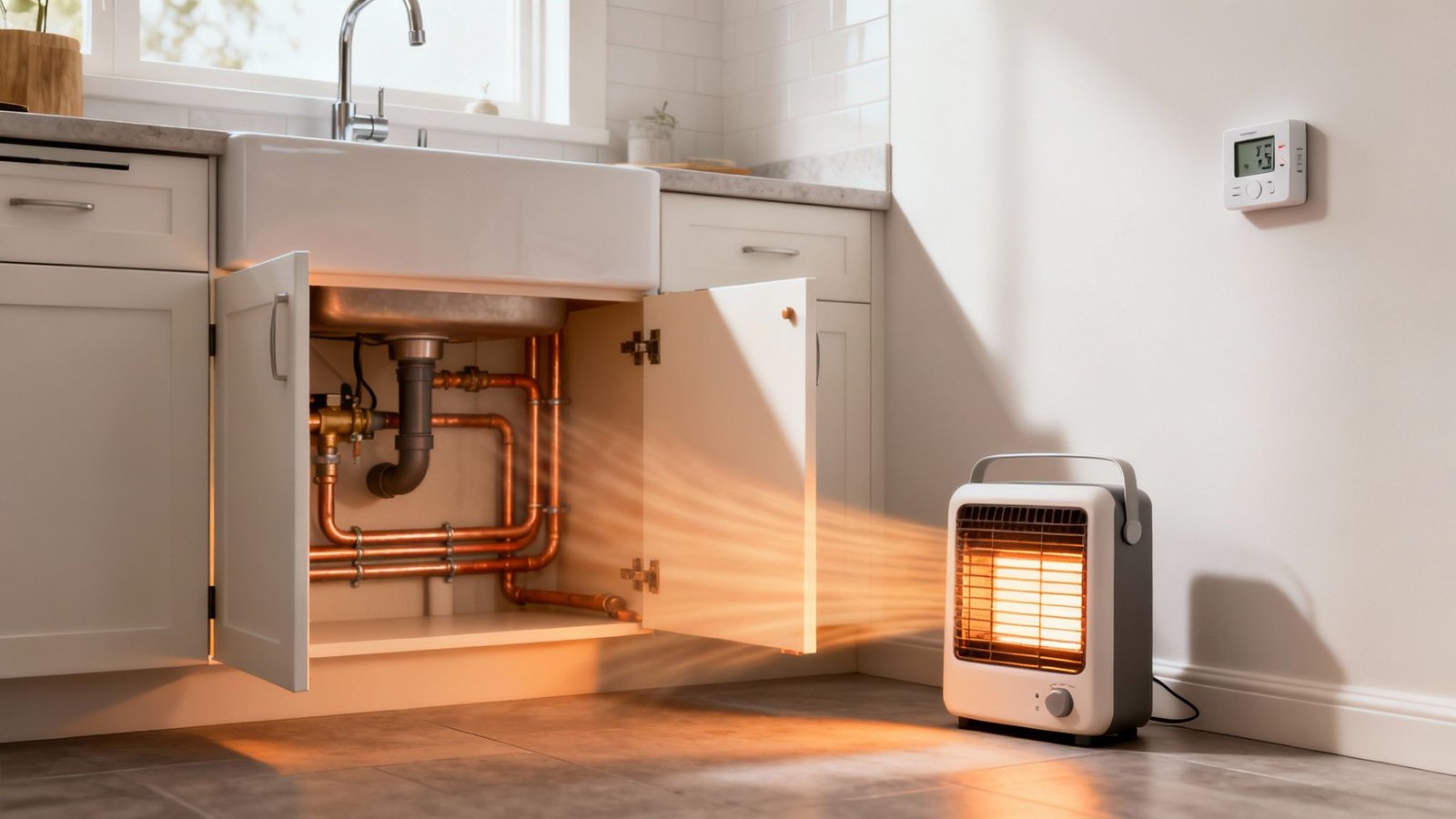
The best tactics are often the simplest—and they don’t cost a dime. When you know a serious cold snap is coming, the single most effective thing you can do is open the cabinet doors under your kitchen and bathroom sinks. That's it. This allows the heated air from your house to circulate around the pipes, which is usually all they need to stay above freezing.
Keeping your thermostat steady is also a must. It's tempting to dial it down when you're out for the day, but never let it go below 55°F. That temperature ensures enough warmth bleeds through the walls and floors to protect the pipes you can't see. Sudden temperature drops are what catch homeowners off guard and lead to disaster.
Advanced Heating Solutions
Sometimes, passive heat just won't cut it, especially in those chronically cold spots like basements, garages, or drafty crawl spaces. For those problem areas, you need to bring in some reinforcements.
Targeted Space Heaters: A small, reliable space heater can be a real lifesaver. Stick it in the problem area, make sure it’s on a flat, non-flammable surface, and point it in the general direction of the exposed pipes. Of course, never leave a space heater running unattended and keep it a few feet away from anything that could catch fire. This is a great temporary fix for those brutal, single-digit nights.
Self-Regulating Heat Cables: If you want a more permanent, set-it-and-forget-it solution, look into self-regulating heat cables (often called heat tape). You wrap these electric cables directly around the pipe, and they have a built-in thermostat that kicks on only when the temperature plummets. They provide consistent, direct warmth right where it's needed most. They do use electricity, but only when necessary, so the energy draw is pretty minimal.
Key Insight: Consistent warmth isn't just about preventing freezes; it's also about controlling moisture. A damp, cold basement is the perfect storm for frozen pipes. Getting humidity under control is a huge piece of the puzzle. Our guide to basement dehumidification explains how to tackle that problem head-on.
By combining the free-and-easy trick of opening cabinets with more targeted heating for your home's cold spots, you create a layered defense. This approach ensures that even when the winter weather is at its worst, your pipes will stay safely above freezing, saving you from a very expensive and messy headache.
Investing in Long-Term Plumbing Upgrades
Dripping faucets and open cabinet doors are great last-minute maneuvers during a freeze, but let's be honest—they're just temporary fixes. Real peace of mind comes from making permanent upgrades that truly fortify your home’s plumbing against the brutal cold. It’s about shifting from reactive panic to proactive protection.
The goal here is to build a system that doesn't just scrape by during winter but is engineered from the ground up to withstand it. This is a strategic investment in your property's health, turning a major liability into a resilient asset.
Why a Professional Plumbing Inspection Is Non-Negotiable
Before you can upgrade anything, you need a clear, expert assessment of your system’s weak points. A pre-winter plumbing inspection by a licensed professional is the only way to get that. A good plumber will spot things an untrained eye would miss every time.
They're trained to look for specific red flags, including:
- Undersized pipes: Lines that are too small for your home's water demand are under constant stress and more prone to failure.
- Hidden corrosion or wear: Older galvanized or copper pipes can look fine on the outside but be paper-thin and ready to burst from within.
- Poorly routed lines: Any plumbing running through an unheated attic or too close to an exterior wall is a ticking time bomb.
Think of this inspection as your roadmap. It helps you prioritize the most critical upgrades, ensuring you put your money where it will have the biggest impact. It's a small upfront cost that can save you from a massive emergency bill down the road.
Smart Engineering for a Burst-Proof System
Modern plumbing offers some brilliant solutions designed specifically to handle the intense pressure surges that cause pipes to burst in the first place. These aren't just fancy add-ons; they are fundamental improvements to your system's durability.
One of the most effective upgrades is installing pressure-relief valves. These small devices act as a safety release, automatically venting excess pressure when a freeze-blockage sends it skyrocketing. They are a simple, inexpensive component that provides a huge amount of protection.
Similarly, other components can act as shock absorbers for your entire plumbing system. Where pipes absolutely must cross unconditioned spaces, installing air chambers can dramatically reduce the risk of a burst. These chambers create a buffer that absorbs the sudden pressure spikes from ice blockages or other surges. You can find more details on these and other protective strategies over at risk.uticanational.com.
Investment Insight: It’s critical to see these upgrades as an investment, not an expense. The cost of adding a pressure-relief valve or rerouting a single vulnerable pipe is nothing compared to the catastrophic cost of a major flood. Our guide on the water damage restoration process breaks down the extensive, expensive work required after a burst, making the value of prevention crystal clear.
Ultimately, these long-term solutions transform your plumbing from a winter liability into a tough, resilient system. Have an informed conversation with your plumber about these upgrades. It’s a smart, proactive move that will protect your home and save you from the immense stress and cost of a water damage disaster.
Leveraging Smart Home Tech for Pipe Protection
Technology gives us a powerful new layer of defense for our homes, shifting pipe protection from a manual chore to an automated safeguard. Smart home devices can genuinely prevent a plumbing disaster before it even starts, and the peace of mind they offer is incredible—especially when you're away.
Smart Sensors: Your First Line of Digital Defense
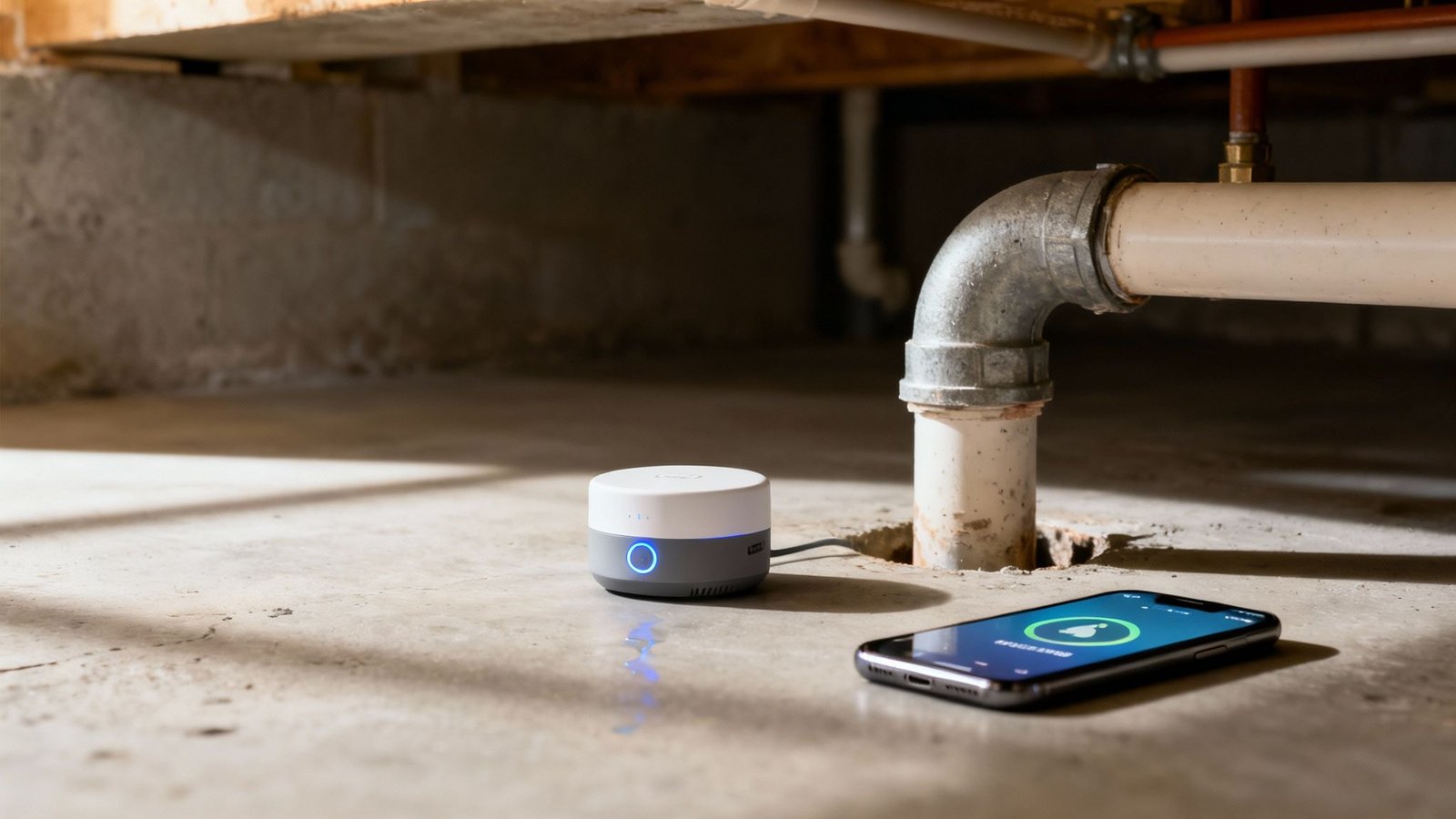
At the heart of any smart plumbing protection system is a network of sensors. Think of these small, battery-powered gadgets as digital watchdogs for your home’s most vulnerable spots.
I always recommend placing them in high-risk locations, including:
- Under Sinks: Perfect for catching slow drips from supply lines or P-traps.
- Behind Toilets: This is a classic source of hidden, persistent leaks that can rot a subfloor.
- Near Water Heaters: These tanks can fail catastrophically, dumping dozens of gallons of water in minutes.
- In Basements or Crawl Spaces: Position them near pipes that run along cold exterior walls.
When these sensors detect moisture or a sudden temperature drop near freezing (typically below 36°F), they fire off an instant alert to your smartphone. This immediate heads-up gives you the crucial time needed to intervene before a tiny leak becomes a full-blown flood. For a system that actively monitors for trouble, it's worth investing in some of the best smart water leak detectors available.
Automatic Shut-Off Valves: The Ultimate Failsafe
Sensors are great for alerts, but an automatic water shut-off valve actually takes action. This device is the ultimate failsafe in your smart plumbing arsenal. It's installed directly onto your main water line and can physically close the valve, stopping all water flow into your house.
It works in tandem with your leak sensors. When a sensor detects water, it signals the shut-off valve to close automatically. This stops a potential flood dead in its tracks, even if you’re miles away from home and can’t get to the valve yourself. Having the ability to kill the main with a tap on your phone—or having it happen on its own—is a complete game-changer for how to prevent pipes from bursting and avoiding the chaos they cause.
From City Grids to Your Home: The same predictive principles used to protect entire municipal water systems are now available for homeowners. Advanced AI models can now predict pipe bursts in city-wide systems with over 90.9% accuracy, allowing for proactive repairs. This technology showcases the power of using data to prevent failures before they happen. Learn more about this groundbreaking research on how AI predicts pipe bursts.
This combination of sensors and automatic valves creates a responsive, intelligent system. It moves beyond simply reacting to a disaster and puts powerful preventative tools directly into your hands, ensuring your home is protected 24/7.
FAQs About How to Prevent Pipes From Bursting
Q: What should I do if I suspect a pipe is already frozen?
A: First, keep the faucet open to relieve pressure. Then, locate the frozen section (it might have frost on it) and apply gentle heat using a hairdryer, heating pad, or warm towels. Never use an open flame like a blowtorch, as this is a serious fire hazard. If you can’t get water flowing quickly, call a licensed plumber.
Q: Does letting faucets drip actually work?
A: Yes, it is one of the most effective immediate actions you can take. The drip relieves the immense water pressure that builds up behind an ice blockage, which is the primary cause of a burst pipe. Moving water is also much harder to freeze than stagnant water.
Q: Is it safe to use a space heater to warm pipes?
A: A space heater can be a lifesaver for pipes in basements or crawl spaces, but safety is critical. Place the heater on a stable, non-flammable surface at least a few feet away from any combustible materials. Never leave a space heater running unattended.
Q: What thermostat setting is safe when I'm away?
A: Never turn your heat completely off in the winter when you travel. The U.S. Department of Energy recommends setting your thermostat to no lower than 55°F (13°C). This maintains enough ambient warmth to protect pipes inside exterior walls from freezing solid.
Q: Will my homeowners insurance cover a burst pipe?
A: Most standard homeowners insurance policies cover sudden and accidental water damage from a burst pipe, but coverage can vary. It's crucial to review your specific policy. For a detailed breakdown, learn more about if homeowners insurance covers burst pipes.
Q: Are there any permanent solutions to prevent frozen pipes?
A: Absolutely. Beyond temporary measures, you can invest in long-term upgrades like rerouting vulnerable pipes, installing pressure-relief valves, adding permanent heat cables to problem spots, and upgrading to modern piping materials like PEX that are more resistant to freezing. A professional plumbing inspection can identify the best solutions for your home.
If the worst happens and a pipe does burst, don't wait. The team at Onsite Pro Restoration is available 24/7 to handle water damage emergencies quickly and professionally. Call us now at (818) 336‑1800 for a free assessment.