
Damage Restoration in Silver Lake | 24/7 Cleanup & Drying
Silver Lake’s homes blend hillside bungalows, architect-designed moderns, and tightly packed duplexes around the reservoir. When water travels through split-level framing, when an older cast-iron line backs up, or when smoke settles into plaster and wood, the damage spreads quickly and hides well. You need a calm, precise response that protects finishes, controls costs, and satisfies insurance requirements. We provide 24/7 mitigation, clear communication, and documented results for Silver Lake properties.
Get Started
Service Form
Why Silver Lake Homeowners Choose Us
Certified, standards-based scopes
We work to IICRC S500/S520. Every scope targets drying goals, verification, and the least invasive path to pre-loss condition.
Fast mobilization with clean work
Tight streets and limited parking near the reservoir are normal. We stage quietly, protect flooring and stairs, and keep dust and debris controlled.
Documentation insurance accepts
Moisture logs, photos, containment plans, equipment records, and daily monitoring notes support faster, cleaner claims.
Explore Silver Lake Restoration Services
Water Damage Restoration
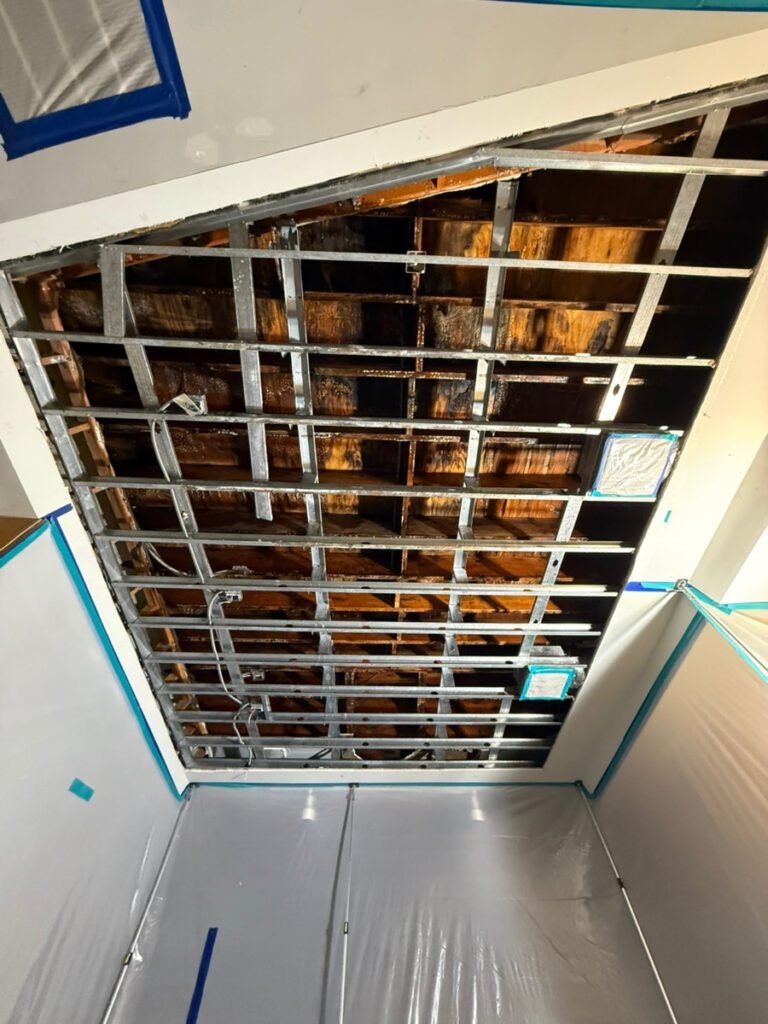
Rapid extraction, targeted demolition only where wet materials will not dry in place.Drying plans for multi-level and hillside builds with hidden chases. Call 818-336-1800 for same-day water cleanup.
Mold Remediation
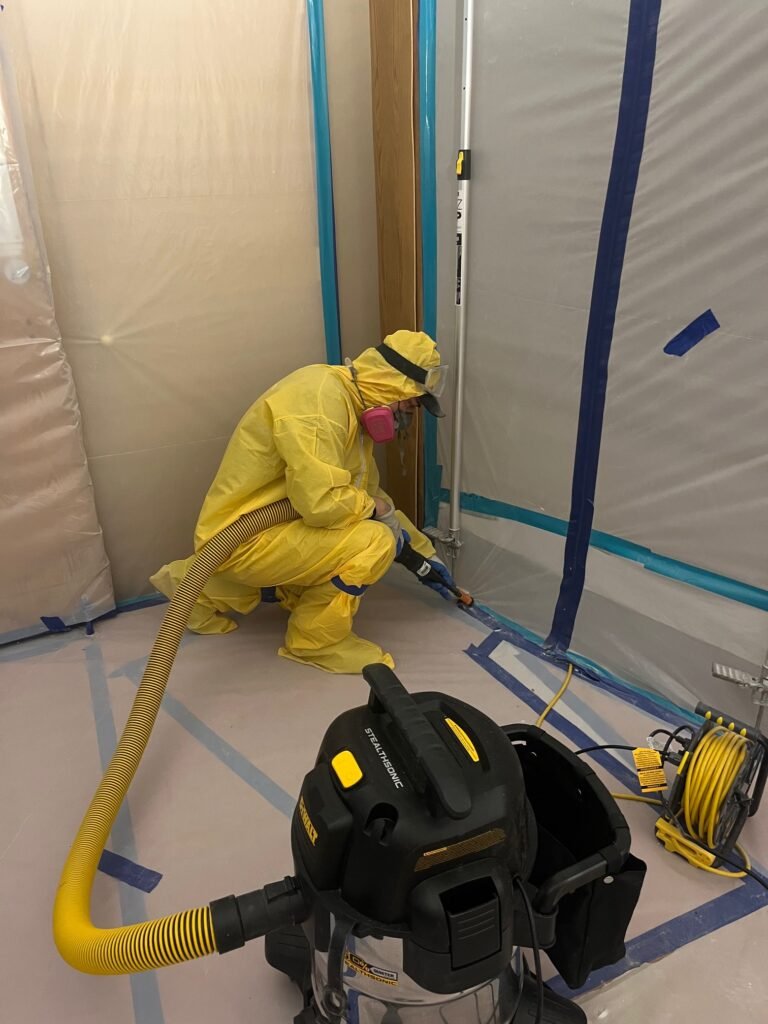
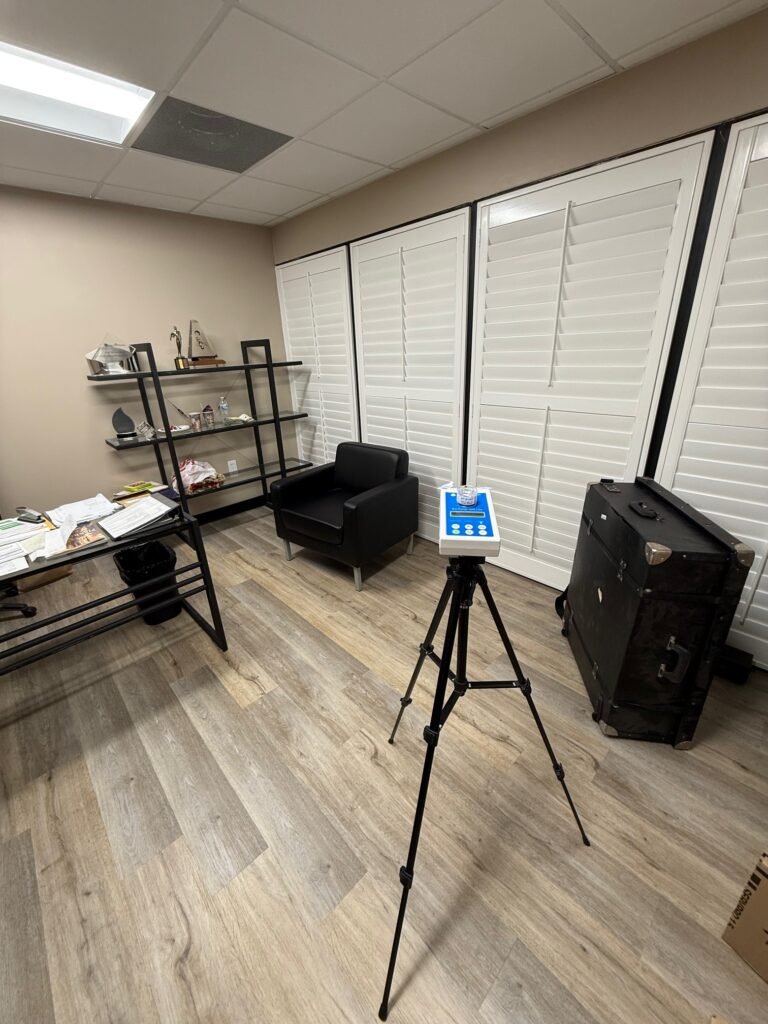
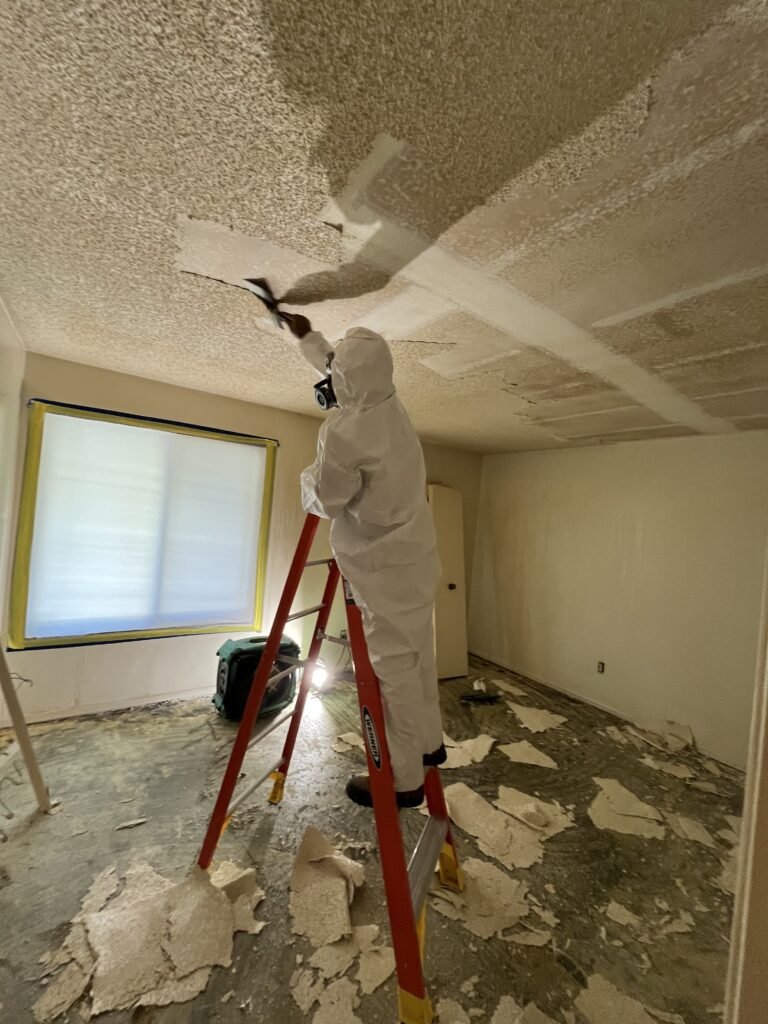
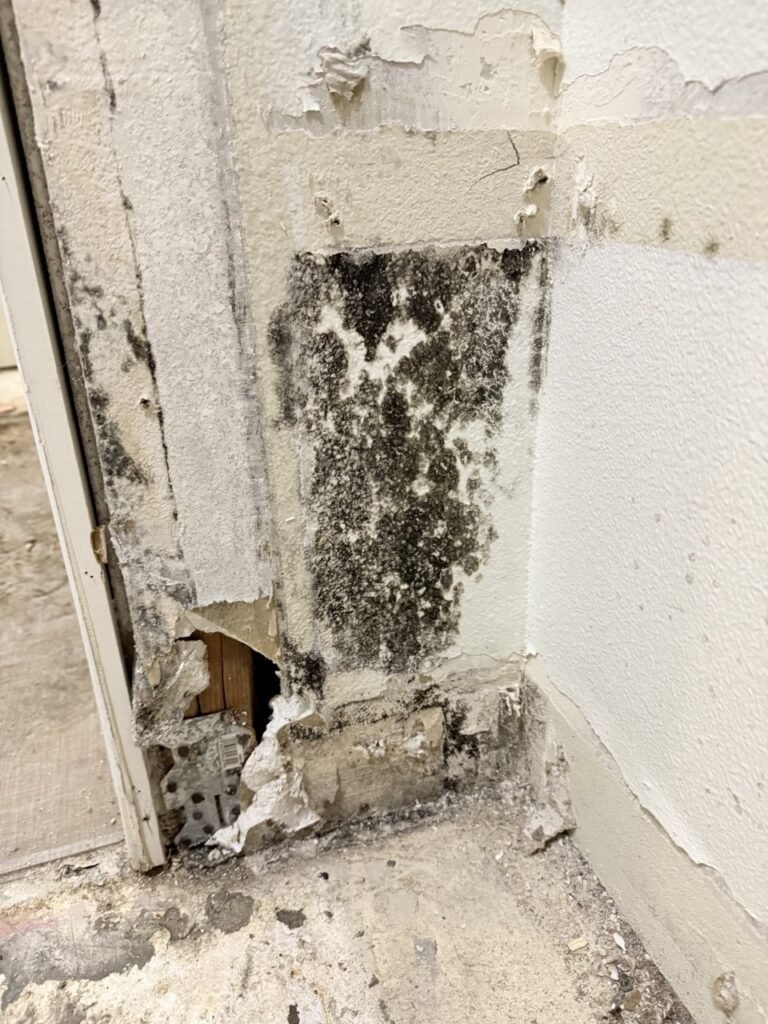
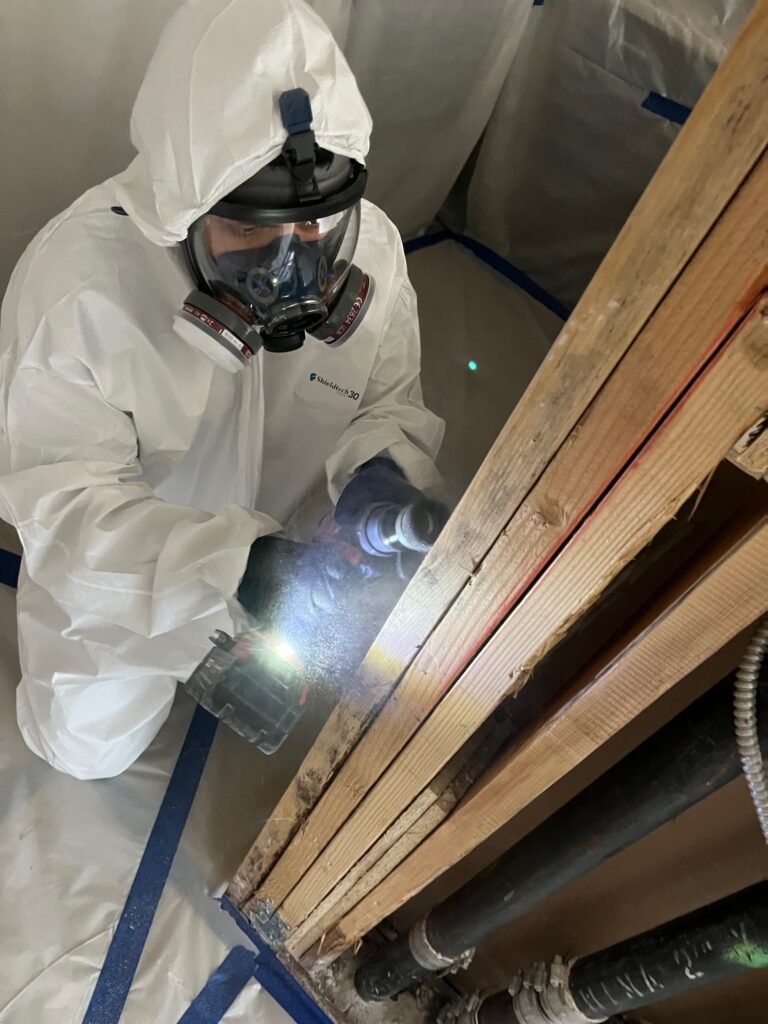
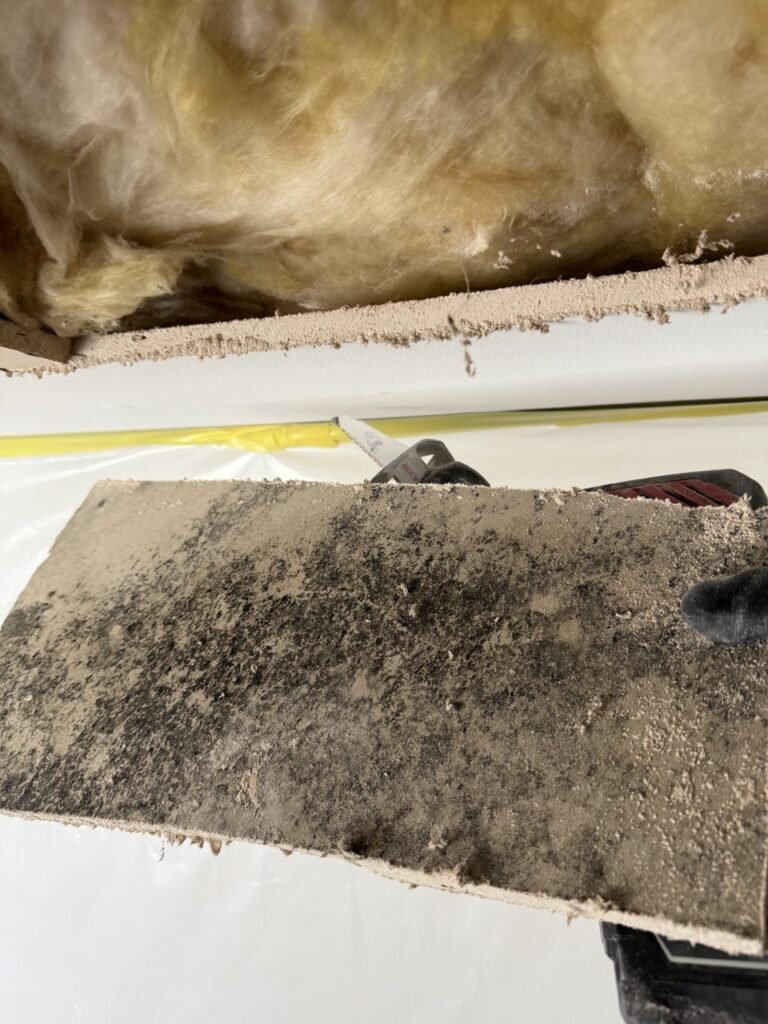
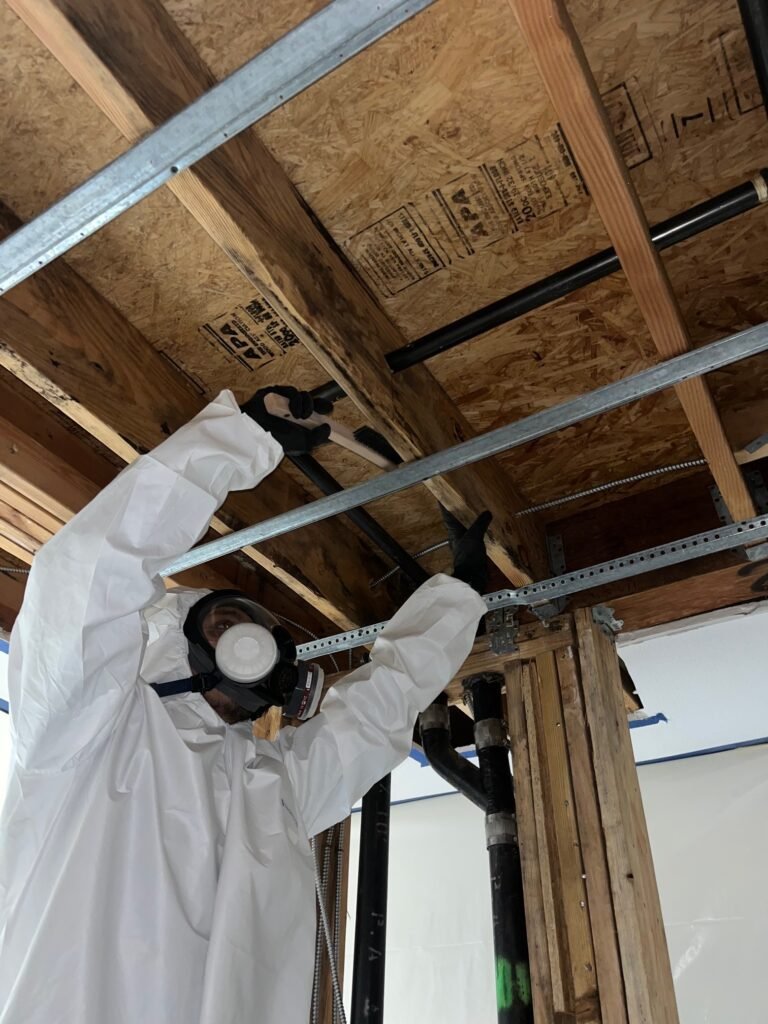
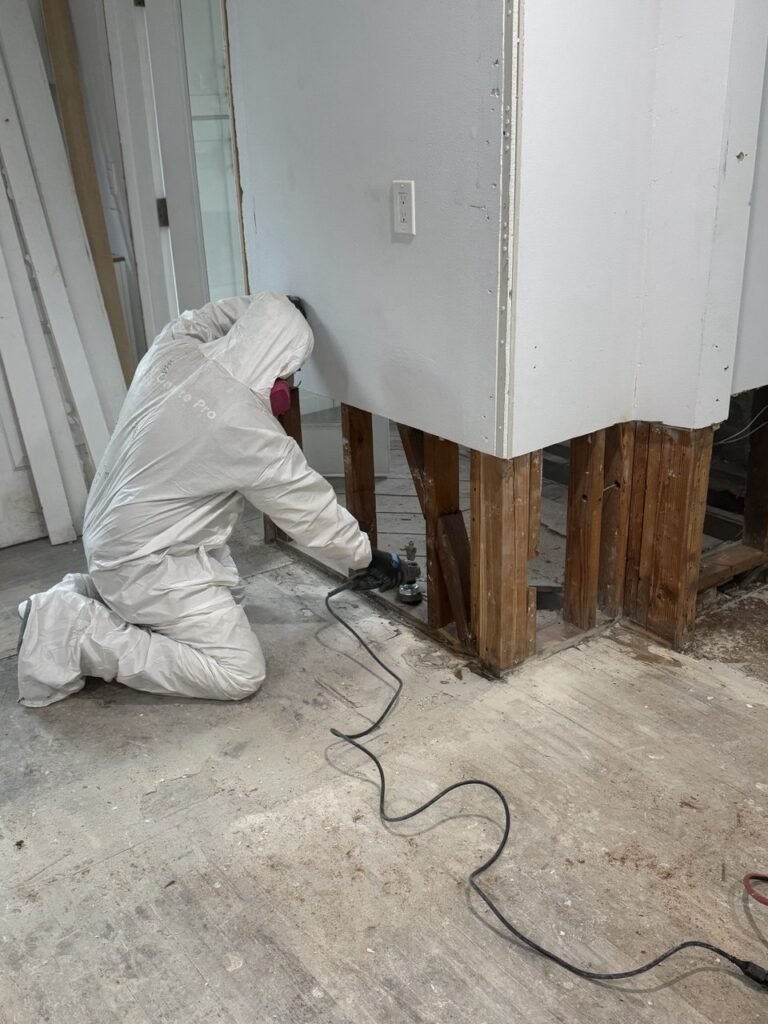
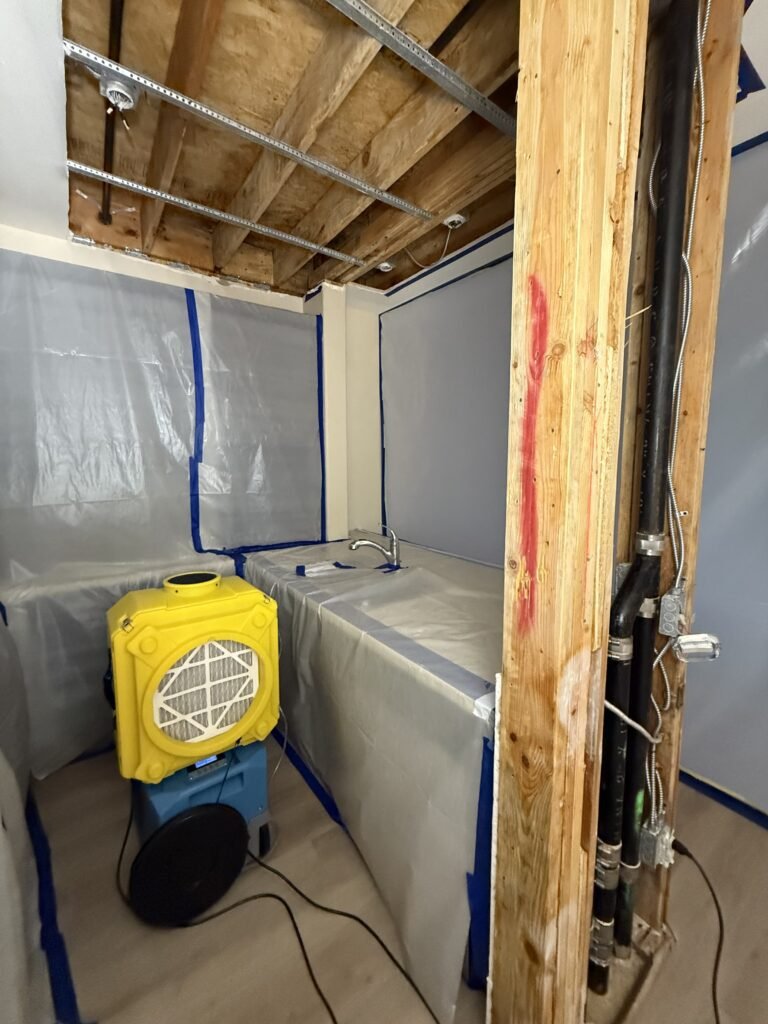
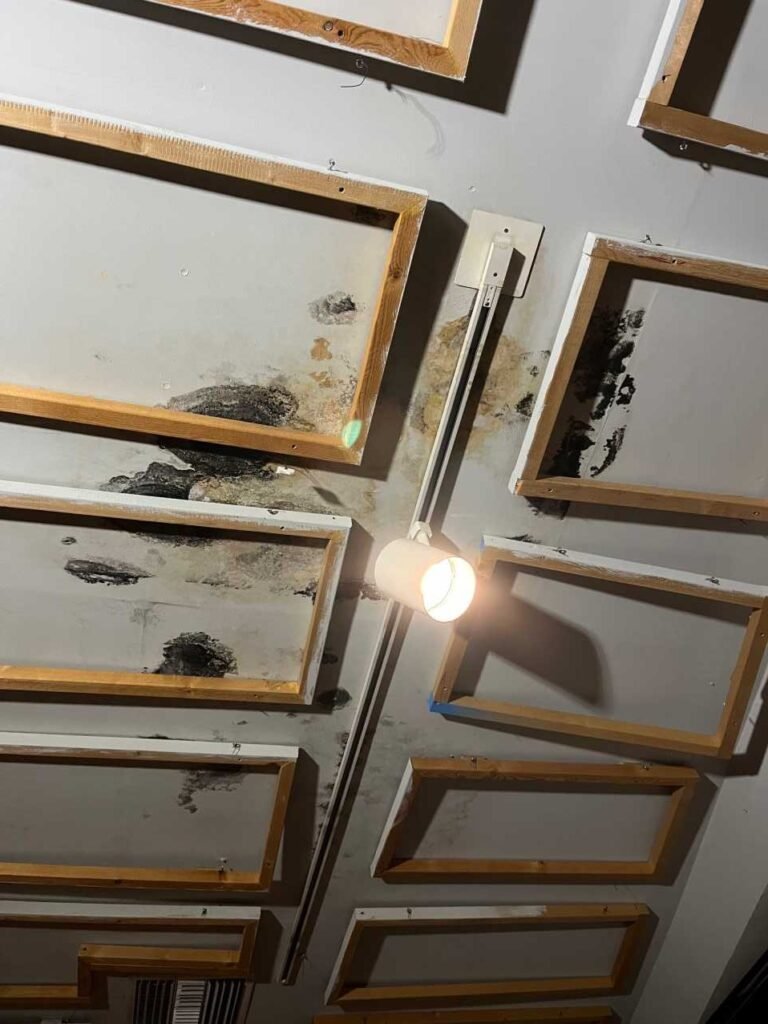
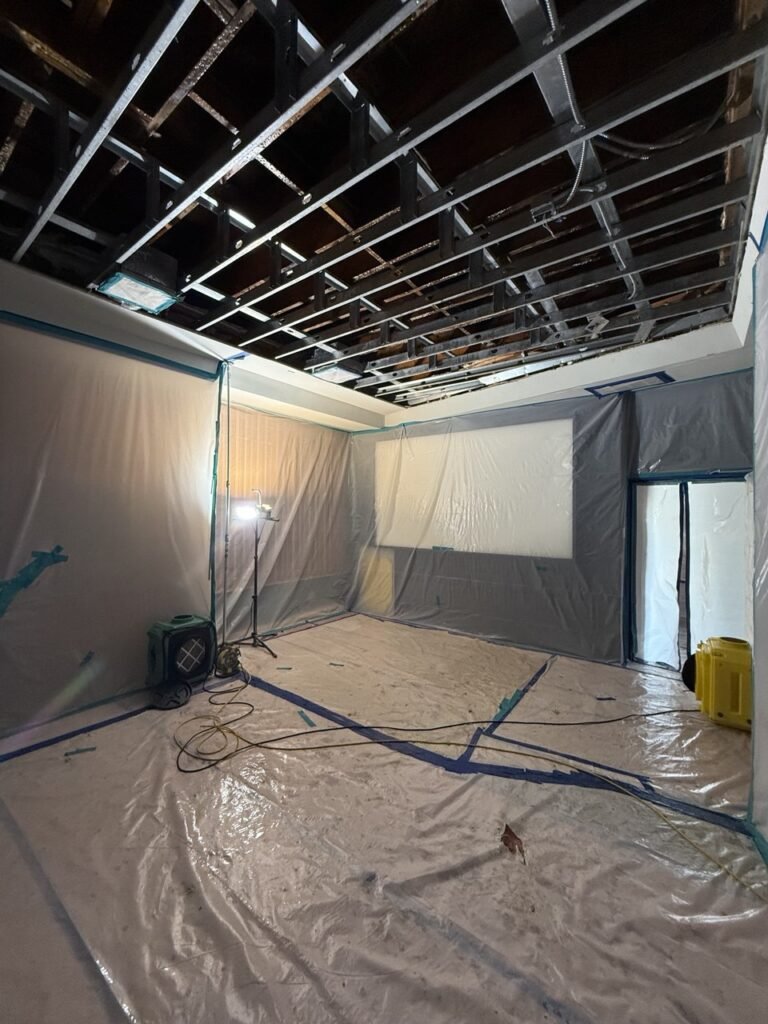
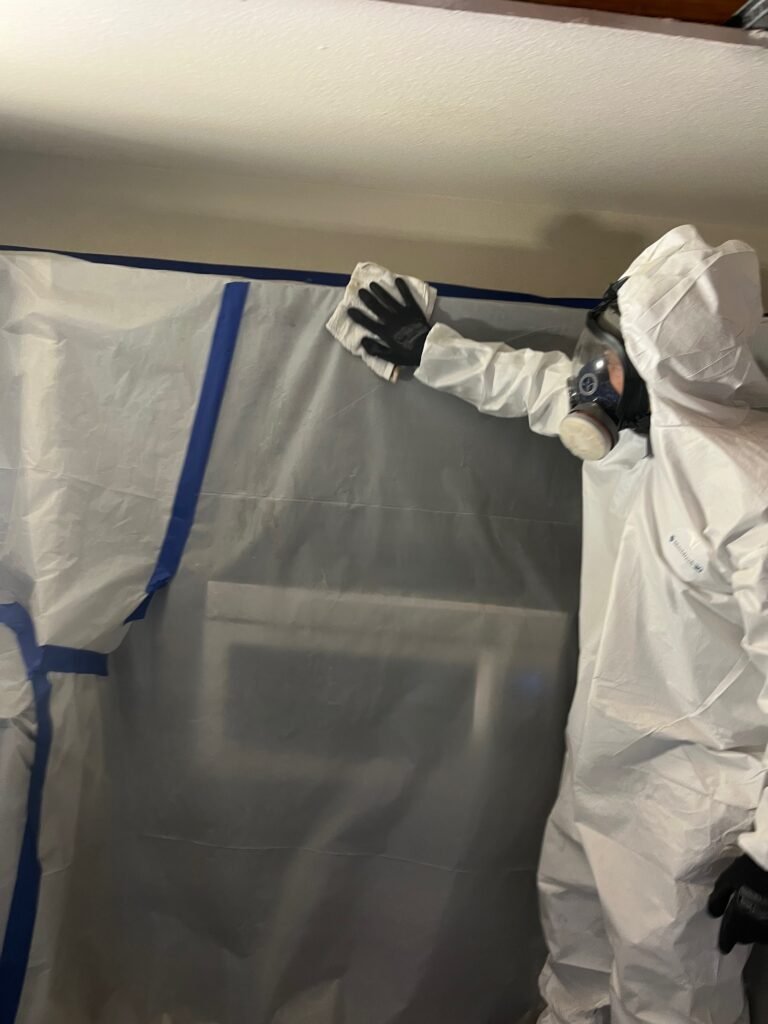
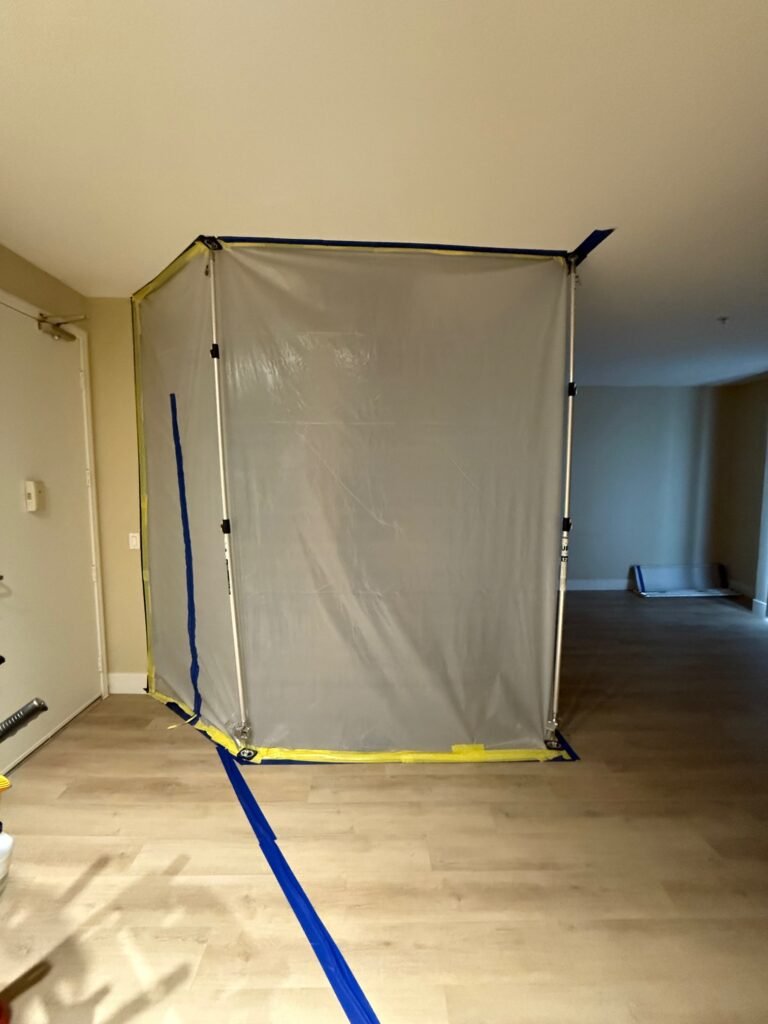
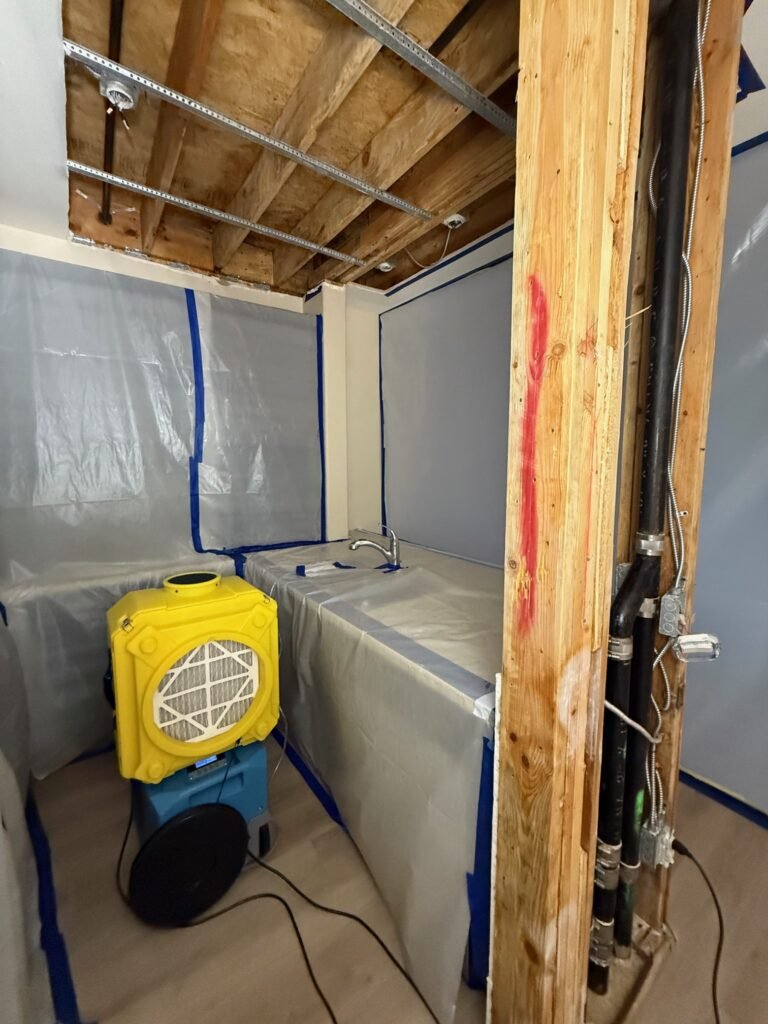
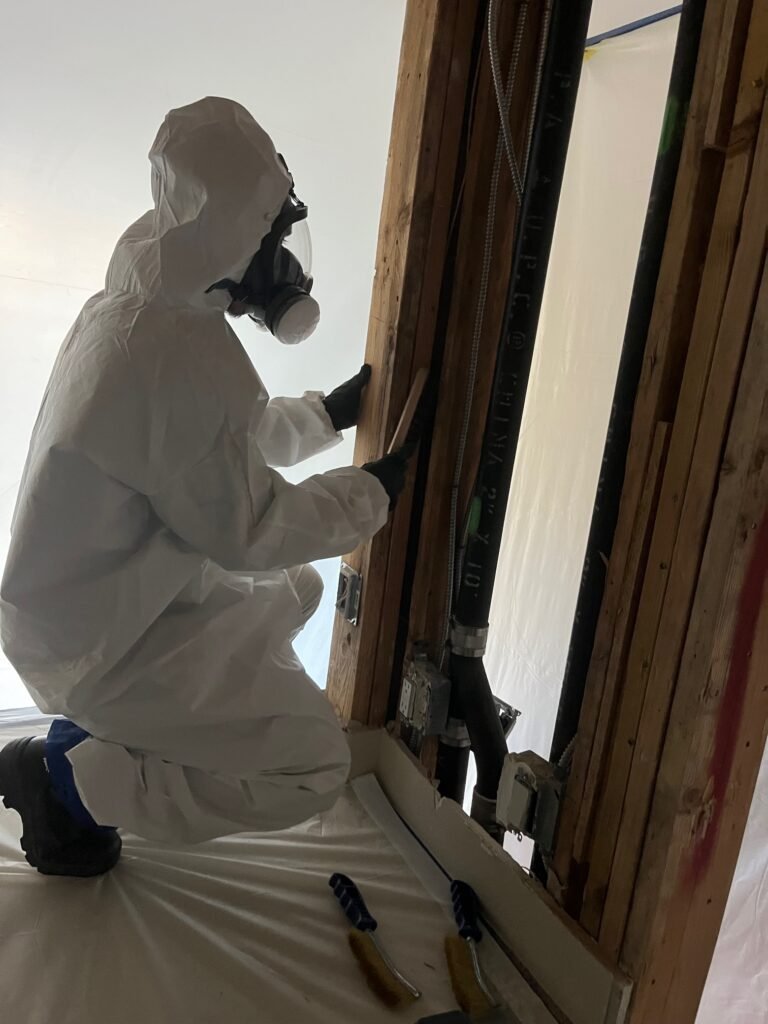
Containment, negative air, removal of affected materials, HEPA cleaning, and post-remediation verification.Guidance on when air or surface sampling is appropriate. Call 818-336-1800 to schedule mold remediation.
Fire Damage Restoration
Smoke and soot removal for plaster, wood, tile, and modern finishes.Odor elimination with source removal and verification. Call 818-336-1800 for fire cleanup.
Sewer Damage Cleanup
Category 3 containment, removal, sanitation, and dry-back targeting subfloors and wall cavities.Clear, health-focused protocols and disposal. Call 818-336-1800 for sewage cleanup.
What Happens On Day One
Call Us Anytime for Emergency Service
Our crew is on call 24/7 to handle damage restoration needs.
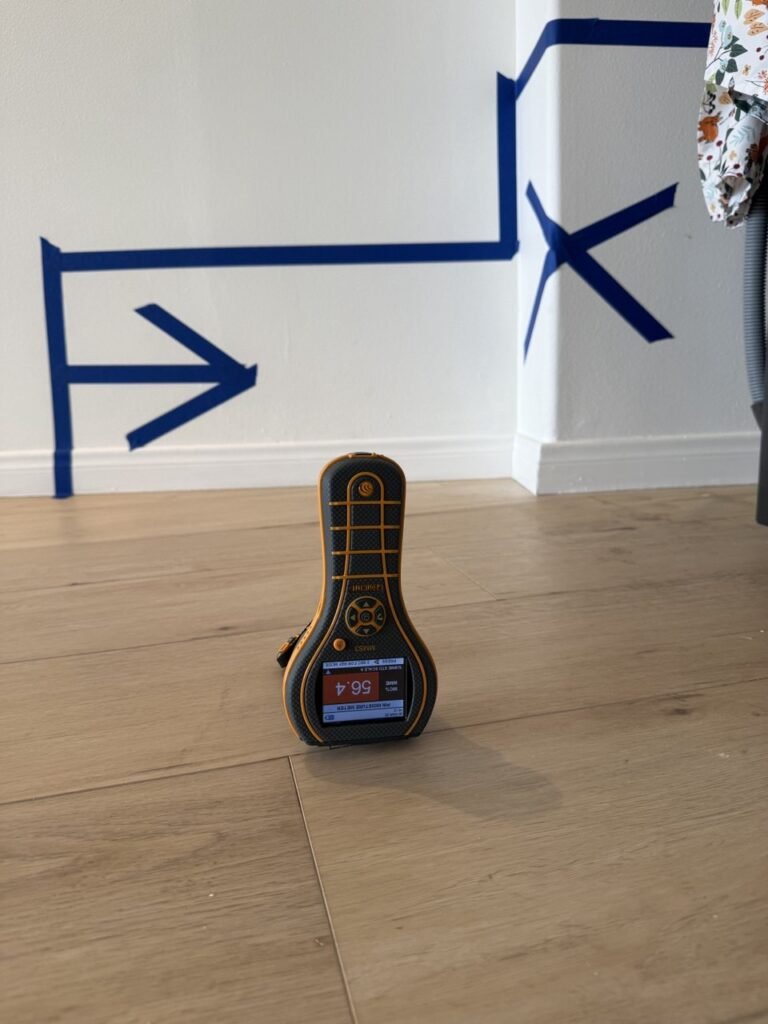
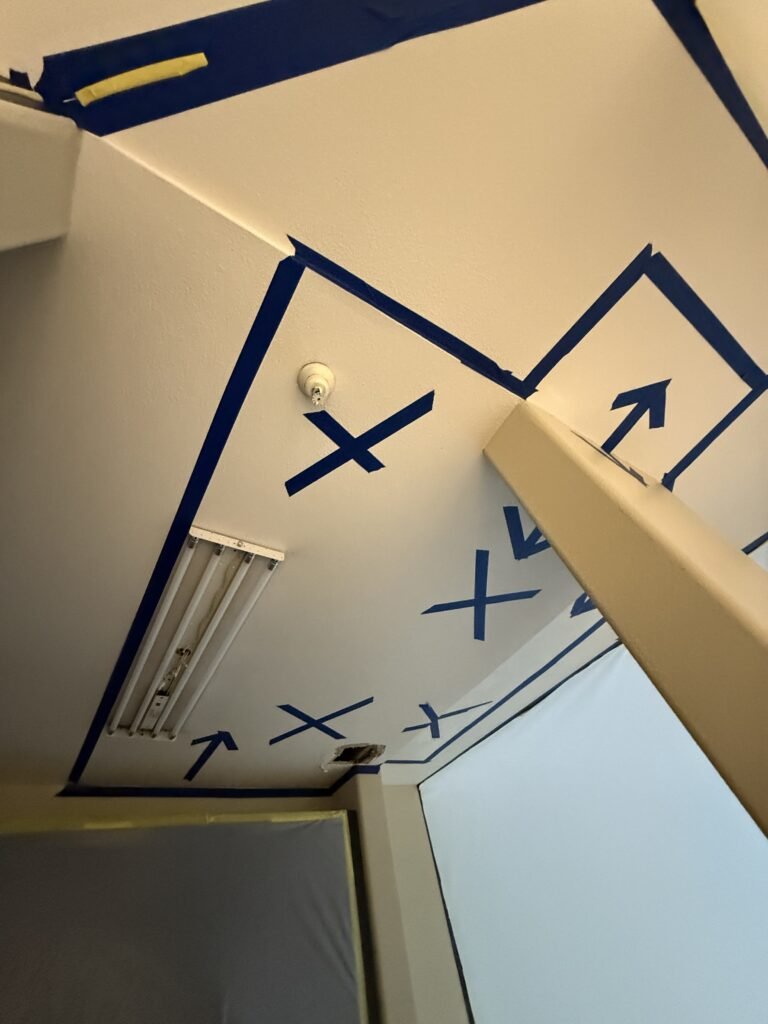
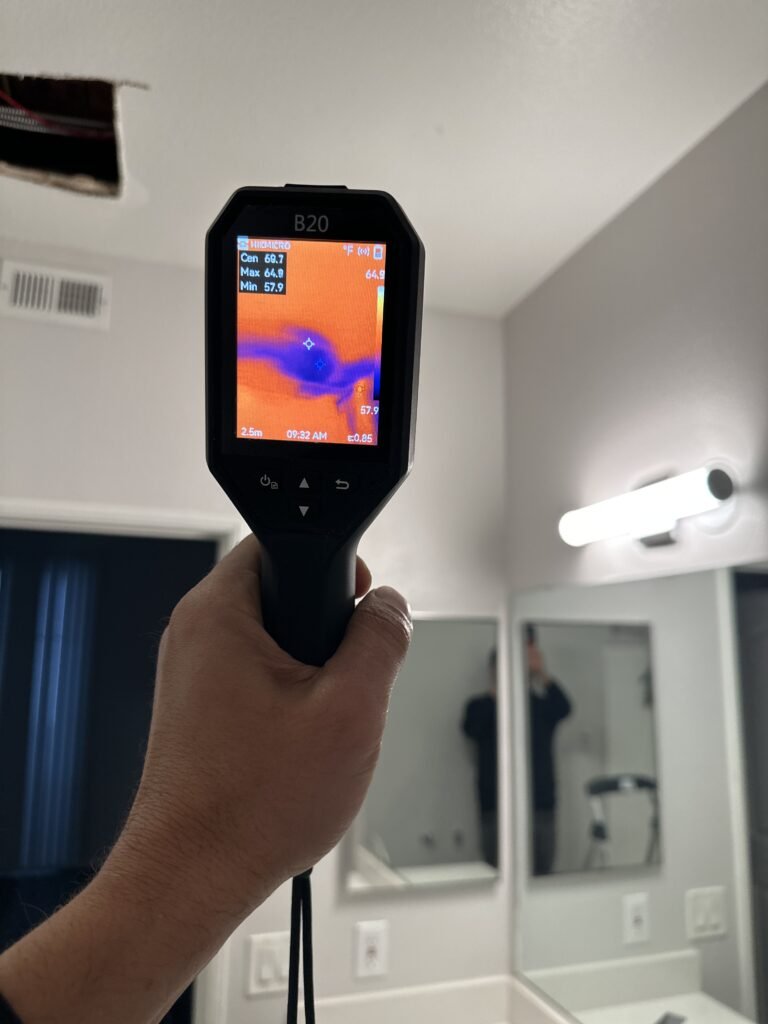
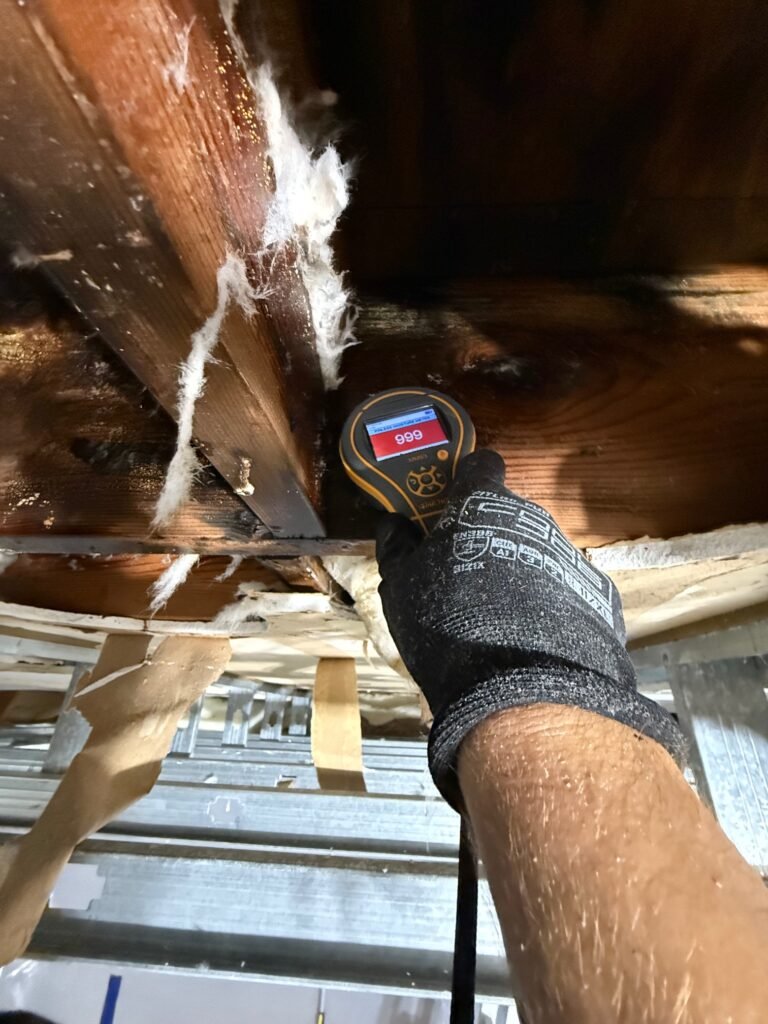
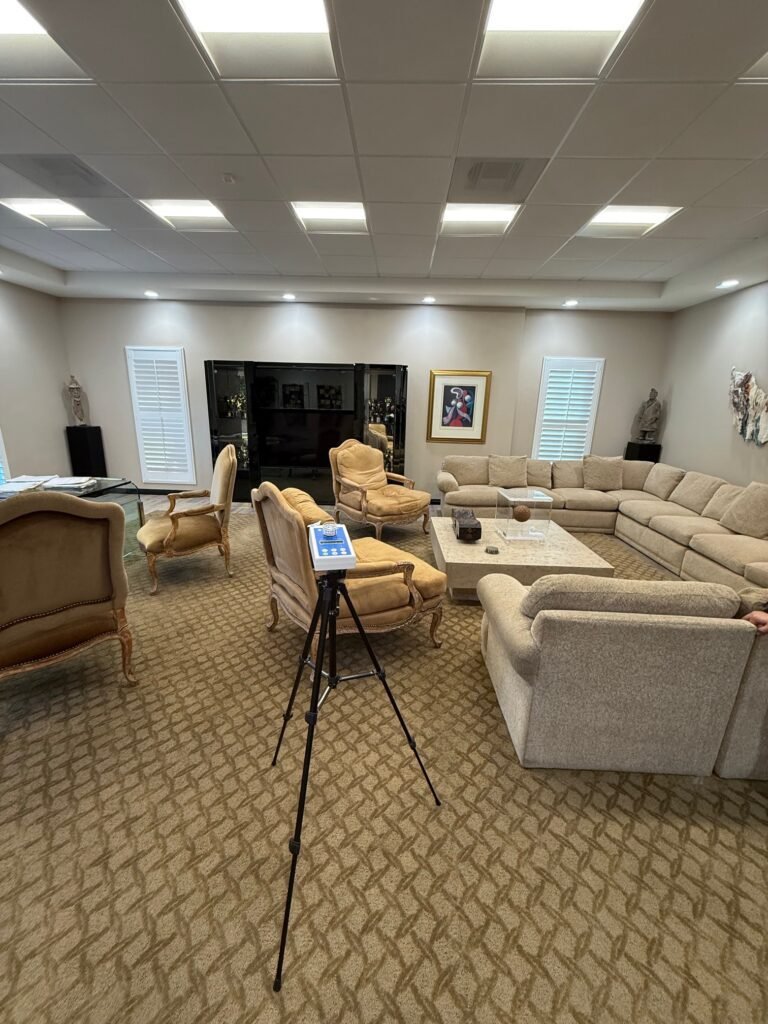
Inspection, moisture and thermal mapping
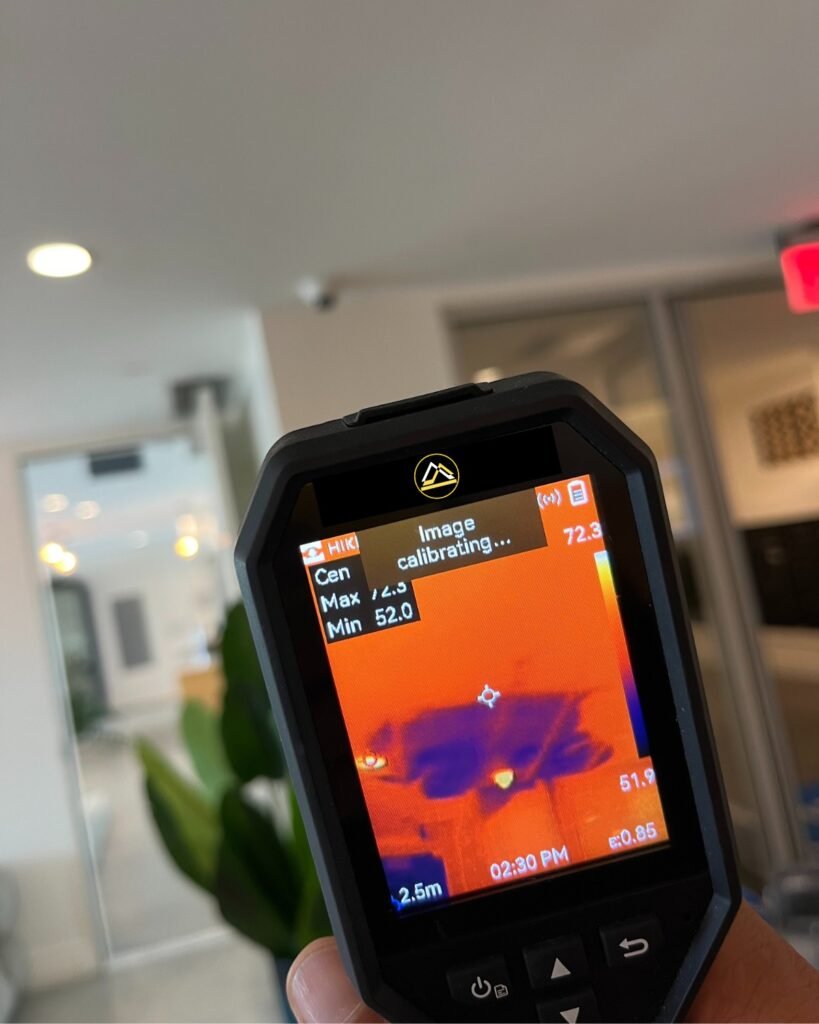
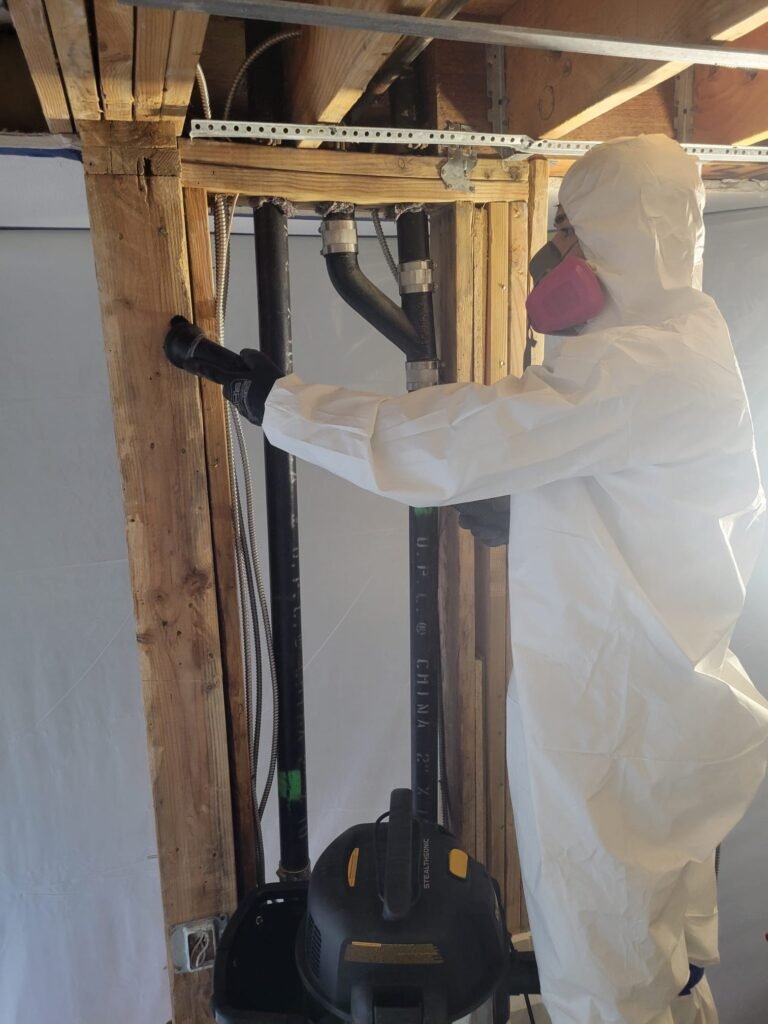
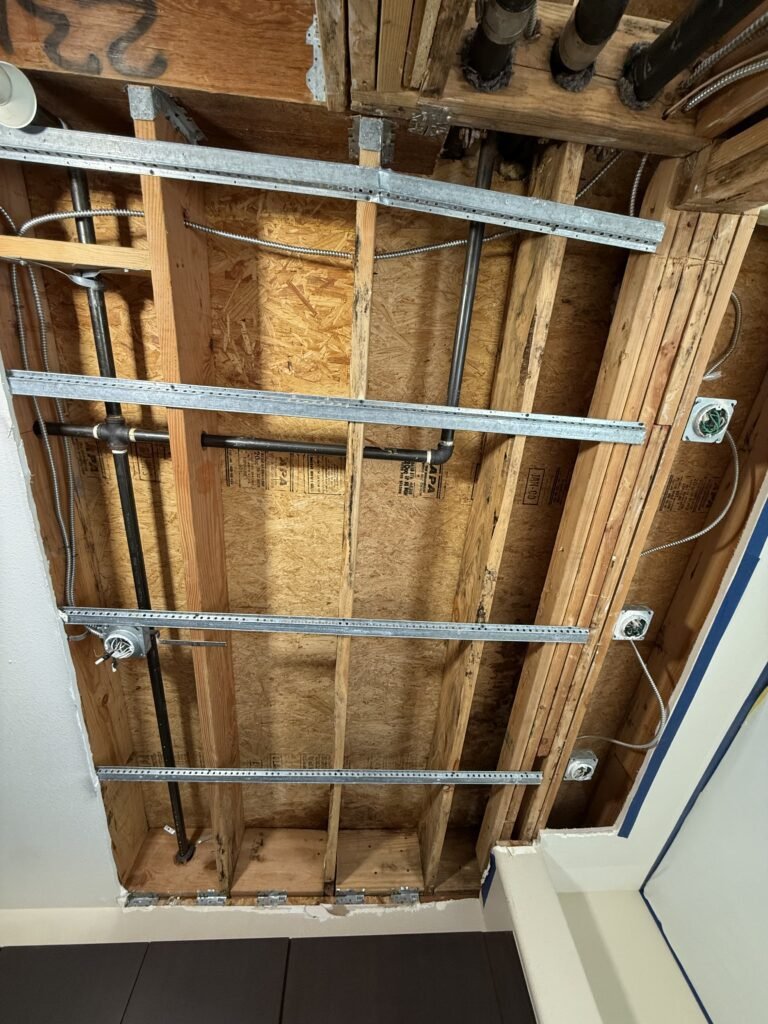
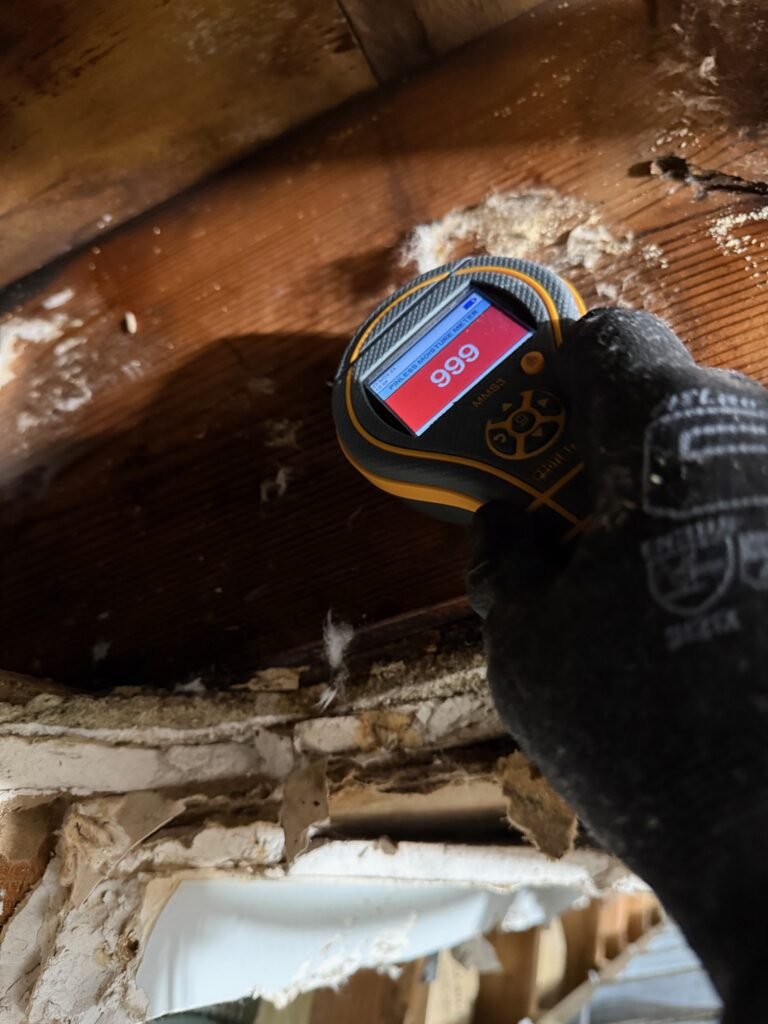
We identify migration paths through joists, stair stringers, toe-kicks, and utility chases. Thermal imaging plus meter readings define the true footprint.
Containment, extraction, targeted demo
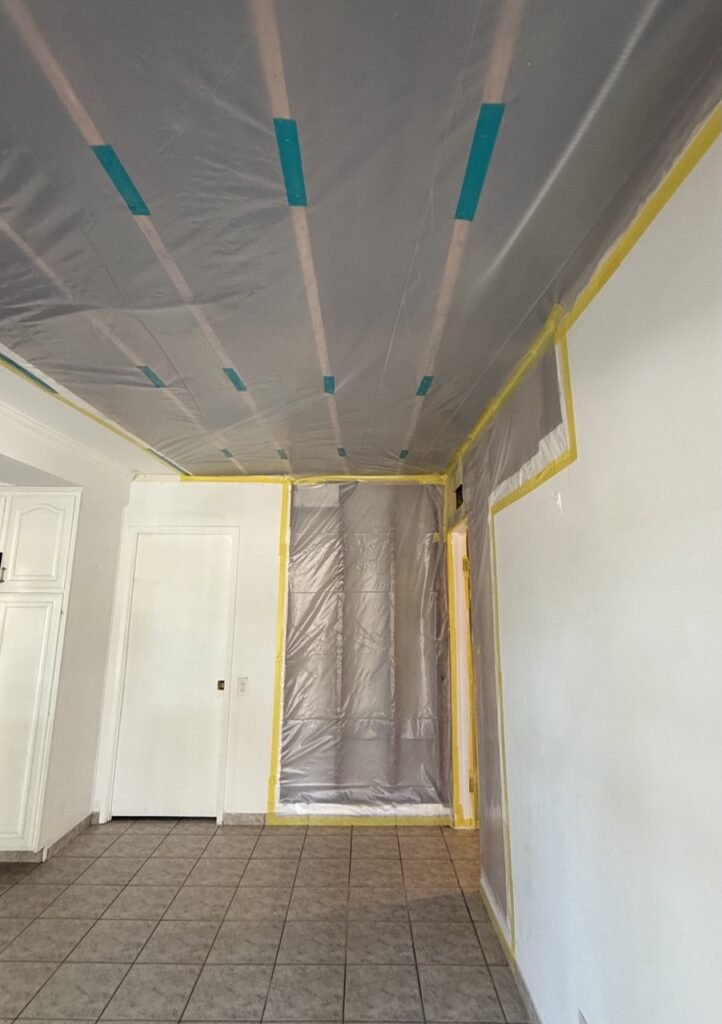
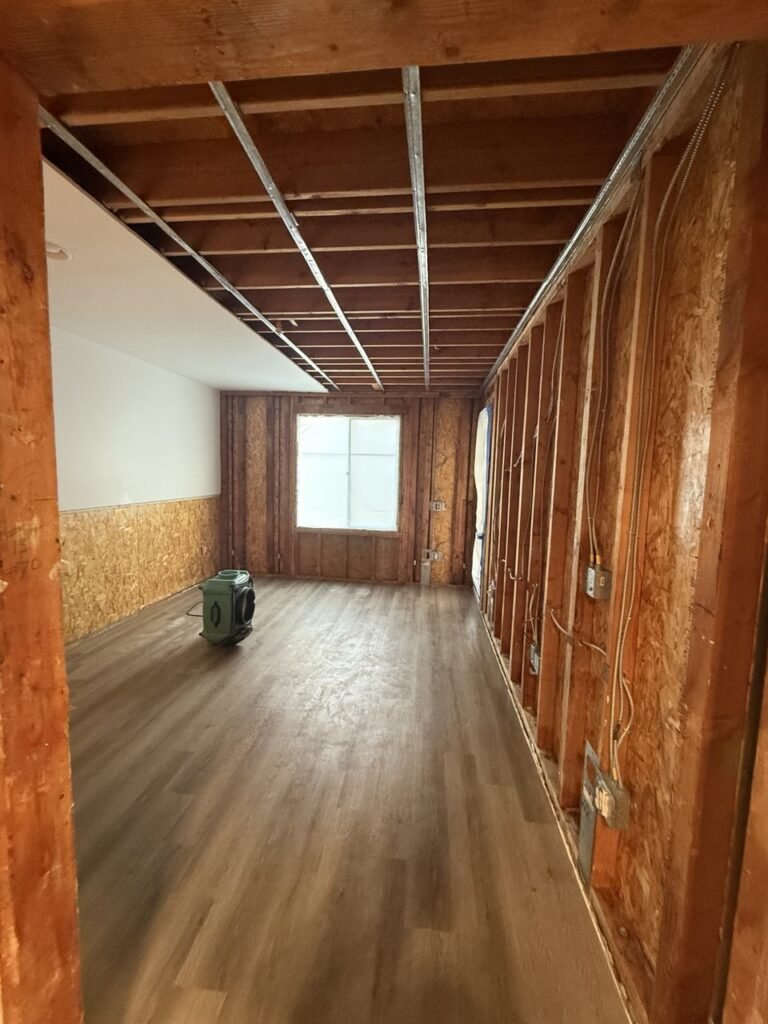
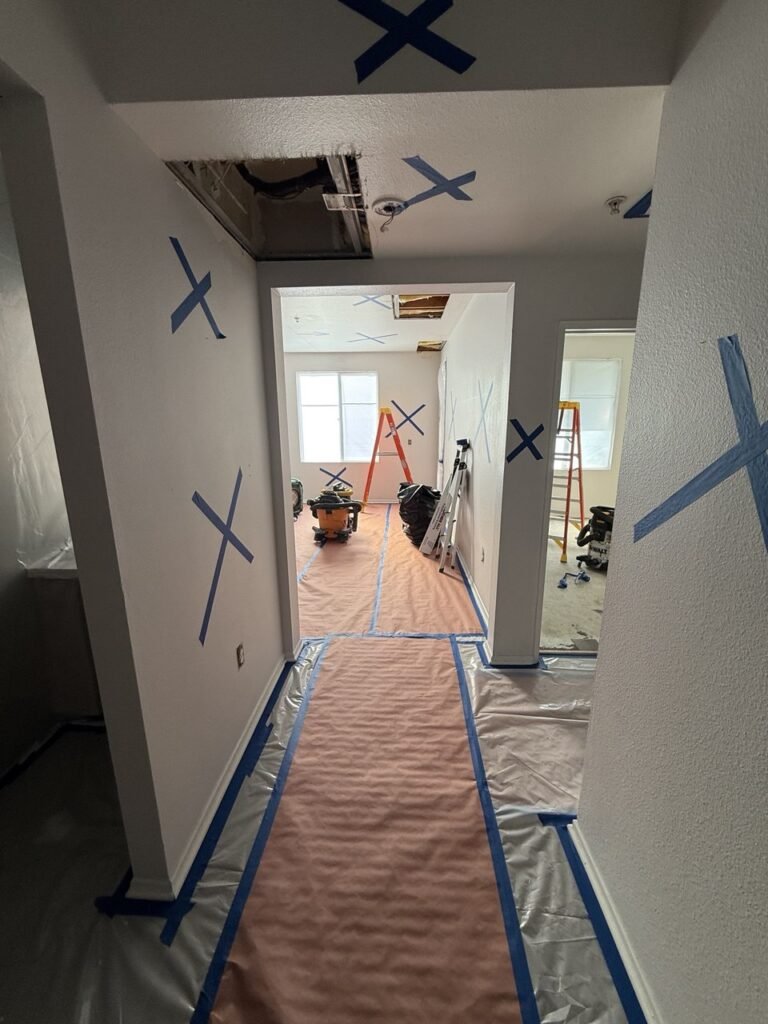
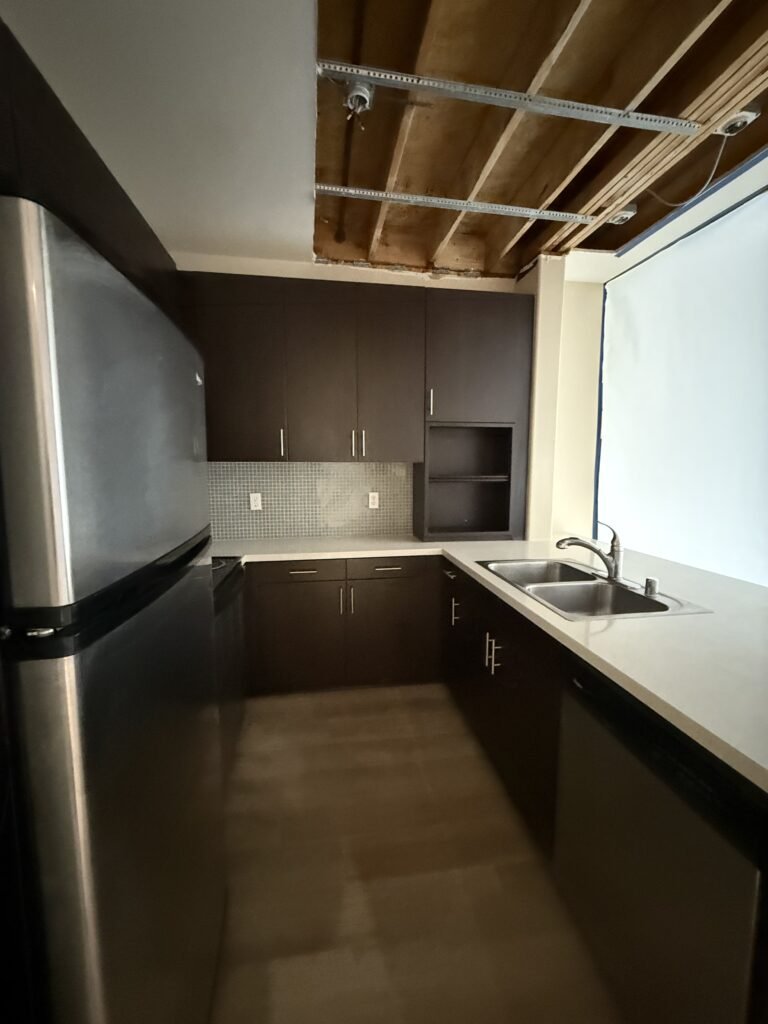
We establish pressure control, remove trapped water, and open only what must be opened to reach dry-back targets.
Drying, monitoring, documentation
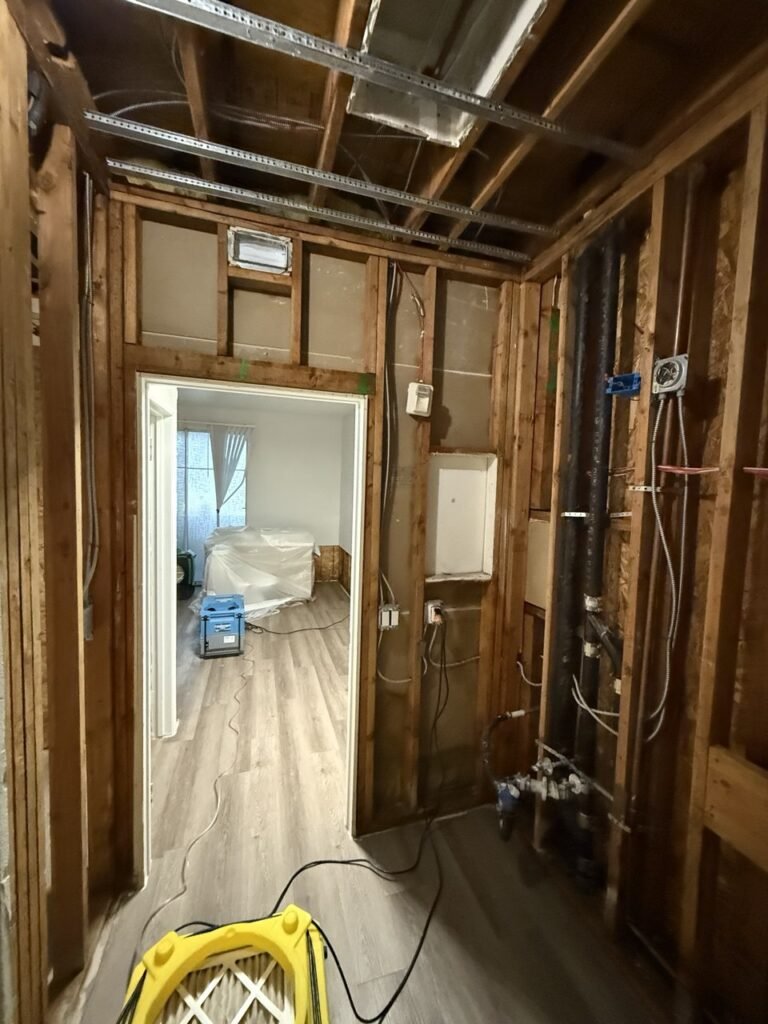
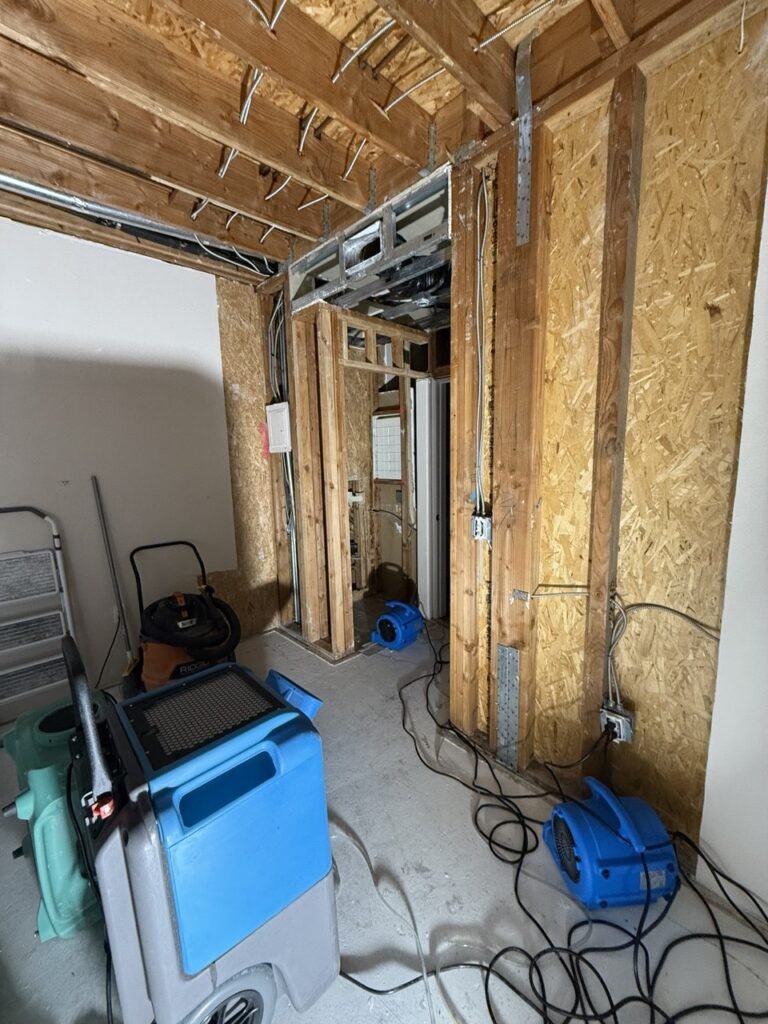
Equipment is right-sized for the cubic volume and materials. We record daily readings until the structure reaches target moisture content.
Construction Patterns & How Damage Travels Through a Home
Construction patterns and how damage spreads
Hillside framing and split-levels: Water runs along beams and down chase lines, often showing up rooms away.
Original plaster over lath and later drywall: Different dry-back curves require adjusted equipment and time.
Mixed plumbing eras: Copper, galvanized, and cast-iron lines increase risk of pinhole leaks and backups.
Local moisture and seasonal factors
Winter storms and roof drainage at parapets and scuppers.
Summer HVAC condensate and irrigation overspray into foundations.
Reservoir-adjacent humidity pockets around crawlspaces and shaded elevations.
Water Damage Restoration in Silver Lake's Hillside and Reservoir-Adjacent Homes
Silver Lake’s defining geographic feature — the reservoir itself — creates a microclimate that property owners on Silver Lake Boulevard, Redesdale Avenue, and the streets directly above the water often feel but rarely connect to their restoration risk. Ground saturation near the reservoir’s perimeter keeps soil moisture elevated year-round, and properties with older or shallow foundations on the reservoir’s east and west slopes see higher rates of subslab moisture intrusion and crawl space water infiltration than comparable properties a few blocks inland.
Beyond the reservoir, Silver Lake’s steep terrain means water damage in hillside homes rarely behaves predictably. A pipe failure or roof leak at the top of a split-level travels down through floor joists, stair stringers, and utility chases — showing up as a ceiling stain two levels below the actual source, or as buckled flooring in a room with no visible plumbing. The neighborhood’s mix of 1920s bungalows, 1940s duplexes, and mid-century moderns means plumbing eras overlap in the same building: original cast-iron drains, mid-century galvanized supply lines, and newer copper repairs can all exist on the same lateral, creating multiple failure points.
Onsite Pro Restoration uses thermal imaging and full moisture mapping on every Silver Lake job to trace actual water migration paths through non-standard framing before any demolition is performed. We target only what needs to come out, which matters on properties where original materials — period tile, old-growth wood floors, plaster ceilings — cannot be sourced as replacements. IICRC-certified, available 24/7. Call (818) 336-1800.
Fire and Sewer Damage in Silver Lake's Densely-Built Residential Neighborhoods
Silver Lake’s residential fabric is defined by close-built wood-frame construction — bungalows, duplexes, and courtyard apartments from the 1920s through 1940s that were designed for a different era’s setback standards. On streets like Maltman Avenue, Kenilworth Avenue, and the courts off Effie Street, structures sit close enough together that a fire involving one building’s exterior can produce significant smoke exposure to adjacent properties even when the fire itself is contained. Smoke from wood-frame fires penetrates older construction’s gaps readily: open wall cavities, loose-fitted window frames, and unlined attic spaces all allow particulate infiltration that requires professional remediation rather than surface cleaning.
Sewer lateral failures are a persistent problem throughout Silver Lake’s older street grid. Many laterals connecting homes to the city main were installed in the 1920s and 1930s in vitrified clay pipe, which fractures with root intrusion and soil movement. When a lateral fails, sewage backs up into the lowest fixture in the structure — often a ground-floor bathroom or laundry — and the Category 3 contamination it introduces requires full containment, material removal, and antimicrobial treatment of all affected surfaces. Onsite Pro Restoration handles sewer backup remediation throughout Silver Lake with proper containment and health-focused protocols. We document all Category 3 work for insurance, including itemized removal and sanitation records that support sewage backup claims. Call (818) 336-1800 24/7.
Mold Remediation in Silver Lake's Shaded, Moisture-Retentive Properties
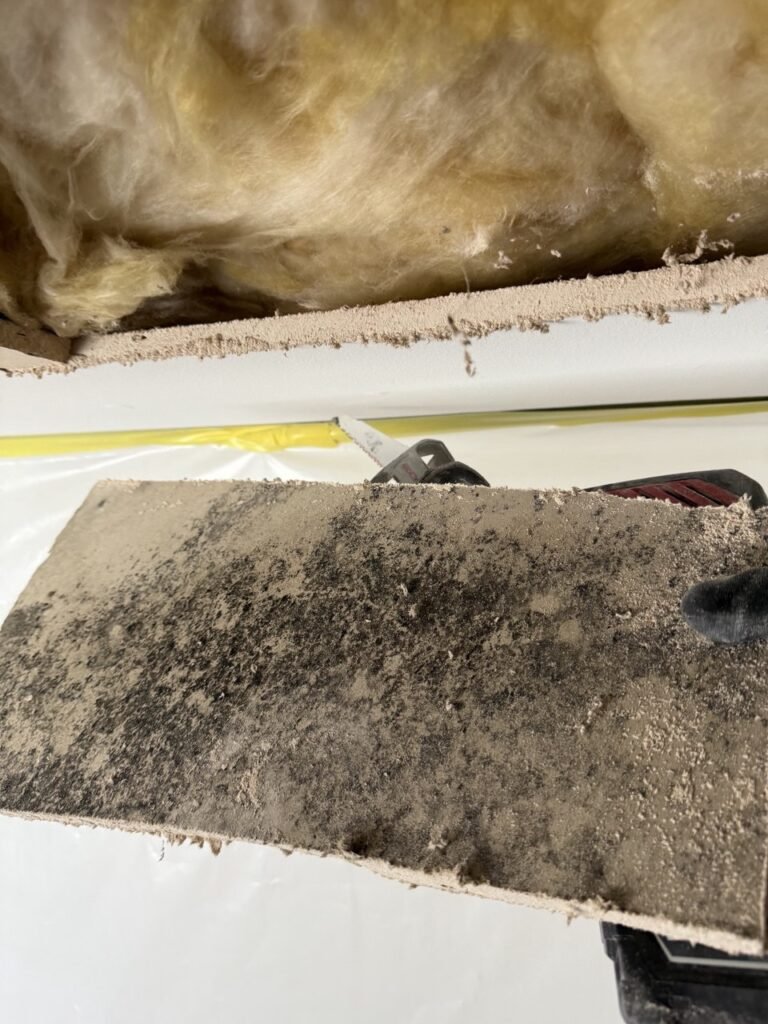
Silver Lake’s urban tree canopy is dense by LA standards, and many of the hillside properties between Micheltorena Street and Effie Street sit in near-permanent shade for portions of the year. Shaded properties with older construction dry out significantly more slowly after rain or plumbing events than sun-exposed properties — ambient evaporation that would normally clear residual moisture in two or three days can stretch to a week or more when a hillside bungalow’s north-facing walls never see direct sun. That extended drying window is the precise condition under which mold colonizes structural materials without a visible trigger.
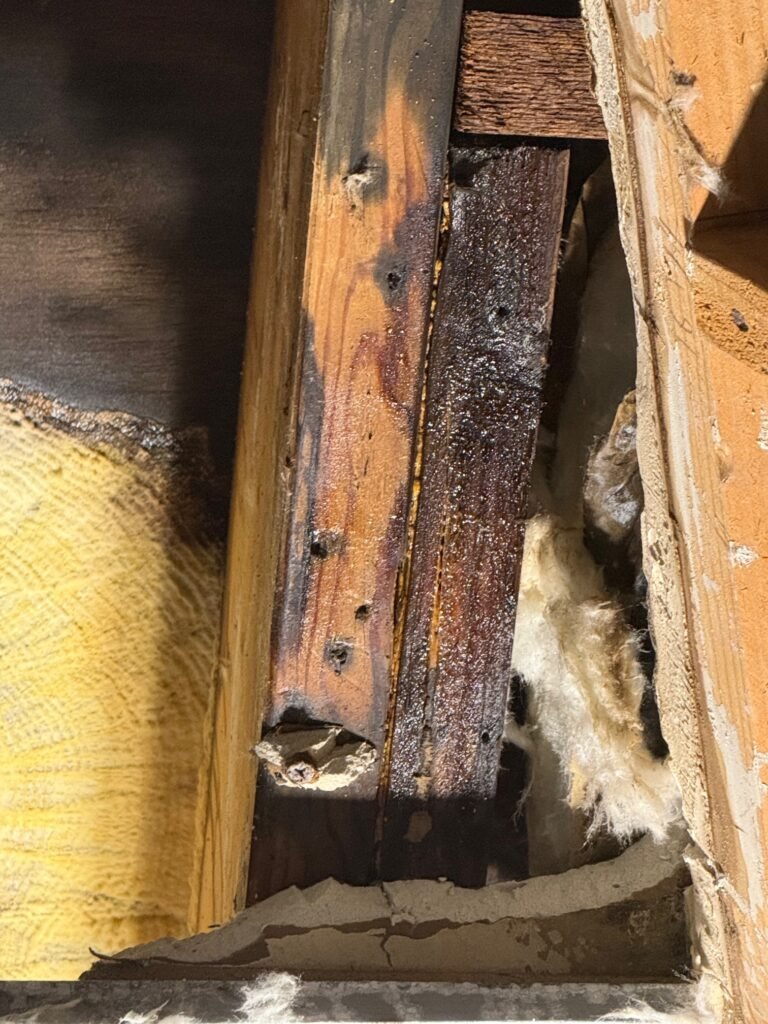
Original plaster-over-lath construction, common throughout Silver Lake’s pre-1950 housing stock, behaves differently from modern drywall when moisture is introduced: plaster is dense and slow to absorb, but once moisture penetrates to the lath and framing behind it, those materials stay wet long after the plaster surface dries to the touch. Standard moisture meters often read the plaster as dry while the wood framing behind it is still at mold-supportive levels. We use both surface meters and probe meters to verify full dry-back in older Silver Lake construction before closing any work.
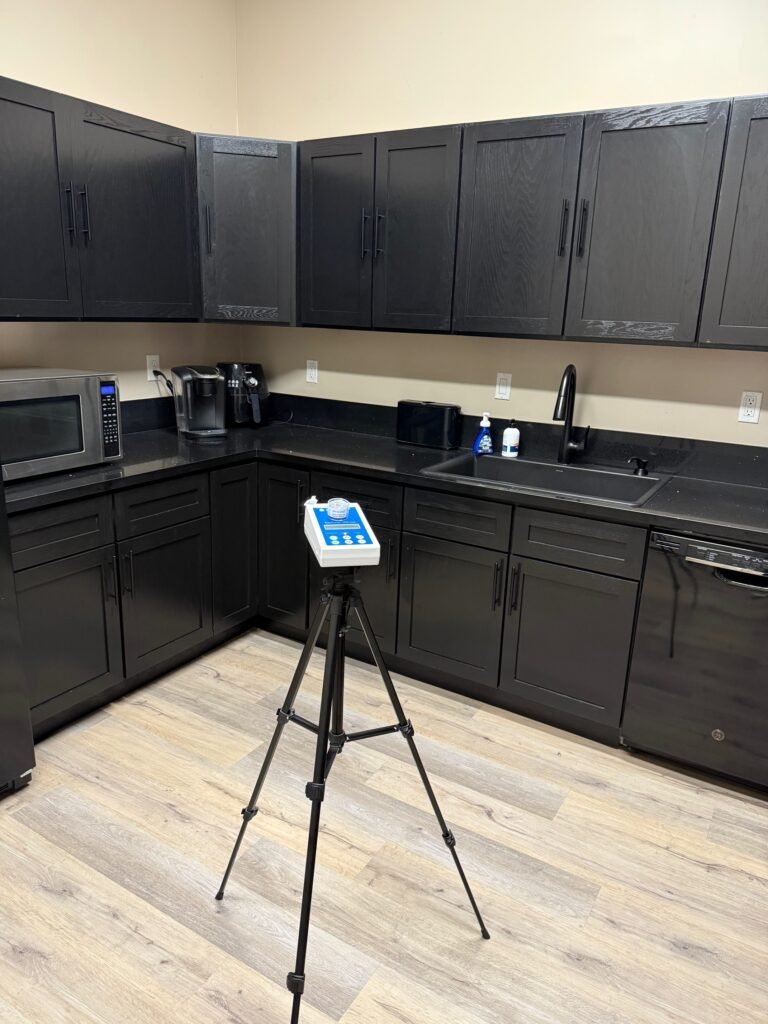
Reservoir-adjacent properties also see elevated humidity in crawl spaces and basement-level spaces during warm months when temperature differentials between cool soil and warm air drive condensation into subfloor framing. Onsite Pro Restoration’s free mold inspections in Silver Lake include crawl space evaluation, air quality sampling where indicated, and thermal imaging to locate moisture behind plaster without unnecessary demolition. Call (818) 336-1800 or schedule online.
Insurance Help
What we provide
Photo sets, moisture maps, daily logs, itemized scope and equipment records. We speak with adjusters about category, coverage drivers, and mitigation timelines.
Before you file
Stop the source, document conditions, avoid discarding materials until photographed, and keep receipts for emergency work. We can advise on next steps specific to your policy language.
What Our Silver Lake Customers Say About Onsite Pro
Silver Lake homeowners and businesses rely on Onsite Pro Restoration for rapid response, certified work, and proven results.